
-
About Us
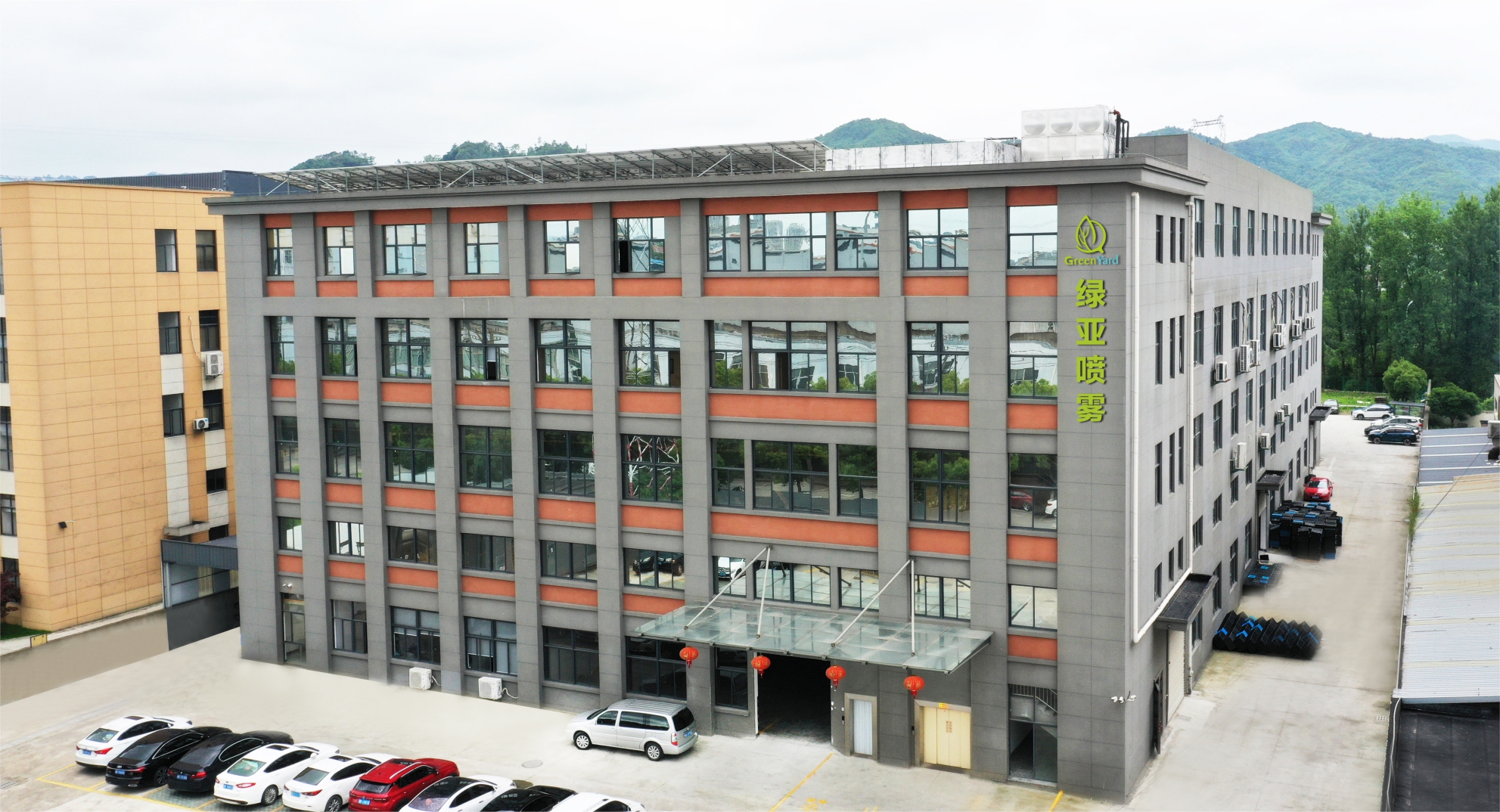
Why Choose Us?The company possesses advanced capabilities in mold design, injection molding, and automated assembly, supported by a professional quality inspection team to ensure product reliability. A dedicated design team continuously drives product innovation, providing customers with high-quality spray solutions.
 Coming From China, Marketing To The World.
 -
Products
-
News
 English
 Français
 русский
 Español
Precision Treatment Pump for Serum, Lotion, and Liquid Foundation Packaging
Content
- 1 Product Overview: What Makes the GY-802C1 Treatment Pump Valuable
- 2 Key Specifications
- 3 Precision Dosage and Product Economy
- 4 Compatibility with 20-410 and 24-410 Bottles
- 5 Smooth and Ribbed Closure Options
- 6 Custom Tube Length for Better Product Evacuation
- 7 Nozzle Options for Different Usage Scenarios
- 8 Applications in Skincare, Makeup, and Personal Care
- 9 Advantages Over Common Competing Dispensing Options
- 10 Manufacturing Strength Behind the Pump
- 11 Mold Design and Engineering Capability
- 12 Injection Molding for Consistent Appearance and Fit
- 13 Automated Assembly and High-Volume Production
- 14 Quality Inspection and Reliability Assurance
- 15 Design Flexibility for Brand Differentiation
- 16 Hygiene, Convenience, and Consumer Experience
- 17 Supply Chain Benefits for Cosmetic Brands
- 18 How the Treatment Pump Supports Premium Positioning
- 19 Considerations for Selecting the Right Configuration
- 20 Frequently Asked Questions
- 20.1 What products is this treatment pump suitable for?
- 20.2 What size options are available?
- 20.3 What is the dispensing dosage?
- 20.4 Can the tube length be customized?
- 20.5 What closure styles are available?
- 20.6 Why choose a treatment pump instead of a dropper?
- 20.7 Why is this pump suitable for liquid foundation?
- 20.8 How does the pump help reduce product waste?
- 20.9 What manufacturing strengths support the product quality?
- 20.10 Is this pump suitable for customized packaging projects?
- 21 Conclusion
- 22 References
- 23 Product: Treatement Pump
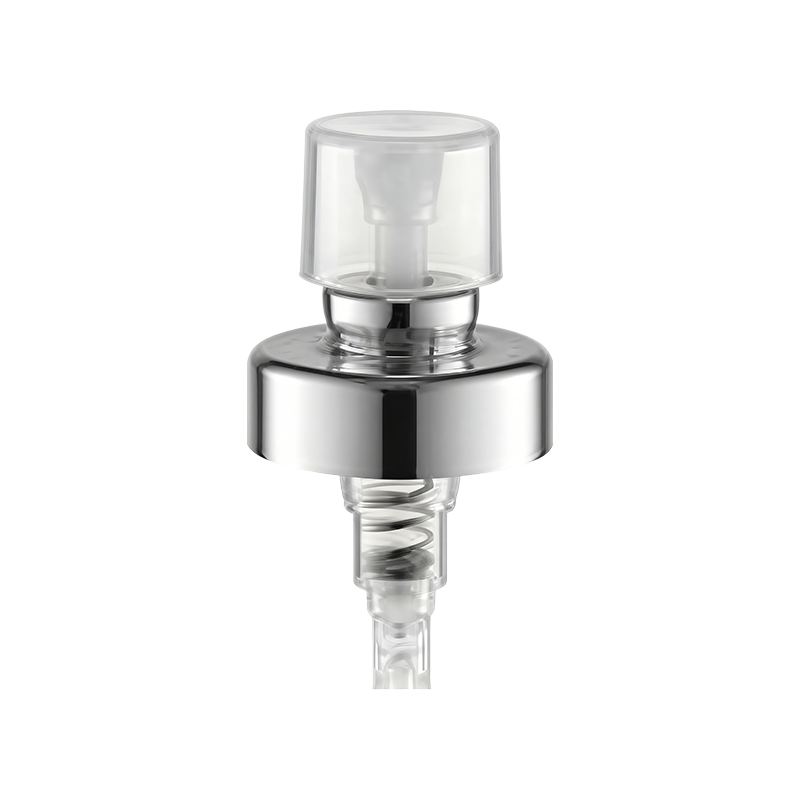
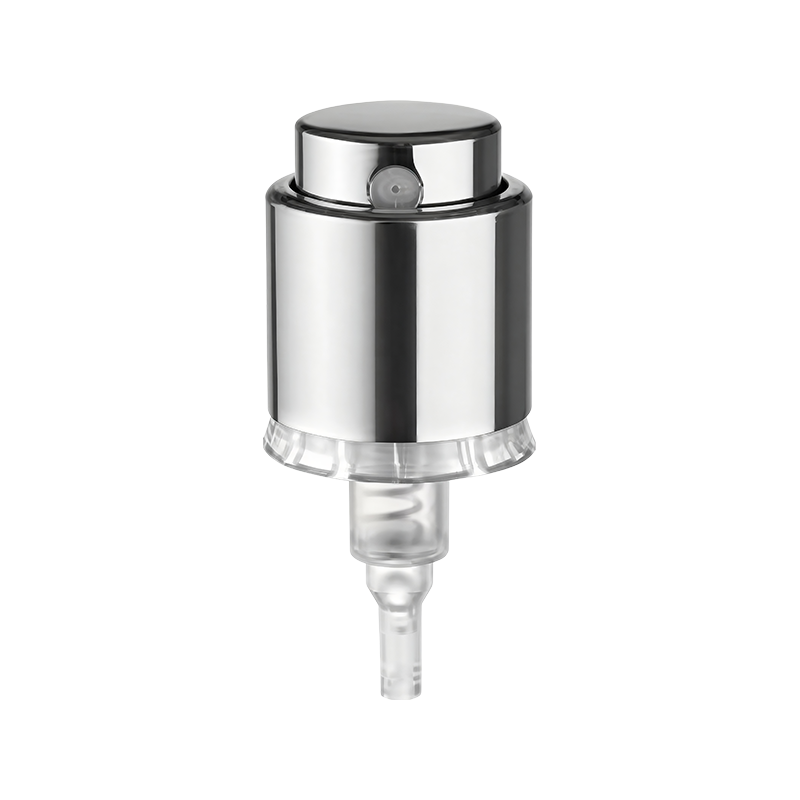
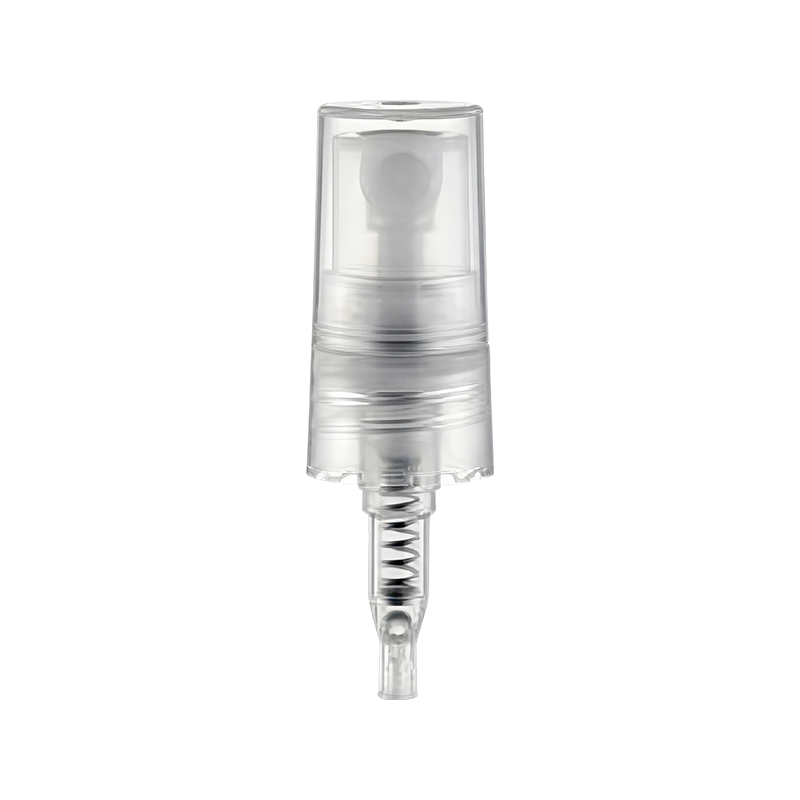
In modern skincare and cosmetic packaging, the treatment pump has become a small component with a major influence on product performance, brand perception, and daily user satisfaction. The GY-802C1 treatment pump is designed for controlled dispensing of formulations such as serum, lotion, emulsions, and liquid foundations, combining accurate output, adaptable closure options, customizable dip tube length, and versatile nozzle choices. For brands that need clean application, reliable dosage, and a refined packaging appearance, this pump offers a practical and competitive solution.
The product is available in 20-410 and 24-410 size options, making it compatible with a wide range of bottles used in personal care and beauty packaging. Its standard dispensing output is 0.12 ml per actuation, allowing consumers to apply a measured amount without waste or overuse. The closure may be supplied in smooth or ribbed styles, giving packaging designers flexibility to match different visual identities and handling preferences. The tube length can be customized according to bottle height and capacity, helping ensure complete product evacuation and consistent performance throughout the product life cycle.
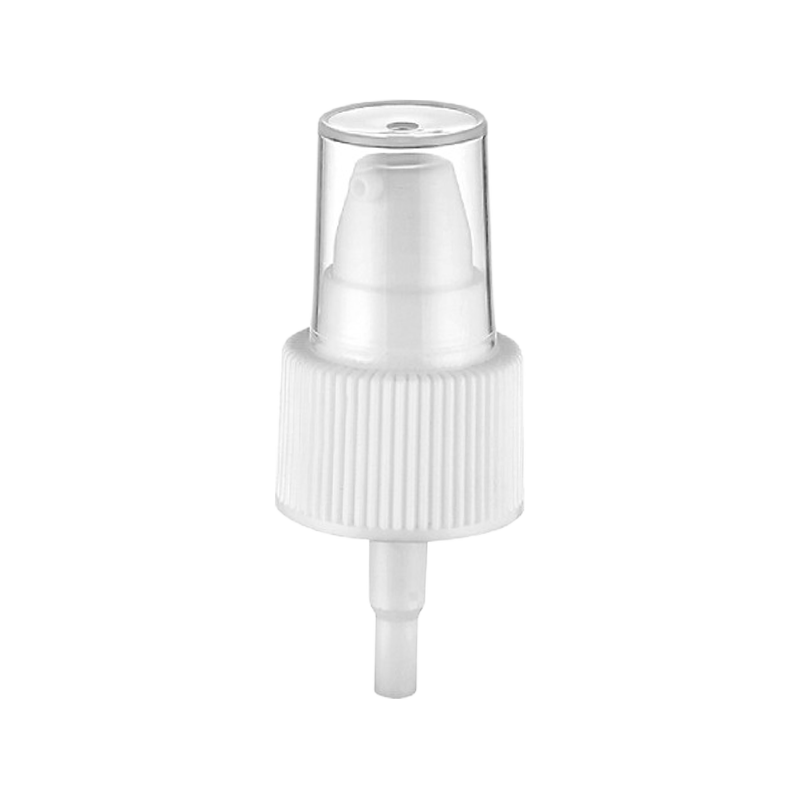
This treatment pump is especially suitable for products that require precision and hygiene. Serums often contain high-value active ingredients, and consumers expect careful portion control. Liquid foundations must dispense smoothly without mess or sudden discharge. Lotions and emulsions must be delivered with consistency, even when viscosity varies. The GY-802C1 pump is built to address these needs through stable pump action, suitable flow management, and packaging adaptability.
Beyond the product itself, manufacturing strength plays an essential role in pump quality. GreenYard Tools Co.,ltd. is a China-based high-end packaging material manufacturer with 16 years of experience in spray and pump product manufacturing. The company focuses on perfume sprayers, pump heads, caps, bottles, and daily chemical packaging solutions, supported by mold design, injection molding, automated assembly, and quality inspection capabilities. With a daily production capacity of approximately one million units, the company is positioned to serve both customized development projects and large-scale supply requirements.
Product Overview: What Makes the GY-802C1 Treatment Pump Valuable
The GY-802C1 treatment pump is a dispensing solution for cosmetic and personal care products requiring controlled output and clean application. In many beauty categories, the packaging must do more than contain the formula. It must preserve product integrity, improve convenience, reduce waste, and communicate quality at first touch. A well-designed treatment pump contributes to all of these goals.
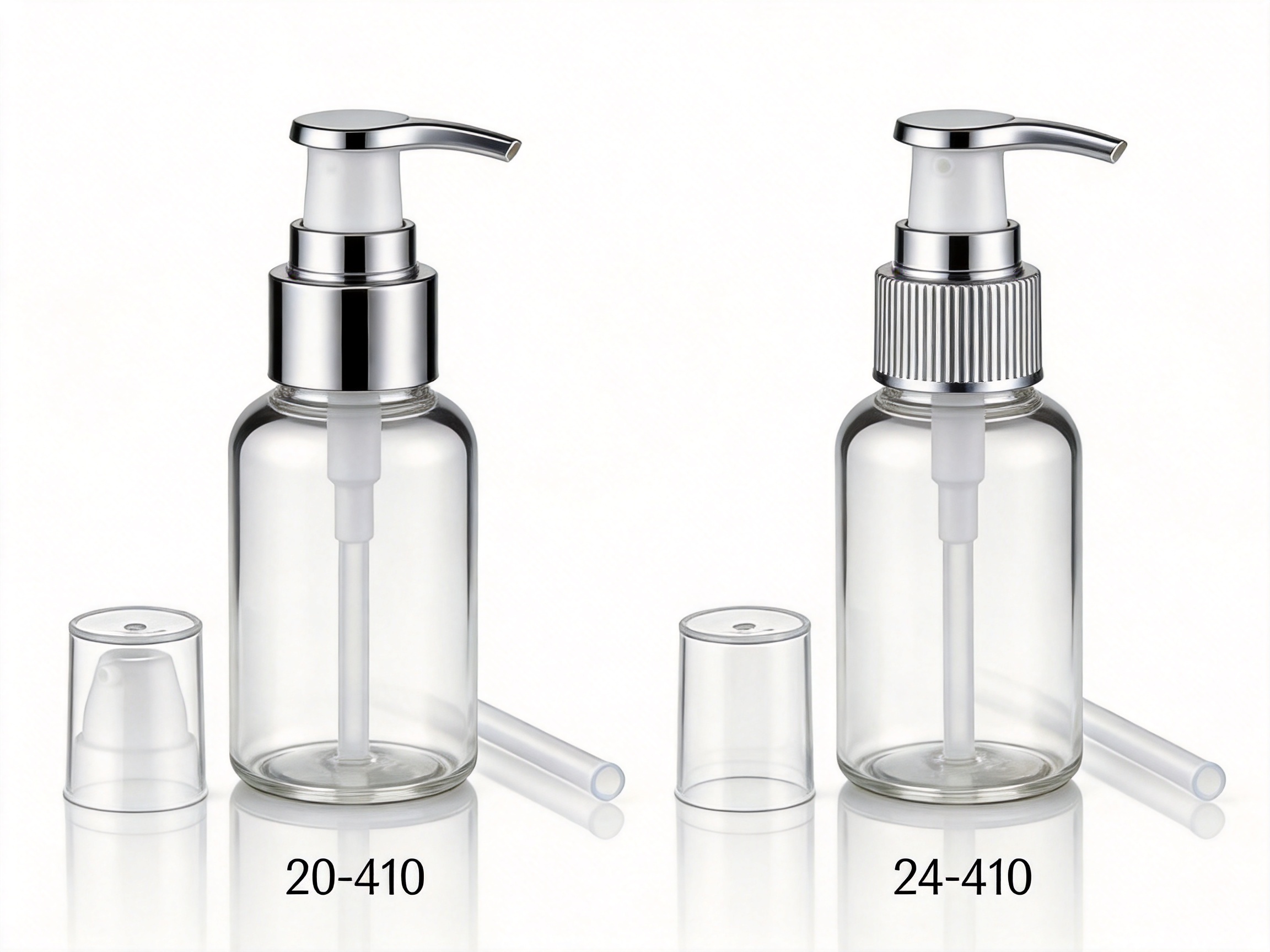
The pump is available in 20-410 and 24-410 neck sizes. These two specifications are widely used in cosmetic packaging and allow compatibility with different bottle volumes and styles. This is important for brands that produce multiple product lines, such as small serum bottles, medium lotion containers, and foundation packaging. Instead of redesigning the entire closure system for every product, brands can select a pump platform with adaptable fitment.
The dosage of 0.12 ml supports precise use. For high-value skincare formulas, small and repeatable dosage is a major advantage. Consumers can press once for a light application or press multiple times for a larger amount, while still maintaining control. Compared with uncontrolled pouring, squeeze bottles, or poorly calibrated pumps, a controlled treatment pump reduces unnecessary product loss and improves the feeling of professional application.
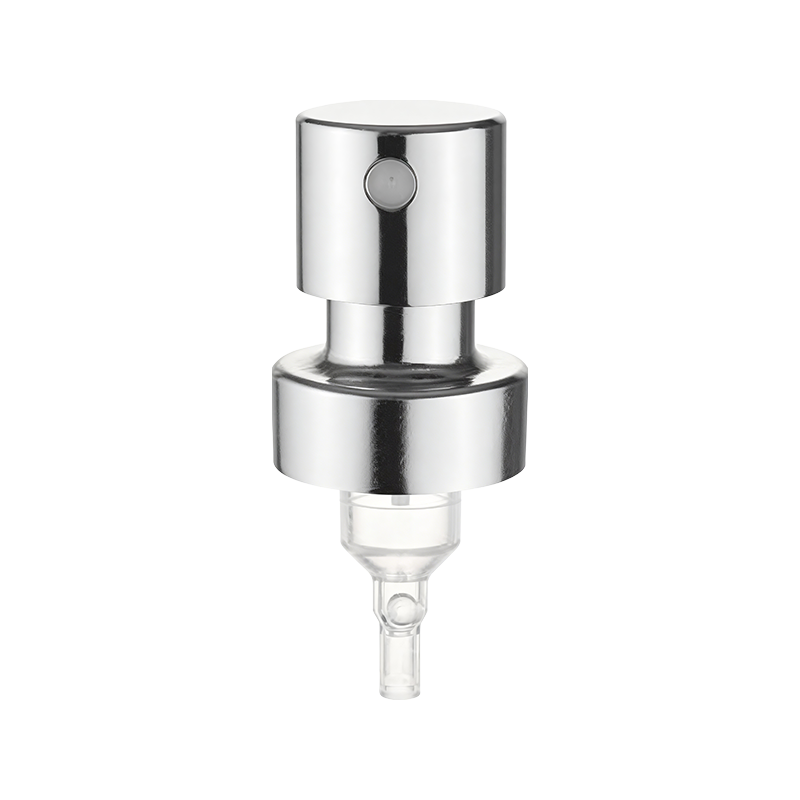
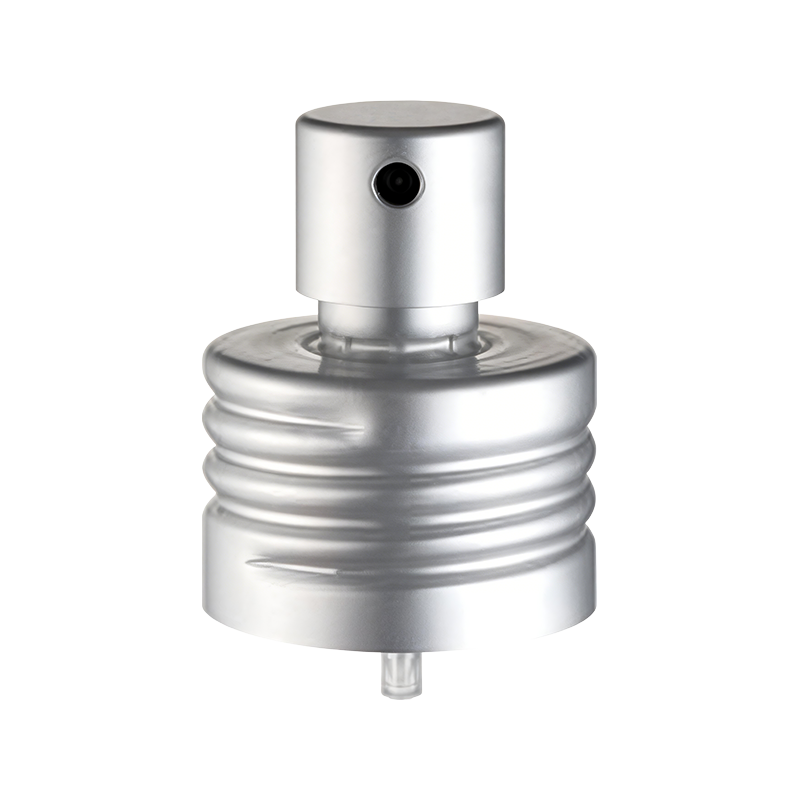
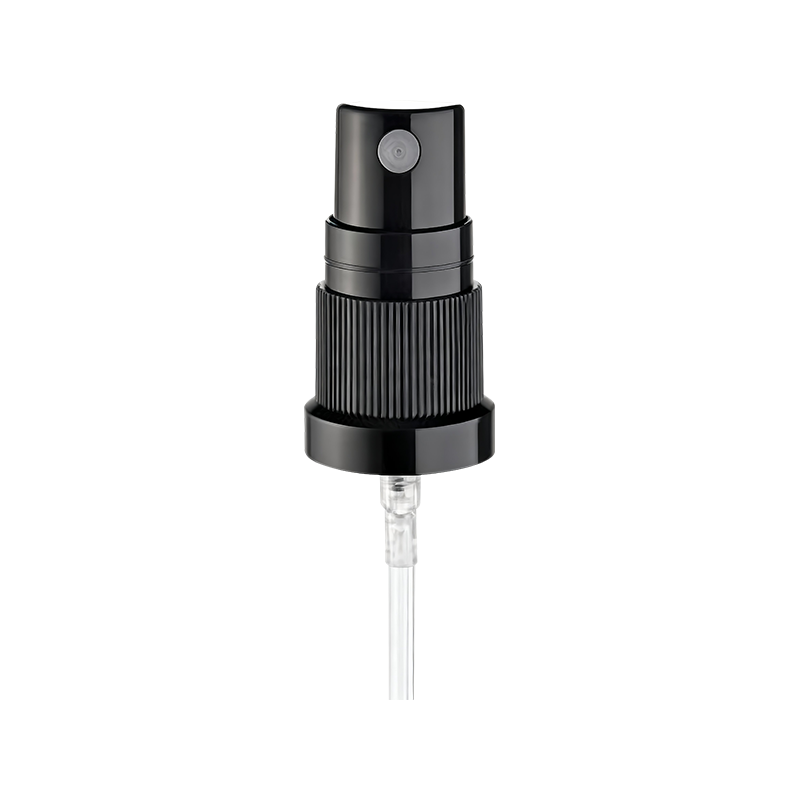
The smooth and ribbed closure options give brands both aesthetic and practical choices. A smooth closure can create a clean, premium, minimalist appearance suitable for luxury skincare or foundation packaging. A ribbed closure offers stronger grip and a more technical or functional look, which may suit professional care, salon products, or daily-use formulations. This choice helps packaging designers align pump appearance with the intended market positioning.
Customizable tube length is another critical feature. A pump tube that is too short may leave unused product at the bottom of the bottle. A tube that is too long may bend improperly, interfere with suction, or affect assembly. By customizing tube length, the pump can be matched to the exact bottle shape and volume, improving product evacuation and reducing consumer complaints.
The pump is also designed with different nozzle options. Nozzle design can influence dispensing direction, comfort, product spread, and use scenario. A serum may require a narrow, accurate output path, while a lotion may need smoother flow. A foundation product may benefit from a controlled discharge that helps avoid splashing or messy application. By offering nozzle variation, the pump can serve diverse product lines without sacrificing packaging consistency.
Key Specifications
Product Type |
Treatment Pump |
Model |
GY-802C1 |
Size Options |
20-410 and 24-410 |
Standard Dosage |
0.12 ml per actuation |
Closure Type |
Smooth or ribbed |
Tube Length |
Customized according to bottle requirements |
Suitable Applications |
Serum, lotion, emulsion, liquid foundation, and related cosmetic liquids |
Main Advantages |
Precise dispensing, flexible fitment, hygienic use, customizable appearance, and adaptable nozzle options |
Precision Dosage and Product Economy
One of the central advantages of the GY-802C1 treatment pump is its controlled dosage. In the skincare and cosmetics market, consumers increasingly expect packaging that helps them use products correctly. If too much product is dispensed, the consumer may feel that the formula is wasteful or inconvenient. If too little is dispensed, the experience may feel incomplete. A 0.12 ml output gives a balanced level of control for products used on the face, hands, or targeted treatment areas.
For serums, precision is especially important. Many serum formulas contain active ingredients such as peptides, botanical extracts, brightening agents, or moisturizing complexes. These ingredients can be costly, and the brand’s value proposition often depends on effective but measured application. A treatment pump that dispenses a small, consistent amount helps consumers avoid over-application while preserving product value.
For liquid foundation, controlled dosage influences both application and cleanliness. Foundation users often apply product in layers, adjusting coverage gradually. A pump that releases a predictable amount allows better blending, improved portion control, and reduced mess around the bottle opening. Compared with open-neck bottles or squeeze tubes, a treatment pump improves hygiene because the product does not need to be exposed directly to fingers, air, or external contamination during every use.
For lotions and emulsions, dosage consistency creates repeatable user experience. Daily care products may be used many times over several weeks or months. A pump that feels stable from the first use to the last helps establish trust. The consumer does not need to guess how hard to press or how much product will come out. This reliability can improve product satisfaction and encourage repurchase.
Compared with many standard pump heads that may deliver inconsistent output, leak around the actuator, or create sudden bursts, a well-engineered treatment pump provides a more refined dispensing experience. Consistency is not only a technical measurement; it is also a sensory impression. When the actuator moves smoothly and product exits evenly, the entire package feels more premium.
Compatibility with 20-410 and 24-410 Bottles
Packaging compatibility is a practical concern for brands, contract fillers, and purchasing teams. The GY-802C1 treatment pump is available in 20-410 and 24-410 options, two common neck finishes used across cosmetic and personal care bottles. This compatibility reduces development risk because brands can pair the pump with many existing PE, PET, or other compatible bottle formats.
The 20-410 option is often appropriate for smaller bottles or formulas positioned as concentrated treatments. These may include facial serums, eye-area products, lightweight emulsions, and travel-size cosmetics. The smaller closure size supports a compact visual profile and can help create a slim, elegant package.
The 24-410 option is suitable for larger bottles or products requiring a stronger visual presence. Lotions, liquid foundation, moisturizers, and medium-volume emulsions can benefit from this size. It provides a practical balance between bottle capacity and pump stability, while still offering a polished cosmetic appearance.
The availability of both sizes gives brands room to build a family of products. For example, a skincare line may use 20-410 pumps for concentrated serum and 24-410 pumps for lotion, while maintaining similar dispensing style and design language. This strengthens shelf identity and simplifies sourcing.
Compared with suppliers offering only one size, a manufacturer that supports multiple fitments can better accommodate product line expansion. It also reduces the need for brands to source separate pump systems from different vendors, which can create inconsistencies in color, finish, actuator feel, and quality control.
Smooth and Ribbed Closure Options
The closure is one of the most visible elements of a pump package. It is also the part consumers touch during use. The GY-802C1 treatment pump can be supplied with smooth or ribbed closure styles, allowing brands to select the option that best matches product positioning and usability requirements.
A smooth closure is often chosen for beauty products with a modern, refined, or premium look. It creates a clean surface that pairs well with minimalist bottles, metallic colors, soft-touch finishes, and elegant labels. Smooth closures can make the package look more unified and luxurious, especially for facial skincare, liquid foundation, or premium treatment products.
A ribbed closure offers enhanced grip. This is useful for products used in bathrooms, salons, or humid environments where hands may be wet or slippery. Ribbed texture also conveys functionality and reliability, which can be attractive for professional or daily-use personal care products. The texture can make assembly and removal easier, especially when the pump needs to be tightened securely.
The ability to choose between these closure styles helps brands avoid compromise. Some competitors may offer limited closure appearance options, forcing the customer to adapt the package design to available hardware. A more flexible treatment pump gives the brand greater design control while preserving functional performance.
Closure choice also affects the perceived quality of the final product. Consumers may not consciously analyze closure texture, but they notice how the package feels in hand. A closure that supports both visual design and user handling contributes to an overall impression of thoughtful packaging engineering.
Custom Tube Length for Better Product Evacuation
Dip tube length is often overlooked, yet it can determine whether a pump performs well inside the actual bottle. The GY-802C1 treatment pump supports customized tube length, allowing the pump to be adapted to bottle depth, shoulder shape, base geometry, and filling volume. This is a significant advantage for packaging projects that require dependable performance across different bottle designs.
If the dip tube is too short, the pump may stop dispensing while product remains in the bottle. Consumers may interpret this as poor packaging quality or may need to open the bottle to recover the remaining formula. This creates inconvenience and reduces perceived value. If the tube is too long, it may curve too sharply or press against the bottle base, creating suction instability. It may also complicate automatic or manual assembly.
Customized tube length helps solve these issues before production. By matching the tube to the bottle, the pump can draw product more efficiently and maintain reliable dispensing through the product’s usable life. This is particularly important for higher-viscosity emulsions and foundations, where suction resistance may already be greater than water-like liquids.
For brands using different bottle capacities under one product line, tube customization can maintain consistent pump experience across SKUs. A 30 ml serum bottle, a 50 ml lotion bottle, and a 100 ml emulsion bottle may all need different tube lengths, even if the pump head appearance is similar. The ability to customize supports both design continuity and functional optimization.
Compared with off-the-shelf pumps supplied with fixed tube lengths, customized tube service reduces rework, improves filling-line efficiency, and supports better consumer satisfaction. This is one of the reasons professional packaging buyers value manufacturers with strong technical support rather than simple trading suppliers.
Nozzle Options for Different Usage Scenarios
The GY-802C1 treatment pump can be paired with different nozzle designs, giving brands more options for usage scenarios and product behavior. Nozzle geometry can influence the path, spread, and feel of the dispensed formula. While the dosage system controls volume, the nozzle affects how that volume is delivered.
For a lightweight serum, a narrow and direct outlet may be preferred because users often dispense onto fingertips, the back of the hand, or a targeted area. For lotion or emulsion, the nozzle should allow smooth release without clogging or dripping. For liquid foundation, the discharge should be controlled enough to avoid splashing while still convenient for makeup sponges, brushes, or fingertips.
Nozzle choice also supports product differentiation. A brand may want a refined actuator for prestige skincare, a more practical actuator for professional salon use, or a compact nozzle for travel packaging. Instead of developing a new pump platform for every scenario, nozzle variation allows customization within a proven structure.
Compared with pumps that offer only one actuator or nozzle style, the GY-802C1 provides greater flexibility. This helps brands respond to market segmentation. A single skincare company may sell a brightening serum, hydrating lotion, tinted moisturizer, and foundation; each product may have different dispensing needs, but all can benefit from a consistent pump family.
Nozzle design also affects cleanliness. A well-matched nozzle can reduce residue buildup, prevent unnecessary dripping, and keep the package looking neat after repeated use. In cosmetic products, this matters because consumers often keep packaging on vanities, bathroom counters, or professional workstations where appearance remains visible after purchase.
Applications in Skincare, Makeup, and Personal Care
The treatment pump is suitable for serum, lotion, emulsion, liquid foundation, and similar formulations. Its usefulness comes from a combination of dosage control, hygienic dispensing, and compatibility with common cosmetic bottle sizes. Each application has distinct packaging requirements, and the GY-802C1 addresses them through its adaptable design.
Serum Packaging
Serum products are usually associated with concentrated benefits and premium pricing. Many consumers use them in small amounts, often one or two pumps per application. A 0.12 ml pump output supports careful dosage and prevents excessive use. The pump also reduces direct formula exposure compared with jars or open bottles. This helps maintain a cleaner user experience and reinforces the premium nature of the product.
Lotion Packaging
Lotions require dependable flow and convenient daily use. The treatment pump offers clean dispensing without the need to unscrew caps or squeeze tubes. For facial lotions, hand lotions, or lightweight moisturizers, a smooth pump action improves convenience and encourages regular use. The availability of 24-410 fitment can support larger lotion bottles, while 20-410 may suit smaller targeted treatments.
Emulsion Packaging
Emulsions can vary in viscosity and texture. They need a pump that can handle smooth, repeatable dispensing without excessive force. The GY-802C1 is positioned for emulsions and can be adapted through tube length and nozzle selection. This makes it a strong option for hydrating emulsions, balancing emulsions, and other skincare products between serum and lotion viscosity.
Liquid Foundation Packaging
Liquid foundation packaging must balance accuracy, cleanliness, and visual appeal. Consumers often dispense foundation onto hands, palettes, or applicators and expect control. Too much product can waste formula and create mess; too little can interrupt application. A measured treatment pump helps users build coverage gradually. Smooth or ribbed closures can be selected depending on whether the foundation line emphasizes luxury, professional function, or everyday practicality.
Travel and Trial Products
Because the pump is compatible with smaller neck sizes, it can also support travel-size or trial-size packaging. Brands often use trial products to attract new consumers, and the packaging must still feel high quality. A reliable pump in a compact format can create a better first impression than a sachet or uncontrolled mini bottle.
Advantages Over Common Competing Dispensing Options
In the market, treatment products may be packaged with droppers, squeeze tubes, jars, screw caps, or standard lotion pumps. Each format has strengths, but the treatment pump provides a strong balance of hygiene, precision, convenience, and premium feel. The GY-802C1 is especially competitive for brands seeking controlled output and flexible packaging design.
Compared with droppers, a treatment pump is generally easier and cleaner to use. Droppers are popular for serums, but they expose the applicator to air and user handling. They also require consumers to control suction manually, which can lead to inconsistent dosage. A pump provides one-handed operation and repeatable output without inserting an applicator back into the formula.
Compared with jars, a pump offers better hygiene. Jars often require finger contact or spatula use, increasing the chance of contamination. While jars can be attractive for creams, they are less ideal for liquid products or formulas where clean application is a priority. A pump minimizes direct contact with the bulk formula.
Compared with squeeze bottles, a pump provides more precise dosage and a more premium experience. Squeeze bottles depend on user pressure, bottle flexibility, and product viscosity, which can cause inconsistent output. A treatment pump gives more predictable dispensing and supports a stronger cosmetic image.
Compared with basic lotion pumps, the GY-802C1 is better suited for treatment-oriented packaging where smaller dosage, refined closure design, and nozzle options matter. Standard pumps may deliver too much product for serums or foundation. A 0.12 ml treatment pump gives better control for facial and targeted care products.
Compared with low-cost generic pump heads, the value of this product lies in its manufacturing reliability, customization options, and quality inspection support. Price is important in packaging, but poor pump performance can damage consumer trust, increase complaints, and create supply chain waste. A well-made pump reduces these risks.
Manufacturing Strength Behind the Pump
The performance of a pump depends heavily on manufacturing precision. Small variations in plastic components, spring behavior, sealing surfaces, actuator fit, or assembly alignment can affect dosage, leakage resistance, priming, and durability. GreenYard Tools Co.,ltd. supports product quality through advanced manufacturing processes developed during 16 years of specialization in spray and pump packaging.
The company’s capabilities include mold design, injection molding, automated assembly, and quality inspection. These processes are essential for producing high-volume pump components with stable dimensions and repeatable function. A treatment pump consists of several interacting parts, and each part must meet dimensional and material requirements. If one component is inconsistent, the entire pump can fail to deliver correctly.
Mold design is the foundation of stable production. A well-designed mold ensures that plastic parts have accurate shape, suitable surface finish, proper wall thickness, and reliable fit. For pump products, mold accuracy affects actuator movement, closure threading, nozzle geometry, and internal sealing. Strong mold design capability allows the manufacturer to improve product details and support custom projects more effectively.
Injection molding converts design into physical components. Stable injection molding requires controlled temperature, pressure, material flow, cooling time, and part handling. Cosmetic packaging components must not only function properly but also look clean and consistent. Surface defects, color inconsistency, flash, deformation, or poor fit can reduce the perceived quality of the final package. Advanced injection molding capability helps maintain both appearance and performance.
Automated assembly improves consistency and production efficiency. Pump heads contain multiple parts, and manual assembly can introduce variation if not carefully managed. Automation helps align components, control assembly force, reduce contamination, and increase output capacity. For large-volume orders, automated assembly is crucial because it supports stable quality across thousands or millions of units.
Quality inspection ensures that finished pumps meet functional requirements. Inspection may include appearance checks, dimensional verification, fitment testing, dosage consistency evaluation, leakage testing, actuator performance, and sampling during production. A manufacturer with dedicated inspection capability can identify problems before shipment, protecting customers from downstream issues during filling, distribution, or consumer use.
The company’s daily production capacity of approximately one million units reflects its ability to support both large orders and ongoing supply programs. In packaging procurement, capacity matters because delays in pump supply can disrupt filling schedules, product launches, and retail commitments. A manufacturer with strong production scale can help brands maintain supply stability.
Mold Design and Engineering Capability
Effective pump manufacturing begins long before mass production. It starts with engineering and mold development. The GY-802C1 treatment pump benefits from a manufacturing environment where mold design is treated as a core capability. This is important because treatment pumps require fine detail and stable tolerances.
The closure thread must match bottle neck specifications. The actuator must move smoothly without excessive looseness. The internal pump system must maintain suction and dosage control. The nozzle must allow formula to exit cleanly. These requirements depend on accurate component design and high-quality molds.
Advanced mold design also enables aesthetic customization. Different closure textures, actuator shapes, and finish preferences can be developed more efficiently when the manufacturer has internal design knowledge. This helps customers create packaging that stands apart from generic market options.
When a company understands both mold design and final pump function, it can solve problems more quickly. For example, if a formula is slightly thicker than expected, the manufacturer can evaluate nozzle structure, actuator behavior, and tube length rather than treating the pump as a fixed commodity. This technical support is valuable for cosmetic brands developing new formulas.
Competitors without strong mold capability may rely on standard designs and limited modifications. This can restrict customization and slow problem-solving. In contrast, a manufacturer with mold design expertise can support better development communication, more stable tooling, and long-term product improvement.
Injection Molding for Consistent Appearance and Fit
Injection molding is central to producing treatment pump components. The pump must look good and perform reliably, which requires consistent plastic molding. Components such as closures, actuators, internal bodies, and nozzles must be formed with precision.
For cosmetic packaging, visual quality matters. Consumers associate clean molding, uniform color, and precise edges with product quality. Even if the formula is excellent, poor packaging appearance can weaken brand perception. A treatment pump should match the elegance of the bottle and label. Smooth closures must look refined, while ribbed closures must have clean, consistent texture.
Dimensional consistency is equally important. A closure that is slightly out of tolerance may not seal correctly with the bottle. An actuator that is poorly molded may feel rough or unstable. A nozzle with irregular geometry may affect dispensing direction. Injection molding control reduces these risks.
The company’s manufacturing experience supports stable molding for high-volume production. This is especially valuable when a brand needs repeat orders over time. The first production batch and later batches should match in appearance and function. Consistency across orders protects brand identity and reduces packaging validation work.
Compared with less controlled production environments, advanced injection molding can reduce defect rates, improve assembly efficiency, and create a more premium finished package. This gives the treatment pump a competitive advantage not only in design but also in dependable supply quality.
Automated Assembly and High-Volume Production
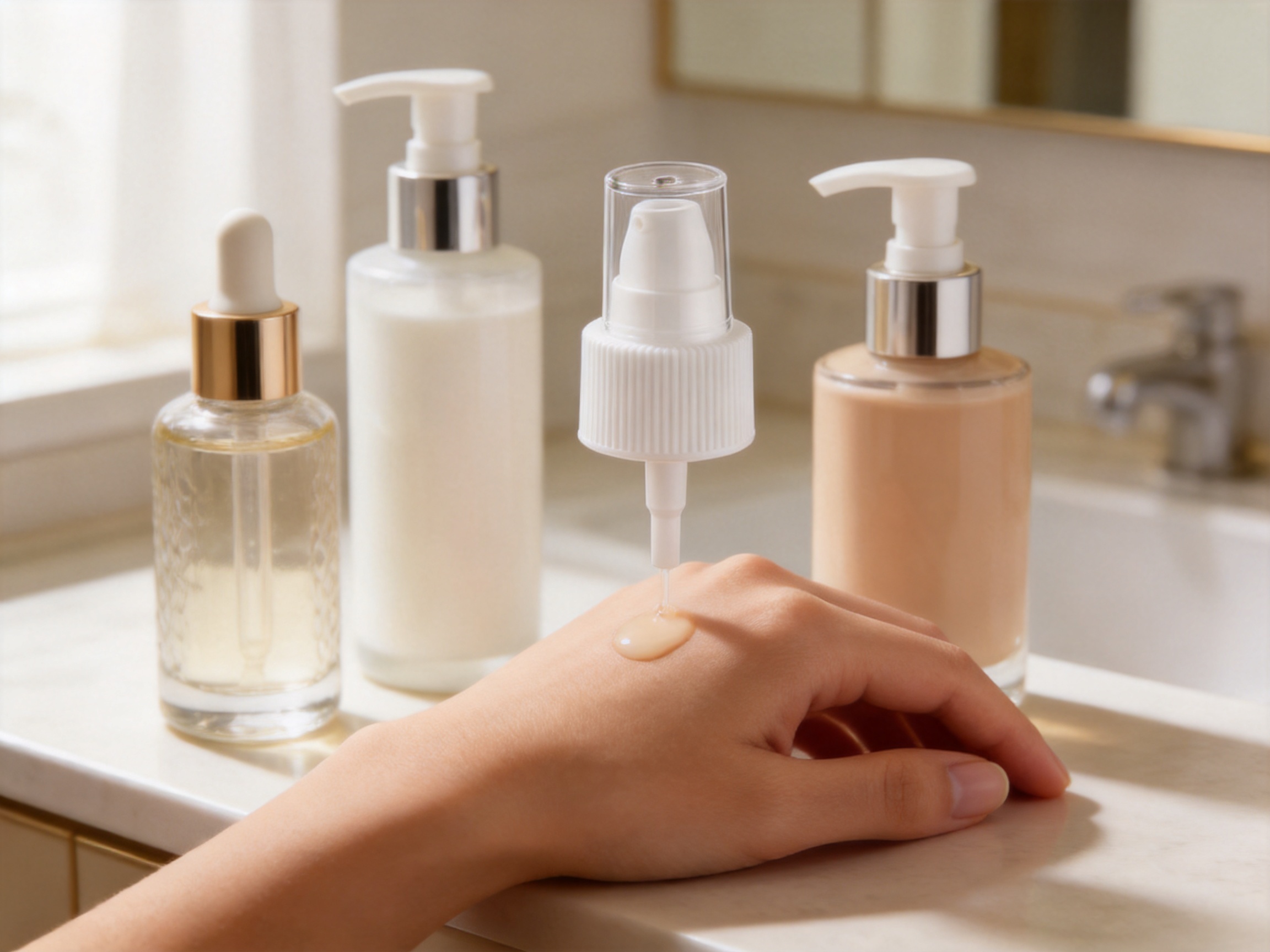
A pump is a precision assembly. It may appear simple from the outside, but inside it must coordinate moving parts, sealing elements, and fluid pathways. Automated assembly helps ensure that every component is positioned correctly and that each pump behaves consistently.
For the GY-802C1 treatment pump, automated assembly supports reliable output, smooth pressing, and stable structural alignment. It also increases production speed, making it possible to meet large order quantities. With a daily capacity of approximately one million units across product lines, the manufacturer can support demanding supply schedules.
Automation reduces variation caused by manual handling. It can improve hygiene by limiting unnecessary contact with components. It can also support inline checks and process monitoring, helping detect issues early. In cosmetic packaging, where large quantities are often required for product launches, automated assembly is a major advantage.
For customers, high-volume automated production offers practical benefits. Lead times can be more predictable. Quality can be more stable. Reorder programs can be supported more effectively. Large brands, contract manufacturers, and distributors often need this level of reliability to manage complex supply chains.
Compared with small workshops or suppliers dependent on manual assembly, a manufacturer with automation can offer greater consistency and scalability. This is particularly important for treatment pumps because small assembly errors may lead to leakage, poor priming, inconsistent dosage, or actuator failure.
Quality Inspection and Reliability Assurance
Quality inspection is a critical part of pump manufacturing. A treatment pump must meet both visible and functional standards. The consumer expects the pump to work immediately, dispense cleanly, and continue functioning until the product is used up. Brands expect the pump to perform during filling, transportation, storage, and retail display.
Inspection begins with component appearance and dimensions. Closures, actuators, and nozzles should be clean, properly shaped, and free from obvious defects. Thread compatibility should be checked to reduce the risk of poor bottle fit. Color and surface finish should align with customer requirements.
Functional inspection may evaluate pump output, actuator movement, priming behavior, and dispensing direction. A pump that dispenses 0.12 ml should maintain reasonable consistency within production tolerances. If output varies too much, consumers may experience waste or inadequate application.
Leakage control is another important consideration. Cosmetic products may be shipped over long distances and exposed to changes in orientation, vibration, and temperature. A reliable pump must be designed and assembled to reduce leakage risk. Quality inspection helps identify problems before products reach the customer’s filling line.
Inspection also supports continuous improvement. By monitoring production data and defect trends, the manufacturer can refine molds, molding parameters, assembly equipment, and packaging methods. Over time, this strengthens product reliability and customer confidence.
Compared with suppliers that rely only on final visual checks, a structured inspection approach provides stronger protection. It helps prevent hidden functional issues and supports consistent customer experience in the market.
Design Flexibility for Brand Differentiation
Cosmetic packaging is a competitive field where visual distinction matters. The GY-802C1 treatment pump supports brand differentiation through closure type, size selection, tube customization, and nozzle variation. These features give brands multiple ways to adapt the pump to their identity and product function.
A luxury skincare line may select a smooth closure, refined actuator, and carefully matched bottle color. A professional makeup line may prefer a ribbed closure for grip and a nozzle suited to controlled foundation dispensing. A daily personal care brand may choose a practical configuration that balances cost, function, and appearance. The same treatment pump platform can support different market positions.
Design flexibility also helps with product family development. Brands often need multiple products to appear related on shelf. Using pumps with similar structure but different sizes or finishes can create consistency across serums, lotions, and foundations. This visual unity helps consumers recognize the brand more easily.
Custom tube length supports bottle design freedom. Brands do not need to limit themselves to one bottle shape simply because a pump has a fixed tube. Instead, they can work with a manufacturer to adjust the pump to the bottle. This opens more possibilities for packaging creativity.
Nozzle options allow functional differentiation. Products with different textures can be paired with appropriate dispensing outlets. This improves user experience and reduces the risk of mismatched packaging. A pump that works well with one formula may not automatically work with another; nozzle choice helps bridge this gap.
Hygiene, Convenience, and Consumer Experience
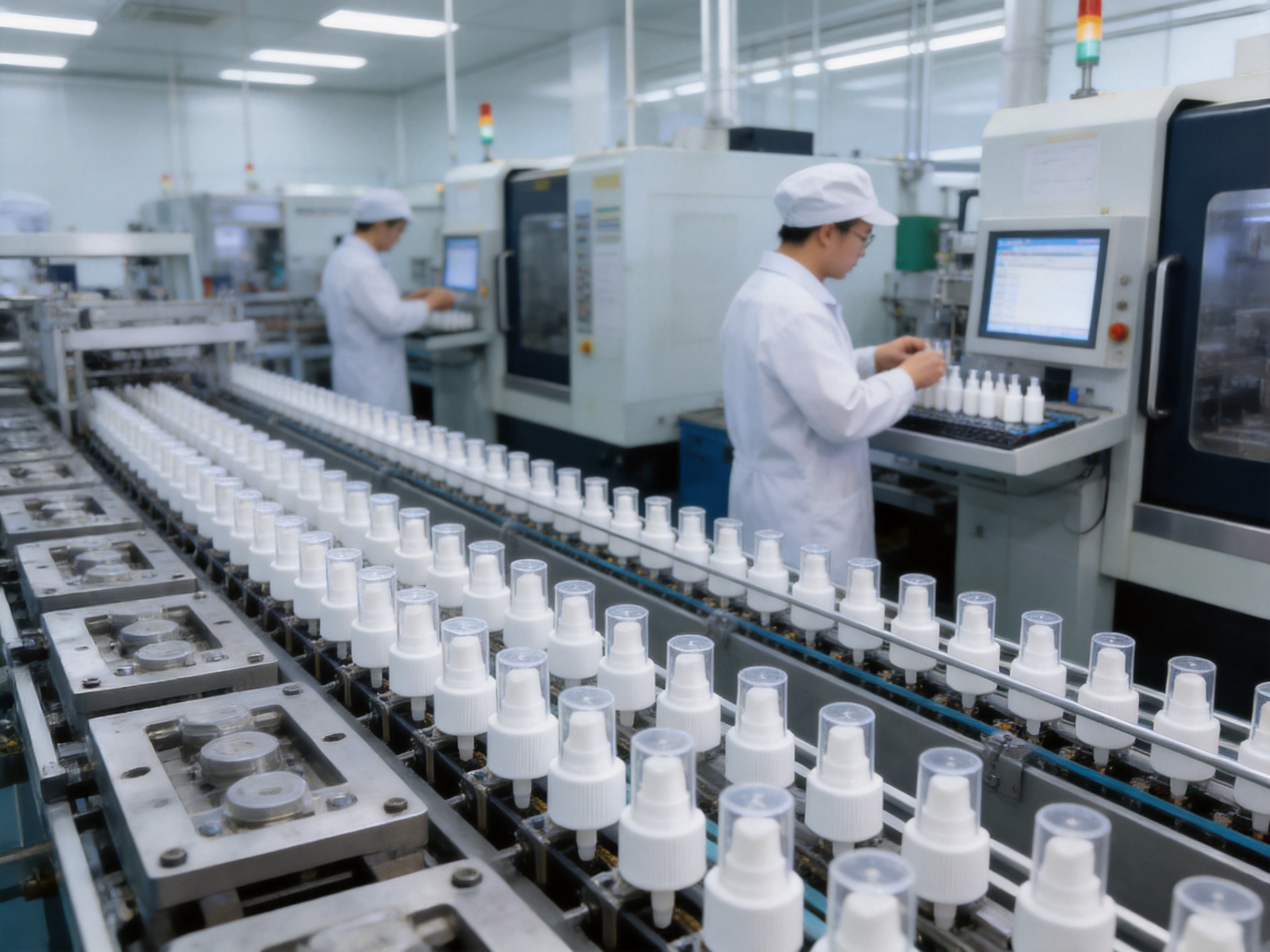
Consumers may choose a product for its formula, but they continue using it because of the total experience. Packaging plays a major role in that experience. The GY-802C1 treatment pump supports hygiene and convenience by reducing direct contact with the formula and enabling quick, controlled dispensing.
Hygienic dispensing is important for facial care products. Users apply these products to sensitive areas, and they prefer packaging that feels clean. A pump keeps the bulk formula inside the bottle and dispenses only the amount needed. This reduces the need to dip fingers into a jar or repeatedly expose a dropper to the environment.
Convenience is equally important. A pump can be used with one hand and does not require cap removal before every application. This makes daily routines faster and easier. Consumers who use multiple skincare steps often appreciate packaging that works smoothly without mess.
The tactile feel of the pump also influences satisfaction. A smooth actuator movement suggests quality. Consistent output gives confidence. A closure that feels secure reassures the user. These small details combine to create a premium impression.
For makeup users, clean dispensing can reduce product buildup around the bottle. Liquid foundation is often pigmented, so messy packaging can look unattractive quickly. A controlled pump helps keep the package neat, which is especially important for products stored in visible spaces.
Compared with packaging that requires pouring, squeezing, or scooping, a treatment pump offers a more controlled and modern user experience. This advantage can improve reviews, reduce complaints, and strengthen brand loyalty.
Supply Chain Benefits for Cosmetic Brands
Packaging buyers evaluate more than the product shape. They also consider supplier reliability, production capacity, customization support, communication, and quality management. The GY-802C1 treatment pump is supported by a manufacturer with broad experience in personal care packaging, including pump heads, sprayers, caps, and bottles.
This broad product background is helpful because brands often need more than one packaging component. A supplier familiar with multiple packaging categories can better understand how pumps, bottles, caps, and closures interact. This reduces compatibility risks and improves project coordination.
The company’s daily production capacity supports large-scale purchasing. When a product succeeds in the market, demand can increase quickly. A supplier with limited capacity may struggle to keep up, causing stock shortages or delayed launches. Strong production capability helps customers plan with greater confidence.
Advanced manufacturing processes also support cost control. Stable molding and automated assembly can reduce waste and improve efficiency. While quality packaging may not always be the lowest-priced option, reliable production can reduce hidden costs associated with defects, delays, returns, and customer complaints.
For international customers, consistent quality is especially important because long-distance shipping makes replacement or correction more expensive. A pump that is inspected carefully before shipment reduces risk for brands, fillers, and distributors.
Compared with generic trading suppliers, a manufacturer with engineering, production, and inspection capabilities can provide deeper support. This is particularly valuable during new product development, where bottle matching, tube length, formula compatibility, and appearance requirements must be addressed before mass production.
How the Treatment Pump Supports Premium Positioning
Premium packaging is not defined only by decoration. It is defined by how well form, function, and user experience work together. The GY-802C1 treatment pump supports premium positioning through precise output, clean use, adaptable aesthetics, and dependable manufacturing.
The 0.12 ml dosage creates a sense of control. Consumers using premium serums or foundations expect measured application, not unpredictable discharge. The pump’s controlled output helps reinforce the idea that the formula is valuable and should be applied carefully.
The smooth closure option supports minimalist and luxury design. When paired with an elegant bottle, the pump can contribute to a high-end shelf appearance. The ribbed option, meanwhile, can support professional positioning by emphasizing grip and function.
Different nozzle options allow brands to refine the application experience. A premium product should dispense in a way that matches its texture and use. If the formula is smooth and refined, the pump should feel equally refined.
Manufacturing quality further supports premium positioning. Clean molding, stable assembly, and reliable performance all contribute to consumer trust. A beautiful bottle loses value if the pump leaks, clogs, or dispenses inconsistently. A well-manufactured pump protects the brand’s investment in formula and design.
Considerations for Selecting the Right Configuration
When choosing the GY-802C1 treatment pump, brands should consider bottle neck size, formula viscosity, desired dosage experience, closure appearance, tube length, and nozzle type. Each decision influences final performance and consumer perception.
The first step is matching the neck size. If the bottle uses a 20-410 or 24-410 finish, the corresponding pump option should be selected. Proper fitment helps ensure secure closure and reduces leakage risk.
The second step is evaluating the formula. Lightweight serums, emulsions, lotions, and liquid foundations may each behave differently. The pump should be tested with the actual formulation whenever possible, especially if the product contains pigments, oils, powders, or high-viscosity ingredients.
The third step is selecting closure style. Smooth closures are suitable for elegant and modern packages, while ribbed closures support grip and functional appearance. Color and finish should be coordinated with bottle and label design.
The fourth step is customizing tube length. The dip tube should reach the appropriate position inside the bottle without excessive bending or insufficient depth. This improves product evacuation and user satisfaction.
The fifth step is selecting the nozzle option. The nozzle should match how the consumer will apply the product. A targeted serum, a daily lotion, and a liquid foundation may require different dispensing behavior.
By considering these factors early, brands can avoid common packaging problems and create a more successful final product. The manufacturer’s technical support can help guide these choices based on product requirements.
Frequently Asked Questions
What products is this treatment pump suitable for?
The pump is suitable for serum, lotion, emulsion, liquid foundation, and similar cosmetic or personal care liquid formulations. It is designed for products that require controlled, hygienic, and repeatable dispensing.
What size options are available?
The available size options are 20-410 and 24-410. These neck finishes are commonly used for cosmetic bottles, allowing the pump to fit a variety of packaging designs.
What is the dispensing dosage?
The standard dispensing dosage is 0.12 ml per actuation. This output is useful for controlled application, especially for facial care, serum, and liquid foundation products.
Can the tube length be customized?
Yes. The tube length can be customized according to the bottle height and structure. Proper tube length helps improve product evacuation and dispensing reliability.
What closure styles are available?
The pump can be supplied with smooth or ribbed closure options. Smooth closures support a refined cosmetic appearance, while ribbed closures provide better grip and a functional look.
Why choose a treatment pump instead of a dropper?
A treatment pump provides more consistent dosage, easier one-handed use, and reduced direct exposure of the formula. Droppers can be attractive, but they require manual suction and may expose the applicator to air and handling.
Why is this pump suitable for liquid foundation?
Liquid foundation benefits from controlled dispensing because users often build coverage gradually. The pump helps reduce mess, improves dosage control, and supports a cleaner makeup application routine.
How does the pump help reduce product waste?
The 0.12 ml dosage releases a measured amount each time, helping consumers avoid dispensing too much. Customized tube length also helps draw product from the bottle more effectively.
What manufacturing strengths support the product quality?
The pump is supported by advanced mold design, injection molding, automated assembly, and quality inspection. These processes help ensure stable fit, appearance, dosage, and performance.
Is this pump suitable for customized packaging projects?
Yes. The pump offers size options, closure choices, customizable tube length, and nozzle variations, making it suitable for brands developing differentiated skincare, makeup, or personal care packaging.
Conclusion
The GY-802C1 treatment pump is a strong packaging solution for brands that need precise, clean, and attractive dispensing for serum, lotion, emulsion, and liquid foundation products. Its 20-410 and 24-410 size options support compatibility with common cosmetic bottles, while its 0.12 ml dosage helps deliver controlled application and reduce waste. Smooth and ribbed closure choices allow both premium aesthetics and practical grip, and customizable tube length helps optimize performance inside different bottle designs.
Compared with droppers, jars, squeeze bottles, and basic generic pumps, this treatment pump provides a balanced combination of hygiene, accuracy, convenience, and brand-ready appearance. Its nozzle options further improve adaptability for different formulas and usage scenarios. These features make it suitable not only for individual products but also for complete skincare or makeup product lines.
The product’s value is strengthened by the manufacturing foundation behind it. With 16 years of experience in spray and pump packaging, advanced mold design, injection molding, automated assembly, quality inspection, and large-scale production capacity, GreenYard Tools Co.,ltd. can support reliable supply and customized development. For cosmetic and personal care brands seeking a pump that combines technical performance with design flexibility, the GY-802C1 treatment pump offers a dependable and competitive choice.
References
1. Soroka, W. Fundamentals of Packaging Technology. Institute of Packaging Professionals.
2. Yam, K. L. The Wiley Encyclopedia of Packaging Technology. John Wiley and Sons.
3. Robertson, G. L. Food Packaging: Principles and Practice. CRC Press.
4. Lockhart, H., and Paine, F. A. Packaging of Pharmaceuticals and Healthcare Products. Springer.
5. Cosmetic Packaging and Dispensing Systems: Industry Technical Notes on Pumps, Closures, and Bottle Compatibility.
Product: Treatement Pump

-
Crimp Pumps Demystified: Choosing the Right Type and Material for Every Cosmetic Formula
Walk into any cosmetic filling facility and you will find crimp pumps on everything from a delicate ...
-
What's Inside a Lotion Pump and How Does It Work ?
A lotion pump is a precision dispensing closure that draws liquid product from a bottle and delivers...
-
Airless Bottles Uncovered: How to Protect Your Skincare and Perfect Every Pump
If you have ever opened a pump bottle of serum and found the last quarter of the product impossible ...
-
How the Treatment Cream Pump Enhances the Consumer Skincare Experience ?
A treatment cream pump does more than dispense product — it fundamentally shapes how consumers inte...
Copyright © GreenYard Tools Co.,ltd. All Rights Reserved.
Personal Care Packaging Manufacturer Custom Perfume Sprayers Factory