
-
About Us
Why Choose Us?The company possesses advanced capabilities in mold design, injection molding, and automated assembly, supported by a professional quality inspection team to ensure product reliability. A dedicated design team continuously drives product innovation, providing customers with high-quality spray solutions.
 Coming From China, Marketing To The World.
 -
Products
-
News
 English
 Français
 русский
 Español
Plastic Mini Trigger Mist Sprayer for Precise Fine Mist Packaging
Content
- 1 Product Overview
- 2 Core Specifications
- 3 Why a 24mm Mini Trigger Sprayer Is a Practical Choice
- 4 The Importance of 0.25ml Dosage Control
- 5 Advantages Over Common Competing Sprayers
- 6 Application in Sanitizer Packaging
- 7 Application in Air Freshener Packaging
- 8 Application in Hair Care Products
- 9 Design Features That Improve User Experience
- 10 Manufacturing Strength Behind the Product
- 11 Mold Design and Product Development Capability
- 12 Injection Molding Precision
- 13 Automated Assembly for Stable Output
- 14 Quality Inspection and Reliability
- 15 Customization Opportunities for Brands
- 16 Environmental and Efficiency Considerations
- 17 How the Sprayer Supports Brand Value
- 18 Comparison With Alternative Dispensing Systems
- 19 Procurement Considerations for Buyers
- 20 Packaging Categories Supported by the Manufacturer
- 21 Quality as a Competitive Advantage
- 22 Q&A Section
- 22.1 What is the main use of the Plastic Mini Trigger Mist Sprayer?
- 22.2 What size is available for this mini trigger sprayer?
- 22.3 How much liquid does it dispense per spray?
- 22.4 Why is the 0.25ml dosage useful?
- 22.5 Is this sprayer suitable for air fresheners?
- 22.6 Can it be used for hair care products?
- 22.7 What advantages does a mini trigger have compared with a standard press-top mist sprayer?
- 22.8 How does this sprayer compare with large trigger sprayers?
- 22.9 Why is manufacturing capability important when choosing a sprayer supplier?
- 22.10 Can the sprayer be customized?
- 23 Conclusion
- 24 References
- 25 Product: Plastic Mini Trigger Mist Sprayer
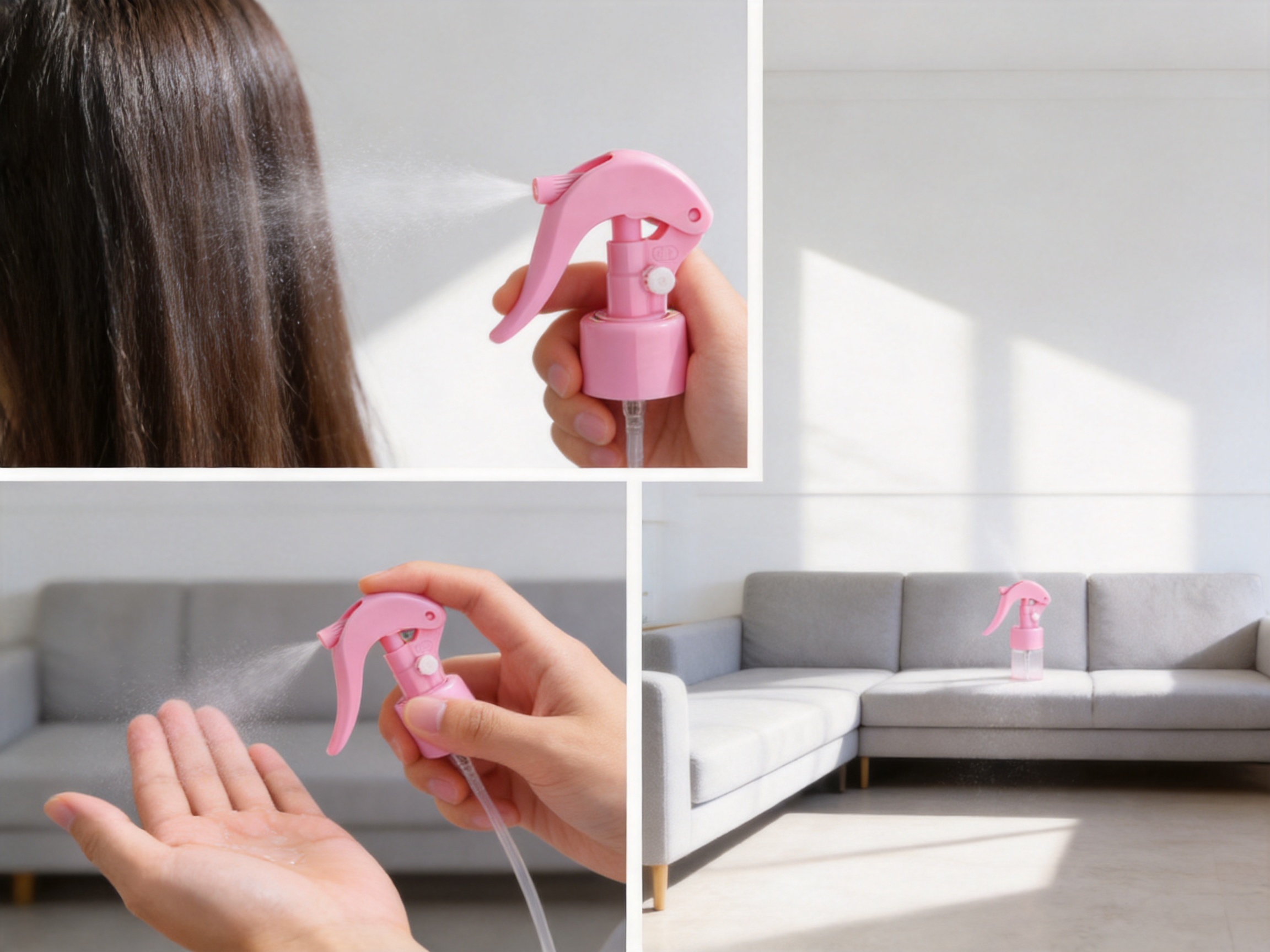
In modern personal care, household, and daily chemical packaging, the dispensing system is often as important as the liquid formula itself. A sanitizer, air freshener, hair care mist, fabric refresher, or other liquid product can only perform well when it is delivered in the right amount, with the right spray pattern, and through a mechanism that consumers find comfortable and reliable. The Plastic Mini Trigger Mist Sprayer is designed for this exact purpose: to provide controlled, even, and efficient mist dispensing for products that require a light spray experience.
This mini trigger sprayer is available in a 24mm size and delivers approximately 0.25ml per actuation. These specifications make it a practical choice for many common bottle formats and product categories. The 24mm neck size supports broad compatibility with standard containers, while the 0.25ml dosage helps reduce waste and gives end users better control over how much product is applied. For sanitizers, air fresheners, hair care products, and similar formulations, this balance between output and control is especially valuable.
Unlike larger trigger sprayers that may dispense too much liquid for delicate or personal-use applications, a mini trigger mist sprayer provides a more refined user experience. It is compact, comfortable to handle, and suitable for products that require frequent, repeated spraying. Its fine mist output helps distribute liquid evenly over surfaces, hands, hair, fabrics, or ambient spaces, depending on the product formula and intended use. For brands looking to improve customer satisfaction and product performance, choosing the right dispensing component can directly influence repeat purchase decisions.
The manufacturing strength behind this product also matters. The supplier, GreenYard Tools Co.,ltd., has developed specialized capabilities in spray packaging manufacturing over many years, including mold design, injection molding, automated assembly, and quality inspection. With a high daily production capacity and experience in personal care packaging, perfume sprayers, pump heads, caps, bottles, and related daily chemical packaging solutions, the company can support both standard supply needs and customized development projects for global customers.
Plastic Mini Trigger Mist Sprayer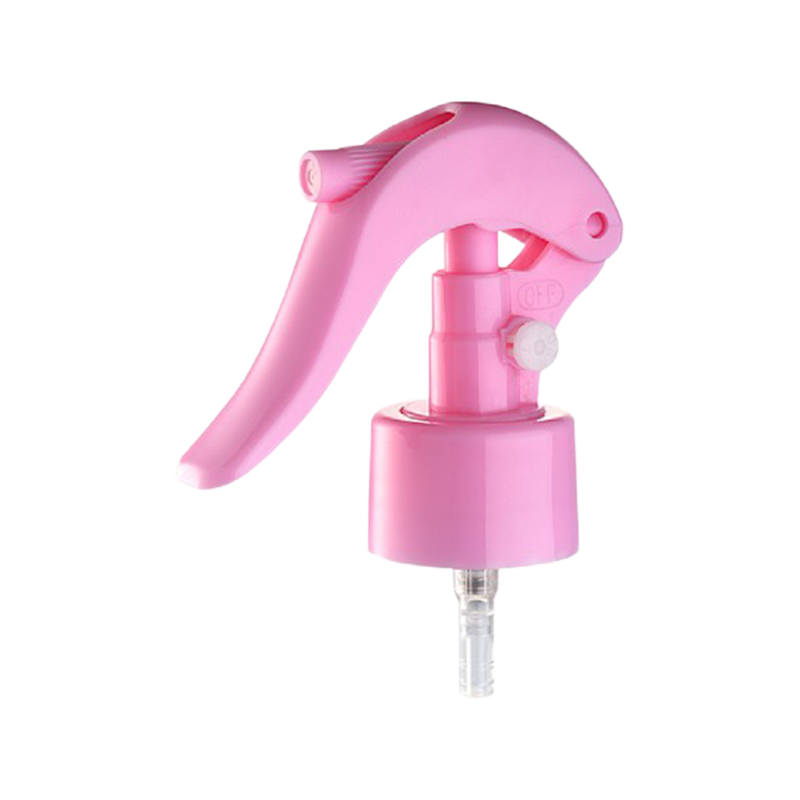
Product Overview
The Plastic Mini Trigger Mist Sprayer is a compact dispensing component intended for liquid products that need fine, controlled atomization. It is categorized as a Trigger Sprayer / Mini Trigger and is especially suitable for sanitizer, air freshener, and hair care applications. Its structure combines the convenience of a trigger mechanism with the refined output of a mist sprayer, allowing the user to press comfortably while receiving an even spray.
The available size is 24mm, which makes the sprayer compatible with many bottle neck finishes used in personal care and household packaging. This standard sizing is useful for brands that want packaging flexibility. A 24mm closure allows the sprayer to be paired with different bottle shapes, bottle volumes, and material options such as PET or PE bottles, depending on the formula and market positioning.
The sprayer delivers a dosage of approximately 0.25ml per spray. This output level is important because it provides enough liquid to be functional without overwhelming the application area. For example, a sanitizer mist should wet the target surface sufficiently but not flood it. An air freshener should disperse fragrance into the air without leaving excessive droplets. A hair care spray should distribute product evenly without making hair feel heavy or overly wet. The 0.25ml dosage supports these practical requirements.
As a packaging component, the mini trigger mist sprayer contributes to both functional performance and brand perception. A smooth trigger feel, reliable return action, consistent output, and clean spray pattern can make a product feel higher quality. Consumers may not always identify the sprayer as a separate engineering component, but they quickly notice when a sprayer clogs, leaks, sprays unevenly, or feels uncomfortable. For this reason, a dependable mini trigger sprayer is an essential part of the finished product experience.
Core Specifications
Product Type |
Plastic Mini Trigger Mist Sprayer |
Category |
Trigger Sprayer / Mini Trigger |
Available Size |
24mm |
Dosage |
0.25ml per spray |
Recommended Uses |
Sanitizer, air freshener, hair care products, and other liquid-based products requiring fine mist dispensing |
Key Advantages |
Controlled output, fine mist application, compact trigger design, efficient dispensing, broad bottle compatibility |
Why a 24mm Mini Trigger Sprayer Is a Practical Choice
The 24mm size is one of the most practical features of this product. Packaging compatibility is a major concern for manufacturers because a dispensing system must match the bottle neck securely and consistently. A sprayer that fits a commonly used neck size simplifies sourcing, testing, filling line preparation, and future product expansion. For brands that manage multiple product lines, a standardized 24mm sprayer can help reduce complexity across packaging programs.
A 24mm neck finish is widely used for medium and small bottles in personal care and household packaging. This makes the mini trigger sprayer adaptable to many market segments, from travel-size sanitizer bottles to home fragrance sprays and hair treatment products. By choosing a sprayer with a common size, brands can more easily coordinate with existing bottle suppliers and reduce the need for special tooling or highly customized bottle neck designs.
The compact nature of the mini trigger also improves the appearance and handling of finished packaging. A large trigger on a small bottle can look unbalanced and may be inconvenient for consumers. A mini trigger is more proportional, making the package easier to hold and more attractive on a shelf. This is especially important in personal care and beauty-related products, where packaging aesthetics strongly influence purchasing decisions.
Compared with some standard sprayers, the mini trigger format can also feel more ergonomic for repeated use. Users can spray with a simple finger action rather than pressing down on a vertical actuator. This may be particularly helpful for air fresheners and hair care products, where multiple sprays are common. A trigger-style motion often feels intuitive and reduces strain during repeated applications.
The Importance of 0.25ml Dosage Control
The 0.25ml output per spray is another important product advantage. Dosage control affects product economy, performance, safety, and user satisfaction. If a sprayer dispenses too little, users may need many pumps and may feel that the product is weak or inconvenient. If it dispenses too much, the product may be wasted, surfaces may become too wet, and the user experience may feel messy. A 0.25ml dosage offers a useful middle ground for many fine mist applications.
For sanitizer products, controlled dosage supports more consistent application. A fine mist sanitizer can cover hands or surfaces evenly, but excessive output can cause dripping or unnecessary consumption. The 0.25ml dosage helps the user apply the product in measured amounts. This is beneficial for both personal-use bottles and commercial or institutional hygiene products.
For air fresheners, dosage control is equally important. A well-designed air freshener spray should deliver fragrance efficiently into the air while avoiding heavy droplets that fall quickly or leave residue. A 0.25ml mist output can help create an even scent distribution. This contributes to a cleaner and more pleasant user experience, especially in homes, offices, hotels, vehicles, and public spaces.
For hair care products, controlled misting can improve formula performance. Leave-in conditioners, hair refreshers, styling mists, detangling sprays, and scalp care liquids often need light and even distribution. Too much liquid can weigh down hair or create uneven wet spots. A fine mist sprayer with measured output gives consumers better control, helping the formula spread across hair more naturally.
In competitive markets, dosage precision can become a meaningful product differentiator. Many consumers judge a product by how it feels during use, not just by its ingredient list. If the sprayer provides a clean, smooth, and consistent mist, the entire product is perceived as more professional. This can help brands build loyalty and reduce complaints related to leakage, overspray, or poor atomization.

Advantages Over Common Competing Sprayers
The Plastic Mini Trigger Mist Sprayer offers several advantages when compared with common dispensing alternatives. Many standard fine mist sprayers use a top-press actuator. While such systems are useful, they may not always be ideal for repeated spraying or products used at different angles. A mini trigger design can provide improved comfort, especially when the user needs to apply several sprays in succession.
Compared with large trigger sprayers, this mini version is better suited for personal care and compact household packaging. Large trigger sprayers can dispense too much liquid and may make smaller bottles look bulky. They are often designed for cleaning products and industrial applications rather than refined personal-use products. The mini trigger mist sprayer provides a more elegant and proportionate solution for items such as sanitizer, hair care spray, and air freshener.
Compared with low-cost sprayers that may have inconsistent output, this product is designed around measured dosage and controlled misting. Inconsistent sprayers can cause consumer frustration. One spray may deliver too much liquid, while the next may produce a weak or uneven pattern. A dependable mini trigger sprayer helps maintain product integrity from the first use to the last.
Another competitive advantage is the combination of compact design and broad compatibility. Some specialty sprayers require uncommon bottle neck sizes or specific bottle structures. This can limit packaging options and increase development costs. The 24mm size of this mini trigger sprayer provides flexibility, making it easier for brands to integrate the component into existing or new packaging programs.
The product is also advantageous for brands that want to create a more premium user experience without moving to overly complex dispensing systems. Airless pumps, continuous sprayers, and special applicators may be useful in certain categories, but they can also increase cost and packaging complexity. A well-engineered mini trigger mist sprayer offers a practical balance of performance, cost efficiency, and consumer comfort.
Application in Sanitizer Packaging
Sanitizer products have become an essential part of daily life in many markets. Consumers expect sanitizer packaging to be portable, easy to use, and hygienic. A mini trigger mist sprayer supports these expectations by allowing users to apply sanitizer quickly and evenly. The trigger format is intuitive, while the mist output helps distribute liquid over the target area.
For hand sanitizer sprays, the 0.25ml dosage gives users control over application quantity. A user can spray once or multiple times depending on need. This is useful because sanitizer requirements may vary depending on hand size, surface area, or product concentration. Measured output helps avoid excessive application and supports efficient consumption of the formula.
For surface sanitizers, the fine mist can cover areas evenly without producing large wet patches. This is beneficial for items such as desks, door handles, mobile devices, personal accessories, and travel surfaces. A controlled mist reduces waste and helps users feel confident that the product is being distributed properly.
Packaging for sanitizers must also be reliable. Leakage is a serious concern because sanitizer formulas may contain alcohol or other active ingredients. A poorly designed sprayer can leak during storage, shipping, or daily carrying. Manufacturing quality, component fit, and inspection processes are therefore essential. A supplier with strong mold, injection, assembly, and quality control capabilities can help reduce these risks.
Application in Air Freshener Packaging
Air fresheners depend heavily on spray performance. The goal is not merely to release liquid but to disperse fragrance into the surrounding space in a pleasant and efficient way. A fine mist pattern helps fragrance molecules spread through the air, creating a more balanced scent experience. Large droplets may fall quickly, waste formula, or leave residue on surfaces. A controlled mini trigger mist sprayer helps avoid these issues.
The 0.25ml dosage is well suited for air freshener use because it allows consumers to control fragrance intensity. One or two sprays may be enough for a small room, vehicle, or wardrobe, while larger spaces may require more. The user can adjust application without feeling that each spray releases an excessive amount of liquid.
The compact trigger design also makes air freshener bottles easy to use in different settings. A mini trigger bottle can be placed in bathrooms, bedrooms, kitchens, offices, hotel rooms, cars, and commercial spaces. It is easy to hold and quick to operate. For fragrance brands, the sprayer contributes to the sensory experience of the product. A smooth trigger action and fine mist output can make the fragrance feel more refined.
Air freshener formulas may vary in solvent type, fragrance load, and viscosity. Therefore, testing compatibility between formula and sprayer is important. A manufacturer with packaging expertise can support customers during the selection and development process, helping to match the sprayer with the formula and bottle system.
Application in Hair Care Products
Hair care packaging requires a careful balance between aesthetics, function, and user comfort. Consumers often use hair sprays in front of a mirror, holding the bottle at different angles and spraying repeatedly over the hair. A mini trigger mist sprayer can provide better comfort for this type of use compared with some standard press-top sprayers.
Fine mist application is especially important in hair care. Products such as leave-in conditioners, hydration sprays, detanglers, styling primers, curl refreshers, scalp mists, and fragrance hair sprays need to spread evenly. Uneven spray can cause localized wetness, product buildup, or inconsistent styling results. A controlled mist helps the product perform as intended.
The 0.25ml output supports gradual layering. Consumers can apply a small amount, evaluate the effect, and add more if needed. This is preferable to a heavy spray that delivers too much product at once. For premium hair care brands, controlled dispensing can enhance the perception of professional quality.
The compact 24mm mini trigger format also works well with salon and retail bottle designs. It can be paired with clear, colored, or decorated bottles to support different brand identities. Whether the product is positioned as a daily care mist, a travel hair spray, or a specialized treatment, the sprayer can contribute to a clean and functional package design.
Design Features That Improve User Experience
User experience begins the moment a consumer picks up the bottle. The mini trigger format provides a natural grip and pressing motion. Instead of pushing down from the top, the user pulls the trigger with a finger, which can feel more stable and controlled. This design is useful when the bottle is held upright, slightly angled, or directed toward a target surface.
A good trigger sprayer must also provide a consistent return after each actuation. If the trigger returns slowly or feels loose, the product may seem low quality. A well-made mechanism should move smoothly and reset reliably. This supports repeated spraying and reduces user frustration.
The spray pattern is another essential factor. A fine mist should be even and controlled, without excessive spitting or dripping. For air fresheners and hair care products, atomization quality directly affects the perceived performance of the formula. For sanitizers, it affects coverage and convenience. A well-engineered nozzle can help create a balanced mist output suitable for multiple applications.
The compact size of the sprayer also improves storage and portability. Bottles equipped with a mini trigger are easier to place in bags, drawers, shelves, counters, and travel kits than bulky trigger packaging. For modern consumers who value convenience, this compact form factor can be a strong advantage.
Manufacturing Strength Behind the Product
The performance of a mini trigger mist sprayer depends not only on design but also on manufacturing precision. Small plastic components must fit together accurately. Internal channels, springs, pistons, nozzles, closures, and sealing surfaces must be produced within controlled tolerances. Even minor dimensional variation can affect leakage, spray output, trigger movement, or assembly reliability.
GreenYard Tools Co.,ltd. is a packaging material manufacturer from China with long-term specialization in spray product manufacturing. The company has experience producing perfume sprayers, pump heads, caps, bottles, and daily chemical packaging solutions. Its production capabilities include mold design, injection molding, automated assembly, and quality inspection. These capabilities are important because they allow the company to manage key stages of production internally and maintain stronger control over quality.
Advanced mold design supports product consistency. A well-designed mold ensures that plastic components are formed accurately and repeatedly. Since a sprayer contains multiple interacting parts, the precision of each molded component matters. Mold quality affects not only appearance but also function, durability, and assembly efficiency.
Injection molding capability allows the company to produce plastic parts at scale. Controlled molding parameters help maintain stable dimensions, surface quality, and material performance. This is especially important for components that must seal properly or move smoothly during use. Inconsistent molding can lead to leakage, weak spray performance, or premature failure.
Automated assembly improves production efficiency and consistency. Manual assembly can be suitable for some low-volume products, but high-volume sprayer manufacturing benefits greatly from automation. Automated equipment can assemble components in a repeatable sequence, reduce human error, and support stable output. With a daily production capacity reaching a large scale, automation is essential for meeting customer demand while maintaining quality.
Quality inspection is the final barrier that protects customers and end users. Sprayer products may be checked for appearance, fit, leakage, output, trigger action, and spray performance. A reliable inspection process reduces the risk of defective products entering the market. For global brands, consistent quality is especially important because packaging failures can damage brand reputation and increase after-sales costs.
Mold Design and Product Development Capability
Mold design is one of the most technically important stages in plastic packaging manufacturing. A mini trigger mist sprayer contains several molded parts that must work together as a precise mechanical system. If the mold design is inaccurate, the resulting components may not assemble correctly or may fail during use. Therefore, strong mold development capability provides a direct advantage.
Good mold design begins with understanding product function. Engineers must consider how the trigger moves, how liquid flows through the internal channel, how the nozzle atomizes the liquid, how the closure seals against the bottle, and how each component responds to pressure and repeated use. These considerations must be built into the mold and tooling strategy from the beginning.
Material selection is also part of the development process. Plastic materials used in sprayers must offer suitable strength, chemical resistance, dimensional stability, and molding behavior. Different formulas may interact differently with packaging materials, so the selection of resin and component structure should reflect the intended application.
For customers, mold design capability can reduce development time and improve customization potential. Brands may want specific colors, closure styles, actuator shapes, or decorative effects. A manufacturer with an experienced design team can support these needs more effectively, helping customers create packaging that fits both functional requirements and brand identity.
Injection Molding Precision
Injection molding is the process that gives physical form to the sprayer’s plastic components. Precision is critical because mini trigger sprayers contain small parts with functional surfaces. A slight issue in wall thickness, sealing geometry, or nozzle formation can influence the final spray performance.
Controlled injection molding helps maintain repeatability across large production runs. This is important for customers ordering high volumes. A brand expects the first batch and the hundredth batch to perform consistently. Stable molding parameters, appropriate machine settings, and routine process monitoring all contribute to this consistency.
Surface finish is another benefit of quality injection molding. Consumers notice visible defects, rough edges, color inconsistency, or poor finishing. A clean molded appearance makes the final package look more professional. For personal care and fragrance-related products, appearance can influence purchasing decisions as much as function.
Precision molding also supports automated assembly. If molded parts vary too much, automated equipment may jam, reject components, or assemble them incorrectly. By maintaining tight process control, the manufacturer improves both product quality and production efficiency.
Automated Assembly for Stable Output
Automated assembly is a major strength in high-volume sprayer manufacturing. A mini trigger mist sprayer is not a single plastic piece; it is a system of interacting components. These components must be assembled in the correct order and with the correct force. Automation helps ensure this process is stable.
Automated equipment can place, press, align, and test components more consistently than manual labor in large-scale production. This reduces variation and helps maintain product performance. It also supports faster production, which is important for customers with demanding delivery schedules.
In addition, automated assembly can improve hygiene and handling control. Since many sprayers are used for personal care and sanitizer products, minimizing unnecessary manual contact is beneficial. A cleaner and more controlled assembly environment supports the overall quality of the packaging component.
For customers, the benefit of automated assembly is practical: stable supply, consistent products, and reduced risk of random defects. When packaging components are produced reliably, filling operations can run more smoothly, and finished goods can reach the market with fewer delays.
Quality Inspection and Reliability
Quality inspection is essential for any dispensing product. A bottle may look attractive, and the formula may be excellent, but a defective sprayer can ruin the consumer experience. Common problems in low-quality sprayers include leakage, clogging, weak output, uneven mist, uncomfortable trigger movement, and inconsistent dosage. A strong inspection system helps prevent these problems.
Inspection may include visual checks for molding defects, functional tests for trigger movement, leakage tests for sealing performance, and output tests for dosage consistency. For mist sprayers, spray pattern evaluation is especially important. A fine and even mist indicates that the internal liquid pathway and nozzle structure are functioning correctly.
The 0.25ml dosage specification should be controlled through process design and testing. Consistent output gives brands confidence that their product will perform predictably. This is particularly important for products where usage amount affects safety, efficacy, or customer satisfaction.
Reliability also includes durability during transportation and storage. Packaging components may experience vibration, temperature changes, pressure variation, and handling stress before reaching consumers. A well-manufactured sprayer must remain secure and functional throughout the supply chain.
Customization Opportunities for Brands
Packaging customization is a powerful way for brands to differentiate themselves. While the functional foundation of the Plastic Mini Trigger Mist Sprayer is its 24mm size and 0.25ml dosage, brands may require different colors, finishes, bottle pairings, or complete packaging solutions. A manufacturer with design and production capabilities can support these customization needs.
Color customization is one common requirement. A sprayer may need to match a brand’s visual identity, coordinate with a bottle color, or communicate product type. For example, a sanitizer brand may prefer clean white, transparent, or medical-style colors, while an air freshener brand may choose soft pastel tones or fragrance-specific colors. Hair care products may use black, gold, silver, or salon-inspired colors to convey professional quality.
Compatibility with different bottles is another important area. The 24mm closure size allows pairing with various bottle forms, but brands still need to consider bottle material, shape, capacity, wall strength, and labeling method. A complete packaging supplier can help customers choose suitable bottles and closures together, reducing compatibility issues.
Private-label and custom product projects often require dependable production scale. A supplier with high daily capacity can support seasonal promotions, retail launches, and international distribution. This is especially valuable for brands that need both consistent quality and reliable delivery.
Environmental and Efficiency Considerations
Packaging decisions increasingly involve environmental and efficiency concerns. While plastic dispensing components remain important for many liquid products due to their lightweight and functional advantages, brands and manufacturers are paying more attention to material use, dosage control, and waste reduction. A mini trigger sprayer can contribute to efficiency by dispensing only the required amount of liquid.
The 0.25ml output helps reduce overuse. When a product is dispensed in controlled amounts, consumers are less likely to waste formula. This can extend product life and reduce unnecessary consumption. In categories such as air fresheners and hair care, where users often apply products repeatedly, dosage control can have a meaningful cumulative effect.
Lightweight plastic packaging also offers transportation advantages. Compared with heavier packaging materials, plastic components can reduce shipping weight and improve logistics efficiency. This does not eliminate the need for responsible material choices, but it does show why plastic dispensing systems continue to be widely used in daily chemical and personal care packaging.
Manufacturing efficiency also matters. Automated assembly, stable injection molding, and quality control can reduce scrap and rework. When products are made correctly the first time, fewer resources are wasted. For customers, this supports both cost control and more dependable supply.
How the Sprayer Supports Brand Value
The dispensing component is a direct point of contact between the consumer and the product. Every time the user sprays, they interact with the packaging mechanism. If the trigger feels smooth and the mist is even, the brand benefits from a positive impression. If the sprayer fails, the formula may be blamed even when the formula itself is high quality.
A reliable mini trigger mist sprayer can help brands communicate professionalism. In personal care and household categories, consumers often compare products based on small details. A clean spray pattern, comfortable trigger, and controlled dosage suggest that the brand has invested in quality. These details can help a product stand out in crowded retail and online markets.
The sprayer also supports product positioning. A compact fine mist trigger can make a sanitizer feel more refined, an air freshener feel more controlled, and a hair care product feel more salon-quality. The same dispensing component can therefore contribute to different brand messages depending on the formula, bottle design, and decoration strategy.
For manufacturers and brand owners, packaging reliability reduces risk. Product returns, complaints, leakage during shipping, and poor online reviews can be costly. Choosing a dependable sprayer from a capable manufacturer is a practical way to protect brand reputation.
Comparison With Alternative Dispensing Systems
There are many ways to dispense liquid products, including screw caps, flip caps, lotion pumps, fine mist pumps, standard trigger sprayers, airless pumps, droppers, and foam pumps. Each system has a place, but the mini trigger mist sprayer is especially suitable where controlled spray application and comfortable repeated use are needed.
Screw caps and flip caps are simple and economical, but they do not provide atomization. They are better suited for pouring or squeezing products rather than misting. For sanitizers, air fresheners, and hair care sprays, these closures are often less convenient because users may apply too much liquid or distribute it unevenly.
Standard fine mist pumps can provide good atomization, but the top-press action may be less comfortable for repeated spraying, especially with larger bottles or angled applications. A mini trigger can offer better handling while still delivering a fine mist.
Large trigger sprayers are effective for cleaning products and high-output applications, but they may be too bulky or powerful for personal care and compact household products. The mini trigger format provides a more balanced solution for lighter, more refined applications.
Airless pumps are excellent for certain creams, serums, and sensitive formulas, but they may not be necessary for simple liquid sprays. They can also increase packaging complexity and cost. For many sanitizer, air freshener, and hair care formulations, a mini trigger mist sprayer offers the right mix of performance and practicality.
Procurement Considerations for Buyers
When sourcing a Plastic Mini Trigger Mist Sprayer, buyers should evaluate more than the unit price. The lowest-cost option may not provide stable quality, and packaging failure can create much higher costs later. Important factors include size compatibility, dosage consistency, spray pattern, leakage resistance, material compatibility, production capacity, customization options, and supplier experience.
Buyers should confirm that the 24mm size matches the intended bottle neck finish. Even when the nominal size is correct, detailed compatibility testing is recommended. Thread fit, sealing surface, dip tube length, and bottle shape can all affect final performance.
Formula compatibility is also important. Sanitizers, fragrances, and hair care liquids may contain alcohol, solvents, oils, surfactants, or active ingredients. These components can interact differently with plastic and internal sprayer parts. Testing helps ensure that the sprayer remains functional over the product’s intended shelf life.
Output testing should confirm the 0.25ml dosage under real use conditions. Viscosity, liquid density, and formulation behavior may affect spray performance. A reliable supplier can help customers evaluate these factors and select the appropriate configuration.
Production capacity should match the buyer’s business plan. A supplier with strong capacity can support growth, promotional campaigns, and repeat orders. GreenYard Tools Co.,ltd. has a large-scale production capability and experience in spray packaging, which can be valuable for customers seeking dependable long-term supply.
Packaging Categories Supported by the Manufacturer
The manufacturer’s broader product experience strengthens its ability to support customers beyond a single sprayer component. Its packaging categories include crimp pumps, fine mist sprayers, lotion pumps, treatment pumps, foam pumps, droppers, plastic bottle caps, airless bottles, deodorant stick bottles, cream jars, nail polish pumps, trigger sprayers, PE and PET bottles, and roll-on bottles. This wide product range allows customers to develop coordinated packaging systems from one source.
For example, a personal care brand may need mini trigger sprayers for hair mists, lotion pumps for body care products, droppers for serums, and cream jars for masks or moisturizers. Working with a manufacturer that understands multiple packaging formats can simplify procurement and improve packaging consistency across the brand portfolio.
For fragrance and air care companies, access to fine mist sprayers, perfume pump heads, and trigger sprayers can support different product lines. A room spray, personal fragrance, and fabric refresher may each need different dispensing performance, but they can still be developed under a coordinated packaging strategy.
This broad manufacturing foundation also reflects technical experience. Different pumps and sprayers involve different sealing structures, output systems, material requirements, and assembly processes. A company that produces many packaging formats develops practical knowledge that can improve problem-solving and product development.

Quality as a Competitive Advantage
In many markets, packaging components are visually similar. Two sprayers may look alike in a product catalog, but their performance can differ significantly. Quality becomes the true competitive advantage. A well-made sprayer provides consistent output, resists leakage, feels smooth in use, and maintains function through the product lifecycle.
For brands, quality packaging reduces operational risk. If sprayers leak during transport, entire cartons of finished goods can be damaged. If the spray pattern is poor, consumers may leave negative reviews. If the trigger breaks, the formula becomes difficult or impossible to use. These problems can cost far more than the savings gained from choosing a cheaper but unreliable component.
A manufacturer with integrated capabilities can better control quality. Mold design affects component precision. Injection molding affects dimensional stability. Automated assembly affects mechanical consistency. Inspection affects outgoing reliability. When these processes are managed carefully, the final sprayer is more likely to meet customer expectations.
The Plastic Mini Trigger Mist Sprayer is positioned not merely as a low-cost accessory but as a functional packaging solution. Its 24mm size, 0.25ml output, and wide usage potential make it suitable for brands that value both performance and practical sourcing.
Q&A Section
What is the main use of the Plastic Mini Trigger Mist Sprayer?
The sprayer is mainly used for liquid products that require fine mist application, such as sanitizers, air fresheners, and hair care products. It can also be considered for other compatible liquid formulas that need controlled spray dispensing.
What size is available for this mini trigger sprayer?
The available size is 24mm. This size is widely compatible with many common bottle necks, making the sprayer suitable for a broad range of packaging designs.
How much liquid does it dispense per spray?
The sprayer dispenses approximately 0.25ml per actuation. This measured dosage helps reduce waste and allows users to apply the product more precisely.
Why is the 0.25ml dosage useful?
A 0.25ml dosage provides a practical balance between coverage and control. It is enough for effective misting while helping prevent excessive wetness, dripping, or product waste.
Is this sprayer suitable for air fresheners?
Yes. The sprayer is widely used for air fresheners because it can deliver a fine mist that helps disperse fragrance evenly into the air.
Can it be used for hair care products?
Yes. It is suitable for hair care sprays such as refreshers, leave-in mists, detangling sprays, and other light liquid treatments that benefit from even distribution.
What advantages does a mini trigger have compared with a standard press-top mist sprayer?
A mini trigger can be more comfortable for repeated spraying and may provide better handling, especially when applying product at different angles. It also gives the package a functional and professional appearance.
How does this sprayer compare with large trigger sprayers?
Large trigger sprayers are often designed for higher-output cleaning applications. The mini trigger mist sprayer is more compact and better suited for personal care, air care, sanitizer, and other products requiring lighter mist application.
Why is manufacturing capability important when choosing a sprayer supplier?
Manufacturing capability affects consistency, leakage resistance, spray performance, and delivery reliability. Strong mold design, injection molding, automated assembly, and quality inspection help ensure that the sprayer performs consistently in mass production.
Can the sprayer be customized?
Customization may be available depending on project requirements, including color matching, bottle pairing, and packaging solution development. Customers should discuss specific needs with the manufacturer during the sourcing process.
Conclusion
The Plastic Mini Trigger Mist Sprayer is a practical and reliable dispensing solution for products that require controlled fine mist application. With a 24mm size and 0.25ml output, it offers broad bottle compatibility and measured dosage for sanitizers, air fresheners, hair care products, and similar liquid formulations. Its compact trigger structure improves user comfort, supports repeated spraying, and gives finished packaging a more refined and functional character.
Its advantages over many competing sprayers are clear. Compared with large trigger sprayers, it is more suitable for compact and personal-use packaging. Compared with simple caps, it provides superior atomization and application control. Compared with inconsistent low-cost sprayers, it offers the potential for better dosage stability, spray quality, and user satisfaction. For brands, these advantages can translate into stronger product value and a better consumer experience.
The manufacturing strength behind the product further enhances its appeal. GreenYard Tools Co.,ltd. brings experience in spray packaging production, mold design, injection molding, automated assembly, and quality inspection. With broad packaging categories and large-scale production capability, the company is positioned to support customers seeking dependable personal care and daily chemical packaging solutions.
In competitive markets, packaging is not merely a container. It is a performance system, a brand touchpoint, and a practical tool that shapes how consumers experience the formula inside. A well-designed mini trigger mist sprayer helps deliver that formula efficiently, cleanly, and consistently. For brands developing sanitizer, air freshener, hair care, or other fine mist products, this sprayer offers a strong balance of compatibility, control, comfort, and manufacturing reliability.
References
1. Soroka, W. Fundamentals of Packaging Technology. Institute of Packaging Professionals.
2. Yam, K. L. The Wiley Encyclopedia of Packaging Technology. John Wiley and Sons.
3. Han, J. H. Innovations in Food Packaging. Academic Press.
4. Robertson, G. L. Food Packaging: Principles and Practice. CRC Press.
5. ASTM International. Standard Practices for Packaging Performance Testing and Quality Evaluation.
6. Packaging Machinery Manufacturers Institute. Principles of Packaging Line Efficiency and Component Compatibility.
7. Cosmetic Packaging and Dispensing Systems Industry Guidelines for Pump, Sprayer, and Closure Selection.
Product: Plastic Mini Trigger Mist Sprayer

-
What Is a Fine Mist Sprayer?
A fine mist sprayer is a cosmetic packaging component designed to atomize liquid formulas into ultr...
-
Misting Spray Bottle Guide: How a Fine Mist Sprayer Works
Quick Answer: What Makes a Misting Spray Bottle Work Well A misting spray bottle performs well when...
-
Spray Bottles Explained: Choosing the Right Fine Mist Sprayer
What Makes a Good Spray Bottle A good spray bottle depends almost entirely on the quality of its pu...
-
Trigger Sprayer Guide: How It Works, Types & Buying Tips
What Is a Trigger Sprayer A trigger sprayer is a mechanical pump closure mounted on a bottle neck t...
Copyright © GreenYard Tools Co.,ltd. All Rights Reserved.
Personal Care Packaging Manufacturer Custom Perfume Sprayers Factory