
-
About Us
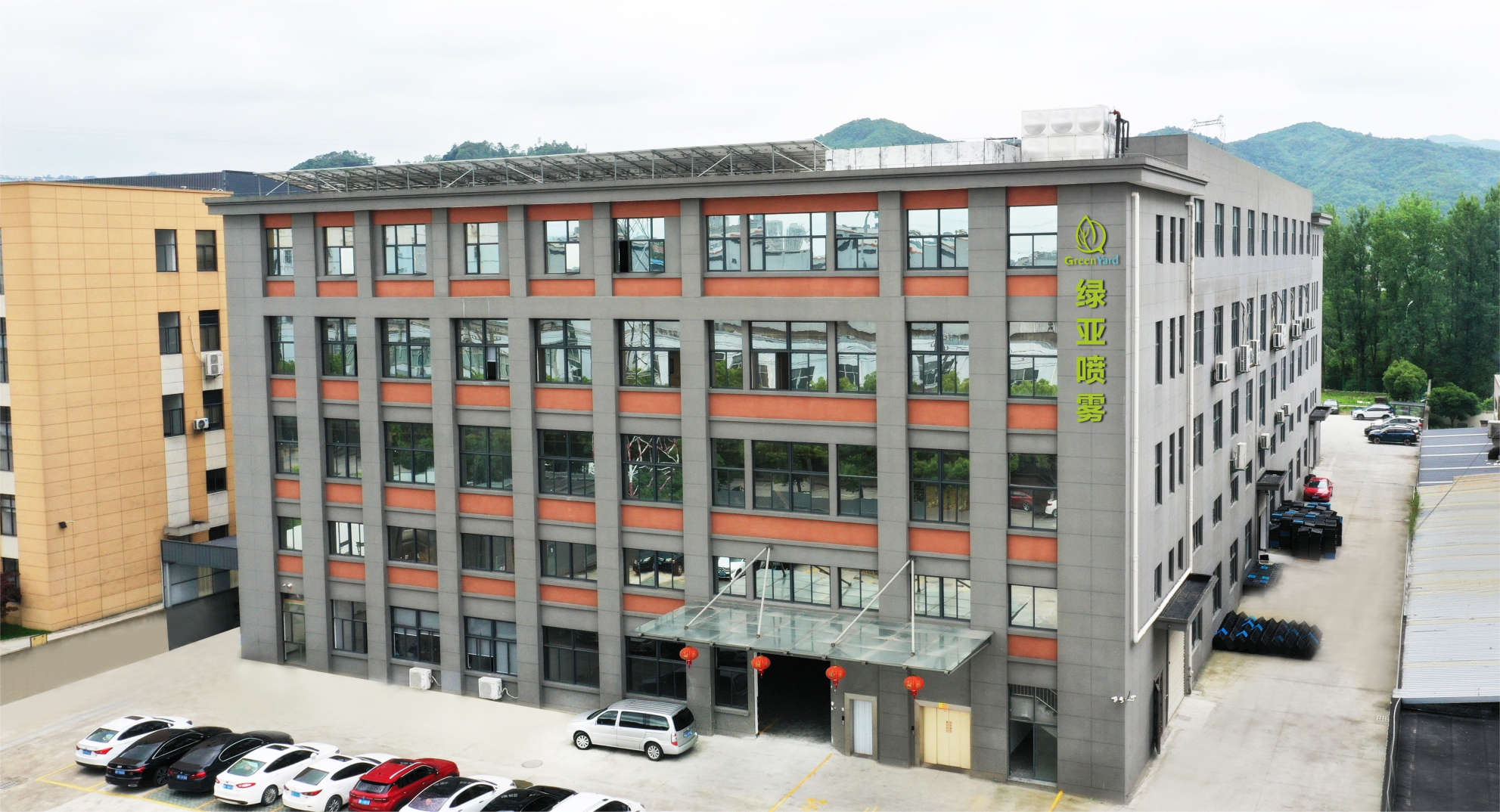
Why Choose Us?The company possesses advanced capabilities in mold design, injection molding, and automated assembly, supported by a professional quality inspection team to ensure product reliability. A dedicated design team continuously drives product innovation, providing customers with high-quality spray solutions.
 Coming From China, Marketing To The World.
-
Products
-
News
 English
 Français
 русский
 Español
3.5CC Big Output Shampoo Dispenser Pump for Modern Personal Care Packaging
Content
- 1 Understanding the 3.5CC Big Output Pump
- 2 Why a 3.5-Milliliter Dosage Matters
- 3 Twist-Open Locking for Use, Transport, and Storage
- 4 Neck Size Options for Packaging Flexibility
- 5 Closure Finishes for Functional and Visual Differentiation
- 6 Applications Across Personal Care and Household Products
- 7 Advantages Compared with Conventional Low-Output Pumps
- 8 Manufacturing Capabilities Behind the Product
- 9 Customization for Brand and Product Requirements
- 10 Packaging Development and Compatibility Testing
- 11 Supply Advantages for International Packaging Projects
- 12 How the GY-306 Supports Brand Positioning
- 13 Responsible and Efficient Packaging Considerations
- 14 Purchasing Guidance for the 3.5CC Pump
- 15 Frequently Asked Questions
- 15.1 What products are suitable for the 3.5CC Dosage Big Output Shampoo Dispenser Pump?
- 15.2 How much product does the pump dispense?
- 15.3 Which bottle neck sizes are available?
- 15.4 How does the locking mechanism work?
- 15.5 Can the dip tube be customized?
- 15.6 What closure finishes are available?
- 15.7 Is the pump appropriate for high-viscosity products?
- 15.8 Can the pump be used with large-capacity bottles?
- 15.9 How should the pump be tested before mass production?
- 15.10 What manufacturing capabilities support this product?
- 15.11 Can the pump be customized for a brand?
- 15.12 Why choose a big-output pump instead of a standard lotion pump?
- 16 Conclusion
- 17 References
- 18 Product: 3.5CC Dosage Big Output Shampoo Dispenser Pump

The 3.5CC Dosage Big Output Shampoo Dispenser Pump is designed for packaging applications that require fast, reliable, and controlled dispensing of higher-volume liquid products. With a dispensing dosage of approximately 3.5 milliliters per stroke, the GY-306 pump provides a larger output than many conventional lotion pumps, helping consumers dispense shampoo, body wash, dish soap, and other personal care or household formulations more efficiently.
As product packaging continues to influence purchasing decisions, manufacturers need dispensing components that combine performance, appearance, compatibility, and production reliability. A pump is not simply a closure. It is the user interface between a formulation and the consumer. Its output, locking system, neck fitment, actuator design, dip tube, and surface finish all influence how a product is used and perceived.
The GY-306 addresses these requirements with two widely used neck-size options, a twist-open locking mechanism, several closure finishes, and a customizable dip tube length. These features make the pump suitable for different bottle sizes, liquid viscosities, packaging styles, and market requirements.
Manufactured by GreenYard Tools Co., Ltd., the pump benefits from an integrated production system covering mold design, injection molding, automated assembly, and quality inspection. The company has specialized in spray and dispensing packaging manufacturing for 16 years and maintains a reported daily production capacity of one million units. This combination of product functionality and manufacturing capability makes the GY-306 a practical option for brands seeking dependable personal care packaging at commercial scale.

3.5CC Dosage Big Output Shampoo Dispenser Pump
Understanding the 3.5CC Big Output Pump
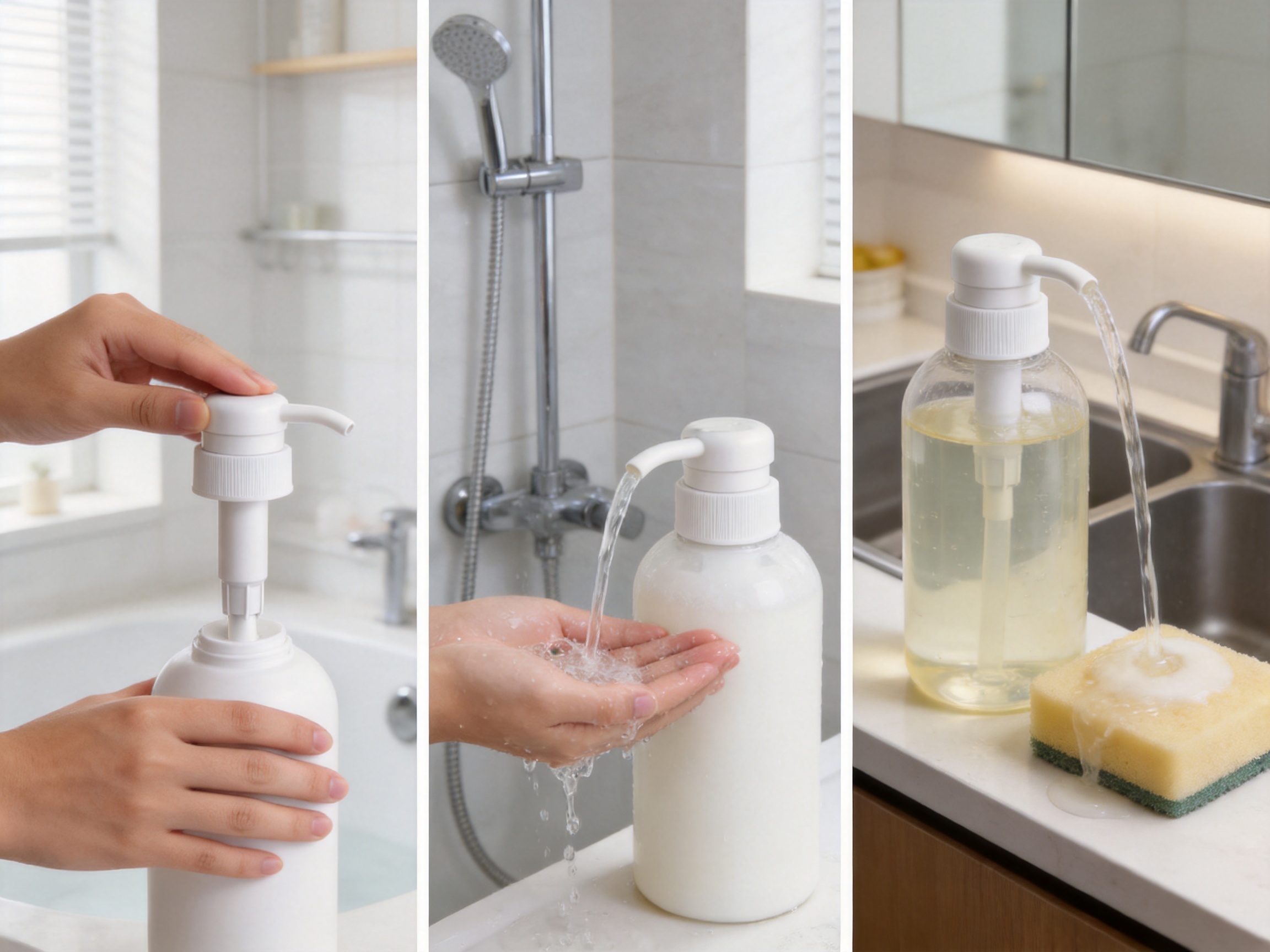
The GY-306 is categorized as a lotion pump, but its application range extends beyond traditional lotions. Its larger dosage makes it particularly useful for products that are consumed in relatively generous amounts or need to cover a broad area quickly. Shampoo, body wash, conditioner, liquid soap, dishwashing liquid, and certain body care products can all benefit from a high-output pump structure.
The pump dispenses approximately 3.5 milliliters with each complete actuation. Compared with lower-output pumps, this dosage can reduce the number of presses required during normal use. For example, consumers washing long or thick hair may prefer a pump that delivers a more substantial quantity per stroke. Similarly, a household cleaning product may benefit from a larger output when users need to dispense liquid rapidly onto a sponge, brush, or sink surface.
Output volume is an important packaging specification because it influences product usage, consumer convenience, and the perceived value of the package. A dosage that is too small may require repeated pumping, while an output that is too large can lead to waste or make the formulation difficult to control. The 3.5CC configuration provides a balance for products where speed and coverage are important.
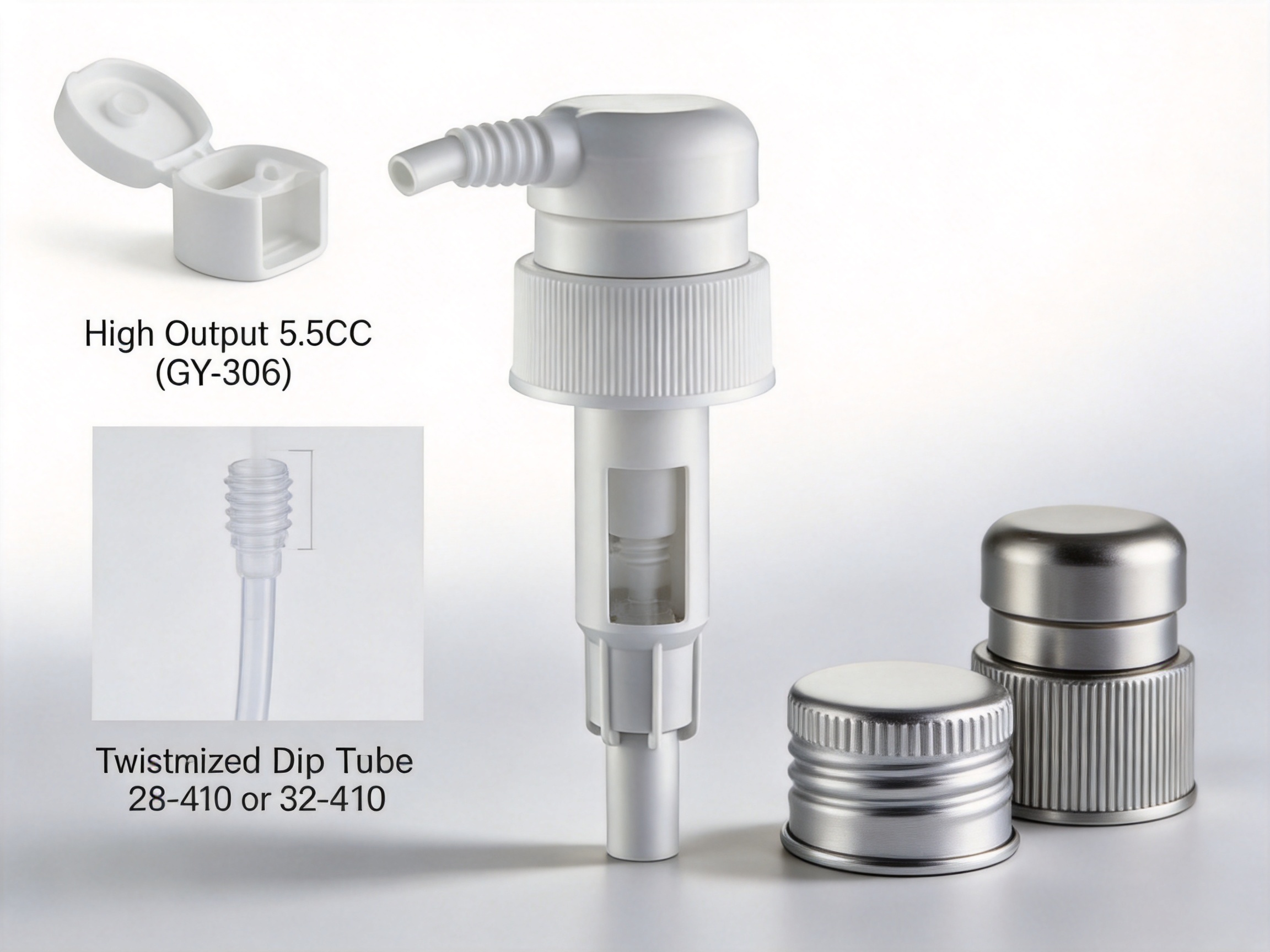
The GY-306 is available with 28-410 and 32-410 neck options. These standard neck finishes can be matched with compatible bottles and packaging systems. The ability to select between two neck sizes gives product developers greater flexibility when choosing bottle diameter, shoulder design, wall thickness, and overall package proportions.
Core Product Specifications
Product model |
GY-306 |
Product type |
Big output lotion and dispenser pump |
Nominal dosage |
3.5 milliliters per stroke |
Available neck sizes |
28-410 and 32-410 |
Locking mechanism |
Twist-open and twist-lock |
Closure options |
Smooth, ribbed, and aluminum-style options |
Dip tube |
Customizable length |
Recommended applications |
Shampoo, body wash, dish soap, body care, and other liquid products |
These specifications give packaging engineers a clear starting point for evaluating the pump. Final compatibility should be confirmed through sample testing with the intended bottle and formulation, especially when the product contains oils, surfactants, particles, high-viscosity ingredients, or aggressive chemical components.
Why a 3.5-Milliliter Dosage Matters
Many standard lotion pumps are designed for relatively small outputs. That configuration can be suitable for facial care, hand cream, liquid foundation, and other products used in small quantities. However, high-volume products often require a different dispensing strategy. A shampoo or body wash package may need to provide enough product for an entire application without repeated pumping.
The GY-306 delivers a nominal 3.5-milliliter dosage, creating a larger output per press. This feature can improve the user experience in several ways. First, it reduces the number of actuations needed for normal consumption. Second, it can make the package feel more responsive and efficient. Third, it supports product categories in which users expect a generous quantity from every press.
A big-output pump can also be useful in commercial or professional environments. Salons, gyms, hotels, spas, and institutional washrooms often need packaging that is quick to operate and easy to use repeatedly. A larger dosage can shorten the time required for dispensing, while the pump format helps reduce direct contact with the remaining product inside the bottle.
For household cleaning products, output volume can be equally important. Dish soap and similar liquids may be applied directly to a sponge, brush, or surface. A low-output closure may require several presses, whereas a 3.5-milliliter pump can offer a more practical quantity with one or two actuations, depending on the product and task.
Balancing Speed and Control
A high-output pump should not be evaluated only by the amount it dispenses. The quality of the actuation, the consistency of the dosage, and the smoothness of the return stroke are also important. A well-designed pump should provide a predictable experience from the first use to the final portion of the product.
The GY-306 is intended to combine a larger output with a proven pump structure. This design approach helps packaging developers achieve faster dispensing without abandoning the familiar pump format. The user can press the actuator with one hand, receive a substantial amount of product, and avoid opening a screw cap or pouring directly from the bottle.
Dosage can vary slightly depending on formulation viscosity, temperature, bottle orientation, and actuation speed. For this reason, brands should conduct compatibility and performance testing under real-use conditions. Nevertheless, the stated 3.5-milliliter specification provides a useful target for product development and filling calculations.
Twist-Open Locking for Use, Transport, and Storage
The GY-306 uses a twist-open locking mechanism. The actuator can be rotated to unlock the pump before use and rotated back to lock it for transportation or storage. This simple action provides a practical alternative to removable caps or more complicated locking systems.
During shipping, a locked pump can help reduce accidental actuation caused by pressure, vibration, movement, or contact with other packages. Preventing unintended pumping is important because product leakage can damage cartons, labels, retail displays, and nearby goods. A locked actuator also helps keep the package in a stable condition before it reaches the consumer.
At home, the locking function can be useful for storage. Consumers may lock the pump before placing the bottle in a travel bag, cabinet, drawer, or bathroom storage area. This feature is especially relevant for products that are carried between locations or used by families with children.
The twist-open format also avoids the inconvenience of storing a separate cap. A removable cap can be misplaced, dropped, or contaminated during use. With an integrated twist mechanism, the closure remains attached to the pump and can be returned to its locked position whenever necessary.
Consumer Convenience and Product Safety
Packaging must be easy to operate without sacrificing protection. The GY-306 locking system supports both objectives by providing a clear transition between the locked and unlocked states. With suitable visual and tactile cues, the user can understand whether the pump is ready for dispensing.
For product brands, a locking pump can contribute to a more complete packaging solution. The same closure supports initial transportation, retail display, everyday use, and storage after opening. This reduces the need for additional accessories and simplifies the consumer experience.
Although the twist-lock mechanism is designed to help prevent accidental dispensing, it should be assessed together with the bottle, induction seal, secondary packaging, and shipping configuration. Closure performance depends on the entire packaging system. Testing should include vibration, compression, temperature variation, drop conditions, and extended storage where appropriate.
Neck Size Options for Packaging Flexibility
The GY-306 is offered in 28-410 and 32-410 neck sizes. These options allow brands to select a suitable relationship between the pump and the bottle. The correct neck finish contributes to sealing performance, visual proportion, assembly efficiency, and overall package stability.
A 28-410 neck may be appropriate for packaging designs that require a relatively streamlined appearance or a more compact closure. A 32-410 neck can support a larger pump and a broader bottle opening where the product concept calls for increased scale or a more substantial visual presence. The preferred choice depends on the bottle design, filling line, formulation, target market, and desired appearance.
Neck compatibility should always be confirmed through dimensional drawings and physical samples. Important variables may include thread profile, thread height, bottle neck outer diameter, sealing surface, closure skirt, and pump fit. Even when two components appear similar, small dimensional differences can affect assembly torque, leakage resistance, and consumer opening performance.
Support for Different Bottle Designs
The customizable dip tube makes the pump suitable for bottles with different heights and internal configurations. A correctly sized tube should reach close to the bottom of the container while avoiding excessive contact with the base. This helps the pump access more of the formulation and supports consistent dispensing throughout the product life cycle.
Custom tube length is particularly useful when a brand uses multiple bottle capacities within one product family. The same pump structure may be adapted for short, medium, or tall containers by adjusting the tube rather than redesigning the entire closure system.
Packaging developers can also consider how the tube interacts with the bottle shoulder and bottom geometry. A bottle with a pronounced shoulder, curved base, or internal ribs may require a specific tube length or angle. Sample evaluation helps confirm that the pump can draw product efficiently from the selected container.
Closure Finishes for Functional and Visual Differentiation
The GY-306 can be supplied with smooth, ribbed, and aluminum-style closure options. These finishes give brands additional flexibility when developing a package for a particular market segment or product positioning.
A smooth closure provides a clean and modern appearance. It can be suitable for minimalist personal care packaging, professional salon products, or brands that prefer large uninterrupted areas for decoration. Smooth surfaces are also compatible with a broad range of visual treatments, including color matching, printing, labeling, and metallic effects.
A ribbed closure adds texture and can improve finger grip during opening, locking, or handling. This may be useful in wet bathroom environments where users have damp hands. Ribbing can also create a more technical or functional appearance, helping the package communicate durability and ease of use.
An aluminum-style finish can provide a premium visual impression. It may be selected for products positioned in the professional, luxury, natural, or high-end personal care sectors. The final appearance depends on the selected material, surface treatment, color, and production process, so brands should review physical samples before confirming a finish.
These options allow the functional pump platform to support different brand identities. The underlying dispensing performance can remain consistent while the exterior appearance changes to match shampoo, body wash, household care, or specialty product lines.
Appearance as Part of Product Performance
Consumers often judge packaging before they evaluate the formulation inside. A closure that looks stable, clean, and well-finished can increase confidence in the product. Conversely, a poorly matched or inconsistent closure may weaken the perceived quality of an otherwise effective formula.
The pump should therefore be considered as part of the complete visual system. Its color, finish, actuator shape, collar proportion, and relationship with the bottle can influence shelf presence. Smooth and ribbed options also create opportunities for product-family differentiation while maintaining a consistent dispensing platform.
Applications Across Personal Care and Household Products
The primary applications for the GY-306 include shampoo and body care products. Its 3.5-milliliter output is suitable for liquid products that require regular, relatively generous dispensing. The following applications represent practical areas for consideration.
Shampoo
Shampoo is one of the most natural applications for a big-output pump. Users may need a larger amount depending on hair length, hair density, water conditions, and washing habits. A 3.5-milliliter dosage can help deliver product quickly while avoiding the need to repeatedly open and close a screw cap.
The pump format also helps keep the bottle upright during use. This is convenient in the shower, where bottles may be placed on shelves or ledges and handled with wet hands. The locking function can help prevent dispensing during storage or travel.
Body Wash and Shower Products
Body wash and shower gel are typically used over a relatively broad area of the body. A larger output can support rapid application and reduce repetitive pumping. The smooth or ribbed closure choices can be matched with different packaging styles, from family-size bathroom bottles to premium personal care containers.
Because shower products may contain surfactants, fragrances, oils, botanical extracts, or other additives, compatibility testing remains important. The pump materials and internal components should be evaluated against the specific formulation and storage conditions.
Dish Soap
Dish soap is another suitable application for a high-output dispenser. Users commonly dispense the liquid onto a sponge or directly into a sink. A 3.5-milliliter output can provide a practical amount for larger loads or heavily soiled dishes, while the pump format helps reduce messy pouring.
For kitchen use, grip and locking performance are valuable considerations. Ribbed closure options may improve handling, while a secure twist-lock can support transport and storage. The bottle and pump should be designed as a stable combination so that the package remains upright during repeated actuation.
Professional and Institutional Use
Hotels, salons, spas, gyms, and other facilities may use large-format liquid products that require frequent dispensing. A reliable pump can make staff operations more efficient and provide a familiar experience for customers or guests.
In these environments, the pump may be actuated many times each day. Consistent spring return, stable attachment, smooth operation, and resistance to leakage become especially important. Brands serving institutional markets should conduct extended-cycle testing to confirm that the selected pump meets the expected usage frequency.
Advantages Compared with Conventional Low-Output Pumps
The GY-306 offers several potential advantages over conventional low-output lotion pumps. These advantages should be evaluated against the intended formulation and user expectations, but they provide a clear reason to consider a big-output design.
Fewer Actuations per Use
A larger dose can reduce the number of presses required for shampoo, body wash, or cleaning liquids. This supports a faster routine and may be especially appreciated by users with limited time or reduced hand strength.
Efficient Product Coverage
Products applied across hair, skin, or a broad cleaning surface can benefit from a generous quantity per stroke. The pump helps deliver the product directly to the hand, sponge, or brush without requiring an open pour.
Improved Convenience for Larger Bottles
High-capacity bottles can be difficult to tip and control, particularly when they are full or used with wet hands. A pump allows the bottle to remain in an upright position and can make a larger package easier to use.
Integrated Locking
The twist-open and twist-lock mechanism provides a convenient way to secure the actuator without relying on a separate cap. This can simplify the design and reduce the risk of losing a removable accessory.
Adaptable Bottle Compatibility
The availability of 28-410 and 32-410 neck options, together with customizable tube length, allows packaging developers to use the pump with more than one bottle format. This adaptability can reduce development time when a brand creates related products or different package sizes.
Multiple Exterior Styles
Smooth, ribbed, and aluminum-style closure options help brands create distinctive product appearances without changing the core dispensing concept. This flexibility can support different price levels, target markets, and visual identities.
Manufacturing Capabilities Behind the Product
The performance of a dispenser pump depends not only on its design but also on the consistency of the manufacturing process. Small variations in molded components, springs, seals, threads, or assembled parts can affect actuation force, dosage, leakage resistance, and locking behavior.
GreenYard Tools Co., Ltd. operates as a China-based packaging manufacturer specializing in spray products and dispensing components. According to the provided company information, the manufacturer has 16 years of industry experience and produces perfume sprayers, pump heads, caps, bottles, and daily chemical packaging solutions.
The company maintains capabilities in mold design, injection molding, automated assembly, and quality inspection. This integrated structure is valuable because it allows multiple stages of product development and production to be coordinated within one manufacturing organization.
Mold Design and Development
Mold design directly affects the precision, appearance, and repeatability of injection-molded pump components. A well-designed mold supports accurate dimensions, balanced filling, consistent wall thickness, clean surfaces, and efficient production cycles.
For the GY-306, mold development may involve components such as the actuator, closure, collar, internal housing, and other plastic parts. Each part must be considered in relation to assembly, movement, sealing, and appearance. Proper mold engineering can reduce flash, deformation, dimensional variation, and cosmetic defects.
In-house or closely coordinated mold capabilities can also improve responsiveness when customers request adjustments. Changes to color, surface texture, tube configuration, or closure style may be easier to manage when the manufacturer has direct control over product tooling and engineering resources.
Injection Molding
Injection molding is widely used to produce high-volume plastic packaging components. The process allows manufacturers to create complex shapes with repeatable dimensions and a broad range of surface finishes. Production control is important because pump parts must fit together accurately and move smoothly after assembly.
Material selection, drying conditions, melt temperature, injection pressure, cooling time, and mold temperature can all influence the final component. Consistent process control helps maintain the visual and functional quality expected by packaging customers.
For a big-output pump, injection-molded parts must support both the external appearance and the internal dispensing function. The actuator should be comfortable to press, the collar should remain securely attached to the bottle, and the locking structure should rotate correctly between positions.
Automated Assembly
Automated assembly can improve speed, repeatability, and production efficiency. A pump consists of multiple parts that must be inserted, aligned, compressed, and checked. Automation helps reduce variation caused by manual handling and supports the large quantities required by international packaging markets.
Assembly equipment can be configured to monitor component presence, orientation, insertion depth, and other process conditions. When combined with operator oversight and quality checks, automation can help maintain stable output across large production runs.
The company reports a daily production capacity of one million units. This capacity is relevant to personal care brands that need reliable supply for regional launches, promotional campaigns, seasonal demand, or ongoing mass-market sales.
Quality Inspection
Quality inspection is essential for dispensing packaging because appearance alone cannot confirm functional performance. A pump may look acceptable while still having inconsistent dosage, excessive actuation force, poor sealing, or an unreliable lock.
Inspection may include dimensional checks, visual examination, actuation testing, dosage evaluation, leak testing, thread compatibility assessment, and sampling across production batches. The exact inspection plan should be agreed upon according to the product specification and customer requirements.
A structured quality system also supports traceability. If a production issue occurs, the manufacturer should be able to identify the relevant materials, tooling, production date, assembly line, and inspection records. This supports corrective action and helps protect the customer’s supply chain.
Customization for Brand and Product Requirements
Although the GY-306 has defined core specifications, packaging projects often require customization. The most direct customization is dip tube length. This adjustment allows the pump to fit different bottle heights and internal geometries.
Other project elements may include closure color, surface finish, decorative treatment, actuator appearance, packaging configuration, and carton labeling. The feasibility of each option depends on order volume, tooling requirements, material availability, and the intended market.
Customization should begin with a clear technical brief. The brief may include the bottle drawing, neck finish, formulation description, target dosage, color references, annual demand, filling process, shipping conditions, and regulatory requirements. Providing this information early helps the manufacturer recommend a practical configuration.
Color and Surface Coordination
Color matching is often an important part of personal care packaging. A pump may be matched to the bottle, used as a contrasting accent, or designed to communicate a specific product variant. Smooth, ribbed, and aluminum-style finishes can create different visual effects even when the underlying color is similar.
Brands should review molded color samples or decorated samples rather than relying only on digital images. Lighting, material texture, and surface gloss can change how a color appears. Sample approval helps reduce the risk of inconsistency between the pump and the bottle.
Tube Length and Bottle Geometry
Tube length should be selected according to the actual bottle interior, not only the external bottle height. The pump tube must pass through the neck, reach the formulation, and work effectively as the liquid level decreases.
For bottles with unusual bases or internal structures, the tube may require additional adjustment. Testing should confirm that the pump can draw product when the package is upright and that the remaining product does not become difficult to access near the end of use.
Packaging Development and Compatibility Testing
A dispensing pump should be evaluated as part of a complete package. The bottle, formulation, pump, decoration, label, filling line, shipping carton, and storage environment all influence the final result.
The first stage is usually a dimensional fit test. The pump should be installed on the intended bottle to confirm that the neck finish, thread engagement, collar seating, and sealing surfaces are compatible. The assembly torque should be sufficient to prevent loosening but not so high that it damages the components or makes opening difficult.
The second stage is a functional test with the actual formulation. Water testing can provide an initial indication of operation, but it cannot replace testing with the final product. Viscosity, density, surface tension, pH, oils, surfactants, solvents, and suspended ingredients can all influence pump behavior.
Repeated actuation testing can help assess dosage consistency and mechanical durability. The pump should be operated over a suitable number of cycles while monitoring output, return action, locking behavior, and leakage.
Storage testing may include elevated and reduced temperatures, orientation changes, and extended contact with the formulation. These evaluations can reveal swelling, stress cracking, discoloration, seal changes, or loss of performance.
Shipping tests should consider vibration, impact, compression, and pressure changes. The twist-lock feature is intended to help prevent accidental actuation, but the entire package should still be tested in its actual transport configuration.
Recommended Evaluation Checklist
Evaluation area |
Key questions |
Dimensional fit |
Does the pump match the selected 28-410 or 32-410 bottle neck? |
Dosage |
Does the pump deliver the expected approximately 3.5-milliliter output? |
Actuation |
Is the pump comfortable to press and does it return smoothly? |
Locking |
Does the twist-open and twist-lock mechanism operate reliably? |
Leakage |
Does the assembled package remain sealed during storage and transport? |
Formulation compatibility |
Do the materials remain stable in contact with the intended product? |
Tube performance |
Does the customized tube reach the formulation throughout product use? |
Appearance |
Do color, finish, and decoration meet the brand specification? |
Supply Advantages for International Packaging Projects
International customers often need more than an individual component. They need a supplier that can communicate clearly, maintain stable quality, support customization, and deliver production quantities on schedule. An experienced packaging manufacturer can contribute to each of these areas.
GreenYard Tools Co., Ltd. provides a portfolio that includes perfume sprayers, perfume pump heads, caps, bottles, and daily chemical packaging solutions. This broader product range can be useful to customers developing multiple packaging formats or seeking to consolidate purchasing with one supplier.
The company’s capabilities in mold design, injection molding, automated assembly, and inspection support a vertically coordinated production model. While each project still requires technical confirmation, this manufacturing structure can help reduce handoff delays between separate vendors.
A stated daily production capacity of one million units provides a basis for evaluating large-volume supply. Capacity is especially important when a product launches across several markets or when a retailer requires a high quantity within a short period. Brands should still confirm available capacity, lead time, minimum order quantity, packaging method, and quality requirements for each order.
Communication is another important supply-chain factor. Technical drawings, color standards, test reports, inspection criteria, and sample approvals should be documented before mass production. Clear communication between the packaging buyer and manufacturer reduces misunderstandings and helps keep the product specification stable.
How the GY-306 Supports Brand Positioning
Packaging can help a product communicate its intended market position. A practical, ribbed pump may suit a family-size shampoo or household cleaning product. A smooth, refined closure may be better for a modern personal care line. An aluminum-style finish may support a premium or professional presentation.
The GY-306 offers a functional platform that can be adapted to these different directions. Its high output communicates efficiency, while its locking mechanism communicates practical usability. The available neck sizes support different bottle proportions, and the customizable tube makes it easier to use the pump across multiple package formats.
For product families, a shared pump structure can support visual consistency. Brands may use similar pumps across shampoo, conditioner, body wash, and liquid soap while changing colors or closure finishes to distinguish each product. This approach can simplify package development and strengthen shelf recognition.
The pump can also support larger-capacity products. Consumers often associate larger bottles with value and convenience, but large containers can be difficult to handle. A pump improves the usability of a larger package by allowing controlled dispensing without lifting or tipping the entire bottle.
Responsible and Efficient Packaging Considerations
Packaging decisions increasingly involve material efficiency, ease of use, supply stability, and end-of-life considerations. A pump contains multiple components, so brands should evaluate the complete structure and consider local recycling conditions, material identification, and disassembly requirements where relevant.
A durable pump can support efficient product use by helping consumers dispense controlled quantities. The 3.5-milliliter output is designed for products that benefit from a larger dose, but the dosage should still be matched to the formulation and recommended application. Clear usage guidance can help users avoid unnecessary product waste.
Efficient manufacturing also contributes to responsible packaging production. Injection molding and automated assembly can support repeatable production and reduce process variation. Proper quality control may reduce rejected components, rework, and losses during assembly.
Brands should discuss material options, packaging weight, recycled content possibilities, and recycling compatibility with the manufacturer during project development. These decisions must be balanced with chemical resistance, mechanical strength, appearance, food or cosmetic requirements where applicable, and local regulations.
Purchasing Guidance for the 3.5CC Pump
Before placing an order, buyers should define the technical and commercial requirements for the project. The following points can help guide supplier discussions.
First, confirm the required neck size. The GY-306 is available in 28-410 and 32-410 configurations, but the selected pump must match the bottle drawing and filling equipment.
Second, provide the formulation information. The manufacturer may need to understand viscosity, pH, alcohol content, essential oils, solvents, surfactants, particles, and storage conditions. This information supports material and compatibility evaluation.
Third, confirm the target dosage. The nominal output is 3.5 milliliters per stroke, but the actual application should be tested with the final formula and bottle.
Fourth, specify the dip tube length. If the bottle is still under development, provide a prototype or internal bottle dimensions so the tube can be selected accurately.
Fifth, select the preferred closure finish. Smooth, ribbed, and aluminum-style choices may have different visual and tactile effects. Physical samples should be reviewed before approval.
Sixth, establish quality standards. These may include acceptable appearance limits, dosage tolerance, leakage criteria, actuation force, locking performance, color tolerance, packing requirements, and inspection frequency.
Finally, confirm production details such as sample lead time, tooling status, minimum order quantity, production lead time, shipping method, carton quantity, and documentation. A complete order specification helps protect both the buyer and the manufacturer.
Frequently Asked Questions
What products are suitable for the 3.5CC Dosage Big Output Shampoo Dispenser Pump?
The pump is suitable for shampoo, body wash, dish soap, liquid body care products, and other personal care or household formulations that require a relatively large output per stroke. Final suitability should be confirmed through testing with the actual formulation.
How much product does the pump dispense?
The nominal dosage is approximately 3.5 milliliters per complete stroke. Actual dosage can be influenced by viscosity, temperature, formulation properties, actuation speed, and the condition of the package, so production approval should be based on testing with the final product.
Which bottle neck sizes are available?
The GY-306 is available in 28-410 and 32-410 neck sizes. The selected size must match the bottle neck finish and the requirements of the filling and assembly process.
How does the locking mechanism work?
The pump uses a twist-open locking mechanism. The actuator is twisted to unlock it for dispensing and twisted back to lock it for transportation or storage. This integrated mechanism helps reduce accidental actuation without requiring a separate removable cap.
Can the dip tube be customized?
Yes. The dip tube length can be customized to suit different bottle heights and internal geometries. The correct length should be confirmed using the actual bottle or accurate internal dimensions.
What closure finishes are available?
The available options include smooth, ribbed, and aluminum-style closure finishes. Each option can create a different tactile and visual effect, allowing brands to match the pump with their product positioning.
Is the pump appropriate for high-viscosity products?
The pump is intended for shampoo, body care, and other liquid products, but compatibility with a high-viscosity formulation must be verified. Viscosity, temperature, particle content, and formulation composition can influence dispensing performance.
Can the pump be used with large-capacity bottles?
Yes. The high-output design is particularly appropriate for larger bottles used for shampoo, body wash, dish soap, and similar products. Bottle stability, neck compatibility, tube length, and package handling should be evaluated together.
How should the pump be tested before mass production?
Testing should include dimensional fit, dosage, actuation, leakage, twist-lock operation, formulation compatibility, tube reach, storage stability, shipping conditions, and repeated-use performance. Testing with the final bottle and formulation provides the most reliable result.
What manufacturing capabilities support this product?
The manufacturer has reported capabilities in mold design, injection molding, automated assembly, and quality inspection. These processes support the production of dispensing components at commercial scale and help coordinate product development with mass manufacturing.
Can the pump be customized for a brand?
Customization may include dip tube length, color, finish, and other project-specific details. The available options depend on the required quantity, tooling, materials, decoration, and technical specification. Sample approval is recommended before production.
Why choose a big-output pump instead of a standard lotion pump?
A big-output pump can reduce the number of actuations required for each use, improve dispensing speed, and make larger packages easier to operate. It is especially useful when consumers need a substantial quantity of shampoo, body wash, dish soap, or another liquid product.
Conclusion
The GY-306 3.5CC Dosage Big Output Shampoo Dispenser Pump is a practical solution for personal care and household products that require efficient, high-volume dispensing. Its approximately 3.5-milliliter output supports faster application, while the twist-open locking mechanism helps provide convenience during use, transport, and storage.
The availability of 28-410 and 32-410 neck sizes gives packaging developers flexibility when selecting compatible bottles. Customizable dip tube length supports different container heights and internal structures. Smooth, ribbed, and aluminum-style closure options provide additional freedom in creating functional and visually differentiated packaging.
Compared with conventional lower-output pumps, the GY-306 can offer fewer actuations per use, better suitability for larger bottles, and a more efficient user experience. Its applications include shampoo, body wash, dish soap, body care products, professional-use liquids, and other compatible formulations.
The product is supported by GreenYard Tools Co., Ltd.’s reported experience in spray and packaging manufacturing, together with capabilities in mold design, injection molding, automated assembly, and quality inspection. A stated daily production capacity of one million units provides a foundation for commercial supply, while the company’s wider product portfolio can support customers seeking multiple packaging components.
For the best result, buyers should evaluate the pump as part of a complete packaging system. Bottle dimensions, formulation properties, dosage expectations, locking performance, tube length, appearance, shipping conditions, and quality standards should all be confirmed through samples and testing. With the correct technical selection, the GY-306 can help brands create packaging that is convenient, stable, adaptable, and suitable for high-volume personal care and cleaning products.
References
1. Product specification information for the GY-306 3.5CC Dosage Big Output Shampoo Dispenser Pump, including dosage, neck sizes, locking method, closure options, tube customization, and intended applications.
2. GreenYard Tools Co., Ltd. company information concerning packaging product categories, manufacturing experience, production capacity, mold design, injection molding, automated assembly, and quality inspection.
3. General packaging engineering principles for pump compatibility, dosage testing, closure performance, formulation interaction, leakage evaluation, and transport stability.
4. General personal care packaging development practices for shampoo, body wash, liquid soap, dishwashing liquid, and body care products.
5. General injection molding and automated assembly principles applicable to plastic dispensing pumps and daily chemical packaging components.
6. General quality control practices for molded packaging components, including dimensional inspection, appearance evaluation, actuation testing, dosage verification, and batch traceability.
Product: 3.5CC Dosage Big Output Shampoo Dispenser Pump

-
Crimp Pumps Demystified: Choosing the Right Type and Material for Every Cosmetic Formula
Walk into any cosmetic filling facility and you will find crimp pumps on everything from a delicate ...
-
Amber Plastic Bottles: Lightweight, Protective, Customizable Packaging for Cosmetics
You have spent months stabilizing a vitamin C serum, only to watch a pallet of amber glass bottles ...
-
Best Skincare Packaging: How to Choose Bottles, Pumps & Jars That Last
The last time a skincare brand sent us a bottle to test, the cap looked premium but the pump leaked...
-
Airless Pump Makeup Packaging: How It Works and What Brands Should Specify
Open a foundation that has been sitting in a warehouse for eighteen months and the first thing a pa...
Copyright © GreenYard Tools Co.,ltd. All Rights Reserved.
Personal Care Packaging Manufacturer Custom Perfume Sprayers Factory