
-
About Us
Why Choose Us?The company possesses advanced capabilities in mold design, injection molding, and automated assembly, supported by a professional quality inspection team to ensure product reliability. A dedicated design team continuously drives product innovation, providing customers with high-quality spray solutions.
 Coming From China, Marketing To The World.
 -
Products
-
News
 English
 Français
 русский
 Español
30mm Foam Dispenser for Gentle, Controlled, and Hygienic Skincare Application
Content
- 1 Product Overview: A 30-410 Foam Pump for Personal Care Formulations
- 2 Key Product Specifications
- 3 Why Foam Dispensing Matters in Skincare Packaging
- 4 Advantages Over Ordinary Foam Pumps and Competing Dispensers
- 5 Design Features That Improve Consumer Experience
- 6 Application in Facial Cleanser Packaging
- 7 Application in Shaving Cream and Grooming Products
- 8 Application in Lotions, Serums, and Lightweight Treatment Products
- 9 Manufacturing Strengths Behind the Foam Dispenser
- 10 Daily Production Capacity and Supply Reliability
- 11 Material and Structural Considerations
- 12 How the Dispenser Supports Brand Differentiation
- 13 Comparison with Alternative Dispensing Systems
- 14 Quality Control Priorities for Foam Pump Performance
- 15 Integration with Bottles and Complete Packaging Systems
- 16 Sustainability and Practical Packaging Considerations
- 17 Company Manufacturing Expertise and Customer Support
- 18 Recommended Development Process for Brands
- 19 Q&A Section
- 19.1 What is the main purpose of the 30mm beauty foam dispenser?
- 19.2 What bottle neck size does this foam pump fit?
- 19.3 How much product does the pump dispense each time?
- 19.4 Can the dip tube length be customized?
- 19.5 Why choose a foam pump instead of a normal lotion pump?
- 19.6 Is this dispenser suitable for facial cleanser?
- 19.7 Can it be used for shaving cream?
- 19.8 What are the manufacturing advantages behind this product?
- 19.9 What makes this dispenser competitive in the market?
- 19.10 Should brands test the pump with their own formula?
- 20 Conclusion
- 21 References
- 22 Product: 30mm Beauty Foam Dispenser: Gentle Application for Delicate Skincare Products
In modern personal care packaging, the dispensing system is no longer a secondary component. It directly influences user experience, product preservation, dosage accuracy, brand perception, and the practicality of daily application. The 30mm beauty foam dispenser described here is designed for delicate skincare and personal care formulations that benefit from soft, airy foam delivery. With a 30-410 size option, a dosage of 0.4±0.1ml per actuation, a durable plastic closure, and customizable tube length, this foam pump is suitable for facial cleansers, shaving creams, lotions, serums, and other foamable liquid formulations.
This product is a specialized foam pump head created for brands that need smooth dispensing, stable performance, and reliable compatibility with plastic bottles used in skincare, grooming, and daily chemical packaging. Compared with ordinary liquid pumps or low-grade foam dispensers, it offers a gentler method of application, better portion control, improved hygiene, and a more refined consumer experience. For sensitive facial care, children’s cleansing products, men’s shaving products, and lightweight cleansing lotions, foam dispensing can reduce waste while making the product feel more luxurious and easy to use.
GreenYard Tools Co.,ltd. manufactures this product as part of its broader personal care packaging portfolio, which includes foam pumps, lotion pumps, fine mist sprayers, treatment pumps, trigger sprayers, droppers, airless bottles, caps, jars, roll-on bottles, and other cosmetic packaging solutions. With long-term experience in spray and pump packaging manufacturing, the company combines mold design, injection molding, automated assembly, quality inspection, and scalable production capacity to support customers in global markets. The result is a foam dispenser that is practical for mass production while still meeting the appearance, reliability, and functional requirements of modern beauty brands.
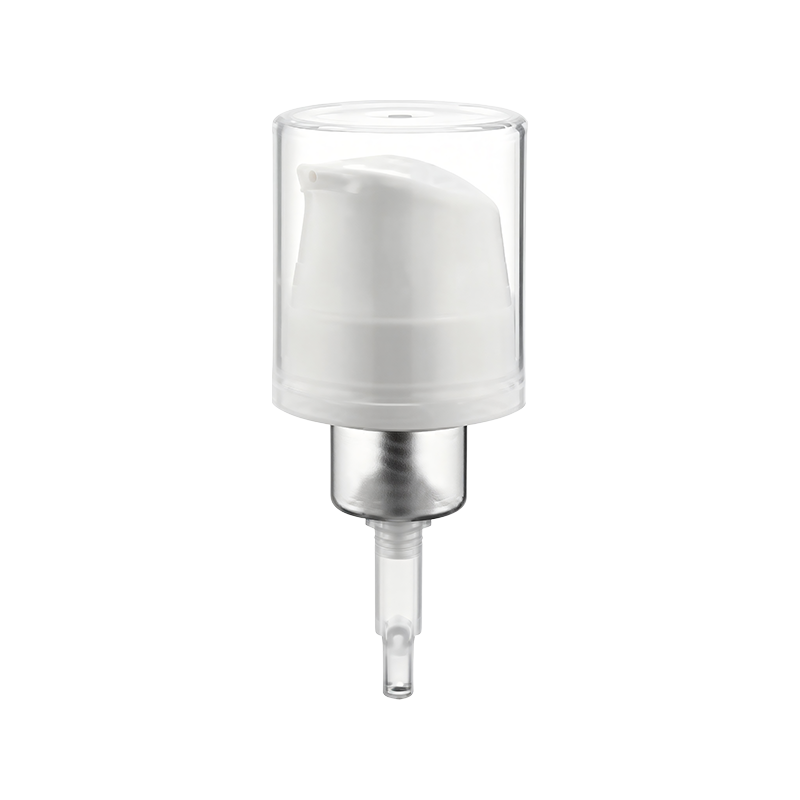
30mm Beauty Foam Dispenser: Gentle Application for Delicate Skincare Products
Product Overview: A 30-410 Foam Pump for Personal Care Formulations
The 30mm beauty foam dispenser is built around the common 30-410 neck specification, making it compatible with a wide range of bottle designs in the personal care industry. This compatibility is important for brands that want to develop multiple product lines without redesigning every packaging component from the beginning. The 30-410 closure size provides a balanced combination of stability, usability, and versatility, especially for medium-capacity bottles used for facial cleansing foam, shaving foam, hand cleanser, and daily skincare routines.
The pump’s dosage is 0.4±0.1ml per stroke. This output range is especially valuable for products that need controlled dispensing. Too much product can lead to waste, messy application, and inconsistent consumer usage. Too little product can make the consumer press the pump repeatedly, reducing convenience and increasing frustration. The 0.4ml nominal output is a practical middle ground for foamable personal care formulations because the liquid is expanded into foam during dispensing, allowing a small amount of formula to cover a larger skin area.
The pump uses a plastic closure, which helps keep the dispenser lightweight, economical, and suitable for high-volume production. Plastic closures are widely used in cosmetic and personal care packaging because they offer excellent design flexibility. They can be molded in different colors, matched with bottle aesthetics, and produced with consistent dimensional accuracy. The tube length is customizable, allowing the dispenser to be adapted to different bottle heights and shapes. This customization helps reduce product residue left inside the bottle and supports smooth dispensing throughout the product life cycle.
The product is suitable for serum, lotion, facial cleanser, shaving cream, and similar applications when the formula is compatible with foam pump technology. For skincare brands, this creates opportunities to transform ordinary liquid cleansers or light lotions into more appealing foam formats. Foam feels soft, spreads easily, and often gives consumers the impression of a cleaner, more convenient, and more premium product. For shaving products, foam delivery improves coverage and comfort, helping the user apply the formula evenly over the skin.
Key Product Specifications
| Specification | Details | Practical Value |
|---|---|---|
| Product Type | Beauty foam dispenser | Designed for foamable skincare and personal care products |
| Size Option | 30-410 | Compatible with many personal care bottles |
| Dosage | 0.4±0.1ml per actuation | Supports controlled, repeatable dispensing |
| Closure Type | Plastic | Lightweight, durable, and suitable for mass production |
| Tube Length | Customized | Adapts to different bottle heights and capacities |
| Typical Uses | Serum, lotion, facial cleanser, shaving cream | Useful for daily care, skincare, and grooming products |
Why Foam Dispensing Matters in Skincare Packaging
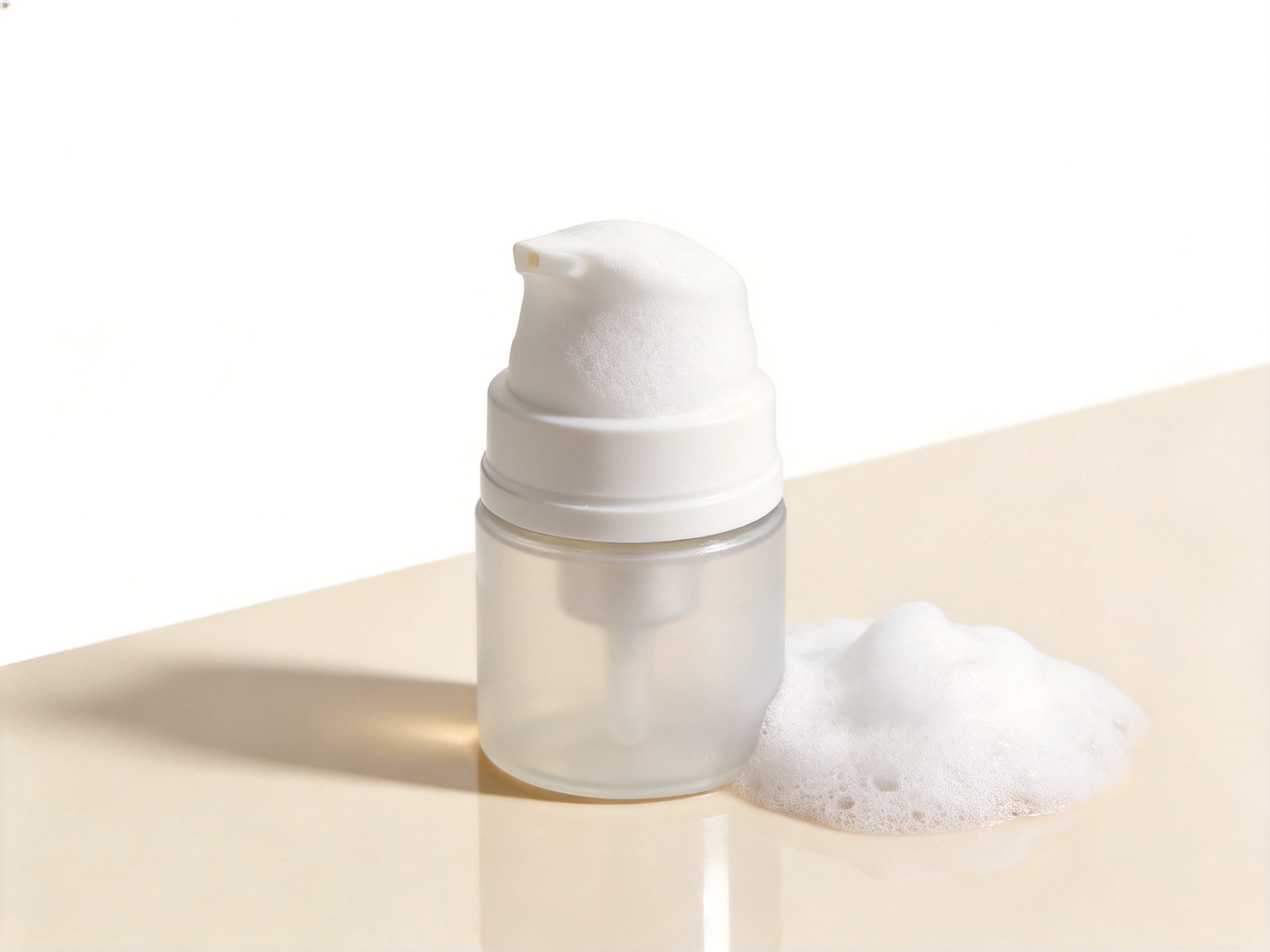
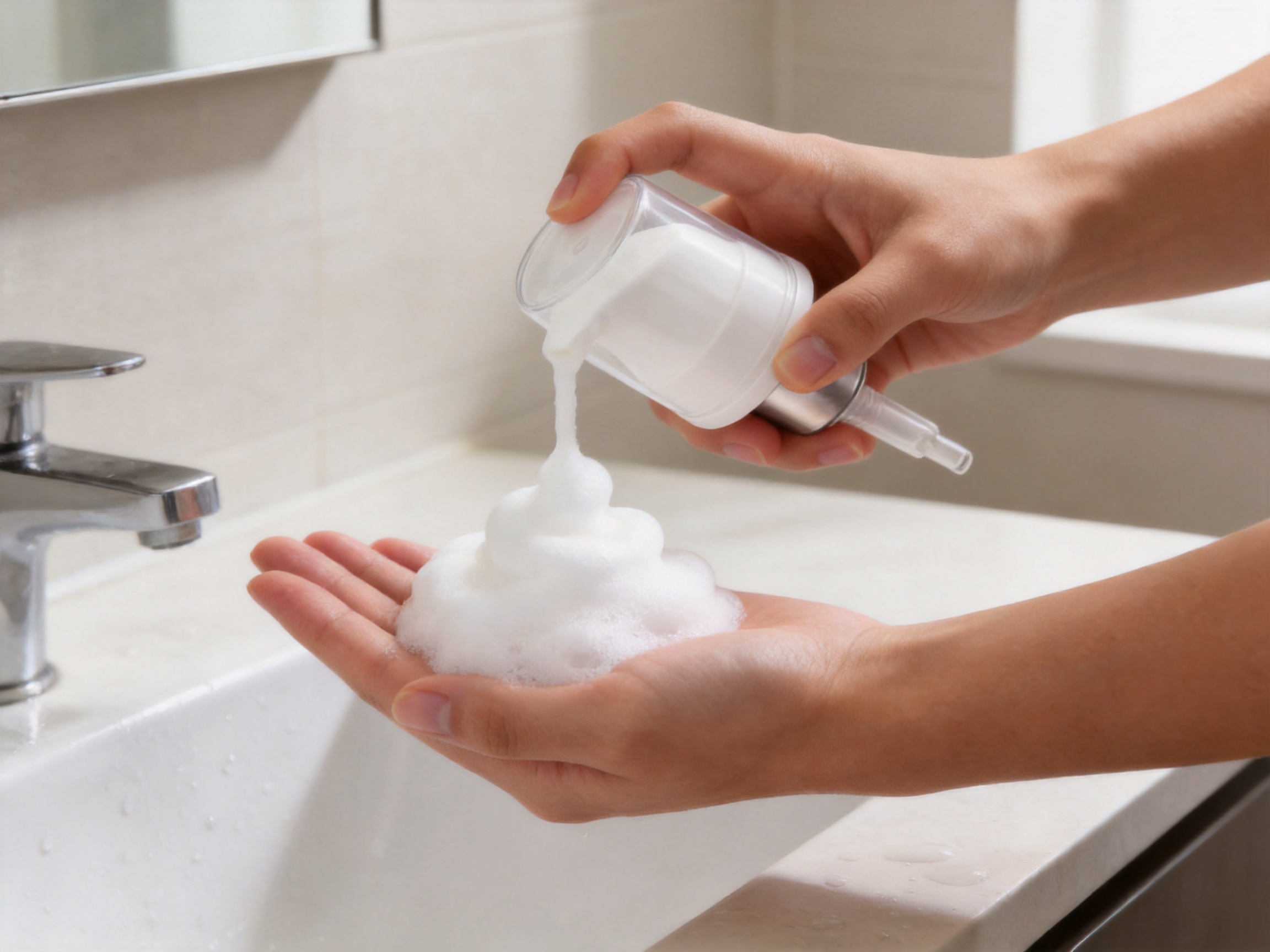
Foam dispensing has become increasingly important in skincare packaging because consumers are looking for products that feel gentle, clean, and easy to apply. A foam pump converts a compatible liquid formulation into a soft foam by mixing liquid with air through an internal mechanism and mesh structure. This process changes the way the product feels on the skin. Instead of applying a concentrated liquid directly, the user receives a light foam that spreads quickly and evenly. This can reduce rubbing and make the product more comfortable for delicate facial skin.
For facial cleansers, foam dispensing is especially valuable. Many consumers associate foam with effective cleansing, even when modern formulations are designed to be mild and non-stripping. A pump that produces stable foam can help the formula feel more generous without requiring excessive product consumption. This is one reason foam pumps are popular in face wash packaging, baby care cleansers, hand soaps, shaving products, and sensitive-skin products. A well-designed foam dispenser supports the perception of both gentleness and efficiency.
Compared with squeeze bottles, foam pumps also improve control. A squeeze bottle depends on hand pressure, bottle flexibility, formula viscosity, and dispensing orifice design. The output may vary greatly from one user to another. A foam pump, by contrast, provides a more repeatable dose. The 0.4±0.1ml output range helps brands guide consumers toward consistent product usage. This consistency is important for product performance claims, customer satisfaction, and repeat purchasing behavior.
Foam dispensing can also improve hygiene. Because the consumer presses a pump rather than opening a wide-mouth jar or touching the formula directly, the risk of contamination is reduced. This is particularly important for facial care products that may be used daily in humid bathroom environments. A pump system limits direct contact with the product and helps preserve the integrity of the remaining formula. For brands that want to communicate cleanliness and modern design, a foam dispenser provides a clear functional advantage.
Advantages Over Ordinary Foam Pumps and Competing Dispensers
The 30mm beauty foam dispenser provides several advantages over lower-quality or poorly matched dispensing systems. The first advantage is balanced dosage. Many low-cost pumps may dispense too much liquid, produce weak foam, or create inconsistent output after repeated use. A controlled 0.4±0.1ml output helps maintain predictable application. For skincare products, this means the consumer receives enough foam for practical use without unnecessary waste. Brands benefit because the product lasts as intended, and consumers are less likely to feel that the formula is being used too quickly.
The second advantage is compatibility. The 30-410 size option is a widely recognized neck finish in personal care packaging. This makes it easier for packaging developers to pair the pump with different bottle bodies. A compatible closure reduces the complexity of sourcing, testing, and inventory management. When a brand uses several bottle capacities or line extensions, a common closure size can simplify production planning and improve supply chain efficiency.
The third advantage is customization through tube length adjustment. Tube length may appear simple, but it has a major effect on dispensing performance. If the tube is too short, product may remain at the bottom of the bottle and frustrate the consumer. If it is too long or improperly cut, it may bend excessively, block flow, or interfere with pump function. A customized tube length helps the pump work properly with the chosen bottle, supporting better evacuation and a more satisfying user experience.
The fourth advantage is the plastic closure structure. Plastic offers a combination of light weight, corrosion resistance, design flexibility, and cost efficiency. In a personal care environment, packaging may be exposed to water, surfactants, fragrance, and oils. A properly selected plastic closure can perform reliably while also supporting a clean cosmetic appearance. For brands that need large production volumes, plastic closures also allow stable manufacturing and color customization.
The fifth advantage is the product’s suitability for a broad range of daily care applications. Some pumps are narrowly designed for a single formula type. This foam dispenser can be applied to facial cleanser, shaving cream, lotion, serum, and other compatible liquid products. That flexibility is useful for manufacturers and brand owners because one pump platform can support multiple product concepts. It helps reduce development time and makes it easier to create cohesive packaging families.
Design Features That Improve Consumer Experience
A beauty foam dispenser is judged not only by its technical specifications but also by how it feels during daily use. Consumers notice whether the pump presses smoothly, whether the foam appears quickly, whether the output is clean, and whether the dispenser looks appropriate on the bottle. A product that performs consistently can strengthen the consumer’s trust in the formula itself. In skincare packaging, the dispenser often becomes part of the perceived product quality.
The 30mm foam dispenser supports gentle application by producing foam instead of a dense liquid stream. Foam creates a cushion between the user’s fingers and skin, which can be helpful for delicate facial areas. Consumers with sensitive skin often prefer products that require less rubbing. A stable foam can be spread across the face with light movements, improving comfort during cleansing or shaving. This user benefit is one of the strongest reasons to choose a foam dispenser for delicate skincare products.
The pump format also improves convenience. A user can operate it with one hand, usually while holding the bottle on a bathroom counter or shower shelf. This is more convenient than unscrewing a cap, squeezing a tube, or dipping into a jar. Convenience matters because many personal care products are used in routine settings. If the packaging is easy to operate, the product is more likely to become part of a daily habit.
Mess reduction is another benefit. Foam pumps are designed to deliver product upward and outward in a controlled manner. Compared with pour caps or squeeze openings, the risk of accidental over-dispensing is reduced. A clean pump head and controlled output help keep the bottle, countertop, and user’s hands cleaner. This is particularly valuable for products used near sinks, in showers, or during shaving, where slippery hands and wet surfaces are common.
The appearance of the pump also supports premium positioning. A 30mm foam dispenser has a substantial, functional look that pairs well with personal care bottles. When produced with consistent color, clean molding, and smooth assembly, the dispenser can enhance the overall impression of the package. For beauty brands, packaging is a key communication tool. A well-made foam pump suggests precision, cleanliness, and attention to detail.
Application in Facial Cleanser Packaging
Facial cleanser is one of the most natural applications for this foam dispenser. Cleansing is often the first step in a skincare routine, and consumers expect the process to be comfortable, fast, and effective. A foam pump can transform a liquid cleanser into a soft foam that spreads quickly over the face. This can make the cleansing experience feel more luxurious while also helping users avoid applying too much formula at once.
For mild facial cleansers, foam dispensing can reinforce the message of gentleness. The pump allows the consumer to dispense a pre-aerated foam without needing to rub the liquid heavily between the hands. This may be especially appealing for sensitive skin, morning cleansing routines, and products marketed for light daily use. The 0.4±0.1ml dosage provides a useful output level because the foam volume is larger than the liquid volume, giving the user enough material for facial application.
In facial cleanser packaging, hygiene is also essential. A pump dispenser limits direct contact with the bulk formula. Unlike jars or open-neck bottles, the product remains protected inside the container until dispensed. This supports a cleaner experience and helps maintain product quality during repeated use. Consumers increasingly understand the importance of hygienic packaging, especially for products applied to the face.
The customizable tube length is valuable for facial cleanser bottles because these bottles may vary in height and shape. Some brands prefer slim cylindrical bottles, while others use oval or square bottles for shelf differentiation. A tube adapted to the bottle helps the product dispense smoothly from the first use to the last. Better product evacuation reduces consumer complaints and supports the perception that the brand has considered every detail.
Application in Shaving Cream and Grooming Products
Shaving products need even coverage, comfortable application, and controlled dispensing. The 30mm beauty foam dispenser is suitable for compatible shaving cream formulations because it produces a soft foam that can be spread across the skin before shaving. Foam can help lift hair, improve razor glide, and create a visible application layer. While aerosol shaving foams are common, non-aerosol foam pump packaging provides an alternative that can feel cleaner, simpler, and more travel-friendly for certain product lines.
For men’s grooming brands, a pump dispenser can create a modern appearance and practical user experience. The consumer can dispense foam directly into the hand and apply it to the face without shaking a can or dealing with pressurized packaging. This supports formulas positioned as mild, skincare-oriented, or environmentally conscious. The plastic closure and bottle compatibility also allow brands to design products that match broader skincare packaging families.
Controlled dosage is important in shaving products because users may need one or more pumps depending on beard area and foam preference. A repeatable output lets the consumer adjust usage easily. If one pump is enough for a small area and two or three pumps cover the full face, the user can build a predictable routine. This improves satisfaction and reduces the chance of dispensing too much product by accident.
For grooming products used in wet environments, durability and dispensing reliability are critical. Bathrooms, showers, and sinks expose packaging to moisture and repeated handling. A practical foam pump should resist functional failure under normal use conditions. Strong manufacturing control, proper material selection, and automated assembly help ensure the pump continues to operate smoothly throughout the product’s life.
Application in Lotions, Serums, and Lightweight Treatment Products
Although foam pumps are most commonly associated with cleansers, they can also be used for certain lotions, serums, and lightweight treatment products when the formula is designed to foam properly. A foamed lotion or serum can feel airy and spreadable, making it attractive for products that emphasize light texture and quick absorption. The 30mm beauty foam dispenser provides controlled output that can help consumers apply a consistent amount of these products.
For skincare formulas, dosage precision is important. Consumers often want to know how much product to apply, especially for serums and treatment products. A pump format makes usage more intuitive. Rather than estimating from a squeeze tube or dropper, the user can apply one or two pumps. The 0.4±0.1ml dosage range supports a controlled routine while still allowing flexibility based on personal preference.
Foamed textures can also help brands differentiate products in a crowded skincare market. Many serums and lotions are packaged in similar bottles with similar dispensing systems. A foam dispenser can create a more memorable sensory experience. When the foam is stable and pleasant, it can become a signature feature of the product. This is valuable for brand storytelling, social media presentation, and consumer loyalty.
However, formula compatibility is essential. Not every serum or lotion will foam effectively. Viscosity, surfactant system, active ingredients, oils, and polymers can all influence foam quality. Packaging development should include compatibility testing between the formula and pump. GreenYard Tools Co.,ltd. supports packaging solutions for different personal care products, and proper testing helps ensure the selected dispenser matches the customer’s formula requirements.
Manufacturing Strengths Behind the Foam Dispenser
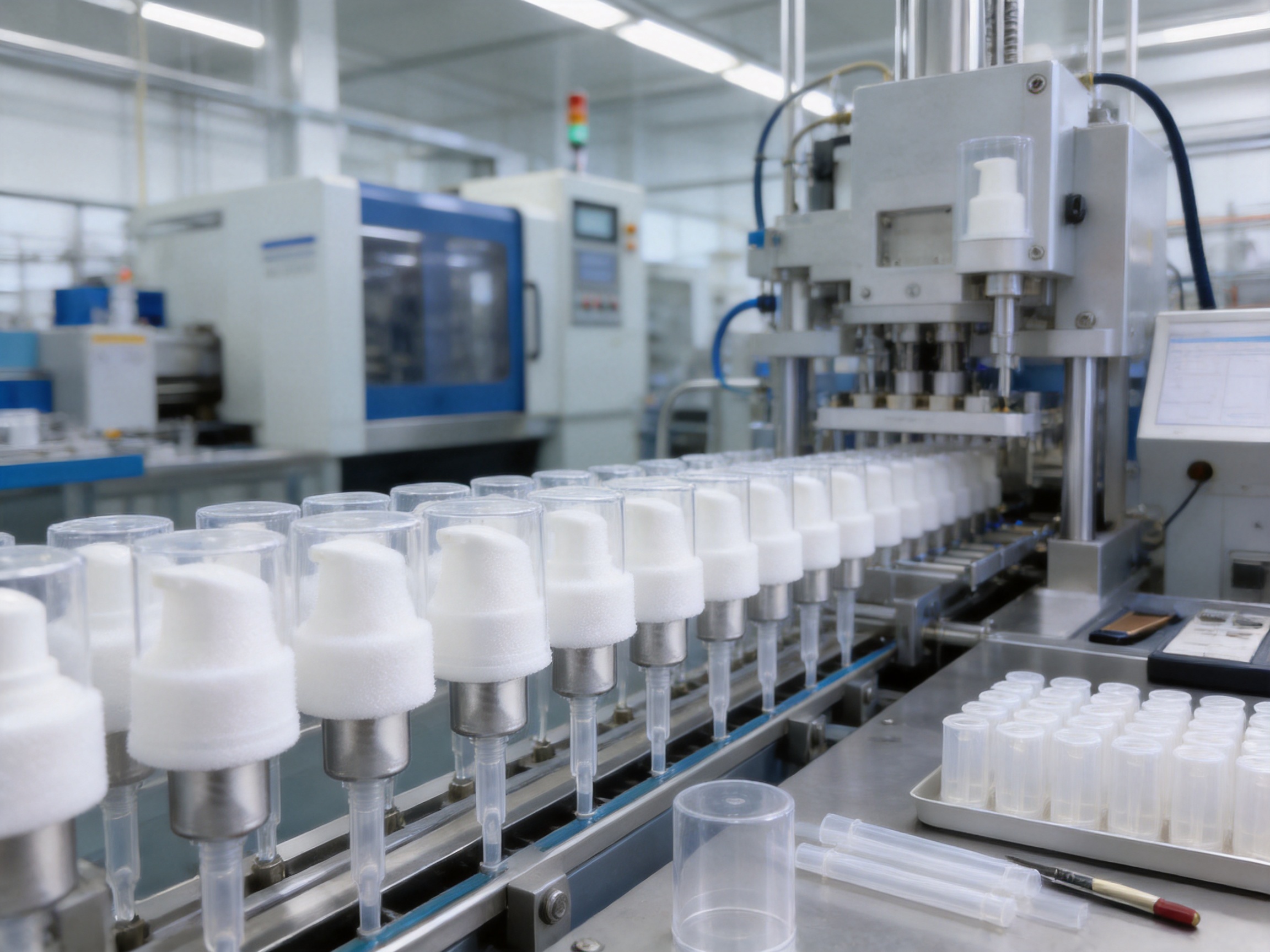
The performance of a foam dispenser depends heavily on manufacturing precision. Small dimensional differences in internal parts can affect foam density, output volume, leakage resistance, and pump rebound. GreenYard Tools Co.,ltd. has built its manufacturing capabilities around mold design, injection molding, automated assembly, and quality inspection. These processes are especially important for pump products because pumps contain multiple components that must work together repeatedly under mechanical stress.
Mold design is the foundation of consistent pump production. A foam dispenser contains parts that may include an actuator, closure, piston components, spring-related structures, sealing components, dip tube connection, and internal foam-generating elements. Each part must be designed with appropriate tolerances. If the mold is inaccurate, the final pump may leak, jam, dispense inconsistently, or fail to produce satisfactory foam. Advanced mold design helps create stable part geometry and supports efficient mass production.
Injection molding is another key process. Plastic pump components must be molded with consistent dimensions, surface quality, and mechanical strength. Poor molding can create flash, deformation, weak areas, or inconsistent fit. With controlled injection molding, the closure threads can match bottle necks reliably, the actuator can press smoothly, and internal components can seal properly. For high-volume packaging supply, stable injection molding is essential because even small defect rates can become costly when producing large quantities.
Automated assembly improves consistency and efficiency. Pump products often require multiple small parts to be assembled in the correct order and orientation. Manual assembly can be useful for special products, but automated assembly provides speed, repeatability, and reduced handling variation. For a foam dispenser, proper assembly affects pump movement, foam quality, sealing, and output. Automated systems help ensure each unit is built according to defined standards.
Quality inspection completes the manufacturing process. A foam pump should be checked for appearance, fit, function, dosage, leakage, and actuation performance. Inspection may include visual checks, functional testing, dimensional measurement, and sampling according to production requirements. Because personal care brands rely on packaging to protect their reputation, quality control is not optional. A faulty pump can lead to consumer complaints even if the formula itself is excellent.
Daily Production Capacity and Supply Reliability
Large-scale production capacity is a major advantage for customers who need stable supply. GreenYard Tools Co.,ltd. reports daily production capacity reaching one million units across its packaging product range. This level of capacity is important for personal care brands, contract fillers, and distributors that manage large orders or seasonal demand. When packaging components are delayed, the entire filling and launch schedule can be affected. A manufacturer with strong capacity can reduce supply risk and support more predictable production planning.
Supply reliability is especially important in fast-moving consumer goods. Facial cleansers, hand cleansers, shaving products, and daily skincare items may be produced in repeated batches. If a brand changes pump suppliers frequently, it may face color differences, fit problems, dosage changes, or inconsistent user experience. A reliable manufacturer helps maintain continuity. The same pump model can be supplied across multiple production runs, supporting brand consistency and consumer trust.
High production capacity also supports customization. Some buyers assume customization is only available in small batches, but an experienced manufacturer can combine customization with scalable output. Color matching, tube length adjustment, closure compatibility, and packaging coordination can be managed within a structured production system. This allows customers to develop differentiated packaging without sacrificing supply efficiency.
For global customers, scalable manufacturing also helps support market expansion. A brand may begin with a regional launch and later expand to additional markets. If the original packaging supplier cannot increase output, the brand may need to redesign packaging or qualify a new supplier. Working with a manufacturer that has strong production capability helps protect long-term growth plans.
Material and Structural Considerations
The plastic closure of the foam dispenser provides practical benefits, but material selection must still be carefully managed. Personal care formulas can contain surfactants, fragrance, botanical extracts, oils, alcohols, preservatives, and active ingredients. These materials may interact with packaging if compatibility is not considered. A good foam pump should be manufactured from materials suitable for the intended formula category, and compatibility testing should be performed before commercial production.
Structural stability is also essential. The pump must withstand repeated pressing during normal use. The actuator should return properly after each stroke, the internal mechanism should maintain suction and dispensing function, and the closure should remain securely attached to the bottle. Thread accuracy is important for the 30-410 closure because a poor fit can cause leakage, looseness, or difficulty during capping. Consistent molding and inspection help reduce these risks.
Foam generation depends on internal flow design. A compatible formula must pass through the pump and mix with air to form foam. If the internal channels are poorly designed or obstructed, foam may be weak, watery, or inconsistent. A well-made foam pump supports smooth liquid intake and stable foam output. This helps the consumer receive the intended product texture from the first use onward.
The dip tube also plays an important role. A customized tube length allows product to be drawn from near the bottom of the bottle. The tube must be cut cleanly and connected securely. If the tube is loose, too short, too long, or blocked, dispensing performance will suffer. By offering customized tube length, the product can be better integrated with the customer’s bottle design.
How the Dispenser Supports Brand Differentiation
Packaging has become a competitive tool in the beauty and personal care industry. Consumers often make quick judgments based on appearance, convenience, and perceived quality before they fully evaluate the formula. A foam dispenser can make a product feel more modern and specialized. For brands launching facial cleansers, shaving foams, or gentle skincare products, the dispenser helps communicate softness, cleanliness, and controlled use.
The 30mm beauty foam dispenser can also support premium and mid-market positioning. Premium packaging does not always require heavy materials or complicated decoration. It requires consistency, comfort, and a clear match between the package and product promise. A foam pump that dispenses smoothly and reliably can make an everyday cleanser feel more refined. This sensory upgrade can be an effective way to increase perceived value.
For private label and contract manufacturing customers, the dispenser offers practical flexibility. A single pump specification may be used across several formulations or bottle sizes, provided compatibility is confirmed. This helps reduce development cost and shorten launch timelines. Brands can focus on formula, label design, and market positioning while relying on a proven pump structure for dispensing.
Color customization and bottle matching can further improve differentiation. A white pump may communicate cleanliness and clinical simplicity, while black may suit men’s grooming products or premium skincare. Soft pastel colors may fit baby care or sensitive skin lines. Because the closure is plastic, it can be adapted to different visual identities. This makes the foam dispenser not only a functional component but also part of the brand’s visual language.
Comparison with Alternative Dispensing Systems
When choosing packaging for skincare and personal care products, brands often compare foam pumps with lotion pumps, fine mist sprayers, squeeze caps, flip-top caps, droppers, and airless systems. Each has its place, but foam pumps are particularly suitable when the desired user experience is soft, airy, and controlled. For facial cleansers and shaving products, a foam pump can provide benefits that other systems cannot easily match.
A lotion pump is excellent for creams and lotions with higher viscosity, but it usually dispenses product as a liquid or cream rather than foam. If a brand wants an airy texture, a lotion pump may not achieve the desired sensory effect. A fine mist sprayer is useful for toners, perfumes, and watery products, but it is not intended for foam formation or thicker cleansing formulas. A dropper is suitable for precise liquid dosing, especially serums, but it requires more handling and may not be as hygienic or convenient for cleansing products.
Squeeze bottles and flip-top caps are economical and familiar, but they depend heavily on user pressure. They may dispense too much or too little product, especially when the bottle is nearly full or nearly empty. They can also become messy around the opening. A foam pump provides a more controlled and cleaner solution. It also creates a more distinctive product texture, which can support stronger consumer appeal.
Airless packaging is useful for formulas that need reduced air exposure and high product protection. However, airless systems may be more costly and are not always necessary for rinse-off cleansers or shaving products. For foamable formulations, a foam dispenser may provide the best balance between performance, cost, and consumer experience. The 30-410 foam pump is especially attractive when brands need a practical, scalable, and user-friendly packaging component.
Quality Control Priorities for Foam Pump Performance
Quality control for a foam dispenser should focus on several key areas. The first is dosage consistency. The pump should deliver product within the expected range, in this case 0.4±0.1ml per actuation. Consistent dosage helps maintain predictable use and reduces the chance of consumer dissatisfaction. During production, sampling and functional tests can confirm whether the pump output remains stable.
The second priority is leakage resistance. A pump may be stored, shipped, and handled in different orientations. If the closure fit or internal seal is poor, leakage can occur. Leakage damages labels, cartons, and consumer trust. Thread accuracy, sealing surface quality, and assembly precision all contribute to leakage prevention. A properly matched bottle and closure are also essential.
The third priority is actuation feel. Consumers expect the pump to press smoothly and return reliably. A pump that feels stiff, weak, or uneven may create a negative impression even if it technically dispenses product. Mechanical performance depends on component design, material behavior, assembly, and internal friction. Smooth actuation is a sign of well-controlled manufacturing.
The fourth priority is foam quality. Foam should be reasonably stable, soft, and consistent when used with a compatible formula. Weak foam may suggest poor performance, while overly wet foam may feel unsatisfactory. Foam quality depends on both the formula and the pump, so packaging and formulation teams should test them together. The dispenser’s internal structure must support proper mixing of air and liquid.
The fifth priority is appearance. Cosmetic packaging components should be clean, uniform, and free from obvious defects. Color consistency, surface finish, and molding quality matter because the pump is visible on the finished product. A beautiful bottle can lose its impact if the pump looks poorly made. Reliable appearance control supports the brand’s shelf presentation.
Integration with Bottles and Complete Packaging Systems
A foam dispenser performs best when it is integrated correctly with the bottle. The 30-410 closure size provides a defined interface, but bottle neck quality must also be controlled. Threads, sealing land, neck height, and material stiffness can all affect fit. Packaging developers should confirm that the selected bottle and pump are compatible before large-scale filling. This reduces the risk of leakage, loose closure, or poor assembly line performance.
Bottle shape also affects consumer use. A foam pump is commonly used with bottles that can stand securely on a flat surface. The bottle should be stable enough to resist tipping when the pump is pressed. If the bottle is too narrow or lightweight, the user may need to hold it during dispensing. This may still be acceptable, but stability should be considered during packaging design.
The dip tube should be selected according to bottle height and bottom shape. A flat-bottom bottle may require a different tube length than a bottle with a deep push-up or curved base. Tube angle and flexibility can influence how well the product is drawn from the container. Customized tube length helps optimize this detail. It is a simple but important part of package performance.
Labeling and decoration should also account for pump use. Because the consumer interacts with the pump frequently, the overall package should remain comfortable and visually balanced. A large pump on a small bottle may look disproportionate, while a small or weak-looking pump may not suit a premium cleanser. The 30mm format provides a strong visual presence that can work well with medium and larger personal care bottles.
Sustainability and Practical Packaging Considerations
Sustainability is an increasingly important topic in personal care packaging. While any pump system includes multiple components, a well-designed foam dispenser can contribute to responsible use by controlling dosage and reducing product waste. When consumers dispense only what they need, the formula lasts longer and accidental overuse is reduced. This practical form of waste reduction is meaningful in daily-use products.
Plastic closures also offer weight advantages compared with heavier alternatives. Lightweight packaging can reduce shipping weight and improve handling efficiency. In high-volume personal care products, even small reductions in component weight can have logistical benefits. Material selection, production efficiency, and packaging compatibility all influence the overall environmental profile of the final product.
Another sustainability-related advantage is the possibility of non-aerosol foam delivery. Some shaving and cleansing foam products have traditionally used aerosol packaging. Foam pump packaging can offer an alternative for compatible formulas without pressurized containers. This may support brands that want simpler packaging formats and easier consumer handling. The exact sustainability benefit depends on the full package design, material choices, and local recycling systems, but foam pumps give brands more format options.
Durability also matters. A pump that fails before the product is finished can lead to waste because consumers may discard remaining formula. Reliable manufacturing and quality control help ensure the dispenser works until the bottle is empty. Long functional life is a practical requirement for both consumer satisfaction and responsible packaging design.
Company Manufacturing Expertise and Customer Support
GreenYard Tools Co.,ltd. is a packaging material manufacturer from China specializing in spray and pump products. With sixteen years of experience in this field, the company has developed capabilities that support both product reliability and customer customization. Its product range includes perfume sprayers, pump heads, caps, bottles, and daily chemical packaging solutions. This broad portfolio allows customers to source multiple packaging components from one experienced supplier.
The company’s manufacturing strengths include mold design, injection molding, automated assembly, and quality inspection. These capabilities are essential for producing precision packaging components such as foam pumps. A pump must not only look good but also perform repeatedly through many actuations. By managing core production processes, the manufacturer can better control quality, efficiency, and product development timelines.
A dedicated design team supports product innovation and customer-specific packaging solutions. This is important because personal care brands often need packaging that reflects their market position. Some customers need a clean and minimal look, while others need bold colors or special compatibility with unique bottle shapes. Design support helps connect functional requirements with visual presentation.
For international customers, experience in global markets is valuable. Packaging standards, consumer preferences, and supply expectations can vary by region. A manufacturer that understands export-oriented production can help customers manage specifications, sampling, production consistency, and communication. This support reduces project risk and improves the likelihood of a successful product launch.
Recommended Development Process for Brands
Brands considering the 30mm beauty foam dispenser should begin by defining the product category and user experience. Is the product a facial cleanser, shaving foam, foaming lotion, or gentle daily care product? What foam texture should consumers feel? How many pumps should be recommended per use? These questions help determine whether the 0.4±0.1ml dosage is appropriate and how the formula should be adjusted for foam performance.
The next step is bottle selection. The bottle should have a compatible 30-410 neck finish and suitable stability for pump operation. Its height and shape should be shared with the manufacturer so the dip tube length can be customized. Bottle material, wall thickness, and neck finish quality should be checked before mass production. A complete package is only as reliable as the connection between pump and bottle.
Formula compatibility testing should follow. The formula should be tested with the foam dispenser under expected conditions. Testing may include foam quality, actuation force, output volume, leakage, product evacuation, storage stability, and repeated use. If the formula contains oils, high viscosity components, particles, or strong solvents, special attention should be given to pump performance and material compatibility.
After compatibility testing, brands should evaluate appearance and decoration. Pump color, bottle color, label design, and closure finish should work together. The pump should support the brand’s message, whether that message is gentle skincare, professional grooming, family care, or premium beauty. Packaging samples should be reviewed under realistic lighting and shelf conditions.
Finally, production planning should include order quantity, lead time, quality requirements, and shipping arrangements. For large launches, brands may need to coordinate pump delivery with bottle production, label printing, filling schedules, and carton supply. A manufacturer with strong production capacity and clear communication can help reduce delays and improve launch efficiency.
Q&A Section
What is the main purpose of the 30mm beauty foam dispenser?
The main purpose of the dispenser is to convert compatible liquid personal care formulations into soft foam for gentle, controlled, and hygienic application. It is especially suitable for facial cleansers, shaving creams, foaming lotions, serums, and other products that benefit from an airy texture.
What bottle neck size does this foam pump fit?
The dispenser is available in a 30-410 size option. This is a common neck specification for personal care bottles, making the pump suitable for many packaging designs when the bottle neck is manufactured to matching standards.
How much product does the pump dispense each time?
The pump dispenses approximately 0.4±0.1ml per actuation. This controlled dosage helps reduce waste, supports consistent consumer use, and provides a practical output level for foamable skincare and grooming formulas.
Can the dip tube length be customized?
Yes. The tube length can be customized to match different bottle heights and shapes. Correct tube length helps improve product evacuation and ensures smoother dispensing throughout the life of the package.
Why choose a foam pump instead of a normal lotion pump?
A lotion pump usually dispenses liquid or cream directly, while a foam pump creates an airy foam from a compatible formula. Foam can feel softer, spread more easily, reduce rubbing, and create a more premium user experience for cleansers, shaving products, and gentle skincare items.
Is this dispenser suitable for facial cleanser?
Yes. Facial cleanser is one of the most suitable applications. The pump helps create a soft foam that spreads easily over the skin, supports hygienic dispensing, and reduces the chance of overuse.
Can it be used for shaving cream?
Yes, it can be used for compatible shaving cream or shaving foam formulations. It provides controlled foam output, helping users apply an even layer before shaving.
What are the manufacturing advantages behind this product?
The product benefits from advanced mold design, controlled injection molding, automated assembly, and quality inspection. These processes help maintain dosage consistency, smooth actuation, accurate closure fit, and reliable foam performance.
What makes this dispenser competitive in the market?
Its advantages include a practical 30-410 closure size, controlled 0.4±0.1ml dosage, customizable tube length, plastic closure durability, broad application range, and support from an experienced manufacturer with scalable production capacity.
Should brands test the pump with their own formula?
Yes. Formula compatibility testing is strongly recommended. Foam quality depends on both the pump and the formula, so brands should test output, foam stability, leakage, actuation, and long-term compatibility before mass production.
Conclusion
The 30mm beauty foam dispenser is a practical and refined packaging solution for personal care brands that want gentle application, controlled dosage, hygienic dispensing, and a strong consumer experience. With its 30-410 size option, 0.4±0.1ml dosage, plastic closure, and customizable tube length, it offers the flexibility needed for facial cleansers, shaving creams, lotions, serums, and other foamable formulations. It helps transform ordinary liquids into soft foam, improving texture, convenience, and perceived product value.
Compared with many competing dispensing systems, this foam pump provides a balanced combination of comfort, control, compatibility, and manufacturing practicality. It reduces waste through measured output, improves cleanliness by limiting direct product contact, and supports brand differentiation through a modern foam application format. For consumers, it makes daily skincare and grooming routines easier and more enjoyable. For brands, it supports reliable packaging performance and a more premium market presentation.
Behind the product is a manufacturing system based on mold design, injection molding, automated assembly, quality inspection, and large-scale production capacity. GreenYard Tools Co.,ltd. brings long-term experience in pump and spray packaging to the development and production of this dispenser. For companies seeking dependable personal care packaging, the 30mm beauty foam dispenser offers a strong combination of functional value, design flexibility, and supply reliability.
References
1. Cosmetic Packaging Technology: Principles of Pump, Spray, and Dispensing Systems.
2. Personal Care Product Packaging: Design, Compatibility, and Consumer Experience.
3. Injection Molding for Precision Plastic Components in Cosmetic Packaging.
4. Quality Control Methods for Pump Dispensers and Closure Systems.
5. Formulation and Packaging Compatibility Guidelines for Foaming Cleansers.
6. Consumer Use Patterns and Dosage Control in Skincare Packaging.
Product: 30mm Beauty Foam Dispenser: Gentle Application for Delicate Skincare Products

-
Crimp Pumps Demystified: Choosing the Right Type and Material for Every Cosmetic Formula
Walk into any cosmetic filling facility and you will find crimp pumps on everything from a delicate ...
-
Airless Bottles Uncovered: How to Protect Your Skincare and Perfect Every Pump
If you have ever opened a pump bottle of serum and found the last quarter of the product impossible ...
-
Foam Pump vs Regular Pump: What's the Difference?
The core difference between a foam pump and a regular pump is how each one delivers product. A regu...
-
What Makes a Good Deodorant Stick Bottle for Brands?
A deodorant stick bottle is a twist-up or push-up dispensing container designed to hold and advance...
Copyright © GreenYard Tools Co.,ltd. All Rights Reserved.
Personal Care Packaging Manufacturer Custom Perfume Sprayers Factory