
-
About Us
Why Choose Us?The company possesses advanced capabilities in mold design, injection molding, and automated assembly, supported by a professional quality inspection team to ensure product reliability. A dedicated design team continuously drives product innovation, providing customers with high-quality spray solutions.
 Coming From China, Marketing To The World.
 -
Products
-
News
 English
 Français
 русский
 Español
7 Gram Herbal Balm Plastic Stick Container for Portable Personal Care Packaging
Content
- 1 Product Overview
- 2 Key Product Specifications and Applications
- 3 Why Compact Stick Packaging Matters
- 4 Advantages Over Traditional Jars
- 5 Advantages Over Metal Tins
- 6 Advantages Over Squeeze Tubes
- 7 Material and Structural Performance
- 8 Manufacturing Strength Behind the Product
- 9 High Production Capacity and Supply Stability
- 10 Customization Potential for Brand Differentiation
- 11 Packaging Suitability for Herbal Balm
- 12 Packaging Suitability for Lip Balm
- 13 Packaging Suitability for Sunscreen and Outdoor Care
- 14 Packaging Suitability for Blush and Cosmetic Sticks
- 15 User Experience and Consumer Satisfaction
- 16 Retail and E-Commerce Advantages
- 17 Quality Control Considerations
- 18 Advanced Mold Design as a Competitive Advantage
- 19 Injection Molding Precision and Product Consistency
- 20 Automated Assembly and Efficiency
- 21 How the Container Supports Global Personal Care Trends
- 22 Competitor Comparison
- 23 Sustainability and Responsible Packaging Considerations
- 24 Filling and Formula Development Guidance
- 25 Ideal Customer Profiles
- 26 Commercial Value for Brands
- 27 Company Manufacturing Strengths Supporting the Product
- 28 Practical Selection Checklist
- 29 Q&A Section
- 29.1 What products can be packaged in the 7 Gram Herbal Balm Plastic Stick Container?
- 29.2 Why choose a stick container instead of a jar?
- 29.3 Is the capacity exactly 7 grams?
- 29.4 Can the container be customized?
- 29.5 What makes this container competitive?
- 29.6 Is it suitable for sunscreen formulas?
- 29.7 How does manufacturing quality affect the final product?
- 29.8 Who should consider using this container?
- 30 Conclusion
- 31 References
- 32 Product: 7Gram Herbal Balm Plastic Stick Container
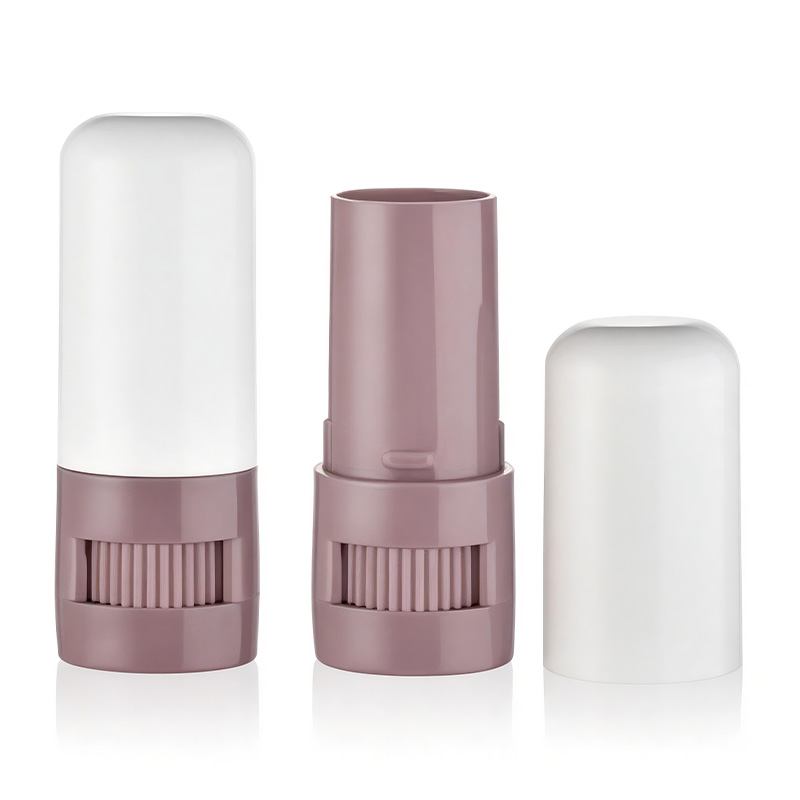
The 7 Gram Herbal Balm Plastic Stick Container is a compact, practical, and commercially adaptable packaging solution designed for solid and semi-solid personal care formulas such as herbal balm, lip balm, blush, sunscreen stick, soothing ointment, and small-format cosmetic treatments. In a market where consumers increasingly value portability, hygienic application, attractive presentation, and reliable product protection, this stick container provides a convenient format for brands seeking a dependable package for daily care products.
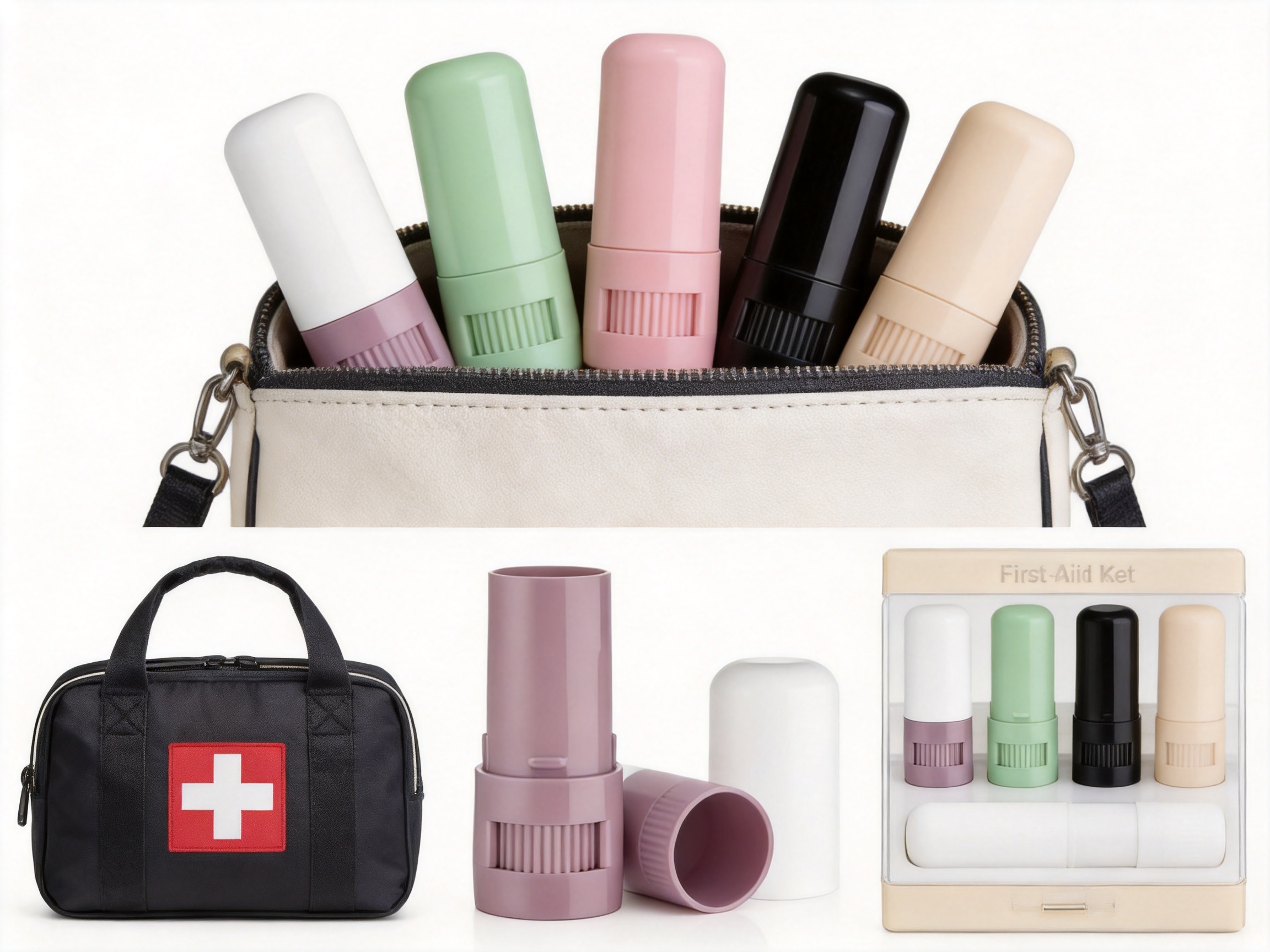
As a deodorant stick bottle category product, this container applies the familiar twist-up or push-style stick concept to smaller cosmetic and skincare formats. Its compact size makes it easy to carry in a pocket, handbag, travel pouch, gym bag, or first-aid kit. For brands, the container offers a lightweight and efficient option that supports impulse purchase, travel retail, gift sets, sample programs, and full-size daily-use products.
The product is identified as model GY-DS05B and is presented as a 7 gram herbal balm plastic stick container. Related product information also references an 8 gram option, which indicates that the same general packaging concept may be adapted to similar small-capacity formulas depending on product density, filling volume, formula behavior, and customer requirements. For solid balm packaging, the actual fill weight can vary by formula, so the 7 gram format is best understood as a compact stick container intended for small daily care applications.
Compared with traditional jars, tins, and small tubes, the stick container offers a more direct and hygienic user experience. Consumers can apply balm directly to targeted areas without dipping fingers into the product, reducing mess and helping preserve the formula inside. This advantage is especially valuable for lip care, herbal ointment, sunscreen stick, cosmetic color balm, and travel care products used in outdoor or public environments.
For manufacturers and personal care brands, the container combines convenience with production efficiency. It is suitable for automated or semi-automated filling lines, supports clean packaging presentation, and can be customized through color matching, surface finish, printing, labeling, and component design. When produced by an experienced packaging manufacturer with strong mold development, injection molding, automated assembly, and quality inspection capabilities, the result is a stable and attractive package that helps strengthen the final consumer product.
7Gram Herbal Balm Plastic Stick Container
Product Overview
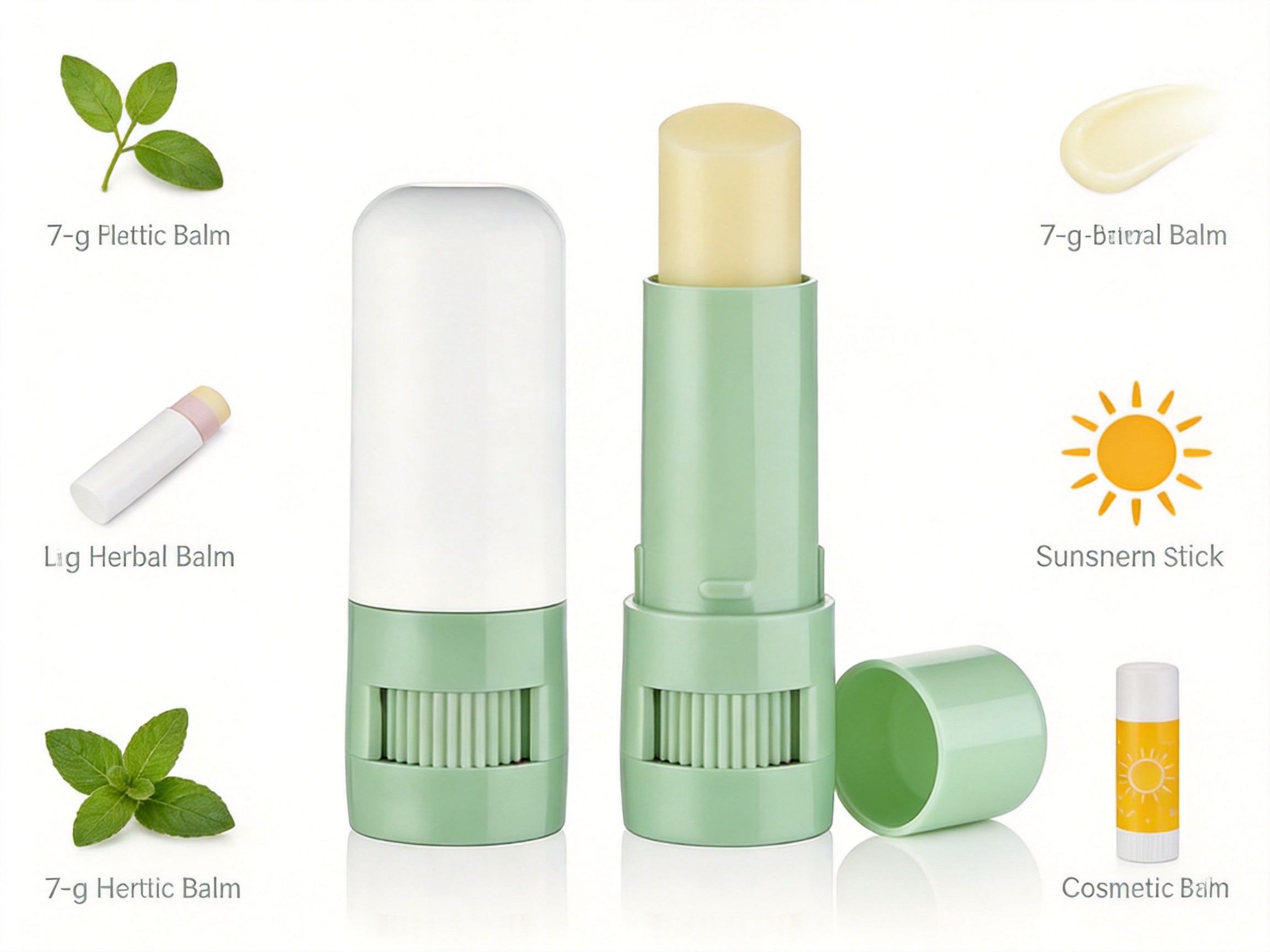
The 7 Gram Herbal Balm Plastic Stick Container is engineered for small-volume solid and semi-solid formulas that need portability and controlled application. Its primary usage includes herbal balm, lip balm, blush, sunscreen, ointment, skin protection stick, aromatherapy balm, and other daily care or cosmetic formulas. The container format is familiar to consumers because it resembles commonly used stick packaging, yet its compact scale makes it especially suitable for targeted use and travel convenience.
The product belongs to the deodorant stick bottle category, but its application extends beyond deodorant. Small stick containers have become popular in the beauty and personal care industry because they combine the convenience of a cap-protected package with the practical advantages of touch-free application. This makes them highly suitable for formulas that are intended to be applied repeatedly during the day.
The container is made from plastic components that can be designed for strength, light weight, and compatibility with common balm and cosmetic formulas. Plastic stick packaging is widely used because it is resistant to breakage, easy to transport, economical in mass production, and flexible for customization. For brands that require a balance between appearance, function, and cost control, this format offers a practical solution.
Its small capacity is a major advantage. A 7 gram product size is large enough to provide meaningful use value while remaining small enough for on-the-go carrying. Many consumers prefer compact personal care items because they fit easily into daily routines. A herbal balm stick that can be placed in a pocket or bag is more likely to be used frequently, which can improve consumer satisfaction and repeat purchase behavior.
The stick format also supports product differentiation. A balm packaged in a jar may be seen as traditional, while a balm in a compact stick can feel cleaner, more modern, and easier to apply. For brands selling herbal care, natural wellness, sports recovery, outdoor protection, baby care, or beauty treatment products, packaging can become a key part of the product story.
Key Product Specifications and Applications
Item |
Details |
Product Type |
Plastic stick container for personal care and cosmetic formulas |
Product Model |
GY-DS05B |
Nominal Capacity |
7 grams, with related small-capacity options possible depending on formula and customization |
Category |
Deodorant stick bottle and compact balm stick packaging |
Common Uses |
Herbal balm, lip balm, blush, sunscreen stick, ointment, skin care balm, cosmetic treatment |
Primary Advantages |
Portable, hygienic, lightweight, secure, convenient, customizable, suitable for daily care products |
Target Markets |
Personal care, cosmetics, herbal care, travel care, promotional packaging, wellness products |
Why Compact Stick Packaging Matters
Personal care packaging is no longer only a container for holding a formula. It is part of the consumer experience, part of the brand image, and often a deciding factor in whether a product feels practical enough for daily use. The 7 Gram Herbal Balm Plastic Stick Container responds to several important consumer expectations: portability, cleanliness, speed of application, and product protection.
Consumers often carry multiple small products throughout the day, including lip balm, hand cream, sunscreen, fragrance, cosmetics, and wellness products. A compact balm stick fits naturally into this lifestyle. It allows users to apply the product without searching for a spatula, tissue, or mirror. The direct-application design reduces inconvenience and makes the product more likely to be used in real-life situations.
For herbal balm products, this convenience is especially important. Herbal balms are often applied to the temples, neck, shoulders, hands, or other targeted areas. A stick package allows controlled contact with the skin and can help prevent over-application. Compared with a jar, the user does not need to touch the remaining product with fingers, which is a meaningful hygienic benefit.
For sunscreen sticks, portability and quick application are essential. Outdoor users, parents, athletes, and travelers often prefer sunscreen formats that can be applied without mess. A small plastic stick container can support face, nose, ear, and spot application. It can also serve as a convenient package for mineral sunscreen sticks and children’s care products.
For cosmetic blush or color balm, the stick format supports direct application and easy blending. Brands can create small-format color products for cheeks, lips, or multi-use beauty routines. The 7 gram size is practical for beauty consumers who want a compact product that does not occupy too much space in a cosmetics bag.
Advantages Over Traditional Jars
Traditional small jars are common in balm packaging, but they create several limitations. Users often need to dip fingers into the product, which can introduce contamination, create a greasy feeling, and reduce convenience. In contrast, the stick container allows direct application, helping keep the product surface more controlled and the user’s hands cleaner.
Jars also require two-handed use more often than stick packages. A cap must be unscrewed or lifted, and the product must be scooped. The stick container simplifies this process. The user removes the cap, applies the balm, and closes the container. This faster routine is valuable for products used during travel, sports, commuting, or outdoor activities.
Another advantage is dosage control. With a jar, users may take too much product. A stick format encourages gradual application because the product surface contacts only the application area. This can make the formula last longer and improve perceived value.
From a branding perspective, stick containers can also look more modern. A compact plastic stick can be decorated with color, labeling, printing, and surface finish options to support a professional retail appearance. For many consumers, stick packaging suggests convenience and cleanliness, which can elevate the product’s perceived quality.
Advantages Over Metal Tins
Metal tins are often used for balms, but they may dent during transportation, feel cold to the touch, or become difficult to open if the lid fits too tightly. Plastic stick containers are lighter, resistant to denting, and generally easier to use. They also provide better direct-application convenience.
Metal tins typically require finger application. This may not be ideal for herbal balm, sunscreen, or cosmetic products used outside the home. A plastic stick container reduces direct hand contact and supports more hygienic use. This can be a major selling point for modern personal care consumers.
Plastic components also provide greater freedom in structure and customization. The package can be designed in different colors, shapes, finishes, and dispensing mechanisms. For brands launching a product family, plastic stick packaging makes it easier to create consistent visual identity across multiple formulas.
In logistics, a lightweight plastic stick can help reduce shipping weight compared with some metal packaging options. While the difference per unit may be small, it becomes meaningful in high-volume production. Lower weight can support more efficient transport and retail handling.
Advantages Over Squeeze Tubes
Squeeze tubes are practical for creams and gels, but they are not always ideal for solid balm formulas. A stick container is better suited for products that maintain their form and are intended for direct application. The user can apply the product smoothly without squeezing, dripping, or spreading with fingers.
Tubes can also create product waste because formula may remain trapped near the end of the tube. Stick packaging can provide a more controlled usage experience, especially for solid products that move upward through a mechanism. Users can access the product surface more predictably.
For small-volume herbal balm and lip care products, a stick package often communicates precision and portability better than a tube. The container stands out as a convenient everyday item rather than a miniature version of a larger cream package.
Brand presentation is another factor. A small plastic stick can look clean, structured, and retail-ready. Tubes may deform with use, while a rigid stick container keeps its shape throughout the product life cycle. This helps maintain a neat appearance in handbags, drawers, and travel kits.
Material and Structural Performance
The performance of a balm stick container depends on the quality of its plastic materials, the precision of its components, and the reliability of its fit. A good container must protect the formula, resist cracking under normal handling, close securely, and support smooth use. It should also be compatible with the intended filling process and final product formula.
Plastic packaging can be produced from materials selected for strength, moldability, appearance, and functional requirements. For stick containers, dimensional accuracy is important because the cap, base, internal support, and moving parts must work together. If the components are not molded precisely, the container may feel loose, difficult to operate, or inconsistent.
The 7 gram format benefits from compact structural design. Because the container is small, component tolerances and assembly accuracy are especially important. A minor dimensional difference can affect cap fit, product stability, or consumer feel. This is why advanced injection molding and strict inspection are significant manufacturing advantages.
The container’s protective function is also important. Herbal balms and cosmetic sticks may contain oils, waxes, botanical extracts, fragrances, pigments, or active ingredients. The package must help prevent leakage, contamination, and unnecessary exposure. A secure cap and stable body structure help preserve the product during distribution and use.
The outside surface of the container can support decoration and brand communication. Depending on customer requirements, brands may select different colors, label areas, logo placement, or surface finishes. This helps the same container concept serve different market positions, from economical daily care products to premium herbal wellness items.
Manufacturing Strength Behind the Product
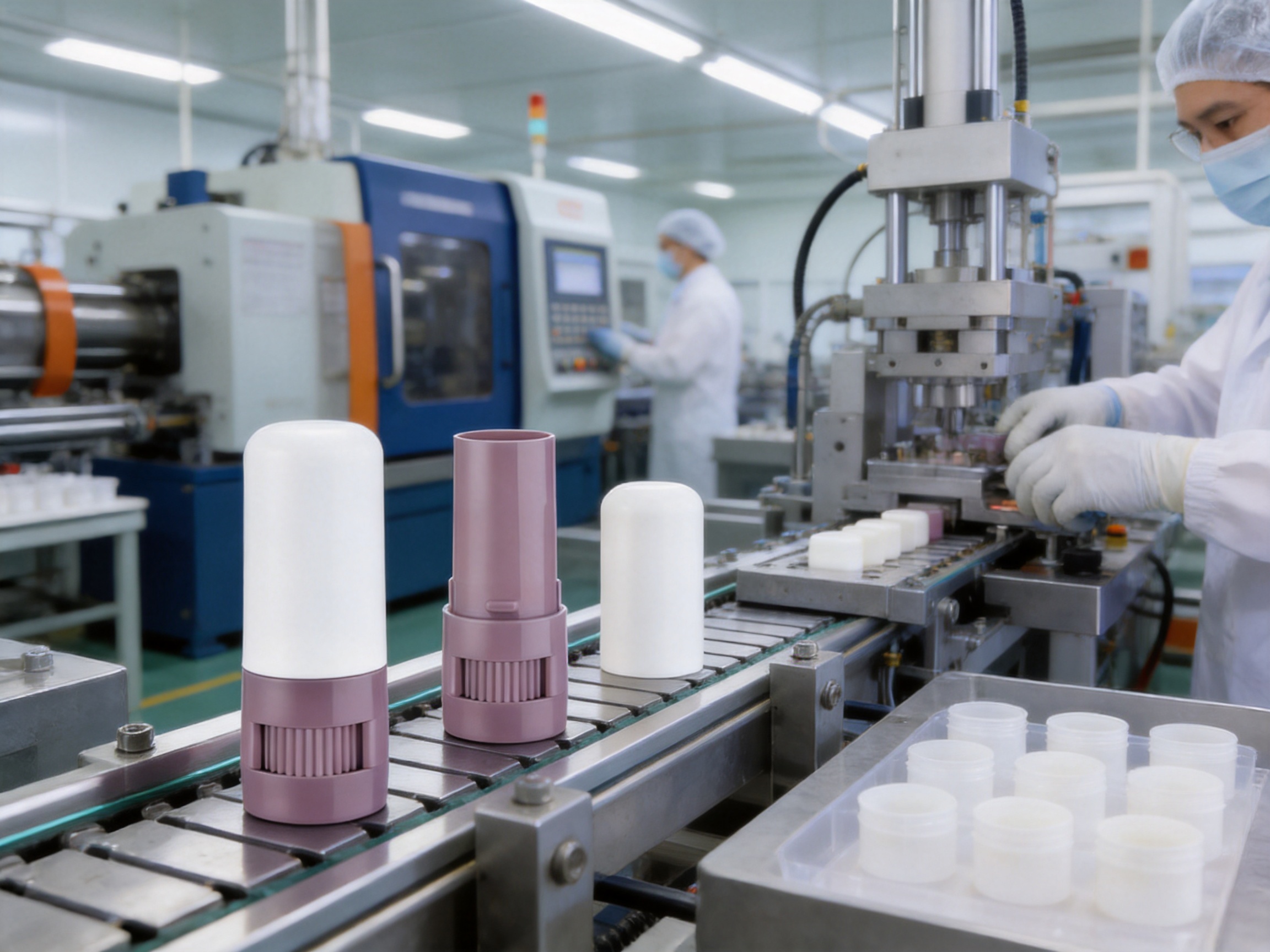
A compact stick container may appear simple to consumers, but producing it reliably at scale requires advanced manufacturing capability. GreenYard Tools Co.,ltd. is a packaging material manufacturer from China with long-term specialization in spray products, pump heads, caps, bottles, and daily chemical packaging solutions. Its experience in precision plastic packaging supports the production of functional personal care containers such as the 7 Gram Herbal Balm Plastic Stick Container.
The company has developed manufacturing strengths in mold design, injection molding, automated assembly, and quality inspection. These capabilities are essential for creating packaging components that must fit together accurately and perform consistently. For balm stick containers, stable molding and reliable assembly directly influence user satisfaction.
Mold design is the foundation of the product. A well-designed mold supports accurate dimensions, smooth surfaces, efficient production cycles, and stable output. For small packaging components, mold precision affects cap closure, body shape, internal movement, and overall appearance. Strong mold development capability allows the manufacturer to adapt product details according to customer needs.
Injection molding is another key advantage. During injection molding, plastic material is processed into precise components under controlled conditions. Consistency in temperature, pressure, cooling, and cycle time helps ensure that each part meets dimensional and visual requirements. For high-volume personal care packaging, stable injection molding is essential to reduce defects and maintain reliable quality.
Automated assembly improves efficiency and consistency. Manual assembly may be suitable for small batches, but large-scale production requires controlled assembly processes to ensure that components are fitted correctly. Automation can reduce variation, improve productivity, and support faster delivery for customers with ongoing orders.
Quality inspection ensures that finished products meet customer and market expectations. Inspection may include appearance checks, dimensional checks, cap fit evaluation, functional testing, and packaging review. For a product that will hold cosmetic or personal care formulas, reliable quality control helps protect both the filling brand and the end user.
High Production Capacity and Supply Stability
Supply reliability is a major consideration for personal care brands. Packaging delays can disrupt filling schedules, product launches, retail commitments, and seasonal promotions. A manufacturer with strong daily production capacity can better support stable supply, repeat orders, and urgent project requirements.
GreenYard Tools Co.,ltd. reports a daily production capacity of up to one million units across its packaging product range. This scale reflects industrial manufacturing experience and the ability to manage large-volume packaging demand. For customers selecting the 7 Gram Herbal Balm Plastic Stick Container, such capacity can provide confidence in long-term supply cooperation.
High production capacity is not only about speed. It also requires material management, mold maintenance, equipment control, workforce coordination, assembly planning, and inspection systems. When these elements work together, customers receive packaging that is more consistent from batch to batch.
For brands selling to global markets, stable packaging supply can be a competitive advantage. Retailers and distributors expect dependable product availability. If a balm or skincare product becomes popular, the brand must be able to reorder packaging quickly. A capable manufacturer helps reduce the risk of supply bottlenecks.
In addition, strong production capacity supports customization. Brands may require different colors for product lines, special logo decoration, seasonal packaging, or regional versions. A manufacturer with broad capability is better positioned to handle these variations while maintaining quality control.
Customization Potential for Brand Differentiation
The 7 Gram Herbal Balm Plastic Stick Container can support many branding strategies. In the personal care market, packaging appearance strongly affects consumer perception. A simple herbal balm can appear natural, medical, sporty, premium, playful, or minimalist depending on the design of the container and decoration.
Color customization is one of the most direct options. A white container may communicate cleanliness and simplicity, while green may suggest herbal or natural care. Black may support a premium or men’s care positioning, and pastel colors may appeal to beauty or youth-focused brands. Color consistency across product lines can also improve shelf recognition.
Labeling and printing are also important. A small stick container must communicate product name, usage, ingredients, and brand identity within limited space. Good packaging design uses the available surface efficiently. The rigid structure of the stick container helps labels remain neat and readable during use.
Surface finish can further influence perceived value. Matte finishes may create a soft and refined appearance, while glossy finishes may feel bright and cosmetic. Textured effects can improve grip and add tactile interest. The choice depends on the product’s market positioning and target consumers.
Functional customization may also be possible depending on project requirements. Brands may consider cap style, base design, inner mechanism, fill method, or outer dimensions. The manufacturer’s mold design and development capability can help translate such requirements into practical production solutions.
Packaging Suitability for Herbal Balm
Herbal balm products often contain waxes, oils, menthol, essential oils, plant extracts, or soothing ingredients. These formulas are commonly used for relaxation, comfort, refreshing sensation, or targeted daily care. The packaging must be convenient because consumers may apply the balm several times per day.
The stick container is particularly suitable for herbal balm because it allows direct and localized application. Users can apply the balm to temples, neck, shoulders, wrists, or other areas without touching the formula with fingers. This creates a cleaner experience and makes the product easier to use in public or while traveling.
The compact 7 gram size is also suitable for herbal balm because many balm products are used in small amounts. A large package is not always necessary. A small stick can provide enough product for repeated use while remaining convenient to carry.
For herbal wellness brands, the package can be designed to communicate natural care and daily convenience. A green, white, or earth-toned container may reinforce botanical positioning, while clean labeling can help build trust. The stick format can modernize traditional balm products and make them more attractive to younger consumers.
Because herbal balm formulas can vary in hardness, melting point, and fragrance intensity, packaging selection should be coordinated with formula testing. The container should be evaluated for compatibility, filling temperature, cooling behavior, and product stability. A professional packaging manufacturer can support this process by providing samples and technical communication.
Packaging Suitability for Lip Balm
Lip balm is one of the most natural applications for a small stick container. Consumers expect lip balm to be portable, clean, and easy to apply. A 7 gram stick size offers generous capacity compared with many standard lip balm formats while still remaining compact.
For lip care products, hygiene is especially important because the product is applied near the mouth. A capped stick container helps protect the product surface between uses. Direct application also avoids the need to scoop balm from a jar.
The container can be used for plain lip balm, tinted lip balm, medicated lip treatment, moisturizing balm, sun protection lip stick, and natural ingredient lip care. The structure supports daily use and easy reapplication, which are central to consumer satisfaction in the lip care category.
From a branding perspective, a larger-capacity lip balm stick can stand out on shelves. It can be positioned as a value-size balm, treatment balm, outdoor lip protector, or multi-use lip and skin care stick. The package gives brands flexibility to create differentiated product concepts.
Packaging Suitability for Sunscreen and Outdoor Care
Sunscreen sticks have gained popularity because they are convenient, travel-friendly, and suitable for targeted application. The 7 Gram Herbal Balm Plastic Stick Container can be considered for small sunscreen stick formats, especially for face, nose, ear, and spot protection products.
Outdoor consumers often need packaging that is durable and easy to use. A compact plastic stick can be applied without spilling, squeezing, or spreading liquid product with hands. This is useful for hiking, camping, beach activities, sports, and daily commuting.
Parents may also appreciate small stick sunscreen packaging for children because it can reduce mess and make application faster. A child-friendly color design can improve product appeal while the cap helps protect the formula during transport.
For sunscreen formulas, compatibility testing is especially important because UV filters, oils, waxes, and pigments can interact differently with packaging materials. Brands should test stability, filling behavior, and product release before commercial launch. A qualified packaging manufacturer can help provide consistent containers for such testing.
Packaging Suitability for Blush and Cosmetic Sticks
Modern beauty consumers increasingly prefer multi-use and portable cosmetic products. A compact stick container can be used for cream blush, tinted balm, highlighting balm, contour stick, or color treatment. The 7 gram format provides a useful amount of product without making the package bulky.
Cosmetic sticks must look attractive and function smoothly. The package should feel clean in the hand, close securely, and support controlled application. The plastic stick container can meet these needs while allowing customization to match cosmetic brand identity.
For blush products, direct application is a strong advantage. Consumers can apply the product to cheeks and blend with fingers, sponge, or brush. The stick format supports quick makeup routines and travel-friendly beauty kits.
Color cosmetics also depend heavily on presentation. A well-designed container can make a small product feel professional and desirable. Through color matching, label design, and surface finish, brands can position the same container for mass market, boutique, natural beauty, or premium cosmetic segments.
User Experience and Consumer Satisfaction
The success of a personal care product depends not only on the formula but also on how the consumer interacts with it. A good package should make the product easy to open, apply, close, store, and carry. The 7 Gram Herbal Balm Plastic Stick Container supports these user expectations through compact and practical design.
Portability is one of the strongest user benefits. The container can fit into small spaces and can be used in many daily environments. Consumers who carry balm for dry lips, skin irritation, headache comfort, insect bite relief, or outdoor protection will appreciate a package that does not create mess.
Hygienic application is another major benefit. Direct stick use reduces the need to touch the product. This is especially valuable when users are outdoors, at work, on public transportation, or in situations where hand washing is not immediately available.
Secure closure also affects satisfaction. A cap that fits properly helps prevent contamination and accidental contact with other items in a bag. It also gives the consumer confidence that the product is protected.
The container’s shape and structure can create a sense of reliability. Consumers may not consciously analyze component precision, but they notice when a package feels loose, difficult, or fragile. High-quality manufacturing helps create a smoother and more trustworthy experience.
Retail and E-Commerce Advantages
For retail sales, compact stick packaging is easy to display, group, and promote. It can be sold individually, in multipacks, in gift sets, or as part of a travel care collection. Its small size makes it suitable for countertop displays and impulse purchase locations.
In e-commerce, packaging durability and weight matter. A lightweight plastic stick container helps reduce shipping burden and is less likely to dent compared with some metal options. Its rigid body helps preserve a neat appearance during delivery when properly packed.
The product is also suitable for sample and trial-size strategies. Brands can introduce a new herbal balm, lip care formula, or sunscreen stick in a compact package to encourage consumer testing. A 7 gram size is small enough for trial positioning but substantial enough to demonstrate product value.
For subscription boxes and promotional campaigns, the container offers a practical and attractive option. It can be customized with seasonal colors or special labels to create limited-edition products. This flexibility helps brands respond to market trends and promotional opportunities.
Quality Control Considerations
Quality control is essential for any packaging that will contain personal care products. A small defect in packaging can cause leakage, poor appearance, filling problems, or consumer complaints. For the 7 Gram Herbal Balm Plastic Stick Container, inspection should focus on both visual and functional performance.
Visual inspection includes checking color consistency, surface defects, scratches, flash, contamination, and deformation. Since the container is part of the product’s retail appearance, clean and consistent surfaces are important.
Dimensional inspection ensures that the cap, body, and internal components fit correctly. Accurate dimensions support secure closure and proper operation. For small stick packaging, even slight variation can affect performance.
Functional testing may include cap fit, opening and closing force, mechanism operation, product stability, and resistance to normal handling. If the container includes a twist-up mechanism, the smoothness and reliability of movement are particularly important.
Packaging tests may also include drop resistance, transport simulation, and compatibility evaluation with the formula. Brands should conduct formula-specific tests because balm ingredients can differ widely. A packaging manufacturer with strong quality systems can help reduce risk by providing stable production and technical support.
Advanced Mold Design as a Competitive Advantage
Mold design determines much of the final container quality. A precise mold supports smooth surfaces, clean edges, accurate dimensions, and efficient mass production. For a small stick container, mold quality is especially important because the product contains multiple components that must align correctly.
Advanced mold design can also improve production efficiency. A well-engineered mold reduces defects, shortens cycle time, and supports stable output. This helps customers receive consistent packaging at competitive cost.
For customized orders, mold design capability enables brands to develop unique packaging features. These may include special shapes, logo embossing, modified caps, different base structures, or custom internal components. Such customization can help a product stand out in a crowded personal care market.
GreenYard Tools Co.,ltd. emphasizes mold design as one of its manufacturing strengths. This is important for customers who need more than standard packaging. A manufacturer that understands mold engineering can help transform brand ideas into manufacturable products.
Injection Molding Precision and Product Consistency
Injection molding is central to plastic packaging production. The process must be carefully controlled to produce components with consistent size, strength, appearance, and fit. For balm stick containers, injection molding precision affects nearly every part of the user experience.
Material flow, cooling rate, mold temperature, injection pressure, and cycle time all influence the final component. Poor control can lead to warping, sink marks, weak points, rough surfaces, or dimensional inconsistency. Professional manufacturing systems reduce these risks.
Consistent injection molding also supports better decoration and assembly. If the container body varies in size or shape, labels may not fit well and caps may not close properly. Stable molded parts create a foundation for a stable finished package.
For large production runs, consistency across batches is essential. A brand may order packaging repeatedly over months or years. Consumers expect the same appearance and function each time they buy the product. A manufacturer with mature injection molding capability is better able to meet this expectation.
Automated Assembly and Efficiency
Automated assembly is valuable because it improves repeatability and production speed. In packaging manufacturing, many small components must be joined accurately. Automation helps reduce human error and supports consistent output.
For a stick container, assembly may include fitting the base, inner holder, cap, and other moving or protective components. If assembly is not accurate, the package may not operate correctly. Automated systems can help ensure that each unit meets functional requirements.
Efficiency is also important for cost control. High-volume production with automated assembly can reduce labor variation and support competitive pricing. This benefits brands seeking reliable packaging without unnecessary cost increases.
Automated assembly must still be supported by inspection and process monitoring. The best results come from combining automation with quality management. This integrated approach helps ensure that finished containers are not only produced quickly but also meet performance standards.
How the Container Supports Global Personal Care Trends
The personal care market is moving toward convenience, hygiene, portability, and targeted application. Consumers want products that fit into active lifestyles. The 7 Gram Herbal Balm Plastic Stick Container aligns with these trends by offering a compact and easy-to-use format.
Travel-friendly packaging is increasingly important. Many consumers prefer small products that can be carried during work, travel, exercise, and outdoor activities. A 7 gram stick container is naturally suited to this demand.
Hygienic application has also become a stronger consumer priority. Products that reduce finger contact and mess can be more appealing. The stick format directly addresses this concern.
Multi-use beauty and wellness products are another trend. A single stick may be used for lips, cheeks, dry skin, or targeted comfort depending on the formula. The container supports this product development direction by providing a flexible format for many applications.
Brands also seek packaging that can be customized quickly for different product concepts. Plastic stick packaging provides this flexibility. It can support natural care, medical-style care, beauty, sports, children’s products, and promotional items with appropriate design changes.
Competitor Comparison
Compared with many competing small balm packages, the 7 Gram Herbal Balm Plastic Stick Container offers a balanced combination of portability, direct application, customization potential, and scalable manufacturing support. Some competing packages may offer only low cost but lack refined function or stable quality. Others may look attractive but be difficult to source in large quantities. This container is positioned to provide both practical use and manufacturing reliability.
Its first advantage is the consumer-friendly stick structure. Direct application is more convenient than jar or tin packaging. This helps brands promote hygiene, ease of use, and everyday portability.
The second advantage is the compact yet useful capacity. A 7 gram format is small enough for travel but large enough for meaningful product value. It avoids the inconvenience of oversized packaging while still supporting repeated use.
The third advantage is customization. The plastic structure allows various colors, finishes, labels, and potential design modifications. This makes it easier for brands to create distinct product lines.
The fourth advantage is manufacturing support. Backed by mold design, injection molding, automated assembly, and inspection capability, the product can be supplied with greater consistency. For brands, this reduces the risk of defects and supply disruption.
The fifth advantage is application versatility. The same container concept can serve herbal balm, lip balm, blush, sunscreen, and other care products. This versatility allows customers to simplify sourcing while developing multiple product categories.
Sustainability and Responsible Packaging Considerations
Modern packaging decisions increasingly consider environmental responsibility. Plastic packaging must be designed thoughtfully to reduce waste, improve efficiency, and support responsible use. A compact stick container can contribute to material efficiency by using a small amount of material for a targeted product size.
Lightweight packaging can reduce transport weight compared with heavier alternatives. In large-scale distribution, reduced weight may support more efficient logistics. Compact sizing also helps optimize carton space and storage.
Durability is another sustainability-related factor. Packaging that protects the formula and prevents damage can reduce product waste. If a package cracks, leaks, or fails, both the container and the formula may be discarded. Reliable manufacturing helps reduce such waste.
Brands can also explore material choices, refill strategies, recyclable material options, and simplified decoration depending on market requirements. Sustainability goals vary by region and product category, so communication between the brand and packaging manufacturer is important.
While no single package solves every environmental challenge, careful design, efficient manufacturing, quality control, and appropriate material selection can help create more responsible personal care packaging.
Filling and Formula Development Guidance
When using the 7 Gram Herbal Balm Plastic Stick Container, brands should consider formula behavior during filling and cooling. Many balm formulas are filled while warm and then solidify inside the container. The package must tolerate the filling process and maintain shape after cooling.
Formula hardness is important. A balm that is too soft may smear or deform, while a balm that is too hard may not apply smoothly. The ideal texture depends on product use, climate, and consumer preference. Packaging tests should be conducted under expected storage and use conditions.
Fill weight may vary depending on formula density. This explains why compact stick containers may be described with slightly different gram capacities in different contexts. A formula with higher density may produce a different fill weight than a lighter formula at the same internal volume. Brands should confirm actual fill weight through testing.
Temperature stability should also be evaluated. Products such as sunscreen sticks, herbal balms, and lip balms may be exposed to warm environments. The formula and package should be tested for leakage, sweating, deformation, and cap security.
Decoration compatibility is another consideration. Labels and printing should resist normal handling, oils, and friction. If the formula contains strong essential oils or fragrance components, packaging compatibility testing becomes even more important.
Ideal Customer Profiles
The 7 Gram Herbal Balm Plastic Stick Container is suitable for a wide range of customers in the personal care and cosmetics industries. It can serve established brands, contract fillers, private label companies, startup beauty brands, herbal wellness companies, and promotional product suppliers.
Herbal care brands can use the container for traditional balm products presented in a modern format. This helps make classic formulas more convenient for younger and travel-focused consumers.
Lip care brands can use the container for moisturizing, tinted, medicated, or sun protection lip products. The larger small-stick size can create a distinctive selling point.
Cosmetic brands can use the container for cream blush, highlighter, or multi-use color balm. The package supports direct application and compact beauty routines.
Outdoor and sports care brands can use the container for sunscreen, anti-chafing balm, cooling balm, or protective skin sticks. The durable and portable structure fits active lifestyles.
Private label customers can use the container to develop multiple products with consistent packaging identity. By changing color, label, and formula, the same container concept can support a full product range.
Commercial Value for Brands
Packaging influences product cost, consumer perception, retail performance, and operational efficiency. The 7 Gram Herbal Balm Plastic Stick Container can create commercial value by improving usability while supporting scalable manufacturing.
Its compact format may reduce unnecessary packaging volume and make products easier to ship and display. This can support better logistics and retail flexibility. Small products also encourage add-on purchases and bundle sales.
The container can help brands create premium or practical positioning depending on design choices. A high-quality matte finish with elegant labeling can support premium skincare, while bright colors can support mass-market lip balm or children’s sunscreen.
Because the container is versatile, brands can use it across different product categories. This may simplify packaging procurement and create a more unified brand family. For example, one brand could develop a lip balm, herbal comfort stick, and sunscreen stick using related container designs.
Strong manufacturing support also reduces operational risk. Consistent packaging quality helps prevent complaints, rejected shipments, and production delays. For brands planning long-term market growth, supplier reliability is a major part of commercial success.
Company Manufacturing Strengths Supporting the Product
GreenYard Tools Co.,ltd. has developed as a high-end packaging material manufacturer with specialization in spray products and daily chemical packaging solutions for many years. Although the company is widely associated with perfume sprayers, pump heads, caps, bottles, lotion pumps, mist sprayers, foam pumps, droppers, airless bottles, roll-on bottles, and related packaging, its manufacturing foundation also supports compact plastic containers such as the 7 Gram Herbal Balm Plastic Stick Container.
The company’s experience in precision packaging is relevant because personal care containers require consistent appearance and dependable function. Whether producing a pump head, cap, bottle, or stick container, the underlying requirements include accurate molding, stable assembly, and rigorous quality control.
The company’s mold design capability supports product innovation and customization. Customers often need packaging that reflects their brand identity, fits their formula, and meets market expectations. An experienced design team can help develop practical solutions rather than offering only generic products.
Injection molding capability allows the company to produce plastic packaging components at scale. This is important for customers who require consistent supply and repeatable quality. Stable molding is a foundation for reliable packaging performance.
Automated assembly capability supports high productivity and consistent finished goods. For customers, this can translate into better delivery reliability and reduced variation between units.
Quality inspection capability helps ensure that products meet functional and visual requirements before shipment. In the personal care market, this is vital because packaging defects can affect both brand reputation and consumer trust.
Practical Selection Checklist
Before selecting the 7 Gram Herbal Balm Plastic Stick Container for a commercial project, brands should evaluate several practical factors. The first is formula compatibility. The container should be tested with the actual formula, not only with a similar product.
The second factor is fill weight. Because gram capacity can vary with formula density, brands should confirm the final filled weight through trial filling. The product may be referred to as a 7 gram container, while related specifications may mention nearby capacities. Final confirmation should be based on testing.
The third factor is application experience. The formula should glide smoothly from the container and deliver the desired amount. If the balm is too soft or too hard, adjustments may be needed.
The fourth factor is decoration method. Labels, printing, and color should match the brand’s target market and withstand normal use. Small packages require clear and efficient design.
The fifth factor is supply planning. Brands should consider order quantity, production schedule, customization lead time, and future reorder demand. Working with a capable manufacturer helps support long-term planning.
Q&A Section
What products can be packaged in the 7 Gram Herbal Balm Plastic Stick Container?
The container is suitable for herbal balm, lip balm, blush, sunscreen stick, soothing ointment, cosmetic balm, skin care stick, and other solid or semi-solid personal care formulas.
Why choose a stick container instead of a jar?
A stick container allows direct application, reduces finger contact with the formula, improves portability, and creates a cleaner user experience. It is especially useful for products applied during travel, work, sports, or outdoor activities.
Is the capacity exactly 7 grams?
The product is presented as a 7 gram stick container, but actual fill weight may vary depending on formula density and filling conditions. Related small-capacity versions may also be available. Brands should confirm final capacity through sample testing.
Can the container be customized?
Yes. Plastic stick containers can generally support customization such as color selection, surface finish, labeling, printing, and possible structural adjustments depending on project requirements and mold conditions.
What makes this container competitive?
Its main advantages include compact portability, hygienic direct application, lightweight structure, secure closure, versatile product compatibility, and support from advanced manufacturing processes such as mold design, injection molding, automated assembly, and quality inspection.
Is it suitable for sunscreen formulas?
It can be suitable for small sunscreen stick products, especially targeted face and spot-application formulas. However, sunscreen formulas should always be tested for compatibility, stability, filling temperature, and long-term performance inside the selected package.
How does manufacturing quality affect the final product?
Manufacturing quality affects cap fit, appearance, dimensional consistency, mechanism performance, decoration accuracy, and consumer satisfaction. Precision molding and inspection help ensure the container performs reliably in commercial use.
Who should consider using this container?
Personal care brands, herbal wellness companies, cosmetic brands, lip care manufacturers, sunscreen producers, private label companies, and contract fillers can all consider this container for compact stick-format products.
Conclusion
The 7 Gram Herbal Balm Plastic Stick Container is a versatile and commercially valuable packaging option for modern personal care products. Its compact size, direct-application format, and hygienic user experience make it especially suitable for herbal balm, lip balm, blush, sunscreen, and other daily care formulas. Compared with jars, tins, and some tubes, it offers stronger portability, cleaner application, and a more modern consumer experience.
For brands, the container provides more than basic storage. It supports product differentiation, retail convenience, e-commerce practicality, and flexible customization. Its small format is ideal for travel, daily carry, sample programs, gift sets, and targeted treatment products. With the right decoration and formula, it can serve mass market, premium, natural, wellness, beauty, outdoor, or private label positioning.
The manufacturing strength behind the product is also an important advantage. GreenYard Tools Co.,ltd. brings experience in packaging manufacturing, mold design, injection molding, automated assembly, and quality inspection. These capabilities help ensure that compact plastic containers are produced with stable quality and reliable supply. For customers competing in demanding personal care markets, this manufacturing foundation can make a meaningful difference.
As consumer demand continues to move toward convenient, hygienic, and portable personal care products, small stick packaging will remain an important format. The 7 Gram Herbal Balm Plastic Stick Container meets this demand with practical design and broad application potential. It is a strong choice for brands seeking packaging that is simple, useful, customizable, and supported by advanced production capability.
References
1. Soroka, W. Fundamentals of Packaging Technology. Institute of Packaging Professionals.
2. Robertson, G. L. Food Packaging: Principles and Practice. CRC Press.
3. Yam, K. L. The Wiley Encyclopedia of Packaging Technology. John Wiley and Sons.
4. Coles, R., McDowell, D., and Kirwan, M. J. Food Packaging Technology. Blackwell Publishing.
5. Elsner, P., and Maibach, H. I. Cosmeceuticals and Active Cosmetics. CRC Press.
6. Barel, A. O., Paye, M., and Maibach, H. I. Handbook of Cosmetic Science and Technology. CRC Press.
7. Packaging Machinery Manufacturers Institute. Packaging Machinery Handbook.
8. Personal Care Products Council. International Cosmetic Ingredient Dictionary and Handbook.
Product: 7Gram Herbal Balm Plastic Stick Container

-
Amber Plastic Bottles: Lightweight, Protective, Customizable Packaging for Cosmetics
You have spent months stabilizing a vitamin C serum, only to watch a pallet of amber glass bottles ...
-
What Makes a Good Deodorant Stick Bottle for Brands?
A deodorant stick bottle is a twist-up or push-up dispensing container designed to hold and advance...
-
Crimp Pumps Demystified: Choosing the Right Type and Material for Every Cosmetic Formula
Walk into any cosmetic filling facility and you will find crimp pumps on everything from a delicate ...
-
How Glass Airless Bottle Packaging Prevents Contamination and Boosts Shelf Life?
Glass airless bottle packaging prevents contamination and extends shelf life by completely eliminat...
Copyright © GreenYard Tools Co.,ltd. All Rights Reserved.
Personal Care Packaging Manufacturer Custom Perfume Sprayers Factory