
-
About Us
Why Choose Us?The company possesses advanced capabilities in mold design, injection molding, and automated assembly, supported by a professional quality inspection team to ensure product reliability. A dedicated design team continuously drives product innovation, providing customers with high-quality spray solutions.
 Coming From China, Marketing To The World.
 -
Products
-
News
 English
 Français
 русский
 Español
Aluminium Treatment Pumps for Premium Cosmetic Packaging
Content
- 1 Product Overview: A High-End Aluminium Treatment Pump
- 2 Core Specifications
- 3 Why Aluminium Matters in Cosmetic Pump Packaging
- 4 Precision Dosage: The Importance of 0.2 ml Output
- 5 Compatibility Through Multiple Neck Size Options
- 6 Customized Tube Length for Better Product Evacuation
- 7 Ideal Applications in Skincare and Personal Care
- 8 Advantages Over Conventional Treatment Pumps
- 9 Manufacturing Strength Behind the Product
- 10 Mold Design: The Foundation of Pump Precision
- 11 Injection Molding and Component Consistency
- 12 Automated Assembly for Scalable Quality
- 13 Quality Inspection and Performance Reliability
- 14 Design Value for Luxury Skincare Branding
- 15 Functional Hygiene and Consumer Trust
- 16 Supply Advantages for Global Packaging Buyers
- 17 Comparison with Alternative Dispensing Formats
- 18 Packaging Development Considerations
- 19 How This Pump Supports Brand Differentiation
- 20 Sustainability and Responsible Packaging Perspective
- 21 Quality Expectations for Premium Cosmetic Packaging
- 22 Q&A Section
- 22.1 What type of product is this aluminium treatment pump designed for?
- 22.2 What dosage does the pump provide?
- 22.3 Which neck sizes are available?
- 22.4 Why is the aluminium closure beneficial?
- 22.5 Can the tube length be customized?
- 22.6 How does this pump compare with a dropper?
- 22.7 How does it compare with a standard lotion pump?
- 22.8 Why is manufacturing capability important when selecting a pump supplier?
- 22.9 What makes this pump suitable for premium brands?
- 22.10 Can this pump be used for a full product line?
- 23 Conclusion: Precision, Elegance, and Manufacturing Reliability
- 24 References
- 25 Product: Aluminium Cosemtic Use Treatment Pump
In the premium personal care and skincare market, packaging is no longer a passive container. It is a functional tool, a brand signal, a protection system, and a user experience platform. For serums, lotions, concentrated treatments, essences, and other high-value formulas, the dispensing component must deliver precision, hygiene, compatibility, and visual refinement. The aluminium treatment pump described here is designed for exactly that purpose: a high-end dispensing solution that combines a 0.2 ml output, multiple neck size options, customizable tube length, and a full aluminium appearance suitable for luxury cosmetic packaging.
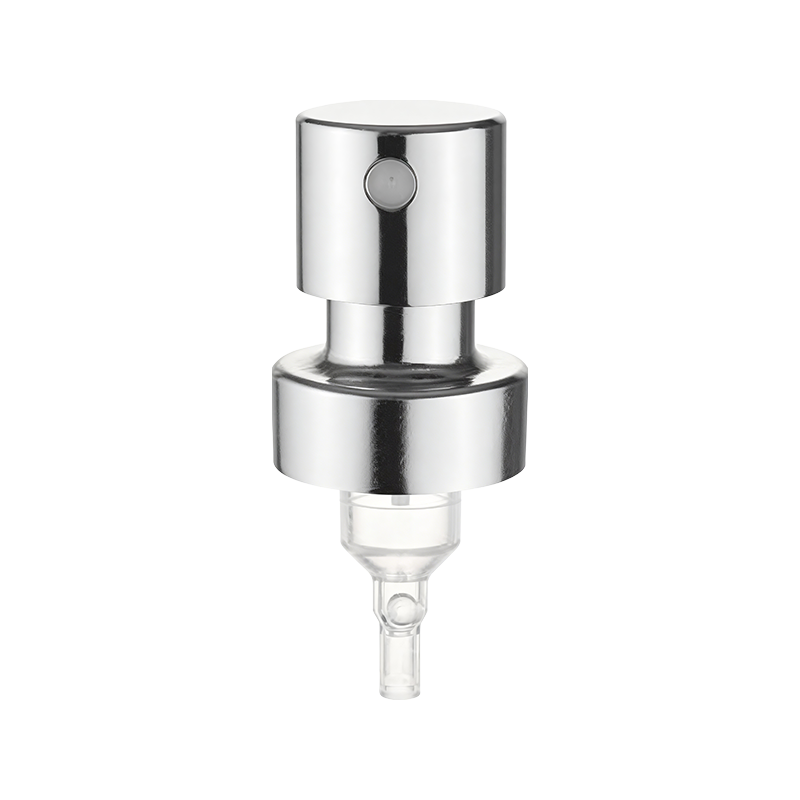
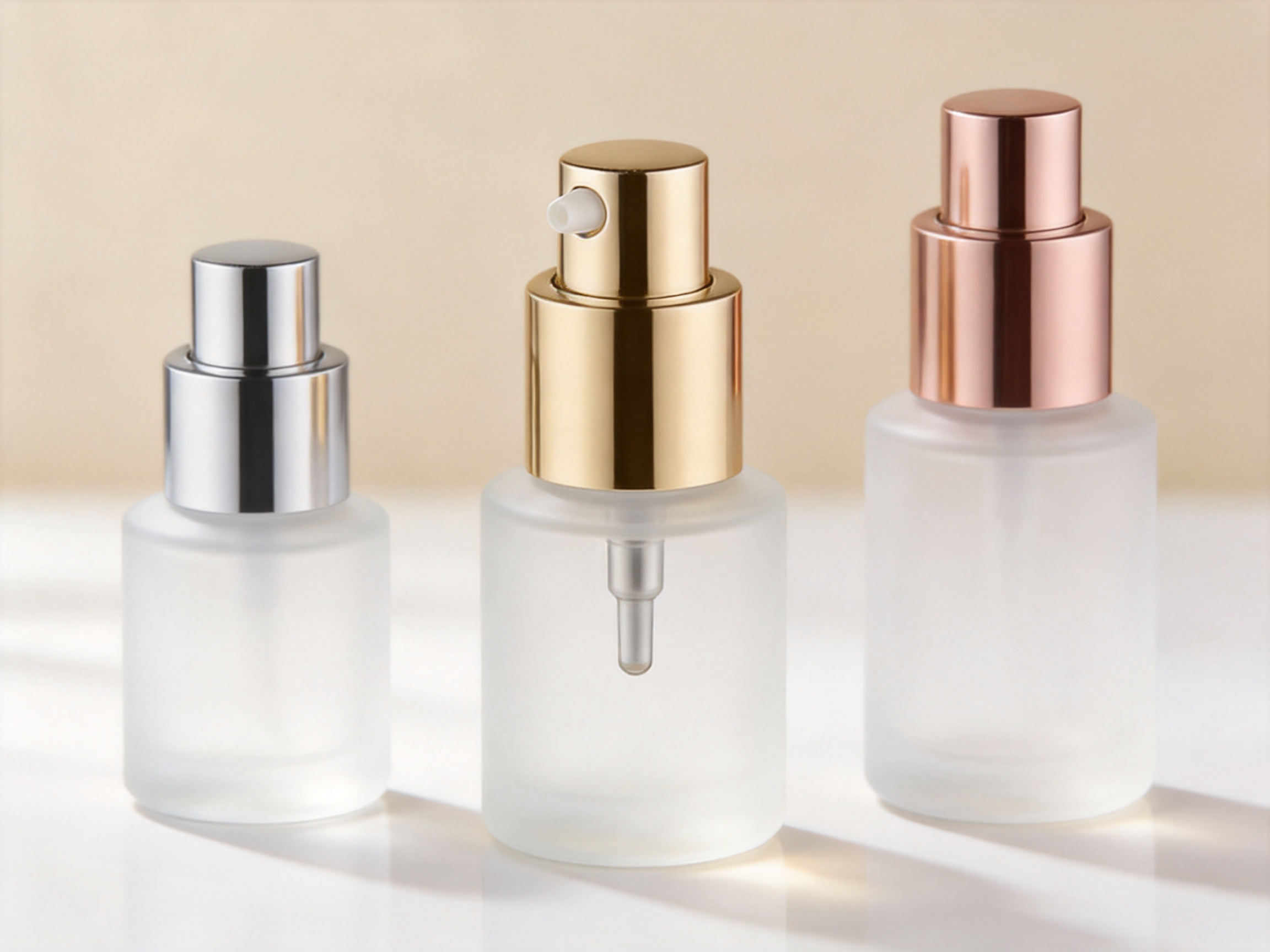
This treatment pump is available in practical size options including 18-410, 20-410, and 24-410, allowing it to match different bottle formats and product capacities. Its 0.2 ml dosage supports controlled application, helping consumers use the correct quantity while reducing waste. The aluminium closure creates a refined metallic finish that communicates quality at first sight, while the customized dip tube ensures reliable product reach inside bottles of different heights. Designed for serum, lotion, and similar skincare applications, it offers both aesthetic value and everyday usability.
Beyond its visible elegance, the pump reflects the manufacturing strength behind it. GreenYard Tools Co.,ltd. is a China-based high-end packaging material manufacturer with 16 years of experience in spray and dispensing product manufacturing. The company has developed capabilities in mold design, injection molding, automated assembly, and quality inspection, with a daily production capacity of approximately one million units. These capabilities help ensure that every pump is not only attractive but also stable, repeatable, and suitable for commercial-scale cosmetic packaging programs.
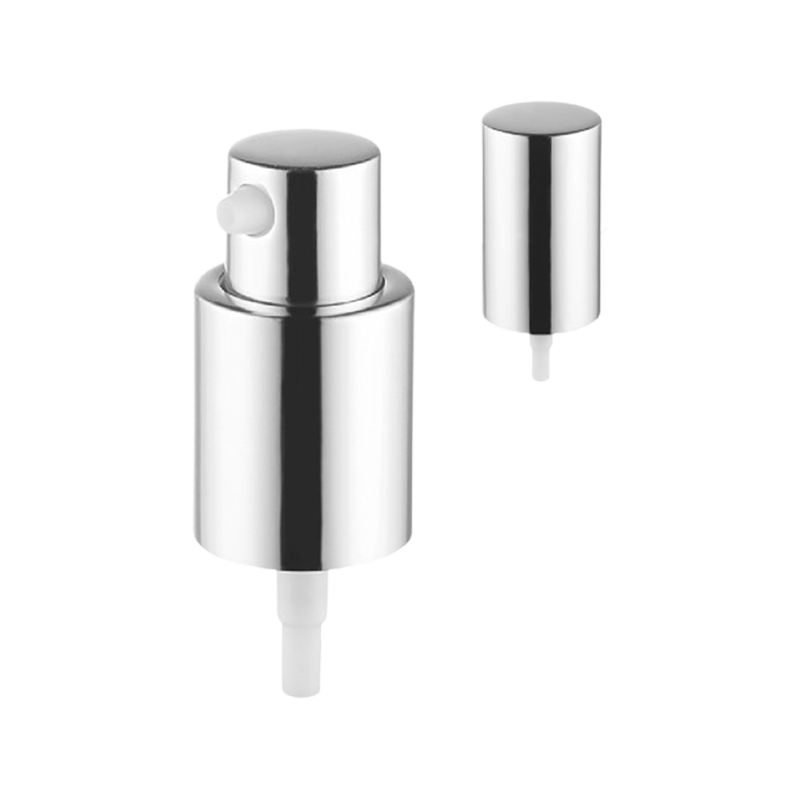
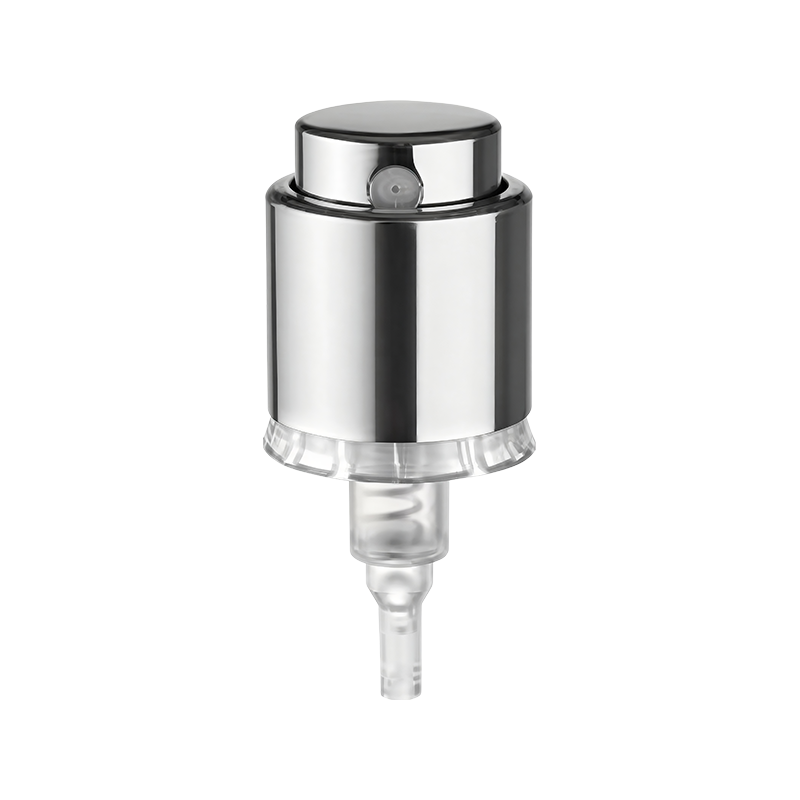
Aluminium Cosemtic Use Treatment Pump
Product Overview: A High-End Aluminium Treatment Pump
The aluminium treatment pump is built for brands that want to elevate the look and performance of their skincare or cosmetic packaging. It belongs to the treatment pump category, which is often used for products that require clean, precise, and controlled dispensing. Unlike ordinary caps or basic closures, a treatment pump adds value by helping consumers apply formulas with better consistency and less direct contact with the product inside the bottle.
The pump dispenses approximately 0.2 ml per press. This dosage is particularly suitable for serums, facial lotions, eye care liquids, treatment essences, and other formulas where small, controlled quantities are preferred. A measured output supports user satisfaction because the consumer does not need to guess how much product to use. It also helps brands position their products as professional, efficient, and premium.
The available neck sizes include 18-410, 20-410, and 24-410. These closure specifications make the pump compatible with a wide variety of bottle bodies, including smaller serum bottles and larger lotion containers. The ability to select the right neck size gives packaging developers flexibility during product design. Instead of redesigning the whole bottle system around a single pump specification, brands can choose a pump size that fits their existing or planned packaging family.
The closure type is aluminium, giving the product a clean metallic appearance. Aluminium is valued in cosmetic packaging because it delivers a strong luxury impression while remaining lightweight and durable. Compared with plain plastic surfaces, an aluminium finish can provide a more premium hand feel and stronger shelf appeal. For high-end skincare lines, this visual difference can help the packaging stand out in retail displays, e-commerce photography, and gift sets.
The tube length can be customized according to bottle height and product requirements. This is a practical detail that directly affects user experience. A tube that is too short may leave formula at the bottom of the bottle, while a tube that is too long may bend incorrectly and interfere with pumping performance. Customizing the tube length helps ensure smoother dispensing and better product evacuation.
Core Specifications
Item |
Specification |
Packaging Value |
Product Type |
Aluminium cosmetic treatment pump |
Suitable for premium skincare and personal care packaging |
Category |
Treatment Pump |
Designed for precise and hygienic dispensing |
Available Sizes |
18-410, 20-410, 24-410 |
Compatible with different bottle neck finishes and capacities |
Dosage |
0.2 ml per actuation |
Supports controlled use and reduced formula waste |
Closure Type |
Aluminium |
Creates a premium metallic appearance and refined finish |
Tube Length |
Customized |
Improves compatibility with different bottle heights |
Typical Usage |
Serum, lotion, essence, skincare treatment |
Ideal for liquid and semi-liquid cosmetic formulas |
Why Aluminium Matters in Cosmetic Pump Packaging
In cosmetic packaging, material choice influences how consumers perceive the product before they use it. Aluminium is associated with elegance, durability, cleanliness, and professional quality. A pump with an aluminium appearance can immediately distinguish a premium product from mass-market alternatives. This is especially valuable in skincare categories where consumers expect formulas to be sophisticated and carefully protected.
Many competing treatment pumps rely heavily on exposed plastic components. Plastic can be practical and economical, but it may not always convey the same high-end appearance as aluminium. When consumers compare products on a shelf, a metallic pump can provide a stronger sense of refinement. It can also harmonize well with glass bottles, frosted bottles, PET bottles with luxury decoration, and minimalist cosmetic designs.
The aluminium finish also gives designers greater creative freedom. It can be used with silver, gold, rose gold, matte, brushed, or other decorative concepts depending on finishing capabilities and project requirements. Even when the design is simple, the material effect can make the whole package feel more valuable. For brands competing in premium skincare, this perceived value can support higher price positioning.
Another important advantage is durability. A quality aluminium closure can resist visual wear better than many low-grade decorative coatings. A pump that maintains its elegant appearance during transport, retail handling, and consumer use helps preserve the product’s premium image. Packaging is often touched repeatedly during a product’s life cycle, so the finish must be both attractive and dependable.
The use of aluminium can also support a more substantial tactile impression. Consumers often evaluate packaging through touch as well as sight. A pump that feels firm, smooth, and well-constructed can reinforce trust in the formula inside. In categories such as serum and treatment lotion, where product prices are often higher, tactile quality is an essential part of the purchase experience.
Precision Dosage: The Importance of 0.2 ml Output
For cosmetic treatment products, dosage accuracy matters. A serum may be expensive, highly concentrated, or formulated for targeted application. If too much product is dispensed, the consumer may feel wasteful and dissatisfied. If too little is dispensed, the application experience may be inconvenient. A 0.2 ml dosage provides a balanced output suitable for many skincare routines.
Compared with larger-output pumps, a 0.2 ml treatment pump allows consumers to build application gradually. One press may be enough for a small area, while two or more presses can be used for the face, neck, or other treatment zones. This flexibility helps users control consumption according to their needs. It also supports brands that want to communicate precision, efficiency, and professional care.
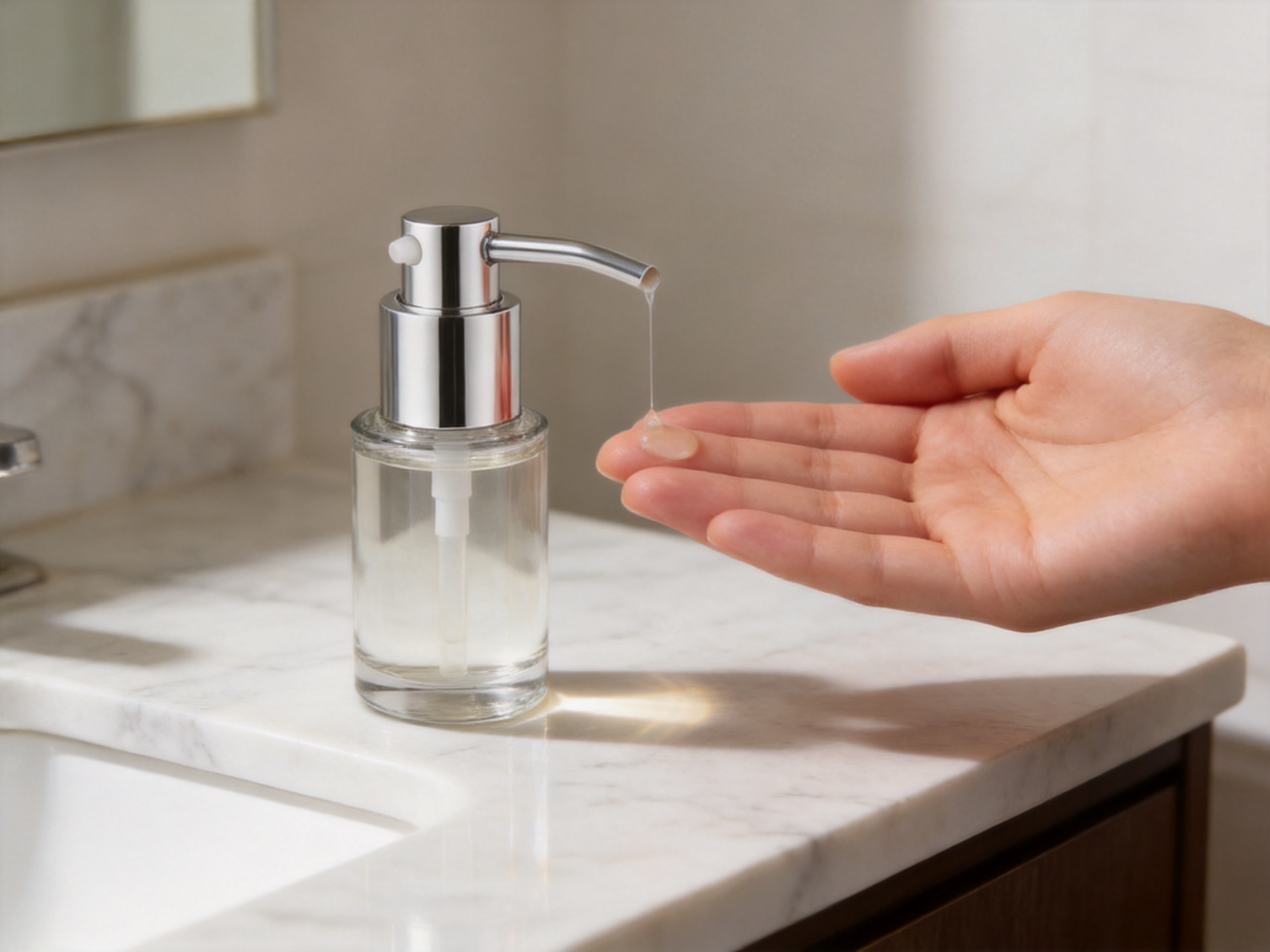
Compared with droppers, pumps offer a different hygiene advantage. A dropper may involve repeated exposure of the pipette to air and possible contact with skin or surfaces. A treatment pump helps reduce direct contact with the formula reservoir. This can be especially important for skincare products that include sensitive active ingredients or formulas designed for daily facial use.
The 0.2 ml dispensing volume also helps improve product consistency across the consumer base. When a brand instructs users to apply one or two pumps, the amount is clearer than vague directions such as “apply a small amount.” This can improve user satisfaction because consumers are more likely to experience the formula as intended. Consistent dosage can also help reduce complaints related to overuse, greasiness, or fast product depletion.
From a brand perspective, controlled dosage can influence repeat purchase cycles. If a pump dispenses too much formula, consumers may finish the product faster than expected and feel that the product is not economical. If the pump dispenses too little or inconsistently, they may become frustrated. A stable 0.2 ml output supports a predictable balance between effective use and perceived value.
Compatibility Through Multiple Neck Size Options
The availability of 18-410, 20-410, and 24-410 options gives this aluminium treatment pump strong compatibility across cosmetic packaging formats. Neck finish compatibility is a central issue in packaging development because the pump and bottle must create a secure fit, protect the formula, and deliver reliable actuation. Offering several size options reduces design limitations and simplifies sourcing for brands with multiple product lines.
The 18-410 size is commonly useful for smaller bottles, such as concentrated serums, eye treatments, and travel-size skincare products. These products often require precise application and a premium appearance because they are marketed as potent or specialized. A small aluminium treatment pump can make compact packaging feel elegant rather than basic.
The 20-410 size provides a versatile middle option for many serum and lotion bottles. It can work well for products that need a balance between compactness and sufficient capacity. Brands launching facial treatment lotions, light emulsions, or daily care liquids may find this size especially practical.
The 24-410 size supports larger bottles or formulas requiring a broader packaging presence. It may be selected for body serums, facial lotions, hand treatments, or premium personal care products where a larger container is preferred. By offering this size, the pump can serve both boutique skincare items and broader personal care applications.
Competitors that offer only one or two neck sizes may force buyers to compromise bottle design or purchase from multiple suppliers. A pump system with several size choices gives packaging teams more freedom and reduces complexity. This is especially valuable for brands planning a coordinated product series, where different formulas may require different bottle capacities but should maintain a consistent design identity.
Customized Tube Length for Better Product Evacuation
Tube length is a detail that consumers may not see, but it has a direct impact on satisfaction. A treatment pump draws product from the bottle through the dip tube. If the tube is not properly matched to the bottle, the pump may fail to access the remaining formula, leaving product unused. For premium skincare, this is unacceptable because consumers expect to use nearly all of what they purchase.
Customized tube length helps solve this issue. By adjusting the tube according to the specific bottle height and shape, the pump can reach the lower part of the container more effectively. This contributes to better evacuation, smoother use, and fewer complaints. It also shows that the packaging system has been engineered rather than assembled from generic parts.
The correct tube length is also important for pump stability. A tube that is too long may bend sharply at the bottom of the bottle, potentially restricting flow. A tube that is too short may draw air before the product is finished. Both issues can reduce consumer confidence. Customization helps avoid these problems by adapting the component to the actual packaging structure.
For brands using bottles with unusual shoulders, thick bases, or distinctive design shapes, tube customization is especially important. Premium packaging often includes unique bottle profiles, and a standard tube may not always perform well in those containers. A supplier capable of adjusting tube length provides practical support for creative package design.
This level of customization is one of the advantages of working with a manufacturer that has integrated production and technical capabilities. Instead of simply offering a catalog item, the manufacturer can help match the pump to the intended bottle and formula. This reduces development risk and improves the final packaging experience.
Ideal Applications in Skincare and Personal Care
The aluminium treatment pump is especially suitable for skincare products that require controlled dispensing and premium presentation. Typical applications include facial serum, treatment lotion, essence, light emulsion, eye care product, neck treatment, after-care cosmetic liquid, and high-end personal care formulas. These products often contain active ingredients, have higher unit prices, and depend heavily on consumer trust.
Serums are among the strongest applications. Because serums are often concentrated, users generally apply small amounts. A 0.2 ml pump allows accurate dispensing while keeping the formula protected inside the bottle. The aluminium appearance also matches the high-value positioning of many serum brands.
Lotions and light emulsions can also benefit from this pump. Traditional lotion pumps may dispense larger amounts, which may not be appropriate for facial products. A treatment pump provides a more refined output. It is especially useful for products that sit between liquid serum and thicker cream, where careful dosage improves application.
Essences and treatment waters can use the pump when brands want a cleaner alternative to open-neck bottles. Instead of pouring the product directly, the consumer can dispense a measured amount into the hand or onto a cotton pad. This reduces accidental spills and improves the sense of control.
Premium personal care items, such as hand treatment fluids or body treatment serums, can also use the pump. In these categories, the packaging can help communicate that the formula is more advanced than ordinary lotion. A metallic treatment pump adds sophistication and supports a higher-end brand identity.
Advantages Over Conventional Treatment Pumps
This aluminium treatment pump offers several competitive advantages compared with conventional treatment pumps. The first advantage is visual quality. Many standard pumps are made with visible plastic collars or basic decorative finishes. While these may be acceptable for economy products, they may not create the premium image required by luxury skincare. An aluminium closure immediately improves the perceived quality of the package.
The second advantage is controlled dosage. Some generic pumps may have outputs that are too large, inconsistent, or poorly suited for concentrated formulas. The 0.2 ml dosage is appropriate for many treatment products and supports consistent application. This creates a better consumer experience and helps protect the perceived value of the formula.
The third advantage is size flexibility. With 18-410, 20-410, and 24-410 options, the pump can serve a broader range of packaging programs. Brands can maintain a consistent pump style across different bottle sizes, improving product family unity. Competitors with limited size options may make this more difficult.
The fourth advantage is customization. Tube length customization ensures better compatibility with bottle structures. This is a practical benefit that can reduce waste and improve customer satisfaction. Some suppliers provide standard tubes only, which may create problems when used with non-standard bottles.
The fifth advantage is manufacturing reliability. A pump may look good in samples but fail in mass production if the supplier lacks process control. GreenYard Tools Co.,ltd. supports production through mold design, injection molding, automated assembly, and quality inspection. This integrated manufacturing capability helps produce consistent pumps at scale.
The sixth advantage is suitability for premium packaging programs. The pump is not only a dispensing component but also a visible design element. Its aluminium appearance complements premium bottles, labels, boxes, and secondary packaging. For brands trying to differentiate in competitive skincare markets, this combination of function and elegance is essential.
Manufacturing Strength Behind the Product
High-quality pump packaging depends on manufacturing discipline. A treatment pump contains multiple components that must fit and move accurately. Even small dimensional variations can affect dosage, sealing, actuation force, and overall reliability. For this reason, the strength of the manufacturer is just as important as the design of the pump itself.
GreenYard Tools Co.,ltd. has specialized in spray and dispensing packaging manufacturing for 16 years. This experience supports a deep understanding of pump structures, material behavior, production control, and customer requirements. In cosmetic packaging, long-term production experience helps reduce risk because the manufacturer has already encountered and solved many common technical challenges.
The company’s production capabilities include mold design. Mold quality directly influences component precision. If mold design is weak, parts may suffer from dimensional instability, poor surface quality, or assembly difficulty. Strong mold design allows the manufacturer to create components with accurate tolerances, stable fit, and good appearance.
Injection molding is another important capability. Many pump components require plastic parts inside the structure, even when the visible closure is aluminium. Injection molding must be stable to ensure that pistons, stems, housings, and related components perform consistently. Precise molding supports smooth actuation and reliable dosage.
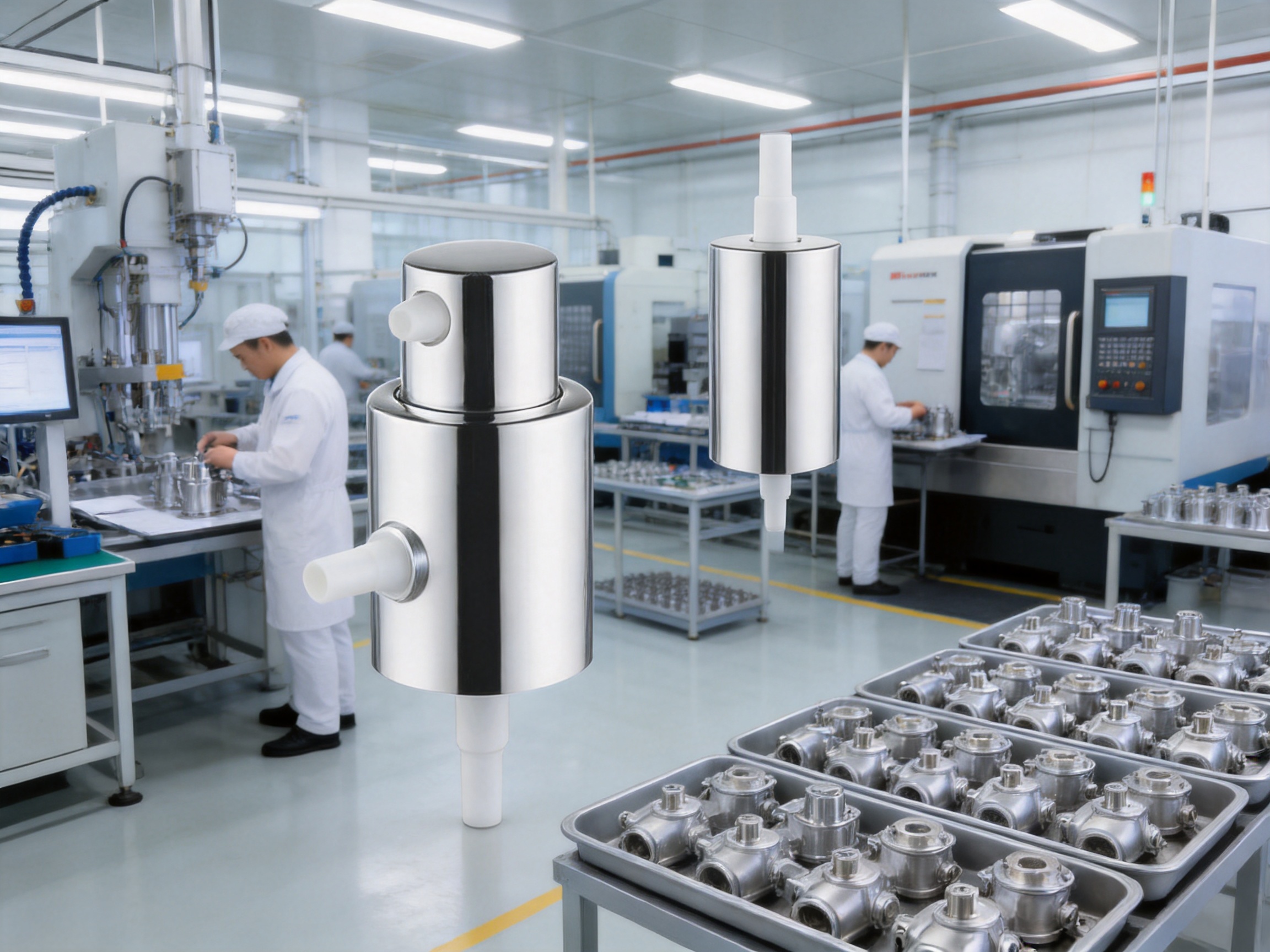
Automated assembly improves consistency and production efficiency. Manual assembly can be suitable for small batches, but mass-market cosmetic packaging requires repeatable output. Automated assembly helps reduce variation, improve speed, and support large production volumes. With a daily production capacity of approximately one million units, the company can meet the needs of brands, distributors, and packaging buyers managing large orders.
Quality inspection is essential throughout the process. Treatment pumps should be checked for appearance, fit, dosage, leakage, actuation, and overall performance. A quality-focused manufacturer can identify problems before products reach customers. This helps protect brand reputation and reduces costly issues in filling, shipping, and consumer use.
Mold Design: The Foundation of Pump Precision
Mold design is one of the most important steps in producing a reliable treatment pump. The small internal parts of a pump must interact precisely to create suction, dispense product, and reset after each press. If the mold does not produce parts with stable dimensions, the pump may leak, clog, dispense unevenly, or feel unstable during use.
Advanced mold design begins with understanding product function. Engineers must consider how the pump head, closure, stem, piston, spring, housing, and tube connection work together. They must also consider material shrinkage, flow behavior, cooling efficiency, and long-term mold durability. These details influence both part quality and production efficiency.
For an aluminium treatment pump, mold design also supports the relationship between internal plastic components and external aluminium parts. The visible surface must look premium, but the inner mechanism must perform. Strong engineering ensures that aesthetics do not compromise function.
Good mold design can also reduce defect rates. Defects such as flash, short shots, warping, sink marks, or rough surfaces can interfere with assembly or damage appearance. By improving mold structure and processing parameters, the manufacturer can produce cleaner parts and reduce waste.
This advantage matters for buyers because mold-related problems often become expensive during mass production. A supplier with mold design capability can respond quickly to technical adjustments and product improvements. Instead of depending entirely on outside mold partners, the manufacturer can control key aspects of development and production.
Injection Molding and Component Consistency
Injection molding is the process used to produce many of the functional parts inside a pump. The quality of molded components affects how the pump feels, how accurately it dispenses, and how reliably it seals. For cosmetic treatment pumps, component consistency is essential because consumers expect the same performance from the first press to the last.
Stable injection molding requires controlled temperature, pressure, cooling time, material preparation, and machine settings. When these variables are controlled properly, parts are more likely to meet dimensional requirements. This improves assembly performance and reduces the risk of leakage or unstable output.
In high-volume production, injection molding consistency becomes even more important. A small variation repeated across thousands or millions of units can create significant quality issues. By using advanced molding capabilities and process control, the manufacturer can support large orders while maintaining product reliability.
Surface quality is also important. Even internal parts should be cleanly molded because rough or inconsistent surfaces can increase friction or interfere with pump movement. For visible parts, surface quality contributes directly to appearance. A premium aluminium pump must be supported by components that match its quality expectations.
Injection molding expertise also helps with material selection. Different formulas may require different compatibility considerations, and pump parts must maintain performance during storage and use. A manufacturer with experience in personal care packaging can provide more informed support for product development.
Automated Assembly for Scalable Quality
A treatment pump is a multi-part mechanism. Assembly must be accurate because each component has a specific position and function. If a spring is misaligned, a seal is damaged, or a stem is incorrectly seated, the pump may fail. Automated assembly helps reduce these risks by improving repeatability.
Automation is especially valuable for large production runs. Cosmetic brands often need thousands or millions of pumps delivered according to strict timelines. Manual assembly alone may lead to inconsistent speed and higher variation. Automated systems can assemble components more efficiently while maintaining process control.
Automated assembly also supports cleaner handling. Cosmetic packaging components should be manufactured and assembled in a controlled manner to reduce contamination risk. While final cleanliness standards depend on the specific production environment and customer requirements, automation generally reduces excessive manual contact and improves process discipline.
Another advantage of automated assembly is inspection integration. Production lines can be designed to check certain characteristics during or after assembly. This may include component presence, fit, movement, or visual condition. Early detection helps prevent defective units from continuing through the production flow.
For buyers, automated assembly creates confidence. It indicates that the supplier is prepared for industrial-scale packaging production, not only small workshop output. When combined with quality inspection and strong engineering, automation becomes a major competitive advantage.
Quality Inspection and Performance Reliability
Quality inspection is where product promises are verified. A treatment pump must not only look attractive but also perform under real conditions. It should dispense the intended dosage, resist leakage, fit the bottle properly, and maintain a smooth actuation feel. Without inspection, even a well-designed pump can create problems in the market.
Important inspection areas include appearance, closure fit, thread compatibility, dosage consistency, leakage resistance, actuation force, tube attachment, and packaging condition. For aluminium components, surface inspection is also critical. Scratches, dents, discoloration, or uneven finishing can reduce the premium value of the pump.
Dosage testing confirms that each pump delivers the expected amount. For this product, the target dosage is 0.2 ml. Consistent output helps ensure that consumers receive the intended application experience. It also helps brands maintain accurate usage claims.
Leakage testing is equally important. Cosmetic products may travel through complex logistics networks involving vibration, temperature variation, and handling. A leaking pump can damage labels, cartons, and brand reputation. Quality inspection reduces this risk by identifying weak sealing performance before shipment.
Thread and fit checks ensure that the pump works with the intended bottle neck finish. Even when a closure size is standardized, variations between bottle suppliers can occur. Professional packaging development should include compatibility testing before mass filling. A capable pump manufacturer can support this process by providing stable closure dimensions and technical guidance.
Actuation feel is a subtle but important quality factor. A pump that feels too stiff, too loose, or inconsistent may reduce the perceived value of the product. Premium packaging should feel smooth and controlled. Quality inspection helps maintain this tactile standard.
Design Value for Luxury Skincare Branding
Luxury skincare branding depends on consistency between formula, packaging, and communication. A high-performance serum placed in ordinary packaging may fail to communicate its value. Conversely, a refined pump and bottle system can make the consumer feel that the product is carefully engineered and worth its price.
The aluminium treatment pump supports luxury branding through its clean metallic appearance. It can complement minimalist labels, frosted containers, glossy bottles, matte finishes, or decorative cartons. Because the pump is one of the most frequently touched parts of the package, its appearance and feel influence the consumer’s daily relationship with the product.
Premium packaging also improves photography and digital presentation. Many cosmetic purchases now begin online, where product images must communicate quality quickly. A metallic pump can reflect light attractively and create a refined focal point. This can make product pages, social media images, and advertising visuals more persuasive.
In retail environments, shelf differentiation is critical. Many skincare bottles have similar shapes and label styles. A high-end aluminium pump can help a product stand apart without requiring overly complex decoration. It adds a premium cue that consumers can recognize immediately.
The pump also supports giftability. Products with elegant dispensing systems are more suitable for gift sets, promotional boxes, holiday collections, and luxury bundles. A consumer purchasing a gift often evaluates packaging before formula details. The aluminium finish can increase perceived value and make the product feel more special.
Functional Hygiene and Consumer Trust
Hygiene is a major concern in skincare packaging. Consumers apply products to the face, eye area, neck, or hands, and they expect packaging to protect the formula. A treatment pump helps improve hygiene by reducing the need to open the bottle or insert fingers, spatulas, or droppers into the product.
Compared with jars, pumps generally reduce direct exposure of the bulk formula to air and touch. Jars are suitable for creams, but for liquid treatments, pumps often provide a cleaner user experience. The consumer presses the actuator and receives the product without contacting the formula remaining inside the bottle.
Compared with open-neck bottles, pumps reduce spills and accidental overpouring. This is especially important for watery essences or low-viscosity formulas. Controlled dispensing improves convenience and cleanliness in bathrooms, travel bags, and professional treatment settings.
Consumer trust is strengthened when the package works predictably. A pump that dispenses smoothly, does not leak, and feels premium reinforces the impression that the brand cares about details. In skincare, where trust can determine repeat purchase, packaging reliability is a strategic asset.
The aluminium treatment pump therefore contributes to both practical hygiene and emotional confidence. It tells the consumer that the product is protected, controlled, and designed for serious care. This is a powerful message for premium cosmetic brands.
Supply Advantages for Global Packaging Buyers
For packaging buyers, product quality is only one part of supplier selection. Buyers also need production capacity, technical support, stable lead times, customization capability, and responsive service. A manufacturer with 16 years of experience and a daily production capacity of approximately one million units offers advantages for global sourcing programs.
Large production capacity helps support both regular orders and seasonal demand. Cosmetic brands often experience sales peaks during holidays, promotions, and product launches. A supplier with scalable production can better support these timelines. This reduces the risk of packaging shortages delaying filling and distribution.
Technical capabilities in mold design and injection molding help buyers develop customized or optimized packaging systems. If a brand needs a special tube length, finish direction, or compatibility adjustment, an experienced manufacturer can provide practical engineering support. This is more valuable than purchasing from a supplier that only sells standard stock items.
Automated assembly and quality inspection help maintain consistency across batches. For international buyers, consistency is essential because products may be filled in one region, sold in another, and distributed through multiple channels. Packaging failures can be expensive and difficult to correct after shipment.
The company’s product range also supports sourcing efficiency. In addition to treatment pumps, its categories include crimp pumps, fine mist sprayers, lotion pumps, foam pumps, droppers, plastic caps, airless bottles, deodorant stick bottles, cream jars, nail polish pumps, trigger sprayers, PE and PET bottles, and roll-on bottles. This broad product base allows buyers to coordinate multiple packaging components through one experienced supplier.
Comparison with Alternative Dispensing Formats
When choosing packaging for serums and lotions, brands may compare treatment pumps with droppers, airless pumps, screw caps, and standard lotion pumps. Each format has a role, but the aluminium treatment pump offers a strong balance of elegance, precision, and cost-effective functionality.
Droppers are popular for serums because they suggest laboratory precision. However, they may expose the formula to more air and handling. Consumers may touch the pipette to the skin, and repeated opening can increase contamination risk. A treatment pump can provide a cleaner and more convenient dispensing experience while still supporting accurate dosage.
Airless bottles provide excellent protection for sensitive formulas, but they may be more complex and costly. For products that do not require full airless protection, a treatment pump can offer a premium look and controlled dispensing with a simpler structure. This can be an efficient choice for many skincare lines.
Screw caps are economical but require the consumer to pour or squeeze product manually. They may not provide the premium experience expected for high-end serums or lotions. A pump adds convenience, dosage control, and a more professional image.
Standard lotion pumps often dispense larger quantities and may be visually bulkier. For facial treatments and concentrated products, a smaller treatment pump with 0.2 ml dosage can be more appropriate. The aluminium closure further distinguishes it from everyday lotion packaging.
In this comparison, the aluminium treatment pump stands out as a versatile choice. It is refined enough for premium skincare, precise enough for treatment formulas, and flexible enough for different bottle sizes. This combination gives it a competitive advantage in many cosmetic packaging projects.
Packaging Development Considerations
To achieve the best results with this pump, brands should evaluate several packaging development factors. The first is bottle compatibility. The selected bottle should match the pump’s neck size, whether 18-410, 20-410, or 24-410. Thread fit and sealing performance should be tested before mass production.
The second factor is formula viscosity. Treatment pumps are often used for liquids and light lotions, but each formula behaves differently. Viscosity, surface tension, particles, oils, and active ingredients can affect pumping performance. Testing with the actual formula is recommended to confirm output and smooth operation.
The third factor is tube length. Since the tube length can be customized, the brand should provide bottle dimensions or samples. The tube should be long enough to access product near the bottom but not so long that it bends excessively. Proper tube matching improves product evacuation.
The fourth factor is decoration coordination. The aluminium closure should harmonize with the bottle, label, cap style, carton, and brand identity. Metallic finishes can support luxury, clinical, minimalist, or fashion-oriented concepts depending on the overall design direction.
The fifth factor is filling line compatibility. Packaging buyers should confirm that the pump and bottle system works with their filling and capping equipment. Closure torque, assembly method, and shipping protection should be reviewed to reduce production issues.
The sixth factor is regulatory and market expectations. Cosmetic packaging should comply with relevant market requirements related to materials, safety, labeling, and transportation. While the pump is a component, it should be considered as part of the complete packaging system.
How This Pump Supports Brand Differentiation
In the crowded beauty market, differentiation can come from formula innovation, storytelling, sensory experience, sustainability direction, and packaging quality. The aluminium treatment pump contributes to differentiation by enhancing the consumer’s first impression and daily use experience.
The premium metallic appearance can help a product look more expensive and carefully designed. This is important because many consumers make quick judgments based on packaging. A refined pump can suggest that the brand invested in quality details, which may increase willingness to try the product.
The precise 0.2 ml output supports claims related to targeted use, professional application, or controlled dosage. Brands can incorporate this into usage instructions, helping consumers understand exactly how to apply the product. Clear instructions improve satisfaction and reduce misuse.
The hygienic dispensing format supports skincare credibility. Consumers increasingly care about cleanliness and formula protection. A pump system is easy to understand and convenient to use, making it suitable for both professional and everyday skincare positioning.
The multiple size options allow brands to create a consistent family look across different products. A serum, lotion, and essence can use related pump styles with different bottle sizes. This consistency strengthens brand recognition and improves shelf organization.
Finally, the manufacturing support behind the product helps brands scale with confidence. Differentiation must be maintained across thousands or millions of units. A premium sample is not enough; mass production must preserve the same quality. Integrated manufacturing capabilities help make that possible.
Sustainability and Responsible Packaging Perspective
Sustainability is increasingly important in cosmetic packaging decisions. While every packaging system must be evaluated according to its full material composition, local recycling infrastructure, and life-cycle context, aluminium is often appreciated for its durable and recyclable characteristics. A pump with an aluminium closure can contribute to a premium package that consumers may value more and handle more carefully.
Durability can also support responsible consumption. Packaging that breaks, leaks, or looks damaged may lead to product returns or waste. A well-made pump helps protect the formula and extend the product’s useful life. Reducing leakage and improving product evacuation can prevent unnecessary formula loss.
Controlled dosage also has a sustainability dimension. If consumers dispense only what they need, less product is wasted during daily use. For concentrated skincare formulas, this can be meaningful because the formula itself requires resources to produce, package, and transport.
Manufacturing efficiency also matters. Automated assembly, stable injection molding, and quality inspection can reduce defect rates and production waste. A manufacturer that controls its processes can improve yield and avoid unnecessary scrap. This supports both economic and environmental responsibility.
Brands interested in sustainability should discuss material choices, decoration methods, refill concepts, and recyclability expectations with their packaging supplier. The aluminium treatment pump can be part of a broader responsible packaging strategy when selected and implemented thoughtfully.
Quality Expectations for Premium Cosmetic Packaging
Premium cosmetic packaging must satisfy higher expectations than ordinary packaging. Consumers expect it to look elegant, feel smooth, dispense reliably, and remain clean during use. Retailers and brand owners expect it to survive filling, shipment, storage, and display. The aluminium treatment pump addresses these expectations through both design and manufacturing control.
Appearance quality should be consistent across the order. The aluminium surface should support a refined look without obvious defects. Color and finish consistency are important when products are displayed side by side. A small variation may be noticeable in luxury packaging.
Functional quality should be stable from unit to unit. The pump should prime properly, dispense the intended dosage, and reset after pressing. It should not leak during normal handling and should maintain compatibility with the selected bottle. These performance characteristics should be confirmed through testing.
User experience quality includes actuation force, smoothness, comfort, and perceived sturdiness. Consumers may not describe these factors technically, but they feel them immediately. A pump that operates smoothly can make the formula feel more luxurious.
Supply quality includes packing, documentation, communication, and delivery reliability. Packaging components must arrive in usable condition and according to production schedules. A strong manufacturer helps reduce operational stress for buyers and filling partners.
Q&A Section
What type of product is this aluminium treatment pump designed for?
It is designed for cosmetic and personal care products such as serum, lotion, essence, light emulsion, and other skincare treatment formulas that require precise and hygienic dispensing.
What dosage does the pump provide?
The pump dispenses approximately 0.2 ml per actuation. This controlled output is suitable for concentrated formulas and daily skincare products where accurate use is important.
Which neck sizes are available?
The pump is available in 18-410, 20-410, and 24-410 sizes. These options allow compatibility with a range of bottle capacities and packaging designs.
Why is the aluminium closure beneficial?
The aluminium closure provides a premium metallic appearance, improved tactile value, and a more elegant presentation than many conventional plastic pump finishes. It is especially suitable for high-end cosmetic packaging.
Can the tube length be customized?
Yes. The tube length can be customized according to the bottle height and structure. This helps improve product evacuation and dispensing reliability.
How does this pump compare with a dropper?
A dropper can suggest precision, but it requires opening the bottle and may involve more exposure to air and handling. A treatment pump provides controlled dispensing with improved convenience and hygiene.
How does it compare with a standard lotion pump?
Standard lotion pumps often dispense larger amounts and may be better suited for body lotions or high-volume products. This treatment pump offers a smaller 0.2 ml output, making it more appropriate for serums and facial treatments.
Why is manufacturing capability important when selecting a pump supplier?
Pump quality depends on precise components, stable assembly, and reliable inspection. A manufacturer with mold design, injection molding, automated assembly, and quality inspection capabilities can provide more consistent products at scale.
Its aluminium appearance, controlled dosage, multiple size options, customizable tube length, and reliable manufacturing background make it suitable for brands that want elegant packaging and dependable performance.
Can this pump be used for a full product line?
Yes. Because it is available in several neck sizes, it can support different bottle formats within a coordinated skincare or personal care product family.
Conclusion: Precision, Elegance, and Manufacturing Reliability
The aluminium treatment pump is a strong packaging solution for premium skincare and personal care products. It combines a refined aluminium closure, controlled 0.2 ml dosage, multiple size options, and customizable tube length. These features make it suitable for serums, lotions, essences, and other treatment formulas that require both accuracy and visual sophistication.
Its advantages over conventional pumps include a more premium appearance, better dosage suitability for concentrated products, broader compatibility through 18-410, 20-410, and 24-410 sizes, and improved bottle matching through customized tube length. Compared with droppers, open-neck bottles, or basic lotion pumps, it offers a balanced combination of hygiene, convenience, and luxury design.
The product’s value is strengthened by the manufacturing capabilities behind it. GreenYard Tools Co.,ltd. brings 16 years of experience in spray and dispensing packaging production, supported by mold design, injection molding, automated assembly, quality inspection, and large daily production capacity. These strengths help ensure that the pump can meet the expectations of global cosmetic brands and packaging buyers.
For brands seeking a packaging component that communicates high-end quality while delivering dependable function, this aluminium treatment pump is an excellent choice. It supports refined branding, precise application, cleaner use, and scalable production. In a market where consumers judge products through both performance and presentation, the right pump can become a meaningful competitive advantage.
References
1. Soroka, W. Fundamentals of Packaging Technology. Institute of Packaging Professionals.
2. Yam, K. L. The Wiley Encyclopedia of Packaging Technology. Wiley.
3. Robertson, G. L. Food Packaging: Principles and Practice. CRC Press.
4. Coles, R., McDowell, D., and Kirwan, M. J. Food Packaging Technology. Blackwell Publishing.
5. Cosmetic Packaging and Dispensing Systems: Industry Technical Guidelines and Best Practices.
6. Aluminium in Packaging: Material Characteristics, Decoration Methods, and Recycling Considerations.
7. Personal Care Packaging Design: Consumer Experience, Functionality, and Brand Positioning Studies.
Product: Aluminium Cosemtic Use Treatment Pump

-
Amber Plastic Bottles: Lightweight, Protective, Customizable Packaging for Cosmetics
You have spent months stabilizing a vitamin C serum, only to watch a pallet of amber glass bottles ...
-
Crimp Pumps Demystified: Choosing the Right Type and Material for Every Cosmetic Formula
Walk into any cosmetic filling facility and you will find crimp pumps on everything from a delicate ...
-
How the Treatment Cream Pump Enhances the Consumer Skincare Experience ?
A treatment cream pump does more than dispense product — it fundamentally shapes how consumers inte...
-
How Glass Airless Bottle Packaging Prevents Contamination and Boosts Shelf Life?
Glass airless bottle packaging prevents contamination and extends shelf life by completely eliminat...
Copyright © GreenYard Tools Co.,ltd. All Rights Reserved.
Personal Care Packaging Manufacturer Custom Perfume Sprayers Factory