
-
About Us
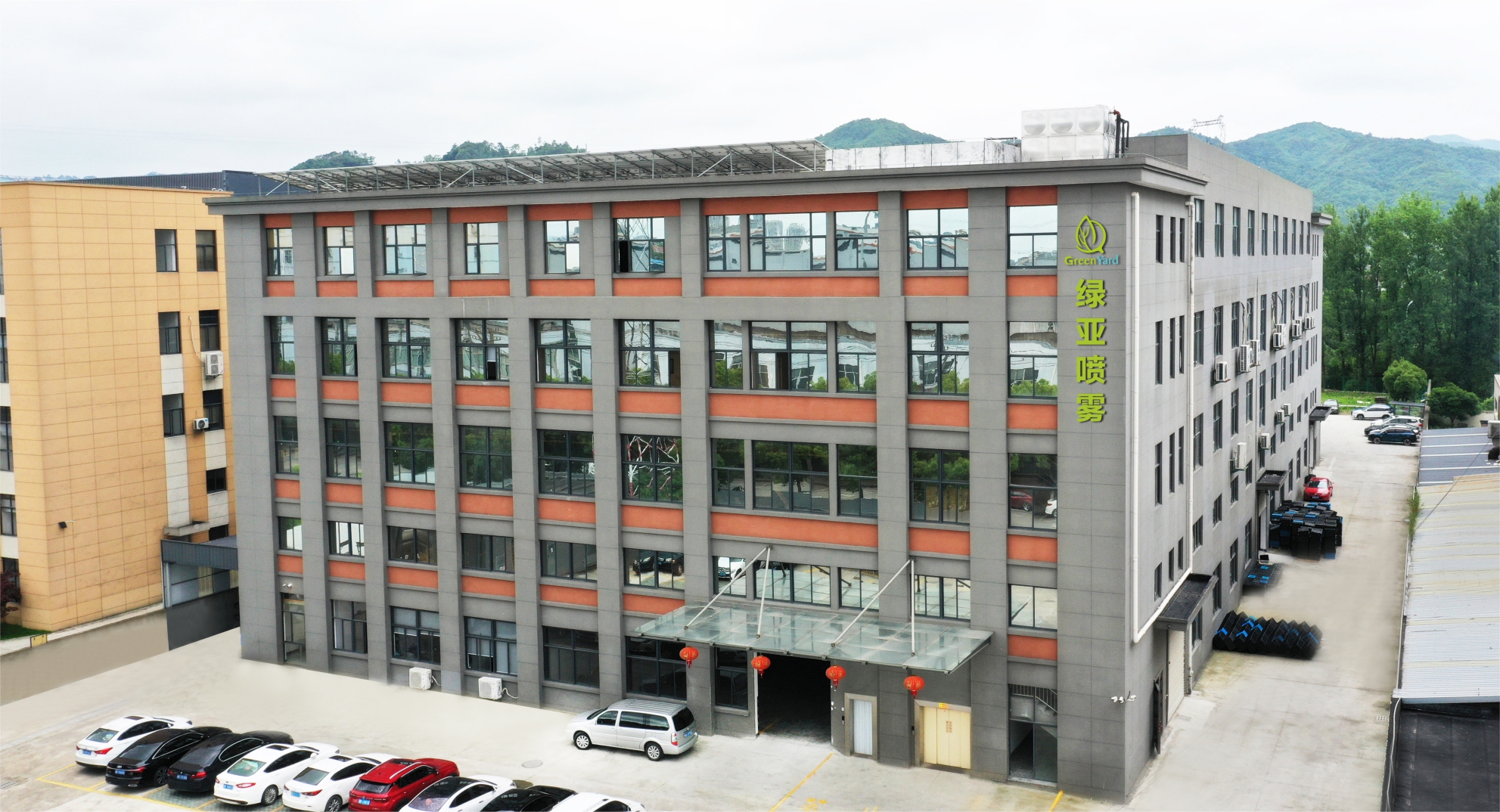
Why Choose Us?The company possesses advanced capabilities in mold design, injection molding, and automated assembly, supported by a professional quality inspection team to ensure product reliability. A dedicated design team continuously drives product innovation, providing customers with high-quality spray solutions.
 Coming From China, Marketing To The World.
 -
Products
-
News
 English
 Français
 русский
 Español
How Glass Airless Bottle Packaging Prevents Contamination and Boosts Shelf Life?
Content
- 1 How the Airless Mechanism Eliminates Contamination at the Source
- 2 Glass as an Inert Barrier: Why Material Choice Matters
- 3 Oxidation Prevention: Protecting Unstable Active Ingredients
- 4 Shelf Life Extension: Quantifying the Packaging Advantage
- 5 Product Recovery Rate: Minimizing Waste and Maximizing Value
- 6 Applications Where Glass Airless Bottles Deliver the Greatest Benefit
- 7 Design Considerations When Specifying a Glass Airless Bottle
- 8 Glass Airless Bottle vs. Alternative Packaging Formats
Glass airless bottle packaging prevents contamination and extends shelf life by completely eliminating air contact between the product and its external environment throughout the entire usage cycle. Unlike conventional open-mouth jars or standard pump bottles, the airless mechanism draws product upward through a sealed piston system—no air enters the reservoir as the formula is dispensed. Combined with glass's chemically inert, non-porous surface, this design delivers a dual-barrier protection system that can extend the effective shelf life of preservative-sensitive formulations by 25 to 40 percent compared to standard packaging formats.
For cosmetic, pharmaceutical, and nutraceutical brands working with active ingredients such as retinol, vitamin C, peptides, and botanical extracts, the glass airless bottle is not a premium aesthetic choice—it is a functional necessity driven by formulation stability science.
How the Airless Mechanism Eliminates Contamination at the Source
The contamination prevention capability of an airless bottle is rooted in its internal piston architecture. A movable disc or diaphragm sits at the base of the product chamber and rises as the formula is dispensed, maintaining continuous contact with the product surface and leaving no headspace where air, bacteria, or airborne contaminants can accumulate.
Zero Headspace Design
In a standard pump or tube, every dispensing cycle draws a small volume of ambient air back into the container to equalize pressure. Over weeks of use, this introduces oxygen, humidity, and airborne microorganisms directly into the remaining product. The airless piston system replaces incoming air with the rising platform itself, so the product is never exposed to a vacuum or atmospheric air at any point during its lifespan.
One-Way Valve Function
The dispensing valve in a glass airless bottle operates on a one-way flow principle: product exits through the actuator, but no pathway exists for retrograde flow or air ingress. This is particularly critical for water-in-oil emulsions and hydrogel formulations where even trace microbial contamination of 10–100 CFU/g can initiate spoilage chains within two to four weeks at ambient temperature.
Finger-Free Dispensing
Because the product is delivered through a pump actuator rather than scooped from an open jar, the consumer's fingers never contact the bulk product. Direct finger contact is the primary route for introducing Staphylococcus epidermidis and Pseudomonas aeruginosa—two of the most commonly isolated spoilage organisms in contaminated cosmetic products—into the formula.
Glass as an Inert Barrier: Why Material Choice Matters
The airless mechanism controls physical and biological contamination routes, but glass addresses a separate and equally important contamination pathway: chemical interaction between the packaging material and the product itself.
Standard borosilicate and soda-lime glass used in cosmetic and pharmaceutical packaging achieves a gas transmission rate (GTR) of effectively zero for oxygen, carbon dioxide, and water vapor. This is fundamentally different from plastic alternatives:
| Material | Oxygen Transmission Rate (cc/m²/day) | Leaching Risk | UV Barrier (Amber) |
|---|---|---|---|
| Glass | ~0.00 | None | Up to 99% UV blocked |
| PETG | 2 – 8 | Low (acetaldehyde) | Minimal |
| PP (Polypropylene) | 50 – 150 | Moderate (oligomers) | None |
| HDPE | 100 – 400 | Moderate | None |
Beyond gas permeation, plastic containers can leach plasticizers, antioxidants, and slip agents into the product over time—a process accelerated by high-oil-content formulations and elevated storage temperatures. Glass is chemically stable across a pH range of 1 to 12 and does not interact with alcohols, esters, essential oils, or acidic vitamin C derivatives that would degrade plastic walls or liners.
Oxidation Prevention: Protecting Unstable Active Ingredients
Oxidation is the primary degradation mechanism for the majority of high-value cosmetic and pharmaceutical actives. When oxygen contacts these ingredients, it initiates free-radical chain reactions that break down molecular structure, reduce potency, alter color, and produce rancid or off-putting odors that signal spoilage to consumers.
Actives with particularly high oxidation sensitivity include:
- L-ascorbic acid (Vitamin C): Degrades to inactive dehydroascorbic acid within days in open-air contact; loses up to 50% potency in conventional packaging within 3 months at room temperature.
- Retinol (Vitamin A): Isomerizes under combined oxygen and light exposure, converting from the active all-trans form to inactive cis isomers.
- Niacinamide: Hydrolyzes to nicotinic acid under oxidative and high-moisture conditions, producing flushing reactions in sensitive users.
- Polyunsaturated plant oils (rosehip, marula, sea buckthorn): Undergo lipid peroxidation, producing aldehydes and ketones detectable as rancidity within 4–8 weeks in non-protected packaging.
- Peptides and growth factors: Subject to oxidative cleavage of disulfide bonds, destroying three-dimensional structure required for receptor binding.
In a glass airless bottle, the zero-headspace piston design combined with glass's zero oxygen permeation creates a functionally anaerobic storage environment for the product's entire in-use period, directly addressing the oxidation pathway that conventional packaging cannot control.
Shelf Life Extension: Quantifying the Packaging Advantage
The shelf life of a cosmetic or topical pharmaceutical product is determined by the rate at which its active ingredients degrade to below their labeled potency threshold—typically set at 90% of initial concentration (T90) for regulated products. Glass airless bottle packaging influences shelf life through three measurable mechanisms:
Reduced Preservative Demand
Because the airless system prevents microbial ingress, formulators can reduce or eliminate preservative concentrations that would otherwise be required to control contamination from repeated consumer use. Lower preservative loads mean fewer competing chemical interactions with actives, contributing to longer in-use stability. Some certified natural formulations achieve preservative-free status specifically by pairing with airless packaging, a claim impossible to substantiate in standard jar formats.
Antioxidant Conservation
Antioxidants such as tocopherol (vitamin E), BHT, and rosemary extract are added to formulations to scavenge oxygen radicals before they attack primary actives. In standard packaging, these antioxidants are consumed rapidly by the continuous oxygen ingress. In a glass airless bottle, the antioxidant reservoir is preserved for its intended role—protecting the formula from internal oxidative byproducts—rather than being depleted neutralizing environmental oxygen.
UV Protection via Amber or Opaque Glass
Amber borosilicate glass blocks wavelengths below 450 nm, absorbing the UV-A and UV-B radiation that catalyzes photodegradation of retinoids, carotenoids, and aromatic active compounds. For formulations stored on bathroom shelves or retail display fixtures with fluorescent or LED lighting, this passive UV barrier adds a meaningful additional layer of stability protection that no plastic airless bottle can replicate without opacifying additives.
Product Recovery Rate: Minimizing Waste and Maximizing Value
A practical but often overlooked advantage of the glass airless bottle is its exceptionally high product recovery rate. Standard pump bottles typically leave 15–25% of the product inaccessible at the base when the pump tube can no longer reach the remaining formula. Conventional jars lose product to evaporation and contamination in the outer layers.
The rising piston in an airless bottle pushes product consistently upward until 95–98% of the fill volume has been dispensed, reducing effective cost-per-use for the consumer and lowering the volume of active ingredients wasted per unit sold—a meaningful consideration for formulations where actives represent 20–40% of the total bill of materials cost.
Applications Where Glass Airless Bottles Deliver the Greatest Benefit
While glass airless bottles provide benefits across many product categories, their contamination prevention and shelf life advantages are most significant in specific formulation types:
| Product Category | Key Stability Threat | Primary Protection Mechanism | Estimated Shelf Life Gain |
|---|---|---|---|
| Vitamin C serums (L-ascorbic acid) | Oxidation, light | Zero headspace + amber glass UV block | +30–40% |
| Retinol / retinoid creams | Oxidation, photoisomerization | Anaerobic environment + UV barrier | +25–35% |
| Natural / preservative-free moisturizers | Microbial contamination | Finger-free + one-way valve | +40–60% |
| Peptide and growth factor serums | Oxidative cleavage, hydrolysis | Zero oxygen permeation (glass wall) | +25–40% |
| Plant oil facial treatments | Lipid peroxidation (rancidity) | Zero headspace + inert glass surface | +30–50% |
| Topical pharmaceutical preparations | Chemical degradation, sterility | All mechanisms combined | +20–35% |
Design Considerations When Specifying a Glass Airless Bottle
Achieving the contamination prevention and shelf life benefits described above requires attention to several design and specification parameters during the packaging selection process:
Piston Seal Integrity
The piston must maintain a continuous, airtight seal against the interior glass wall across the full temperature range the product will experience in shipping and consumer use (typically −10 °C to 50 °C). Elastomeric piston materials such as silicone or TPE (thermoplastic elastomer) outperform rigid plastic pistons in maintaining seal integrity across thermal cycling.
Actuator Dose Accuracy
Airless pump actuators for glass bottles are typically calibrated to deliver 0.15 to 0.5 mL per stroke. For pharmaceutical or high-potency cosmetic actives where dosing consistency matters clinically, specifying a pump with a controlled dose volume and low stroke-to-stroke variance (coefficient of variation below 5%) is essential.
Glass Type and Wall Thickness
Type I borosilicate glass offers the highest chemical resistance and is required for pharmaceutical applications. Type III soda-lime glass is acceptable for most cosmetic formulations with pH between 4 and 8. Wall thickness should be specified to achieve adequate drop resistance given the bottle's fill weight—typically 2–3 mm for bottles up to 50 mL and 3–4 mm for 50–100 mL formats.
Compatibility Testing
Even with glass's outstanding chemical neutrality, the pump components—including the actuator, spring, dip tube, and piston—may incorporate plastic or metal parts that contact the product. Extractables and leachables (E&L) testing of the complete filled assembly under ICH Q1B accelerated conditions (40 °C / 75% RH for 6 months) should be completed before launch for any regulated product.
Glass Airless Bottle vs. Alternative Packaging Formats
Understanding where the glass airless bottle outperforms alternatives helps brands make packaging decisions that are technically justified, not only aesthetically motivated:
- vs. Glass jar: The jar provides glass's inertness but requires direct finger contact and leaves the entire product surface exposed to headspace air with every opening. A glass airless bottle eliminates both contamination pathways the jar cannot address.
- vs. Plastic airless bottle: The airless mechanism is equivalent, but plastic walls allow ongoing oxygen transmission and potential leaching of plasticizers. For formulations with high essential oil or solvent content, glass is the only material that guarantees zero wall interaction.
- vs. Laminate tube: Tubes achieve good oxygen barrier in the initial product layers but allow increasing air contact as the tube is emptied and the walls collapse inward. Airless bottles maintain constant protection from first to last dose.
- vs. Nitrogen-purged glass vial: Vials with nitrogen headspace offer strong initial protection but provide no ongoing barrier once opened. A glass airless bottle extends equivalent protection across the entire multi-week consumer use period.
-
Airless Bottles Uncovered: How to Protect Your Skincare and Perfect Every Pump
If you have ever opened a pump bottle of serum and found the last quarter of the product impossible ...
-
What's Inside a Lotion Pump and How Does It Work ?
A lotion pump is a precision dispensing closure that draws liquid product from a bottle and delivers...
-
How the Treatment Cream Pump Enhances the Consumer Skincare Experience ?
A treatment cream pump does more than dispense product — it fundamentally shapes how consumers inte...
-
What Makes a Good Deodorant Stick Bottle for Brands?
A deodorant stick bottle is a twist-up or push-up dispensing container designed to hold and advance...
Copyright © GreenYard Tools Co.,ltd. All Rights Reserved.
Personal Care Packaging Manufacturer Custom Perfume Sprayers Factory