
-
About Us
Why Choose Us?The company possesses advanced capabilities in mold design, injection molding, and automated assembly, supported by a professional quality inspection team to ensure product reliability. A dedicated design team continuously drives product innovation, providing customers with high-quality spray solutions.
 Coming From China, Marketing To The World.
 -
Products
-
News
 English
 Français
 русский
 Español
Tamper-Proof Plastic Dropper for Secure Pharmaceutical Packaging
Content
- 1 What Is a Tamper-Proof Plastic Dropper?
- 2 Product Specification Overview
- 3 Why Tamper Protection Matters in Pharmaceutical Packaging
- 4 Controlled Dispensing for Liquid Formulations
- 5 Advantages of the Ribbed Closure Design
- 6 Compatibility with the 18-415 Bottle Finish
- 7 Materials and Product Protection
- 8 Manufacturing Strengths Behind the Product
- 9 How the Dropper Compares with Basic Closures
- 10 Benefits for Pharmaceutical Brands
- 11 Benefits for Contract Packagers and Filling Facilities
- 12 Benefits for End Users
- 13 Recommended Product Evaluation Process
- 14 Packaging Line and Quality Considerations
- 15 Customization and Project Support
- 16 Environmental and Efficiency Considerations
- 17 Why Manufacturing Experience Matters
- 18 Applications in Pharmaceutical Packaging
- 19 Frequently Asked Questions
- 19.1 What is the main purpose of the GY-901T dropper?
- 19.2 What size is available?
- 19.3 What does the ribbed closure mean?
- 19.4 Does the dropper provide tamper protection?
- 19.5 Can it be used for all liquid medicines?
- 19.6 Can the dropper be used with automatic filling and capping equipment?
- 19.7 What should be tested before mass production?
- 19.8 What manufacturing capabilities support this product?
- 19.9 Is customization available?
- 19.10 How should the dropper be stored before use?
- 19.11 What makes this product competitive?
- 19.12 Can the dropper replace secondary tamper packaging?
- 20 Conclusion
- 21 References
- 22 Product: Tamper Proof Plastic Dropper
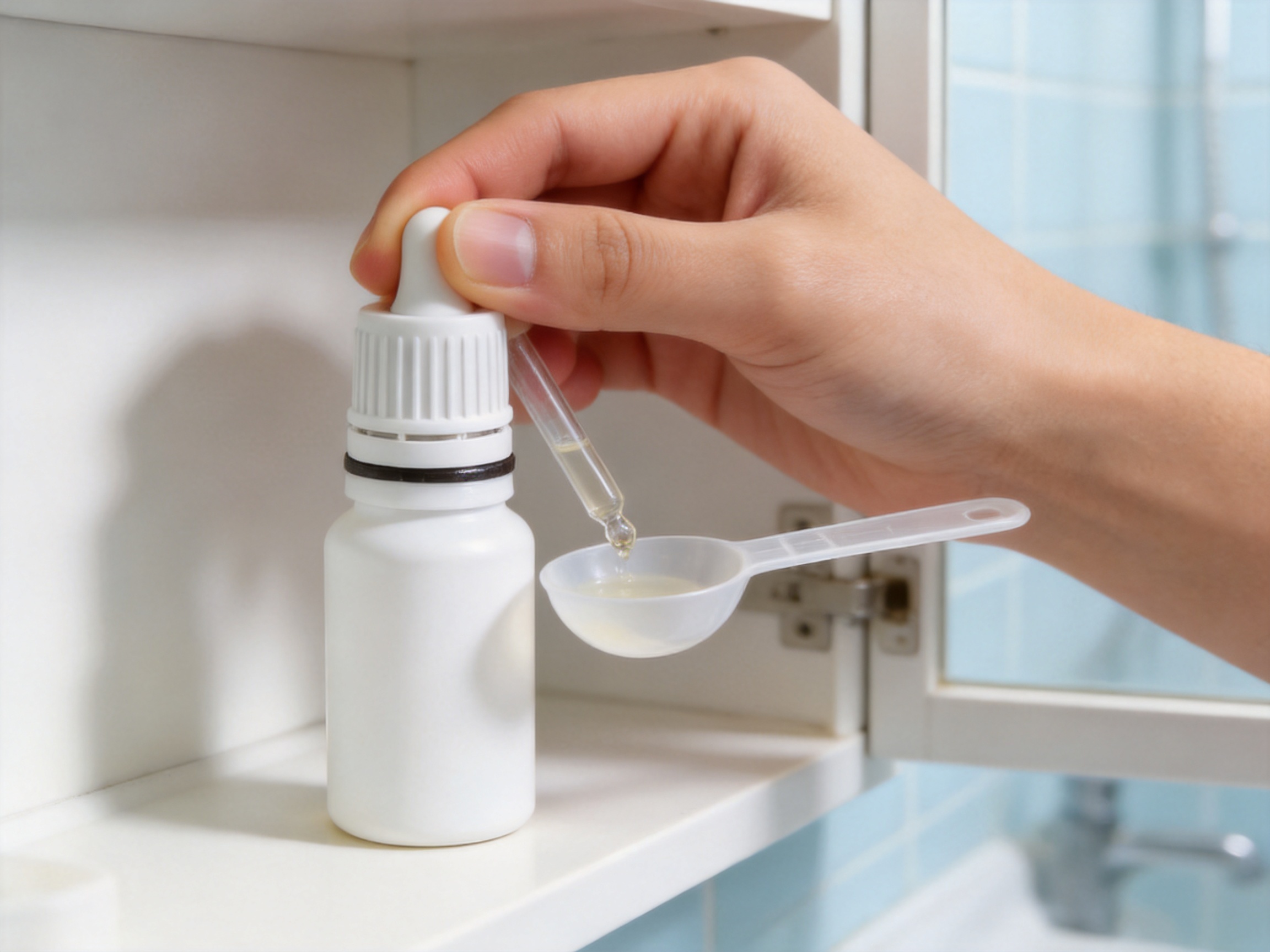
Pharmaceutical packaging must do more than hold a product. It must protect the formulation, support accurate dispensing, communicate product integrity, and provide a practical experience for manufacturers, pharmacists, healthcare professionals, and end users. A closure that appears simple may perform several important functions at the same time: creating a reliable seal, controlling access, supporting convenient handling, and helping prevent unnoticed tampering.
The tamper-proof plastic dropper identified as GY-901T is designed for these exact requirements. Developed for pharmaceutical packaging, this dropper combines a ribbed closure, an 18-415 size option, and an anti-theft or tamper-evident function. Its structure is intended to help protect liquid medications, treatments, and other medical formulations while allowing controlled dispensing when the package is opened and used correctly.
For packaging buyers, the value of a pharmaceutical dropper is measured not only by its appearance but also by its consistency, compatibility, security, and manufacturing reliability. A closure that fits a bottle accurately and seals consistently can help reduce leakage, preserve product quality, and improve the overall usability of the finished package. The GY-901T addresses these requirements through a practical design suitable for a broad range of pharmaceutical applications.
Manufactured by GreenYard Tools Co., Ltd., a China-based packaging producer with extensive experience in spray and closure manufacturing, this product benefits from capabilities in mold design, injection molding, automated assembly, and quality inspection. These integrated processes support repeatable production and allow the manufacturer to provide packaging components for global customers.
What Is a Tamper-Proof Plastic Dropper?
A tamper-proof plastic dropper is a dispensing closure designed to provide both controlled liquid delivery and an additional level of package security. It is generally installed on a bottle containing a liquid product and may be used for medicines, liquid treatments, pharmaceutical solutions, and related healthcare formulations.
The GY-901T is described as a ribbed plastic dropper with an 18-415 size option. The ribbed exterior gives the closure a textured surface that is easier to grip during installation, opening, and closing. This is especially useful when the user needs to handle the package with wet hands, gloves, or limited finger strength.
The product’s anti-theft function is intended to help discourage unauthorized opening or tampering before the package reaches the consumer. In pharmaceutical packaging, visible or functional evidence of interference can be an important part of the product safety system. Although the dropper is not a substitute for complete regulatory packaging validation, it provides a practical closure feature that supports the integrity of the finished package.
Unlike a basic bottle cap, a dropper closure has a dispensing role. It must work with the bottle neck and the product formula to enable controlled delivery. This makes dimensional accuracy, sealing performance, assembly quality, and material consistency especially important.
Product Specification Overview
The following table summarizes the available product information for the GY-901T tamper-proof plastic dropper.
| Product | Tamper-Proof Plastic Dropper |
| Model | GY-901T |
| Category | Dropper |
| Available Size | 18-415 |
| Closure Type | Ribbed |
| Primary Usage | Pharmaceutical packaging |
| Security Function | Anti-theft and tamper-related protection |
| Typical Product Compatibility | Liquid medications, liquid treatments, and other pharmaceutical formulations |
The 18-415 designation provides a standardized starting point for bottle compatibility. However, packaging developers should confirm the exact neck finish, bottle dimensions, liner or sealing requirements, product viscosity, and closure torque before beginning mass production. Compatibility testing is essential because a closure and bottle must function as a complete packaging system.
Why Tamper Protection Matters in Pharmaceutical Packaging
Pharmaceutical products require a high level of consumer confidence. A user expects the package to arrive in an intact condition and to provide clear evidence if it has been opened, interfered with, or improperly handled. Tamper-related features help support this expectation by making unauthorized access more difficult or more visible.
In a conventional packaging system, the bottle and closure work together to protect the contents. If the closure is removed and replaced without any indication, the consumer may have difficulty determining whether the product has been disturbed. A tamper-proof dropper helps address this concern by incorporating a security function into the closure design.
The anti-theft function is also valuable throughout distribution. Pharmaceutical products may pass through manufacturers, warehouses, logistics providers, pharmacies, hospitals, and retail environments before reaching the end user. A closure that provides an additional barrier against unauthorized opening can contribute to more secure handling during this chain.
Tamper protection does not eliminate the need for responsible storage, transportation, labeling, and regulatory compliance. Instead, it forms one component of a broader packaging strategy. The best results are achieved when the dropper, bottle, seal, label, carton, and supply-chain controls are evaluated together.
For brands and contract packagers, a tamper-evident feature can also communicate professionalism. When a consumer sees that a package is designed to protect the contents, confidence in the product may improve. In pharmaceutical applications, this perception is particularly important because packaging is closely associated with safety and quality.
Controlled Dispensing for Liquid Formulations
Liquid medicines and treatments often require controlled delivery. The user may need to dispense a small amount, apply the product to a specific area, or administer a measured dose according to professional instructions. A suitable dropper closure can make this process more manageable than a wide-mouth bottle or a simple screw cap.
The GY-901T is intended for pharmaceutical packaging and is suitable for liquid medications, liquid treatments, and other medical formulations. Its dropper format supports a more directed dispensing experience, helping the user control the release of the liquid rather than pouring an excessive amount at once.
Controlled dispensing can reduce unnecessary product waste and improve convenience. It may also help keep the outside of the bottle cleaner than a package that requires users to pour the contents directly. For products used repeatedly, this practical benefit can contribute to a better overall user experience.
Dispensing performance depends on more than the closure alone. The internal geometry, bottle orientation, liquid viscosity, surface tension, opening dimensions, and user technique can all influence flow behavior. For this reason, packaging engineers should evaluate the complete bottle-and-dropper assembly with the intended formulation.
Where dosage accuracy is critical, the finished package should be tested under realistic conditions. Tests may include repeated opening and closing, different temperatures, storage durations, transport simulation, and use by representative consumers. These evaluations help determine whether the selected dropper provides the required performance throughout the product’s expected life.
Advantages of the Ribbed Closure Design
The ribbed closure is one of the most practical features of the GY-901T. Ribs create a textured outer surface that gives the fingers additional contact points. This can improve handling compared with a smooth cap, especially when the cap is small or the user must open it frequently.
A ribbed closure may also support more consistent application of opening and closing force. Users can grip the cap with less dependence on fingertip friction, which is helpful for elderly consumers, healthcare workers wearing gloves, or anyone handling the package in a fast-paced environment.
From a production perspective, the ribbed surface provides a recognizable visual and tactile structure. It can contribute to a clean, functional appearance while remaining compatible with a wide range of pharmaceutical packaging styles. The design is practical rather than unnecessarily complex, which can be advantageous for repeat manufacturing.
Compared with an untextured closure, a ribbed cap may offer a more secure grip without requiring a larger overall diameter. This helps preserve a compact package profile. A compact format can support efficient storage, transport, shelf presentation, and use in medicine cabinets or travel kits.
The ribbed structure also supports straightforward handling during packaging operations. Automatic equipment can be configured around a consistent closure geometry, while operators can visually identify the component during assembly and inspection. Final equipment settings should always be confirmed according to the bottle, closure material, torque requirements, and production line design.
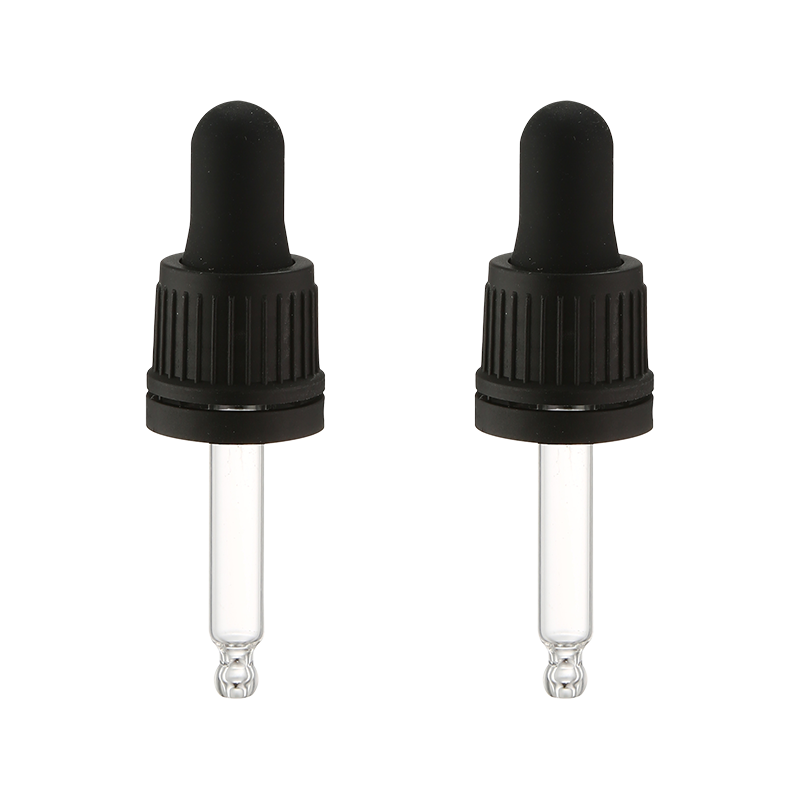
Tamper Proof Plastic Dropper
Compatibility with the 18-415 Bottle Finish
The GY-901T is available in an 18-415 size option. The first number generally refers to the nominal neck diameter, while the second number identifies the thread or finish style. This type of designation is used by packaging professionals to help match closures with compatible bottles.
An 18-415 finish is useful for compact pharmaceutical bottles where a small, secure closure is preferred. It can support packaging designs for liquid treatments and other formulations that do not require a large opening. The relatively compact format also helps create a lightweight finished package.
However, nominal size alone should not be treated as a complete compatibility guarantee. The bottle neck dimensions, thread profile, sealing surface, closure skirt, internal components, and application torque must work together. Differences in bottle material or manufacturing tolerances may affect the final result.
Before ordering large quantities, buyers should conduct bottle-and-closure trials. The trial should confirm that the dropper can be applied smoothly, reaches the correct position, creates a complete seal, and can be removed by the intended user without excessive force. Testing should also examine whether the closure remains secure during transport and storage.
For pharmaceutical products, compatibility evaluation may include container closure integrity testing. This type of testing helps determine whether the package can protect the formulation from leakage and unwanted external influence under specified conditions. The appropriate test method depends on the product, container system, market requirements, and quality program.
Materials and Product Protection
The product is identified as a plastic dropper. Plastic closures are widely used in pharmaceutical and personal care packaging because they can be molded into precise shapes, produced efficiently, and designed with functional details such as ribs, threads, sealing features, and tamper-related components.
A suitable plastic closure can provide a favorable balance of durability and weight. Lower package weight may simplify handling and reduce transportation loads, while sufficient mechanical strength helps the closure withstand normal use and distribution. The final material selection should be matched to the formulation and the required storage conditions.
Pharmaceutical packaging developers should assess chemical compatibility before commercial use. Some formulas may contain alcohols, oils, solvents, acids, active ingredients, or other components that can interact with packaging materials. Compatibility studies should examine changes in the closure, leakage behavior, color, odor, brittleness, swelling, stress cracking, and product quality.
Material performance should also be evaluated across the expected temperature range. A closure may experience different conditions during molding, filling, warehousing, transportation, and consumer use. Proper testing helps confirm that the package maintains its functionality throughout these stages.
Plastic processing quality is important because small dimensional variations can influence sealing and assembly. Consistent molding, accurate tool maintenance, controlled processing conditions, and effective inspection all contribute to a reliable finished component.
Manufacturing Strengths Behind the Product
The performance of a packaging closure depends heavily on how it is manufactured. A well-designed product can fail to meet expectations if the molding process is inconsistent, assembly is poorly controlled, or inspection is insufficient. GreenYard Tools Co., Ltd. combines several production capabilities to support the manufacture of spray products, pump heads, caps, bottles, and related daily chemical packaging solutions.
The company has operated in the packaging field for 16 years and has developed experience in the design and production of plastic packaging components. Its reported daily production capacity reaches one million units, providing a foundation for large-volume orders and ongoing supply programs.
Integrated manufacturing is a major strength. Mold design, injection molding, automated assembly, and quality inspection are connected within the production system. This can improve communication between development and manufacturing teams, shorten the response time for technical adjustments, and support more consistent product output.
The manufacturer also maintains a dedicated design team. Design capability is important for closures because small changes in thread geometry, rib placement, sealing structures, or tamper-related features can influence both user experience and production performance. A design team can help transform customer requirements into practical packaging solutions.
For buyers, an experienced manufacturer can provide value beyond the individual component. Technical communication, sampling, mold evaluation, production planning, quality documentation, and after-sales support are all part of a successful packaging project. These services can help reduce uncertainty when a new closure is introduced to a product line.
Mold Design and Engineering
Mold design is the foundation of an injection-molded closure. The mold must reproduce the external ribs, internal threads, sealing surfaces, and security-related details with suitable accuracy. It must also support efficient filling, cooling, ejection, and repeatable cycle times.
Experienced mold engineers consider draft angles, gate locations, wall thickness, shrinkage, parting lines, cooling channels, and ejection methods. These factors influence the appearance, strength, dimensional stability, and production efficiency of the final dropper.
For a tamper-proof design, mold precision is particularly important. Security features must be formed consistently so that the package provides the intended resistance or evidence of opening. The feature should not be so fragile that it breaks during normal distribution, nor so strong that the consumer cannot use the package properly.
Good mold maintenance is equally important after production begins. Regular inspection, cleaning, repair, and replacement of worn components help preserve part quality across long production runs.
Injection Molding Control
Injection molding converts plastic material into the finished closure by heating, injecting, cooling, and ejecting the part. Process control affects the appearance and dimensions of the product. Important variables may include material preparation, injection pressure, injection speed, mold temperature, cooling time, and cycle consistency.
Stable molding conditions help reduce defects such as short shots, flash, sink marks, warpage, weld lines, burn marks, and dimensional variation. For a closure, these defects can affect appearance as well as functional performance.
Automated or closely monitored molding processes can support repeatability in large-volume production. When a pharmaceutical customer requires many thousands or millions of components, stable production is essential for keeping the filling line operating efficiently.
Production teams may also use sampling plans and dimensional checks to verify that molded parts remain within established specifications. The specific inspection criteria should be agreed upon between the manufacturer and buyer according to the application.
Automated Assembly and Line Efficiency
Some tamper-proof droppers contain multiple functional elements that must be assembled correctly. Automated assembly can help place components consistently, reduce manual handling, and support higher production capacity. It may also improve process traceability when equipment and production records are properly managed.
Automation is especially useful when a product must be assembled in large quantities with consistent orientation and force. It can help ensure that components are seated correctly and that the finished closure is ready for application to the intended bottle.
Automated assembly does not remove the need for human oversight. Skilled personnel are required to set equipment, verify line conditions, investigate abnormalities, maintain machinery, and approve quality results. The strongest manufacturing systems combine automation with experienced technical supervision.
Quality Inspection
Quality inspection is an essential part of pharmaceutical packaging production. Inspection may cover appearance, dimensions, thread condition, rib definition, assembly, sealing-related features, and tamper-function performance. The exact inspection program depends on the product specification and customer requirements.
Visual inspection can identify contamination, discoloration, deformation, flash, scratches, and incomplete molding. Dimensional inspection can confirm important features such as diameter, height, thread position, and component fit. Functional checks can evaluate opening, closing, assembly, and leakage behavior.
Consistent inspection helps identify problems before products are shipped. It also provides production feedback that can be used to improve molds, process settings, assembly equipment, and operator procedures.
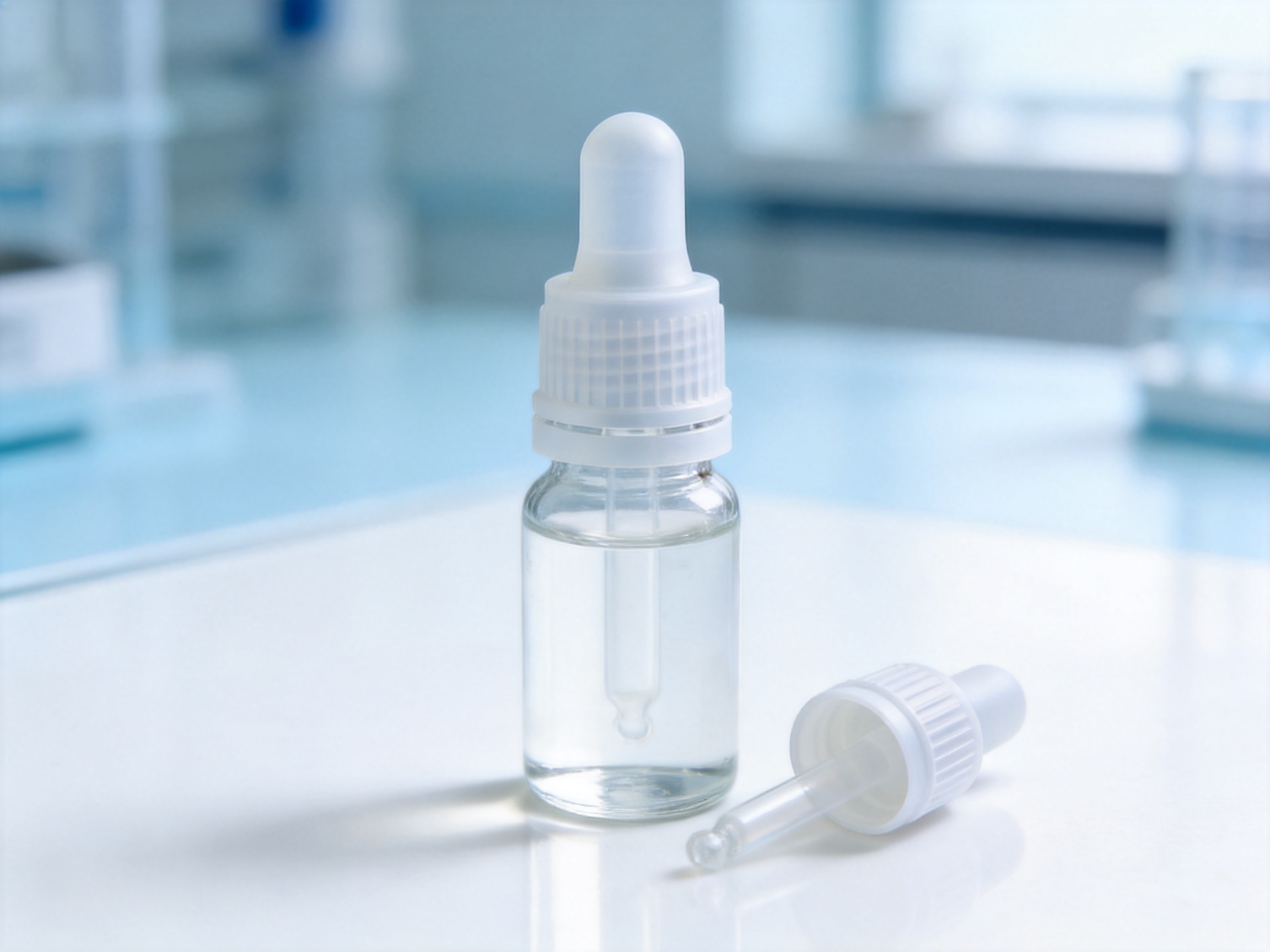
How the Dropper Compares with Basic Closures
A standard screw cap may close a bottle, but it may not provide the same combination of dispensing control and package security. A tamper-proof dropper is designed with a more specialized purpose: protecting a liquid product while supporting controlled use.
Compared with a plain smooth cap, the ribbed structure offers a more practical grip. Compared with a simple open bottle, the dropper format helps direct the liquid and may reduce accidental pouring. Compared with a closure without a security function, the GY-901T offers an additional barrier against unauthorized access.
These advantages make the product particularly suitable for pharmaceutical applications where safety, handling, and controlled dispensing are important. The compact 18-415 size may also help brands create a smaller and more efficient package than systems using larger closures.
Competitor products may offer different materials, sizes, dispensing mechanisms, or security features. Therefore, the correct comparison should be based on measurable criteria rather than appearance alone. Buyers should compare closure compatibility, leak resistance, opening force, tamper performance, dimensional consistency, lead time, production capacity, documentation, and total cost.
The GY-901T’s competitive position comes from the combination of its practical ribbed design, pharmaceutical orientation, anti-theft function, compact 18-415 format, and manufacturer support. Instead of treating the closure as a commodity component, buyers can evaluate it as part of a complete packaging solution.
Benefits for Pharmaceutical Brands
Pharmaceutical brands need packaging that supports product protection and a clear market position. A secure dropper can contribute to both objectives. Its tamper-related function helps communicate that the contents are protected, while its dispensing format supports convenient product use.
The product can be used for different types of liquid treatments and medical formulations. This versatility may help a brand standardize a closure across multiple products where the same bottle finish and functional requirements are appropriate.
Standardization can simplify purchasing, inventory management, packaging line setup, and quality control. It may also create a consistent visual identity across a family of products. Before standardizing, each formulation must still be evaluated for compatibility and dispensing performance.
The manufacturer’s experience in packaging production can support private-label products, contract manufacturing programs, and customized packaging development. Buyers may benefit from discussing color, finish, labeling area, bottle selection, assembly requirements, and order volumes with the supplier’s technical and sales teams.
A reliable supply partner can also help brands manage growth. When demand increases, production capacity and process control become important factors. The reported capacity of one million units per day indicates that the manufacturer is equipped to support substantial packaging requirements, subject to product mix, order scheduling, and quality approval.
Benefits for Contract Packagers and Filling Facilities
Contract packagers must manage several brands and product types while maintaining efficient line operation. A closure that is straightforward to handle and compatible with automated equipment can help reduce unnecessary downtime.
The ribbed exterior may simplify manual handling during setup and inspection. The standardized 18-415 finish can support repeatable bottle selection when the same neck specification is used across a product range. The anti-theft function can also help contract packagers meet customer expectations for secure pharmaceutical presentation.
Before adopting the product, a filling facility should confirm the application method, capper settings, torque range, line speed, feeding orientation, and inspection system. Trial runs should evaluate whether the closure travels smoothly through the equipment and whether the finished package meets quality standards.
Production trials should include start-up samples, steady-state samples, line-stop restart samples, and samples from the end of a production run. This approach can reveal issues that may not appear during a short test.
Benefits for End Users
Packaging should ultimately serve the consumer. A pharmaceutical dropper must be understandable, manageable, and dependable in everyday use. The ribbed closure can make opening and closing easier, while the dropper format supports controlled delivery of liquid contents.
The anti-theft function provides reassurance before the first use. If the security feature appears damaged or indicates interference, the consumer has a reason to consult a pharmacist, retailer, or healthcare provider before using the product.
The compact closure can also support portability. A smaller bottle is easier to place in a medicine cabinet, travel bag, or personal care kit, provided the product’s storage requirements are followed.
User instructions remain important. The label should explain how to open the package, how to dispense the product, how to close it after use, and what to do if the tamper-related feature appears compromised. Good packaging design combines physical functionality with clear communication.
Recommended Product Evaluation Process
Packaging buyers should evaluate the GY-901T through a structured process. The first step is to define the product requirements, including bottle size, liquid formulation, target market, dispensing method, security expectations, and annual volume.
The second step is to verify the bottle finish. An 18-415 closure should be tested with the exact bottle or a bottle manufactured to the same confirmed specification. A general sample bottle may not accurately represent the final packaging system.
The third step is to conduct application trials. The closure should be applied using the intended equipment or a controlled manual method. The trial should record application force, torque, seating position, line speed, and any visible defects.
The fourth step is to evaluate sealing and leakage. Filled samples can be tested under upright, inverted, horizontal, vibration, and temperature conditions appropriate to the product. The objective is to determine whether the closure maintains package integrity during expected handling.
The fifth step is to examine consumer use. Representative users can assess grip, opening force, dispensing control, closing behavior, and the clarity of the tamper-related feature. User feedback can reveal practical concerns that laboratory testing may not identify.
The final step is to approve the specification and quality plan. The specification should identify dimensions, materials, appearance requirements, functional tests, sampling levels, packaging method, and acceptance criteria.

Packaging Line and Quality Considerations
Even a well-manufactured closure requires proper handling at the customer’s facility. Components should be stored in a clean, dry environment and protected from excessive heat, moisture, dust, and physical damage. Storage conditions should follow the manufacturer’s recommendations and the requirements of the finished product.
Before use, the packaging team should inspect cartons or bags for damage and confirm product identification. Mixed components, incorrect sizes, and unapproved materials can create serious line problems. Clear lot control and inventory rotation are recommended.
During production, operators should monitor closure feeding, bottle alignment, application position, and rejection rates. Sudden changes in capper torque or line behavior may indicate a bottle, closure, equipment, or environmental issue.
In-process inspection should confirm that the closure is fully seated and that the tamper-related function has not been damaged during application. Finished packages should be checked for leakage, visual defects, and correct labeling.
Pharmaceutical packaging environments may require additional cleanliness and documentation controls. The exact requirements depend on the product category, manufacturing site, market, and applicable quality system. Buyers should establish these requirements with the packaging supplier and filling facility before production.
Customization and Project Support
Although the standard GY-901T specification is 18-415 with a ribbed closure, packaging projects may require additional details. These may include color matching, surface finish, bottle coordination, printing, labeling, carton integration, or special packing arrangements.
Customization should begin with a technical review. The customer can provide bottle drawings, product information, target quantities, application equipment details, and intended market requirements. The manufacturer can then evaluate feasibility, tooling implications, sampling needs, and production timing.
Customization is most successful when functional priorities are established before cosmetic preferences. Seal performance, compatibility, opening behavior, and tamper function should be confirmed before finalizing appearance-related changes.
A manufacturer with mold design and injection molding capabilities can be better positioned to assess changes to ribs, closure dimensions, or related components. In-house or closely coordinated engineering can reduce communication gaps between design and production.
Samples should be approved under conditions that resemble mass production. A prototype made with a temporary tool or different process may not represent the exact performance of the final manufactured product. Sample approval should therefore include agreement on materials, colors, dimensions, and test methods.
Environmental and Efficiency Considerations
Packaging decisions increasingly include material efficiency, transportation impact, and manufacturing waste. A compact plastic dropper can support lightweight packaging and efficient use of storage space. Reduced package weight may also contribute to lower transport requirements, depending on the complete packaging design.
Efficient injection molding can reduce unnecessary material consumption when the part is properly engineered. Stable processing may also reduce scrap and rework. Automated assembly can improve production efficiency by maintaining consistent cycle performance and reducing avoidable handling.
Environmental performance should be evaluated across the entire packaging system. The bottle, closure, label, carton, shipping materials, product protection requirements, and end-of-life conditions all influence the overall result.
For pharmaceutical packaging, product safety remains the primary consideration. Material reduction must never compromise sealing, protection, dispensing, or regulatory performance. Any sustainability initiative should be validated through technical testing and documented change control.
Why Manufacturing Experience Matters
Packaging suppliers with long-term experience understand that the same closure may behave differently depending on bottle material, product formula, filling line, storage environment, and market requirements. This practical knowledge can help identify potential issues earlier in the development process.
GreenYard Tools Co., Ltd. has focused on spray products and packaging materials for 16 years. Its product range includes perfume sprayers, pump heads, caps, bottles, and daily chemical packaging solutions. This broad experience provides exposure to different closure structures, molding requirements, assembly methods, and customer applications.
The company’s reported capabilities include mold design, injection molding, automated assembly, and quality inspection. Together, these capabilities support a more complete manufacturing workflow from product development to finished component production.
A daily production capacity of one million units is also relevant for customers seeking a scalable supplier. High-volume capability can help support regular replenishment and larger product launches, although actual capacity allocation should be confirmed for each order.
Global customers may also value supplier communication and export experience. Packaging is often part of an international supply chain, so clear specifications, reliable documentation, protective shipping, and consistent lot identification are important.
Applications in Pharmaceutical Packaging
The GY-901T is primarily intended for pharmaceutical packaging. Potential applications include liquid medications, liquid treatments, and other medical formulations that require a compact closure with controlled dispensing and tamper-related protection.
The product may be considered for over-the-counter liquid products, prescription-related packaging, topical liquids, oral liquid treatments, and specialty formulations, subject to compatibility and regulatory evaluation. The final use should be determined by the product owner and packaging engineering team.
For any pharmaceutical application, the dropper should be evaluated with the actual formula. A package suitable for one liquid may not be suitable for another. Viscosity, volatility, solvent content, pH, active ingredients, and storage conditions can affect performance.
The dropper may also be useful in healthcare-adjacent packaging where controlled liquid dispensing and visible package integrity are important. In every case, the package must be assessed according to the intended use and applicable requirements.
Frequently Asked Questions
What is the main purpose of the GY-901T dropper?
The main purpose is to provide a secure, controlled dispensing closure for pharmaceutical liquid products. It is designed for use with medications, liquid treatments, and other medical formulations.
What size is available?
The listed size option is 18-415. Buyers should verify the exact bottle neck finish and conduct compatibility trials before placing a production order.
What does the ribbed closure mean?
The ribbed closure has textured ridges on its outer surface. These ridges help users grip the closure during opening, closing, and handling.
Does the dropper provide tamper protection?
Yes. The product is described as having an anti-theft or tamper-related function. This feature is intended to provide an additional layer of protection and help indicate unauthorized interference.
Can it be used for all liquid medicines?
No packaging component should be assumed to be universally compatible. The dropper must be tested with the specific formulation, bottle, storage conditions, and dispensing requirements of the finished product.
Can the dropper be used with automatic filling and capping equipment?
It may be suitable for automated packaging lines, but the customer should confirm feeding, orientation, application, torque, line speed, and inspection requirements through production trials.
What should be tested before mass production?
Recommended evaluations include dimensional compatibility, application performance, leakage resistance, tamper-function performance, opening and closing force, dispensing behavior, storage stability, transport simulation, and consumer usability.
What manufacturing capabilities support this product?
The manufacturer reports capabilities in mold design, injection molding, automated assembly, and quality inspection. These processes support the production of plastic packaging components at commercial scale.
Is customization available?
Potential customization should be discussed with the manufacturer. Options may depend on the required color, finish, bottle system, packaging configuration, order volume, tooling, and functional specifications.
How should the dropper be stored before use?
It should generally be stored in a clean, dry, protected environment and handled according to the supplier’s instructions. Customers should avoid contamination, excessive heat, moisture, and physical damage during storage.
What makes this product competitive?
Its competitive advantages include the combination of an 18-415 format, ribbed handling surface, pharmaceutical application, controlled dispensing concept, and anti-theft function. The manufacturer’s integrated engineering and production capabilities provide additional value for packaging projects.
Can the dropper replace secondary tamper packaging?
That depends on the product, market, and regulatory requirements. The dropper’s security function may contribute to package integrity, but the complete packaging system should be reviewed by the responsible technical and regulatory teams.
Conclusion
The GY-901T tamper-proof plastic dropper is a practical solution for pharmaceutical packaging applications that require controlled dispensing, secure closure performance, and an added level of protection against unauthorized opening. Its 18-415 size option supports compatibility with compact bottle formats, while the ribbed exterior provides a functional grip for users and production personnel.
The product’s primary advantage is the integration of several useful features into one closure. It is not simply a cap, and it is not only a dispensing component. It is designed to help protect liquid formulations, support convenient use, and improve confidence in package integrity.
Its value is further strengthened by the manufacturer’s experience and production infrastructure. GreenYard Tools Co., Ltd. combines mold design, injection molding, automated assembly, quality inspection, and a dedicated design team. With a reported daily production capacity of one million units and 16 years of industry experience, the company is positioned to support both standard packaging supply and customized development projects.
For the best results, customers should evaluate the dropper as part of a complete container closure system. Bottle compatibility, formulation interaction, sealing performance, dispensing accuracy, tamper function, production-line behavior, and regulatory expectations should all be confirmed before commercialization.
When these factors are properly addressed, the tamper-proof plastic dropper can provide a dependable balance of security, usability, manufacturing efficiency, and pharmaceutical packaging performance.
References
1. Product specification supplied for the GY-901T Tamper-Proof Plastic Dropper.
2. Packaging engineering principles for bottle and closure compatibility, dimensional control, and container closure integrity.
3. General injection molding practices for plastic caps, droppers, pump components, and packaging closures.
4. General pharmaceutical packaging considerations for tamper evidence, dispensing control, storage, and consumer protection.
5. Manufacturer information supplied for GreenYard Tools Co., Ltd., including production capabilities, product categories, and company experience.
Product: Tamper Proof Plastic Dropper

-
Amber Plastic Bottles: Lightweight, Protective, Customizable Packaging for Cosmetics
You have spent months stabilizing a vitamin C serum, only to watch a pallet of amber glass bottles ...
-
Crimp Pumps Demystified: Choosing the Right Type and Material for Every Cosmetic Formula
Walk into any cosmetic filling facility and you will find crimp pumps on everything from a delicate ...
-
The Secret to Perfect Skincare Dosing: Choosing the Right Dropper Bottle
The dropper bottle is one of the most familiar formats in skincare — and one of the most underestima...
-
How Glass Airless Bottle Packaging Prevents Contamination and Boosts Shelf Life?
Glass airless bottle packaging prevents contamination and extends shelf life by completely eliminat...
Copyright © GreenYard Tools Co.,ltd. All Rights Reserved.
Personal Care Packaging Manufacturer Custom Perfume Sprayers Factory