
-
About Us
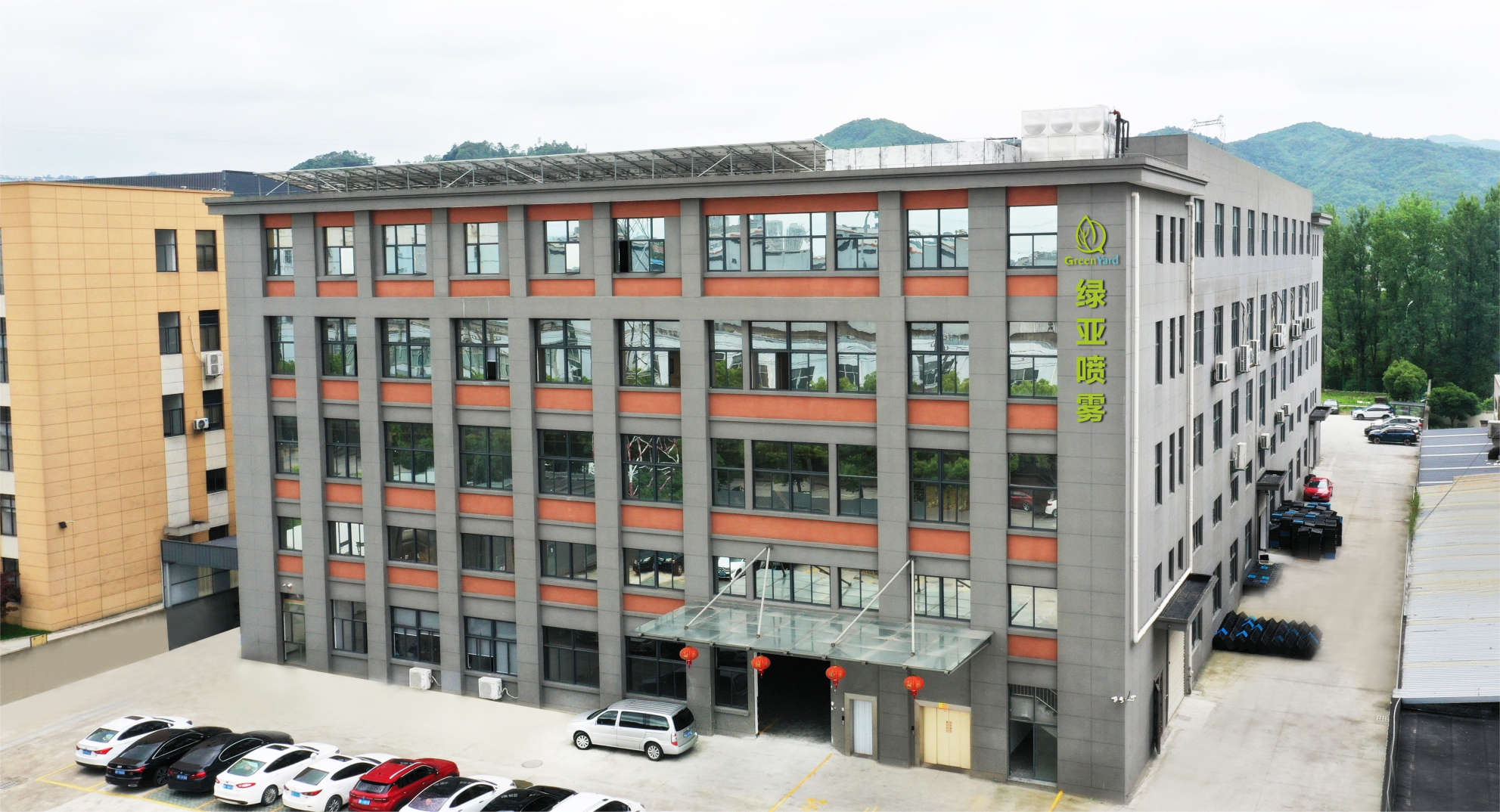
Why Choose Us?The company possesses advanced capabilities in mold design, injection molding, and automated assembly, supported by a professional quality inspection team to ensure product reliability. A dedicated design team continuously drives product innovation, providing customers with high-quality spray solutions.
 Coming From China, Marketing To The World.
-
Products
-
News
 English
 Français
 русский
 Español
Why a Twist Type Sponge Applicator Bottle Is an Effective Packaging Choice for Foundation and Blush
Content
- 1 Product Overview
- 2 Integrated Dispensing and Application
- 3 Advantages for Foundation Packaging
- 4 Advantages for Blush and Other Color Cosmetics
- 5 Portable 10-Gram Capacity
- 6 Surface Finishing and Brand Customization
- 7 Manufacturing Strengths Behind the Product
- 8 How the Product Compares with Common Alternatives
- 9 Formula Compatibility and Development Considerations
- 10 Product: GY-DS11A Twist Type Sponge Applicator Bottle For Foundation
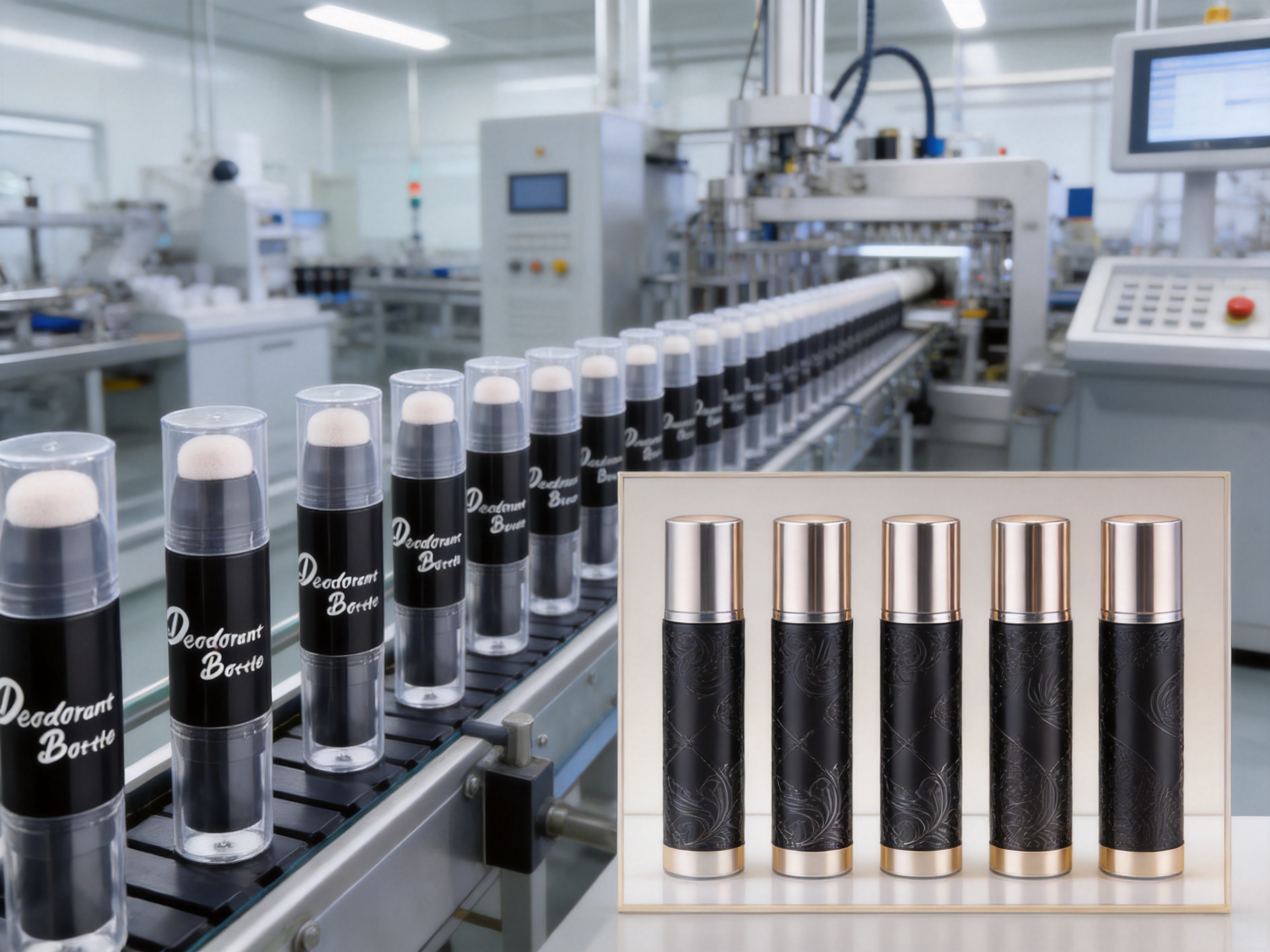
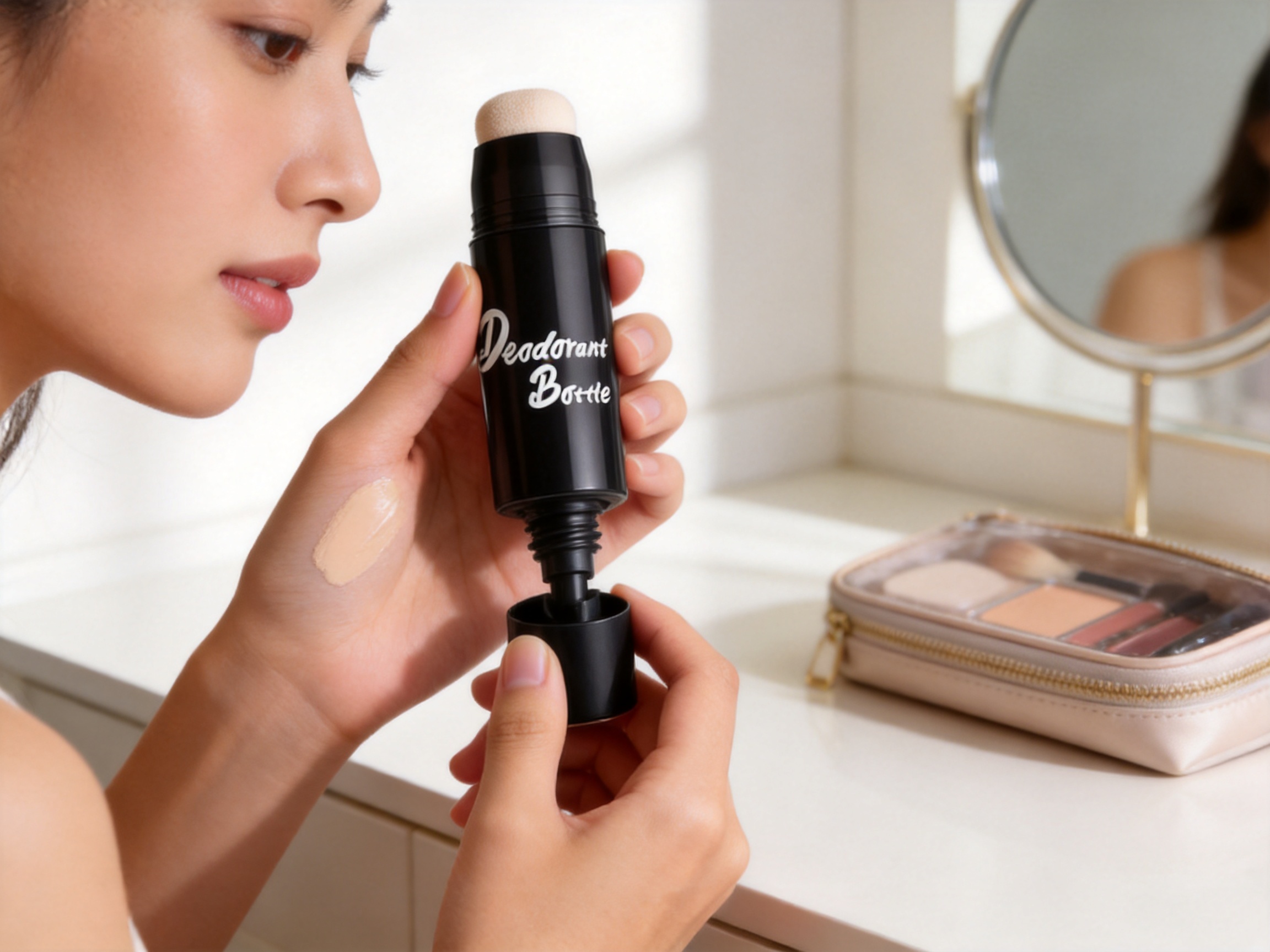
Packaging plays a decisive role in the performance, convenience, hygiene, and market appeal of modern color cosmetics. A well-designed container must do more than hold a formula. It must help users dispense the right amount, apply the product smoothly, carry it comfortably, and recognize the product as a professional beauty solution. The GY-DS11A Twist Type Sponge Applicator Bottle For Foundation is designed around these practical requirements. With a compact 10-gram capacity, a twist dispensing mechanism, and an integrated sponge head, it provides a packaging format suited to liquid foundation, liquid blush, and similar cosmetic products.
The product combines storage and application in one compact package. Instead of requiring consumers to open a separate bottle, pour or pump out a formula, and use an additional sponge or brush, the container places the applicator directly at the top of the package. The sponge head is intended to deliver the product smoothly onto the skin, helping users create a more controlled and convenient application experience.
Manufactured by GreenYard Tools Co., Ltd., a China-based personal care packaging manufacturer with 16 years of experience in spray product manufacturing, the container benefits from an established production system. The company specializes in perfume sprayers, pump heads, caps, bottles, and daily chemical packaging solutions. Its manufacturing capabilities include mold design, injection molding, automated assembly, and quality inspection, supported by a reported daily production capacity of one million units.
These capabilities are important for brands seeking dependable cosmetic packaging at commercial volume. A successful package must maintain dimensional consistency, support reliable assembly, present a clean appearance, and offer customization possibilities. The GY-DS11A addresses these requirements through its compact structure, integrated sponge applicator, customizable surface finishing, and suitability for professional retail packaging.
Product Overview
The GY-DS11A is a twist type sponge applicator container developed for foundation and blush products. Its listed volume is 10 grams, making it a compact option for portable makeup, travel-size products, sample programs, limited editions, and daily-use cosmetics. The product is categorized within deodorant stick bottle packaging, but its stated application is primarily liquid foundation and blush. This makes it especially relevant to cosmetic brands searching for a stick-style or compact applicator format with direct skin application.
| Product model | GY-DS11A |
| Product type | Twist type sponge applicator bottle |
| Available volume | 10 grams |
| Primary usage | Liquid foundation and blush |
| Application method | Twist dispensing with sponge-head application |
| Packaging category | Deodorant stick bottle classification |
| Surface finishing options | Screen printing, hot stamping, 3D printing, and other customized finishes |
| Typical market position | Compact, portable, integrated cosmetic application packaging |
The most important feature is the combination of a twist mechanism and a sponge applicator. The twist action is intended to support controlled product delivery, while the sponge head helps spread the formula directly over the skin. This integrated construction reduces the number of separate components consumers need during use and allows the packaging to function as both a container and a cosmetic tool.
The 10-gram format also supports product portability. It can fit naturally into handbags, cosmetic pouches, travel kits, and retail display collections. For brands, the compact capacity creates opportunities to develop trial products, portable versions, small-batch launches, gift sets, and specialized complexion products without committing to a large package format.
Integrated Dispensing and Application
Traditional foundation packaging often separates the storage and application stages. A glass bottle may require a pump, dropper, sponge, brush, or fingertip application. While each method can work effectively, the consumer must manage multiple steps and often carry a separate applicator. The GY-DS11A takes a different approach by integrating the applicator into the container itself.
The twist mechanism is designed to move the formula toward the sponge head when the package is activated. This structure can make product use more intuitive, particularly for consumers who prefer a direct application format. The sponge head then serves as the contact surface between the formula and the skin. By bringing dispensing and blending closer together, the package supports a streamlined cosmetic routine.
This design can be particularly useful for liquid foundation and blush. These products are often applied over relatively large areas of the face and require even distribution. A soft sponge surface can help spread the cosmetic in a controlled manner and may support a smooth, blended appearance when used correctly. It also provides a familiar application sensation to consumers accustomed to makeup sponges.
An integrated applicator can offer practical advantages compared with loose applicators. A separate sponge may be misplaced, exposed to dust, or forgotten during travel. By attaching the sponge to the package, the product becomes easier to organize and carry. The brand can also present the package as a complete application system rather than merely a container.
For retail buyers, this format may provide an additional merchandising advantage. The package communicates its intended use through its physical structure. Consumers can immediately understand that the product is designed for direct application, which may reduce uncertainty at the point of purchase. A distinctive package can also help a new foundation or blush product stand out among conventional tubes, jars, bottles, and compacts.
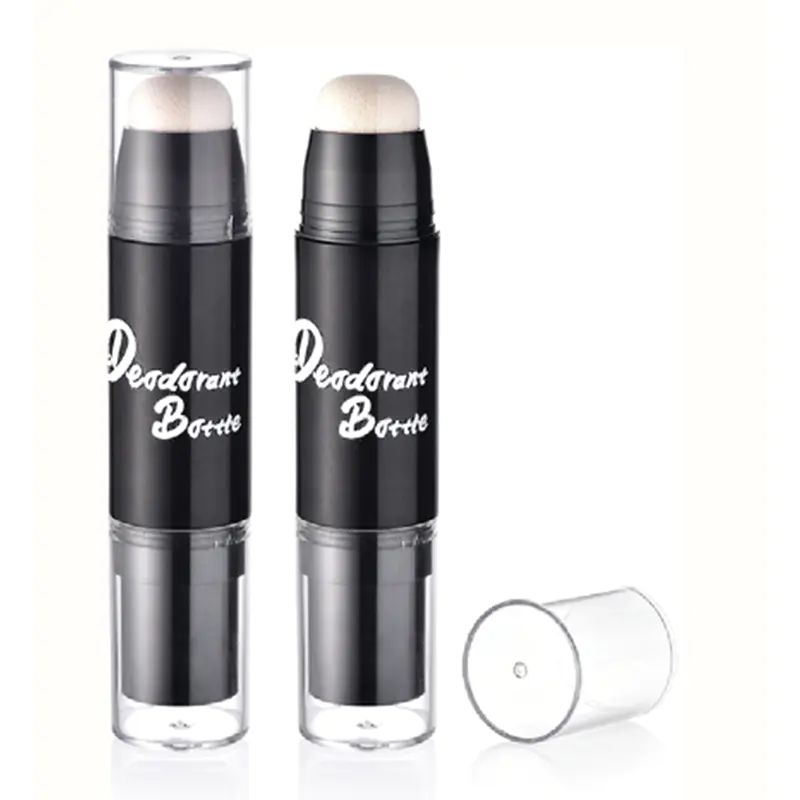
GY-DS11A Twist Type Sponge Applicator Bottle For Foundation
Advantages for Foundation Packaging
Foundation packaging must balance several competing needs. The container should support convenient dispensing, help protect the formula during ordinary use, provide a clean user experience, and offer enough visual flexibility for brand presentation. It should also suit the product’s texture and target market. The GY-DS11A is positioned as a practical response to these requirements through its integrated sponge head and compact twist structure.
One advantage is direct application. A consumer does not necessarily need to transfer foundation to the back of the hand or onto a separate tool before beginning the makeup routine. The applicator is already part of the package. This can make the product appealing to users who value speed, simplicity, and portability.
Another advantage is controlled product presentation. A twist-style mechanism can provide a more deliberate dispensing action than an open container. The user activates the package rather than pouring out a large amount of product. This may help support portion control, although the precise output will depend on the formula, internal component design, and filling process.
The package is also suitable for compact product concepts. At 10 grams, it can be positioned as a portable foundation, travel foundation, mini blush, trial-size complexion product, or touch-up item. A brand may use the same basic format for a shade collection, with each shade identified through decoration, color coding, labeling, or other design elements.
Compared with a traditional jar, the applicator bottle may provide a more direct and less exposed application process. A jar normally requires the consumer to open the container and use fingers or a separate tool. The GY-DS11A gives the package a more specialized function and may help brands create a differentiated user experience.
Compared with a conventional tube, the sponge-head format can provide a more recognizable cosmetic application method. Tubes are highly practical, but they generally dispense the product onto a finger, palette, or external sponge. The GY-DS11A brings the applicator to the product outlet, helping the package serve a more complete role.
Compared with a standard pump bottle, the product offers an alternative visual and functional identity. Pump bottles are common in complexion cosmetics, while a twist sponge applicator can create a more compact and novel presentation. This difference can be valuable for brands developing a new product line or seeking to refresh an existing format.
Advantages for Blush and Other Color Cosmetics
Although the product title identifies foundation as the principal use, the supplied information also lists blush as a suitable application. This broadens its commercial potential. Liquid blush products increasingly require packaging that allows controlled placement and blending. An integrated sponge head can help the user apply color to the cheeks without immediately reaching for an additional brush or sponge.
A compact blush package may be attractive to consumers who prefer lightweight makeup bags. The 10-gram capacity is suitable for a small cosmetic product while still providing a practical format for everyday use. Brands can position the container for liquid blush, cream blush, complexion tint, highlighting products, or other compatible formulas after conducting appropriate compatibility and performance testing.
The product information also refers to lip balm in some packaging descriptions. However, the main product title and usage information focus on foundation and blush. For this reason, lip balm should be treated as a possible concept for evaluation rather than the primary positioning of the GY-DS11A. Any alternative use would need to be confirmed through formula compatibility testing, sponge-material assessment, dispensing trials, and consumer safety evaluation.
The same principle applies to other cosmetic formulas. A container may be structurally suitable for a product category while the final formulation requires additional testing. Viscosity, pigment concentration, oil content, volatile ingredients, preservatives, fragrance, and active ingredients can all affect dispensing and applicator performance. Brands should therefore evaluate the complete package and formula system before commercial launch.
Portable 10-Gram Capacity
Capacity is a major consideration in cosmetic packaging because it influences product positioning, retail price, logistics, consumer expectations, and usage occasions. The GY-DS11A is available in a 10-gram size, providing a balance between compactness and practical product quantity.
A 10-gram package can support several commercial strategies. It may serve as a standard size for a small makeup product, a portable version of a larger complexion product, or a sampling format for a new formula. It can also be included in beauty subscription boxes, promotional sets, seasonal kits, travel collections, and influencer campaigns.
From a consumer perspective, the compact size can simplify storage and transport. The package may fit into a handbag, makeup pouch, desk drawer, or travel toiletry bag. Consumers who perform makeup touch-ups during the day may value a product that combines a small footprint with an integrated applicator.
From a brand perspective, smaller packaging can support shade expansion. A company can offer multiple colors or undertones in a manageable package format, allowing customers to select products according to skin tone, seasonal preference, or desired makeup effect. The container can also help a brand test a new product concept before introducing a larger capacity.
For logistics, a compact format may simplify retail display planning and help brands design multi-piece sets. However, the final shipping efficiency depends on the external carton, filling quantity, secondary packaging, and order configuration. Brands should assess the complete package system rather than relying on container size alone.
Surface Finishing and Brand Customization
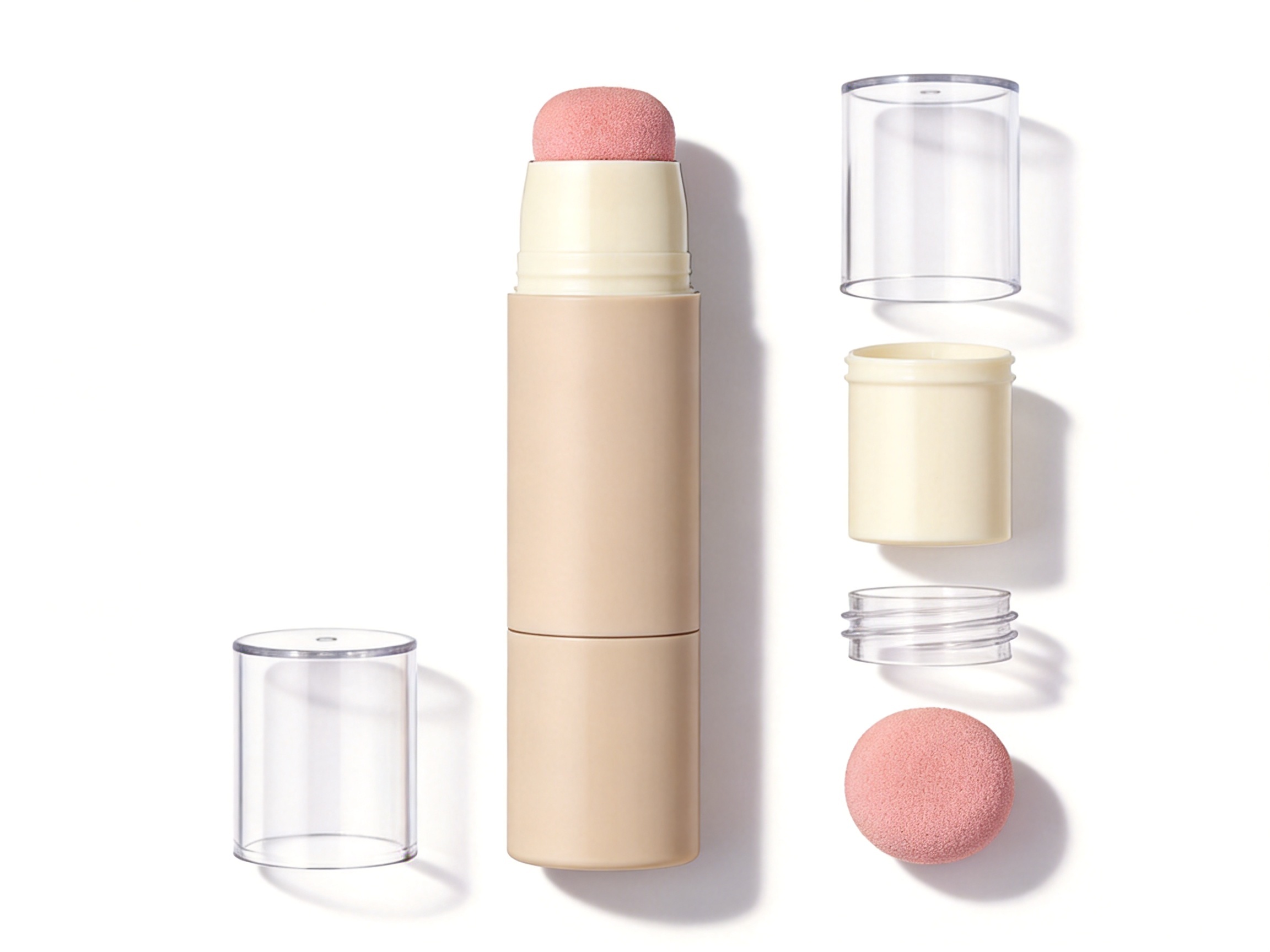
Cosmetic packaging is a visible part of brand communication. The shape, color, decoration, and tactile finish can influence how consumers perceive product quality. The GY-DS11A supports several surface finishing options, including screen printing, hot stamping, and 3D printing. These options give brands flexibility when developing a visual identity for foundation, blush, and other personal care products.
Screen printing can be used for logos, product names, shade information, decorative patterns, and functional instructions. It is a familiar packaging decoration method and can support clean, readable graphics on suitable surfaces. Brands may use one-color printing for a minimalist appearance or combine multiple colors for a more expressive design.
Hot stamping can create a reflective or premium visual effect. Metallic accents, foil-style logos, and selected decorative details may help a package communicate luxury, modernity, or exclusivity. When used selectively, hot stamping can draw attention to the brand mark or product name without overwhelming the overall design.
Three-dimensional printing offers another route for decorative experimentation. Raised elements, textured patterns, and dimensional branding can contribute to a more distinctive tactile experience. This may be useful for limited editions, special collections, or products targeted at consumers who respond to unusual packaging details.
Customization also allows a brand to separate shades and product variants. A company may apply different colors, printed labels, decorative bands, or identifying marks to distinguish foundation shades and blush tones. Consistent packaging architecture combined with shade-specific decoration can help create a coherent product family.
Decoration should be selected according to the package material, intended production quantity, artwork complexity, durability expectations, and budget. It is also important to confirm that printed or stamped elements remain legible during handling, transportation, and ordinary cosmetic use. GreenYard’s design and production teams can support the process by coordinating packaging structure and surface presentation.
Manufacturing Strengths Behind the Product
The performance of a cosmetic container depends not only on its visible design but also on the manufacturing process behind it. A twist applicator package includes multiple functional considerations: dimensional accuracy, component fit, thread or twist alignment, product passage, sponge attachment, cap closure, decoration quality, and final assembly. Each stage must be managed carefully to produce a consistent commercial package.
GreenYard Tools Co., Ltd. is described as a high-end packaging material manufacturer from China specializing in spray product manufacturing for 16 years. Its product range includes perfume sprayers, pump heads, caps, bottles, and daily chemical packaging solutions. This experience gives the company a broad understanding of dispensing components, plastic packaging structures, and personal care product requirements.
The company reports a daily production capacity of one million units. High production capacity can be valuable for brands that require stable supply, repeat orders, and scalable output. It may also support the production of large promotional campaigns, international retail launches, and multi-shade product collections. Capacity alone does not guarantee quality, but it creates the foundation for serving substantial commercial demand when paired with appropriate process control.
The company’s capabilities include mold design. Mold design is an important stage in plastic packaging development because it affects shape, dimensions, surface quality, parting lines, component fit, and production efficiency. For a twist sponge applicator package, the mold must support the intended external appearance while also accommodating functional internal features.
Injection molding is another core capability. This process can produce repeatable plastic components at commercial scale when materials, mold conditions, machine settings, and inspection procedures are controlled. Consistency is especially important for cosmetic packaging because the user expects the cap, body, twist mechanism, and applicator components to work together smoothly.
Automated assembly can help improve production efficiency and component consistency. A package made from several parts must be assembled in the correct sequence and orientation. Automation may reduce variation associated with manual handling and help manufacturers maintain output for larger orders. It can also support process repeatability in operations such as component insertion, fitting, capping, and inspection.
Quality inspection completes the manufacturing system. Inspection may address appearance, dimensional accuracy, assembly condition, decoration, closure performance, and other customer-defined requirements. The exact inspection plan should be established according to the package structure, formula, order volume, and applicable market expectations.
| Manufacturing capability | Relevance to the applicator package |
| Mold design | Supports the development of accurate body, cap, twist, and component structures. |
| Injection molding | Enables repeatable production of plastic packaging components at scale. |
| Automated assembly | Helps maintain consistent component placement and assembly efficiency. |
| Quality inspection | Supports checks for appearance, fit, function, and production consistency. |
| Design support | Helps brands adapt packaging appearance and finishing to market requirements. |
| High production capacity | Supports repeat orders, larger programs, and international supply requirements. |
How the Product Compares with Common Alternatives
Every cosmetic packaging format has advantages and limitations. The best choice depends on the formula, target customer, price point, brand identity, and application method. The GY-DS11A distinguishes itself by combining a compact container with a built-in sponge applicator and twist-style dispensing.
Compared with a conventional cosmetic jar
A jar provides a wide opening and can be useful for thick creams, balms, and solid products. However, the user generally needs to use fingers or a separate tool to remove and apply the formula. The jar format may also expose more of the formula whenever the container is opened. The GY-DS11A offers a more specialized and portable alternative for compatible liquid foundation and blush products, with an applicator integrated into the package.
Compared with a standard tube
A tube is lightweight, familiar, and often economical. It can dispense products effectively, but the formula usually exits through a nozzle and must be spread with fingers or a separate applicator. The GY-DS11A is more application-oriented because its sponge head is part of the product design. This can create a more complete user experience and give the package a stronger point of differentiation.
Compared with a pump bottle
A pump bottle can offer convenient dispensing and is widely used for liquid cosmetics. It may also be suitable for larger capacities. The GY-DS11A is more compact and focuses on direct sponge application. It may be preferable for brands that want a portable, novelty-oriented, or travel-friendly format rather than a conventional countertop bottle.
Compared with a dropper bottle
Dropper packaging is commonly used for skincare serums and lightweight cosmetic formulas. It can provide measured liquid transfer, but it normally requires the consumer to place the product onto the hand or skin before blending. The twist sponge applicator format is more closely associated with direct makeup application and may be more convenient for users who want to apply and blend in one sequence.
Compared with a cushion compact
A cushion compact also combines formula storage with a sponge application concept. However, a cushion compact generally uses a compact case, an internal soaked cushion, and a separate puff or pad. The GY-DS11A presents a narrower, bottle-style format with an integrated sponge head. This can provide a different visual identity, carrying experience, and product architecture for brands that want an alternative to the traditional cushion compact.
These comparisons do not mean that one format is universally superior. Instead, they show where the GY-DS11A may have a competitive advantage: compact direct application, integrated functionality, distinctive presentation, and flexible decoration. Its suitability should be evaluated against the formula and intended consumer experience.
Formula Compatibility and Development Considerations
Packaging development should always consider the relationship between the container and the formula. Foundation and blush products can vary widely in viscosity, pigment load, oil phase, water phase, film-forming ingredients, and preservation system. A package that performs well with one formula may require adjustment for another.
Before mass production, brands should conduct compatibility testing between the formula, bottle materials, internal components, sponge head, decoration, and closure. Testing may include storage at different temperatures, repeated dispensing, long-term contact, transport simulation, and visual inspection. The goal is to determine whether the package maintains function and appearance throughout the expected product life.
Dispensing trials are particularly important for a twist applicator format. The product should move through the intended pathway and reach the sponge head in a predictable manner. The amount delivered may be affected by viscosity, temperature, pigment concentration, and the number of twists. Brands should establish practical usage instructions and verify that the applicator provides a satisfactory application result.Product: GY-DS11A Twist Type Sponge Applicator Bottle For Foundation

-
Roll On Bottles: Types, Refill Guide, and Packaging Buying Tips for Your Brand
The first sample rolled smoothly, the second clicked, and the third leaked after ten presses. Three...
-
What Is Perfume Spray? How Atomizers Work, Mist Types and Packaging Basics
Press the actuator on a fragrance bottle once and a metered dose of liquid, usually between 0.05 an...
-
Crimp Pumps Demystified: Choosing the Right Type and Material for Every Cosmetic Formula
Walk into any cosmetic filling facility and you will find crimp pumps on everything from a delicate ...
-
Aerosol vs Spray: Key Differences, Packaging Choices, and Practical Buying Tips
Two quotations land on a packaging buyer's desk. One is a pressurized aerosol can; the other is a m...
Copyright © GreenYard Tools Co.,ltd. All Rights Reserved.
Personal Care Packaging Manufacturer Custom Perfume Sprayers Factory