
-
About Us
Why Choose Us?The company possesses advanced capabilities in mold design, injection molding, and automated assembly, supported by a professional quality inspection team to ensure product reliability. A dedicated design team continuously drives product innovation, providing customers with high-quality spray solutions.
 Coming From China, Marketing To The World.
 -
Products
-
News
 English
 Français
 русский
 Español
1CC 24-410 All-Plastic Left-Right Lock Dispenser Pump for Clean Personal Care Packaging
Content
- 1 Product Overview
- 2 Core Specifications
- 3 Why a 1CC Dosage Matters
- 4 All-Plastic Construction and Its Competitive Advantages
- 5 Left-Right Lock for Safer Storage and Transportation
- 6 Anti-Drip Performance for Cleaner Use
- 7 Smooth Closure Appearance and Brand Presentation
- 8 Custom Dip Tube Length for Reliable Liquid Uptake
- 9 Applications in Personal Care and Daily Chemical Packaging
- 10 Advantages Over Competing Pump Solutions
- 11 Manufacturing Strength Behind the Product
- 12 Design Support and Customization
- 13 Formula Compatibility Considerations
- 14 Consumer Experience and Ergonomics
- 15 Packaging Value for Brands
- 16 Supply Reliability and Global Market Support
- 17 Practical Selection Guide for Buyers
- 18 Quality Testing Recommendations
- 19 Sustainability Perspective
- 20 Q&A Section
- 20.1 Q1: What type of product is this pump designed for?
- 20.2 Q2: What does 1CC dosage mean?
- 20.3 Q3: What bottle neck size does the pump fit?
- 20.4 Q4: What is the benefit of the left-right lock?
- 20.5 Q5: Why is the all-plastic design important?
- 20.6 Q6: Does the pump help prevent dripping?
- 20.7 Q7: Can the dip tube length be customized?
- 20.8 Q8: Is this pump suitable for e-commerce packaging?
- 20.9 Q9: Can the pump color be customized?
- 20.10 Q10: What manufacturing strengths support product quality?
- 21 Conclusion
- 22 References
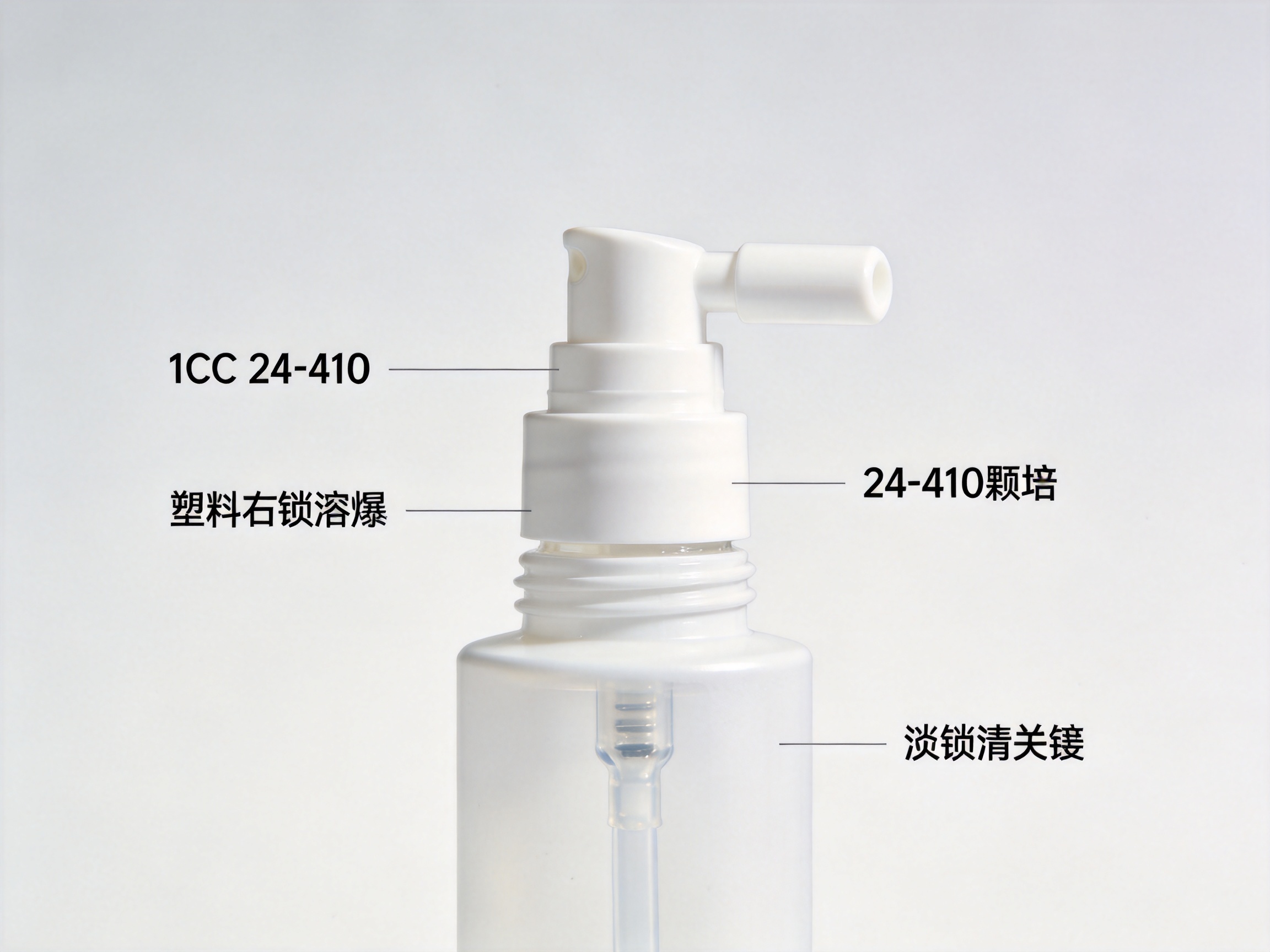
In personal care, home care, and daily chemical packaging, a dispenser pump is more than a closure accessory. It is the part of the package that the user touches, presses, locks, unlocks, and trusts every day. A well-designed lotion pump can protect the formula, control dosage, reduce waste, prevent leakage, and improve the overall perception of product quality. The 1CC dosage 24-410 all-plastic left-right lock dispenser pump is designed for brands that require clean dispensing, reliable closure performance, convenient operation, and compatibility with commonly used bottle neck finishes.
This product belongs to the lotion pump category, but its application range extends beyond traditional lotions. It is suitable for cleansing products, shampoo, hand soap, makeup remover oil, and other medium-viscosity personal care or cleaning formulas. Its 1CC output per stroke offers a balanced dosage that is practical for daily use: sufficient for efficient dispensing, yet controlled enough to reduce overuse. The 24-410 neck size makes it compatible with a wide range of plastic bottles used in cosmetic, personal care, and household packaging.
One of the most important features of this dispenser pump is its all-plastic structure. In modern packaging, mono-material or metal-free pump designs are increasingly valued because they support easier recycling, reduce the risk of metal corrosion, and create a cleaner material profile for brands seeking improved sustainability. Combined with a left-right lock mechanism, smooth closure finish, customizable dip tube length, and anti-drip performance, this pump provides a complete dispensing solution for both manufacturers and end users.
GreenYard Tools Co.,ltd. manufactures this type of pump with advanced mold design, injection molding, automated assembly, and quality inspection capabilities. With long-term experience in spray products, pump heads, caps, bottles, and daily chemical packaging solutions, the company provides not only individual components but also customized packaging support for global markets. The 1CC 24-410 all-plastic left-right lock dispenser pump reflects this manufacturing background: it is built for stable performance, practical usability, and scalable production.
Product Overview
The 1CC 24-410 all-plastic left-right lock dispenser pump is a controlled-output pump designed for bottles requiring a clean, convenient, and secure dispensing system. The pump delivers approximately 1CC of product with each full press, helping consumers use a consistent amount of formula. This dosage is suitable for many personal care and cleaning products because it offers enough liquid for practical use while avoiding excessive dispensing.
The 24-410 size refers to the closure specification. The “24” indicates the approximate neck diameter in millimeters, while “410” refers to the thread style and finish standard. This size is widely used for personal care bottles, shampoo bottles, cleansing product bottles, and daily chemical containers. For brands, a common neck specification helps simplify packaging development because many bottle designs can be matched with the same pump standard.
The left-right lock mechanism is another major usability feature. Users can lock or unlock the pump head by turning it left or right. This helps prevent accidental pressing during transportation, storage, and retail display. Compared with a pump that remains open after assembly, a lockable pump improves safety and cleanliness. It also creates a better consumer experience because the product can be carried, stored, or placed in a bathroom cabinet with lower risk of leakage.
The pump has a smooth closure type, giving it a clean appearance that suits modern cosmetic and personal care packaging. Smooth closures are often preferred when the brand wants a minimal, elegant, or premium look. The finish can also be customized in color to match the bottle, label, or brand identity. When combined with different actuator styles and bottle shapes, the pump can support a wide range of packaging designs from simple functional products to refined personal care lines.
Core Specifications
Product Type |
All-plastic dispenser pump |
Category |
Lotion pump |
Dosage |
1CC per stroke |
Neck Size |
24-410 |
Lock Type |
Left-right lock |
Closure Type |
Smooth closure |
Dip Tube Length |
Customized according to bottle height |
Recommended Applications |
Cleansing products, shampoo, hand soap, makeup remover oil, and similar daily care formulas |
Main Performance Feature |
Controlled output with anti-drip dispensing design |
Why a 1CC Dosage Matters
Dosage accuracy is a key factor in pump packaging. If a pump dispenses too little product, users may need to press repeatedly, which reduces convenience. If a pump dispenses too much product, consumers may waste formula and finish the bottle sooner than expected. A 1CC output is a practical middle range for many personal care and cleansing products. It supports controlled application and gives users a predictable experience each time they press the actuator.
For shampoo or cleansing formulas, 1CC may be used as a manageable unit of dosage. Consumers can press once for a small amount or press multiple times depending on hair length, skin area, or cleaning need. This makes the pump intuitive: one press equals one measured portion. For hand soap, makeup remover oil, and cleansing lotion, the 1CC output helps create a clean and efficient dispensing habit.
For brands, a consistent dosage can also support product positioning. A premium cleanser, for example, may need a pump that dispenses a controlled amount to emphasize formula efficiency. A family shampoo may require convenient dispensing to avoid spills in the bathroom. A makeup remover oil needs a pump that dispenses smoothly and reduces the chance of residue dripping onto the bottle or countertop. In all these cases, 1CC output contributes to both function and perceived quality.
All-Plastic Construction and Its Competitive Advantages
Traditional dispenser pumps often contain metal components, especially metal springs. While metal springs can provide elastic force, they may complicate recycling and may not be ideal for certain formulas. An all-plastic design offers several advantages in modern packaging development. It reduces material complexity, supports a cleaner recycling stream, and avoids the possibility of metal contact with sensitive formulations.
In the personal care industry, all-plastic pumps are increasingly attractive because brands and consumers are more aware of packaging sustainability. A pump made entirely from plastic components can be easier to classify and process than a mixed-material pump. Although recycling systems vary by market, reducing unnecessary material combinations is a practical step toward more responsible packaging design.
The all-plastic construction also supports corrosion resistance. Some cleansing products, oils, or chemical formulas may interact with metal over long storage periods. A metal-free pump can help reduce concerns about spring corrosion or contamination. This is especially valuable for formulas that require a clean dispensing path and stable long-term performance.
Compared with many conventional pumps, the all-plastic left-right lock dispenser pump offers a more modern material concept. It is not simply a replacement for a standard lotion pump; it is a design response to current packaging expectations. Brands looking for sustainable appearance, reliable dispensing, and simplified material composition can use this pump as part of a broader packaging upgrade.
Left-Right Lock for Safer Storage and Transportation
The left-right lock mechanism is designed to reduce accidental activation. In daily use, a pump may be pressed unintentionally during shipping, warehouse handling, retail display, e-commerce delivery, travel, or bathroom storage. When the pump head is locked, accidental pressure is less likely to dispense liquid. This improves cleanliness and reduces product loss.
Many consumers have experienced bottles that leak inside a bag or leave sticky residue around the nozzle. A dependable lock design directly addresses this problem. By allowing the user to turn the pump head into a locked position, the product becomes easier to store and transport. This feature is especially useful for personal care products that may be moved between home, gym, workplace, or travel luggage.
For manufacturers and brands, the lock design also helps reduce complaints related to leakage during delivery. E-commerce packaging has increased the importance of secure closures because products may be handled in multiple orientations during shipping. A lockable pump can add an important layer of protection, especially when combined with proper bottle selection, torque control, sealing components, and outer packaging.
The left-right lock is also user-friendly. Unlike complicated safety closures, it is simple to understand and operate. Consumers can quickly twist the actuator to unlock it for use and twist it back to lock after use. This intuitive operation enhances the product experience without requiring instructions that are difficult to follow.
Anti-Drip Performance for Cleaner Use
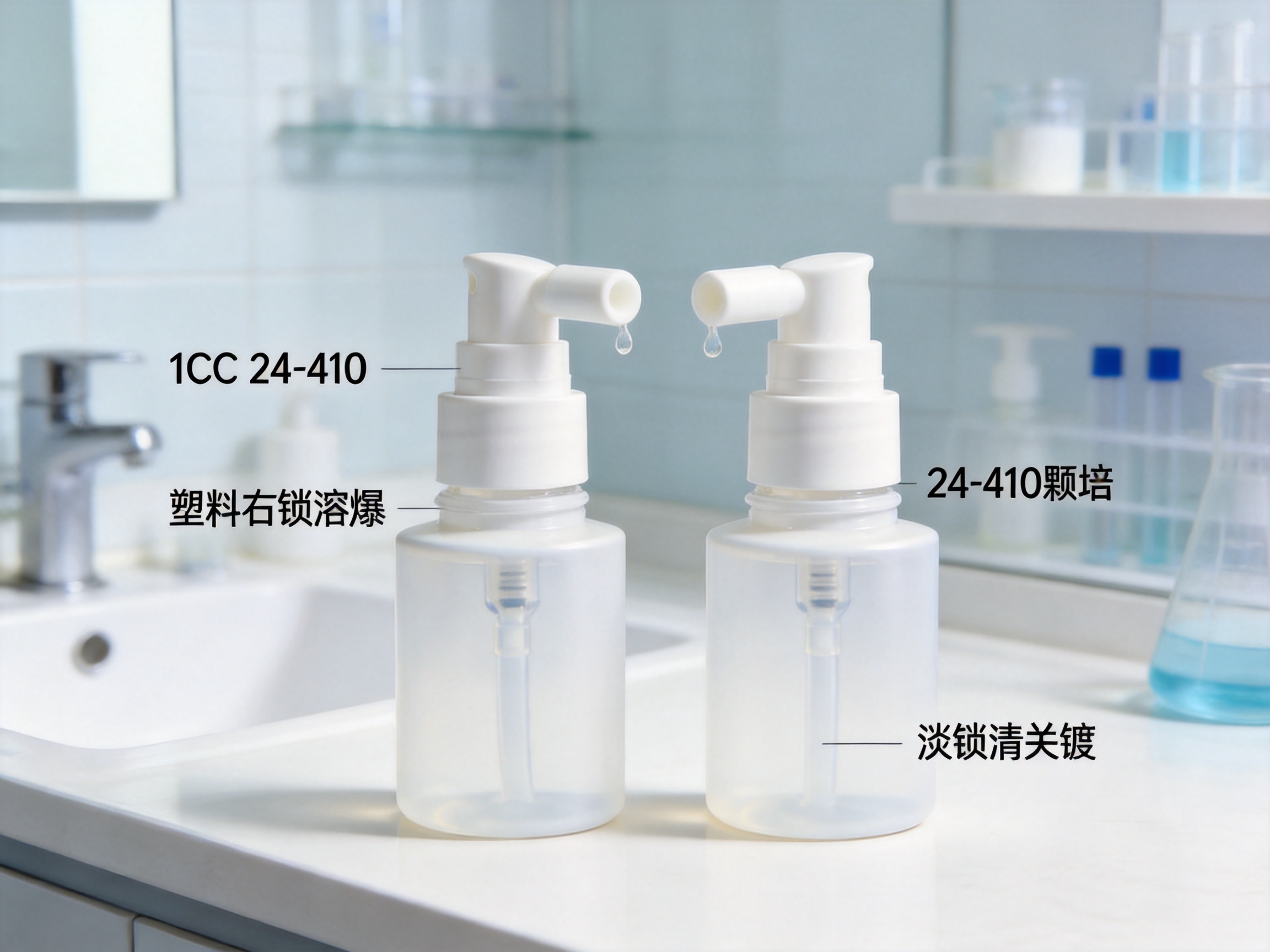
One of the highlighted design benefits of this dispenser pump is its anti-drip mechanism. A common problem with pump products is residual liquid remaining at the nozzle after dispensing. This residue may slowly drip onto the bottle, label, shelf, or user’s hand. Over time, the package can look dirty, and the formula may be wasted. For products such as makeup remover oil, hand soap, shampoo, and cleansing gel, post-use residue can be especially noticeable.
The anti-drip design helps address this issue by allowing residual liquid at the nozzle to drain back toward the pump chamber rather than remaining exposed at the outlet. This supports a cleaner appearance after use. A clean nozzle is not only a functional advantage but also a brand image advantage. Consumers often judge product quality by small details, and a pump that stays clean can make the entire package feel more reliable.
In competitive retail environments, clean dispensing can differentiate one product from another. Two bottles may contain similar formulas, but the one with a pump that dispenses neatly and prevents messy residue may create a stronger user preference. This is particularly important for products used daily. A consumer may press the pump hundreds of times during the life of one bottle, so small improvements in dispensing behavior have a large cumulative effect.
Anti-drip performance also supports label protection. If liquid frequently drips down the bottle, labels may become stained, wrinkled, or detached, especially with oil-based or surfactant-rich products. A cleaner pump helps maintain packaging appearance throughout the product’s use cycle. This can be valuable for brands that invest in high-quality labels, decorative printing, or premium bottle design.
Smooth Closure Appearance and Brand Presentation
The closure finish influences both function and visual identity. A smooth closure gives the pump a refined and clean look. It is suitable for cosmetic and personal care brands that prefer minimalist packaging. It can also fit well with bottles that have smooth shoulders, simple cylindrical forms, or elegant color schemes.
Compared with ribbed closures, smooth closures can appear more premium and less industrial. Ribbed closures are useful for grip, but smooth closures often provide a softer visual profile. For products displayed in bathrooms, salons, spas, hotels, and retail shelves, appearance matters. Consumers respond to packaging that looks clean, balanced, and intentional.
The smooth closure can be produced in different colors to match brand requirements. A white pump may suggest cleanliness and simplicity. A black pump may communicate modern style or premium positioning. Transparent, natural, pastel, metallic-effect, or custom color finishes may be selected depending on the bottle and formula concept. With suitable material and color control, the pump can become a consistent part of the brand’s packaging system.
GreenYard Tools Co.,ltd. supports packaging customization through design and production capabilities. Because the company manufactures pump heads, caps, bottles, and related packaging components, it can help customers coordinate the appearance of multiple parts. This is important when a brand wants packaging that looks unified across different product sizes, formulas, or product categories.
Custom Dip Tube Length for Reliable Liquid Uptake
The dip tube is a simple but critical component. It extends from the pump body into the bottle and draws product upward during dispensing. If the dip tube is too short, product may remain at the bottom of the bottle and become difficult to dispense. If the dip tube is too long, it may bend excessively, block flow, or create assembly difficulties. Therefore, customized tube length is essential for stable performance.
The 1CC 24-410 dispenser pump can be supplied with a dip tube length customized according to bottle height and shape. This allows the pump to match different container designs. Straight-walled bottles, oval bottles, round bottles, shoulder-shaped bottles, and tall slim bottles may all require different tube lengths. Proper customization improves product evacuation and user satisfaction.
For formulas such as shampoo or cleansing lotion, viscosity can affect how easily the product travels through the tube. A correctly sized dip tube helps maintain steady liquid uptake. It also supports consistent dosage from the first uses of the bottle to the final portion near the bottom. This is important for reducing waste and improving consumer perception of product value.
From a production standpoint, customized dip tubes also improve compatibility during filling and assembly. When the tube length is designed correctly, it can be inserted smoothly into the bottle without excessive resistance. This supports efficient production line operation and reduces the risk of bent tubes or incomplete closure application.
Applications in Personal Care and Daily Chemical Packaging
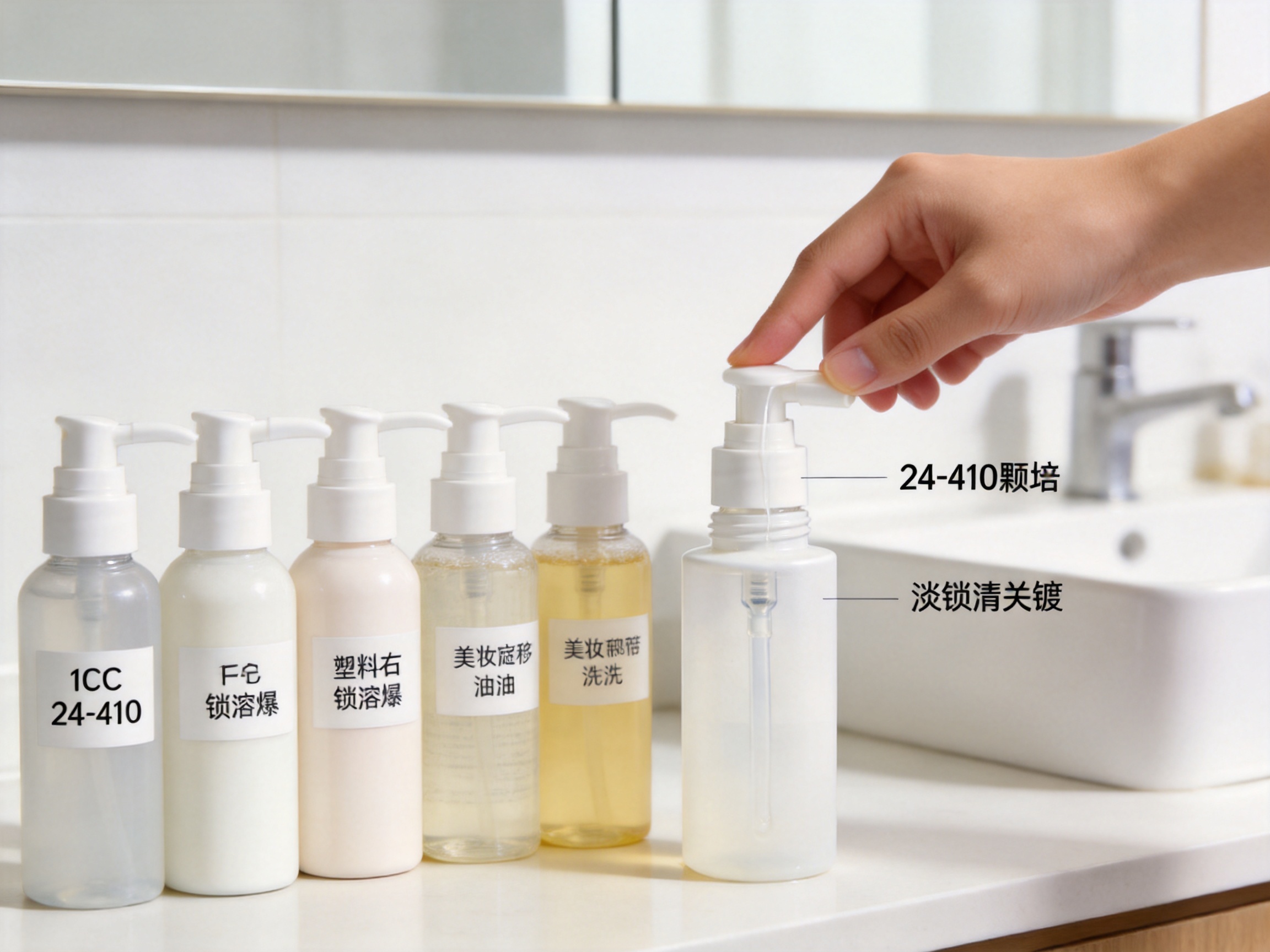
This pump is suitable for a range of products where controlled liquid dispensing is required. Its primary applications include cleansing products and shampoo, but it can also be used for hand soap, makeup remover oil, shower gel, body wash, light lotions, and similar formulas. The pump’s controlled output and anti-drip design are particularly useful for products used near sinks, showers, vanities, and bathroom counters.
For cleansing products, the pump offers convenience and hygiene. Consumers do not need to unscrew a cap or pour product manually. A simple press dispenses a measured amount into the hand, cotton pad, sponge, or cleansing tool. This reduces direct contact with the bottle opening and helps maintain a cleaner user experience.
For shampoo, the pump helps prevent over-pouring. Traditional flip-top caps may dispense too much product, especially when bottles are squeezed. A pump creates more control. This is useful for family-size bottles, salon bottles, hotel amenity bottles, and home care products. A 1CC dosage can be repeated as needed while still giving users a consistent measurement.
For hand soap, a lockable pump can be useful during transport and refilling. Many hand soap products are sold online or in multipacks, and leakage can create customer dissatisfaction. A secure locking actuator reduces this risk. The anti-drip feature also helps keep sink areas cleaner.
For makeup remover oil, clean dispensing is particularly important because oil residue can spread easily and make the bottle slippery. An anti-drip pump helps control the formula after each press. This can improve user confidence and make the product feel more premium.
Advantages Over Competing Pump Solutions
Compared with non-locking pumps, this product offers better transport security and storage convenience. Non-locking pumps may be suitable for stationary products, but they present higher leakage risk during shipping or travel. The left-right lock helps protect the formula and package from accidental dispensing.
Compared with mixed-material pumps, the all-plastic structure provides a cleaner material concept and avoids metal spring concerns. In markets where sustainability and recyclability are important selling points, an all-plastic pump can help brands communicate a more responsible packaging direction. It also supports compatibility with formulas where metal contact is undesirable.
Compared with pumps that have poor nozzle control, the anti-drip design improves cleanliness. A pump that leaves residue at the outlet may create a messy package, damage labels, and waste formula. This product is designed to return residual liquid toward the pump chamber, improving the user experience after each press.
Compared with pumps with fixed tube lengths, the customizable dip tube improves bottle compatibility. Many competitors offer standard tube lengths that may not fit every bottle. Customization allows brands to achieve better evacuation and smoother assembly. This is especially important for brands using unique bottle shapes or multiple bottle sizes in the same product line.
Compared with pumps that focus only on basic dispensing, this model combines dosage control, lockability, anti-drip performance, all-plastic construction, smooth aesthetics, and customization. The value is in the combination of features. A single feature may be easy to find, but a balanced system of practical advantages can provide stronger overall packaging performance.

Manufacturing Strength Behind the Product
A dispenser pump is a precision plastic component. It must operate repeatedly, fit securely on a bottle, resist leakage, and dispense formula consistently. Achieving these results requires more than simple molding. It requires accurate mold design, stable injection molding, controlled assembly, material selection, and quality inspection. GreenYard Tools Co.,ltd. has developed these manufacturing strengths through long-term specialization in spray and pump packaging.
The company has 16 years of experience in spray product manufacturing and produces perfume sprayers, pump heads, caps, bottles, and daily chemical packaging solutions. This broad product base gives the company an understanding of multiple dispensing mechanisms, closure systems, actuator designs, and container requirements. Such experience is valuable when developing a lotion pump that must meet practical market expectations.
Daily production capacity can reach one million units, indicating strong scalability. For customers, this matters because packaging supply must be reliable. A pump may be small, but if it is delayed, the entire filling project can be affected. High production capacity supports both large orders and stable long-term cooperation.
The company’s manufacturing process includes mold design, injection molding, automated assembly, and quality inspection. Each stage contributes to final pump performance. Mold design determines component precision. Injection molding affects dimensional stability and surface quality. Automated assembly supports consistency and efficiency. Quality inspection verifies that the finished products meet functional and appearance requirements.
Advanced Mold Design
Mold design is the foundation of pump quality. A dispenser pump contains multiple small plastic components that must fit and move accurately. If a mold is not precise, parts may have poor sealing, rough movement, inconsistent dosage, or assembly problems. Advanced mold design helps control dimensions, wall thickness, flow paths, and surface finish.
For a 24-410 pump, the closure thread must match bottle neck standards. The actuator must move smoothly. The internal chamber must support 1CC dosage. The locking structure must engage securely. The nozzle must be shaped to dispense cleanly. Each of these features depends on accurate tooling.
GreenYard’s mold design capability allows customization and product optimization. Customers may require specific colors, actuator shapes, closure appearances, tube lengths, or performance adjustments. A strong mold development team can support these requirements while maintaining manufacturability and consistency.
Precision Injection Molding
Injection molding is where plastic parts take shape. Stable molding conditions are essential for consistent pump performance. Temperature, pressure, cooling time, material flow, and mold maintenance all influence the final part. Small dimensional changes can affect locking, sealing, dosage, and assembly.
For the all-plastic dispenser pump, injection molding must produce parts that are strong enough for repeated pressing and accurate enough for internal movement. The closure must maintain thread integrity. The actuator must resist deformation. The pump body must support stable liquid flow. The locking structure must keep its shape through use.
Advanced injection molding also supports appearance quality. Smooth closures require clean surfaces without obvious defects. Color consistency is important when pumps are used in brand packaging. A stable molding process helps prevent color variation, sink marks, flash, warpage, and other appearance issues.
Automated Assembly
Automated assembly improves consistency and production efficiency. A dispenser pump includes several components that must be assembled in the correct sequence with accurate positioning. Manual assembly can be suitable for some specialized products, but automation is often preferred for high-volume pump production because it reduces variation and improves speed.
Automated systems can help ensure that parts are inserted correctly, aligned properly, and tested efficiently. This contributes to stable actuation, reliable locking, and consistent output. For customers placing large orders, automated assembly supports uniform product quality across batches.
Automation also supports hygiene and cleanliness in packaging component production. Reduced manual handling can help maintain cleaner parts, which is important for personal care and cosmetic packaging. While final suitability depends on customer requirements and product handling standards, automated assembly is an important step toward controlled manufacturing.
Quality Inspection
Quality inspection is essential because pump defects may not be visible from the outside. A pump may look acceptable but still have leakage, weak locking, inconsistent dosage, or poor recovery. Functional testing helps identify these issues before shipment. Inspection may include appearance checks, dimensional checks, locking tests, dosage tests, leakage tests, and assembly verification.
For a 1CC dispenser pump, dosage consistency is particularly important. Customers expect each stroke to deliver a reliable amount. If output varies widely, the user experience suffers. Quality inspection helps ensure that the pump performs as intended.
Leakage control is another major inspection focus. A pump must maintain closure integrity and prevent formula from escaping during normal handling. Locking performance must also be checked to ensure the actuator remains secure when locked and operates smoothly when unlocked.
Design Support and Customization
Modern packaging projects often require customization. A brand may need a specific pump color, tube length, bottle match, or aesthetic direction. GreenYard Tools Co.,ltd. is supported by a dedicated design team that promotes product innovation and helps customers develop suitable packaging solutions. This design support is valuable for both new product development and packaging upgrades.
Customization can begin with compatibility. The pump must match the bottle neck, bottle height, and formula type. The dip tube can be cut to a specified length. The closure can be produced in colors that fit brand identity. The actuator can be selected or developed according to dispensing comfort and appearance requirements.
For brands with multiple product lines, consistent packaging components can help create a unified shelf presence. The same pump style may be used across cleansing oil, shampoo, hand soap, and body wash, with color or bottle differences identifying each formula. This improves brand recognition and simplifies procurement.
Design support can also help customers avoid common packaging problems. For example, a formula with higher viscosity may require attention to pump output and flow behavior. A tall bottle may require a carefully selected dip tube. An e-commerce product may need stronger locking and leakage protection. A premium cosmetic product may require stricter appearance standards. An experienced packaging manufacturer can help address these issues early.
Formula Compatibility Considerations
Choosing a pump requires attention to formula characteristics. Viscosity, chemical composition, fragrance content, oil content, surfactants, and preservatives can all affect pump performance. While the 1CC 24-410 all-plastic left-right lock dispenser pump is suitable for many cleansing and personal care products, compatibility testing is always recommended before mass production.
Cleansing products may contain surfactants that create foam or slippery residues. The pump must dispense these formulas smoothly without clogging or dripping excessively. Shampoo may be thicker and require good recovery after each press. Makeup remover oil may require careful attention to anti-drip behavior and material resistance. Hand soap may require repeated-use durability because it is pressed frequently.
Material selection and internal pump design help determine compatibility. All-plastic construction can reduce concerns related to metal interaction, but plastic compatibility with the formula should still be tested. Long-term storage, temperature changes, shipping vibration, and real-use conditions may influence performance. Professional customers often conduct filling trials, aging tests, leakage tests, and consumer-use simulations before final approval.
Consumer Experience and Ergonomics
The consumer’s experience begins when the pump is first unlocked. A good pump should feel intuitive. The user should understand how to turn the actuator, how much pressure to apply, and where the product will dispense. Smooth actuation creates confidence, while stiff or unstable movement can make the package feel low quality.
The 1CC output supports predictable use. Consumers can learn quickly how much formula one press provides. This creates a routine. For example, one press may be enough for a quick hand wash, while two or three presses may be used for shampoo depending on hair length. Predictable dosage helps consumers feel in control.
The anti-drip feature improves the after-use experience. A clean nozzle and bottle shoulder reduce frustration. The user does not need to wipe the pump frequently. This is especially important for products used in wet environments, where residue can attract water, dust, or soap buildup.
The left-right lock also improves user confidence. Consumers can close the pump before travel or storage. This gives the package a sense of security. A pump that can be locked easily is more practical for modern lifestyles, especially as consumers carry products between home, office, gym, and travel locations.
Packaging Value for Brands
For brands, packaging has strategic value. It protects the formula, communicates quality, supports differentiation, and influences repeat purchase. A pump may represent a small portion of the product cost, but it plays a major role in consumer satisfaction. If the pump leaks, clogs, drips, or breaks, the consumer may blame the entire product, even if the formula itself is excellent.
The 1CC 24-410 all-plastic left-right lock dispenser pump helps brands reduce these risks. Its controlled dosage supports formula economy. Its lock mechanism supports transport safety. Its anti-drip design supports cleanliness. Its smooth closure supports visual appeal. Its customizable dip tube supports bottle compatibility. Its all-plastic construction supports modern material preferences.
These advantages can be especially important for brands selling through e-commerce. Online orders are exposed to more handling, vibration, and orientation changes than products sold only in physical stores. A secure, lockable pump can help reduce leakage-related returns and complaints. A clean dispensing experience can also encourage positive reviews.
For retail brands, the pump contributes to shelf appeal. A smooth closure and coordinated color can make a bottle look more premium. A well-designed pump also signals convenience, which can influence purchase decisions. Consumers often prefer pump packaging for products used frequently because it feels cleaner and easier than screw caps or flip caps.
Supply Reliability and Global Market Support
Global packaging buyers need suppliers who can provide stable quality, consistent communication, and scalable manufacturing. GreenYard Tools Co.,ltd. is located in Yuyao City, Zhejiang Province, China, an area known for plastic manufacturing and packaging supply chains. The company’s experience in pump heads, perfume sprayers, caps, bottles, and daily chemical packaging gives it the capability to serve customers in different markets.
A daily production capacity of one million units supports large-volume projects. This is important for brands that need consistent supply for seasonal promotions, new product launches, or long-term retail programs. Packaging delays can affect filling schedules and market availability, so production capacity is a practical competitive advantage.
The company’s integrated capabilities also simplify sourcing. Customers can discuss pumps, caps, bottles, and related packaging solutions with one manufacturer. This can reduce coordination complexity and improve compatibility between components. For example, selecting a pump and bottle together can help ensure correct neck fit, tube length, appearance match, and functional performance.
GreenYard’s focus on innovation also supports customers who want updated packaging designs. As consumer expectations change, packaging must adapt. All-plastic pumps, anti-drip dispensing, secure locking systems, and customized aesthetics are examples of features that respond to modern market needs.
Practical Selection Guide for Buyers
When selecting the 1CC 24-410 all-plastic left-right lock dispenser pump, buyers should consider several practical factors. First, confirm the bottle neck finish. The pump is designed for 24-410 necks, so the bottle must match this specification. Even small differences in neck finish can affect sealing and torque performance.
Second, confirm formula compatibility. The product should be tested with the actual formula under expected storage and use conditions. Testing should include dispensing smoothness, dosage consistency, leakage, dripping, recovery, and long-term material compatibility.
Third, specify the dip tube length. Buyers should provide bottle drawings, bottle height, or sample bottles so the tube can be cut correctly. Proper tube length improves product evacuation and assembly efficiency.
Fourth, decide on color and appearance. The smooth closure can be matched to the brand’s packaging design. Color samples, masterbatch requirements, and visual standards should be confirmed before mass production.
Fifth, consider shipping and retail conditions. If the product will be sold through e-commerce or transported over long distances, lock performance and leakage resistance become especially important. The left-right lock design provides a useful advantage, but complete package testing is still recommended.
Quality Testing Recommendations
To maximize performance, buyers should conduct a structured qualification process. A pump sample should be assembled with the intended bottle and filled with the actual formula. The package should then be tested in upright, inverted, and side positions. Pressing cycles should be performed to evaluate output consistency and actuator recovery.
Leakage testing can include vibration, temperature cycling, and pressure simulation depending on the market and transport method. E-commerce products may require more demanding tests because packages may be dropped, shaken, or stored in different orientations. Locking reliability should be checked before and after transport simulation.
Anti-drip performance should be evaluated after repeated use. Observers can check whether liquid remains at the nozzle, whether residue runs down the actuator, and whether the bottle shoulder stays clean. For oil-based formulas, this test is especially important because even small residue can spread visibly.
Compatibility testing should include aging studies. Filled samples can be stored for a period at room temperature and elevated temperature. After aging, the pump should still dispense smoothly, lock properly, and show no significant material degradation. These tests help ensure that the package performs throughout the product’s shelf life.
Sustainability Perspective
Sustainability in packaging is complex, but material simplification is a meaningful direction. The all-plastic structure of this pump reduces reliance on mixed metal-plastic components. This can support easier sorting and recycling in systems that accept the relevant plastic materials. It can also help brands communicate progress toward more responsible packaging design.
In addition to material structure, dosage control contributes to sustainability by reducing product waste. When a pump dispenses a consistent 1CC amount, users are less likely to overuse the formula. Anti-drip performance further reduces waste by preventing residue from being lost after each use. These functional improvements may seem small, but they add up across thousands or millions of packages.
Durability is another sustainability factor. A pump that works reliably throughout the product’s life helps ensure that the consumer can use the full contents of the bottle. If a pump fails early, the remaining formula may be wasted or the consumer may discard the package prematurely. Reliable manufacturing and quality inspection support longer functional life.
Brands seeking improved sustainability should also consider bottle material, label selection, refill systems, and regional recycling rules. The pump is one important component within a broader packaging strategy. By selecting an all-plastic, controlled-dosage, anti-drip pump, brands can take a practical step toward cleaner and more efficient packaging.
Q&A Section
Q1: What type of product is this pump designed for?
This pump is designed for personal care and daily chemical products such as cleansing products, shampoo, hand soap, makeup remover oil, shower gel, body wash, and similar liquid or medium-viscosity formulas.
Q2: What does 1CC dosage mean?
1CC dosage means the pump dispenses approximately one cubic centimeter of product with each full press. This provides controlled output and helps reduce overuse.
Q3: What bottle neck size does the pump fit?
The pump is designed for 24-410 bottle necks. Buyers should confirm bottle neck compatibility before ordering to ensure proper sealing and assembly.
Q4: What is the benefit of the left-right lock?
The left-right lock allows the actuator to be locked or unlocked by turning it left or right. This helps prevent accidental dispensing during transport, storage, and travel.
Q5: Why is the all-plastic design important?
An all-plastic design simplifies material composition, avoids metal spring corrosion concerns, and supports packaging strategies focused on material reduction and improved recyclability.
Q6: Does the pump help prevent dripping?
Yes. The pump is designed with anti-drip performance that helps residual liquid at the nozzle drain back toward the pump chamber, reducing mess and waste after use.
Q7: Can the dip tube length be customized?
Yes. The dip tube length can be customized according to bottle height and design. Correct tube length improves liquid uptake and helps consumers use more of the product.
Q8: Is this pump suitable for e-commerce packaging?
It can be a strong option for e-commerce because the lock mechanism helps reduce accidental dispensing. However, complete package testing with the actual bottle and formula is recommended.
Q9: Can the pump color be customized?
Color customization is commonly available for packaging projects, depending on order requirements, material selection, and production arrangements. Matching the pump color to the bottle or brand design can improve shelf appeal.
Q10: What manufacturing strengths support product quality?
The product is supported by advanced mold design, precision injection molding, automated assembly, and quality inspection. These processes help ensure consistent dosage, reliable locking, stable appearance, and dependable performance.
Conclusion
The 1CC 24-410 all-plastic left-right lock dispenser pump is a practical and competitive solution for personal care and daily chemical packaging. It combines controlled 1CC dosage, a widely used 24-410 neck size, a secure left-right lock, smooth closure aesthetics, customizable dip tube length, and anti-drip performance. These features directly address common packaging concerns such as leakage, residue, formula waste, inconsistent dosing, and poor user experience.
Compared with many conventional pump solutions, this model offers advantages in material structure, cleanliness, security, and customization. Its all-plastic construction supports modern packaging preferences. Its anti-drip mechanism helps maintain a clean bottle and user environment. Its lockable actuator improves transport and storage safety. Its smooth closure supports elegant packaging design. Its customizable dip tube improves compatibility with different bottle formats.
Behind the product, GreenYard Tools Co.,ltd. provides manufacturing strength based on 16 years of experience in spray and pump packaging. With mold design, injection molding, automated assembly, quality inspection, and large-scale production capacity, the company can support customers seeking reliable personal care packaging components for global markets. For brands developing cleansing products, shampoo, hand soap, makeup remover oil, or related formulas, this dispenser pump offers a strong balance of performance, appearance, and production reliability.
References
1. Packaging Machinery Manufacturers Institute. Fundamentals of Liquid Dispensing and Pump Packaging.
2. Society of Plastics Engineers. Injection Molding Design Guidelines for Precision Plastic Components.
3. International Organization for Standardization. Packaging and Container Closure Compatibility Principles.
4. Cosmetic Packaging Industry Review. Trends in Mono-Material and All-Plastic Pump Systems.
5. Personal Care Products Council. Best Practices for Packaging Compatibility and Stability Testing.
6. Journal of Packaging Technology and Research. Consumer Experience Factors in Pump Dispensing Systems.

-
Amber Plastic Bottles: Lightweight, Protective, Customizable Packaging for Cosmetics
You have spent months stabilizing a vitamin C serum, only to watch a pallet of amber glass bottles ...
-
Crimp Pumps Demystified: Choosing the Right Type and Material for Every Cosmetic Formula
Walk into any cosmetic filling facility and you will find crimp pumps on everything from a delicate ...
-
Airless Bottles Uncovered: How to Protect Your Skincare and Perfect Every Pump
If you have ever opened a pump bottle of serum and found the last quarter of the product impossible ...
-
The Secret to Perfect Skincare Dosing: Choosing the Right Dropper Bottle
The dropper bottle is one of the most familiar formats in skincare — and one of the most underestima...
Copyright © GreenYard Tools Co.,ltd. All Rights Reserved.
Personal Care Packaging Manufacturer Custom Perfume Sprayers Factory