
-
About Us
Why Choose Us?The company possesses advanced capabilities in mold design, injection molding, and automated assembly, supported by a professional quality inspection team to ensure product reliability. A dedicated design team continuously drives product innovation, providing customers with high-quality spray solutions.
 Coming From China, Marketing To The World.
 -
Products
-
News
 English
 Français
 русский
 Español
Plastic Mini Trigger Mist Sprayer for Precise Fine Mist Dispensing
Content
- 1 Product Overview
- 2 Key Technical Specifications
- 3 Why the 24mm Mini Trigger Format Matters
- 4 Controlled 0.25ml Dosage for Efficient Application
- 5 Fine Mist Performance and User Experience
- 6 Application Fields
- 7 Advantages Over Competing Sprayers
- 8 Advanced Mold Design Capability
- 9 Precision Injection Molding
- 10 Automated Assembly for Stable Quality
- 11 Quality Inspection and Performance Control
- 12 Design Support and Custom Packaging Potential
- 13 Compatibility Considerations
- 14 Supply Strength for Global Customers
- 15 Sustainability and Responsible Use Considerations
- 16 How the Sprayer Supports Brand Differentiation
- 17 Recommended Development Process for Brands
- 18 Q&A
- 18.1 What is the main purpose of the Plastic Mini Trigger Mist Sprayer?
- 18.2 What size is available for this model?
- 18.3 How much liquid does it dispense per spray?
- 18.4 Why choose a mini trigger instead of a regular fingertip sprayer?
- 18.5 How does it compare with large trigger sprayers?
- 18.6 Can this sprayer be used for alcohol-based sanitizer?
- 18.7 Is it suitable for hair care products?
- 18.8 What manufacturing strengths support the product quality?
- 18.9 Can the sprayer be customized?
- 18.10 What should customers test before mass production?
- 19 Conclusion
- 20 References
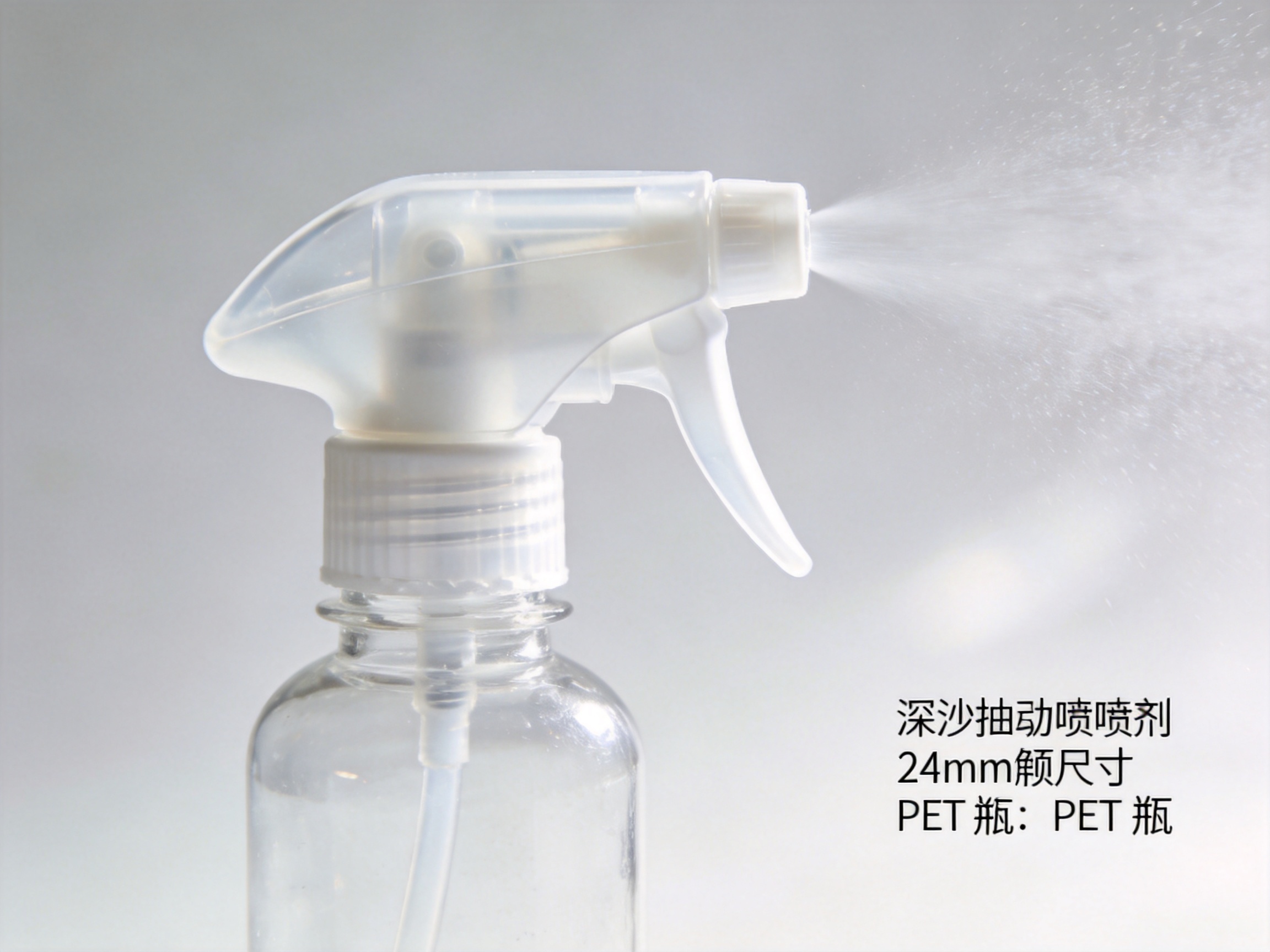
In modern personal care, home care, and daily chemical packaging, the dispensing system is no longer a secondary component. It directly influences product experience, dosage accuracy, user comfort, application coverage, transportation reliability, and brand perception. A liquid formula may be well developed, but if the sprayer dispenses unevenly, leaks during shipment, feels uncomfortable, or wastes too much product, the final consumer experience is weakened. The Plastic Mini Trigger Mist Sprayer, model GY-109A3, is designed to solve these practical packaging challenges with a compact 24mm configuration, a controlled 0.25ml dosage per spray, and a fine mist output suitable for sanitizers, air fresheners, hair care liquids, and other sprayable formulations.
This mini trigger sprayer belongs to the Trigger Sprayer / Mini Trigger category, yet it offers a more refined dispensing experience than many standard trigger sprayers. Its compact structure gives it a cleaner appearance for smaller bottles, while its trigger mechanism provides easier actuation than many fingertip mist pumps. The result is a practical balance between portability, comfort, dispensing control, and mist performance. For products that require repeated spraying, such as room fresheners, fabric refreshers, hand sanitizing liquids, hair care sprays, grooming solutions, or travel-size household products, this type of sprayer can significantly improve daily usability.
The product is manufactured by GreenYard Tools Co., Ltd., a China-based packaging material manufacturer specializing in spray product manufacturing for 16 years. The company focuses on perfume sprayers, pump heads, caps, bottles, and daily chemical packaging solutions, supported by mold design, injection molding, automated assembly, and quality inspection capabilities. With a daily production capacity reaching approximately one million units, the company is positioned to support both customized development and large-volume supply for global customers.
Product Overview
The Plastic Mini Trigger Mist Sprayer is a 24mm spray nozzle designed for controlled liquid dispensing. It delivers approximately 0.25ml per spray, offering a measured output that helps avoid excessive product use while still providing practical coverage. This dosage level is especially valuable for products where a light, repeatable mist is preferred over a heavy stream or uncontrolled spray. In applications such as air fresheners and hair care products, a fine mist helps distribute the formula evenly across the target area without saturating surfaces or hair strands.
The 24mm size makes the sprayer suitable for many common bottle necks used in personal care and household packaging. Its mini trigger design gives users a comfortable grip and a natural pressing motion, which can be easier to operate repeatedly than smaller finger pumps. The sprayer is particularly suited for products that are used several times per day or require broader coverage than a perfume-style atomizer. It can be paired with suitable PE or PET bottles depending on the target product, market positioning, and formulation compatibility.
The model GY-109A3 reflects the practical demands of brands that want a compact spray solution without sacrificing dispensing stability. It is not merely a closure or an accessory; it is a functional component that affects how the liquid leaves the package, how users perceive the product, and how consistently the formulation is applied. From sanitizing solutions to air fresheners, the sprayer supports a broad range of liquid-based products that require convenient mist application.
Key Technical Specifications
| Product Type | Plastic Mini Trigger Mist Sprayer |
| Model | GY-109A3 |
| Category | Trigger Sprayer / Mini Trigger |
| Available Size | 24mm |
| Dosage | 0.25ml per spray |
| Typical Usage | Sanitizer, air freshener, hair care products, daily chemical liquids |
| Spray Character | Fine mist for controlled and even application |
| Recommended Pairing | Compatible bottle systems subject to neck finish, dip tube length, and formulation testing |
Why the 24mm Mini Trigger Format Matters
The 24mm size is one of the most practical specifications in spray packaging because it fits a broad range of bottles used in consumer products. A sprayer that is too large can make a compact bottle look unbalanced, while a sprayer that is too small may be uncomfortable or unsuitable for frequent use. The 24mm mini trigger format provides a good middle ground: it can work with manageable bottle sizes while still offering enough structure for an ergonomic trigger movement.
Compared with larger trigger sprayers, this mini trigger is more suitable for products that need a premium, portable, or personal-use appearance. Large trigger sprayers are often associated with cleaning products and industrial household use. The mini trigger style looks cleaner and more refined, making it appropriate for personal care, salon care, room sprays, sanitizing products, and travel-friendly daily chemical items. For brands that want to avoid the bulky look of a conventional household trigger, the compact format offers a more modern visual identity.
Compared with ordinary fingertip mist sprayers, a mini trigger can be easier to press when the product is used frequently. Fingertip sprayers depend heavily on the force of one finger, and repeated use can feel tiring. A trigger design spreads the actuation motion more naturally across the hand, helping users spray multiple times with less effort. This matters for air fresheners, hair sprays, sanitizers, and similar products where consumers often apply several sprays in one usage occasion.
The 24mm size also supports packaging flexibility. Brands may use bottles of different shapes and capacities while maintaining a consistent dispensing platform. This helps reduce packaging complexity and can simplify procurement when a product line includes multiple bottle sizes. However, as with all packaging systems, final compatibility should be verified by testing the neck finish, closure torque, dip tube length, formula viscosity, and transport conditions.
Controlled 0.25ml Dosage for Efficient Application
The 0.25ml dosage is one of the key advantages of this sprayer. In spray packaging, dosage control affects cost efficiency, consumer satisfaction, and product performance. If a sprayer releases too much liquid, users may experience dripping, wet surfaces, sticky hair, or excessive fragrance intensity. If it releases too little, users must spray repeatedly, which can create frustration and reduce perceived product effectiveness. A 0.25ml output provides a practical controlled amount for many mist applications.
For sanitizers, measured dosage helps deliver a predictable quantity per actuation. This supports better user control and reduces waste, especially in portable or personal-size formats. For air fresheners, the dosage allows users to freshen a space gradually rather than releasing an overpowering amount at once. For hair care products, a controlled mist helps distribute liquid across the hair surface more evenly, avoiding heavy wet patches.
Competitor products sometimes focus only on low cost and may show inconsistent output from spray to spray. Inconsistent dosage can result from poor piston fit, unstable spring performance, weak sealing, irregular injection molding, or insufficient assembly control. A well-made sprayer must maintain repeatability over many actuations. The advantage of a controlled 0.25ml mini trigger lies not only in the nominal output, but also in the ability to keep that output stable across production batches and during normal product use.
Reliable dosage also benefits brands financially. Every excessive spray means more formula is consumed than necessary. For high-value formulas, such as fragrance-based room sprays, specialty hair treatments, or cosmetic sanitizing products, reducing unnecessary waste can improve the value delivered per bottle. Consumers may also appreciate that the product lasts longer and applies more cleanly.
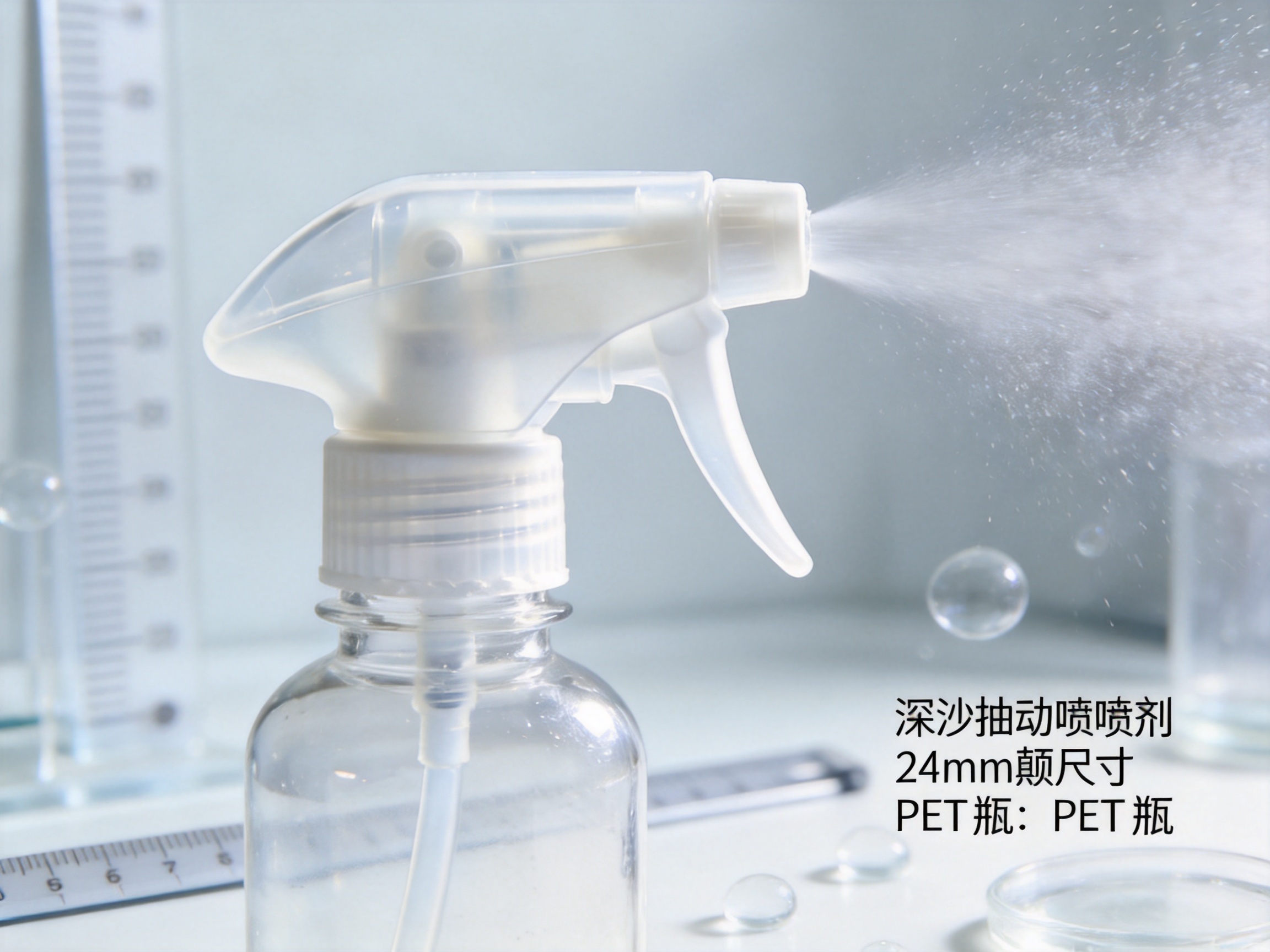
Fine Mist Performance and User Experience
A fine mist is different from a stream, splash, or coarse spray. Fine mist performance depends on the internal fluid path, nozzle geometry, pressure generation, valve function, dip tube design, and component precision. The Plastic Mini Trigger Mist Sprayer is designed to provide a gentle and controlled mist suitable for surface and air application. This makes it especially useful for air fresheners and hair care products, where even distribution is more important than concentrated delivery.
In air freshening applications, mist quality influences how fragrance disperses in a room. A coarse spray may fall quickly onto floors or furniture, while an overly wet spray can leave marks on surfaces. A controlled fine mist helps disperse the formula more evenly into the air and improves the perception of freshness. For hair care, mist quality is equally important. Consumers want coverage without making the hair feel soaked or uneven. A sprayer that produces a fine mist can help distribute conditioning liquids, styling aids, detangling sprays, or refreshing formulas with greater comfort.
User experience begins the moment the consumer picks up the bottle. The trigger should feel stable, not loose or fragile. The press should be smooth, without requiring excessive force. The spray should start reliably and should not sputter after several uses. While formula characteristics will always affect final spray behavior, the mechanical design and manufacturing accuracy of the sprayer play a major role. This product is intended to offer a consistent spraying experience in a compact format, supporting both practical functionality and a professional package impression.
Compared with many low-grade mini triggers, a better-engineered sprayer reduces the chance of uneven mist, poor rebound, leakage around the closure, and uncomfortable operation. These details may appear small, but they can determine whether a consumer repurchases the product. In competitive markets, packaging performance often becomes a silent form of brand communication. A reliable sprayer suggests quality, care, and attention to detail.
Application Fields
Sanitizer Packaging
Sanitizer products need convenient and hygienic dispensing. A mini trigger sprayer helps users apply liquid sanitizer to hands, surfaces, or small objects with controlled coverage. The 0.25ml dosage allows users to apply several sprays according to need while avoiding uncontrolled flooding. The trigger format is also practical for personal and shared environments because it can be easier to use than small push pumps, especially when fast application is needed.
For sanitizer brands, sprayer reliability is essential. Leakage during transport can damage labels, reduce fill volume, and create customer complaints. Inconsistent spray output can affect perceived effectiveness. A well-manufactured mini trigger provides a more dependable packaging component for this demanding category. Brands should still conduct compatibility tests with alcohol-based or other active formulations, but the product format is well aligned with sanitizer use cases.
Air Freshener Packaging
Air fresheners require a sprayer capable of distributing fragrance into the air with a pleasant mist pattern. The Plastic Mini Trigger Mist Sprayer is widely used in this type of application because it supports even, controlled spraying. The trigger operation makes it easy for users to refresh rooms, closets, vehicles, fabrics, or other spaces with multiple sprays. The compact size also supports modern bottle designs that look more refined than traditional bulky household triggers.
For fragrance-based products, dosage consistency helps maintain a balanced scent experience. Too much liquid can overpower the room or settle onto surfaces. Too little may make the product feel weak. A 0.25ml output gives users the flexibility to control fragrance strength by adjusting the number of sprays. This makes the product suitable for both small personal spaces and larger rooms, depending on formula concentration and usage instructions.
Hair Care Packaging
Hair care liquids often require even distribution across a wide area. A controlled fine mist can help consumers apply leave-in conditioners, detangling sprays, shine mists, refreshing sprays, scalp care liquids, or styling support formulas more comfortably. The mini trigger design is convenient for repeated spraying during grooming routines, while the fine mist helps avoid oversaturation.
Packaging for hair care must also look attractive on bathroom counters, salon shelves, and retail displays. The compact trigger format offers a cleaner appearance than oversized sprayers. When paired with a suitable bottle design, it can support both mass-market and more premium product positioning. For professional salon use, comfortable actuation is especially important because stylists may spray repeatedly throughout the day.
Daily Chemical and Household Uses
Beyond sanitizer, air freshener, and hair care, the sprayer can be considered for selected daily chemical liquids that require light mist application. These may include fabric refreshers, linen sprays, pet area fresheners, shoe sprays, plant care liquids, and surface refreshing products. The product is best suited for liquids that can pass through a mist nozzle without clogging and that are compatible with the sprayer materials. Formulations containing suspended solids, high viscosity ingredients, or aggressive solvents should be tested carefully before commercialization.
Advantages Over Competing Sprayers
The packaging market includes many sprayers that look similar at first glance, but performance differences become clear during filling, transport, retail storage, and consumer use. The Plastic Mini Trigger Mist Sprayer offers several practical advantages when compared with common alternatives.
Better Ergonomics Than Many Fingertip Sprayers
Fingertip mist sprayers are compact, but they can be uncomfortable when users need multiple sprays. The mini trigger mechanism provides a more natural pressing action and can reduce finger fatigue. This is valuable for air fresheners, hair care products, and sanitizers that are often sprayed several times per use. Comfort may seem simple, but it can strongly influence whether consumers enjoy using a product.
More Refined Appearance Than Large Trigger Sprayers
Large trigger sprayers are useful for cleaning products, but they can make personal care or fragrance packaging look too industrial. The mini trigger format delivers trigger convenience while maintaining a more compact and elegant appearance. This helps brands create products that feel appropriate for bathrooms, dressing tables, salons, travel kits, and retail beauty shelves.
Controlled Dosage for Reduced Waste
The 0.25ml output supports precise dispensing and helps reduce formula waste. Some low-cost sprayers may discharge excessive liquid, leading to dripping and rapid product consumption. Controlled dosage improves user satisfaction and helps maintain product value. This is especially important for formulas with fragrance oils, conditioning ingredients, active sanitizing components, or other cost-sensitive materials.
Fine Mist for Even Application
Spray quality is one of the most visible performance indicators. A coarse or uneven spray can immediately make a product feel cheap. A fine mist provides better distribution and a more comfortable application experience. For air fresheners and hair care products, this advantage directly affects product performance and consumer perception.
Manufacturing Consistency
Sprayer performance depends on precision manufacturing. GreenYard Tools Co., Ltd. supports production with mold design, injection molding, automated assembly, and quality inspection. These capabilities help maintain dimensional accuracy and batch consistency. In contrast, suppliers with limited process control may produce sprayers with wider variation, resulting in leakage, poor spray formation, or inconsistent trigger feel.
Scalable Supply Capacity
With daily production capacity of approximately one million units across its packaging product range, the company can support both regular replenishment and larger production programs. For customers planning seasonal promotions, expanding retail distribution, or launching multiple product lines, stable supply capacity is a major advantage. Packaging delays can interrupt filling schedules, so dependable production planning is critical.
Advanced Mold Design Capability
The quality of a plastic sprayer begins with mold design. Each component must meet specific dimensional requirements, and small deviations can affect sealing, movement, spray pattern, and assembly. Mold design is especially important for mini trigger sprayers because the structure is compact, yet it includes multiple functional parts. The fluid path, actuator, body, closure, piston, spring seat, nozzle, and related components must work together with precision.
GreenYard’s mold design capability allows product development to begin from functional requirements rather than simple shape copying. A well-designed mold supports stable injection flow, balanced cooling, accurate part dimensions, and long-term production efficiency. It also reduces the probability of warpage, flash, shrinkage variation, and assembly interference. For customers, this means more consistent sprayer performance and fewer problems during filling or use.
Advanced mold design also supports customization. Brands may require specific colors, surface finishes, trigger shapes, closure styles, or bottle-matching details. A supplier with in-house or advanced mold development capability can respond more effectively to these needs. Instead of forcing customers to accept only standard components, the manufacturer can help adapt the packaging to brand identity and functional requirements.
In competitive markets, the ability to design and refine molds is a major differentiator. Low-cost suppliers may rely on aging molds or limited design resources, which can lead to inconsistent parts and higher defect rates. A strong mold foundation helps create a more reliable sprayer and supports long-term repeat orders.
Precision Injection Molding
Injection molding is the core process used to produce the plastic parts of the mini trigger sprayer. During this process, plastic material is heated, injected into a mold cavity, cooled, and ejected as a finished component. While the concept is simple, producing high-quality sprayer parts requires strict control of temperature, pressure, cycle time, material drying, mold condition, and inspection standards.
For a spray product, injection molding precision is essential. A nozzle opening that is slightly irregular can affect mist quality. A sealing surface that is not properly formed can increase leakage risk. A trigger part with dimensional variation may feel loose or may not return smoothly. A closure thread with poor accuracy may not match the bottle neck securely. Every detail contributes to final performance.
GreenYard’s manufacturing strength includes injection molding capability that supports stable production of sprayer parts. This allows the company to control component quality before assembly rather than relying only on final inspection. In a well-managed manufacturing system, quality is built into every process step. The better the molded components, the smoother the assembly process and the more reliable the finished sprayer.
Material selection is another important part of injection molding. Sprayer components must have suitable mechanical strength, resilience, chemical resistance, and surface quality. The selected plastics must support repeated actuation and contact with compatible formulas. While final material suitability should always be tested with the customer’s actual formulation, strong manufacturing experience helps guide practical material decisions for common personal care and daily chemical products.
Automated Assembly for Stable Quality
A mini trigger sprayer is a multi-component product. It typically requires accurate assembly of the body, trigger, internal pumping mechanism, nozzle, closure, dip tube, and other parts depending on design. Manual assembly can be flexible, but it may introduce variation when production volumes are large. Automated assembly helps improve consistency, speed, and process control.
GreenYard’s automated assembly capability is a key strength because it supports high-volume production while maintaining stable product quality. Automation can help ensure that components are placed correctly, pressed to the proper position, and handled with repeatable force. This reduces the chance of missing parts, incorrect orientation, weak fitting, or inconsistent trigger movement.
For customers, automated assembly means fewer unexpected defects and more reliable delivery. It also supports the company’s ability to produce large quantities efficiently. When a brand launches a product across multiple markets, packaging components must be available on time and in consistent condition. Assembly automation helps meet these commercial demands.
Automated systems may also support in-line checks or process monitoring. This improves defect detection and helps maintain production stability. While final quality testing remains important, preventing defects during assembly is more efficient than sorting problems after production. A manufacturer with automated assembly strength is better positioned to support customers that require dependable packaging at scale.
Quality Inspection and Performance Control
Quality inspection is essential for any dispensing product. A sprayer may appear normal visually but still fail in dosage accuracy, leakage resistance, spray pattern, trigger rebound, or bottle fit. Effective quality control should evaluate both appearance and function. GreenYard’s quality inspection capability helps ensure that products meet performance expectations before shipment.
Important inspection areas may include dimensional checks, closure fit, actuation force, spray output, mist appearance, leakage performance, dip tube condition, trigger rebound, and visual defects. For products intended for sanitizers, air fresheners, and hair care formulations, spray consistency and leakage prevention are especially important. A reliable inspection process reduces the risk of customer complaints and protects brand reputation.
Batch consistency is also critical. Customers need the sprayer purchased today to perform like the sprayer purchased in the previous order. This requires stable molds, controlled materials, consistent production settings, trained personnel, and effective documentation. A manufacturer with long-term specialization in spray products is more likely to understand these requirements and maintain reliable standards.
Quality control does not end at the factory. Customers should conduct line trials and compatibility testing with their own bottles and formulas. The best packaging results come from cooperation between the sprayer manufacturer, bottle supplier, formula developer, and filling factory. GreenYard’s experience in spray packaging helps support this collaborative process.
Design Support and Custom Packaging Potential
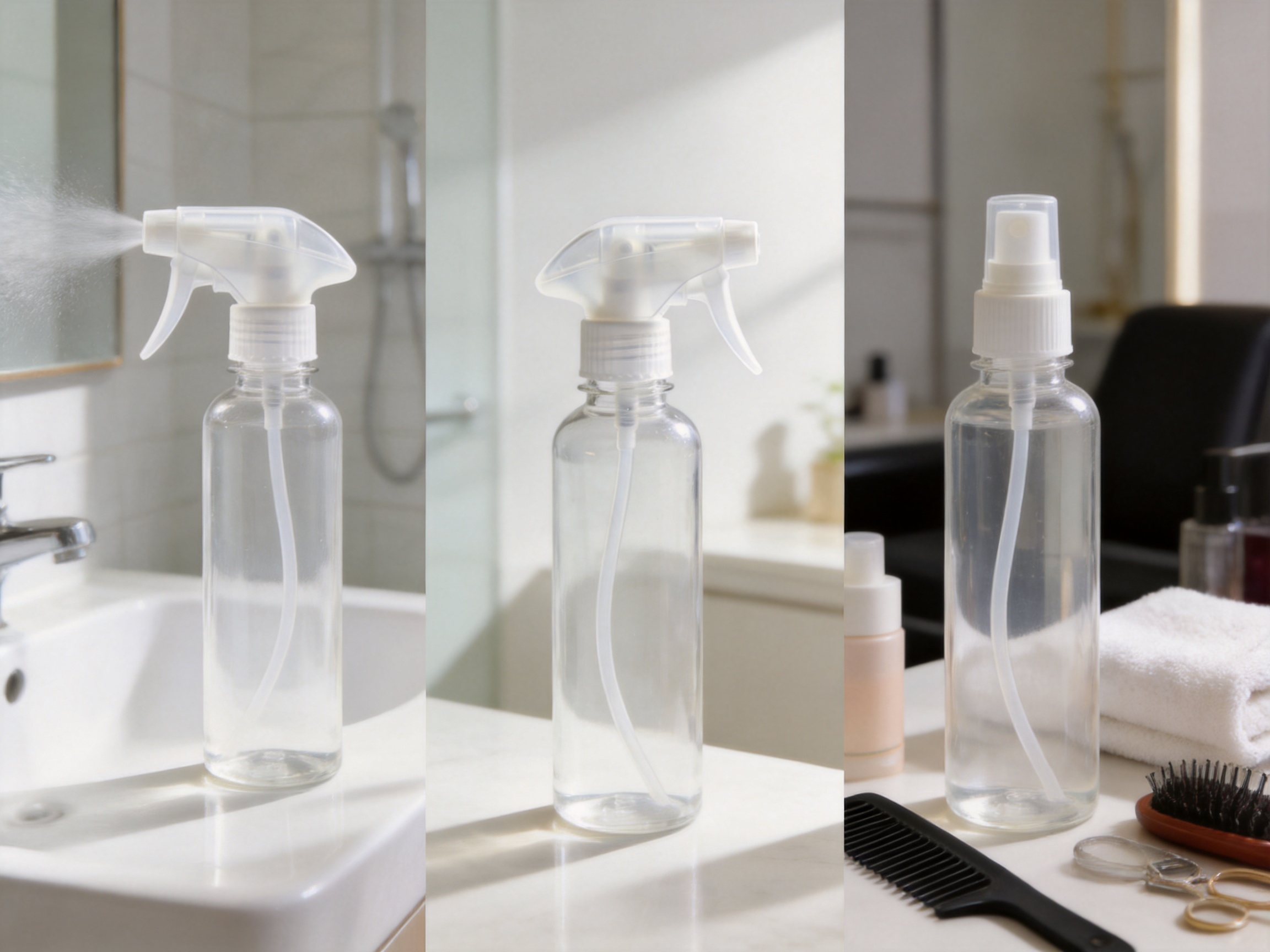
Packaging is not only functional; it is also a visual and tactile expression of the product. The Plastic Mini Trigger Mist Sprayer can support different brand positions depending on color, bottle pairing, label design, and overall packaging structure. For example, a transparent PET bottle with a white mini trigger may communicate cleanliness and freshness for sanitizer. A colored bottle with a matching trigger may communicate fragrance identity for air freshener. A sleek bottle with a refined trigger color may support a professional hair care line.
GreenYard has a dedicated design team that supports product innovation and packaging development. This is important for brands that want more than a standard off-the-shelf component. Design support can help adjust appearance, select compatible packaging combinations, improve user experience, and develop product families with consistent visual identity.
Customization may involve color matching, closure finish, dip tube length, packaging set coordination, carton packing preferences, or project-specific component development. For customers building a complete personal care or daily chemical line, the company’s broader product range is also valuable. In addition to trigger sprayers, the company produces perfume sprayers, pump heads, caps, bottles, lotion pumps, foam pumps, droppers, airless bottles, deodorant stick bottles, cream jars, roll-on bottles, and related plastic packaging items. This range allows customers to source multiple packaging types from a supplier familiar with spray and pump systems.
Custom packaging should always balance appearance, cost, manufacturability, and performance. An attractive component that performs poorly will damage the product experience. A durable component that looks mismatched may weaken shelf impact. The ideal solution combines design and function, which is why manufacturing experience and design capability are both important.
Compatibility Considerations
Although the Plastic Mini Trigger Mist Sprayer is suitable for many liquid-based products, packaging compatibility should never be assumed without testing. Formulations differ in alcohol content, fragrance oil concentration, surfactants, viscosity, pH, preservatives, solvents, and active ingredients. These factors may affect plastic parts, seals, springs, spray pattern, and long-term stability.
For alcohol-based sanitizers, testing should evaluate material resistance, leakage, evaporation, closure sealing, and spray performance over time. For air fresheners, fragrance oils and solvents may interact with plastic components, so storage testing at different temperatures is recommended. For hair care products, viscosity and conditioning ingredients can influence spray formation and nozzle clogging risk. A formula that sprays well at room temperature may behave differently in cold or hot conditions.
Bottle compatibility is equally important. The 24mm specification must be matched with the correct neck finish and thread design. Closure torque during filling should be controlled to avoid under-tightening or over-tightening. Dip tube length should be adjusted according to bottle height and shoulder shape so that the product can be used effectively without tube blockage or curling problems. Drop tests and transport simulations can help verify package durability.
Working with an experienced manufacturer can reduce development risks. GreenYard’s background in spray packaging gives customers access to practical knowledge about common issues and solutions. However, final approval should always be based on actual customer formula, bottle, filling process, and market conditions.

Supply Strength for Global Customers
Global packaging supply requires more than product availability. Customers need consistent communication, production planning, documentation, export experience, and the ability to support both standard and customized requirements. GreenYard Tools Co., Ltd. is located in Yuyao City, Zhejiang Province, China, an area known for plastic manufacturing and packaging supply resources. This location supports access to industrial networks, skilled labor, mold resources, and logistics channels.
The company’s 16 years of specialization in spray product manufacturing provides a foundation of experience across different market demands. Personal care, fragrance, home care, and daily chemical customers may have different requirements, but they all require reliable dispensing performance. The ability to manufacture perfume sprayers, pump heads, caps, bottles, and spray packaging solutions gives the company a broad understanding of how different components interact in a complete package.
Daily production capacity of approximately one million units reflects the company’s ability to serve customers at scale. High capacity is important for brands that must meet retail delivery windows or seasonal demand. It also indicates that the manufacturer has developed production systems capable of repeated output. Capacity alone is not enough, but when combined with mold design, injection molding, automated assembly, and quality inspection, it becomes a strong supply advantage.
For international customers, supplier reliability can reduce procurement risk. A packaging component shortage can delay filling operations and product launches. Choosing a manufacturer with experience, capacity, and process control helps protect project timelines. The Plastic Mini Trigger Mist Sprayer is therefore not just a single component; it is part of a manufacturing and supply system designed to support commercial packaging programs.
Sustainability and Responsible Use Considerations
Packaging sustainability is an increasing priority for brands and consumers. A sprayer is a functional component made from multiple parts, so responsible design and use require attention to durability, dosage efficiency, material selection, and compatibility with bottle systems. The controlled 0.25ml dosage can contribute to reduced formula waste by helping users apply only what they need. A reliable sprayer can also reduce product returns and disposal caused by leaking or malfunctioning packaging.
Durability is an important sustainability factor. If a sprayer fails before the liquid is finished, the entire package may be discarded prematurely. A well-made trigger sprayer that continues working throughout the product lifecycle supports better resource use. Manufacturing consistency also reduces waste at the production stage because fewer defective parts need to be rejected.
Brands may also explore packaging systems that support improved recyclability, refill models, or material reduction. The feasibility of these approaches depends on regional recycling systems, product category, regulatory requirements, and consumer behavior. A manufacturer with broad packaging experience can assist customers in evaluating practical design choices.
Sustainability should be approached honestly. Not every multi-component sprayer is easily recyclable in every market, and not every formula supports refill packaging. However, better dosage control, longer functional life, reduced leakage, and efficient manufacturing are meaningful steps toward more responsible packaging performance.
How the Sprayer Supports Brand Differentiation
In crowded categories such as sanitizers, air fresheners, and hair care, consumers often compare products quickly. Packaging appearance and performance can influence purchase decisions before the formula is even experienced. A mini trigger sprayer gives a product a distinct functional identity. It suggests convenience, control, and easy repeated use.
For sanitizer brands, the sprayer can communicate cleanliness and practical portability. For air freshener brands, it can communicate fine fragrance distribution and home comfort. For hair care brands, it can communicate salon-style application and controlled mist performance. These associations help differentiate the product from simple screw-cap bottles, oversized triggers, or basic pumps.
The sprayer also improves the user’s relationship with the product. A comfortable trigger, smooth spray, and reliable mist encourage repeated use. When a consumer enjoys the dispensing experience, the product becomes easier to integrate into daily routines. This can support repeat purchase and brand loyalty.
From a retail standpoint, a compact mini trigger can also improve shelf presentation. It provides a recognizable spray function without making the package overly large. This is valuable when shelf space is limited or when brands want to create a refined product family. The 24mm format supports many bottle designs, allowing packaging teams to build a coordinated look across different SKUs.
Recommended Development Process for Brands
Brands considering the Plastic Mini Trigger Mist Sprayer should follow a structured development process. First, define the intended application, target dosage, desired spray feel, bottle size, and visual design direction. Second, select a compatible bottle with the correct 24mm neck finish and suitable material, such as PE or PET depending on the formula and brand requirements. Third, test the sprayer with the actual formula under realistic use conditions.
Testing should include spray pattern evaluation, dosage measurement, leakage testing, storage stability, transport simulation, actuation comfort, dip tube function, and consumer-use observation if possible. Products should be tested at different temperatures when relevant, especially if they will be shipped internationally or stored in varying climates. For fragrance or alcohol-containing formulas, longer-term compatibility testing is strongly recommended.
After technical approval, brands can confirm color, packing method, production quantity, and delivery schedule. If customization is required, additional time may be needed for color matching, mold adjustment, sample approval, or special packaging requirements. Working closely with the manufacturer during this stage helps avoid delays and ensures that commercial production matches approved samples.
A careful development process may take more time at the beginning, but it reduces problems after launch. Packaging failures in the market are costly and can harm customer trust. By selecting a capable manufacturer and conducting proper testing, brands can improve the probability of a successful product introduction.
Q&A
What is the main purpose of the Plastic Mini Trigger Mist Sprayer?
The sprayer is designed to dispense liquid products as a controlled fine mist. It is especially suitable for sanitizers, air fresheners, hair care products, and other daily chemical liquids that require even and convenient application.
What size is available for this model?
The available size is 24mm. This size is commonly used with many bottle systems, but the final fit should be confirmed by checking the bottle neck finish and conducting assembly tests.
How much liquid does it dispense per spray?
The sprayer delivers approximately 0.25ml per spray. This controlled dosage helps reduce waste and supports predictable application.
Why choose a mini trigger instead of a regular fingertip sprayer?
A mini trigger can be more comfortable for repeated spraying because it uses a trigger motion rather than relying only on fingertip pressure. It is useful for products that require multiple sprays per use, such as air fresheners or hair care sprays.
How does it compare with large trigger sprayers?
Large trigger sprayers are often suitable for heavy-duty cleaning products, but they can look bulky on personal care or fragrance bottles. The mini trigger provides easier actuation than many fingertip pumps while maintaining a compact and refined appearance.
Can this sprayer be used for alcohol-based sanitizer?
It can be considered for sanitizer applications, but compatibility testing with the actual formula is necessary. Alcohol content, additives, storage temperature, and bottle design can all influence long-term performance.
Is it suitable for hair care products?
Yes, it is suitable for many sprayable hair care liquids, especially those requiring fine mist distribution. However, formulas with high viscosity, suspended particles, or ingredients that may clog the nozzle should be tested carefully.
What manufacturing strengths support the product quality?
The manufacturer supports production through mold design, injection molding, automated assembly, and quality inspection. These processes help improve dimensional accuracy, assembly consistency, spray reliability, and batch stability.
Can the sprayer be customized?
Customization may be possible depending on project requirements, including color, bottle matching, dip tube length, and packaging coordination. Specific customization should be discussed during product development and confirmed through samples.
What should customers test before mass production?
Customers should test bottle fit, closure torque, dip tube length, spray pattern, dosage, leakage, formula compatibility, storage stability, and transport durability. Testing with the actual formula and final bottle is essential.
Conclusion
The Plastic Mini Trigger Mist Sprayer, model GY-109A3, offers a practical and refined solution for brands that need controlled fine mist dispensing in a compact 24mm format. With a dosage of approximately 0.25ml per spray, it supports efficient product use, consistent application, and reduced waste. Its mini trigger structure provides ergonomic advantages over many fingertip sprayers while maintaining a more elegant appearance than large trigger systems.
The sprayer is well suited for sanitizers, air fresheners, hair care products, and selected daily chemical liquids. Its value lies not only in its specifications, but also in the manufacturing system behind it. GreenYard Tools Co., Ltd. brings 16 years of spray packaging experience, advanced mold design, injection molding, automated assembly, quality inspection, design support, and large-scale production capacity. These strengths help customers obtain packaging components that are reliable, scalable, and suitable for competitive consumer markets.
For brands seeking a balance of performance, comfort, appearance, and supply reliability, this mini trigger mist sprayer is a strong candidate. When paired with proper bottle selection and verified through formula compatibility testing, it can enhance the overall product experience and support successful market presentation.
References
Yam, K. L. The Wiley Encyclopedia of Packaging Technology. Wiley.
Soroka, W. Fundamentals of Packaging Technology. Institute of Packaging Professionals.
Robertson, G. L. Food Packaging: Principles and Practice. CRC Press.
Han, J. H. Innovations in Food Packaging. Academic Press.
Plastic Packaging: Properties, Processing, Applications, and Regulations. Industry technical literature on polymer packaging systems.
Aerosol and Dispensing Packaging Technical Guidelines. Packaging engineering reference materials.

-
What Is a Fine Mist Sprayer?
A fine mist sprayer is a cosmetic packaging component designed to atomize liquid formulas into ultr...
-
Misting Spray Bottle Guide: How a Fine Mist Sprayer Works
Quick Answer: What Makes a Misting Spray Bottle Work Well A misting spray bottle performs well when...
-
Spray Bottles Explained: Choosing the Right Fine Mist Sprayer
What Makes a Good Spray Bottle A good spray bottle depends almost entirely on the quality of its pu...
-
Trigger Sprayer Guide: How It Works, Types & Buying Tips
What Is a Trigger Sprayer A trigger sprayer is a mechanical pump closure mounted on a bottle neck t...
Copyright © GreenYard Tools Co.,ltd. All Rights Reserved.
Personal Care Packaging Manufacturer Custom Perfume Sprayers Factory