
-
About Us
Why Choose Us?The company possesses advanced capabilities in mold design, injection molding, and automated assembly, supported by a professional quality inspection team to ensure product reliability. A dedicated design team continuously drives product innovation, providing customers with high-quality spray solutions.
 Coming From China, Marketing To The World.
-
Products
-
News

 English
 Français
 русский
 Español
0.2CC Upside Down Mist Sprayer: Precision Packaging for Inverted Dispensing Applications
Content
- 1 1. The Role of an Upside Down Mist Sprayer
- 2 2. Product Specifications at a Glance
- 3 3. Controlled 0.2 Milliliter Dosage
- 4 4. Fine Mist Quality and User Experience
- 5 5. Advantages Compared with Conventional Sprayers
- 6 6. Neck-Finish Compatibility and Packaging Integration
- 7 7. Customizable Dip Tube Length
- 8 8. Ribbed Closure Design
- 9 9. Suitable Applications
- 10 10. Manufacturing Strengths Behind the Product
- 11 11. Integrated Development from Mold to Finished Sprayer
- 12 12. Quality Considerations for Commercial Approval
- 13 13. Sustainability and Material Efficiency Considerations
- 14 14. Customization Opportunities
- 15 15. How the Product Supports Brand Differentiation
- 16 16. Recommended Procurement Process
- 17 17. Why Manufacturing Experience Matters
- 18 18. Frequently Asked Questions
- 18.1 Q1: What is the main function of the GY-608A1-DZ?
- 18.2 Q2: What dosage does the sprayer provide?
- 18.3 Q3: Which bottle neck sizes are available?
- 18.4 Q4: Is the dip tube available in different lengths?
- 18.5 Q5: What does the ribbed closure provide?
- 18.6 Q6: Can this sprayer be used for fragrance products?
- 18.7 Q7: Is the product suitable for pharmacy applications?
- 18.8 Q8: How should inverted performance be tested?
- 18.9 Q9: What manufacturing capabilities does GreenYard provide?
- 18.10 Q10: What information should a buyer provide when requesting samples?
- 18.11 Q11: Can one sprayer be used with different bottle designs?
- 18.12 Q12: Does the sprayer eliminate the need for compatibility testing?
- 19 19. Conclusion
- 20 References
- 21 Product: 0.2CC Upside Down Mist Sprayer
Modern personal care, household, fragrance, and pharmaceutical packaging increasingly requires more than an attractive closure. A sprayer must deliver a consistent dose, create an appropriate spray pattern, seal securely, fit the selected bottle, and remain easy to use throughout the product’s service life. Applications such as air fresheners, specialty scent products, and medical or pharmacy sprays also create an additional requirement: the package may need to operate reliably when held at an angle or completely upside down.
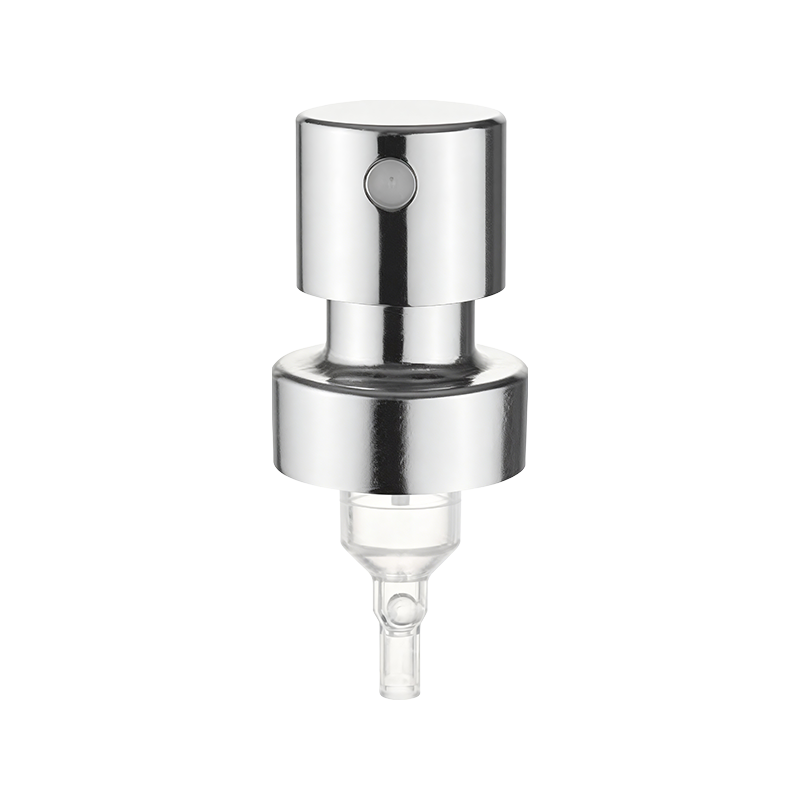
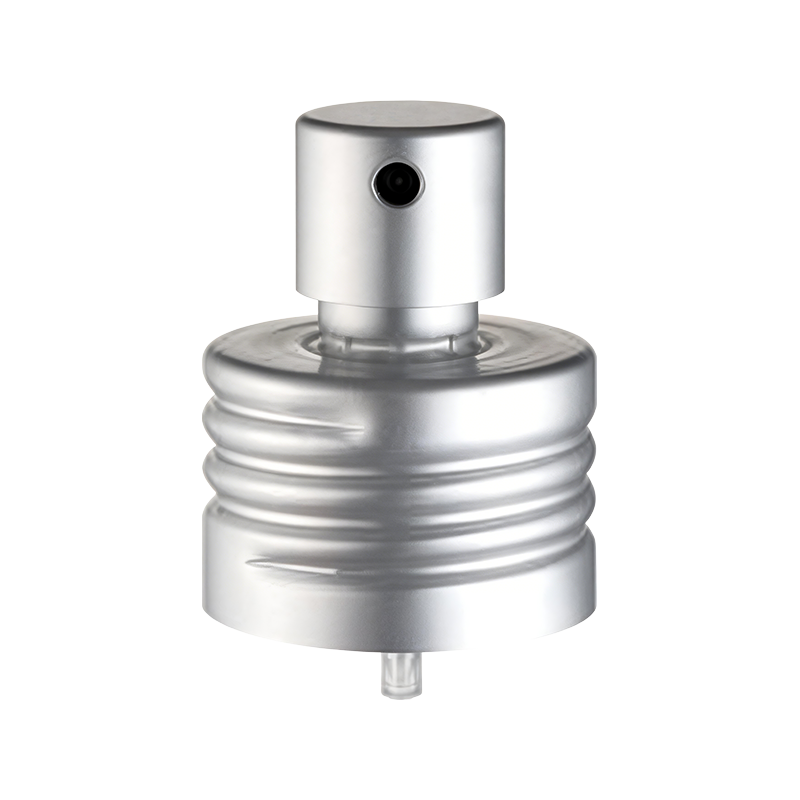
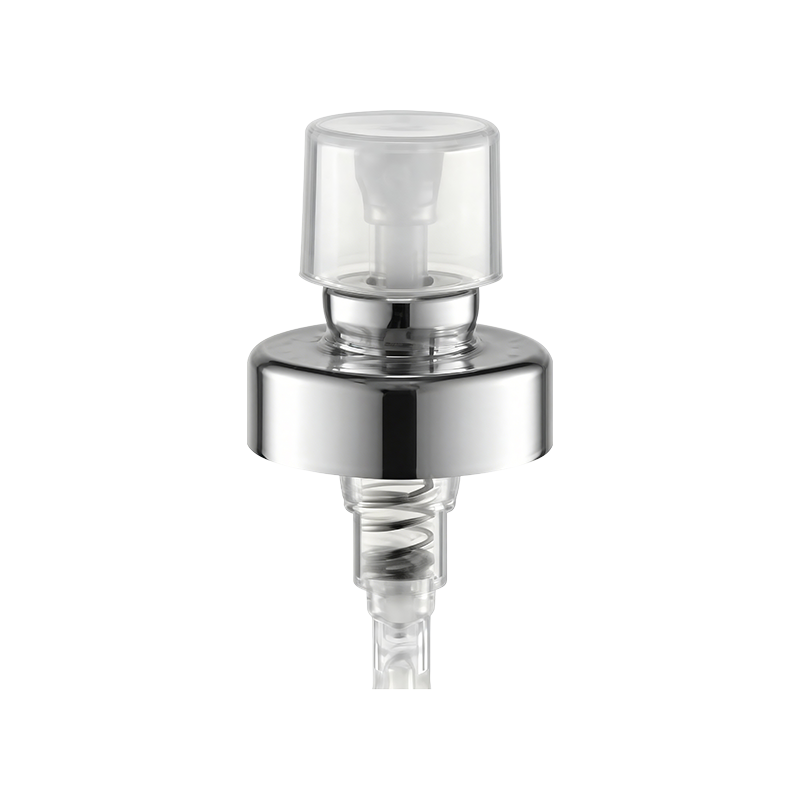
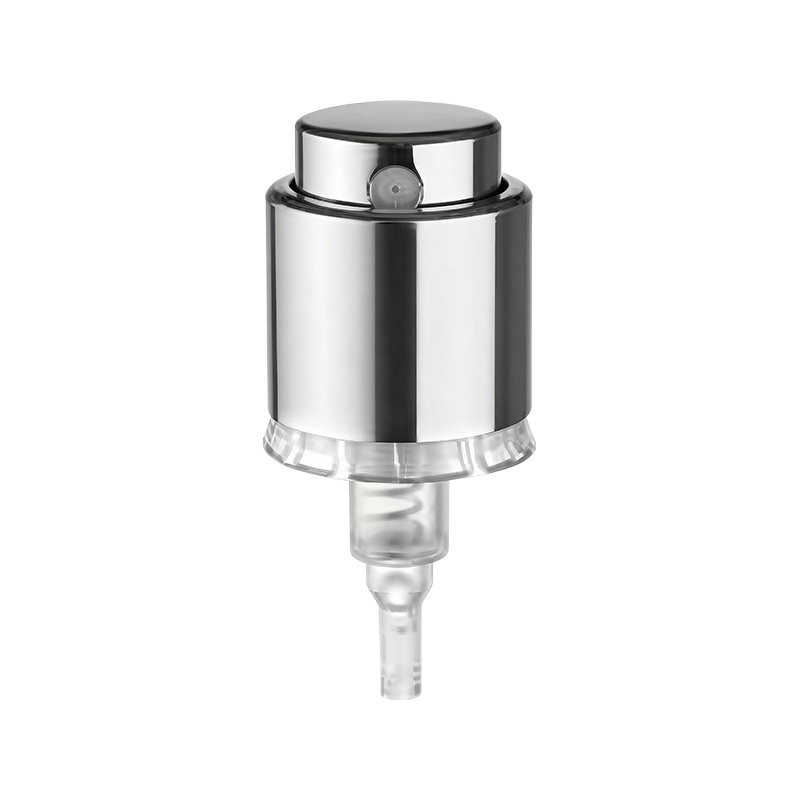
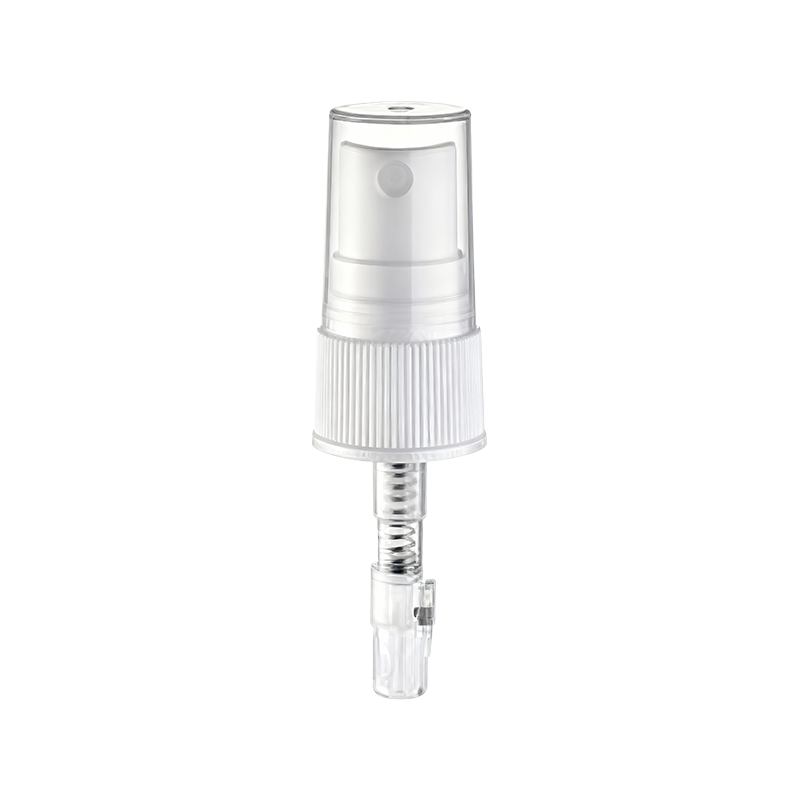
The GY-608A1-DZ 0.2CC Upside Down Mist Sprayer is developed for precisely this type of application. It combines a fine-mist dispensing system with inverted spraying capability, several industry-standard neck-size options, a ribbed closure, and a customizable dip tube. The result is a flexible packaging component for brands and contract fillers seeking dependable performance across a variety of bottle formats.
With a nominal dosage of 0.2 milliliters per actuation, the sprayer is designed to provide controlled and even product distribution. The supplied product information also identifies 0.12 milliliter and 0.20 milliliter dosage options, allowing the final configuration to be matched to the formula, application, and dispensing expectations. This flexibility is particularly valuable when one packaging platform must support multiple product concepts.
GreenYard Tools Co., Ltd. manufactures this type of packaging through integrated mold design, injection molding, automated assembly, and quality inspection capabilities. Its specialization in spray product manufacturing, combined with a stated daily production capacity of one million units, supports both customized development and large-scale supply.
0.2CC Upside Down Mist Sprayer
1. The Role of an Upside Down Mist Sprayer
A conventional fine mist sprayer is normally designed to draw liquid through a dip tube positioned toward the bottom of a bottle. When the bottle is held upright, the tube remains submerged, allowing the pump to deliver liquid to the actuator. If the package is tilted sharply or inverted, the liquid may move away from the tube opening. In that situation, a conventional sprayer can lose prime, draw air, or produce an irregular output.
An upside down mist sprayer addresses this limitation through a dispensing structure intended to support operation from different orientations. The GY-608A1-DZ is specifically identified as a sprayer that can spray even when inverted. This functional characteristic makes it more suitable for products used at unusual angles, products applied to vertical surfaces, and packages that must provide convenient access in confined spaces.
In practical use, inverted dispensing can improve the user experience in several ways. A consumer may spray an air freshener toward the upper part of a room, apply a scent product to a selected area, or use a pharmacy spray while holding the bottle in a particular direction. The ability to operate without requiring the bottle to be returned to an upright position can make the package feel more intuitive and responsive.
Inverted operation also supports packaging design freedom. Product developers are not limited to a single handling position when evaluating the bottle, actuator, or label placement. The package can be designed around the intended use environment rather than around the limitations of a standard upright pump.
It is important to distinguish inverted spraying from ordinary spray performance. A package may deliver a fine mist when upright but still fail to provide consistent output when turned upside down. The GY-608A1-DZ is positioned around this specific requirement, making orientation performance one of its primary product advantages.
2. Product Specifications at a Glance
The following table summarizes the principal information provided for the 0.2CC Upside Down Mist Sprayer. Final specifications should be confirmed with the manufacturer during sampling and technical approval, especially when a project involves a specific formula, bottle, or filling line.
Product model |
GY-608A1-DZ |
Product type |
Upside down fine mist sprayer |
Primary dosage |
0.20 milliliters per actuation |
Additional stated dosage option |
0.12 milliliters, subject to configuration confirmation |
Neck-size options |
18-410, 20/410, and 24/410 |
Closure style |
Ribbed |
Dip tube |
Customizable length |
Typical applications |
Air freshener, scent, pharmacy, and specialty spray products |
Orientation capability |
Designed to spray when inverted |
The 18-410, 20/410, and 24/410 options give packaging developers a practical range of compatibility choices. Neck finish selection affects the bottle opening, closure fit, visual proportion, and filling-line compatibility. Offering several common standards can reduce the need for entirely new tooling when a customer is selecting a bottle for a new project.
The primary dosage is listed as 0.2 milliliters. This volume is suitable for applications that require a controlled mist rather than a large liquid discharge. Lower-output dispensing can help support formula economy, repeated application, and more measured distribution across a target area.
3. Controlled 0.2 Milliliter Dosage
Dosage control is one of the most important performance characteristics of any sprayer. Every actuation should deliver a reasonably consistent volume so that the user receives predictable coverage and the product owner can estimate usage, package life, and formula consumption.
The GY-608A1-DZ is specified with a 0.2 milliliter dosage. This controlled output is appropriate for fine mist applications in which the objective is broad and even distribution rather than a concentrated stream. A measured dose can help reduce over-application, limit unnecessary product waste, and create a more controlled user experience.
For air fresheners, a 0.2 milliliter output can support repeated, light applications. For scent products, it may help distribute fragrance without delivering an excessive amount in one press. For certain pharmacy or specialty applications, the controlled volume provides a useful starting point for product development, although formula suitability and regulatory requirements must always be evaluated for the specific finished product.
The product information also mentions two dosage options, 0.12 milliliters and 0.20 milliliters. This suggests that the platform may be configurable for different output requirements. A project team should confirm which dosage is associated with the requested configuration, along with acceptable dosage tolerance, spray pattern, actuation force, and compatibility with the selected formula.
Dosage is influenced by more than the pump mechanism alone. Formula viscosity, surface tension, fragrance content, particulate matter, bottle geometry, dip-tube length, actuator design, and filling conditions can all affect the final result. For this reason, performance validation should be completed using the actual product formula and the intended bottle rather than relying only on component-level testing.
4. Fine Mist Quality and User Experience
A fine mist sprayer is expected to produce a dispersed spray rather than a heavy jet. This distinction affects coverage, tactile feel, visual appearance, and the amount of product that reaches the target during each actuation. For fragrance and air-care products, a fine mist can make application feel lighter and more uniform.
The GY-608A1-DZ is designed as a fine mist sprayer with a controlled output. Its value is therefore not limited to the quantity of liquid delivered. The spray character is also important. A stable mist can help avoid sudden spurts, uneven wetting, or concentrated discharge in one small location.
Fine mist performance should be assessed through several criteria. These include spray distribution, particle or droplet character, plume shape, spray angle, initial shot quality, recovery after storage, and performance at different remaining fill levels. Inverted operation adds another testing dimension because the internal liquid path must continue to support appropriate dispensing when the container orientation changes.
From a branding perspective, spray quality contributes directly to perceived product quality. Consumers often associate a smooth actuator, balanced resistance, and even mist with a well-designed package. In contrast, inconsistent spraying can create complaints even when the formula itself performs well.
The sprayer’s controlled output and orientation flexibility provide a foundation for a premium user experience. Packaging designers can pair it with a suitable bottle, overcap, label, and secondary packaging to create a complete product presentation for personal care, household, fragrance, or pharmacy markets.
5. Advantages Compared with Conventional Sprayers
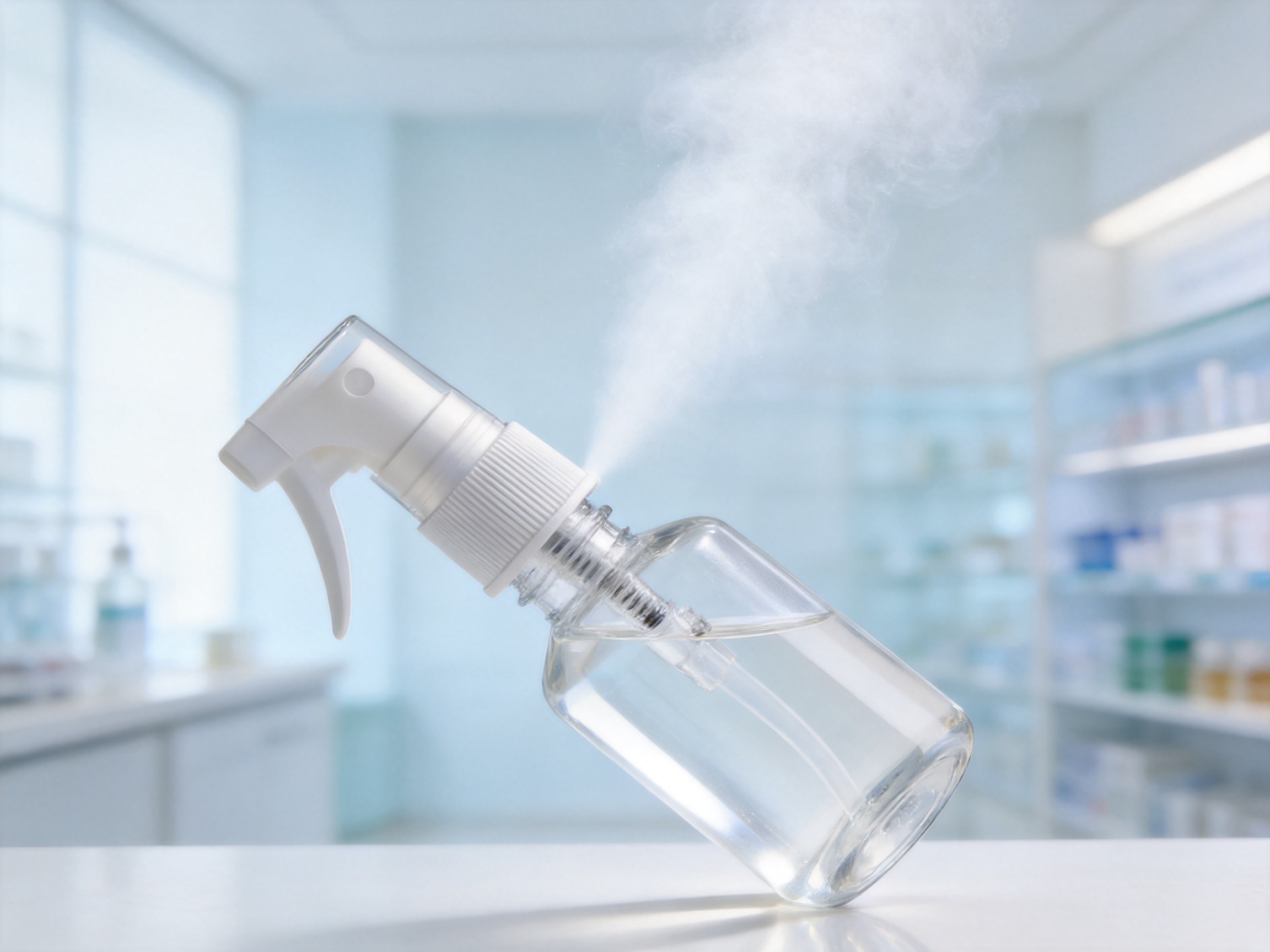
The most significant advantage of the GY-608A1-DZ over a basic upright fine mist sprayer is its intended inverted functionality. A standard sprayer may require the user to keep the container upright to maintain liquid access to the dip tube. The upside down design is intended to reduce that restriction and support more flexible handling.
This difference can be especially meaningful in use environments where the bottle is difficult to orient. An air freshener may be directed toward a ceiling, corner, curtain, or high surface. A scent spray may be applied while the bottle is held at a changing angle. A pharmacy spray may need to reach a specific area without forcing the user to twist the wrist or reposition the container.
Another advantage is the availability of multiple neck-size options. Some competing component programs may be limited to one closure standard, requiring a packaging change or new tooling if the bottle finish does not match. The 18-410, 20/410, and 24/410 choices give manufacturers more room to select a suitable bottle while retaining the same general sprayer concept.
The customizable dip tube is also important. A fixed tube length may be acceptable for one bottle but unsuitable for another. If the tube is too short, residual product may remain inaccessible. If it is too long, it may interfere with the bottle base, create assembly concerns, or affect liquid uptake. Custom tube length allows the sprayer to be adapted to the bottle’s height and internal geometry.
The ribbed closure provides a practical handling advantage. Ribbing increases surface texture, which can improve grip during installation, removal, and use. It can also contribute to a secure visual connection between the sprayer and the bottle. For products used frequently or with wet hands, tactile grip can be an important usability detail.
Finally, the product is supported by a manufacturer with capabilities across mold design, injection molding, assembly, and inspection. An integrated supply structure can simplify communication and reduce the risks that arise when tooling, molded parts, and assembly are managed by unrelated suppliers.
6. Neck-Finish Compatibility and Packaging Integration
Neck finish is a fundamental packaging specification. It determines how the sprayer connects to the bottle and affects the fit, seal, appearance, and production process. The GY-608A1-DZ is listed for 18-410, 20/410, and 24/410 neck sizes, providing compatibility with multiple bottle-opening configurations.
The numbers and thread designations should be confirmed against the selected bottle supplier’s technical drawings. Even when a neck size is commonly used, tolerance, thread condition, sealing surface, bottle material, and dimensional variation can affect the final fit. A proper compatibility program should include both component measurements and assembled-bottle testing.
For packaging developers, offering several neck options helps support different bottle capacities and silhouettes. A smaller neck can suit a compact personal or travel package, while a larger neck may be selected for a higher-capacity bottle or a design requiring a broader opening. The same sprayer family can therefore be considered across multiple product sizes, subject to detailed engineering approval.
Integration testing should examine installation torque, removal torque, leakage, cap alignment, actuator clearance, and performance after transportation. If the bottle is made from PE or PET, the interaction between the bottle material and closure must be assessed. Bottle flexibility, thread strength, and sealing behavior can vary by resin, wall thickness, and manufacturing method.
Compatibility is also influenced by the formula. Alcohol-containing fragrance products, essential-oil blends, solvents, preservatives, and active ingredients may interact differently with seals, springs, valves, or other internal components. Formula and component compatibility testing should be conducted before commercial launch.
7. Customizable Dip Tube Length
The dip tube is a small component with a major impact on dispensing performance. It provides the liquid path between the bottle contents and the pump mechanism. Its length must correspond to the internal height and shape of the selected bottle.
The GY-608A1-DZ offers a customized tube length. This feature allows the sprayer to be adapted to different bottle heights, shoulder designs, and base profiles. It is particularly useful when a brand wants to use a distinctive bottle rather than a standard stock container.
A properly selected tube should reach sufficiently close to the lowest practical point of the bottle without excessive contact against the base. The goal is to support high product evacuation while avoiding folding, compression, or obstruction. Tube positioning should be verified after assembly, especially if the bottle has an irregular internal shape.
Tube customization can also support multiple fill volumes. A single bottle family may be offered in several capacities, and each version may require a different tube length. Customization helps maintain a consistent user experience across the range while allowing the outer packaging to remain visually coordinated.
Before mass production, the tube should be evaluated during upright, tilted, and inverted dispensing. Testing should include the beginning, middle, and end of the package life. The product should be observed for air intake, sputtering, reduced plume quality, incomplete priming, and residual liquid.
8. Ribbed Closure Design
The closure of a sprayer performs both functional and visual duties. It must connect securely to the bottle, support the pump structure, contribute to sealing, and remain comfortable to handle. The GY-608A1-DZ uses a ribbed closure design.
Ribbing provides a textured exterior that can improve finger contact. This is useful when users install the sprayer, remove an overcap, or hold the package during application. A textured surface may also make the closure easier to operate in environments where hands are damp or lightly contaminated with product.
From a visual standpoint, ribbing adds definition and can support a technical, professional, or functional packaging style. It may be combined with different colors, surface finishes, or bottle shapes to create a differentiated appearance. Final decoration options should be confirmed based on the selected material and manufacturing process.
A secure closure is essential for leakage prevention. However, leak resistance depends on the complete package system rather than the ribbed exterior alone. Thread fit, gasket or sealing elements, bottle-neck dimensions, assembly torque, internal pressure, transportation vibration, and storage conditions all require evaluation.
For projects involving volatile or solvent-based formulas, additional testing may be necessary. Temperature cycling, orientation storage, vibration, and long-term aging can reveal leakage or formula interaction that is not visible during an initial inspection.
9. Suitable Applications
Air Fresheners
Air freshener packaging often benefits from a mist that spreads across a room or toward a selected area. The inverted operation of the GY-608A1-DZ can help users direct the spray upward or into spaces where an upright bottle position is inconvenient. The 0.2 milliliter dosage also supports controlled, repeated application.
Developers should evaluate the formula’s volatility, fragrance concentration, solvent system, and compatibility with the sprayer’s internal materials. The bottle should be tested in the intended orientation and under realistic use conditions.
Scent and Fragrance Products
Scent products require a combination of presentation and dispensing performance. A fine mist can help distribute fragrance lightly and evenly, while a ribbed closure and suitable bottle can support a premium tactile experience. The compact neck-size options allow the sprayer to be paired with different bottle designs.
Fragrance formulas may contain alcohols, oils, or aromatic compounds that require compatibility screening. The final spray pattern should be assessed on the intended application surface, and the effect of the 0.2 milliliter dosage should be evaluated for both consumer satisfaction and product longevity.
Pharmacy and Specialty Sprays
The product information identifies pharmacy as one of the intended usage areas. Pharmacy-related products require careful technical and regulatory evaluation. The sprayer can provide a useful dispensing platform, but suitability depends on the specific formula, intended route of application, dosage requirements, packaging regulations, and market authorization.
For pharmacy or medical applications, the manufacturer and product owner should define the required performance criteria before sampling. These may include dose uniformity, priming, leakage, material compatibility, cleanliness, labeling, and storage stability.
Personal Care and Household Products
Although the supplied usage list emphasizes air freshener, scent, and pharmacy applications, the fine mist format may also be considered for selected personal care and household products. Potential examples could include specialty body sprays, fabric refreshers, grooming products, or surface products, provided that the formula and regulatory requirements are suitable.
Every new application should be validated independently. A sprayer that performs well with a low-viscosity fragrance may behave differently with a thicker or more complex formula. Product claims should be based on testing rather than on the component category alone.
10. Manufacturing Strengths Behind the Product
A dispensing component is only as reliable as the manufacturing system that produces it. Small dimensional differences in molded parts can influence fit, actuation, leakage, spray quality, and assembly performance. For this reason, supplier capability is a central consideration when selecting a packaging partner.
GreenYard Tools Co., Ltd. is described as a high-end packaging material manufacturer from China with 16 years of experience in spray product manufacturing. Its product scope includes perfume sprayers, pump heads, caps, bottles, and daily chemical packaging solutions. This specialization gives the company experience across multiple packaging formats rather than limiting its knowledge to a single closure type.
The company reports a daily production capacity of one million units. Such capacity can be relevant for customers requiring repeat production, seasonal volume increases, or coordinated supply for multiple markets. Capacity alone does not guarantee suitability, but it indicates that the manufacturer has established systems for material handling, production scheduling, assembly, and order fulfillment.
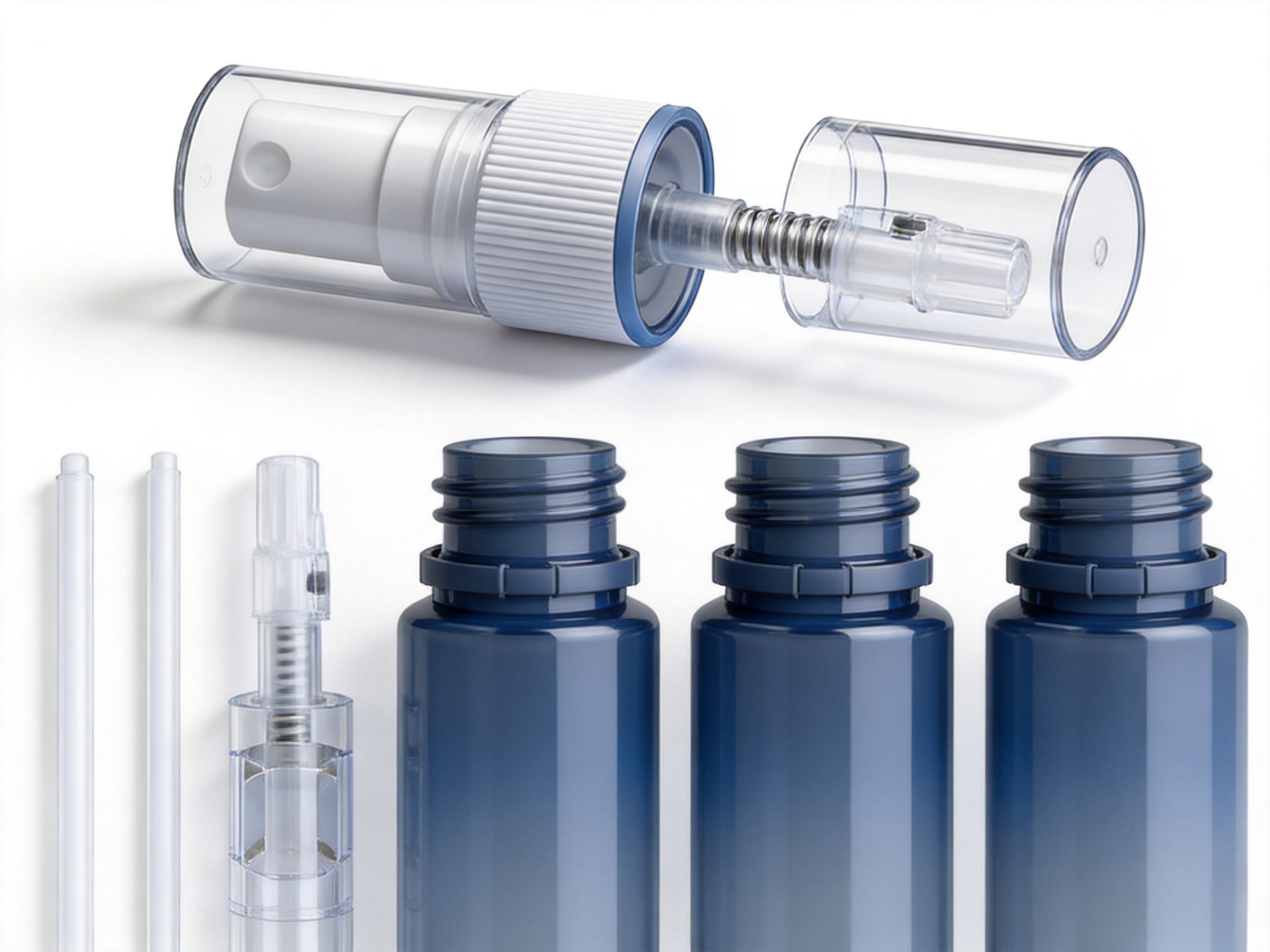
GreenYard’s stated manufacturing capabilities include mold design, injection molding, automated assembly, and quality inspection. Keeping these capabilities within one organization can improve control over the product development process. Tooling engineers can communicate directly with molding teams, assembly specialists can address component interactions, and quality personnel can establish inspection points throughout production.
Mold design is especially important for sprayers because the components often contain fine features, narrow flow paths, threads, sealing surfaces, and moving interfaces. Proper mold engineering helps support dimensional consistency and efficient production. It can also make future customization easier when the customer requires a different neck size, tube length, color, or dosage configuration.
Injection molding provides the basic plastic components used in many packaging systems. Process control may involve material preparation, mold temperature, injection pressure, cooling, cycle time, and part inspection. Consistency in these areas helps reduce variation between production batches.
Automated assembly can support repeatable installation of small components. It may also improve production efficiency and reduce the variability associated with manual operations. For a sprayer, accurate assembly is important because internal parts must work together to generate the intended output and maintain sealing performance.
Quality inspection provides an additional layer of control. Inspection programs may include visual checks, dimensional verification, closure-fit evaluation, spray testing, leakage testing, and sampling according to project requirements. The exact inspection plan should be agreed upon with the customer before mass production.
11. Integrated Development from Mold to Finished Sprayer
Packaging projects are often delayed when responsibility is divided among too many suppliers. A mold maker may produce parts without understanding the final assembly, while an assembly provider may receive components that were not optimized for automated installation. An integrated manufacturer can reduce these communication gaps.
GreenYard’s combination of mold design, injection molding, automated assembly, and quality inspection supports a more connected development path. A project can begin with the required bottle neck, dosage, appearance, and application conditions. The engineering team can then consider tooling, component tolerances, assembly sequence, and finished-product inspection as parts of the same system.
This approach is useful for customized dip tube lengths and multiple neck-size configurations. Instead of treating the tube, closure, and pump as unrelated parts, the manufacturer can evaluate how they function together in the finished package. The result can be a more efficient path from prototype to production.
Integrated manufacturing may also simplify corrective action. If a test identifies a leakage issue or inconsistent spray, the relevant teams can review the mold, molded part, assembly process, and inspection data together. Faster communication can help shorten the time required to identify the cause and implement a controlled improvement.
For international customers, a coordinated supplier can also make documentation and production planning easier. Technical drawings, sample approvals, color requirements, packaging instructions, and quality standards can be managed through a central communication channel.
12. Quality Considerations for Commercial Approval
Before approving the GY-608A1-DZ for commercial use, the buyer should establish a product-specific validation plan. The plan should include the selected bottle, actual formula, intended filling process, storage conditions, transportation environment, and expected usage pattern.
Dosage testing should measure the output over repeated actuations. The first spray, average spray, and final sprays should be compared. If the project uses the 0.12 milliliter configuration instead of the 0.20 milliliter configuration, the acceptance range must be defined separately.
Spray-pattern testing should examine the plume, distribution, and consistency at different distances and orientations. Inverted testing is particularly important because the product’s key function is operation when the bottle is upside down. The package should be tested upright, tilted, horizontal, and inverted as appropriate for the use case.
Leakage testing should be performed after assembly and after simulated transportation. Packages can be stored in different orientations and exposed to temperature changes before inspection. The test program should reflect the actual shipping and storage conditions of the target market.
Actuation testing can evaluate the force required to press the actuator, the return behavior, the feel of the stroke, and the effect of repeated use. A sprayer that is technically functional but difficult to press may create a poor user experience. Conversely, an actuator that is too sensitive may be pressed accidentally during transportation or handling.
Formula compatibility testing should observe changes in color, odor, viscosity, leakage, component swelling, embrittlement, stress cracking, and spray quality. The test duration should be appropriate for the product’s intended shelf life. Accelerated testing may provide useful early information, but real-time evaluation is also important for final confidence.
Visual inspection should cover color consistency, molding defects, flash, sink marks, surface contamination, rib integrity, thread condition, and actuator alignment. The final acceptance criteria should be documented so that supplier and customer evaluate the product using the same standards.
13. Sustainability and Material Efficiency Considerations
Packaging sustainability depends on the complete package system, including the bottle, sprayer, closure, label, secondary packaging, transportation, and end-of-life pathway. A sprayer alone cannot determine the environmental profile of a finished product, but component design can contribute to responsible packaging decisions.
Controlled dosage may help reduce product waste because users receive a measured amount with each actuation. In some applications, consistent output can also help brands select an appropriately sized bottle and avoid excessive overfill intended to compensate for unpredictable dispensing.
The customizable tube length can support more efficient product evacuation from the bottle. If less formula remains inaccessible at the end of use, the package may deliver more of the filled product to the consumer. Actual performance depends on bottle geometry and formula behavior, so residual-content testing should be conducted.
Material selection, component count, and compatibility with local recycling systems should be reviewed during development. The customer should request the relevant material information and assess whether the final combination of bottle and sprayer aligns with the environmental claims permitted in the target market.
Durability is another sustainability factor. A sprayer that maintains its performance through the expected service life can reduce premature disposal caused by malfunction. Reliable assembly, secure closure fit, and appropriate formula compatibility all contribute to package longevity.
14. Customization Opportunities
The GY-608A1-DZ provides several starting points for customization. The most clearly identified options are neck size, dosage configuration, and dip tube length. These features allow the sprayer to be adapted to the bottle and formula instead of forcing the project into a fixed component arrangement.
Customers may also discuss appearance requirements such as color, finish, and overall packaging coordination. Any decoration or color customization should be evaluated for process feasibility, minimum order requirements, lead time, and consistency across production batches.
For a new project, the customer should provide the bottle drawing, neck-finish specification, bottle capacity, formula information, target dosage, required spray orientation, and intended market. Usage conditions should also be described, including whether the package will be used indoors, outdoors, in a bathroom, in a vehicle, or in a professional environment.
Clear technical information at the beginning of a project helps the manufacturer recommend the most suitable configuration. It also reduces the risk of selecting a component that performs well in isolation but does not match the final bottle or formula.
Sampling should proceed in stages. Initial samples can confirm physical fit and basic actuation. Formula-filled samples can evaluate spray quality and compatibility. Transportation and aging samples can then provide information about long-term performance. Each stage should be documented and approved before moving to the next.
15. How the Product Supports Brand Differentiation
Packaging differentiation does not always require an unusual shape or complicated decoration. Functional advantages can be equally valuable. Inverted spraying gives a product a clear usage benefit that can be communicated through instructions, demonstrations, and point-of-sale content.
A consistent fine mist can reinforce the perception of quality. Controlled dosage can support product-economy messaging when such claims are substantiated. A ribbed closure can add a recognizable tactile detail, while a carefully selected bottle can complete the visual identity.
For private-label and contract-manufactured products, the sprayer can help create a distinctive experience even when the underlying formula category is competitive. Air fresheners, scent sprays, and specialty household products often compete through a combination of fragrance, convenience, appearance, and reliability. An orientation-flexible sprayer addresses the convenience element directly.
The ability to use one sprayer platform with several neck sizes may also support portfolio consistency. A brand can develop multiple products with coordinated packaging while adjusting bottle capacity or shape for each application. This can strengthen shelf recognition and simplify procurement planning.
16. Recommended Procurement Process
Buyers should begin by identifying the finished-product requirements rather than selecting a pump solely by appearance. Key questions include the desired dosage, formula viscosity, chemical composition, bottle neck size, bottle height, intended spray direction, storage conditions, and expected annual volume.
The next step is to request technical samples in the selected neck size and dosage. The tube length should be specified or supplied with the intended bottle so that the assembled package can be tested. If more than one bottle is being considered, samples should be evaluated in each format.
During testing, the buyer should record the number of actuations required for priming, average output, spray pattern, actuation force, leakage behavior, and inverted performance. Observations should be made with both a full bottle and a nearly empty bottle.
After technical approval, the buyer and manufacturer should confirm color, packing method, quality standards, inspection procedures, production lead time, shipping requirements, and documentation. A written approval sample can provide a reference for future production.
For large-volume orders, a pre-production review may be appropriate. This review can verify that the approved mold, material, assembly process, and packaging method are being used. Batch records and inspection results can support traceability and ongoing quality management.
17. Why Manufacturing Experience Matters
Spray packaging requires knowledge of fluid movement, precision molding, component assembly, and user ergonomics. Experience in one area does not automatically provide expertise in all of them. A manufacturer specializing in spray products is more likely to understand the practical relationships among dosage, actuator design, dip-tube position, bottle compatibility, and sealing.
GreenYard’s stated 16 years of experience in spray product manufacturing provides a background for developing and producing components such as perfume sprayers, pump heads, caps, and bottles. Its product range also indicates familiarity with several daily chemical and personal care packaging requirements.
The company’s design team is described as supporting product innovation. For customers developing a new package, design support can be useful when translating a marketing idea into a manufacturable component. It may also help identify potential problems before tooling begins.
High production capacity can support customers that need stable supply after product launch. A daily capacity of one million units provides a basis for discussing high-volume requirements, although actual available capacity, product mix, production schedule, and order quantity must be confirmed for each project.
Manufacturing strength should always be verified through samples, factory communication, technical documentation, and agreed quality procedures. Nevertheless, the combination of specialized experience, integrated processes, design support, and production capacity makes GreenYard a relevant supplier for customers evaluating inverted fine mist packaging.

18. Frequently Asked Questions
Q1: What is the main function of the GY-608A1-DZ?
The GY-608A1-DZ is a fine mist sprayer designed to operate even when the bottle is inverted. It provides a controlled spray output and is intended for applications such as air fresheners, scent products, pharmacy sprays, and other specialty products.
Q2: What dosage does the sprayer provide?
The primary specification is 0.20 milliliters per actuation. The supplied product information also mentions 0.12 milliliter and 0.20 milliliter options. The exact dosage configuration and tolerance should be confirmed during the sampling and technical approval process.
Q3: Which bottle neck sizes are available?
The listed neck-size options are 18-410, 20/410, and 24/410. The selected sprayer should be matched with a bottle using the corresponding neck finish and verified through assembled-package testing.
Q4: Is the dip tube available in different lengths?
Yes. The dip tube length is customizable. The appropriate length depends on bottle height, internal shape, fill volume, and the desired product evacuation performance.
Q5: What does the ribbed closure provide?
The ribbed closure provides a textured grip that can make the package easier to handle. It also contributes to the closure’s functional and visual design. Sealing performance must be evaluated with the complete bottle and formula system.
Q6: Can this sprayer be used for fragrance products?
Yes. Scent and fragrance products are among the stated applications. Because fragrance formulas can contain alcohols, oils, and other ingredients, compatibility testing should be completed using the actual formula and intended storage conditions.
Q7: Is the product suitable for pharmacy applications?
Pharmacy is listed as a usage area, but suitability depends on the specific formula, dosage requirement, regulatory status, material compatibility, and market requirements. The finished package must be validated for the intended application before commercial use.
Q8: How should inverted performance be tested?
The sprayer should be evaluated upright, tilted, horizontal, and inverted as appropriate. Testing should include repeated actuations, different fill levels, priming behavior, spray pattern, dosage, and leakage. The actual formula and production bottle should be used for final validation.
Q9: What manufacturing capabilities does GreenYard provide?
GreenYard is described as having capabilities in mold design, injection molding, automated assembly, and quality inspection. The company also provides spray products, pump heads, caps, bottles, and daily chemical packaging solutions.
Q10: What information should a buyer provide when requesting samples?
A buyer should provide the bottle drawing, neck size, bottle capacity, tube-length requirement, formula type, desired dosage, intended use, spray orientation, color requirements, estimated order volume, and target market. This information helps the manufacturer prepare a more relevant sample.
Q11: Can one sprayer be used with different bottle designs?
It may be possible when the bottle uses a compatible neck finish and the tube length and internal geometry are suitable. Each bottle design should be tested separately because fit, liquid uptake, residual content, and inverted performance can vary.
Q12: Does the sprayer eliminate the need for compatibility testing?
No. Inverted capability and controlled dosage are important features, but formula compatibility, leakage resistance, shelf life, transportation, and regulatory suitability must still be verified for the completed package.
19. Conclusion
The GY-608A1-DZ 0.2CC Upside Down Mist Sprayer is designed for packaging applications where controlled fine-mist dispensing and orientation flexibility are both important. Its ability to spray when inverted distinguishes it from many conventional upright sprayers and provides a practical benefit for air fresheners, scent products, pharmacy sprays, and other specialty applications.
The product offers a primary 0.20 milliliter dosage, with an additional 0.12 milliliter option identified in the supplied information. Its 18-410, 20/410, and 24/410 neck-size choices support packaging flexibility, while the customizable dip tube allows adaptation to different bottle heights and shapes. The ribbed closure adds grip and supports secure package handling.
Beyond the component itself, the manufacturing platform is a significant consideration. GreenYard Tools Co., Ltd. combines spray-product experience with mold design, injection molding, automated assembly, quality inspection, design support, and high stated production capacity. These capabilities can help customers move from initial concept to validated package and repeat production with fewer supply-chain interfaces.
As with any dispensing component, the final decision should be based on testing with the intended bottle and formula. When correctly matched and validated, the GY-608A1-DZ can provide a practical, customizable, and user-oriented solution for brands seeking reliable fine mist packaging with inverted spraying capability.
References
1. GreenYard Tools Co., Ltd. Product information for GY-608A1-DZ 0.2CC Upside Down Mist Sprayer.
2. GreenYard Tools Co., Ltd. Company information concerning mold design, injection molding, automated assembly, quality inspection, and production capacity.
3. Packaging engineering principles for pump and sprayer compatibility, closure fit, dip-tube design, and leakage evaluation.
4. General quality-control practices for dosage testing, spray-pattern assessment, orientation testing, transportation simulation, and formula compatibility.
5. General packaging development guidance for personal care, fragrance, air-care, household, and pharmacy dispensing systems.
Product: 0.2CC Upside Down Mist Sprayer

-
What Is Perfume Spray? How Atomizers Work, Mist Types and Packaging Basics
Press the actuator on a fragrance bottle once and a metered dose of liquid, usually between 0.05 an...
-
Roll On Bottles: Types, Refill Guide, and Packaging Buying Tips for Your Brand
The first sample rolled smoothly, the second clicked, and the third leaked after ten presses. Three...
-
Misting Spray Bottle Guide: How a Fine Mist Sprayer Works
Quick Answer: What Makes a Misting Spray Bottle Work Well A misting spray bottle performs well when...
-
Spray Bottles Explained: Choosing the Right Fine Mist Sprayer
What Makes a Good Spray Bottle A good spray bottle depends almost entirely on the quality of its pu...
Copyright © GreenYard Tools Co.,ltd. All Rights Reserved.
Personal Care Packaging Manufacturer Custom Perfume Sprayers Factory