
-
About Us
Why Choose Us?The company possesses advanced capabilities in mold design, injection molding, and automated assembly, supported by a professional quality inspection team to ensure product reliability. A dedicated design team continuously drives product innovation, providing customers with high-quality spray solutions.
 Coming From China, Marketing To The World.
-
Products
-
News
 English
 Français
 русский
 Español
Plastic Round Shoulder PET Bottle: Versatile Packaging for Personal Care, Pharmacy, and Everyday Products
Content
- 1 Product Overview
- 2 Why PET Is a Practical Packaging Material
- 3 The Functional Value of the Round Shoulder Design
- 4 Capacity Options for Different Product Strategies
- 5 Advantages Over Less Versatile Packaging Options
- 6 Application Areas
- 7 Manufacturing Strengths Supporting Product Reliability
- 8 Integrated Packaging Solutions
- 9 Customization and Product Development Opportunities
- 10 Designing a Better User Experience
- 11 Filling, Sealing, and Distribution Considerations
- 12 Quality Control Priorities
- 13 Sustainability and Resource Efficiency
- 14 Why Manufacturer Experience Matters
- 15 Purchasing Advantages for Brands and Distributors
- 16 Recommended Product Development Process
- 16.1 Step one: Define the formula and application
- 16.2 Step two: Select the capacity
- 16.3 Step three: Choose the dispensing system
- 16.4 Step four: Request samples
- 16.5 Step five: Conduct compatibility and stability testing
- 16.6 Step six: Confirm production specifications
- 16.7 Step seven: Approve a pre-production sample
- 16.8 Step eight: Plan inspection and delivery
- 17 Practical Comparison with Alternative Packaging Materials
- 18 Brand Presentation and Shelf Appeal
- 19 Storage and Handling Recommendations
- 20 Quality and Compliance Responsibilities
- 21 Q&A
- 21.1 What material is used for the Plastic Round Shoulder PET Bottle?
- 21.2 What capacities are available?
- 21.3 What products can be packaged in this bottle?
- 21.4 Can the bottle be used with a pump or sprayer?
- 21.5 Is PET lighter than glass packaging?
- 21.6 Is the bottle suitable for pharmaceutical products?
- 21.7 Can the bottle be customized?
- 21.8 What manufacturing capabilities support this product?
- 21.9 What is the manufacturer’s production capacity?
- 21.10 How should formula compatibility be tested?
- 21.11 Can the bottle be used for thick products?
- 21.12 How can buyers begin a packaging project?
- 22 Conclusion
- 23 References
- 24 Product: Plastic Round Shoulder PET Bottle

Packaging is more than a container. It protects a formula, communicates product quality, supports convenient use, and influences how customers perceive a brand. For personal care, cosmetic, pharmacy, cleaning, air care, gardening, and automotive products, the bottle must combine reliable performance with an attractive appearance and practical production characteristics. The Plastic Round Shoulder PET Bottle is designed to meet these requirements through a balanced combination of clarity, lightweight construction, versatile capacity options, and compatibility with a broad range of closures and dispensing systems.
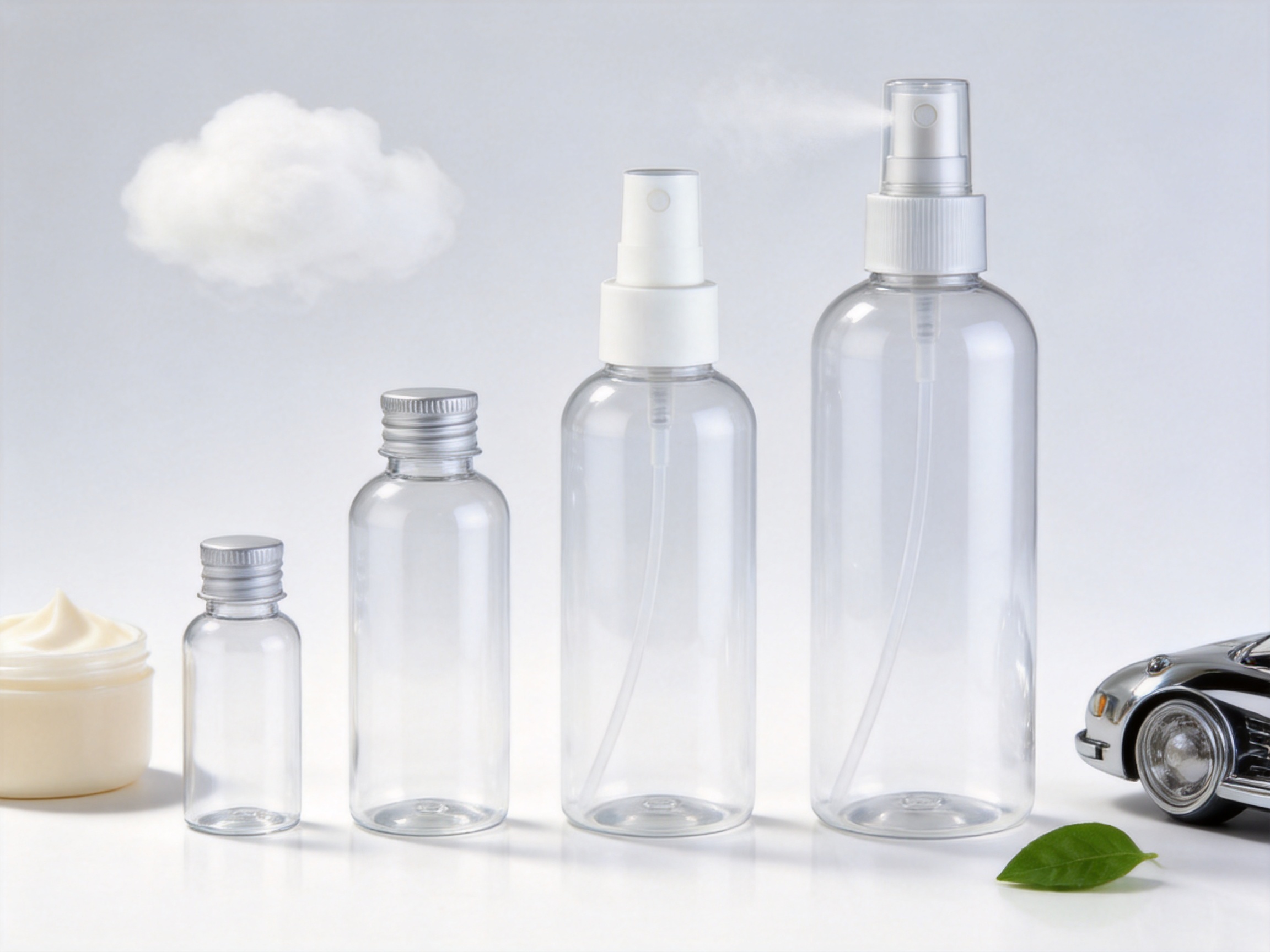
Available in capacities from 10 milliliters to 250 milliliters, this round shoulder bottle provides a flexible packaging platform for products ranging from travel-size formulations to larger household and professional-use products. Its rounded shoulder profile gives the bottle a smooth, approachable appearance while helping create a comfortable transition between the body and neck. This form is suitable for skin care products, pharmacy preparations, cleaning liquids, personal care products, cosmetics, air care formulas, gardening solutions, and automotive care products.
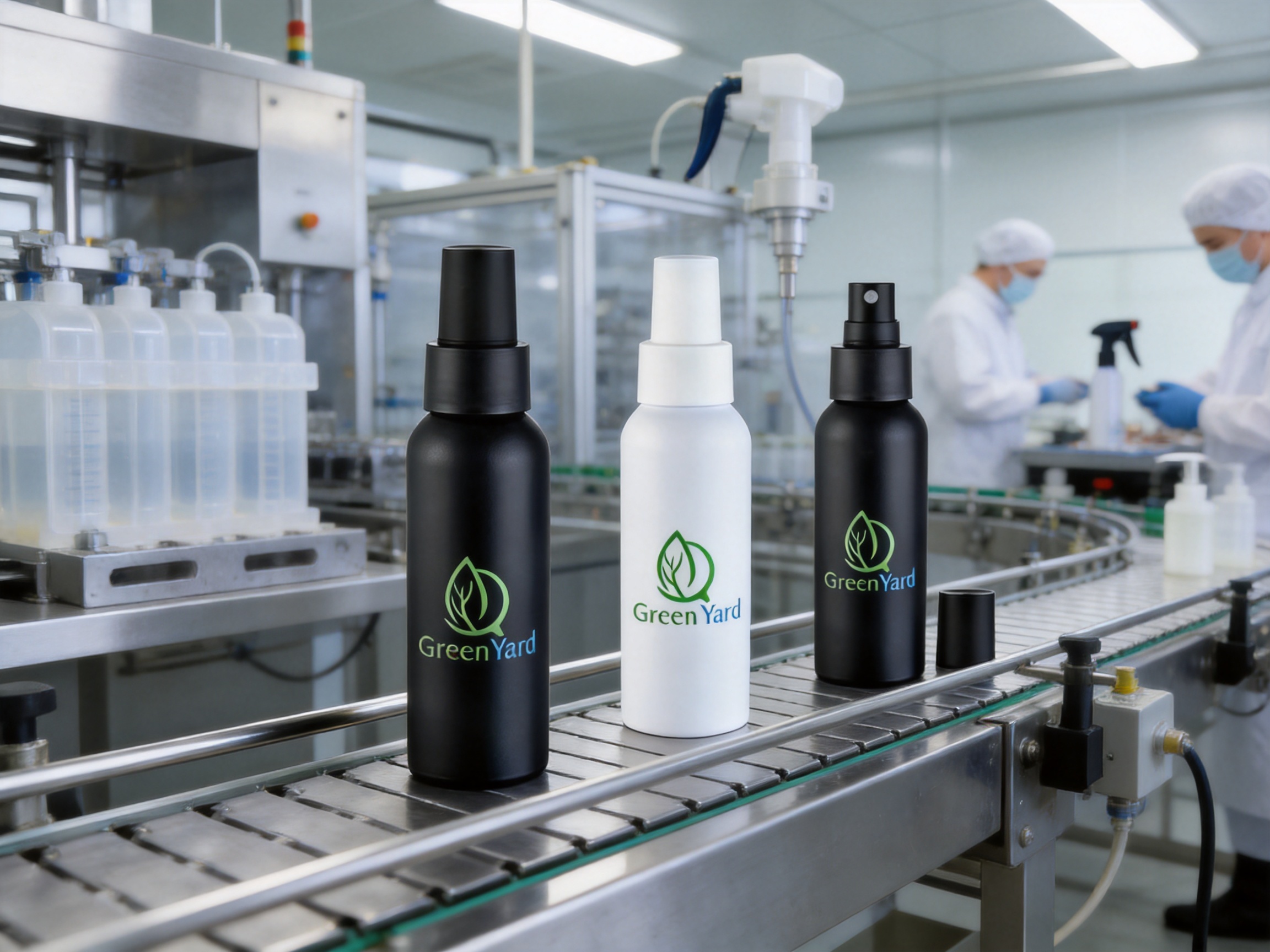
Manufactured by GreenYard Tools Co., Ltd., a China-based packaging manufacturer with extensive experience in spray product manufacturing, the bottle can be integrated into a wider packaging program that includes perfume sprayers, pump heads, caps, lotion pumps, bottles, and daily chemical packaging solutions. This integrated capability allows buyers to coordinate bottle design and dispensing components more efficiently, reducing the challenges that can arise when packaging parts are sourced from unrelated suppliers.
The following article examines the structure, material benefits, size range, application potential, manufacturing strengths, quality considerations, customization opportunities, and purchasing value of the Plastic Round Shoulder PET Bottle.
Product Overview
The Plastic Round Shoulder PET Bottle is a lightweight rigid container made primarily from polyethylene terephthalate, commonly known as PET. PET is widely used in packaging because it offers a useful balance of transparency, strength, chemical resistance, dimensional stability, and manageable weight. The round shoulder design creates a smooth visual profile that can be used for cosmetic, pharmaceutical, household, and technical product packaging.
The available capacity range includes 10 milliliters, 20 milliliters, 30 milliliters, 50 milliliters, 75 milliliters, 100 milliliters, 120 milliliters, 150 milliliters, 200 milliliters, and 250 milliliters. This broad selection allows a single bottle family to serve different product volumes and marketing formats. Smaller sizes can support samples, travel products, concentrated treatments, and portable personal care items. Medium sizes are appropriate for daily-use skin care, cosmetic, pharmacy, and household formulas. Larger sizes can accommodate cleaning products, air care products, gardening products, and automotive care preparations.
The bottle may be paired with suitable closures and dispensing components according to the formulation and intended user experience. Depending on the project, buyers may consider a screw cap, treatment pump, lotion pump, fine mist sprayer, crimp pump, trigger sprayer, or another compatible closure. The availability of different packaging components helps manufacturers create several product variations while maintaining a consistent bottle appearance.
Product characteristic |
Details |
Product type |
Plastic round shoulder PET bottle |
Material |
PET plastic |
Available capacities |
10 ml, 20 ml, 30 ml, 50 ml, 75 ml, 100 ml, 120 ml, 150 ml, 200 ml, and 250 ml |
Primary usage areas |
Skin care, pharmacy, cosmetics, personal care, cleaning, air care, gardening, and automotive care |
Design profile |
Rounded shoulder with a practical cylindrical bottle format |
Packaging compatibility |
Suitable for selected caps, pumps, sprayers, and other dispensing components |
Manufacturing support |
Mold design, injection molding, automated assembly, and quality inspection capabilities |
Why PET Is a Practical Packaging Material
PET is one of the most widely recognized materials in modern packaging. Its popularity comes from its combination of useful mechanical and visual properties. Compared with many heavier packaging materials, PET can provide a strong container at a relatively low weight. This can help reduce material consumption, transportation weight, and handling effort while preserving a professional appearance.
For personal care and cosmetic applications, appearance is especially important. Clear or translucent PET can allow the color and texture of a formula to contribute to the product presentation. Even when an opaque or decorated finish is selected, the smooth surface of PET can support labels, printing, coatings, and other visual treatments. A well-designed bottle can therefore function both as a protective package and as an important part of a product’s shelf identity.
PET also provides useful rigidity. A bottle that maintains its shape during filling, transportation, storage, and use can deliver a more dependable consumer experience than a container that collapses or deforms easily. This rigidity is valuable for products that are displayed upright, packed in cartons, or used with pumps and sprayers that depend on a stable bottle body.
Another advantage is the material’s broad suitability for many conventional liquid and personal care formulations. However, compatibility must always be evaluated for the specific formula, concentration, temperature, storage period, and closure system. Product developers should conduct appropriate stability and compatibility testing before commercial filling.
The Functional Value of the Round Shoulder Design
The rounded shoulder is a notable feature of this bottle. Instead of using a sharp transition between the vertical body and the neck, the shoulder curves gradually toward the closure area. This creates a softer and more refined silhouette that is often associated with beauty, wellness, and personal care packaging.
From a visual perspective, rounded shoulders can make a bottle appear balanced and approachable. The profile works well for skin care products, cosmetic liquids, fragrance-related products, pharmacy preparations, and daily chemical products. It can also be used in more technical applications when the bottle is combined with an appropriate label, color, or dispensing system.
The shoulder shape may also support a smoother label area and a more cohesive relationship between the bottle body and the neck. When a product uses a pump or sprayer, the rounded transition can help create a unified appearance instead of making the closure appear visually separate from the container.
Ergonomically, the curved shoulder can contribute to comfortable handling. Consumers often hold a bottle near the upper body or shoulder when dispensing a product. A smooth contour can reduce the impression of sharp edges and provide a pleasant hand feel. The practical benefit will depend on the final dimensions, wall thickness, closure, and formula weight, but the design offers a strong foundation for user-friendly packaging.
Capacity Options for Different Product Strategies
One of the strongest advantages of this bottle family is the range of available capacities. The sizes are arranged to support different usage occasions, product concentrations, sales channels, and customer expectations. A manufacturer does not need to select a completely different packaging concept for every volume. Instead, the same overall design language can be adapted across a product range.
Small capacities: 10 ml to 30 ml
The 10 ml, 20 ml, and 30 ml sizes are suitable for compact products and controlled-use formulas. They may be used for concentrated skin care treatments, cosmetic samples, pharmacy preparations, travel products, specialty serums, and portable personal care items. These sizes are convenient for promotional kits, trial programs, hotel amenities, and products intended to fit into handbags or small storage spaces.
Small bottles can also help brands introduce a lower-entry-price format. Customers who are uncertain about a new formula may prefer a smaller size before purchasing a full-size product. For manufacturers, these formats can support gift sets, multi-product collections, and limited-edition packaging programs.
Medium capacities: 50 ml to 120 ml
The 50 ml, 75 ml, 100 ml, and 120 ml sizes cover many everyday personal care and cosmetic requirements. They can be used for lotions, treatments, liquid cleansers, facial products, hand care products, pharmacy liquids, and other products that need a moderate quantity without creating a bulky package.
These sizes are particularly useful when portability and regular use must be balanced. A 50 ml or 75 ml bottle may suit a travel-oriented product, while a 100 ml or 120 ml bottle can provide a practical daily-use format. The same round shoulder appearance across these sizes can help create a coordinated product family.
Larger capacities: 150 ml to 250 ml
The 150 ml, 200 ml, and 250 ml options offer more volume for products used frequently or distributed in household and professional channels. Potential applications include body care, cleaning products, air care formulas, gardening preparations, automotive care products, and larger personal care items.
Larger bottles may reduce the frequency of repurchase and offer better value for consumers who use a product regularly. They are also practical for product categories where a higher volume is needed for repeated application. When combined with an appropriate pump, sprayer, or cap, the larger formats can be designed around controlled, convenient dispensing.
Advantages Over Less Versatile Packaging Options
Packaging buyers often compare bottles according to appearance, cost, filling efficiency, compatibility, shipping performance, and consumer usability. The Plastic Round Shoulder PET Bottle offers several advantages over packaging options that are limited to one capacity, one closure type, or one narrow application category.
One design family for multiple product sizes
A single bottle family with ten capacity options can simplify product planning. A company developing several products may use small, medium, and large formats without abandoning the visual identity of the range. This consistency can strengthen shelf presentation and make the product line easier for customers to understand.
Using related packaging formats may also simplify artwork development, procurement planning, and packaging testing. Although each size still requires appropriate technical evaluation, the shared design concept can reduce unnecessary variation in the development process.
More applications than a single-purpose container
Some packaging formats are designed specifically for one category, such as a narrow-neck bottle for a particular liquid or a specialized container for a single dispensing method. The round shoulder PET bottle is more adaptable. It can serve skin care, pharmacy, cleaning, air care, gardening, and automotive care products, subject to formula compatibility and closure selection.
This versatility can be valuable to distributors, contract manufacturers, and brands with changing product portfolios. A flexible bottle reduces the need to search for new primary packaging every time a new product category is introduced.
Lightweight construction and transport efficiency
PET packaging is generally lighter than comparable glass packaging. Lower weight can make handling easier for filling plants, warehouses, retailers, and end users. It may also contribute to more efficient transportation, especially when products are shipped in large quantities.
Weight reduction should never compromise the bottle’s ability to withstand filling, capping, transportation, and ordinary use. The appropriate design must maintain sufficient rigidity and resistance for its intended application. GreenYard’s mold design and production capabilities are important in achieving the required balance between lightness and structural performance.
Professional appearance without excessive complexity
The round shoulder silhouette provides a polished appearance without requiring an overly complicated external shape. Simple forms can be advantageous in manufacturing, labeling, packing, and storage. At the same time, the rounded profile gives the package more visual character than a completely plain cylindrical container.
For brands seeking a clean, modern, and adaptable appearance, this balance can be more useful than a highly decorative shape that is difficult to produce or difficult to pack efficiently.
Compatibility with dispensing solutions
Many personal care and household products require controlled dispensing. A pump or sprayer can improve hygiene, reduce spills, and help users apply the correct amount. Because the product portfolio includes different pumps, sprayers, caps, and bottle formats, buyers can explore packaging combinations that fit the formula and user experience.
The correct combination depends on the product’s viscosity, particle content, foaming behavior, spray pattern, dosage requirement, and chemical composition. Compatibility should be verified through testing, but the availability of coordinated components creates a strong starting point for packaging development.
Application Areas
Skin care products
The bottle is suitable for a variety of skin care formats, including lotions, treatments, liquid moisturizers, facial products, cleansing products, and selected serum or essence applications. Small and medium capacities can support concentrated or premium products, while larger sizes can serve body care and daily-use formulations.
When used with a lotion pump or treatment pump, the bottle can provide controlled dispensing and help reduce contact between the user’s hands and the remaining formula. If a fine mist sprayer is selected, the package may be suitable for lightweight facial, body, or refreshing products, provided the formula and spray characteristics are compatible.
The available sizes and rigid PET structure make the bottle a possible choice for selected pharmacy and health-related liquid products. Packaging for these applications requires careful attention to material compatibility, closure security, dosage control, cleanliness, labeling, and regulatory requirements.
A bottle used for a pharmacy product should be tested with the actual formulation and dispensing system. Where accurate dosing is necessary, a suitable pump, dropper, or calibrated closure may be considered. The bottle itself provides a flexible foundation, while the final packaging system must be developed according to the product’s technical and regulatory needs.
Personal care and cosmetics
Cosmetic and personal care brands often need packaging that is attractive, easy to handle, and available in multiple sizes. The round shoulder design suits a range of product concepts, from minimalist skin care to colorful personal care collections. PET can also support labeling, printing, and decorative finishing options that help differentiate a product on the shelf.
For gift sets and coordinated product ranges, different bottle capacities can be combined while preserving a consistent overall shape. This creates opportunities for travel kits, introductory sets, professional sizes, and standard retail products.
Cleaning products
Cleaning products can benefit from packaging that is lightweight, rigid, and easy to dispense. The 150 ml to 250 ml sizes may be useful for concentrated cleaners, specialty cleaning products, and smaller-format household solutions. Depending on the formula, a cap, treatment pump, or trigger sprayer may be selected.
Cleaning formulations can vary significantly in acidity, alkalinity, solvent content, fragrance level, and surfactant concentration. Therefore, chemical compatibility testing is essential. The bottle should be evaluated for stress cracking, leakage, deformation, discoloration, and long-term storage performance before filling at scale.
Air care products
Air care applications may include refreshing liquids, odor-control products, and other formulations that require spray or controlled dispensing. The bottle’s capacity range allows manufacturers to create compact personal formats or larger household formats. A fine mist sprayer or trigger sprayer can be considered according to the required spray pattern and application area.
The bottle shape also provides sufficient room for labels that communicate fragrance type, usage instructions, warnings, and brand information. A clear or decorated finish can be selected to support the desired visual presentation.
Gardening and automotive care products
Gardening and automotive care products often require packaging that is practical and resistant to routine handling. Products may include maintenance liquids, surface treatments, specialty cleaners, and care solutions. The larger bottle sizes can provide a useful balance between product quantity and portability.
For these technical applications, packaging selection must consider the formulation’s chemical properties and the conditions under which the bottle will be stored and used. Exposure to heat, sunlight, oils, solvents, or repeated squeezing may affect performance. Proper testing and suitable component selection are therefore important parts of the development process.
Manufacturing Strengths Supporting Product Reliability
The quality of a bottle depends not only on the raw material but also on mold design, process control, equipment condition, assembly accuracy, and inspection procedures. GreenYard Tools Co., Ltd. has specialized in spray product manufacturing for 16 years and has developed capabilities across several key stages of packaging production.
Mold design and development
Mold design establishes the basic geometry, dimensional accuracy, surface quality, and production repeatability of the bottle. A well-designed mold must account for wall distribution, shoulder transitions, neck dimensions, cooling behavior, demolding, and the intended production cycle.
The rounded shoulder requires particular attention because the shoulder must transition smoothly into the body and neck. Poorly controlled geometry can lead to uneven appearance, inconsistent wall thickness, filling problems, or difficulty fitting the closure. Engineering experience helps ensure that the shape is attractive while remaining suitable for efficient production.
Advanced mold design also supports adjustments for different capacities and product variations. When the bottle family is developed systematically, the manufacturer can maintain a consistent visual relationship across sizes while adapting the internal and external dimensions to meet capacity requirements.
Injection molding capabilities
Injection molding requires accurate control of material preparation, temperature, pressure, cooling, and cycle timing. Stable process parameters help produce bottles with consistent dimensions and surface appearance. They also reduce the risk of defects such as short shots, warping, sink marks, flash, uneven coloration, and dimensional deviation.
GreenYard’s manufacturing capabilities include injection molding, enabling the company to manage an important part of the production process internally. This can improve coordination between product design and manufacturing and may help shorten communication paths when technical adjustments are required.
For packaging buyers, consistent molding is important because the bottle must work properly with its closure and dispensing component. Even small dimensional differences in the neck or sealing area can affect fit, leakage resistance, pump installation, or capping efficiency.
Automated assembly
Automated assembly can improve repeatability when bottles are combined with pumps, sprayers, caps, or other components. Automation helps control component placement, tightening, insertion, and production speed. It can also reduce variation caused by manual handling and support higher-volume orders.
When a packaging supplier produces both bottles and dispensing components, automated assembly can contribute to better system coordination. The supplier can evaluate how the bottle, closure, dip tube, gasket, actuator, and other parts work together as a complete package rather than treating each component as an unrelated item.
Quality inspection
Quality inspection is essential for identifying defects before products leave the factory. Inspection may include visual checks, dimensional measurement, closure fitting, leakage evaluation, appearance review, and functional testing of pumps or sprayers. The precise inspection plan should reflect the product design and customer requirements.
Reliable inspection helps control common packaging risks, including scratches, contamination, flash, deformation, incorrect assembly, poor sealing, and inconsistent color. For large production programs, a documented inspection system can provide greater confidence that different batches will meet agreed specifications.
High production capacity
The company has a stated daily production capacity of one million units. High capacity can be valuable for customers operating large consumer product programs, seasonal launches, promotional campaigns, or multi-market distribution. Capacity alone does not guarantee quality, but when supported by suitable process control, it can help maintain delivery schedules and support scalable growth.
A supplier with substantial production capability may also be better positioned to handle repeat orders, coordinated component production, and demand increases. Buyers should still confirm lead times, minimum order quantities, quality standards, packaging arrangements, and production planning for each project.
Integrated Packaging Solutions
A major strength of GreenYard is its broader product portfolio. In addition to PET bottles, the company produces perfume sprayers, perfume pump heads, lotion pumps, treatment pumps, fine mist sprayers, crimp pumps, foam pumps, droppers, caps, airless bottles, deodorant stick bottles, cream jars, nail polish pumps, trigger sprayers, mini triggers, PE bottles, and roll-on bottles.
This range allows customers to discuss different packaging requirements with one experienced manufacturer. A skin care product may require a PET bottle and treatment pump, while another product in the same range may need an airless bottle or cream jar. A household product may need a trigger sprayer, and a fragrance product may require a perfume sprayer and compatible pump head.
Working with an integrated supplier can simplify technical communication. Instead of coordinating bottle dimensions with one company and dispensing compatibility with another, buyers may be able to address the complete packaging assembly through a unified development process. This can help reduce uncertainty during sampling and improve the likelihood that components will function together as intended.
Integrated sourcing can also support visual consistency. Matching colors, surface finishes, component proportions, and decoration standards across multiple product types is often easier when the components are developed within one coordinated manufacturing network.
Customization and Product Development Opportunities
The standard round shoulder PET bottle provides a reliable starting point, but many commercial projects require customization. Depending on the order quantity, technical feasibility, and development plan, customization may involve capacity, color, closure selection, surface finish, decoration, labeling, or dispensing configuration.
Capacity and proportion adjustments
The listed capacity range covers many common applications, but buyers may have specific volume requirements related to formula yield, retail positioning, or dispensing frequency. A technical discussion can determine whether an existing size is suitable or whether a new mold or modification is needed.
Proportion is also important. Two bottles with the same nominal capacity may have different heights, diameters, and shoulder profiles. The right proportion depends on shelf dimensions, hand feel, shipping cartons, filling line compatibility, and the desired visual identity.
Color and appearance
PET bottles can be produced or finished in different visual styles according to the project. Clear packaging can display the formula, while translucent, opaque, or colored versions can provide greater protection from light or create a specific brand appearance. Surface treatments and decoration should be evaluated for adhesion, durability, and compatibility with the intended distribution conditions.
Closure and dispensing selection
Closure selection should be based on viscosity, dosage, spray performance, foaming characteristics, user posture, and product chemistry. A lotion pump may be appropriate for a thicker skin care product, while a fine mist sprayer may suit a low-viscosity liquid. A foam pump may be used for formulas designed to dispense as foam, and a trigger sprayer may be better for household or technical applications.
Dip tube length, neck finish, pump output, actuator design, seal construction, and closure torque all influence final performance. These parameters should be reviewed during the sampling stage rather than treated as secondary details.
Labels and decoration
The bottle’s smooth exterior can support a range of labeling and decoration methods. Buyers can use labels to communicate ingredients, directions, warnings, capacity, batch information, and brand identity. The available label area should be confirmed according to the selected bottle size and shoulder geometry.
For premium products, decoration may include color matching, printing, coating, metallic effects, or other surface treatments. Any decoration should be tested for abrasion resistance, moisture resistance, chemical exposure, and storage stability.
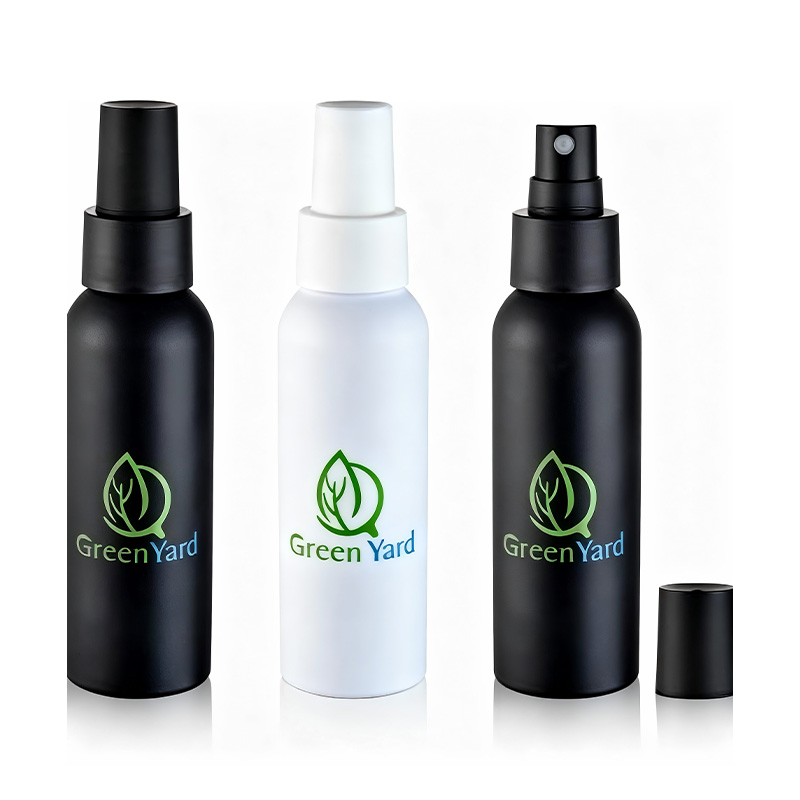
Plastic Round Shoulder PET Bottle
Designing a Better User Experience
Successful packaging should be easy to understand and comfortable to use. The bottle body, closure, dispensing mechanism, label, and formula should work together. A well-selected PET bottle can contribute to this experience through its manageable weight, rigid structure, smooth contours, and adaptable capacity options.
For a treatment product, the user may value precise dispensing and a compact size. For a daily lotion, a pump may reduce mess and make repeated application more convenient. For a cleaning or automotive product, the user may prefer a sprayer that distributes the formula over a wider area. The same general bottle design can support these different experiences when paired with the correct closure.
Product developers should also consider how the bottle is held, opened, filled, stored, and discarded. The closure should be easy to operate while remaining secure during transportation. The label should remain readable throughout the expected period of use. The bottle should stand securely and fit efficiently into cartons or retail displays.
These details may appear small, but together they influence customer satisfaction and repeat purchasing. A package that leaks, dispenses too much, requires excessive force, or becomes unstable can create a negative impression even when the formula itself is excellent.
Filling, Sealing, and Distribution Considerations
Before placing a large order, buyers should confirm that the bottle is compatible with their filling line and production procedures. Important factors may include bottle dimensions, neck finish, bottle orientation, filling speed, cap or pump installation, torque requirements, labeling equipment, and carton packing.
For pump and sprayer applications, the assembled package should be checked for leakage and activation performance. The dip tube should reach the appropriate position inside the bottle without being excessively compressed or bent. The pump output should be evaluated across repeated uses, especially when the product is thick or contains ingredients that may affect the mechanism.
Distribution testing can include vibration, compression, drop, temperature cycling, and storage evaluation. The exact testing requirements depend on the product category, shipping method, packaging configuration, and destination market. Testing is particularly important for products shipped over long distances or exposed to significant changes in temperature.
Although PET is a durable packaging material, no container is suitable for every formula or environment without evaluation. The final packaging system should be assessed under realistic conditions, including the actual formula, closure, label, carton, shipping configuration, and storage period.
Quality Control Priorities
Quality control for this type of bottle should cover both appearance and function. A visually attractive bottle may still fail if it does not seal correctly, fit the closure, or withstand the expected handling conditions. Conversely, a technically functional bottle may not meet market expectations if it has visible defects or inconsistent color.
Appearance inspection
Appearance inspection can identify scratches, black spots, contamination, bubbles, uneven color, surface marks, flash, deformation, and other visible irregularities. Acceptance criteria should be defined before mass production so that the supplier and buyer share the same expectations.
Dimensional inspection
Important dimensions may include height, diameter, shoulder profile, neck size, opening diameter, wall-related measurements, and capacity. Consistent dimensions help ensure smooth performance during filling, capping, labeling, and use.
Leakage and sealing inspection
Leakage testing is important for liquid products. The test method should reflect the selected closure and the actual product conditions. A bottle may pass an empty-container test but require additional evaluation when filled with a formula that changes pressure, surface tension, or chemical exposure.
Functional inspection
When the bottle is paired with a pump or sprayer, the full assembly should be checked for activation force, output, spray pattern, foam quality, return performance, and consistency over repeated cycles. Testing should also confirm that the closure remains secure during handling and transportation.
Sustainability and Resource Efficiency
Packaging sustainability involves material selection, product protection, transportation, manufacturing efficiency, consumer use, and end-of-life management. PET can contribute to resource efficiency through its relatively low weight and durable structure. A lightweight package may require less material and reduce transportation mass compared with a heavier alternative, provided that it still provides adequate protection.
Because PET is a widely recognized plastic packaging material, local recycling systems may be familiar with it. However, actual recycling outcomes depend on local collection infrastructure, sorting technology, material identification, color, labels, closures, and regional regulations. Buyers should evaluate the complete package rather than making sustainability decisions based only on the bottle resin.
Efficient production is another part of responsible packaging development. Stable molds, controlled injection molding, automated assembly, and effective inspection can reduce production waste and help prevent rejected products. Proper packaging design can also reduce leakage-related waste by protecting the formula throughout distribution and use.
Companies seeking improved environmental performance should discuss recycled content, design-for-recycling considerations, material reduction, decoration choices, and regional compliance with their packaging supplier. Any recycled or alternative material plan should be validated for appearance, strength, chemical compatibility, and regulatory suitability.
Why Manufacturer Experience Matters
Packaging development involves many connected decisions. A bottle may look suitable in a catalog but fail to meet the needs of a specific formula, filling line, or dispensing method. An experienced manufacturer can help buyers identify potential problems earlier and select a more practical configuration.
GreenYard Tools Co., Ltd. has focused on spray product manufacturing for 16 years. This experience is relevant to the Plastic Round Shoulder PET Bottle because many potential applications depend on the correct interaction between the bottle and a pump or sprayer. Knowledge of spray components, pump heads, closures, and bottle systems can support more effective product development.
The company’s dedicated design team also supports product innovation. Design support can be useful when a customer needs a new visual profile, a special capacity, a coordinated packaging family, or a dispensing solution designed around a particular user experience.
Manufacturing capabilities that include mold design, injection molding, automated assembly, and quality inspection provide a more complete production foundation than a supplier that only distributes standard containers. For buyers, this can mean more direct technical support, improved coordination, and greater flexibility during product development.
Purchasing Advantages for Brands and Distributors
The Plastic Round Shoulder PET Bottle can provide commercial advantages beyond its basic function as a container. Its range of sizes supports different price points, product quantities, sales channels, and promotional formats. A brand can create a compact trial product, a standard retail size, and a larger value format while preserving a related package appearance.
Distributors may also benefit from the bottle’s broad application range. Instead of stocking a container intended for only one market segment, distributors can offer it to customers in cosmetics, skin care, pharmacy, household cleaning, air care, gardening, and automotive care. The ability to serve multiple categories may improve inventory flexibility.
Contract manufacturers can use the bottle as a practical base for different customer projects. Its compatibility with several types of pumps, sprayers, and caps makes it possible to adapt the package to different formulas and brands without redesigning the entire concept for every order.
For international buyers, supplier communication and production coordination are important considerations. GreenYard is located in Yuyao City, Zhejiang Province, China, and supports global packaging markets. Buyers should confirm technical specifications, sampling procedures, order quantities, production schedules, packaging methods, inspection requirements, and shipping terms at the beginning of the project.
Recommended Product Development Process
Step one: Define the formula and application
Start by documenting the product type, viscosity, density, pH, fragrance or solvent content, active ingredients, expected shelf life, and storage conditions. These details influence material compatibility and closure selection.
Step two: Select the capacity
Choose from 10 ml, 20 ml, 30 ml, 50 ml, 75 ml, 100 ml, 120 ml, 150 ml, 200 ml, or 250 ml according to the intended use and market position. Consider the number of applications per bottle, retail price, shipping requirements, and available shelf space.
Step three: Choose the dispensing system
Review whether the product should use a cap, lotion pump, treatment pump, fine mist sprayer, crimp pump, foam pump, dropper, trigger sprayer, or mini trigger. The selection should be based on product behavior and the desired consumer experience.
Step four: Request samples
Samples should be evaluated for appearance, hand feel, stability, closure fit, filling performance, dispensing performance, label placement, and overall product presentation. If the bottle will be used with a pump or sprayer, test the complete assembled package.
Step five: Conduct compatibility and stability testing
Fill the actual formula into the selected bottle and closure. Observe the package over an appropriate period under relevant temperature and storage conditions. Check for leakage, swelling, stress cracking, discoloration, odor transfer, deformation, and changes in dispensing performance.
Step six: Confirm production specifications
Agree on material requirements, dimensions, color, surface finish, decoration, closure specifications, inspection criteria, packing method, order quantity, and delivery schedule. Written specifications help reduce misunderstandings during mass production.
Step seven: Approve a pre-production sample
A pre-production sample should represent the final process and materials as closely as possible. Approval at this stage gives the buyer an opportunity to identify differences before the full order is manufactured.
Step eight: Plan inspection and delivery
Define the inspection approach and confirm how finished goods will be packed for transportation. Bottles should be protected from dust, impact, deformation, and excessive pressure during storage and shipment.
Practical Comparison with Alternative Packaging Materials
Glass is often associated with premium packaging and strong chemical resistance, but it is heavier and more vulnerable to breakage than PET. For products shipped internationally or used in bathrooms, workshops, gardens, and vehicles, the lower weight and impact resistance of plastic can be practical advantages.
PE bottles can offer flexibility and useful chemical resistance, but they may not provide the same level of clarity, rigidity, or surface appearance as PET in every design. The choice between PET and PE should depend on the product formula, required appearance, squeeze behavior, and closure system.
Aluminum and other metal packages can provide strong barrier properties and a distinctive appearance, but they may involve different forming, lining, filling, and decoration requirements. They can also be less convenient when transparency or a lightweight rigid plastic format is preferred.
Airless packaging can be advantageous for formulas that require reduced air exposure or highly controlled dispensing. However, airless bottles may involve more complex components and higher system costs. The round shoulder PET bottle may be a more straightforward option for formulas that do not require a specialized airless mechanism.
The best package is not determined by material alone. It must provide the right balance of protection, cost, appearance, manufacturing efficiency, user convenience, and regulatory suitability. The Plastic Round Shoulder PET Bottle is especially competitive when a lightweight, rigid, adaptable, and visually clean container is required.
Brand Presentation and Shelf Appeal
Packaging shape is one of the first elements customers notice. The rounded shoulder creates a recognizable profile while remaining sufficiently simple for many product categories. It can support a premium, clinical, natural, modern, or functional presentation depending on the chosen color, label, closure, and decoration.
Clear PET can emphasize the color of a liquid or demonstrate the remaining quantity. Opaque versions can create a more uniform visual identity and may offer additional protection for light-sensitive formulas, although the required protection should be confirmed through testing. A contrasting pump or sprayer can add visual interest, while a matching closure can create a more unified appearance.
For a product family, consistent bottle proportions and coordinated labels can make different formulas appear related. This is useful for skin care routines, household cleaning systems, automotive care collections, and multi-step personal care products.
Since the bottle is available in several capacities, brands can also develop a hierarchy of sizes. A small bottle may represent a trial or travel format, a medium bottle may be the core retail product, and a larger bottle may serve professional or value-oriented customers.
Storage and Handling Recommendations
Finished bottles should be stored in a clean, dry, and well-ventilated environment. Excessive heat, direct sunlight, moisture, dust, and mechanical pressure should be avoided. Packaging components should remain protected in their original shipping configuration until they are ready for filling or assembly.
When bottles are stacked, the packaging arrangement should prevent excessive load on individual units. Cartons should be sized and packed to reduce movement during transportation. If the bottle includes a pump or sprayer, the assembly should be protected from accidental activation or impact.
Storage recommendations may vary according to the material, decoration, closure, and regional climate. Buyers should confirm specific handling requirements with the manufacturer and conduct their own evaluation based on the distribution environment.
Quality and Compliance Responsibilities
The manufacturer and buyer share responsibility for ensuring that the final packaging system is suitable for the intended market. The supplier should provide accurate product specifications and manufacture according to agreed requirements. The buyer should verify formula compatibility, filling performance, labeling information, regulatory obligations, and final product stability.
Requirements may differ according to whether the product is cosmetic, pharmaceutical, household, gardening-related, or automotive. A bottle that is appropriate for one category may require additional documentation or testing for another. Buyers should identify all applicable standards and market requirements before commercial launch.
For products making health, safety, environmental, or performance claims, packaging should be reviewed as part of the complete compliance process. Closures, labels, dosage systems, and tamper-related features may be subject to specific rules in the target market.
Q&A
What material is used for the Plastic Round Shoulder PET Bottle?
The bottle is made from PET plastic, a material commonly used for rigid packaging because of its clarity, strength, relatively low weight, and practical surface quality. Final material specifications should be confirmed for each order and application.
What capacities are available?
The available capacities are 10 ml, 20 ml, 30 ml, 50 ml, 75 ml, 100 ml, 120 ml, 150 ml, 200 ml, and 250 ml. This range supports small travel or sample products as well as larger daily-use and household formats.
What products can be packaged in this bottle?
Potential applications include skin care products, pharmacy products, personal care items, cosmetics, cleaning products, air care products, gardening products, and automotive care products. The actual suitability depends on formula compatibility, closure selection, storage conditions, and required testing.
Can the bottle be used with a pump or sprayer?
Yes. The bottle can be considered with suitable dispensing components, including lotion pumps, treatment pumps, fine mist sprayers, crimp pumps, foam pumps, trigger sprayers, mini triggers, droppers, or caps. The correct component depends on the formula viscosity, dosage, spray requirements, and intended use.
Is PET lighter than glass packaging?
PET is generally lighter than comparable glass packaging and is less vulnerable to breakage during ordinary handling. This can support easier transportation and handling. The final bottle must still be designed with adequate rigidity and strength for its application.
Is the bottle suitable for pharmaceutical products?
It may be suitable for selected pharmacy applications, but the complete package must be tested with the actual formulation. Buyers should evaluate chemical compatibility, dosage control, closure security, storage stability, cleanliness, labeling, and applicable regulatory requirements.
Can the bottle be customized?
Customization may be possible depending on the project. Potential options can include capacity, color, surface appearance, labeling, decoration, closure selection, and dispensing configuration. Buyers should discuss mold requirements, order quantity, technical feasibility, and development timing with the manufacturer.
What manufacturing capabilities support this product?
The manufacturer has capabilities in mold design, injection molding, automated assembly, and quality inspection. These processes support dimensional consistency, component coordination, production efficiency, and inspection of finished packaging.
What is the manufacturer’s production capacity?
The company states that it has a daily production capacity of one million units. Actual capacity available for a specific project depends on product configuration, order quantity, production planning, and delivery requirements.
How should formula compatibility be tested?
The actual formula should be filled into the selected bottle and closure and evaluated over an appropriate period. Testing should look for leakage, deformation, discoloration, stress cracking, odor changes, surface damage, and changes in dispensing performance under realistic storage conditions.
Can the bottle be used for thick products?
It may be used for selected thicker products when paired with a suitable pump or closure. The formula viscosity, pump output, dip tube, activation force, and repeated-use performance should be tested before approval.
How can buyers begin a packaging project?
Buyers should prepare information about the formula, desired capacity, application, closure type, appearance, order quantity, filling process, target market, and delivery schedule. Samples and technical specifications should then be reviewed before mass production.
Conclusion
The Plastic Round Shoulder PET Bottle is a flexible packaging solution for manufacturers seeking a practical combination of appearance, rigidity, light weight, capacity variety, and dispensing compatibility. Its ten available sizes allow it to support products ranging from compact skin care treatments and pharmacy preparations to larger household, gardening, and automotive care products.
The rounded shoulder profile provides a smooth and adaptable appearance that can be developed into different market positions through color, labeling, decoration, and closure selection. PET construction offers useful advantages over heavier or more fragile materials in applications where transport efficiency, routine handling, and a clean visual presentation are important.
Its competitiveness is strengthened by the manufacturer’s broader packaging capabilities. Experience in perfume sprayers, pump heads, lotion pumps, treatment pumps, fine mist sprayers, foam pumps, droppers, caps, airless bottles, jars, trigger sprayers, PE bottles, and roll-on bottles supports a more coordinated approach to packaging development. Mold design, injection molding, automated assembly, and quality inspection provide an engineering and manufacturing foundation for consistent production.
For the best results, buyers should evaluate the bottle as part of a complete packaging system. Formula compatibility, closure performance, filling-line requirements, labeling, storage, distribution, and regional compliance should all be confirmed through appropriate testing. When these factors are carefully managed, the Plastic Round Shoulder PET Bottle can provide a reliable and adaptable foundation for personal care, cosmetic, pharmacy, household, and technical product packaging.
References
1. GreenYard Tools Co., Ltd. Product information for the Plastic Round Shoulder PET Bottle, including capacity options and application categories.
2. GreenYard Tools Co., Ltd. Manufacturing information covering mold design, injection molding, automated assembly, quality inspection, and production capabilities.
3. General packaging engineering principles for PET container design, dimensional control, closure compatibility, and distribution testing.
4. General guidance on cosmetic, personal care, household, pharmacy, gardening, and automotive product packaging evaluation.
5. General references on polymer packaging material selection, formula compatibility, recycling considerations, and quality assurance procedures.
Product: Plastic Round Shoulder PET Bottle

-
Roll On Bottles: Types, Refill Guide, and Packaging Buying Tips for Your Brand
The first sample rolled smoothly, the second clicked, and the third leaked after ten presses. Three...
-
Amber Plastic Bottles: Lightweight, Protective, Customizable Packaging for Cosmetics
You have spent months stabilizing a vitamin C serum, only to watch a pallet of amber glass bottles ...
-
How Glass Airless Bottle Packaging Prevents Contamination and Boosts Shelf Life?
Glass airless bottle packaging prevents contamination and extends shelf life by completely eliminat...
-
What Makes a Good Deodorant Stick Bottle for Brands?
A deodorant stick bottle is a twist-up or push-up dispensing container designed to hold and advance...
Copyright © GreenYard Tools Co.,ltd. All Rights Reserved.
Personal Care Packaging Manufacturer Custom Perfume Sprayers Factory