
-
About Us
Why Choose Us?The company possesses advanced capabilities in mold design, injection molding, and automated assembly, supported by a professional quality inspection team to ensure product reliability. A dedicated design team continuously drives product innovation, providing customers with high-quality spray solutions.
 Coming From China, Marketing To The World.
 -
Products
-
News
 English
 Français
 русский
 Español
Aluminium Treatment Pump for Premium Cosmetic Packaging
Content
- 1 Product Overview
- 2 Core Specifications
- 3 Why Treatment Pumps Matter in Cosmetic Packaging
- 4 Full-Aluminium Appearance for Premium Brand Positioning
- 5 Controlled 0.2 ml Dosage for Better Consumer Experience
- 6 Compatibility with Multiple Bottle Sizes
- 7 Advantages Over Standard Plastic Pumps
- 8 Advantages Over Droppers and Open Containers
- 9 Suitable Applications in Skincare and Personal Care
- 10 Manufacturing Strength Behind Reliable Performance
- 11 Mold Design and Engineering Development
- 12 Injection Molding for Functional Precision
- 13 Automated Assembly for Consistency and Efficiency
- 14 Quality Inspection and Performance Testing
- 15 Design Flexibility for Custom Packaging Projects
- 16 How the Pump Supports Premium Skincare Branding
- 17 Practical Value for Filling and Production Operations
- 18 Competitive Advantages in the Packaging Market
- 19 Material Impression and Consumer Psychology
- 20 Hygienic and Convenient Dispensing
- 21 Product Line Development Opportunities
- 22 Considerations for Formula Compatibility
- 23 Packaging Sustainability Considerations
- 24 How to Select the Right Pump for a Project
- 25 Why Manufacturing Experience Matters
- 26 Role in Global Beauty Packaging Trends
- 27 Quality Expectations for Premium Cosmetic Brands
- 28 Supply Capacity and Business Reliability
- 29 Q&A Section
- 29.1 What is the main use of the aluminium treatment pump?
- 29.2 What dosage does the pump provide?
- 29.3 Which bottle neck sizes are available?
- 29.4 Can the tube length be customized?
- 29.5 Why choose aluminium instead of a standard plastic pump?
- 29.6 Is the pump suitable for all formulas?
- 29.7 How does the pump improve consumer experience?
- 29.8 What manufacturing strengths support the product?
- 29.9 Can the pump be used for premium product lines?
- 29.10 Why is quality inspection important for treatment pumps?
- 30 Conclusion
- 31 References
- 32 Product: Aluminium Cosemtic Use Treatment Pump
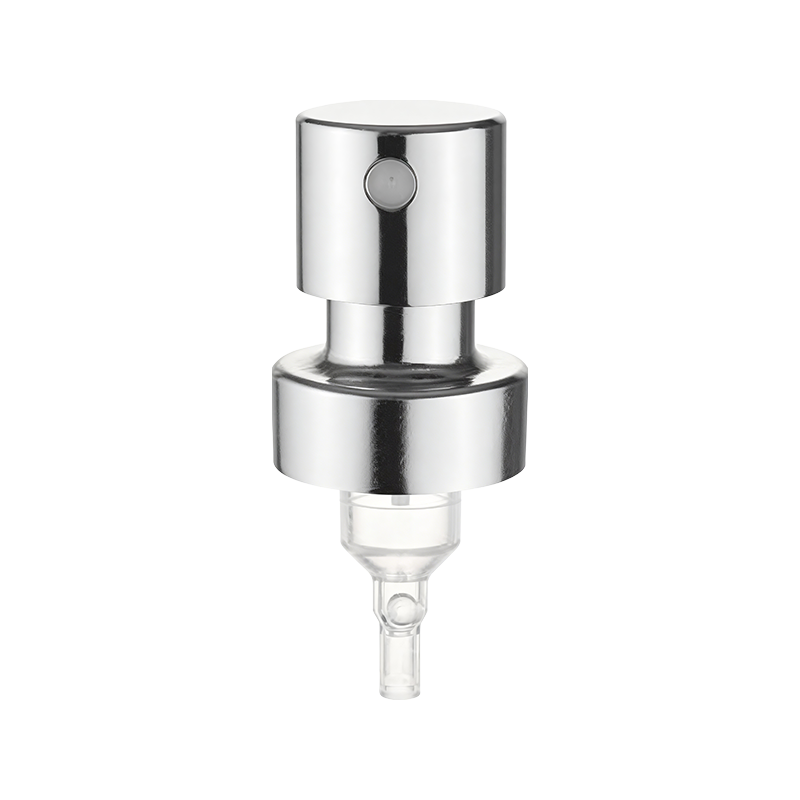
The aluminium cosmetic use treatment pump is a precision dispensing component designed for premium skincare, personal care, and beauty packaging. Built for products such as serum, lotion, essence, facial treatment liquid, and other high-value formulations, it combines controlled dosage, refined appearance, reliable function, and customizable bottle compatibility. For brands that want packaging to communicate quality before the consumer even presses the pump, a full-aluminium treatment pump offers a strong balance of performance and visual distinction.
This article explores the technical features, competitive advantages, packaging value, manufacturing background, quality considerations, and application potential of the aluminium treatment pump. It also explains why a well-made treatment pump can improve the user experience, reduce product waste, enhance brand positioning, and support reliable large-scale supply for cosmetic and personal care companies.
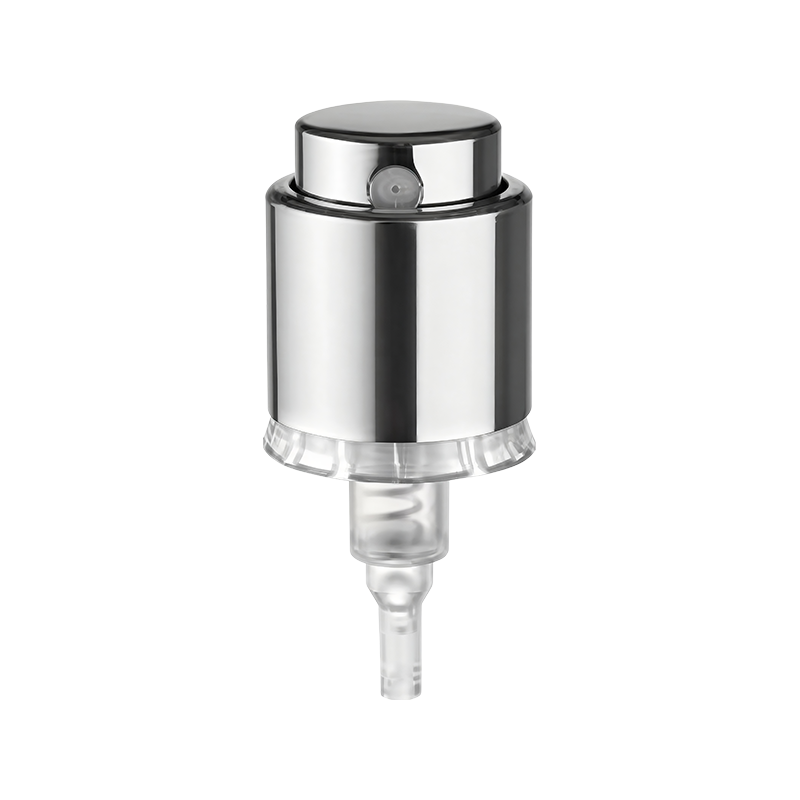
Aluminium Cosemtic Use Treatment Pump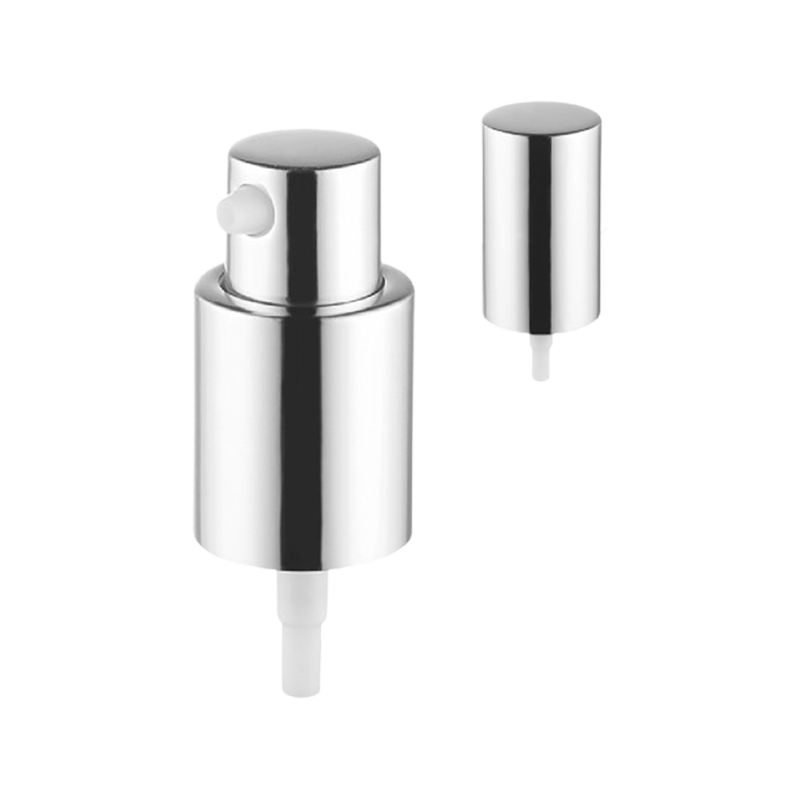
Product Overview
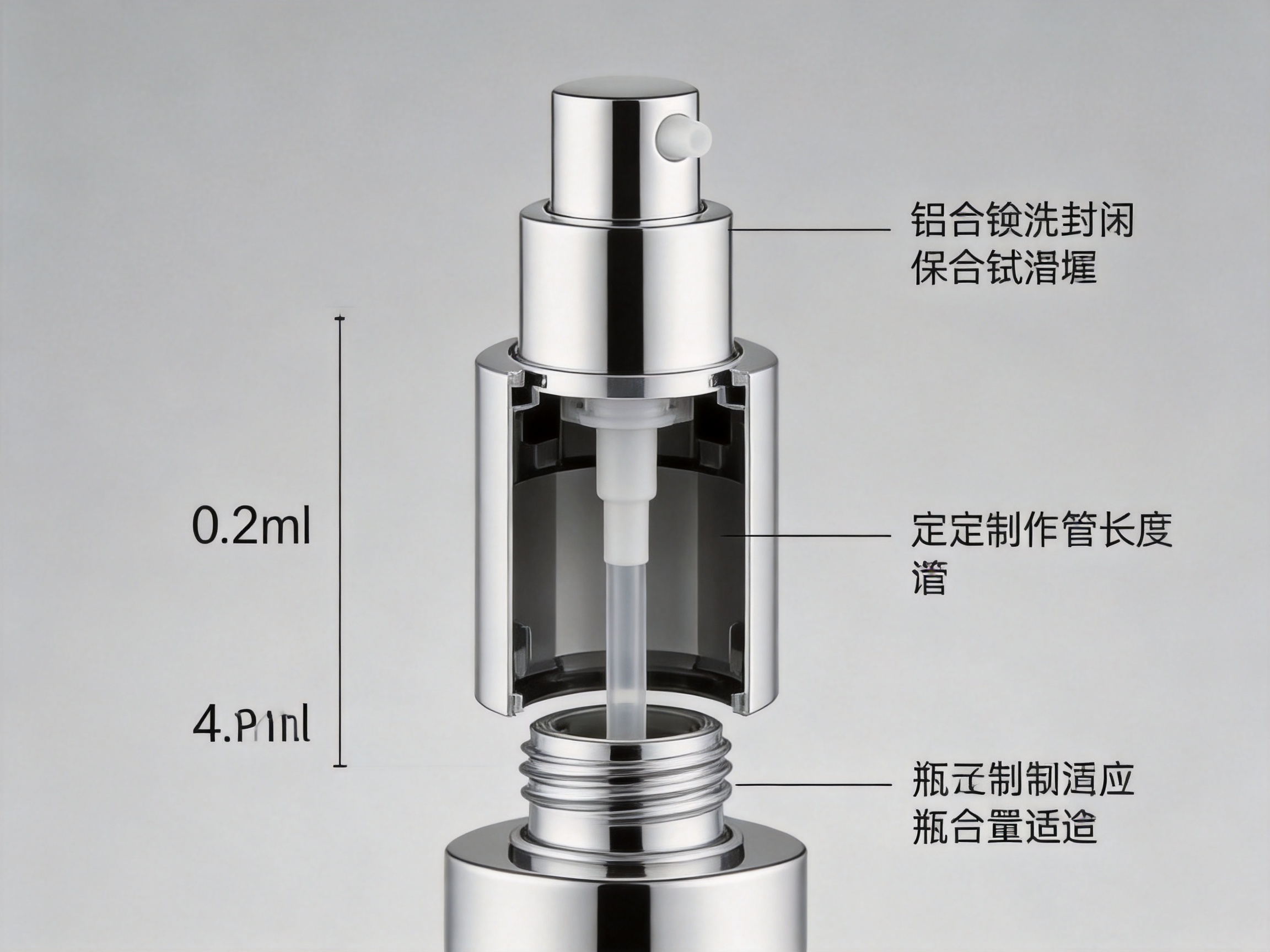
The aluminium treatment pump is designed for controlled dispensing of liquid or semi-liquid cosmetic formulas. Its dosage is approximately 0.2 ml per actuation, making it suitable for formulas that require precise application. Instead of releasing too much product at once, the pump delivers a small and consistent amount, helping consumers use serums, lotions, and treatment products more efficiently.
The product is available in common neck size options such as 18-410, 20-410, and 24-410, with additional project-based configurations such as 18-415 available depending on bottle design and order requirements. These neck finishes allow the pump to match a variety of cosmetic bottles, especially small and medium-sized bottles commonly used for skincare treatments. The tube length can be customized, allowing the pump to work properly with different bottle heights and internal capacities.
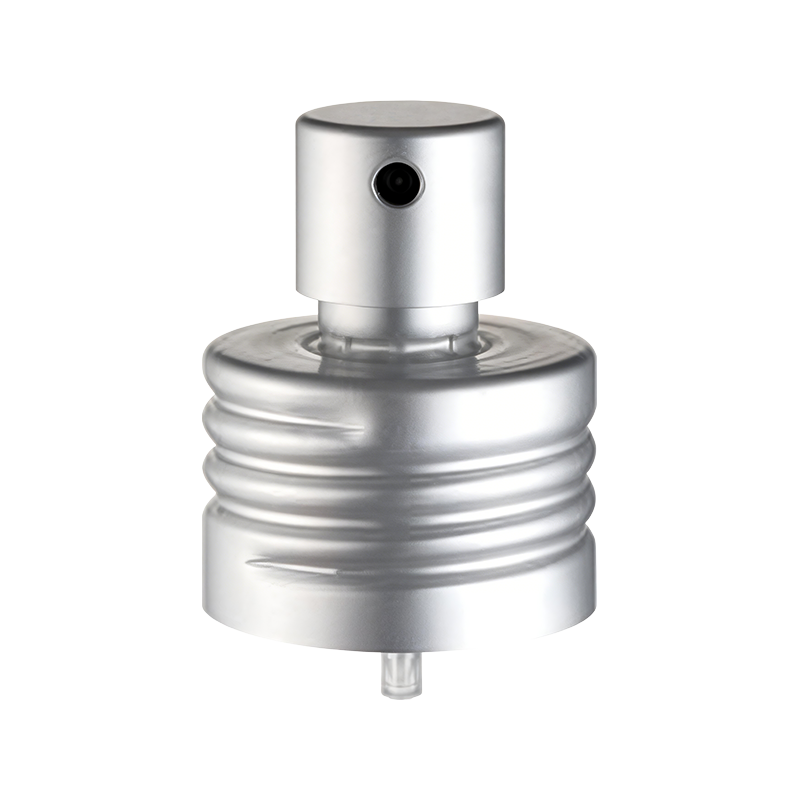
A key feature of this pump is its aluminium closure type. The product is made with a full aluminium appearance, giving it a clean, elegant, and high-end finish. Aluminium packaging components are widely appreciated in cosmetic packaging because they create a premium impression, offer a cool metallic touch, and support a sophisticated shelf presentation. For upscale skincare lines, professional salon products, boutique beauty brands, and luxury personal care packaging, this design can help elevate the entire product image.
Core Specifications
Product Type |
Aluminium cosmetic treatment pump |
Typical Applications |
Serum, lotion, essence, skincare treatment liquid, cosmetic formula, personal care product |
Dosage |
Approximately 0.2 ml per actuation |
Size Options |
18-410, 20-410, 24-410, with project-based options such as 18-415 available depending on bottle requirements |
Closure Type |
Aluminium |
Tube Length |
Customized according to bottle height and filling volume |
Main Advantage |
Premium full-aluminium appearance combined with accurate and hygienic dispensing |
Why Treatment Pumps Matter in Cosmetic Packaging
A treatment pump is more than a dispensing accessory. In cosmetic packaging, the pump affects how the consumer experiences the formula, how accurately the formula is used, how clean the packaging remains after repeated application, and how the product looks on a shelf or dressing table. For high-value skincare products, the packaging must perform as well as the formula itself.
Serums, lotions, essences, and concentrated skincare treatments often contain active ingredients and are sold at a higher price per milliliter than ordinary personal care products. If the dispensing system releases too much product, the user may waste the formula and feel less control. If the pump leaks, clogs, or dispenses inconsistently, it can damage the consumer’s trust in the brand. A precise treatment pump helps solve these issues by offering controlled output, repeatable performance, and convenient use.
The 0.2 ml dosage of this aluminium treatment pump is especially useful for skincare products where a small amount is sufficient. Consumers can press once for a light application or press multiple times for a larger amount. This flexibility gives the user better control while preserving a premium and hygienic application experience.
Full-Aluminium Appearance for Premium Brand Positioning
One of the strongest advantages of this product is its full-aluminium appearance. Aluminium is associated with durability, modern design, cleanliness, and luxury. Compared with standard plastic treatment pumps, an aluminium pump immediately provides a more refined visual and tactile impression. This can be especially important in competitive cosmetic categories where many products use similar bottles, similar claims, and similar color palettes.
Packaging often creates the first emotional connection between the consumer and the product. Before the consumer reads the ingredient list or tries the formula, the packaging communicates whether the product feels professional, affordable, natural, clinical, luxurious, or innovative. A metallic aluminium pump helps communicate high-end quality and care. It can make a compact serum bottle look more valuable and can strengthen the identity of a premium skincare line.
The aluminium closure also works well with different decoration styles. It can complement clear glass bottles, frosted bottles, PET bottles, PE bottles, and colored cosmetic containers. It can be paired with minimalist white or black packaging, soft pastel skincare designs, high-gloss metallic themes, or natural cosmetic concepts that require a clean and elegant finish.
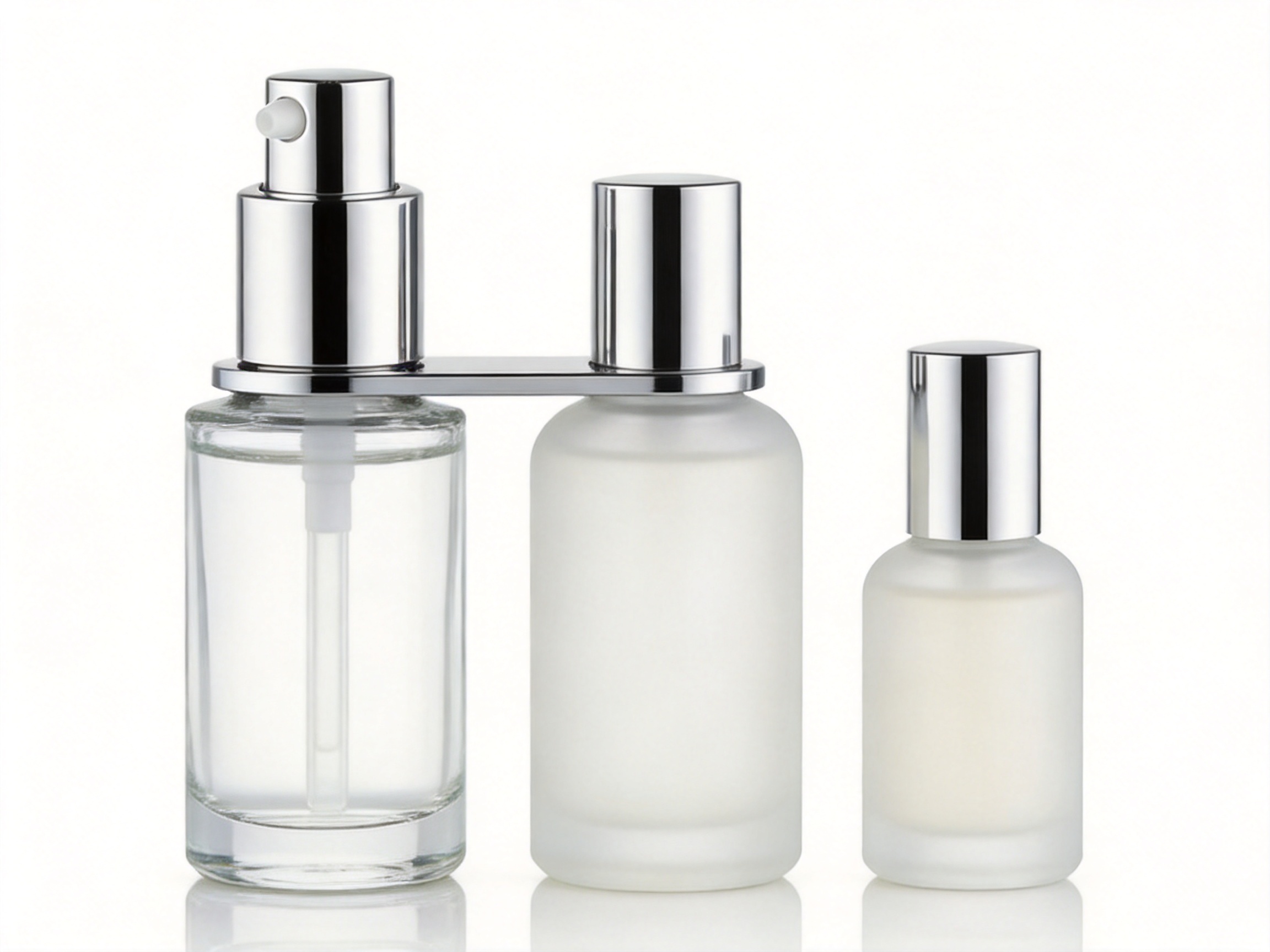
Controlled 0.2 ml Dosage for Better Consumer Experience
The pump dispenses approximately 0.2 ml per press. This controlled dosage is one of the most practical advantages of the product. In skincare packaging, accurate output supports a consistent routine. A consumer may use one pump for an eye-area treatment, two pumps for a facial serum, or several pumps for a light lotion depending on the product instructions. The repeatable dose helps the brand give clearer usage guidance and helps the consumer avoid overuse.
For high-value formulas, dosage control is also an economic advantage. Many serums and active treatments contain expensive ingredients. If the packaging releases too much product, the consumer may finish the bottle too quickly, feel that the product is costly to maintain, or experience residue and waste. A 0.2 ml output is suitable for products that require careful dispensing, making it easier to balance user satisfaction with product preservation.
Compared with open-mouth bottles, jars, or uncontrolled droppers, treatment pumps can reduce direct contact with the formula. The consumer does not need to dip fingers into the product, and the dispensing action helps maintain a cleaner experience. While packaging hygiene also depends on the formula, bottle structure, and consumer behavior, a pump format is generally preferred for products that benefit from controlled and contact-reduced dispensing.
Compatibility with Multiple Bottle Sizes
The available size options, including 18-410, 20-410, and 24-410, provide flexibility for cosmetic packaging designers and product developers. These neck sizes are commonly used for small and medium cosmetic bottles, making the pump suitable for many serum, lotion, and treatment packaging projects. Project-specific options such as 18-415 can also be considered when the bottle requires a different neck finish.
This compatibility helps reduce development difficulty. A brand may want to use one dispensing design across multiple product sizes, such as a 15 ml trial serum, a 30 ml standard product, and a 50 ml professional treatment lotion. By selecting the appropriate neck finish and tube length, the same visual identity can be maintained across the product line.
The customizable tube length is equally important. A pump tube must reach near the bottom of the bottle to allow efficient use of the formula, but it should not be too long or bent excessively in a way that affects dispensing. Custom tube cutting allows the pump to match the bottle height, shoulder shape, and internal geometry. This improves function and reduces the risk of product remaining inaccessible at the bottom of the container.
Advantages Over Standard Plastic Pumps
Plastic pumps are widely used in personal care packaging because they are economical and versatile. However, for premium cosmetic products, standard plastic pumps may not always provide the desired appearance or tactile quality. The aluminium treatment pump offers several advantages over common plastic alternatives.
First, the aluminium surface provides a higher-end look. A metallic finish can instantly differentiate a product from lower-cost packaging. Second, aluminium can create a stronger sense of structure and durability. Even when the inner functional components are engineered for smooth pumping, the outer aluminium appearance gives the product a more substantial feel. Third, aluminium supports a sophisticated design language that works well in luxury skincare, professional beauty, and boutique cosmetics.
In addition, the aluminium closure can help brands achieve a more unified packaging appearance when paired with aluminium caps, collars, or metallic labels. This is valuable for brands that want consistent visual identity across pumps, sprayers, droppers, caps, and bottles. The result is packaging that feels coordinated rather than assembled from generic components.
Advantages Over Droppers and Open Containers
Droppers are often used for serums and facial oils, but they are not always the best choice for every formula. A dropper requires the consumer to open the bottle, pull product into a pipette, dispense it, and close the bottle again. This process can expose the formula to air and increases the chance of product residue around the neck. It can also be less convenient for thicker lotions or treatment liquids that do not flow easily into a pipette.
A treatment pump offers a simpler action. The user presses the pump and receives a controlled amount. The bottle remains closed during use except for the dispensing channel, which can support a cleaner and more convenient experience. For products used daily, this convenience can significantly improve consumer satisfaction.
Open-mouth bottles and jars also have limitations. Jars may be suitable for creams, but they require finger contact or a spatula, and they are less ideal for fluid formulas. Open-mouth bottles can spill or release too much product. The aluminium treatment pump provides better control and a more modern application method for many skincare and personal care products.
Suitable Applications in Skincare and Personal Care
This treatment pump is especially suitable for serum, lotion, skincare essence, facial treatment liquid, eye care formula, light emulsion, hair serum, hand treatment lotion, and premium personal care products. Its 0.2 ml dosage makes it practical for products that require small, controlled amounts. Its aluminium finish makes it attractive for packaging lines that target consumers who value quality and design.
For facial serums, the pump can support accurate daily application. For lotions and emulsions, it can provide a clean alternative to flip-top caps or open dispensing. For eye treatments, the small dosage can help prevent overuse. For professional salon products, the metallic appearance can reinforce a sense of technical reliability and premium quality. For travel-size packaging, the compact neck options can help create elegant small containers that still feel high-end.
The pump can also be considered for men’s grooming products, cosmeceutical-style skincare, boutique fragrance-related care products, nail treatment formulas, and specialized beauty concentrates. The combination of aluminium appearance and precise dispensing gives the product broad design flexibility.
Manufacturing Strength Behind Reliable Performance
A premium treatment pump requires more than attractive material. It must be manufactured with accurate dimensions, consistent assembly, stable dispensing performance, and reliable quality control. GreenYard Tools Co.,ltd. has 16 years of experience in high-end packaging material manufacturing and specializes in spray and pump products for personal care and daily chemical packaging. This manufacturing background supports the production of components such as perfume sprayers, pump heads, caps, bottles, lotion pumps, treatment pumps, foam pumps, droppers, roll-on bottles, trigger sprayers, airless bottles, deodorant stick bottles, cream jars, and other packaging solutions.
The company’s production capability includes mold design, injection molding, automated assembly, and quality inspection. These processes are important because treatment pumps contain multiple small components that must work together smoothly. A slight dimensional error can affect output, sealing, rebound, or actuation feel. Strong process control helps ensure that the pump performs consistently across large production batches.
With a daily production capacity of up to one million units, the manufacturer is positioned to support both growing brands and established companies that require stable supply. High-volume production capacity is especially important in cosmetic packaging because product launches often require strict timing. Delays in packaging components can delay filling, distribution, and sales. A manufacturer with automated assembly and strong capacity can help reduce supply uncertainty.
Mold Design and Engineering Development
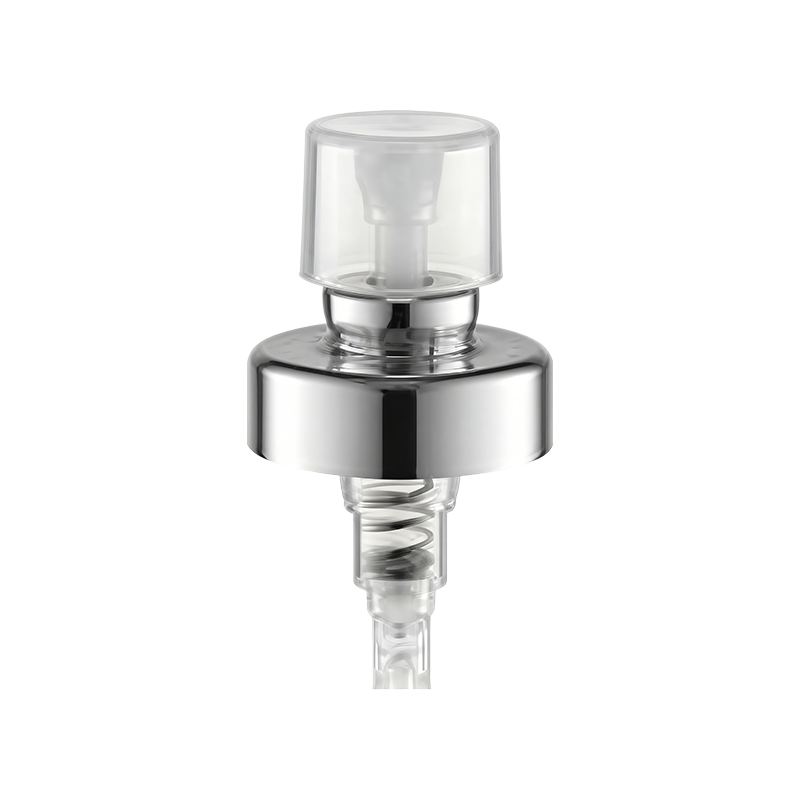
Mold design is one of the foundations of reliable pump production. Each component must be designed to meet functional requirements, appearance standards, and assembly tolerances. In a treatment pump, parts such as the actuator, closure, inner stem, piston, gasket, spring-related structure, and tube connection must be dimensionally stable. The external aluminium component must also align with the desired visual quality and fit requirements.
Advanced mold design helps create repeatable components with clean edges, accurate fit, and stable function. It can also improve production efficiency by reducing defects and supporting smooth injection molding. When a packaging project requires customization, mold design capability becomes even more valuable. Brands may need different neck sizes, actuator shapes, closure styles, colors, or decorative effects. A manufacturer with in-house or experienced mold development can respond more effectively to these packaging requirements.
For the aluminium treatment pump, the engineering challenge is not only to make the product look elegant but also to preserve smooth actuation and accurate dosage. The pump must feel comfortable when pressed, return reliably after use, and dispense a consistent amount. Strong mold design and precise component control support these performance goals.
Injection Molding for Functional Precision
Although the product features an aluminium closure and premium metallic appearance, treatment pumps commonly include functional internal components made through injection molding. These internal parts must be produced with accuracy because they control movement, sealing, and product flow. High-quality injection molding supports stable wall thickness, smooth surfaces, proper fit, and consistent mechanical behavior.
Inconsistent molding can lead to problems such as leakage, weak rebound, uneven dispensing, or difficult assembly. A manufacturer with mature injection molding capability can better manage processing parameters, material behavior, mold maintenance, and dimensional inspection. This contributes to pump reliability and helps reduce variation between batches.
For cosmetic brands, this means fewer complaints, fewer filling-line interruptions, and more consistent user experience. A treatment pump that looks premium but fails during daily use can damage brand reputation. Therefore, precise injection molding is essential to turn a beautiful exterior into a dependable packaging component.
Automated Assembly for Consistency and Efficiency
Pump assembly requires accurate placement of multiple small parts. Automated assembly helps improve consistency, speed, and cleanliness compared with purely manual assembly. It can reduce human error, improve production rhythm, and support large order volumes. For a manufacturer with high daily capacity, automated assembly is a key strength.
Automation also supports stable actuation performance. When components are assembled with consistent pressure, alignment, and sequence, the finished pump is more likely to deliver the expected output. This is particularly important for a 0.2 ml treatment pump, where dosage consistency is part of the product value.
For brands and filling factories, consistent assembly can reduce the risk of problems during filling and capping. Pumps must fit bottles correctly, seal properly, and function after transport and storage. Automated assembly contributes to this reliability by controlling the production process more tightly.
Quality Inspection and Performance Testing
Quality inspection is essential for treatment pumps because the final product must satisfy both appearance and functional standards. A premium aluminium pump must be visually clean, free from obvious surface defects, properly fitted, and consistent in finish. At the same time, it must dispense correctly, seal appropriately, and match the required neck finish.
Inspection may include dimensional checks, appearance checks, assembly checks, dosage testing, leakage evaluation, tube length verification, and actuation performance review. For large-volume production, systematic inspection helps identify issues early and maintain consistent quality across batches.
Reliable quality control creates value for both the packaging buyer and the end consumer. The buyer receives components that fit the production plan, and the consumer receives a product that feels trustworthy with every use. In competitive cosmetic markets, consistent packaging performance is not optional; it is part of the brand promise.
Design Flexibility for Custom Packaging Projects
The aluminium treatment pump can support different custom packaging needs. Tube length is customizable, and size options allow compatibility with multiple bottle neck finishes. Depending on project requirements, customization may also involve color matching, surface effects, actuator design, closure decoration, and packaging coordination with bottles or caps.
Customization is especially important for beauty brands that want distinctive shelf presence. A product line may use the same formula category as competitors, but packaging design can help create a unique identity. A metallic pump in silver, gold, black, rose gold, or other decorative tones can support different brand personalities. Minimalist skincare brands may choose a clean aluminium tone, while luxury brands may prefer warm metallic finishes.
The manufacturer’s broader product range also supports complete packaging solutions. Since the company produces perfume sprayers, pump heads, caps, bottles, lotion pumps, foam pumps, droppers, airless bottles, cream jars, trigger sprayers, PE and PET bottles, roll-on bottles, and related packaging components, customers can coordinate multiple items from one supply source. This can simplify procurement and improve design consistency across product lines.
How the Pump Supports Premium Skincare Branding
Premium skincare branding depends on details. Consumers often associate weight, finish, dispensing feel, and visual precision with product quality. A full-aluminium treatment pump helps reinforce these associations. It gives the package a more refined appearance than a basic pump and can make the product feel more professional and valuable.
The controlled output also supports the perception of a carefully engineered product. When the pump delivers the right amount smoothly, the user experiences the formula as intentional and well-designed. This can strengthen the consumer’s trust in the brand. Packaging that feels controlled and elegant suggests that the formula inside has also been developed with care.
For gift sets, luxury skincare lines, professional spa products, and prestige retail environments, aluminium treatment pumps can contribute to a cohesive premium presentation. They photograph well, display well, and create a strong first impression during unboxing or in-store testing.
Practical Value for Filling and Production Operations
Packaging must not only look good; it must also work efficiently in filling and assembly operations. A treatment pump with reliable dimensions and neck compatibility supports smoother production. When pumps fit bottles correctly and maintain consistent quality, filling factories can reduce downtime, rework, and product loss.
Customized tube length is important during production because incorrect tube length can cause assembly difficulties or poor product evacuation. If the tube is too short, the consumer may not be able to use all of the formula. If it is too long, it may bend sharply, interfere with installation, or affect dispensing. Proper tube customization helps improve both filling efficiency and consumer satisfaction.
Large-scale production capacity also benefits customers with demanding launch schedules. Cosmetic brands often coordinate packaging, bulk formula, labels, cartons, logistics, and marketing campaigns. A stable packaging supplier with strong capacity can help protect the schedule and reduce risk.
Competitive Advantages in the Packaging Market
The aluminium treatment pump has several advantages that make it stand out in the packaging market. Its first advantage is appearance. The full-aluminium look provides a premium impression that ordinary plastic pumps may not achieve. This visual advantage can help brands position products at a higher level and attract consumers who value elegant packaging.
The second advantage is dispensing precision. The 0.2 ml dosage supports controlled use and reduces waste. This is particularly valuable for concentrated serums and high-value treatment products. The consumer can use a predictable amount, and the brand can provide clearer instructions.
The third advantage is customization. Neck size options and customized tube length allow the pump to fit different bottle structures. This flexibility supports both standard packaging projects and more specialized designs.
The fourth advantage is manufacturing support. The producer’s experience in mold design, injection molding, automated assembly, and quality inspection helps ensure stable supply and product reliability. Competitors that lack integrated manufacturing strength may struggle with consistency, lead time, or customization.
The fifth advantage is product range synergy. Since the manufacturer supplies many types of personal care packaging components, customers can develop coordinated packaging systems instead of sourcing every component separately. This can simplify communication and improve overall packaging compatibility.
Material Impression and Consumer Psychology
Aluminium has a special role in consumer psychology. It often suggests modernity, cleanliness, precision, and durability. In cosmetic packaging, these qualities are highly valuable because consumers want products that feel safe, effective, and worth the price. A metallic treatment pump can make a small skincare bottle feel more advanced and desirable.
The cool touch and reflective surface of aluminium can also enhance the sensory experience. When consumers interact with the package every day, these tactile and visual cues shape their perception of the product. A pump that feels smooth, stable, and refined can improve the daily ritual of skincare application.
This emotional impact is important because cosmetic purchasing decisions are not based only on formula claims. Packaging design, color, texture, finish, and dispensing experience all contribute to perceived value. An aluminium treatment pump helps brands communicate quality through both sight and touch.

Hygienic and Convenient Dispensing
Convenience is one of the main reasons consumers prefer pump packaging. The user can dispense product with one hand, avoid opening a wide container, and reduce contact with the remaining formula. For daily skincare routines, this saves time and creates a cleaner experience.
The pump format is especially useful for bathroom counters, dressing tables, spa rooms, and professional treatment environments. It reduces the chance of accidental spills compared with open bottles and can help keep the bottle neck cleaner than some dropper formats. A controlled pump also allows the consumer to apply product directly to the hand, fingertip, cotton pad, or mixing palette.
For brands, hygienic dispensing can be part of the product story. It supports claims related to precision, cleanliness, convenience, and professional care. When combined with a premium aluminium appearance, the pump gives the product both functional and emotional appeal.
Product Line Development Opportunities
The aluminium treatment pump can be used as a core packaging element across an entire product series. For example, a skincare brand may use the same pump style for a hydrating serum, brightening essence, anti-aging treatment, and lightweight lotion. By changing bottle color, label design, or pump finish, the brand can create a unified yet differentiated product family.
This approach improves shelf recognition. Consumers can immediately identify products as belonging to the same line. It also simplifies packaging procurement because one pump platform can support multiple formulas and bottle sizes. The available neck options make this easier for brands that sell products in different capacities.
A coordinated pump system can also support seasonal editions, travel kits, gift sets, and professional back-bar products. The aluminium finish gives enough premium quality for high-end retail while remaining practical for daily use.
Considerations for Formula Compatibility
When selecting any pump, brands should evaluate formula compatibility. Factors such as viscosity, alcohol content, oils, active ingredients, fragrance, pH, and preservative system can affect pump performance. The aluminium treatment pump is suitable for many serum and lotion applications, but final compatibility should always be confirmed through testing with the actual formula.
Viscosity is especially important. A very thin liquid may require sealing evaluation, while a thicker lotion may require testing to confirm smooth dispensing and full rebound. Products containing particles, shimmer, or suspended ingredients should also be tested to avoid clogging. Compatibility testing can include storage at different temperatures, repeated actuation, leakage checks, and visual inspection after contact with the formula.
By working with an experienced packaging manufacturer, brands can select the right pump configuration, tube length, and bottle match for their formula. Early testing helps prevent issues during mass production and ensures that the finished product performs well throughout its shelf life.
Packaging Sustainability Considerations
Sustainability is an increasingly important topic in cosmetic packaging. Aluminium is valued in many industries because it has a premium appearance and can be part of recyclable material streams when properly separated and processed. However, actual recyclability depends on local recycling systems, component structure, and how easily materials can be separated. Brands should evaluate sustainability claims carefully and follow relevant regulations.
Even when a pump contains multiple materials, its controlled dosage can support responsible product use by reducing waste. A precise 0.2 ml output helps consumers avoid dispensing more formula than needed. For high-value cosmetic products, reducing unnecessary product waste can be a meaningful part of practical sustainability.
Brands can also pair the aluminium treatment pump with refill concepts, recyclable bottles, reduced secondary packaging, or responsible material choices where feasible. The manufacturer’s broad packaging capability can support discussions about complete packaging solutions that balance appearance, performance, cost, and environmental goals.
How to Select the Right Pump for a Project
Selecting the right treatment pump requires a structured evaluation. The first step is to confirm the bottle neck finish, such as 18-410, 20-410, or 24-410. The second step is to determine the required output. For many serums and lotions, 0.2 ml is an effective dosage, but the brand should match the dosage to recommended product usage.
The third step is to evaluate formula viscosity and compatibility. The fourth step is to confirm tube length based on bottle height. The fifth step is to review appearance requirements, including aluminium finish, color, and coordination with the bottle and label. The sixth step is to conduct sample testing before mass production.
Brands should also consider filling-line requirements, packing method, transportation conditions, and retail display expectations. A pump that performs well in laboratory sampling should also be tested under realistic production and distribution conditions. This approach helps ensure successful commercialization.
Why Manufacturing Experience Matters
Experience matters in pump manufacturing because small details determine performance. A company with 16 years of specialization in spray and pump packaging has likely encountered many different formulas, bottle types, markets, and customer requirements. This knowledge helps during product selection, customization, and troubleshooting.
GreenYard Tools Co.,ltd. provides personal care packaging and custom packaging solutions, including perfume sprayers, perfume pump heads, lotion pumps, treatment pumps, foam pumps, droppers, bottle caps, bottles, and other cosmetic packaging components. Its experience in daily chemical and cosmetic packaging allows it to support customers from product concept to mass production.
Advanced manufacturing processes such as mold design, injection molding, automated assembly, and quality inspection help transform design concepts into reliable products. For buyers, this means access to technical support, production capacity, and quality control. For end consumers, it means a pump that looks elegant and works smoothly during daily use.
Role in Global Beauty Packaging Trends
Global beauty packaging trends increasingly favor precision, hygiene, premium appearance, and customization. Consumers want products that are easy to use, clean, portable, and visually appealing. Brands want packaging that differentiates them in crowded markets while supporting efficient production. The aluminium treatment pump aligns with these trends.
Minimalist skincare brands can use the aluminium pump to create a clean clinical look. Luxury brands can use it to add metallic refinement. Professional skincare brands can use it to communicate technical precision. Natural or boutique brands can pair it with glass or simple PET bottles to create a balanced premium presentation.
The pump’s controlled dosage also fits the trend toward active skincare routines. Consumers increasingly use serums, essences, boosters, and targeted treatments. These products often require small, accurate amounts. A 0.2 ml treatment pump supports this usage pattern and helps brands deliver a better daily experience.
Quality Expectations for Premium Cosmetic Brands
Premium cosmetic brands should expect more from a treatment pump than basic functionality. The pump should have smooth actuation, consistent output, good sealing performance, clean appearance, compatible neck fit, and stable tube placement. It should also maintain appearance after handling, packing, shipping, and retail display.
Appearance standards are especially important for aluminium components. Surface defects, color inconsistency, scratches, dents, or poor fitting can reduce the premium impression. For this reason, quality inspection should include both functional and visual criteria. Samples should be reviewed under realistic lighting and handling conditions.
Functional testing should include repeated pressing, priming evaluation, dosage measurement, leakage checks, and compatibility with the chosen bottle and formula. By establishing clear quality standards before mass production, brands and manufacturers can reduce misunderstandings and improve final product success.
Supply Capacity and Business Reliability
For packaging buyers, supply reliability is a strategic issue. A beautiful component is not enough if it cannot be delivered consistently and at the required scale. With a daily production capacity of one million units, GreenYard Tools Co.,ltd. can support customers who require stable volume supply. This capacity is supported by automated assembly and established manufacturing processes.
Large capacity also allows the manufacturer to serve different market segments, from custom boutique projects to higher-volume personal care products. For international customers, stable production capability helps with inventory planning, launch scheduling, and repeat orders.
Business reliability also comes from communication, technical understanding, and the ability to provide packaging solutions beyond a single item. Since the company manufactures a wide range of pumps, sprayers, caps, bottles, and cosmetic packaging components, it can help customers compare options and build complete packaging systems.
Q&A Section
What is the main use of the aluminium treatment pump?
The main use is controlled dispensing for cosmetic and personal care products such as serum, lotion, essence, skincare treatment liquid, and other high-value formulas that require precise application.
What dosage does the pump provide?
The pump dispenses approximately 0.2 ml per actuation. This output is suitable for products that should be applied in small, controlled amounts.
Which bottle neck sizes are available?
Common size options include 18-410, 20-410, and 24-410. Depending on project requirements, configurations such as 18-415 may also be considered. Final selection should be based on the bottle neck finish.
Can the tube length be customized?
Yes. The tube length can be customized according to bottle height and product capacity. Correct tube length helps improve dispensing performance and product evacuation.
Why choose aluminium instead of a standard plastic pump?
Aluminium provides a more premium visual and tactile impression. It helps cosmetic packaging look elegant, durable, modern, and high-end, making it suitable for premium skincare and personal care brands.
Is the pump suitable for all formulas?
The pump is suitable for many serum and lotion products, but every formula should be tested before mass production. Viscosity, oils, alcohol content, particles, and active ingredients can affect compatibility and dispensing performance.
How does the pump improve consumer experience?
It offers convenient one-press dispensing, controlled dosage, reduced product waste, and a cleaner application method compared with open containers. The aluminium appearance also improves the perceived value of the product.
What manufacturing strengths support the product?
The manufacturer has experience in mold design, injection molding, automated assembly, and quality inspection. These capabilities help ensure consistent dimensions, reliable assembly, stable output, and scalable supply.
Yes. Its full-aluminium appearance, precise dosage, and customizable fit make it especially suitable for premium skincare lines, professional beauty products, luxury personal care packaging, and gift sets.
Why is quality inspection important for treatment pumps?
Quality inspection ensures that the pump looks clean, fits the bottle correctly, dispenses consistently, and resists leakage. For premium cosmetic brands, both appearance and function must meet high standards.
Conclusion
The aluminium cosmetic use treatment pump is a strong packaging solution for brands that want precision, elegance, and reliable performance. With a dosage of approximately 0.2 ml, it supports controlled application and helps reduce product waste. With size options such as 18-410, 20-410, and 24-410, as well as customizable tube length, it can match a wide range of cosmetic bottles and skincare packaging concepts.
Its full-aluminium appearance is one of its most important competitive advantages. It transforms a functional dispensing component into a premium design feature, helping brands create a high-end impression in crowded cosmetic markets. Compared with standard plastic pumps, open bottles, jars, and some dropper formats, this treatment pump offers a better balance of cleanliness, convenience, control, and refined appearance.
The product is further supported by experienced manufacturing capabilities, including mold design, injection molding, automated assembly, and quality inspection. GreenYard Tools Co.,ltd. brings 16 years of specialization in spray and pump packaging, a broad personal care packaging product range, and large daily production capacity. These strengths help customers develop reliable packaging solutions for local and global markets.
For serum, lotion, essence, and premium skincare treatment products, the aluminium treatment pump is not merely a closure. It is a key part of the product experience. It supports brand value, consumer trust, formula protection, and daily convenience. In a beauty industry where packaging quality directly influences consumer perception, a precise and elegant aluminium treatment pump can give a product a meaningful competitive edge.
References
1. Soroka, W. Fundamentals of Packaging Technology. Institute of Packaging Professionals.
2. Yam, K. L. The Wiley Encyclopedia of Packaging Technology. Wiley.
3. Robertson, G. L. Food Packaging: Principles and Practice. CRC Press.
4. Coles, R., McDowell, D., and Kirwan, M. J. Food Packaging Technology. Blackwell Publishing.
5. Cosmetic Packaging and Dispensing Systems: Industry Practice Notes for Skincare and Personal Care Applications.
6. Aluminium in Packaging: Material Characteristics, Surface Finishing, and Consumer Perception Studies.
Product: Aluminium Cosemtic Use Treatment Pump

-
Amber Plastic Bottles: Lightweight, Protective, Customizable Packaging for Cosmetics
You have spent months stabilizing a vitamin C serum, only to watch a pallet of amber glass bottles ...
-
Crimp Pumps Demystified: Choosing the Right Type and Material for Every Cosmetic Formula
Walk into any cosmetic filling facility and you will find crimp pumps on everything from a delicate ...
-
How the Treatment Cream Pump Enhances the Consumer Skincare Experience ?
A treatment cream pump does more than dispense product — it fundamentally shapes how consumers inte...
-
Airless Bottles Uncovered: How to Protect Your Skincare and Perfect Every Pump
If you have ever opened a pump bottle of serum and found the last quarter of the product impossible ...
Copyright © GreenYard Tools Co.,ltd. All Rights Reserved.
Personal Care Packaging Manufacturer Custom Perfume Sprayers Factory