
-
About Us
Why Choose Us?The company possesses advanced capabilities in mold design, injection molding, and automated assembly, supported by a professional quality inspection team to ensure product reliability. A dedicated design team continuously drives product innovation, providing customers with high-quality spray solutions.
 Coming From China, Marketing To The World.
 -
Products
-
News
 English
 Français
 русский
 Español
30mm Beauty Foam Dispenser: Controlled, Gentle Application for Modern Skincare Packaging
Content
- 1 Product Overview
- 2 Why Foam Dispensing Matters in Personal Care
- 3 Key Advantage: Controlled 0.4±0.1 ml Dosage
- 4 30-410 Compatibility and Packaging Flexibility
- 5 Customizable Tube Length for Different Bottle Designs
- 6 Applications in Facial Cleansing
- 7 Applications in Shaving Cream
- 8 Potential Use with Serums and Lotions
- 9 Advantages Compared with Alternative Dispensing Formats
- 10 Design and User Experience Benefits
- 11 Manufacturing Capabilities Supporting the Product
- 12 From Product Concept to Mass Production
- 13 Quality Considerations for Buyers
- 14 Sustainability and Material Efficiency
- 15 Branding and Market Positioning
- 16 Why Choose an Experienced Packaging Manufacturer?
- 17 Recommended Development Checklist
- 18 Q&A About the 30mm Beauty Foam Dispenser
- 18.1 Q1: What is the product model?
- 18.2 Q2: What is the closure size?
- 18.3 Q3: How much product does the pump dispense?
- 18.4 Q4: Is the tube length fixed?
- 18.5 Q5: What products are suitable for this dispenser?
- 18.6 Q6: Can it be used with a thick cream?
- 18.7 Q7: What is the closure made from?
- 18.8 Q8: What is the main advantage over an open-top bottle?
- 18.9 Q9: Can the dispenser support premium packaging?
- 18.10 Q10: What manufacturing capabilities does GreenYard provide?
- 18.11 Q11: What production capacity does the company report?
- 18.12 Q12: How should the pump be tested before mass production?
- 18.13 Q13: Is the pump suitable for export packaging?
- 18.14 Q14: How can buyers request a customized tube length?
- 19 Conclusion
- 20 References
- 21 Product: 30mm Beauty Foam Dispenser: Gentle Application for Delicate Skincare Products
Packaging is an essential part of the skincare experience. It protects the formula, supports convenient daily use, communicates product quality, and influences how consumers perceive a brand. For facial cleansers, shaving creams, serums, lotions, and other personal care products, the dispensing system is especially important because it determines how the product is released and applied. A suitable dispenser can reduce mess, improve dosage control, support hygiene, and make a routine feel more comfortable.
The 30mm Beauty Foam Dispenser, model GY-722B1, is designed for personal care products that benefit from gentle, controlled, and practical dispensing. It features a 30-410 size option, a nominal dosage of 0.4±0.1 ml per actuation, a plastic closure, and a customizable tube length. These specifications allow the pump to be adapted to a broad range of packaging designs and product requirements.
As a foam pump, the dispenser is intended to help transform suitable liquid or low-viscosity formulations into a ready-to-use foam. This format is particularly useful for facial cleansers and shaving creams, where consumers often appreciate a soft texture, easy spreading, and controlled application. It can also be considered for selected serum and lotion applications when the formulation is compatible with the pump mechanism and foaming system.
Manufactured by GreenYard Tools Co., Ltd., the dispenser benefits from the company’s experience in spray product manufacturing, mold design, injection molding, automated assembly, and quality inspection. With a reported daily production capacity of one million units, GreenYard is positioned to support both development projects and larger-volume packaging programs.
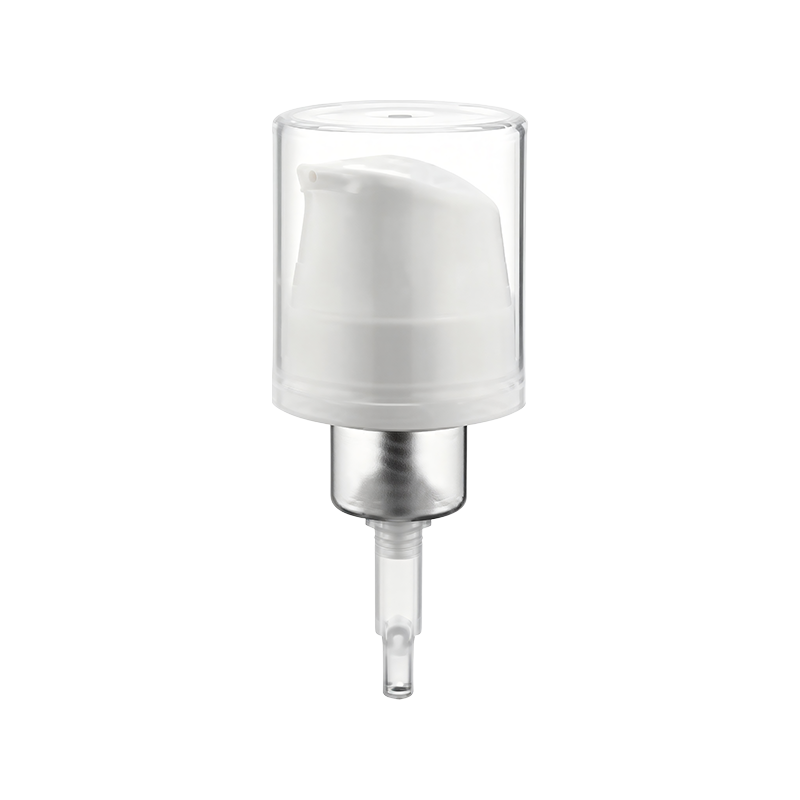
30mm Beauty Foam Dispenser: Gentle Application for Delicate Skincare Products
Product Overview
The GY-722B1 is a 30mm beauty foam dispenser developed for personal care packaging. Its standard specification combines a practical neck size, controlled dosage, lightweight plastic construction, and flexible tube configuration. Together, these features provide packaging designers and product manufacturers with a useful foundation for bottles intended for daily skincare and grooming routines.
The 30-410 size refers to the dispenser’s compatible closure specification. A 30mm format is widely suited to medium-sized personal care bottles and can provide an appropriate balance between visual presence, stability, and ease of installation. The 410 thread style is relevant to bottle compatibility, so packaging developers should verify the matching bottle neck dimensions, thread profile, sealing surface, and finish before mass production.
The pump delivers approximately 0.4±0.1 ml per actuation. This controlled dosage is valuable for products where consumers need a repeatable amount without manually measuring the formula. A consistent pump action can help reduce over-application, support a more predictable consumption rate, and make the product easier to use during busy routines.
The closure is made from plastic, which helps keep the dispenser lightweight and practical for many packaging applications. Plastic pump components can also support efficient high-volume production, flexible color matching, and a wide range of surface-finishing options. Depending on the final project requirements, the dispenser may be evaluated for color, decoration, compatibility, and overall appearance alongside the selected bottle.
The tube length is customizable. This is an important feature because bottles can differ significantly in height, shoulder design, internal geometry, and filling level. A suitable tube length helps the pump reach the formula more effectively and can improve the amount of usable product remaining in the package. Customization also gives brands greater freedom when selecting bottle shapes for different markets or product ranges.
Product model | GY-722B1 |
Product type | Beauty foam dispenser |
Size option | 30-410 |
Nominal dosage | 0.4±0.1 ml per actuation |
Closure material | Plastic |
Tube length | Customized according to packaging requirements |
Recommended applications | Facial cleanser, shaving cream, serum, lotion, and related personal care products |
Why Foam Dispensing Matters in Personal Care
Foam packaging is not simply a visual trend. It can influence the way a product is distributed across the skin, the amount used by consumers, and the perceived quality of the formulation. A foam dispenser can convert a suitable liquid product into a light, aerated texture that is easy to spread over the face or hands.
For facial cleanser applications, foam can help users distribute the product across the skin without applying a large amount of liquid directly to one area. The airy texture may also create a more comfortable cleansing experience, particularly when the formula is intended to be massaged gently over the face.
Shaving cream is another natural application. A foam format can be dispensed directly into the hand and spread across the shaving area with minimal preparation. Controlled dispensing helps the user obtain a practical quantity while reducing the chance of pouring too much product from an open bottle.
Compared with a simple open-top cap, a pump system offers a more controlled release method. Compared with a wide-mouth jar, it can reduce direct contact between the user’s hands and the remaining product. Compared with an ordinary lotion pump, a foam pump may provide a different texture and application experience when paired with an appropriate formula.
Packaging performance depends on the complete system rather than the pump alone. The formula’s viscosity, surfactant composition, air interaction, filling level, bottle design, and storage conditions all influence the final result. For this reason, the GY-722B1 should be tested with the intended formulation and bottle before commercial release.
Key Advantage: Controlled 0.4±0.1 ml Dosage
One of the most important advantages of the GY-722B1 is its specified dosage of 0.4±0.1 ml per pump. This provides a useful reference for product developers when estimating the amount dispensed during each use and calculating the expected number of applications per package.
Controlled dosage can improve the user experience in several ways. First, it reduces uncertainty. Consumers do not have to guess how much product to pour or squeeze out. Second, it can support a cleaner routine by minimizing excess product on the hands or sink. Third, it can help the brand create a more consistent relationship between the package size and the expected usage period.
The dosage specification can also assist with product positioning. A facial cleanser may be promoted as easy to dose for everyday washing, while a shaving cream may benefit from a pump that releases a manageable amount for gradual application. For a serum or lotion, the dosage can be considered during instructions for use, provided that the formula is suitable for foam dispensing.
The stated tolerance of ±0.1 ml communicates a defined dosage range rather than an unspecified output. This is a practical advantage over basic dispensing components that do not provide a clear dosage target. Nevertheless, final dosage verification should be completed using the actual formula, bottle, filling level, and production conditions.
30-410 Compatibility and Packaging Flexibility
The 30-410 specification gives the dispenser a clear compatibility reference for packaging engineers and purchasing teams. It allows the pump to be matched with bottles designed with the corresponding neck finish. This helps simplify the early stages of package development because the closure format can be identified before detailed testing begins.
Packaging compatibility should include more than nominal diameter. Teams should examine the bottle neck, thread engagement, sealing surface, dip-tube opening, shoulder clearance, and visual alignment. A properly matched system should feel secure during use, resist unwanted movement, and maintain a suitable seal under normal handling and transportation conditions.
The 30mm format can be appropriate for a variety of personal care bottles. It can provide enough room for a functional pump assembly while maintaining a streamlined appearance. It is also suitable for packaging concepts that require a stronger visual presence than a very small dispenser but do not need an oversized closure.
For brands developing a family of products, a standardized closure size can help create visual consistency across multiple bottles. A cleanser, shaving product, lotion, or related treatment product may use the same general closure format while differentiating the bottle, color, label, or decoration. This can support a recognizable packaging architecture and simplify certain sourcing decisions.
Customizable Tube Length for Different Bottle Designs
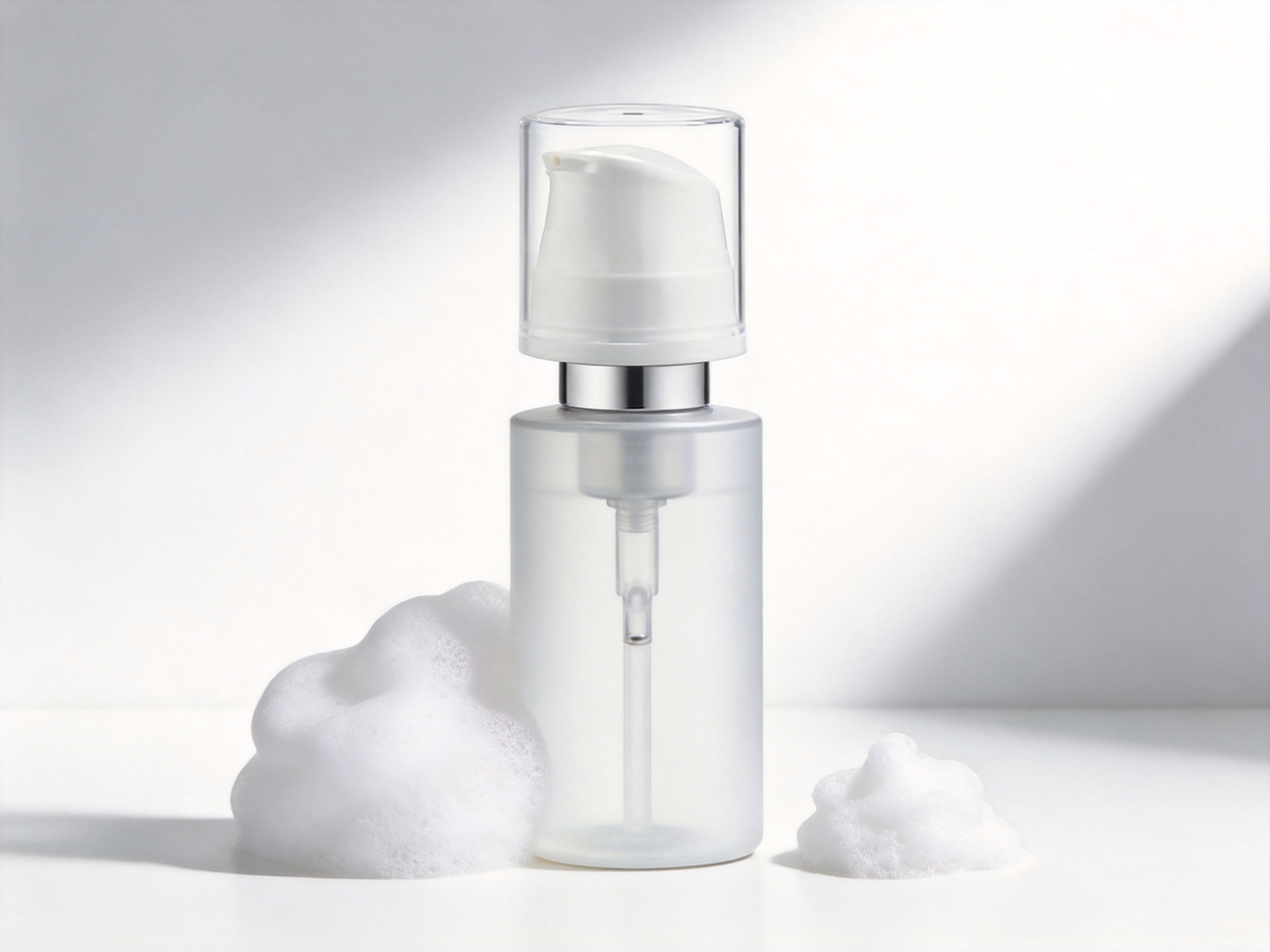
Tube length customization is one of the practical features that distinguishes the GY-722B1 from a fixed-length dispenser. Bottle designs vary in height, base structure, shoulder angle, and internal capacity. A tube that is too short may leave product inaccessible near the bottom, while a tube that is too long may bend, interfere with the bottle base, or affect the efficiency of product intake.
By customizing the tube length, GreenYard can adapt the dispenser to a specific bottle concept. The appropriate length can be evaluated according to the bottle’s internal dimensions and the intended fill volume. This is particularly helpful for brands that want to use distinctive bottle shapes rather than relying only on standard stock packaging.
Custom tube sizing can also support different product capacities. A compact facial cleanser bottle may require a different tube length from a larger family-size lotion or shaving product package. The ability to adjust the tube allows the same dispenser platform to be considered for multiple formats, subject to compatibility testing.
During development, the tube should be checked at the lowest practical product level. The pump should be evaluated for priming, continuous dispensing, and product recovery as the bottle becomes nearly empty. These tests help confirm whether the selected tube length works effectively throughout the expected life of the package.
Applications in Facial Cleansing
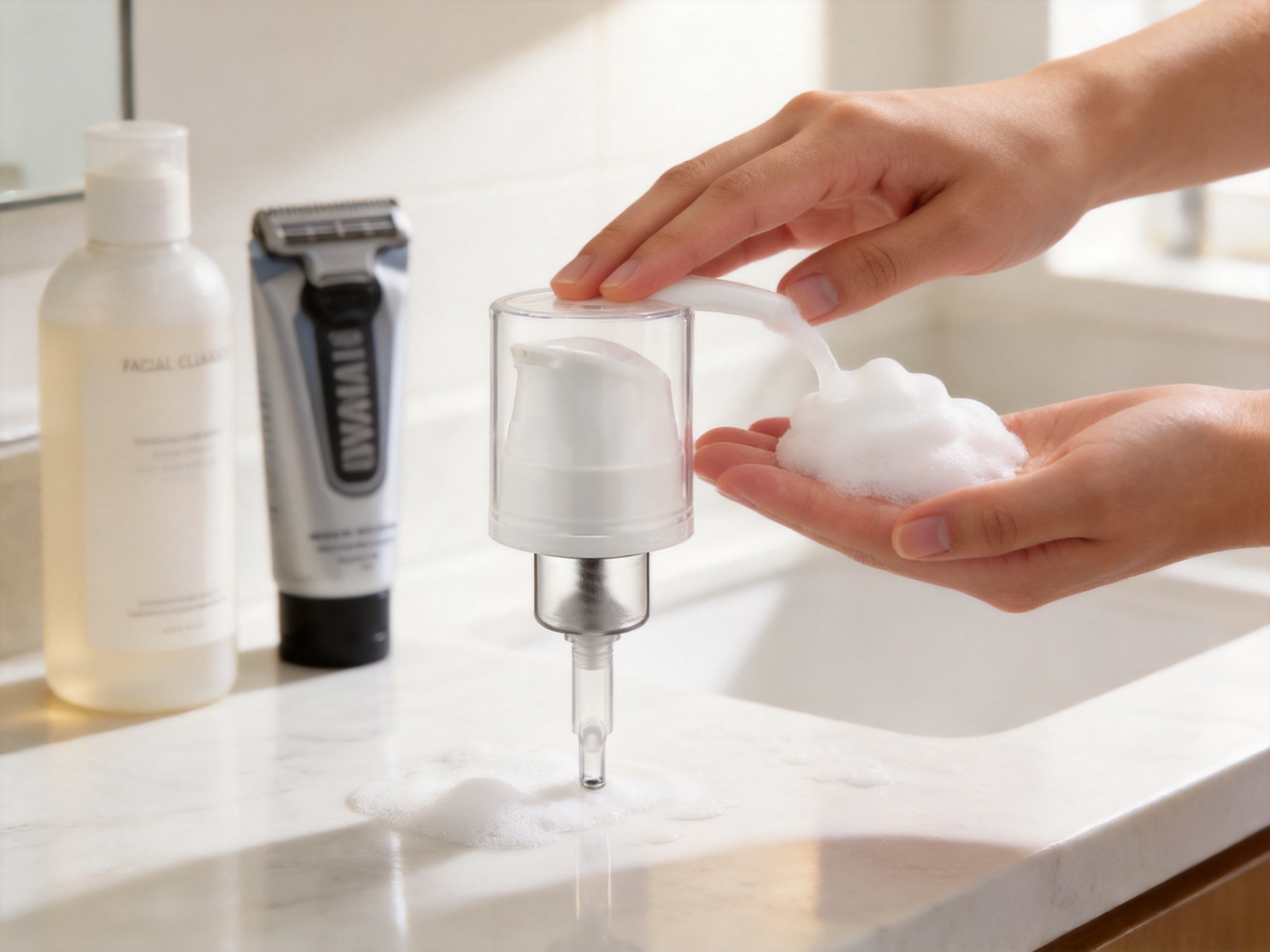
Facial cleanser packaging must balance hygiene, ease of use, dosage control, and formula protection. The GY-722B1 is well suited to facial cleanser concepts that are designed to be dispensed as foam. The user can place a hand beneath the outlet, press the pump, and receive a measured amount without opening a large container.
The dispenser can support both home and travel-oriented routines when paired with a suitable bottle and protective packaging. Its pump action can make the product easy to operate with one hand, which is helpful when the user is standing at a sink or has wet hands. The controlled output may also reduce splashing and unnecessary product waste.
For facial cleansers, the formula must be assessed carefully. The product should be compatible with the internal components, and the foaming performance should remain stable during the intended shelf life. Testing should consider viscosity, pH, surfactants, preservatives, fragrance, active ingredients, and any solids or particles that could affect the pump.
A foam dispenser can also enhance product communication. Consumers often associate foam with softness, freshness, and easy spreading. The dispenser creates a direct connection between the package and the sensory experience of the formula, helping the packaging perform both a functional and marketing role.
Applications in Shaving Cream
Shaving products require a dispenser that can provide practical quantities without unnecessary handling. The GY-722B1 can be considered for liquid shaving formulations engineered to foam through a manual pump. Its controlled dosage allows the user to release the product gradually and add more only when needed.
This can be useful for reducing excess use during a shaving routine. The user can dispense the foam into the palm or directly onto an appropriate application area, depending on the product instructions. A consistent pump action also supports a familiar experience from one use to the next.
Packaging appearance is important in the shaving category, where products may be positioned as premium grooming items, practical daily necessities, or travel-friendly solutions. The plastic closure can be coordinated with the bottle and label to create a clean, modern appearance. Tube customization further enables the dispenser to fit bottles with different capacities and silhouettes.
As with facial cleansers, formula compatibility is essential. Shaving formulations may contain ingredients that influence viscosity, foaming, lubrication, or material interaction. The complete package should therefore undergo stability, leakage, output, and user simulation tests before approval.
Potential Use with Serums and Lotions
The listed usage includes serum and lotion products, although not every serum or lotion is suitable for a foam pump. The most appropriate candidates are liquid or low-viscosity formulations whose physical properties allow them to move through the pump and produce the desired output.
For a serum, the foam format may offer a lightweight application method. It can help users dispense a small, controlled amount and distribute it evenly over the skin. For a lotion, foaming may create a soft texture that spreads easily and feels less heavy during application.
Product developers should not assume that a conventional thick lotion will foam correctly. Formula screening should be conducted before the package is finalized. The evaluation should include pump priming, output volume, foam density, collapse time, residue, clogging risk, and performance after storage under relevant temperature conditions.
When the formula and dispenser are correctly matched, the GY-722B1 can offer a distinctive dispensing experience that separates a product from standard bottles. This may be especially attractive for brands seeking a fresh format for skincare, cleansing, or grooming products.
Advantages Compared with Alternative Dispensing Formats
Compared with Open-Top Caps
An open-top cap is simple, but it may require the consumer to pour or squeeze the product. This can make dosage less consistent and may create drips around the opening. The GY-722B1 provides a dedicated pump mechanism that is designed for measured dispensing and convenient repeated use.
Compared with Wide-Mouth Jars
Jars provide broad access to creams and balms, but users generally need to place their fingers or an accessory into the container. A pump can reduce direct contact with the remaining product and create a more controlled dispensing process. For formulas that are suitable for foam packaging, the GY-722B1 can provide a cleaner and more modern alternative.
Compared with Conventional Lotion Pumps
A conventional lotion pump is designed primarily to discharge liquid or lotion. The GY-722B1 is intended for foam dispensing, making it more appropriate when the desired consumer experience includes a light, aerated texture. Its 0.4±0.1 ml dosage also provides a clear output reference for formulations requiring controlled delivery.
Compared with Fixed-Tube Dispensers
Fixed tube lengths can limit bottle selection and may require compromises in package design. The customizable tube length of the GY-722B1 provides greater flexibility during development. This feature can support different bottle heights and capacities while helping the pump reach the formula more effectively.
Design and User Experience Benefits
Successful personal care packaging must perform well in the hand. The pump should be easy to press, comfortable during repeated use, and visually aligned with the product’s positioning. A 30mm foam dispenser provides an identifiable functional element without overwhelming the bottle design.
The pump format can also support one-handed operation. This is useful in bathrooms, at sinks, and during shaving routines. A user can hold the bottle securely while pressing the actuator with the other hand. The result is a simple interaction that can be repeated without removing a cap or opening a jar.
A controlled outlet can help keep the surrounding package cleaner. Although no dispenser can eliminate all residue under every condition, a suitable pump system can reduce the likelihood of uncontrolled pouring. Brands should still evaluate the outlet design, closure protection, shipping orientation, and storage conditions to confirm the desired cleanliness.
Visual customization may include color selection and coordination with the bottle, depending on the project scope. Plastic components can be produced in different appearance directions to support premium, clinical, natural, minimalist, or mass-market positioning. Final decoration and color feasibility should be reviewed with the manufacturer during development.
Manufacturing Capabilities Supporting the Product
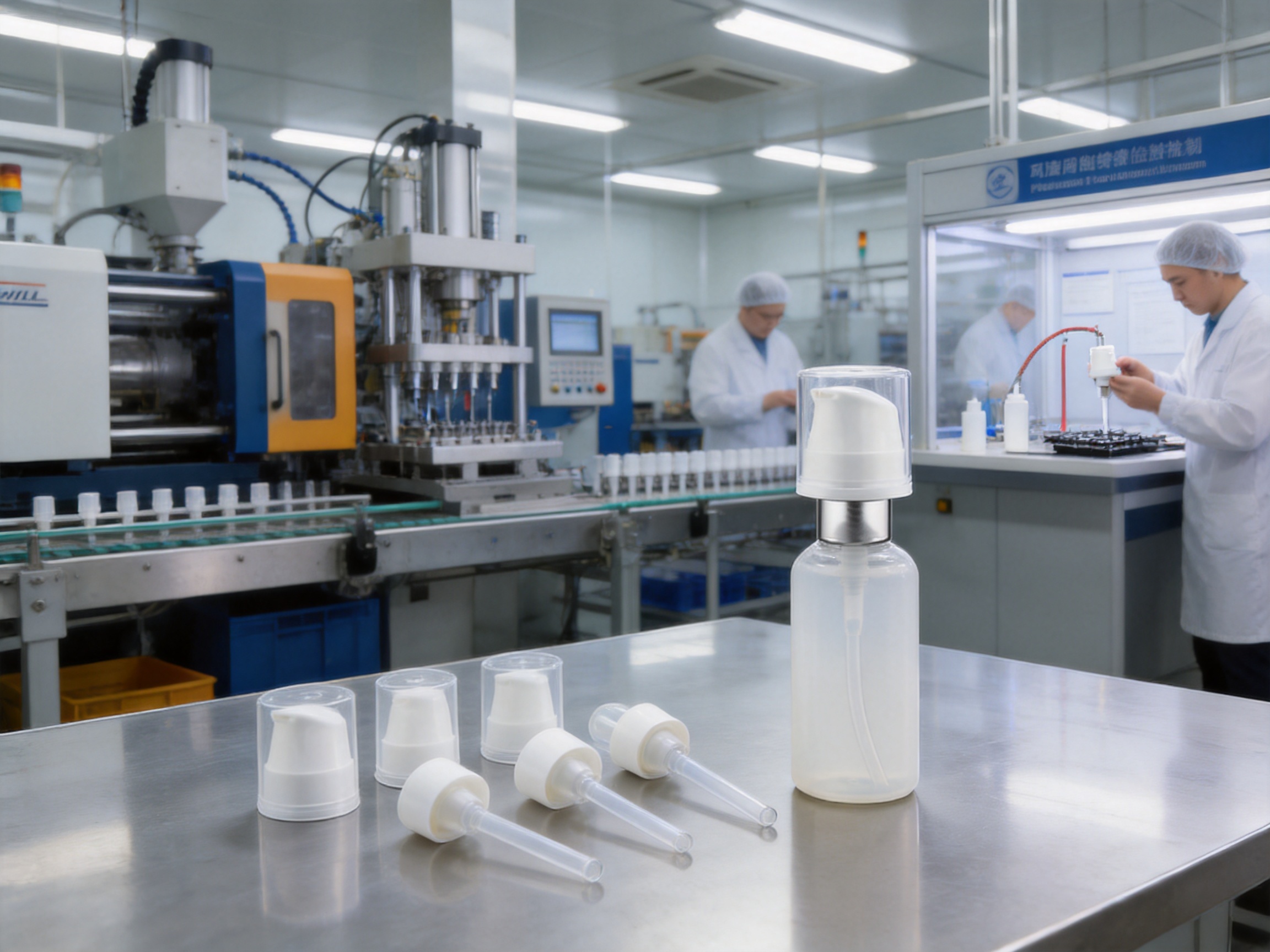
GreenYard Tools Co., Ltd. has specialized in spray product manufacturing for 16 years. The company’s product range includes perfume sprayers, pump heads, caps, bottles, and daily chemical packaging solutions. This experience is relevant to the GY-722B1 because foam dispensers require coordinated control of molded components, pump assemblies, tube configurations, and quality checks.
The company reports a daily production capacity of one million units. Such capacity can be important for customers planning regional launches, high-volume retail programs, or multiple product variants. Capacity alone does not guarantee suitability for every project, but it can provide a foundation for scalable supply when supported by appropriate production planning and inspection procedures.
Mold Design
Mold design is a critical stage in plastic packaging manufacturing. The mold influences dimensional accuracy, component appearance, cycle efficiency, and consistency between production batches. GreenYard maintains capabilities in mold design, allowing the company to develop and refine tooling for packaging components.
For a dispenser such as the GY-722B1, mold quality affects the fit of the closure, the precision of the actuator, the appearance of the plastic surface, and the repeatability of assembly. Well-planned tooling can also support efficient production and help reduce variation in high-volume manufacturing.
Injection Molding
Injection molding is used to produce many of the plastic components found in personal care packaging. The process requires control of material flow, cooling, pressure, cycle timing, and dimensional performance. Proper process management helps produce parts that assemble correctly and maintain a consistent appearance.
For a plastic foam dispenser, injection-molded parts may include the closure and other external or internal components, depending on the final construction. Consistency in these parts is important because dimensional variation can affect sealing, actuation, visual alignment, and the overall user experience.
Automated Assembly
Automated assembly can improve production efficiency and support repeatable component installation. Pump products contain multiple parts that must be assembled in the correct sequence and orientation. Automation can help reduce manual handling and maintain consistent assembly conditions.
Automation is particularly valuable for large production orders, where repeatability and output stability are important. It can also support more systematic process monitoring. GreenYard’s automated assembly capabilities complement its molding and inspection resources, creating an integrated manufacturing route for spray and pump packaging.
Quality Inspection
Quality inspection is essential for packaging components that must function repeatedly throughout a product’s life. GreenYard identifies quality inspection as part of its manufacturing capabilities. Inspection may be applied to appearance, dimensions, assembly, closure fit, dispensing behavior, and other project-specific requirements.
Customers should define quality standards early in the development process. These standards can include acceptable cosmetic limits, dimensional tolerances, pump dosage, leakage performance, tube length, color consistency, and packaging cleanliness. Clear specifications help align the manufacturer and customer before mass production begins.
From Product Concept to Mass Production
A successful foam dispenser project usually begins with a clear product brief. The brief should identify the formula type, bottle capacity, neck finish, target dosage, intended market, color requirements, anticipated order quantity, and expected use conditions. This information allows the supplier to assess the suitability of the GY-722B1 and recommend an appropriate development path.
The next step is bottle and pump matching. The 30-410 specification should be confirmed against the proposed bottle. The tube length should be selected based on the bottle’s internal dimensions rather than its external appearance alone. A physical sample evaluation is strongly recommended.
Formula testing follows package matching. The formula should be filled into the intended bottle and tested with the actual dispenser. The evaluation should measure output volume, foaming behavior, priming time, actuation feel, leakage, and performance at different fill levels.
Stability testing should examine the interaction between the product and package over time. Relevant conditions may include room temperature, elevated temperature, low temperature, vibration, transportation simulation, and repeated consumer use. The exact test program should be established according to the formula, market, and regulatory requirements.
After sample approval, pilot production can help verify the manufacturing process before full-scale production. Pilot runs allow teams to confirm assembly, appearance, dosage, tube installation, packaging configuration, and inspection procedures. Once the results meet the agreed standards, mass production can proceed with greater confidence.
Quality Considerations for Buyers
Buyers evaluating the GY-722B1 should review both technical and commercial requirements. Technical review should include size compatibility, dosage, tube length, formula suitability, actuation performance, and packaging appearance. Commercial review should include minimum order quantities, sampling procedures, production lead time, color development, carton packing, and shipment planning.
Dosage verification should be performed using repeated actuations rather than a single measurement. A test series can provide a more useful understanding of average output and variation. The pump should also be tested after periods of storage because some formulations may change in viscosity or interact with internal components over time.
Leakage testing is another important consideration. The assembled bottle should be evaluated in different orientations and under transportation-related movement. The closure should remain secure, and the product should not escape through the neck, actuator, or tube connection during normal handling.
Appearance inspection should cover flash, sink marks, scratches, color variation, contamination, and assembly alignment. The acceptable limits will depend on the product’s market position. Premium skincare products may require stricter cosmetic standards than high-volume everyday products, although both require reliable function.
Sustainability and Material Efficiency
Plastic packaging decisions increasingly involve material efficiency, product protection, logistics, and end-of-life considerations. The GY-722B1 uses a plastic closure, providing a lightweight component option for personal care packaging. Lower package weight can contribute to more efficient transportation, although the complete bottle, pump, formula, and shipping system must be considered together.
Material selection should be evaluated in relation to durability and product protection. A package that prevents leakage and enables the consumer to use the product efficiently may help reduce product waste. Controlled dosage can also support responsible consumption by helping users avoid dispensing more formula than necessary.
Brands may also review opportunities for packaging simplification, material reduction, or compatibility with their chosen recycling strategy. Any sustainability claim should be based on the complete packaging structure and the applicable requirements of the target market. The manufacturer can be consulted regarding available material and design options for a specific project.
Branding and Market Positioning
The dispenser is a functional component, but it also contributes to brand identity. A clean 30mm closure can be paired with a transparent, opaque, colored, or decorated bottle to create different visual directions. The same core pump format may support a family of products while allowing each product to use distinct colors or labels.
For facial cleansers, the package may emphasize freshness, gentleness, or daily simplicity. For shaving products, it may communicate precision, comfort, or grooming efficiency. For serum and lotion concepts, the pump can support a modern, hygienic, and controlled-application message.
The tactile experience also influences perceived quality. Consumers notice how easily the actuator moves, whether the pump returns smoothly, how much product is released, and whether the package remains stable during use. These details can contribute to repeat purchase decisions, especially in categories where products are used every day.
Because GreenYard produces multiple packaging categories, including perfume sprayers, pump heads, caps, bottles, and daily chemical packaging, customers may be able to coordinate several components through one manufacturing partner. This can help simplify communication when a product line requires related packaging formats.
Why Choose an Experienced Packaging Manufacturer?
An experienced packaging manufacturer can contribute more than a single component. It can help identify compatibility risks, coordinate molds and assembly, manage production scale, and establish inspection standards. These capabilities are valuable when the package must perform consistently across thousands or millions of units.
GreenYard’s reported 16 years of experience in spray product manufacturing provides a foundation for working with pump heads and related packaging components. Its capabilities in mold design, injection molding, automated assembly, and quality inspection cover several stages of the manufacturing process.
The company’s reported daily production capacity of one million units may support customers with significant demand. Large capacity can also be helpful for managing product families, seasonal production, and repeat orders. Customers should confirm available capacity, production schedules, and quality requirements for their specific project.
GreenYard also maintains a design team that supports product innovation. This can be useful when a customer needs a customized tube length, a particular visual appearance, a packaging adaptation, or a new component concept. Close cooperation between design, tooling, production, and quality teams can reduce delays during development.
Recommended Development Checklist
Before ordering the 30mm Beauty Foam Dispenser, the customer should confirm the intended formula and whether it is appropriate for foam dispensing. This includes reviewing viscosity, foaming behavior, ingredients, preservatives, fragrance, and expected storage conditions.
The customer should then confirm the bottle neck finish. The proposed bottle should match the 30-410 closure specification, and physical samples should be checked for thread engagement, sealing, appearance, and stability.
Tube length should be measured according to the bottle’s internal structure. The target length should reach the product effectively while avoiding excessive bending or contact that could affect intake.
The desired dosage should be confirmed through repeated testing. The specified output is 0.4±0.1 ml per actuation, but the final result should be evaluated with the actual formula and package combination.
Visual requirements should be documented, including color, finish, decoration, logo treatment, and acceptable cosmetic limits. Written standards help prevent misunderstandings during sample approval and mass production.
Finally, the customer should establish inspection, packing, shipment, and after-sales procedures before placing a large order. A clearly defined process helps ensure that the finished dispenser meets functional and commercial expectations.
Q&A About the 30mm Beauty Foam Dispenser
Q1: What is the product model?
The product model is GY-722B1. It is a 30mm beauty foam dispenser designed for personal care packaging applications.
Q2: What is the closure size?
The available size is 30-410. The matching bottle should be checked carefully to confirm that its neck finish and thread profile are compatible.
Q3: How much product does the pump dispense?
The specified dosage is approximately 0.4±0.1 ml per actuation. Actual output should be verified with the intended formula, bottle, filling level, and testing conditions.
Q4: Is the tube length fixed?
No. The tube length is customizable. It can be adapted to different bottle heights and internal dimensions according to the project requirements.
Q5: What products are suitable for this dispenser?
The product is widely used for personal care products such as facial cleansers and shaving creams. It may also be considered for suitable serums, lotions, and related liquid formulations after compatibility and performance testing.
Q6: Can it be used with a thick cream?
A conventional thick cream may not be suitable for a foam pump. The formula must be evaluated for viscosity, flow, foaming performance, and compatibility with the pump mechanism before approval.
Q7: What is the closure made from?
The closure is made from plastic. This provides a lightweight and practical option for many personal care packaging designs.
Q8: What is the main advantage over an open-top bottle?
The pump provides controlled dispensing rather than requiring the user to pour or squeeze the product manually. This can improve convenience, dosage consistency, and cleanliness during daily use.
Yes. The 30mm format can be integrated into a range of packaging styles, and plastic components may support different colors and appearance treatments. Final options should be confirmed during the design and sampling process.
Q10: What manufacturing capabilities does GreenYard provide?
GreenYard provides capabilities in mold design, injection molding, automated assembly, and quality inspection. The company specializes in spray product manufacturing and produces perfume sprayers, pump heads, caps, bottles, and other daily chemical packaging solutions.
Q11: What production capacity does the company report?
GreenYard reports a daily production capacity of one million units. Customers should confirm current capacity and production scheduling for their specific order.
Q12: How should the pump be tested before mass production?
The pump should be tested with the final formula and bottle. Recommended evaluations include dosage consistency, priming, foam quality, actuation force, leakage, tube performance, storage stability, transportation simulation, and repeated-use testing.
Q13: Is the pump suitable for export packaging?
It can be considered for global personal care packaging programs, provided that the complete package meets the technical, labeling, safety, and regulatory requirements of the destination market.
Q14: How can buyers request a customized tube length?
Buyers should provide the bottle dimensions, internal depth, fill volume, and intended product level. GreenYard can then review the requirements and confirm a suitable tube configuration during the sampling process.
Conclusion
The 30mm Beauty Foam Dispenser GY-722B1 combines controlled dispensing, flexible tube length, a practical plastic closure, and a 30-410 size option for personal care packaging. Its 0.4±0.1 ml dosage supports measured application, while the foam format can improve the sensory experience of facial cleansers, shaving creams, and other compatible skincare products.
Compared with open-top caps, jars, and standard liquid pumps, the dispenser offers a distinct combination of foam texture, convenient operation, and dosage control. Its customizable tube length provides additional flexibility for different bottle designs, capacities, and product concepts.
The manufacturing capabilities of GreenYard Tools Co., Ltd. strengthen the product’s commercial potential. The company’s experience in spray product manufacturing, mold design, injection molding, automated assembly, quality inspection, and high-volume production provides an integrated foundation for personal care packaging projects.
For the best results, customers should evaluate the dispenser as part of a complete packaging system. Formula compatibility, bottle matching, dosage testing, tube selection, stability, leakage, appearance, and production standards should all be confirmed before mass production. When these elements are properly coordinated, the GY-722B1 can provide a reliable and user-friendly dispensing solution for modern personal care products.
References
1. GreenYard Tools Co., Ltd. Product specification for GY-722B1 30mm Beauty Foam Dispenser.
2. GreenYard Tools Co., Ltd. Corporate information concerning spray product manufacturing, mold design, injection molding, automated assembly, and quality inspection.
3. Personal care packaging development principles concerning pump dosage, bottle compatibility, tube selection, and formula-package interaction.
4. General packaging quality-control practices for dimensional inspection, leakage testing, repeated dispensing, transportation simulation, and storage stability.
5. Product development guidelines for foam dispensing systems used with facial cleansers, shaving products, serums, lotions, and related personal care formulations.
Product: 30mm Beauty Foam Dispenser: Gentle Application for Delicate Skincare Products

-
Foam Pump vs Regular Pump: What's the Difference?
The core difference between a foam pump and a regular pump is how each one delivers product. A regu...
-
Amber Plastic Bottles: Lightweight, Protective, Customizable Packaging for Cosmetics
You have spent months stabilizing a vitamin C serum, only to watch a pallet of amber glass bottles ...
-
Crimp Pumps Demystified: Choosing the Right Type and Material for Every Cosmetic Formula
Walk into any cosmetic filling facility and you will find crimp pumps on everything from a delicate ...
-
Airless Bottles Uncovered: How to Protect Your Skincare and Perfect Every Pump
If you have ever opened a pump bottle of serum and found the last quarter of the product impossible ...
Copyright © GreenYard Tools Co.,ltd. All Rights Reserved.
Personal Care Packaging Manufacturer Custom Perfume Sprayers Factory