
-
About Us
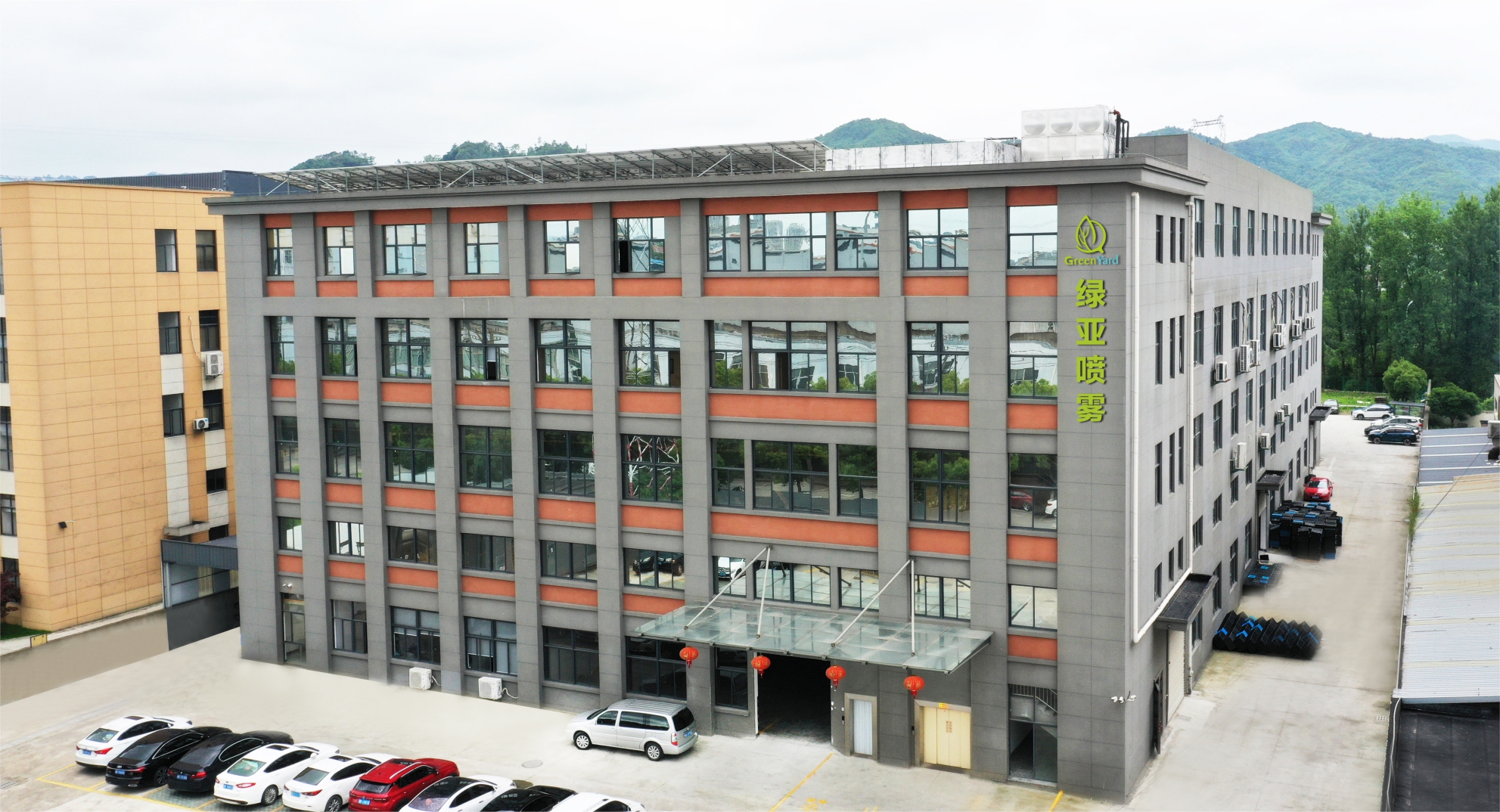
Why Choose Us?The company possesses advanced capabilities in mold design, injection molding, and automated assembly, supported by a professional quality inspection team to ensure product reliability. A dedicated design team continuously drives product innovation, providing customers with high-quality spray solutions.
 Coming From China, Marketing To The World.
 -
Products
-
News
 English
 Français
 русский
 Español
High-Volume 10CC to 30CC Dosage Dispenser Pump for Gallon Packaging
Content
- 1 Product Overview
- 2 Key Technical Specifications
- 3 Adjustable Dosage for Different Applications
- 4 Compatibility with 38-400 and 38-410 Containers
- 5 Twist-Open Locking Mechanism
- 6 Ribbed Closure for Better Handling
- 7 Customized Tube Length
- 8 Advantages Over Conventional Small-Output Pumps
- 9 Applications in Food and Food Service
- 10 Potential Personal Care and Household Uses
- 11 Manufacturing Capabilities
- 12 Integrated Manufacturing from Mold to Finished Pump
- 13 Quality and Performance Considerations
- 14 Benefits for Brand Owners and Packaging Buyers
- 15 Benefits for End Users
- 16 Packaging Development and Customization Process
- 17 Why Manufacturing Expertise Matters
- 18 Supply Capacity and Global Packaging Support
- 19 Selection Guide for the GY-313 Pump
- 20 Storage, Transportation, and Handling
- 21 Sustainability and Material Efficiency Considerations
- 22 Frequently Asked Questions
- 22.1 What is the GY-313 dispenser pump designed for?
- 22.2 What dosage options are available?
- 22.3 Which bottle neck sizes are compatible?
- 22.4 Does the pump have a locking function?
- 22.5 What is the purpose of the ribbed closure?
- 22.6 Can the tube length be customized?
- 22.7 Can this pump be used for viscous products?
- 22.8 Is the GY-313 suitable for personal care products?
- 22.9 How does this pump compare with a pour spout?
- 22.10 How should the correct dosage be selected?
- 22.11 What manufacturing services does GreenYard provide?
- 22.12 What information should buyers provide for a quotation?
- 23 Conclusion
- 24 References
- 25 Product: 10CC/15CC/20CC/25CC/30CC Dosage Dispenser Pump
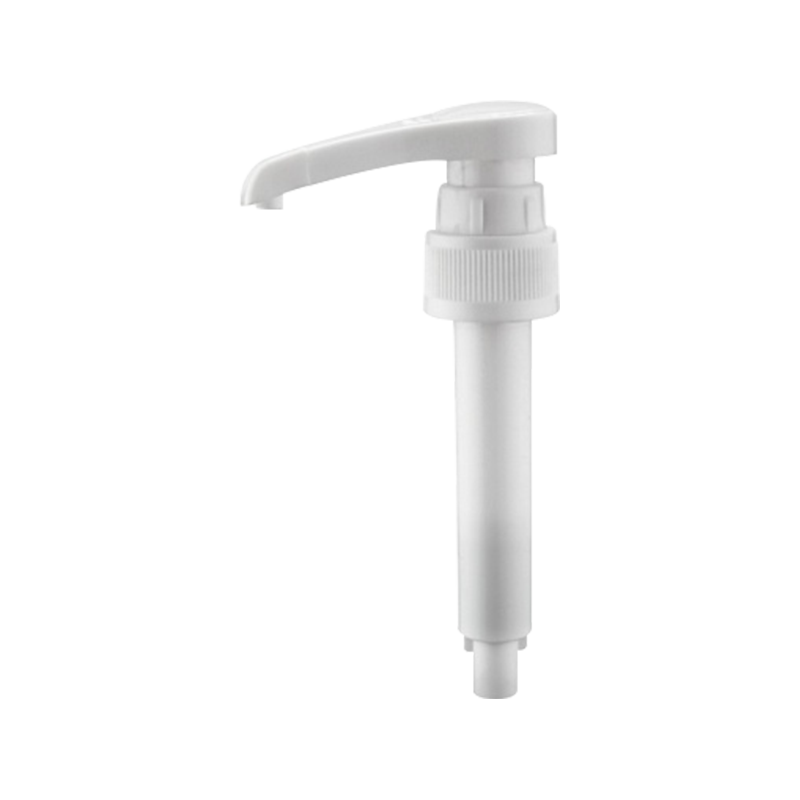
Large-format liquid packaging requires dispensing components that are accurate, durable, easy to operate, and compatible with demanding daily-use environments. The GY-313 10CC/15CC/20CC/25CC/30CC Dosage Dispenser Pump is designed for this purpose. It is a high-volume lotion-style pump developed for gallon containers, large bottles, and other packaging formats that require a substantial quantity of liquid to be dispensed with each press.
Unlike conventional lotion pumps intended for small cosmetic bottles, this dispenser pump is engineered around higher output volumes. Users can select a dosage of 10cc, 15cc, 20cc, 25cc, or 30cc per stroke, depending on the intended product, container size, and dispensing requirements. This range allows the same pump platform to serve multiple packaging projects while supporting controlled and repeatable delivery.
The pump is available with 38-400 and 38-410 size options. These neck finishes are widely used for large-capacity containers and gallon-style packaging. The ribbed closure provides a secure grip during installation and use, while the twist-open locking mechanism helps prevent accidental activation during transportation and storage. The tube length can also be customized to suit the height and internal geometry of the selected container.
GreenYard Tools Co., Ltd. manufactures this product as part of its broader portfolio of pumps, sprayers, caps, bottles, and packaging components. With experience in mold design, injection molding, automated assembly, and quality inspection, the company is equipped to support both standard product purchases and customized packaging programs.
10CC/15CC/20CC/25CC/30CC Dosage Dispenser Pump
Product Overview
The GY-313 is a dosage dispenser pump for large-volume dispensing applications. Its structure is intended to move a relatively large quantity of product through the pump during every actuation, reducing the number of presses required by the end user. This design is especially useful where a small pump would be inefficient or inconvenient.
The pump can be used with suitable liquid and semi-liquid products, including syrup, ketchup sauce, and other viscous food products. It may also be considered for selected personal care, household, institutional, and industrial formulations, provided that the formula is compatible with the pump materials and internal components.
The product is categorized as a lotion pump, but its capabilities extend beyond ordinary skincare packaging. Its large dosage options and gallon-pump application make it particularly suitable for containers that hold substantial quantities of product. This makes the GY-313 a practical choice for food service, commercial kitchens, hospitality facilities, refill systems, and high-consumption environments.
The dispenser uses a ribbed closure and a twist-open locking design. The ribbed exterior improves hand contact during installation and removal. It is useful for operators who need to attach or replace pumps quickly without specialized tools. The twist-open mechanism provides a straightforward transition between locked and open positions, helping protect the pump during distribution while allowing rapid preparation for use.
The tube length is customized according to the bottle or gallon container. This feature is important because a tube that is too short may leave product at the bottom of the container, while a tube that is too long may interfere with the container base or produce inefficient intake. Proper tube selection supports more complete product usage and helps maintain consistent pump performance throughout the container’s service life.
Key Technical Specifications
Product model |
GY-313 |
Product type |
High-volume dosage dispenser pump |
Category |
Lotion pump |
Available dosage options |
10cc, 15cc, 20cc, 25cc, and 30cc per stroke |
Available neck sizes |
38-400 and 38-410 |
Locking mechanism |
Twist open |
Closure design |
Ribbed |
Tube length |
Customized according to container requirements |
Typical application |
Gallon pump and large-format packaging |
Example products |
Syrup, ketchup sauce, and other compatible liquids |
The specifications demonstrate the product’s flexibility. A packaging buyer does not need to choose between only one output level. Instead, the buyer can select an appropriate dosage for the product and dispensing environment. A 10cc option may be suitable where controlled portions are preferred, while a 30cc option can be more efficient for high-volume service or large containers.
Adjustable Dosage for Different Applications
One of the most significant advantages of the GY-313 is its selection of five dosage options. Dispensing requirements vary considerably between products. A food-service operator may need a generous amount of syrup or sauce with each pump, while a formulation manufacturer may prefer a smaller and more controlled amount for a household or personal care product.
The 10cc setting provides a relatively measured output for applications that require portion control. It can help reduce excessive dispensing and may be suitable for products where users need to build quantity gradually. The 15cc and 20cc versions provide intermediate output levels for general-purpose applications and may offer a balance between speed and control.
The 25cc and 30cc options are intended for users who value fast dispensing and fewer pump actuations. These larger dosages can be useful in commercial environments where a product is dispensed frequently and operators need to serve multiple users or prepare large quantities quickly.
Dosage selection should be made according to the product’s viscosity, target portion, container design, and user expectations. The stated dosage represents the designed output per stroke under appropriate testing conditions. Actual performance may be influenced by formula characteristics, temperature, filling level, tube configuration, pump assembly, and operating technique.
Having several dosage choices also simplifies product development. Packaging teams can evaluate different output levels using the same general product family. This can reduce the need to search for an entirely different pump structure when a project moves from one dispensing volume to another.
Compatibility with 38-400 and 38-410 Containers
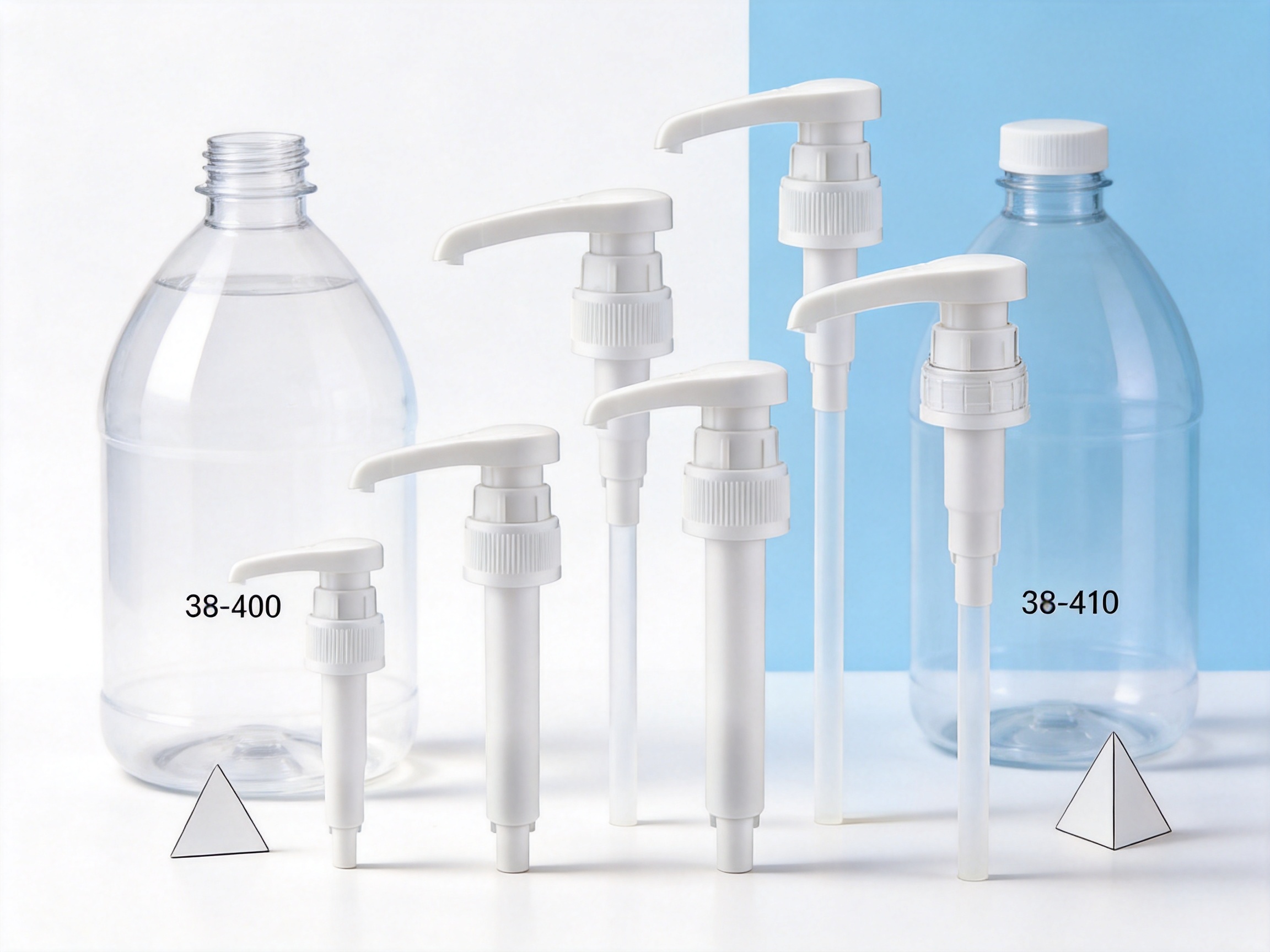
The GY-313 is offered in 38-400 and 38-410 neck sizes. Neck finish selection is a critical factor in packaging compatibility. The closure must match the container opening accurately so that the pump can be installed securely and create an appropriate seal.
The 38-400 and 38-410 formats are commonly associated with larger bottles and gallon-style containers. Their availability makes the pump suitable for packaging programs that use wide-mouth, large-capacity containers rather than narrow cosmetic bottles. Buyers should confirm the exact neck finish of the selected bottle before ordering and should conduct a fit test with the complete package.
A compatible neck finish can help support a stable connection during repeated operation. This is particularly important for commercial applications in which the container may be moved, handled, refilled, or used many times. The ribbed closure contributes to practical handling by giving operators a textured surface that is easier to grip than a smooth closure.
Packaging engineers should evaluate more than the nominal neck size. The bottle thread design, sealing surface, closure height, internal shoulder, pump tube position, and container material may all affect final compatibility. GreenYard can support project discussions involving these elements so that the pump and bottle are assessed as a complete dispensing system.
Twist-Open Locking Mechanism
The twist-open locking mechanism is designed to make the pump safer and more convenient during distribution and storage. When the pump is locked, the actuator is protected against unintended pressing. This can help reduce accidental dispensing inside cartons, warehouses, or delivery vehicles.
To prepare the pump for use, the operator twists the pump head to the open position. After use or before transportation, the head can be twisted back into the locked position. This action is simple and does not require a separate cap or external locking accessory.
A locking mechanism is especially valuable for large-volume pumps. Because each stroke releases a considerable quantity of liquid, accidental actuation can lead to more product loss than it would with a small cosmetic pump. Locking the actuator can therefore contribute to cleaner logistics and improved product preservation.
The twist-open design also supports a professional user experience. Employees in food service, hospitality, cleaning operations, or manufacturing environments can quickly identify whether the pump is ready for operation. A clear open-and-lock action helps reduce confusion during installation and routine use.
As with any pump closure, the locking function should be checked during package testing. The pump should remain secure under ordinary handling while still allowing authorized users to open it without excessive force. Transport trials, vibration tests, drop evaluations, and repeated-use testing may be appropriate depending on the product and distribution environment.
Ribbed Closure for Better Handling
The ribbed closure is a practical feature for large-format packaging. A gallon container and its pump are often heavier than a small personal care package. A textured closure surface can provide improved finger contact when the pump is being attached, tightened, removed, or serviced.
Ribbing may also help users maintain control when their hands are wet, oily, or covered with product residue. This is relevant in commercial kitchens, food preparation areas, salons, cleaning rooms, and other working environments where smooth plastic surfaces can be difficult to handle.
The closure’s function is not limited to comfort. A secure grip can encourage correct installation and reduce the possibility of under-tightening or cross-threading. Proper installation helps the package remain stable during pumping and supports the overall integrity of the dispensing system.
For packaging brands, the ribbed surface can also be customized or coordinated with the visual design of the bottle and label where applicable. Color selection, surface finish, and other project-specific requirements should be reviewed with the manufacturer during the development process.
Customized Tube Length
A customized dip tube is one of the most important options for large containers. Gallon bottles are not all identical. Their height, base shape, shoulder angle, internal diameter, and product fill level can vary. A standard tube length may not provide the best performance across every container design.
By adjusting the tube length, the pump can be adapted to the internal dimensions of the selected package. The tube should extend sufficiently toward the bottom of the container to support effective product pickup while avoiding excessive contact with the base. Correct positioning can help reduce residual product and maintain more reliable operation near the end of the container’s life.
Tube customization is also relevant to products with different filling volumes. A bottle may have the same neck finish as another container but a different overall height. A project-specific tube allows the pump to be matched to the actual package rather than relying only on the closure size.
During development, the pump and container should be tested with the intended formula. Viscous materials may move more slowly through the tube than low-viscosity liquids. Temperature can also affect flow. Testing at realistic storage and operating conditions can help identify whether the tube length and pump dosage are appropriate.
GreenYard’s manufacturing and assembly capabilities allow tube length to be considered as part of the product configuration. This is useful for original equipment manufacturers, private-label brands, food-service suppliers, and distributors that use several container formats within the same product range.
Advantages Over Conventional Small-Output Pumps
Many standard lotion pumps are designed for personal care bottles with outputs of approximately one to several milliliters per stroke. Such pumps are convenient for creams, shampoos, liquid soaps, and skincare products, but they may not be efficient for gallon packaging or commercial dispensing.
The GY-313 addresses this limitation with output options from 10cc to 30cc. A higher-volume stroke means that users can dispense a meaningful quantity without repeatedly pressing a small actuator. This can improve workflow efficiency in settings where product is used frequently or where large portions are required.
The product also offers more flexibility than a single-output commercial pump. Buyers can select from five dosage levels rather than adapting their formula or usage process to one fixed pump. This gives packaging teams greater control when balancing convenience, portioning, and product consumption.
Compared with open pouring, a pump can provide more controlled dispensing and reduce the need to lift or tilt a heavy gallon container. This can improve ergonomics for operators and may help limit spills, splashing, and messy handling. The benefit is especially relevant when containers are large, full, or stored in busy work areas.
Compared with a trigger sprayer, the GY-313 is more appropriate for products that should be delivered as a concentrated stream or portion rather than dispersed as a spray. Compared with a dropper, it is designed for substantially greater volume. Compared with a standard lotion pump, it is optimized for large-capacity dispensing and larger output per actuation.
Packaging solution |
Typical strength |
Potential limitation for gallon applications |
GY-313 advantage |
Small lotion pump |
Controlled dispensing for small bottles |
Low output and repeated pumping |
10cc to 30cc dosage options |
Pour spout |
Simple construction |
Less control and higher spill risk |
Measured pump actuation |
Trigger sprayer |
Spray coverage |
Not suitable for concentrated portions |
Direct high-volume dispensing |
Dropper |
Very small measured drops |
Unsuitable for large quantities |
Large output per stroke |
Manual scoop |
Flexible portion size |
Open handling and hygiene concerns |
Closed-container dispensing |
Applications in Food and Food Service
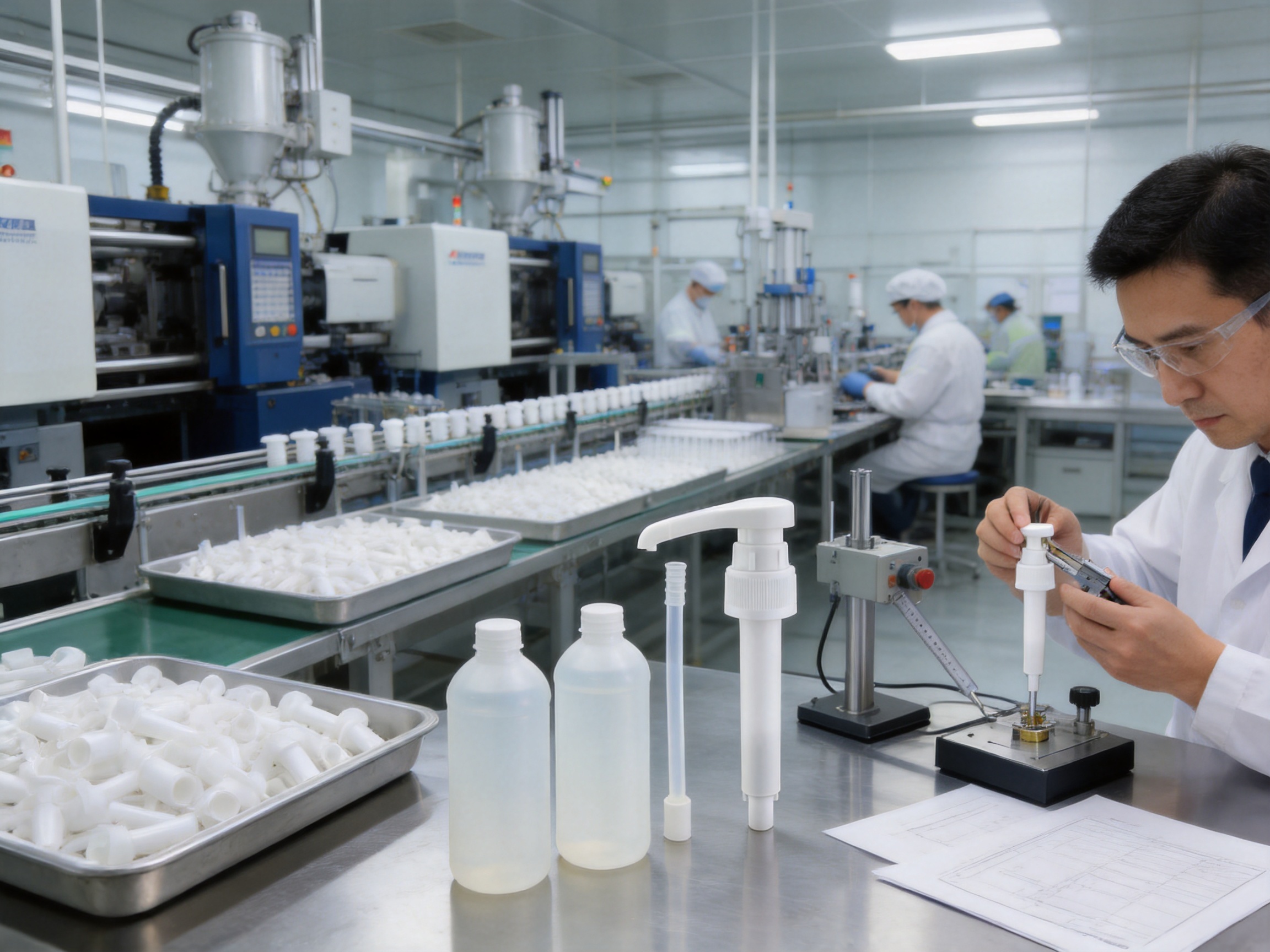
The product information identifies syrup and ketchup sauce as key application examples. These products are often used in restaurants, cafés, hotels, catering businesses, institutional kitchens, and food preparation facilities. A gallon-style container with a high-volume pump can make dispensing more convenient than repeatedly opening and pouring from a large bottle.
For syrup, the pump can help operators deliver a consistent amount over pancakes, desserts, beverages, or other menu items. The appropriate dosage depends on the serving process. A smaller setting may support controlled portioning, while a larger setting may speed preparation in high-volume service.
For ketchup sauce and similar condiments, pump dispensing can reduce direct contact with the product and help keep the container closed between uses. The package can be positioned at a service counter or preparation station where staff members can operate it with one hand while managing food or utensils with the other.
Food applications require careful compatibility evaluation. The final packaging system should be assessed for the formula’s viscosity, acidity, oil content, particulates, preservatives, colorants, and storage conditions. Cleaning and sanitation procedures should also be reviewed. The pump should be selected and validated in accordance with the applicable requirements of the target market.
Although syrup and ketchup are highlighted examples, the same high-volume dispensing concept may be considered for other compatible sauces, toppings, concentrates, and semi-liquid products. The manufacturer and buyer should confirm the suitability of the pump for each specific formulation before mass production.
Potential Personal Care and Household Uses
The GY-313 belongs to a product range that includes personal care packaging, lotion pumps, perfume sprayers, and other daily chemical packaging solutions. Its high dosage capability may make it suitable for certain personal care or household products packaged in large containers.
Possible examples include bulk hand soap, body wash, shampoo, conditioner, liquid cleanser, salon-use treatment products, and institutional care formulations. In these applications, the dosage should be matched to the desired amount per use and to the product’s flow behavior.
For household and institutional products, a large pump can simplify refill station operation. Users do not need to lift and pour from a heavy container each time. The pump may be installed on a bottle placed on a counter, shelf, service cart, or dispensing stand.
Formula compatibility remains essential. Personal care and household products may contain solvents, essential oils, surfactants, acids, alcohols, or other ingredients that interact differently with plastic components. Product developers should complete compatibility, leakage, actuation, and aging tests using the actual formula and packaging combination.
Manufacturing Capabilities
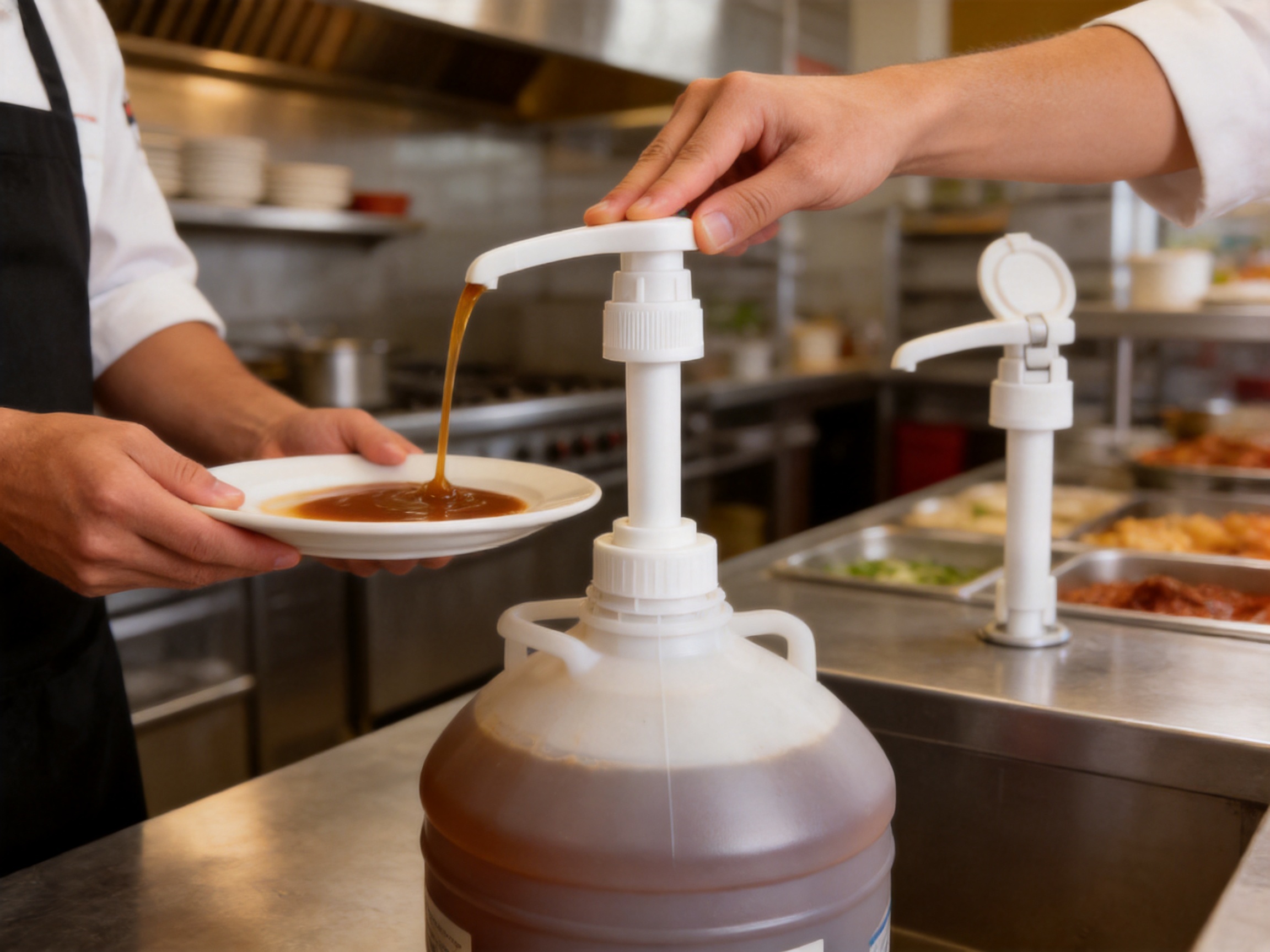
GreenYard Tools Co., Ltd. is a China-based packaging manufacturer with 16 years of experience in spray product manufacturing. The company specializes in perfume sprayers, pump heads, caps, bottles, and daily chemical packaging solutions. Its broader manufacturing scope provides a useful foundation for producing dispensing components with consistent dimensions and reliable assembly.
The company reports a daily production capacity of one million units. This capacity is important for customers that require stable supply, repeat orders, or large-volume packaging programs. Production scale can help support commercial launches while reducing the risk that a successful product will outgrow its component supplier.
GreenYard’s capabilities include mold design. Mold quality directly influences the precision of injection-molded components. Correct mold design can support accurate thread profiles, stable closure dimensions, consistent pump housings, and smooth integration between individual parts.
Injection molding is another core process. It allows plastic parts to be produced in high volume with repeatable geometry. When properly controlled, the process can help maintain consistency across pump bodies, closures, actuators, internal components, and other packaging parts.
Automated assembly supports efficient production of multi-component pumps. A dispenser pump contains several coordinated parts, and each component must be positioned correctly for the finished product to function. Automation can improve assembly repeatability, reduce manual variation, and support higher throughput.
Quality inspection is integrated into the company’s manufacturing capabilities. Inspection may include dimensional checks, visual examination, assembly verification, leakage evaluation, actuation testing, and dosage assessment, depending on the product configuration and customer requirements.
Integrated Manufacturing from Mold to Finished Pump
An integrated production structure can provide advantages over suppliers that rely heavily on disconnected outsourcing. When mold design, injection molding, assembly, and inspection are managed within a coordinated manufacturing system, technical feedback can move more efficiently between stages.
For example, if a closure dimension requires adjustment, the mold design team can work with the molding and assembly teams to identify the cause and implement a suitable correction. This can shorten the communication cycle and help maintain better control over product development.
Integrated manufacturing is also beneficial for customization. The GY-313 offers customized tube length, and packaging projects may involve specific colors, closure finishes, packaging combinations, or dosage requirements. A manufacturer with experience across multiple production stages is better positioned to evaluate how a change in one part may affect the entire assembly.
Quality consistency is particularly important for pumps because performance depends on the relationship between numerous components. A pump may have a visually acceptable exterior but still perform poorly if its internal parts are misaligned, if the spring action is inconsistent, or if the seal does not work correctly. Coordinated manufacturing and inspection help address these functional considerations.
Quality and Performance Considerations
For a high-volume dosage pump, quality should be evaluated through both appearance and operation. Visual quality includes smooth surfaces, clean molding, correct color, accurate closure ribbing, and freedom from obvious defects. Functional quality includes proper locking, reliable return action, secure attachment, consistent dispensing, and resistance to leakage.
Dosage consistency is a central performance criterion. Each stroke should deliver a reasonably consistent amount when the pump is used under stable conditions. Variations may occur during initial priming, with very viscous products, or when the container is nearly empty, so testing should represent real use rather than relying on a single actuation.
Leakage testing is also important. The complete package should be evaluated in the upright position and, where relevant, under transportation conditions. The container and pump should be tested together because leakage may result from a mismatch between the closure and the bottle rather than from the pump alone.
Locking performance should be assessed before and after repeated use. The mechanism should remain functional after the pump has been opened and locked multiple times. Transport testing can help determine whether the locked position provides suitable protection during distribution.
Material and formula compatibility should be reviewed throughout the product development process. A pump can be mechanically suitable but chemically unsuitable for a particular formula. Long-term contact tests, accelerated aging, temperature exposure, and repeated-actuation testing may be appropriate depending on the intended application.
Benefits for Brand Owners and Packaging Buyers
Brand owners often need packaging that balances function, cost, appearance, and supply reliability. The GY-313 provides a platform for large-format dispensing without requiring a completely different approach for every dosage requirement.
The availability of multiple output levels can help brands develop product families. For example, a company may use one dosage option for retail refill packaging and another for commercial food-service packaging. A common pump family can simplify internal product planning and help maintain a consistent user experience.
Customized tube length can reduce the need to compromise on bottle design. Instead of choosing a container solely because it matches a standard tube, packaging developers can select a suitable bottle and then request a tube configuration appropriate to its dimensions.
The 38-400 and 38-410 options also provide flexibility for large bottle sourcing. Buyers can evaluate different gallon-container suppliers while maintaining access to a pump designed for these commonly used neck formats. Final compatibility testing is still required, but the range gives the project a practical starting point.
High production capacity can support large orders and ongoing replenishment. GreenYard’s reported daily capacity of one million units may be valuable for distributors and manufacturers that need a stable component supply across multiple markets.
Benefits for End Users
End users benefit from a dispensing method that reduces the physical effort associated with large containers. Rather than lifting and tilting a gallon bottle, the user can operate the pump head. This can improve convenience and may reduce spills caused by uncontrolled pouring.
The larger dosage range can also make the product faster to use. A 30cc stroke may deliver a useful amount of product in one action, while lower dosage versions can provide more control. The choice depends on the application and the quantity required.
The ribbed closure supports handling, particularly when the package is being installed or repositioned. The twist-open lock adds practical protection when the pump is not in operation. Together, these features contribute to a straightforward and functional user experience.
A pump also keeps the container opening covered during normal use. This can help protect the remaining product from unnecessary exposure compared with repeated open pouring. The exact hygiene benefit depends on the product, environment, cleaning procedures, and package design.
Packaging Development and Customization Process
A successful project should begin with a clear definition of the product and its dispensing requirements. Buyers should identify the formula type, viscosity, expected output per stroke, container volume, neck finish, operating temperature, distribution conditions, and intended end-user environment.
The next step is to select the appropriate dosage option. If portion control is the priority, the 10cc, 15cc, or 20cc version may be considered. If fast dispensing is more important, the 25cc or 30cc version may be more suitable. Testing should confirm that the selected output matches the desired serving or application quantity.
Container compatibility should then be reviewed. The bottle should have a suitable 38-400 or 38-410 neck finish, and the internal height should be measured so that the dip tube can be customized accurately. The shoulder and base geometry should also be checked.
Sample testing should include priming, repeated dispensing, lock operation, leakage, closure attachment, and residual product evaluation. Testing with the actual formula is strongly recommended because viscosity and chemical composition can affect pump behavior.
For larger projects, buyers may also request color matching, packaging configurations, production samples, inspection standards, and shipping arrangements. GreenYard’s design, molding, assembly, and inspection capabilities can support communication across these stages.
Why Manufacturing Expertise Matters
Dispensing pumps may appear simple from the outside, but their performance depends on precise interaction among the actuator, housing, piston or pumping structure, spring or return mechanism, seals, closure, and dip tube. Small dimensional variations can affect the user’s experience.
Experienced mold design helps establish the geometry required for repeatable production. Experienced injection molding helps translate that geometry into consistent parts. Automated assembly helps position the parts efficiently, and quality inspection helps identify defects before products are shipped.
GreenYard’s specialization in spray products and packaging components provides relevant manufacturing experience for pump development. Its portfolio includes perfume sprayers, pump heads, caps, bottles, and other packaging products, allowing the company to understand the needs of complete packaging systems rather than isolated components.
The company’s dedicated design team also supports product innovation. Packaging markets change quickly, and customers may need new dispensing formats, updated appearances, different dosage levels, or packaging combinations for specific regions. Design capability helps a manufacturer respond to those needs while maintaining attention to production feasibility.
Supply Capacity and Global Packaging Support
Packaging supply must remain stable from initial launch through repeat production. Delays in pump availability can affect filling schedules, product launches, and customer deliveries. A manufacturer with significant production capacity can be better prepared to handle recurring demand and larger order quantities.
GreenYard operates from Yuyao City in Zhejiang Province, China, an area known for plastic manufacturing and packaging production. The company serves global markets and provides daily chemical and spray packaging solutions for international customers.
For overseas buyers, supplier communication should cover specifications, sampling, quality requirements, lead times, packaging methods, shipping marks, and documentation. Clear confirmation of neck size, dosage, tube length, color, and locking configuration helps reduce the possibility of misunderstanding during production.
Long-term cooperation can also make repeat ordering more efficient. Once a pump specification has been approved, the buyer and manufacturer can establish a documented reference for future batches. This may support more consistent replenishment and simplify quality comparisons between orders.
Selection Guide for the GY-313 Pump
Choose the Correct Dosage
Begin by determining the quantity that should be delivered per actuation. Consider the product’s recommended serving, the user’s workflow, and the acceptable range of variation. Larger dosages improve speed, while smaller dosages may support more precise portion control.
Confirm the Neck Finish
Verify whether the container uses a 38-400 or 38-410 neck finish. Do not rely solely on the appearance of the bottle. Thread specifications and sealing dimensions should be checked with the container supplier or measured during packaging development.
Measure the Container
Provide the overall internal height and relevant bottle dimensions so that the tube can be customized. The tube should be suitable for the actual fill level and internal base shape.
Evaluate the Formula
Test the pump with the actual syrup, ketchup sauce, lotion, cleanser, or other intended product. Evaluate flow, priming, output, leakage, and compatibility under realistic temperatures and storage conditions.
Review the Operating Environment
Consider whether the pump will be used in a restaurant, household, salon, factory, hotel, healthcare facility, or retail setting. The environment can affect the preferred dosage, closure handling, cleaning process, and package configuration.
Establish Inspection Criteria
Agree on appearance, dimensions, dosage, locking function, leakage limits, assembly quality, and packaging requirements before mass production. A clear inspection standard creates a common reference for both buyer and manufacturer.
Storage, Transportation, and Handling
Large-format pumps should be protected from crushing, excessive heat, contamination, and rough handling during storage and transportation. The twist-open lock should remain in the appropriate position before use, and cartons should be arranged to prevent unnecessary pressure on the pump heads.
Finished packaging should be transported in a manner suitable for the formula and container. A pump may be mechanically secure, but a complete package can still be affected by vibration, temperature changes, or improper palletization. Transport testing is therefore valuable for products shipped over long distances.
Before filling, pumps should be stored in clean, dry conditions according to the packaging supplier’s recommendations. Filling operations should prevent dust or foreign material from entering the pump or container. After filling and assembly, the complete package should be inspected for closure security and visible leakage.
Sustainability and Material Efficiency Considerations
Plastic packaging development increasingly includes attention to material efficiency, product protection, shipping weight, and end-of-life considerations. A high-volume pump may support efficient use of large containers by reducing the need for multiple small packages in commercial environments.
Using a pump with a gallon container can also make refill or bulk-service models possible. These models may reduce packaging frequency when compared with repeatedly purchasing smaller containers, although the overall environmental outcome depends on product distribution, container reuse, recycling systems, and consumer behavior.
Packaging engineers should assess the complete system rather than judging sustainability from one component alone. The container, pump, tube, label, secondary packaging, transport method, and disposal route all contribute to the package’s environmental profile.
GreenYard’s injection molding and automated production capabilities can support projects that aim to control component consistency and material use. Any recycled or alternative material requirement should be discussed and validated carefully because it may influence mechanical strength, chemical compatibility, appearance, and pump performance.
Frequently Asked Questions
What is the GY-313 dispenser pump designed for?
The GY-313 is designed for high-volume dispensing from gallon containers and other large-format packages. It is identified for use with products such as syrup and ketchup sauce and may also be evaluated for compatible personal care, household, and institutional formulations.
What dosage options are available?
The available dosage options are 10cc, 15cc, 20cc, 25cc, and 30cc per stroke. The correct option depends on the formula, desired serving amount, and operating environment.
Which bottle neck sizes are compatible?
The pump is available in 38-400 and 38-410 neck sizes. The exact bottle and pump combination should be tested before mass production to confirm thread fit, sealing, and operating stability.
Does the pump have a locking function?
Yes. The pump uses a twist-open locking mechanism. The pump head can be twisted open for operation and twisted closed to help prevent accidental dispensing during storage or transportation.
What is the purpose of the ribbed closure?
The ribbed closure improves grip during installation, removal, and handling. It can be especially useful for large containers or working environments where hands may be wet or exposed to product residue.
Can the tube length be customized?
Yes. The tube length is customizable according to the dimensions of the selected container. Accurate container measurements should be provided during the sampling and order-confirmation process.
Can this pump be used for viscous products?
The pump is intended for high-volume dispensing and is identified for applications including syrup and ketchup sauce. Suitability for any specific viscous formula should be confirmed through testing because viscosity, temperature, particulates, and formula composition can affect performance.
Is the GY-313 suitable for personal care products?
It may be suitable for compatible large-format personal care products, including certain lotions, cleansers, liquid soaps, and professional-use formulations. Formula compatibility and dosage testing should be completed before commercial production.
How does this pump compare with a pour spout?
A pump offers a more controlled dispensing action and avoids repeatedly lifting and tilting a large container. It may help reduce spills and improve operator convenience, especially in commercial or institutional environments.
How should the correct dosage be selected?
Select the dosage based on the intended amount per use, product flow characteristics, and required dispensing speed. Lower outputs generally provide more gradual portion control, while higher outputs reduce the number of strokes needed.
What manufacturing services does GreenYard provide?
GreenYard Tools Co., Ltd. provides mold design, injection molding, automated assembly, quality inspection, and packaging manufacturing support. Its product range includes perfume sprayers, pump heads, caps, bottles, and daily chemical packaging solutions.
What information should buyers provide for a quotation?
Buyers should provide the required dosage, bottle neck size, container dimensions, tube length, formula type, color requirements, estimated order quantity, application, and any inspection or packaging standards. Samples or technical drawings may further improve quotation accuracy.
Conclusion
The GY-313 10CC/15CC/20CC/25CC/30CC Dosage Dispenser Pump is a practical solution for large-format liquid packaging. Its five dosage options provide flexibility for different dispensing requirements, while the 38-400 and 38-410 neck sizes support compatibility with gallon-style and wide-neck containers.
The twist-open lock helps protect the pump during storage and transportation, and the ribbed closure improves handling during installation and daily use. Customized tube length allows the pump to be matched to different container heights, supporting more reliable product pickup and efficient package use.
Compared with small-output lotion pumps, open pouring systems, droppers, and trigger sprayers, this dispenser is designed specifically for larger quantities and high-frequency dispensing. It can help improve workflow, reduce lifting and pouring, and provide more controlled delivery for products such as syrup and ketchup sauce.
Its value is further supported by GreenYard Tools Co., Ltd.’s manufacturing capabilities. The company combines mold design, injection molding, automated assembly, quality inspection, product development, and high-volume production. This integrated approach can help packaging buyers manage customization, quality, and supply requirements through one experienced manufacturing partner.
Before ordering, buyers should confirm the neck finish, dosage, tube length, formula compatibility, operating conditions, and inspection requirements. With appropriate testing and configuration, the GY-313 can provide a reliable dispensing platform for food-service, personal care, household, institutional, and industrial packaging programs.
References
1. GreenYard Tools Co., Ltd. Product specification information for the GY-313 high-volume dosage dispenser pump.
2. GreenYard Tools Co., Ltd. Manufacturing profile covering mold design, injection molding, automated assembly, and quality inspection.
3. General packaging engineering principles for pump compatibility, neck finishes, dip-tube sizing, and dispensing performance.
4. General food-service packaging considerations for syrup, ketchup sauce, and other high-viscosity liquid products.
5. General quality-control practices for plastic dispensing pumps, including dosage consistency, leakage testing, locking evaluation, and repeated-use performance.
Product: 10CC/15CC/20CC/25CC/30CC Dosage Dispenser Pump

-
Amber Plastic Bottles: Lightweight, Protective, Customizable Packaging for Cosmetics
You have spent months stabilizing a vitamin C serum, only to watch a pallet of amber glass bottles ...
-
Crimp Pumps Demystified: Choosing the Right Type and Material for Every Cosmetic Formula
Walk into any cosmetic filling facility and you will find crimp pumps on everything from a delicate ...
-
Airless Bottles Uncovered: How to Protect Your Skincare and Perfect Every Pump
If you have ever opened a pump bottle of serum and found the last quarter of the product impossible ...
-
What Is Perfume Spray? How Atomizers Work, Mist Types and Packaging Basics
Press the actuator on a fragrance bottle once and a metered dose of liquid, usually between 0.05 an...
Copyright © GreenYard Tools Co.,ltd. All Rights Reserved.
Personal Care Packaging Manufacturer Custom Perfume Sprayers Factory