
-
About Us
Why Choose Us?The company possesses advanced capabilities in mold design, injection molding, and automated assembly, supported by a professional quality inspection team to ensure product reliability. A dedicated design team continuously drives product innovation, providing customers with high-quality spray solutions.
 Coming From China, Marketing To The World.
-
Products
-
News
 English
 Français
 русский
 Español
7-Gram Solid Makeup Jar for Portable Beauty and Personal Care Products
Content
- 1 Product Overview
- 2 Why a 7-Gram Format Is Valuable
- 3 Suitable Applications for Solid Makeup
- 4 Key Advantages Over Larger or Less Specialized Packaging
- 5 Manufacturing Strengths Behind the Product
- 6 Why Manufacturing Integration Matters to Buyers
- 7 Material and Formula Compatibility Considerations
- 8 Product Development and Customization Process
- 8.1 Step One: Define the Product Application
- 8.2 Step Two: Confirm Capacity and Usage Pattern
- 8.3 Step Three: Review Structural and Visual Requirements
- 8.4 Step Four: Conduct Samples and Compatibility Tests
- 8.5 Step Five: Confirm Tooling and Production Details
- 8.6 Step Six: Inspect and Approve Mass Production
- 9 Logistics, Storage, and Commercial Use
- 10 Environmental and Responsible Packaging Considerations
- 11 Quality and Performance Questions for Buyers
- 12 Frequently Asked Questions
- 12.1 What is the capacity of the GY-DS12 package?
- 12.2 What products can be packaged in this container?
- 12.3 Is the package only for deodorant products?
- 12.4 What makes the 7-gram size convenient?
- 12.5 Can the packaging be used for blush and concealer?
- 12.6 Can it be used for lip balm or herbal balm?
- 12.7 Does the manufacturer provide customization?
- 12.8 What manufacturing processes support this product?
- 12.9 How should formula compatibility be tested?
- 12.10 Is this packaging appropriate for travel products?
- 12.11 Can the container be used in gift sets?
- 12.12 What should buyers confirm before ordering?
- 12.13 Where is the manufacturer located?
- 13 Conclusion
- 14 References
- 15 Product: GY-DS12 7Gram Jar For Solid Makeup Products
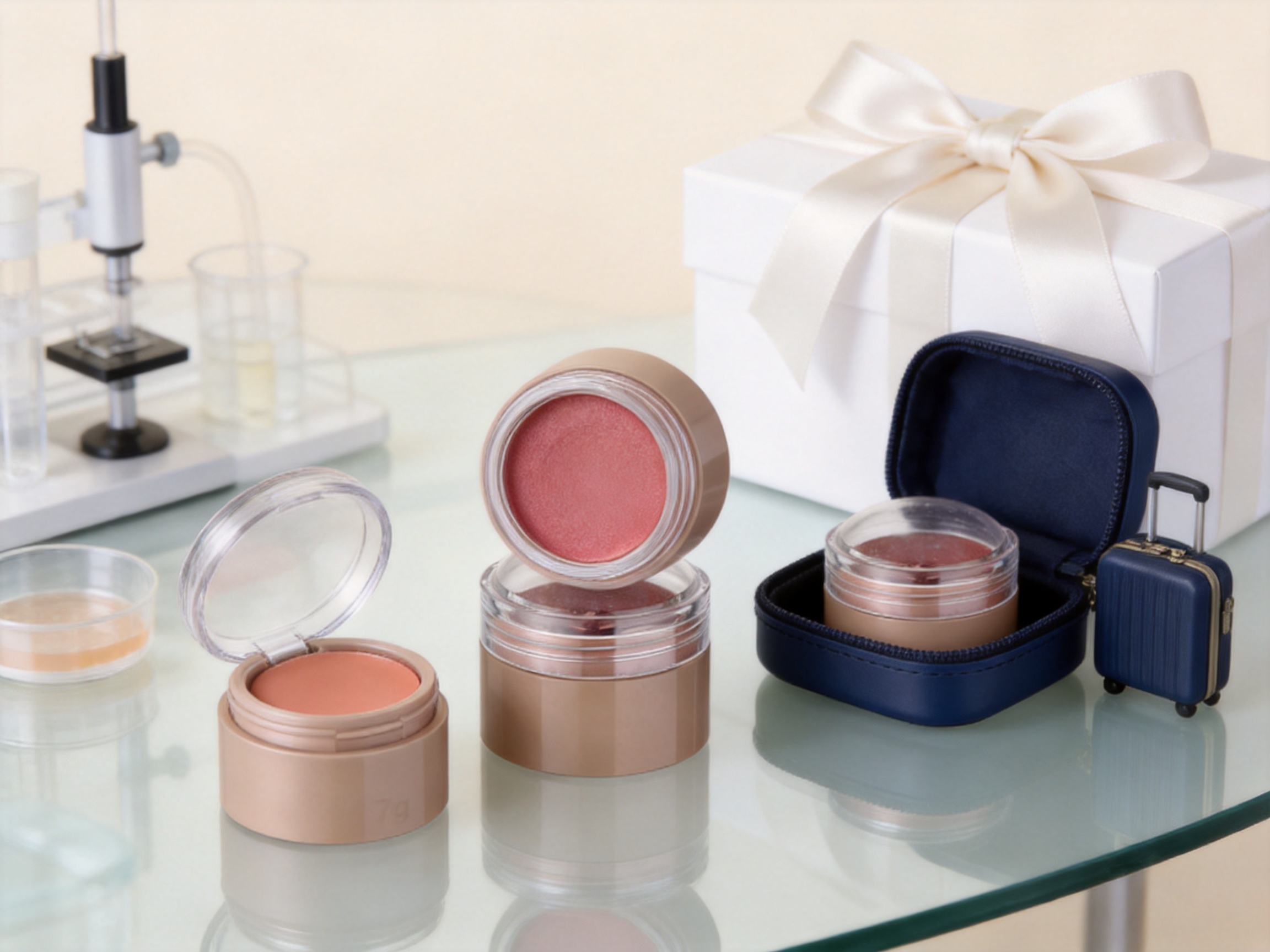
7-Gram Solid Makeup Jar for Portable Beauty and Personal Care Products
Small-format packaging plays an important role in modern beauty and personal care. Consumers increasingly expect products that are easy to carry, simple to apply, hygienic, and suitable for everyday routines. Brands, meanwhile, need packaging that protects formulas, supports efficient filling, creates a professional appearance, and can be adapted to different product concepts. The GY-DS12 7-gram jar is designed to address these requirements through a compact format for solid and semi-solid cosmetic applications.
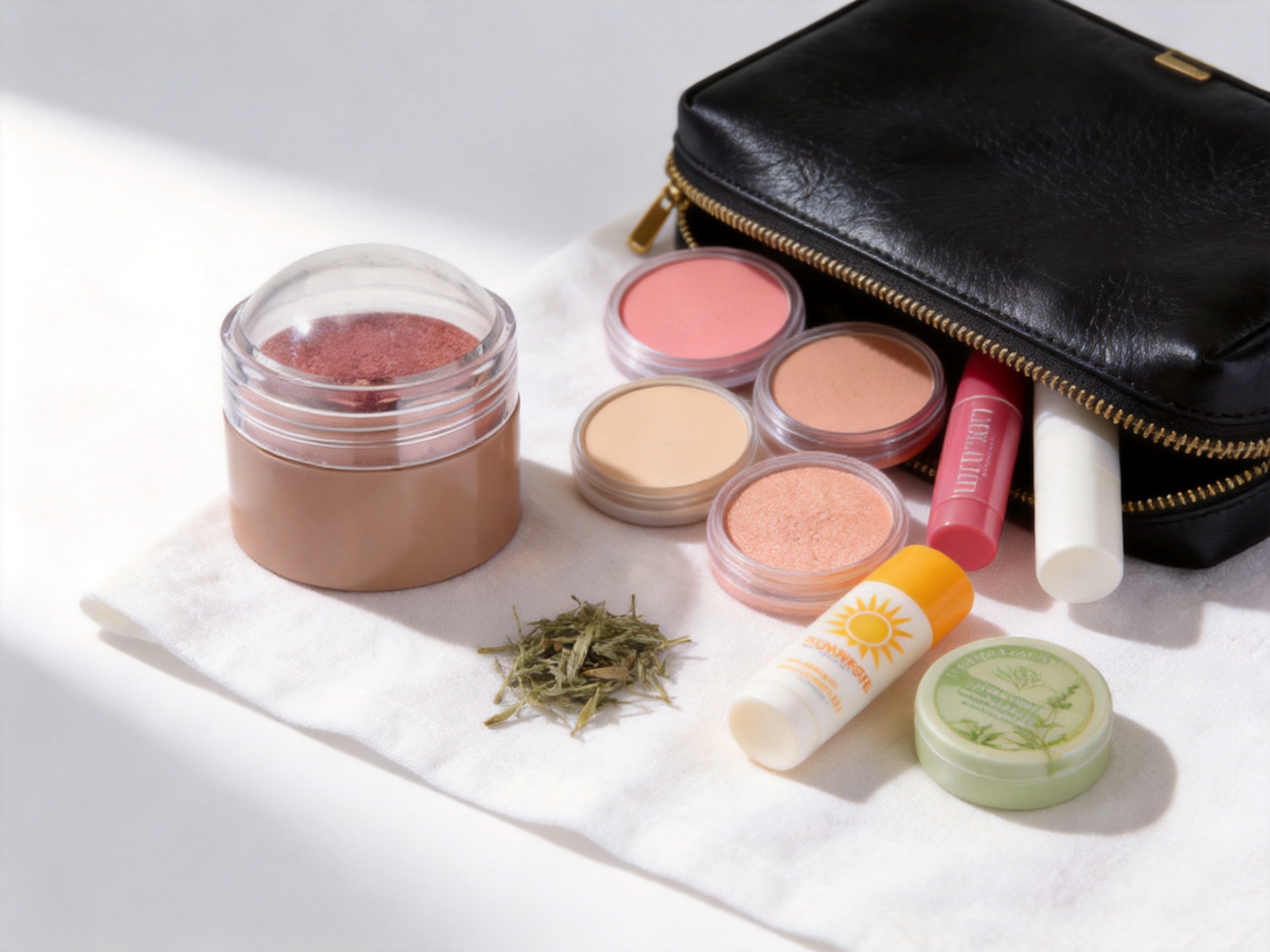
With a listed capacity of 7 grams, this packaging solution is suitable for products such as blush, concealer, highlighter, lip balm, sunscreen, herbal balm, and other small-format beauty or personal care treatments. Its compact structure makes it appropriate for handbags, travel kits, sampling programs, promotional sets, and daily-use product lines. Although small in size, the container offers a practical platform for brands seeking a secure and convenient way to package concentrated or portable products.
The product belongs to the deodorant stick bottle category, while its stated applications extend to a wider range of solid makeup and personal care products. This versatility allows the same general packaging concept to support multiple product categories, helping manufacturers reduce packaging complexity and develop coordinated product collections.
For buyers, packaging is more than a container. It influences user experience, product protection, logistics, shelf presentation, filling efficiency, and brand positioning. The GY-DS12 combines these considerations in a compact design produced by a manufacturer with capabilities in mold design, injection molding, automated assembly, and quality inspection.
Product Overview
The GY-DS12 is a 7-gram packaging container intended for solid makeup products and other compact daily-care formulations. Its capacity is particularly suitable for products that consumers use in small amounts or carry for repeated touch-ups. A 7-gram format can provide a balance between portability and practical product volume, making it more substantial than a single-use sample while remaining smaller than many full-size cosmetic packages.
The packaging is suitable for blush, concealer, highlighter, lip balm, sunscreen, herbal ointment, and related applications. These products vary in texture and use, but they share a common packaging requirement: they need a container that is secure, convenient, and compatible with frequent handling.
The container can support both commercial product ranges and personal-care applications. For example, a cosmetics brand may use it for a portable cream blush or solid highlighter, while a personal-care manufacturer may choose it for an herbal balm or compact treatment product. Its small capacity also makes it suitable for trial products, limited-edition collections, hotel amenities, travel kits, and promotional packaging.
Product model |
GY-DS12 |
Listed capacity |
7 grams |
Primary product category |
Deodorant stick bottle |
Suitable product types |
Blush, concealer, highlighter, lip balm, sunscreen, herbal balm, and other compact solid or semi-solid products |
Main packaging value |
Portable, compact, hygienic, and suitable for daily-care applications |
Manufacturing capabilities |
Mold design, injection molding, automated assembly, and quality inspection |
Why a 7-Gram Format Is Valuable
Capacity has a direct effect on how a product is used, transported, displayed, and purchased. Large packaging may be appropriate for products used at home, but compact containers are often preferred for products carried throughout the day. A 7-gram package provides a practical option for consumers who want to keep cosmetic or personal-care essentials close at hand without carrying a bulky container.
The compact format is well suited to touch-up products. Blush, concealer, highlighter, and lip balm are often applied outside the home, whether during a workday, while traveling, or before a social occasion. A smaller container can fit comfortably into a purse, cosmetic pouch, pocket, or travel case. This supports a convenient user experience and can increase the likelihood that a product becomes part of a consumer’s regular routine.
The size is also useful for products that are used in small quantities. Concentrated balms, treatment products, and solid cosmetic formulas may not require a large package. By matching the container size to the intended usage pattern, brands can create a product that feels efficient rather than excessive.
From a commercial perspective, a compact container can support multiple pricing and marketing strategies. It may be used as a primary package for a portable product, a secondary product in a gift set, a sample-size option, or a limited-edition format. This gives brands flexibility when planning product launches and promotional campaigns.
Smaller packaging can also support reduced material use compared with larger formats, although the overall environmental impact depends on the selected material, decoration, manufacturing process, filling method, transportation, and end-of-life system. Brands can evaluate the complete packaging lifecycle when selecting the most appropriate configuration for their market.
Suitable Applications for Solid Makeup
Blush
Blush is a natural application for a compact package because it is often carried for daytime touch-ups. A 7-gram container can accommodate a suitable quantity for repeated use while keeping the overall product lightweight. The compact presentation can also support a clean, modern appearance for cosmetic collections.
For cream or balm-style blush products, secure packaging is particularly important. The container should help keep the formulation protected from external contamination and unnecessary handling. A practical closure and stable structure contribute to a more dependable consumer experience.
Concealer
Concealer products are frequently used in small quantities and may be reapplied during the day. A compact container can support portability and allow the product to be included in travel or on-the-go cosmetic collections. The format may be suitable for solid concealers, cream-based concealers, and other formulations developed for direct or brush application.
Packaging selection should always be validated against the specific formula. Cosmetic brands should conduct compatibility testing to confirm that the product remains stable and that the packaging does not negatively affect appearance, texture, odor, or performance during the intended shelf life.
Highlighter
Highlighter is another suitable application because it is often applied selectively and carried for occasional touch-ups. A compact package can support premium presentation while keeping the product easy to store and transport. The same packaging platform may also be used for a coordinated blush, bronzer, or contour product range.
Lip Balm
Lip balm requires convenient access and hygienic storage. The 7-gram format can provide a compact option for solid lip-care products, especially when the formulation is designed for use with a fingertip, applicator, or cosmetic tool. It can also support gift sets, seasonal collections, and natural or herbal product lines.
Sunscreen
Portable sunscreen packaging can be useful for reapplication during outdoor activities, travel, and daily commuting. A small container is easy to place in a bag or personal-care kit. For sunscreen products, however, formula and package compatibility, filling accuracy, regulatory requirements, and appropriate labeling must be carefully assessed before commercial production.
Herbal Balms and Personal-Care Treatments
Herbal balms and compact treatment products often benefit from small, secure packaging. These products may be used for targeted application and carried in a first-aid kit, travel bag, or household cabinet. The packaging can provide a practical solution for brands that need a clean and convenient container for ointments, balms, and similar products.
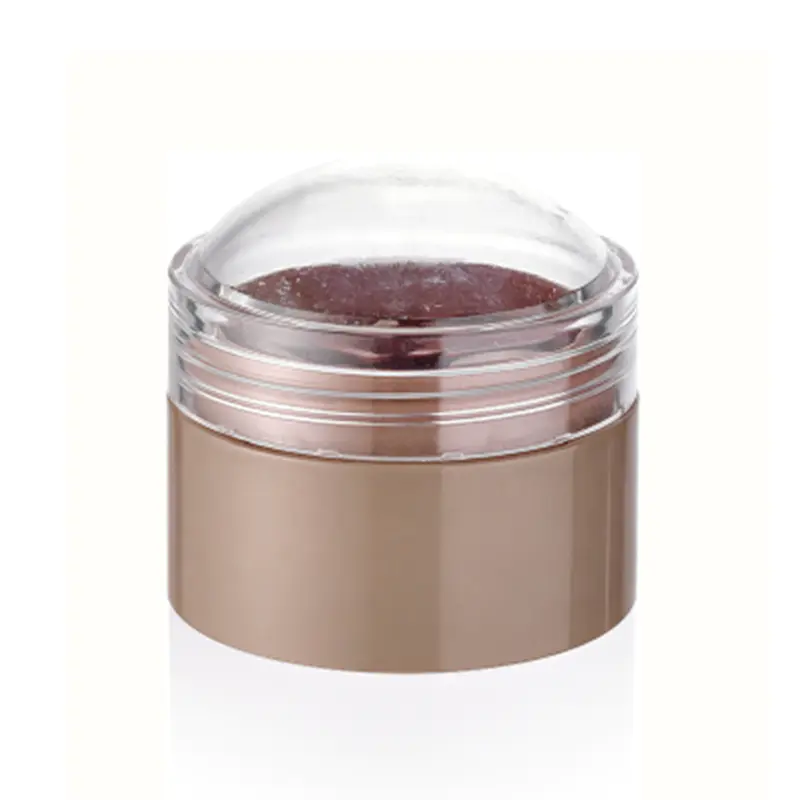
GY-DS12 7Gram Jar For Solid Makeup Products
Key Advantages Over Larger or Less Specialized Packaging
Compact and Portable Structure
The most obvious advantage of the GY-DS12 is its compact capacity. Compared with larger jars or bottles, the 7-gram format can be easier to carry and store. This is valuable for consumers who prefer lightweight products and for brands developing travel-friendly collections.
Portability can also improve the relationship between a product and its user. When packaging is easy to carry, consumers may be more likely to use the product throughout the day. For makeup and personal care, this can be an important advantage because convenience often influences repeat purchase and product loyalty.
Broad Application Potential
Some packaging formats are closely associated with only one product type. The GY-DS12, however, can be considered for a wider range of solid and semi-solid products. Its stated applications include blush and concealer, while the supplied product information also identifies lip balm, sunscreen, herbal balm, and highlighter as suitable uses.
This broader application potential can help brands create a consistent packaging family. A company may use a similar container style across several formulas while differentiating the products through color, labeling, decoration, or formula identity. Coordinated packaging can make a product range appear more organized and recognizable.
Suitable for Small-Quantity Formulas
Packaging should be proportional to the amount and usage pattern of the product inside. A 7-gram container is well matched to products used in small quantities or for targeted applications. This can help avoid oversized packaging that may appear inconvenient or inefficient for compact cosmetic treatments.
It can also be suitable for premium and specialty products. Small quantities of concentrated formulas, natural balms, professional-use samples, and limited-edition cosmetic colors can all benefit from a package that communicates portability and focused use.
Convenient for Sampling and Promotional Programs
Sampling is an important part of product marketing, especially for new cosmetic textures and treatments. A 7-gram package can provide more practical use than a one-time sample while remaining compact enough for promotional distribution. Brands can use the format in discovery sets, subscription boxes, influencer campaigns, retail promotions, and trial bundles.
Because the package is larger than many single-use samples, consumers may have enough product to evaluate texture, application, comfort, and performance over several uses. This can provide a more meaningful product trial and help brands collect better customer feedback.
Efficient for Travel and Gift Sets
Travel products often require a careful balance between capacity and portability. The GY-DS12 can support travel-oriented product collections because it is compact and suitable for small quantities. It can also be combined with other packaging formats in a coordinated set, such as a compact cosmetic kit, personal-care gift box, or hotel amenity collection.
Gift-set packaging benefits from consistency, and a small container can be arranged efficiently inside cartons, pouches, or presentation boxes. Its compact dimensions may help product designers create flexible combinations without allowing individual components to dominate the overall set.
Hygienic and Secure Product Presentation
The product information describes the container as a hygienic and secure solution for personal-care items. Secure packaging helps reduce the risk of accidental exposure, product loss, and unnecessary contact with external contaminants. This is especially important for products handled frequently or carried in personal bags.
Packaging hygiene depends on the full system, including the container, closure, filling environment, formula, user instructions, and storage conditions. The container contributes to this system by providing a defined space for the product and supporting controlled use.
Branding and Product Differentiation Potential
Compact packaging can create a strong visual platform for product differentiation. Brands may use surface decoration, labels, color matching, printing, or carefully selected finishing effects to create different product identities. A blush, balm, concealer, and treatment product can share a similar structural format while presenting distinct visual language.
For emerging brands, a standardized packaging platform can make it easier to build a product family. Instead of developing an entirely different container for every item, the brand may use one versatile format with customized presentation. This can support a more unified shelf appearance and simplify packaging planning.
Manufacturing Strengths Behind the Product
The performance of a packaging product depends not only on its design but also on the manufacturing system used to produce it. GreenYard Tools Co., Ltd. is described as a China-based high-end packaging material manufacturer specializing in spray products and related personal-care packaging. The company has operated in this field for 16 years and produces perfume sprayers, pump heads, caps, bottles, and daily chemical packaging solutions.
Although the GY-DS12 is a compact jar for solid makeup and personal-care applications, the company’s broader manufacturing capabilities are relevant to buyers seeking a packaging partner rather than a single isolated component. Experience across sprayers, pumps, caps, and bottles can help a supplier understand the wider requirements of personal-care packaging systems.
Mold Design
Mold design is a fundamental stage in plastic packaging production. The mold influences the geometry, dimensions, surface quality, component consistency, and production efficiency of the final product. A capable mold-design team can help develop practical structures that balance appearance, function, material distribution, assembly requirements, and manufacturability.
For a compact package, dimensional accuracy is particularly important. Small changes in wall thickness, closure fit, or component alignment can affect user experience. Careful mold development helps establish repeatable product dimensions and supports stable production over extended manufacturing runs.
Mold design also creates opportunities for customization. Depending on the project requirements, brands may request changes to appearance, finish, color, labeling area, or component arrangement. Any customization should be evaluated according to production volume, tooling requirements, lead time, and technical feasibility.
Injection Molding
Injection molding is widely used for plastic packaging because it supports high-volume production and repeatable component formation. The process involves melting a suitable plastic material and injecting it into a mold cavity, where the material cools and takes the desired shape.
Effective injection molding requires control of temperature, pressure, filling speed, cooling, cycle time, and material flow. These factors influence the appearance and dimensional stability of the finished component. Consistent process control can help reduce variation between production batches.
For compact cosmetic packaging, injection molding can support precise details and clean surfaces. It can also provide flexibility in producing caps, containers, internal parts, and other components used in packaging assemblies. The exact material and process parameters should be selected according to the intended product, regulatory requirements, and compatibility testing.
Automated Assembly
Automated assembly can improve production consistency and support higher output. The company is described as having automated assembly capabilities and a daily production capacity of one million units. Automation may be used to organize, assemble, inspect, and transfer components with controlled speed and repeatability.
For packaging products, assembly accuracy is important because multiple components may need to work together. A cap, container, inner component, or dispensing element must be aligned correctly to support reliable use. Automated systems can help reduce manual variation and contribute to stable product quality.
Automation also supports production planning for large customer orders. When a packaging supplier can combine tooling, molding, assembly, and inspection within an organized manufacturing system, it may be better positioned to manage volume requirements and delivery schedules. Actual capacity and lead time depend on product configuration, order quantity, customization, and production planning.
Quality Inspection
Quality inspection is essential for packaging used with cosmetics and personal-care products. Inspection may include visual checks, dimensional verification, assembly testing, closure evaluation, surface inspection, and batch monitoring. The specific testing program should be aligned with the packaging design and customer requirements.
Consistent inspection helps identify defects such as flash, deformation, scratches, color variation, incomplete molding, poor fit, or assembly problems. Detecting these issues before shipment can help protect filling operations and reduce the risk of disruption for customers.
Quality assurance is especially important for compact containers because the product may be used frequently and transported in bags or cases. A reliable package should maintain its intended function during handling, storage, distribution, and ordinary consumer use.
Design and Product Innovation
The company is also described as having a dedicated design team that promotes product innovation. In the packaging industry, design innovation does not necessarily mean creating a complex structure. It may involve improving portability, simplifying assembly, optimizing material use, enhancing appearance, or making the product easier to fill and use.
For brands, access to design support can be valuable during the early stages of product development. Packaging specialists may help evaluate dimensions, component relationships, manufacturing feasibility, and application requirements before tooling begins. Early technical communication can help reduce avoidable revisions later in the project.
Why Manufacturing Integration Matters to Buyers
Many packaging projects involve several connected stages. A brand may need product concept development, structural design, mold creation, trial production, quality verification, mass production, assembly, and shipment coordination. When these activities are handled through a capable manufacturing partner, communication can become more direct and project management more organized.
GreenYard Tools Co., Ltd. provides multiple packaging-related capabilities, including mold design, injection molding, automated assembly, and quality inspection. This integrated structure can be useful for customers seeking a supplier capable of supporting both individual packaging items and broader product programs.
Integration may also help improve consistency between components. A supplier involved in designing and producing a package can better understand how the parts are intended to work together. This can support more efficient adjustment during product development and reduce the communication gaps that sometimes occur when design, molding, assembly, and inspection are divided among unrelated vendors.
For international buyers, manufacturing experience is also important. Packaging must be prepared for shipping, storage, import procedures, filling operations, and local market requirements. A supplier with experience serving global markets may be better prepared to discuss production planning, documentation, packaging protection, and order coordination.
Material and Formula Compatibility Considerations
The GY-DS12 is intended for cosmetic and personal-care applications, but the final packaging configuration should always be evaluated against the formula. Different products may contain oils, waxes, pigments, alcohols, active ingredients, fragrances, or botanical extracts. These ingredients can interact differently with packaging materials and surfaces.
Compatibility testing may evaluate changes in product color, odor, texture, weight, viscosity, and appearance. It may also assess whether the package becomes brittle, swollen, discolored, cracked, or otherwise affected during storage. Testing should be conducted under conditions that reflect the intended shelf life and distribution environment.
Brands should also evaluate filling temperature and product viscosity. Some solid or semi-solid products may be filled while warm and allowed to set inside the container. In these cases, the package must be suitable for the filling process and cooling conditions. Other formulas may be filled at room temperature or inserted as pre-formed solids. The final production method should be confirmed with the packaging supplier and filling facility.
Testing should also include closure performance and transport simulation where appropriate. Products may experience vibration, compression, temperature changes, and repeated handling before reaching the consumer. The package should be evaluated as a complete system rather than as an empty container alone.
Product Development and Customization Process
Step One: Define the Product Application
The first step is to identify the formula and intended use. A brand should specify whether the package will contain blush, concealer, highlighter, lip balm, sunscreen, herbal balm, or another product. The application affects filling requirements, compatibility testing, consumer instructions, and regulatory labeling.
Step Two: Confirm Capacity and Usage Pattern
The listed capacity of the GY-DS12 is 7 grams. Brands should confirm the actual fill weight required for their formula because grams and volume are not interchangeable for every product. Density, filling temperature, settling, and product structure can affect the final fill quantity.
The expected usage pattern should also be considered. A product intended for occasional touch-up may require a different presentation from one used several times per day. Understanding the user experience helps determine whether the capacity, closure, and application method are appropriate.
Step Three: Review Structural and Visual Requirements
At this stage, the buyer can discuss color, surface finish, decoration, labeling, branding area, and other visual requirements. The packaging should align with the product’s market position. A natural balm may benefit from an understated appearance, while a professional makeup line may require a more sophisticated or color-coordinated presentation.
Step Four: Conduct Samples and Compatibility Tests
Samples should be evaluated with the actual formula whenever possible. Testing should examine appearance, closure fit, application convenience, storage stability, and transport durability. Sample evaluation can help identify design or filling issues before mass production.
Step Five: Confirm Tooling and Production Details
After the design is approved, the supplier and buyer can confirm tooling, material, production quantity, quality standards, packaging method, and delivery schedule. Clear documentation at this stage helps reduce misunderstanding and supports consistent production.
Step Six: Inspect and Approve Mass Production
Once production begins, quality inspection should be performed according to agreed specifications. Depending on the project, inspection may cover dimensions, appearance, component fit, color, surface finish, and quantity. A documented approval process helps maintain consistency throughout the order.
Logistics, Storage, and Commercial Use
Compact packaging can provide logistical advantages because it generally occupies less space than larger containers. Efficient packing may help brands organize cartons, create mixed product shipments, and develop multi-item sets. However, packaging density, carton design, protective materials, and shipping conditions should be evaluated for each order.
During storage, packaging should be protected from excessive heat, moisture, dust, and mechanical pressure. The recommended conditions may depend on the material and decoration. Finished products containing formulas may require more specific storage controls, especially if they are sensitive to temperature or light.
For commercial buyers, order planning should consider minimum order quantities, forecast demand, product launch dates, and potential replenishment needs. Compact packaging is often used in seasonal or promotional programs, where timing can be particularly important. Early communication with the manufacturer can help align tooling, production, inspection, and shipment schedules.
Packaging should also be evaluated for the target market. Labeling, ingredient declarations, recycling marks, warnings, and other regulatory information may vary by country or region. The package provides a physical platform, but the brand remains responsible for confirming that the final filled product and labeling meet applicable requirements.
Environmental and Responsible Packaging Considerations
Responsible packaging decisions require a complete view of the product lifecycle. A smaller container may reduce material volume or transportation space compared with a larger alternative, but the final environmental profile depends on many factors. These include the material type, manufacturing energy, decoration, filling process, shipping distance, product-to-package ratio, consumer use, and disposal route.
Brands can consider whether the package size is appropriate for the formula, whether unnecessary components can be avoided, and whether the structure can be efficiently packed. They may also review material options and local recycling systems. Any environmental claim should be supported by appropriate evidence and should reflect the actual product configuration.
Durability is another important consideration. Packaging that protects the formula and remains functional throughout its intended use can help prevent product waste. If a container fails prematurely, the product inside may become unusable, creating a larger environmental impact than the packaging material alone.
Manufacturers and brands can work together to balance appearance, performance, cost, and responsible resource use. A practical compact design such as the GY-DS12 can be assessed within this broader framework according to the requirements of the target market.

Quality and Performance Questions for Buyers
Before placing an order, buyers should ask for clear information about capacity, dimensions, material, closure structure, color options, decoration, packaging method, production lead time, and inspection procedures. They should also request samples for formula testing and filling trials.
Questions about customization should be discussed early. A brand may want custom colors, printed graphics, labels, surface treatments, or coordinated components. Each option can affect tooling, cost, minimum order quantity, and delivery time.
Buyers should also confirm whether the supplier can provide technical support during product development. Assistance with mold design, injection molding, assembly, and inspection can help improve the transition from concept to production.
Frequently Asked Questions
What is the capacity of the GY-DS12 package?
The listed capacity is 7 grams. Buyers should confirm the required fill weight with the manufacturer because the actual amount may vary according to product density, formula structure, and filling method.
What products can be packaged in this container?
The package is suitable for compact solid and semi-solid products such as blush, concealer, highlighter, lip balm, sunscreen, herbal balm, and other small cosmetic or personal-care treatments. Formula compatibility testing is recommended before mass production.
Is the package only for deodorant products?
The supplied product category is deodorant stick bottle, but the stated applications extend beyond deodorant. The 7-gram format can be considered for several cosmetic and personal-care products, including solid makeup, balms, and targeted treatments.
What makes the 7-gram size convenient?
The compact size is easy to carry in a purse, cosmetic pouch, travel case, or personal-care kit. It is suitable for touch-up products, small treatment products, samples, promotional programs, and gift sets.
Can the packaging be used for blush and concealer?
Yes. Blush and concealer are specifically identified as suitable uses. The final filling and application method should be tested with the actual formula to confirm performance and compatibility.
Can it be used for lip balm or herbal balm?
Yes. The supplied information identifies lip balm and herbal balm as suitable applications. Brands should evaluate the formula, filling temperature, closure performance, and storage conditions before final approval.
Does the manufacturer provide customization?
The manufacturer has design, mold development, injection molding, automated assembly, and quality inspection capabilities. Buyers can discuss customization requirements such as color, decoration, surface finish, and packaging configuration during the project review.
What manufacturing processes support this product?
The company’s stated capabilities include mold design, injection molding, automated assembly, and quality inspection. These processes support the production of consistent packaging components and finished assemblies.
How should formula compatibility be tested?
The actual formula should be filled into production-representative samples and stored under conditions related to the intended shelf life. Testing may review odor, color, texture, weight, stability, package appearance, closure fit, and overall usability.
Is this packaging appropriate for travel products?
Its compact 7-gram format makes it suitable for travel-oriented cosmetic and personal-care products. Brands should still conduct transport and storage testing based on the expected distribution environment.
Can the container be used in gift sets?
Yes. Its small format can be incorporated into gift boxes, discovery sets, travel kits, promotional bundles, and coordinated cosmetic collections.
What should buyers confirm before ordering?
Buyers should confirm the capacity, dimensions, material, color, decoration, closure, formula compatibility, minimum order quantity, tooling requirements, production schedule, inspection standards, carton packing, and delivery arrangements.
Where is the manufacturer located?
GreenYard Tools Co., Ltd. is located at No. 97-1 Fengyi Road, Lanjiang Street, Yuyao City, Zhejiang Province, China. Its listed contact details include [email protected] and the telephone numbers +86-0574-62493001 and +86-13116696325.
Conclusion
The GY-DS12 7-gram jar is a compact packaging solution for solid makeup products and a wide range of personal-care applications. Its principal strengths are its portable capacity, broad application potential, suitability for small-quantity formulas, and ability to support travel products, samples, promotional programs, and gift sets.
Compared with larger or less specialized packaging, the 7-gram format can offer greater convenience for consumers who carry products throughout the day. It also provides brands with a flexible platform for blush, concealer, highlighter, lip balm, sunscreen, herbal balm, and related treatments. The compact structure can contribute to a coordinated product family while supporting practical storage and distribution.
The manufacturing capabilities behind the product further strengthen its value for commercial buyers. GreenYard Tools Co., Ltd. provides mold design, injection molding, automated assembly, quality inspection, and product development support. With 16 years of specialization in spray and personal-care packaging, a stated daily production capacity of one million units, and experience producing pumps, sprayers, caps, bottles, and related packaging components, the company is positioned to support both standard and customized packaging programs.
Successful packaging development requires cooperation between the brand, formula developer, filling facility, and manufacturer. Buyers should evaluate the actual formula, confirm the fill weight, conduct compatibility testing, review quality requirements, and align production and delivery schedules. When these factors are properly managed, the GY-DS12 can provide a secure, portable, and commercially versatile package for modern beauty and personal-care products.
References
1. Product information supplied for the GY-DS12 7-gram jar, including listed capacity, applications, and packaging characteristics.
2. Manufacturer information supplied for GreenYard Tools Co., Ltd., including company capabilities, product categories, manufacturing experience, and production capacity.
3. General principles of cosmetic packaging development, including formula compatibility, filling validation, storage testing, and transport evaluation.
4. General practices for plastic packaging production, including mold design, injection molding, automated assembly, and quality inspection.
Product: GY-DS12 7Gram Jar For Solid Makeup Products

-
The Strategic Importance of Refillable Containers for Skincare Products
A 50ml cream in a single-use glass jar with a pump weighs roughly 118 grams before it ever reaches ...
-
Airless Pump Makeup Packaging: How It Works and What Brands Should Specify
Open a foundation that has been sitting in a warehouse for eighteen months and the first thing a pa...
-
Roll On Bottles: Types, Refill Guide, and Packaging Buying Tips for Your Brand
The first sample rolled smoothly, the second clicked, and the third leaked after ten presses. Three...
-
What Makes a Good Deodorant Stick Bottle for Brands?
A deodorant stick bottle is a twist-up or push-up dispensing container designed to hold and advance...
Copyright © GreenYard Tools Co.,ltd. All Rights Reserved.
Personal Care Packaging Manufacturer Custom Perfume Sprayers Factory