
-
About Us
Why Choose Us?The company possesses advanced capabilities in mold design, injection molding, and automated assembly, supported by a professional quality inspection team to ensure product reliability. A dedicated design team continuously drives product innovation, providing customers with high-quality spray solutions.
 Coming From China, Marketing To The World.
-
Products
-
News
 English
 Français
 русский
 Español
Aluminium Airless Serum Pump Bottle: Hygienic, Efficient Packaging for Modern Skincare
Content
- 1 Product Overview
- 2 Why Airless Packaging Is Valuable for Skincare
- 3 Advantages of the Aluminium Exterior
- 4 Hygienic Dispensing for Facial Care Products
- 5 Available Sizes for Different Product Strategies
- 6 Performance Benefits Compared with Conventional Packaging
- 7 Suitable Product Applications
- 8 Secure Screw-On Closure
- 9 Manufacturing Capabilities Behind the Product
- 10 Design and Product Development Strengths
- 11 Quality Considerations for Airless Pump Bottles
- 12 Efficient Production and Supply Support
- 13 Branding and Market Presentation
- 14 Packaging Selection and Customization Process
- 15 Environmental and Material Considerations
- 16 Advantages for International Customers
- 17 Practical Benefits for Consumers
- 18 Recommended Quality Tests
- 19 Why Choose This Packaging Format
- 20 Frequently Asked Questions
- 20.1 What is the GY-3303B aluminium airless serum pump bottle used for?
- 20.2 What volumes are available?
- 20.3 What type of closure does the bottle use?
- 20.4 What are the main advantages of airless dispensing?
- 20.5 Is the bottle suitable for thick creams?
- 20.6 Why is aluminium used for the exterior?
- 20.7 Can the bottle be used for facial serums?
- 20.8 Can different sizes be used for one product line?
- 20.9 What manufacturing capabilities does GreenYard provide?
- 20.10 What is the company’s production capacity?
- 20.11 Should compatibility testing be performed before mass production?
- 20.12 How can customers request more information?
- 21 Conclusion
- 22 References
- 23 Product: Aluminium Airless Serum Pump Bottle
Packaging is one of the most important factors in the performance, presentation, and usability of a cosmetic or personal care product. A well-designed package must protect the formula, support convenient dispensing, communicate quality, and fit naturally into the consumer’s daily routine. For creams, facial care products, serums, moisturizers, and other treatment formulas, the aluminium airless serum pump bottle offers a practical combination of protection, controlled dosage, premium appearance, and efficient product use.
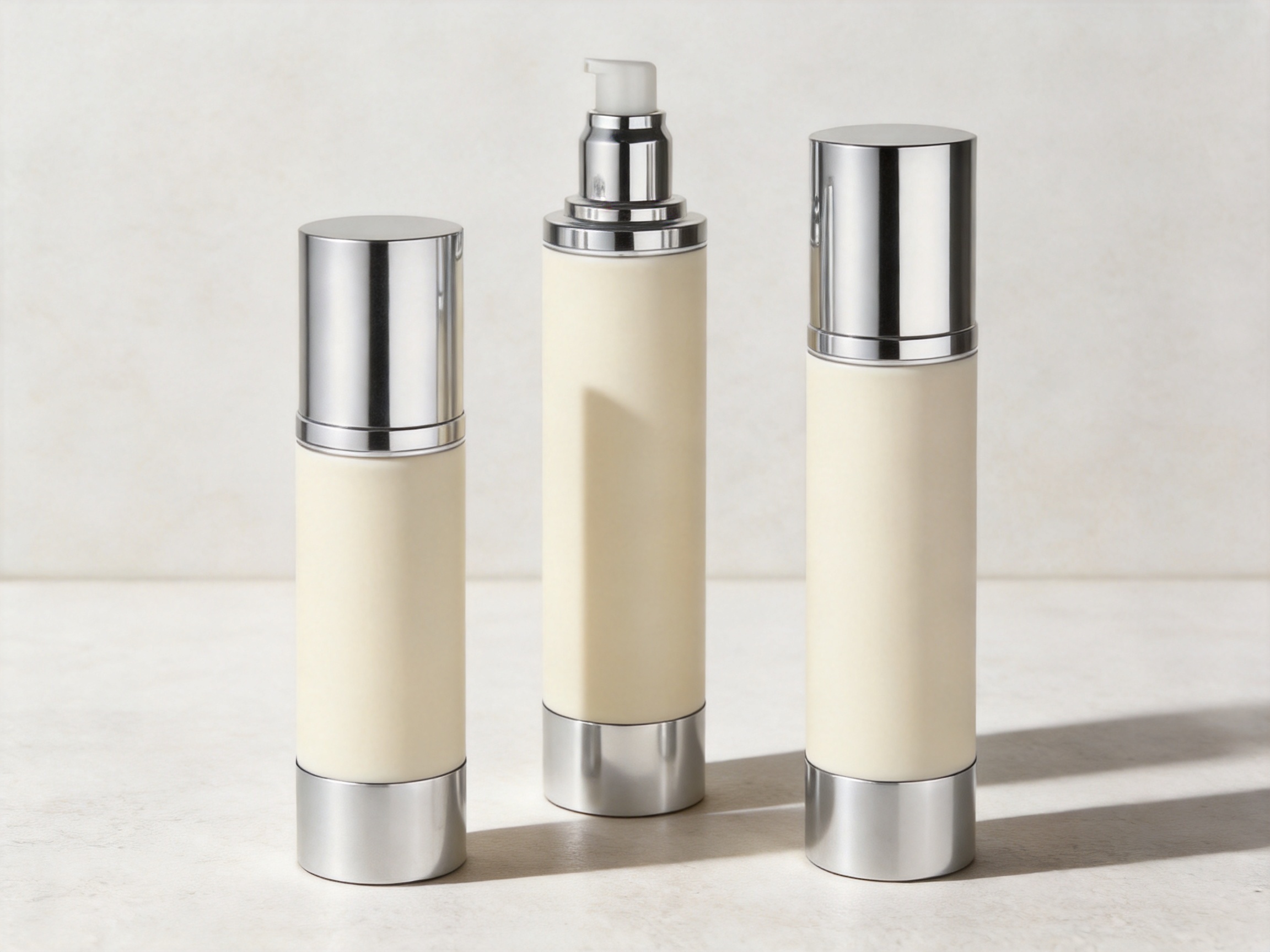
The GY-3303B aluminium airless serum pump bottle is designed for brands seeking a secure and hygienic packaging solution for skincare and personal care products. It is available in 15-gram, 30-gram, 40-gram, and 50-gram sizes, allowing manufacturers to select a format that matches the formula quantity, product positioning, and intended consumer usage. Its screw-on closure supports reliable assembly, while the airless dispensing structure helps deliver product cleanly and efficiently.
Unlike conventional open-neck jars or basic squeeze containers, an airless pump bottle is designed around controlled dispensing. The consumer does not need to insert fingers into the package, and the formula can be released in measured portions through the pump mechanism. This creates a cleaner application experience and can help reduce product waste. The aluminium exterior also contributes to a refined appearance that is suitable for premium skincare, facial treatment, cosmetic, and personal care lines.
For manufacturers, the value of this package extends beyond its external appearance. The bottle combines practical sizing, a secure closure, hygienic operation, and compatibility with a broad range of cream and facial care products. When supported by a professional packaging manufacturer with capabilities in mold design, injection molding, automated assembly, and quality inspection, it becomes part of a dependable packaging supply system rather than simply a container.
Product Overview
The aluminium airless serum pump bottle is a compact packaging format intended for creams, serums, moisturizers, facial care products, and other skincare treatments. The GY-3303B model is offered in four volume options: 15 grams, 30 grams, 40 grams, and 50 grams. These capacities serve different market needs, from trial-size or travel-friendly products to larger daily-use packages.
Product model |
GY-3303B |
Product type |
Aluminium airless serum pump bottle |
Available volumes |
15 g, 30 g, 40 g, and 50 g |
Closure type |
Screw-on closure |
Recommended usage |
Creams, facial care products, serums, moisturizers, and skincare treatments |
Dispensing method |
Airless pump dispensing |
Primary benefits |
Hygienic application, efficient dispensing, reduced product waste, and premium presentation |
The bottle is designed to provide a clean and efficient way to dispense cosmetic formulas. Its airless structure supports product movement toward the pump outlet, helping consumers use the contents without repeatedly opening a wide container. This is especially useful for formulas applied in small quantities, such as facial creams, concentrated treatments, eye care products, and other targeted skincare products.
The screw-on closure provides a practical connection between the bottle and its dispensing components. A secure closure is essential for maintaining package integrity during handling, transport, filling, storage, and consumer use. It also supports a straightforward packaging assembly process for manufacturers that require a reliable and repeatable component arrangement.
Because the bottle is available in several sizes, it can support a coordinated product range. A brand may use the 15-gram version for samples or introductory products, the 30-gram or 40-gram version for standard facial care products, and the 50-gram version for full-size creams or intensive treatments. A consistent package design across several volumes can help create a unified shelf presence while giving consumers more purchasing options.

Aluminium Airless Serum Pump Bottle
Why Airless Packaging Is Valuable for Skincare
Skincare formulas often require packaging that supports cleanliness, controlled access, and simple daily use. Many facial care products are applied directly to the skin, making hygienic dispensing a key consideration. An airless pump bottle helps address this need by allowing the product to be released through a pump rather than collected from an open jar with the fingers.
Open jars can offer a familiar user experience, but they require the consumer to remove the lid and access the formula from the container surface. Repeated contact may introduce contaminants or cause product residue around the opening. An airless pump bottle offers a more enclosed dispensing format. The consumer presses the pump, receives the desired amount, and applies the formula without placing fingers inside the main product chamber.
Airless dispensing can also help support more complete product usage. With a conventional container, a portion of the formula may remain along the sides or at the bottom, making it difficult to access. An airless mechanism is designed to move the product upward toward the dispensing outlet as the internal platform or piston progresses. The exact performance depends on the formula, filling method, component tolerances, and product design, but the basic concept is intended to improve access to the contents.
Controlled dispensing is another important advantage. A pump allows the consumer to release the product in portions rather than pouring or scooping an uncontrolled quantity. This can help reduce over-application and product waste, particularly for concentrated serums, facial creams, and treatment formulas used in small amounts.
The airless format also supports a modern product experience. Consumers increasingly associate pump packaging with convenience, cleanliness, and professional formulation delivery. For a skincare brand, the dispensing method can reinforce the message that the product is carefully developed and thoughtfully packaged.
Advantages of the Aluminium Exterior
The aluminium exterior gives the bottle a distinctive appearance compared with ordinary plastic packaging. Aluminium can create a smooth, refined, and substantial visual impression that suits premium cosmetics and personal care products. It may help a product stand out on a retail shelf, in a bathroom cabinet, or in an online product presentation.
Appearance is not the only consideration. The external material also contributes to the perceived durability of the package. A robust-feeling container can communicate reliability and quality, which are important qualities for facial care products that may be used every day. The bottle’s appearance can be coordinated with labels, printing, coatings, caps, or other decorative elements according to a brand’s packaging strategy and manufacturing requirements.
Aluminium packaging can also support a minimalist design direction. Its clean surface works well with simple typography, understated colors, and premium cosmetic branding. This makes the format suitable for professional skincare, private-label facial care, spa products, treatment creams, and other product lines that want an elegant appearance rather than a basic commodity look.
Compared with lightweight, undifferentiated containers, an aluminium airless bottle can provide greater visual distinction. This is especially valuable in competitive skincare categories where many products use similar shapes and materials. A package that looks and feels different can improve product recognition and contribute to a more memorable consumer experience.
The exterior should always be evaluated together with the complete packaging system. The final performance depends on the compatibility of the bottle, pump, closure, formula, decoration, filling process, and storage conditions. Professional packaging development should therefore include suitable testing before mass production.
Hygienic Dispensing for Facial Care Products
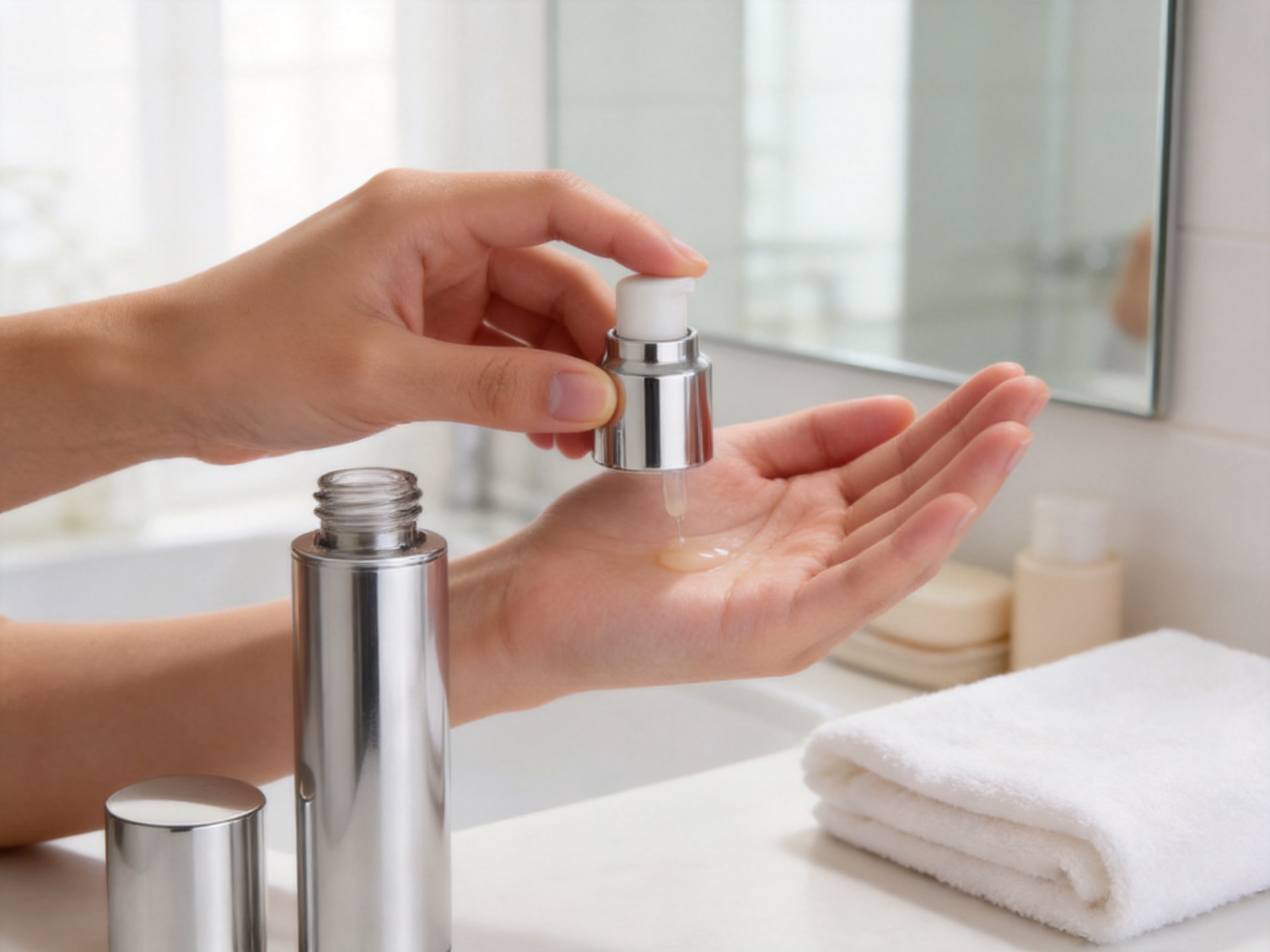
Facial care products are often used close to the eyes, cheeks, lips, and other sensitive areas. Consumers therefore expect packaging that is easy to use and clean. The GY-3303B bottle is designed for hygienic dispensing, allowing the product to be released through the pump outlet without requiring direct contact with the remaining contents.
This feature is particularly relevant for creams and treatment products that are used repeatedly over several weeks or months. Each use can be completed by pressing the pump, applying the released amount, and closing or storing the package according to the product’s instructions. The process is simple enough for everyday use and can help maintain a cleaner package interior than an open-access jar.
Hygienic dispensing may also support a stronger consumer perception of product quality. A pump package suggests that the formula is protected and that the manufacturer has considered the complete user journey. From opening the package to applying the product, every step becomes more controlled and convenient.
For cosmetic brands, this can be an important selling point. A product may contain valuable active ingredients, botanical extracts, moisturizing agents, or other specialized components. Presenting that formula in an efficient dispensing system helps connect the quality of the product with the quality of its packaging.
It is important to distinguish hygienic design from a claim of sterilization or complete contamination prevention. Packaging does not replace appropriate formulation, preservation, filling controls, or consumer storage practices. Instead, the airless pump bottle provides a structural approach intended to reduce unnecessary exposure and direct-contact handling during normal use.
Available Sizes for Different Product Strategies
The availability of 15-gram, 30-gram, 40-gram, and 50-gram versions gives product developers flexibility when building a skincare portfolio. Size selection influences the product’s price point, usage period, portability, shipping profile, and consumer perception.
15-Gram Format
The 15-gram size is suitable for trial products, travel formats, sample programs, professional treatment kits, and concentrated products used in small quantities. It can help new consumers experience a formula before purchasing a larger package. It may also be appropriate for eye creams, spot treatments, intensive masks, or other targeted products where each application requires only a small amount.
30-Gram Format
The 30-gram option can serve as a compact standard size for facial creams, serums, and daily treatment products. It offers a balance between portability and usable product volume. Brands may choose this size for premium products, seasonal launches, or formulas positioned for consumers who prefer a smaller and more manageable package.
40-Gram Format
The 40-gram size provides an intermediate option for brands that want more capacity than a compact package without moving immediately to the largest format. It may be used for facial moisturizers, anti-aging treatments, nourishing creams, and other products intended for regular home use.
50-Gram Format
The 50-gram version is suitable for full-size creams and daily facial care products. It provides additional capacity for consumers who use the formula frequently or prefer a longer product cycle. It may also be an effective format for flagship products that require a substantial, premium-looking package.
Offering multiple capacities can help a brand create a complete family of products. Consistent packaging across different sizes supports visual coordination while allowing formulas and marketing programs to address different user groups. It also provides manufacturers with more flexibility when responding to market demand.
Performance Benefits Compared with Conventional Packaging
The aluminium airless serum pump bottle offers several functional advantages over conventional wide-mouth jars and basic containers. The most notable difference is the dispensing method. A wide-mouth jar requires the consumer to remove a lid and access the formula directly. The airless bottle uses a pump, creating a more controlled path between the formula and the consumer.
Compared with a standard open jar, the bottle can reduce the need for repeated finger contact with the remaining formula. This supports a cleaner experience and may help reduce residue around the container opening. The pump also makes it easier to dispense a consistent amount, whereas a jar may encourage consumers to take more product than needed.
Compared with a simple squeeze tube, the airless bottle can offer a more premium presentation and a different dispensing experience. Tubes are convenient and lightweight, but they may not deliver the same visual impact or rigid structure. The aluminium bottle can be better suited to products that are positioned as professional, luxurious, or treatment-focused.
Compared with a basic pump bottle, an airless structure may provide improved access to the formula as the package is emptied. Conventional pump bottles can depend on a dip tube that must reach the product. Airless systems are designed around a moving internal platform or similar mechanism that helps push product toward the pump. Performance will vary by design and formula, but the airless concept is particularly attractive for products where reducing residual product is important.
Compared with unprotected cosmetic containers, the combined structure of the aluminium body, pump, and screw-on closure can give the package a more secure and polished configuration. This may benefit products sold through premium retail, professional channels, online stores, hotels, spas, and personal care distribution networks.
Suitable Product Applications
The GY-3303B bottle is intended for cream and facial care products, but its practical design can support a broader range of skincare applications when compatibility has been confirmed. Potential applications include facial moisturizers, nourishing creams, anti-aging treatments, hydrating gels, concentrated serums, brightening treatments, repair creams, and other cosmetic formulations with suitable viscosity and dispensing characteristics.
Facial moisturizers are a natural application because consumers commonly use them every day and benefit from clean, controlled dispensing. A pump package can make the morning and evening routine faster while helping users release a manageable amount for the face and neck.
Concentrated serums can also benefit from pump packaging. These products are often applied in small quantities, and controlled dispensing can help consumers avoid unnecessary overuse. The compact sizes are suitable for formulas sold as targeted treatments or premium active products.
Treatment creams may require a package that communicates precision and quality. The airless pump bottle creates a professional presentation and may help support the positioning of products used for specific skincare concerns. Brands should assess formula viscosity, particle content, emulsion stability, and pump compatibility before confirming the final application.
The package may also be considered for personal care products outside facial skincare, provided the formula and dispensing requirements are appropriate. Any product-specific claims, compatibility statements, or shelf-life expectations should be validated through technical testing.
Because cosmetic formulas vary significantly, packaging selection should not be based only on appearance. A complete evaluation should consider viscosity, pH, alcohol content, oils, solvents, fragrances, active ingredients, pigments, preservatives, filling temperature, and expected storage conditions. The manufacturer and product owner should cooperate during compatibility and performance testing.
Secure Screw-On Closure
The screw-on closure is a practical feature of the GY-3303B bottle. Threaded assembly allows the closure to be fitted securely and supports repeatable production. A properly designed and assembled screw-on connection helps maintain the relationship between the bottle body and the dispensing components.
Closure security matters throughout the entire product lifecycle. During filling, the package must be assembled consistently. During transportation, it must withstand normal handling and vibration. On a retail shelf, it must remain presentable and intact. During consumer use, it should provide a dependable connection whenever the product is opened, closed, or handled.
A screw-on design can also simplify certain packaging operations compared with more specialized closure systems. It offers a familiar assembly concept for production teams and consumers. The actual torque requirements, thread design, sealing performance, and component tolerances should be confirmed for each production specification.
For brands selling online, closure security is especially important because products may pass through multiple logistics stages before reaching the consumer. A well-assembled package can help reduce the risk of leakage and protect the appearance of the product during distribution. Packaging tests should be performed under conditions that reflect the intended supply chain.
Manufacturing Capabilities Behind the Product
GreenYard Tools Co., Ltd. is a China-based packaging manufacturer specializing in spray products and personal care packaging. With 16 years of manufacturing experience, the company produces perfume sprayers, pump heads, caps, bottles, and daily chemical packaging solutions for global markets.
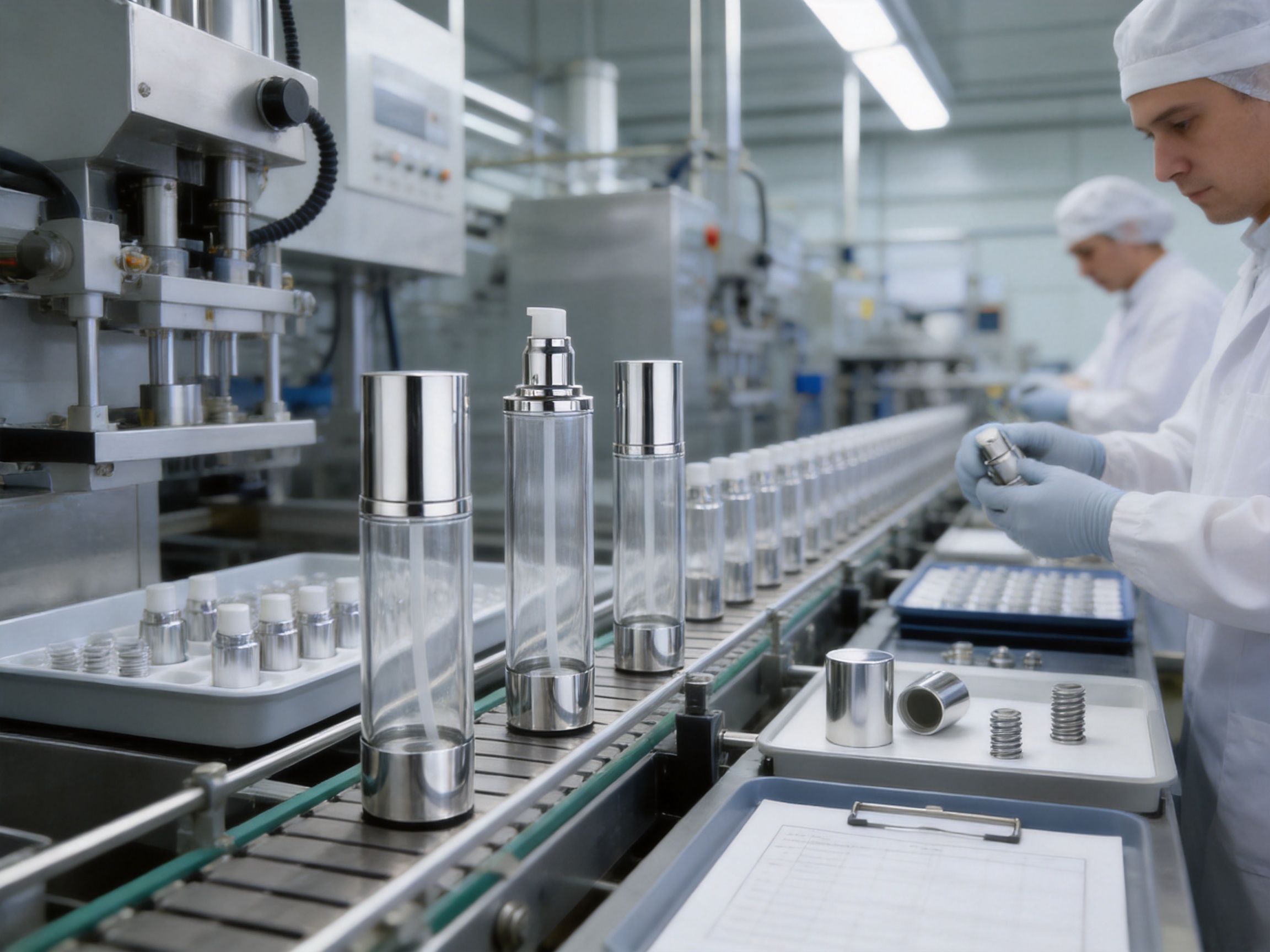
The company’s production capabilities include mold design, injection molding, automated assembly, and quality inspection. These capabilities are important because a packaging product is built from multiple technical stages. The accuracy of the mold affects component dimensions. The quality of injection molding affects appearance and consistency. Assembly determines whether the components work together correctly. Inspection verifies whether the finished products meet defined requirements.
In-house or closely coordinated mold design can support the development of packaging components that match the intended product structure. A well-developed mold helps control details such as shape, wall structure, closure interfaces, and component fit. It also allows the manufacturer to refine a design before larger-scale production.
Injection molding is central to the production of many packaging components. It can be used to manufacture plastic pump parts, caps, internal components, and other precision elements. Consistent molding helps reduce dimensional variation and supports stable assembly performance. Process control is particularly important for pump components because small deviations can affect actuation, sealing, and dispensing.
Automated assembly can improve production efficiency and repeatability. When components are assembled with controlled equipment, the process can reduce variation associated with manual handling. Automation may also support higher output and more consistent positioning of parts. This is valuable for customers that require large quantities or recurring orders.
Quality inspection provides another essential layer of manufacturing control. Inspection may include visual checks, dimensional checks, assembly verification, functional testing, and other procedures selected for the product. The exact inspection plan should be established according to the technical specification, customer requirements, and intended application.
GreenYard reports a daily production capacity of one million units. This capacity gives the company the ability to support substantial order volumes while serving different categories of packaging products. Production scale can be important for growing brands that need a supplier capable of supporting product launches, repeat orders, and expanding distribution.
Design and Product Development Strengths
A dedicated design team can help a packaging manufacturer respond to changing market expectations. Cosmetic packaging trends evolve rapidly, with brands seeking new shapes, dispensing formats, materials, finishes, and user experiences. Product development capability enables a manufacturer to go beyond standard catalog supply and participate in packaging improvement.
For an airless bottle, design work involves more than selecting an attractive exterior. The manufacturer must consider the interaction between the bottle body, internal airless system, pump head, actuator, closure, and formula. The components must function as a coordinated package. User comfort, dispensing force, product evacuation, assembly, and appearance all influence the final result.
GreenYard’s experience in spray product manufacturing provides a foundation in precision dispensing components. Pump heads and sprayers require reliable movement, controlled flow, and consistent assembly. Those same manufacturing principles are relevant to skincare pump packaging, where the consumer expects the pump to operate smoothly and dispense the product effectively.
Continuous product innovation can also help customers differentiate their offerings. A packaging supplier with design and manufacturing knowledge can provide guidance about size selection, closure options, component structure, and application requirements. This can shorten the path from concept to production and reduce unnecessary development changes.
For custom packaging projects, the development process should normally include a product brief, technical drawings or samples, formula information, prototype evaluation, compatibility testing, decoration review, pilot production, and final approval. Clear communication between the brand and manufacturer is essential at every stage.
Quality Considerations for Airless Pump Bottles
Quality in cosmetic packaging includes both appearance and function. A bottle may look attractive but still fail to meet expectations if the pump does not actuate smoothly, the closure is not secure, or the product cannot be dispensed consistently. The opposite is also true: strong functional performance may not be sufficient if the surface finish or assembly appearance is unsuitable for the intended market.
Important quality factors for the GY-3303B bottle include component fit, closure engagement, pump actuation, dispensing consistency, external appearance, surface cleanliness, and resistance to normal handling. Brands should define acceptance criteria before mass production so that the manufacturer can align inspection procedures with the project’s requirements.
Dimensional consistency is important because the pump, closure, and bottle must fit together correctly. If component dimensions vary beyond acceptable limits, assembly may become difficult or the finished package may appear uneven. Controlled manufacturing processes help maintain the relationships among these parts.
Functional testing can evaluate whether the pump operates as intended and whether the formula is released in a usable amount. Testing may include initial actuation, repeated actuation, leakage checks, storage evaluation, and transportation simulation. The appropriate test plan depends on the formula, package configuration, distribution method, and customer requirements.
Visual inspection may focus on scratches, dents, contamination, color variation, surface defects, misalignment, and closure appearance. Premium packaging is often judged closely by consumers, particularly when sold at a higher price point. Consistent appearance supports a stronger perception of quality.
Formula compatibility is equally important. Certain ingredients may interact with packaging materials or affect pump performance over time. Compatibility testing should be carried out using the intended formula, package, and decoration system under realistic storage conditions. Testing can help identify changes in color, odor, viscosity, leakage, swelling, cracking, stress, or dispensing performance.
Efficient Production and Supply Support
Large-scale packaging production requires coordination across raw materials, tooling, molding, assembly, inspection, packing, and delivery. A manufacturer with established processes can help customers manage these stages more effectively. GreenYard’s production infrastructure is designed to support packaging products for personal care and daily chemical applications.
High production capacity can be especially valuable for brands that operate in several markets or plan promotional campaigns. Sufficient output helps reduce the risk of supply interruptions when demand increases. At the same time, production planning must remain aligned with quality requirements, because speed should not replace inspection and process control.
Automated assembly may contribute to stable output by standardizing repetitive operations. It can also make it easier to monitor production conditions and identify process deviations. For pump packaging, consistent assembly is important because improper positioning can affect how the consumer experiences the product.
A broad product portfolio is another strength. GreenYard produces crimp pumps, fine mist sprayers, lotion pumps, treatment pumps, foam pumps, droppers, cosmetic plastic packaging caps, airless bottles, deodorant stick bottles, cream jars, nail polish pumps, trigger sprayers, mini triggers, PE and PET bottles, and roll-on bottles. This range allows customers to explore multiple packaging formats through one experienced supplier.
Although the GY-3303B bottle is the focus of this article, access to related packaging categories can simplify product line development. A brand may need a serum bottle, cream jar, mist sprayer, or lotion pump for different products in the same collection. A supplier with several packaging capabilities can help maintain consistent service and technical communication.
Branding and Market Presentation
Packaging is a physical representation of a brand’s positioning. A premium facial treatment should look appropriate for its formula, price, and target customer. The aluminium airless bottle provides a foundation for a clean and elevated presentation. Its compact shape and metallic appearance can support minimalist, clinical, luxury, natural, or professional design directions depending on the selected decoration.
The 15-gram to 50-gram size range also supports different market strategies. Smaller packages can be positioned as travel products, discovery sizes, professional samples, or limited editions. Larger sizes can serve as standard retail products or intensive treatment packages. A consistent family design can make these different offerings recognizable as part of the same product range.
For online retail, packaging appearance is important because product images often create the first customer impression. A distinctive bottle can photograph well against simple backgrounds and provide a strong visual anchor for digital marketing. The package also needs to remain attractive when viewed in person, since tactile quality and ease of use influence customer satisfaction after purchase.
For professional skincare channels, the bottle can communicate controlled application and modern product development. Spas, salons, dermatology-oriented brands, and personal care companies may value packaging that appears clean, efficient, and suitable for treatment-focused products.
Packaging Selection and Customization Process
Customers considering the GY-3303B bottle should begin by defining the product formula and intended market. The selected volume should match the recommended usage, product price, expected consumption period, and distribution channel. A 15-gram package may be appropriate for a concentrated treatment, while a 50-gram package may better suit a daily moisturizer.
The next step is to evaluate the formula’s dispensing requirements. The manufacturer should receive information about viscosity, texture, ingredients, filling temperature, and intended dosage. A thick cream may require different pump behavior from a lightweight serum. Testing helps confirm whether the package can dispense the product effectively throughout its expected use period.
Brands should also decide how the package will be decorated. Options may include labels, printing, coatings, metallic effects, or other approved methods. Decoration must be evaluated for adhesion, appearance, resistance to handling, and compatibility with the aluminium surface and storage environment.
Prototype samples should be tested before mass production. Sample evaluation can identify issues with pump force, closure fit, package appearance, formula compatibility, filling, and consumer handling. It is usually more efficient to resolve these issues during development than after a large production run.
Once the specifications are approved, the customer and manufacturer should confirm order quantity, production schedule, packaging method, inspection standards, and delivery requirements. Clear documentation helps ensure that future repeat orders remain consistent with the approved sample.
Environmental and Material Considerations
Material selection is an increasingly important part of packaging development. Brands and consumers are paying greater attention to material efficiency, product lifespan, recyclability, and responsible manufacturing. Aluminium is widely recognized as a material with established recycling value, although the actual environmental performance of a package depends on material sourcing, manufacturing energy, coatings, component separation, logistics, and end-of-life systems.
The aluminium airless bottle should therefore be considered as a complete package rather than evaluated by one material characteristic alone. The pump and other components may use different materials, and the package may require appropriate separation or recycling procedures. Brands should communicate disposal guidance accurately and avoid unsupported environmental claims.
Product protection can also be part of a responsible packaging strategy. A package that helps consumers use the formula efficiently may reduce the amount of product left unused. Controlled dispensing may help minimize overuse, while an airless structure can support access to product that might otherwise remain inside a conventional container.
Manufacturing efficiency is another relevant consideration. Automated assembly and high-volume production can support consistent output and help manage resource use across large orders. The most suitable packaging choice should balance product protection, consumer experience, manufacturing requirements, logistics, regulatory needs, and environmental objectives.
Advantages for International Customers
International cosmetic brands often need packaging suppliers that can support technical communication, volume production, customization, and repeat ordering. GreenYard’s experience in global personal care packaging gives customers access to a manufacturer familiar with the requirements of export-oriented supply.
The company’s location in Yuyao City, Zhejiang Province, places it within an established Chinese manufacturing region known for plastic products, molds, packaging components, and related industrial capabilities. Its address is No. 97-1 Fengyi Road, Lanjiang Street, Yuyao City, Zhejiang Province, China.
For overseas customers, reliable communication is essential. Product specifications should be documented clearly, including volume, closure type, formula application, decoration, color, packaging method, inspection requirements, and delivery schedule. A professional supplier can help translate these requirements into a manufacturing plan.
Repeatability is also important. A brand that launches successfully with a specific bottle may need additional orders months later. Maintaining approved specifications and quality standards helps reduce differences between production batches. This is one reason why supplier experience, process control, and inspection systems are important when choosing cosmetic packaging.
GreenYard’s product range also enables customers to source several types of packaging for related personal care products. The company’s experience with perfume sprayers, pump heads, caps, bottles, and daily chemical packaging supports a broad understanding of dispensing and container systems.
Practical Benefits for Consumers
From the consumer’s perspective, the value of the aluminium airless serum pump bottle is straightforward. The package is designed to be easy to use, clean in operation, and suitable for repeated application. The user presses the pump rather than opening a wide container and touching the remaining formula.
The compact format is convenient for bathroom storage, travel, cosmetic bags, and daily skincare routines. The available sizes allow brands to offer packages that fit different lifestyles. A smaller package may be easier to carry, while a larger one may reduce the frequency of replacement.
The pump format can also help users develop a consistent application routine. When the package releases a manageable quantity, it becomes easier to apply the product as directed. This can be particularly useful for concentrated formulas, where using too much product may be unnecessary.
The external appearance contributes to the overall experience as well. A refined aluminium bottle can make a routine skincare product feel more premium and intentional. Consumers often judge quality through several senses, including appearance, weight, texture, sound, and ease of operation. Packaging that performs well across these areas can strengthen satisfaction.
Recommended Quality Tests
Before commercial use, brands should consider a testing program appropriate to the formula and package. Typical evaluation may include pump actuation testing, leakage testing, closure torque testing, visual inspection, compatibility testing, storage testing, and transportation simulation.
Pump actuation testing can examine whether the pump starts reliably and continues to dispense after repeated use. The test should reflect the expected product viscosity and dosage. Leakage testing can be used to evaluate the closure and package under normal and simulated distribution conditions.
Storage testing may expose filled samples to different temperatures and time periods. This can help identify changes in formula appearance, package condition, pump behavior, or closure integrity. The testing conditions should be selected according to the intended market and product requirements.
Transportation testing can simulate vibration, impact, stacking, and other conditions that may occur during shipping. This is especially relevant for online retail and international distribution. The package should remain assembled, presentable, and functional after the planned transportation process.
Testing does not eliminate the need for good filling, warehousing, and consumer-use practices. Instead, it provides evidence that the package and formula work together under defined conditions. Results should be recorded and used to confirm the final specification.
Why Choose This Packaging Format
The GY-3303B aluminium airless serum pump bottle is a strong option for brands that need a premium-looking, hygienic, and efficient package for facial care products. Its primary strengths include multiple capacity choices, airless dispensing, a screw-on closure, suitability for creams and skincare treatments, and an aluminium exterior that supports an elevated market presentation.
Its advantages over more basic competitors are based on the combination of features rather than one isolated element. The package offers controlled dispensing instead of open access, a more distinctive exterior than ordinary plastic containers, and a range of volumes that can support different product strategies. It is also backed by a manufacturer with experience in mold design, injection molding, automated assembly, quality inspection, and high-volume production.
For brands, the product can help connect formula quality with packaging performance. For consumers, it can provide a cleaner and more convenient skincare routine. For manufacturers and distributors, the supplier’s production capabilities can support repeat orders and broader packaging requirements.
The final choice should always be based on product-specific testing and clearly defined technical requirements. When properly matched with the formula and assembled according to approved specifications, the aluminium airless serum pump bottle can be a reliable packaging solution for modern cosmetics, skincare, and personal care products.
Frequently Asked Questions
What is the GY-3303B aluminium airless serum pump bottle used for?
The bottle is designed for creams, facial care products, serums, moisturizers, and other skincare treatments. It is especially suitable for products that benefit from hygienic and controlled dispensing.
What volumes are available?
The available volumes are 15 grams, 30 grams, 40 grams, and 50 grams. These options allow brands to select a size for samples, travel products, standard retail products, or larger daily-use packages.
What type of closure does the bottle use?
The bottle uses a screw-on closure. This provides a secure connection between the bottle and its dispensing components when assembled according to the approved specification.
What are the main advantages of airless dispensing?
Airless dispensing is designed to provide a cleaner and more controlled application experience. It reduces the need for consumers to place their fingers inside the container and can help improve access to the formula as the package is emptied.
Is the bottle suitable for thick creams?
The bottle is intended for cream and facial care applications, but compatibility should be confirmed for each specific formula. Viscosity, ingredients, texture, filling conditions, and dosage can affect dispensing performance, so sample testing is recommended.
Why is aluminium used for the exterior?
The aluminium exterior provides a refined and distinctive appearance. It can help support premium, professional, minimalist, or treatment-oriented product positioning and may create a more substantial impression than basic plastic packaging.
Can the bottle be used for facial serums?
Yes, the product is suitable for serum applications when the formula is compatible with the pump and airless system. Brands should test the formula in the selected package to confirm consistent dispensing throughout the intended shelf life.
Can different sizes be used for one product line?
Yes. The 15-gram, 30-gram, 40-gram, and 50-gram options can be used to create a coordinated product range. A brand might use smaller sizes for samples or travel and larger sizes for standard retail or professional products.
What manufacturing capabilities does GreenYard provide?
GreenYard Tools Co., Ltd. specializes in spray products and personal care packaging. Its capabilities include mold design, injection molding, automated assembly, and quality inspection. The company also produces perfume sprayers, pump heads, caps, bottles, and other daily chemical packaging solutions.
What is the company’s production capacity?
GreenYard reports a daily production capacity of one million units. This capacity is intended to support large-volume packaging requirements and recurring orders for customers in global markets.
Should compatibility testing be performed before mass production?
Yes. Compatibility testing is recommended for every formula and package combination. It can help evaluate changes in appearance, odor, viscosity, leakage, component condition, and dispensing performance during storage and repeated use.
How can customers request more information?
Customers can contact GreenYard Tools Co., Ltd. through [email protected] or by telephone at +86-0574-62493001. An additional contact number is +86-13116696325. The company address is No. 97-1 Fengyi Road, Lanjiang Street, Yuyao City, Zhejiang Province, China.
Conclusion
The aluminium airless serum pump bottle provides a balanced packaging solution for brands that value hygiene, controlled dispensing, product presentation, and flexible capacity options. Available in 15-gram, 30-gram, 40-gram, and 50-gram formats, the GY-3303B model can serve a variety of creams, facial care products, serums, moisturizers, and treatment formulas.
Its airless dispensing structure offers a practical alternative to open jars and basic containers, while the screw-on closure supports secure assembly. The aluminium exterior adds a premium visual and tactile dimension that can help products stand apart in a competitive skincare market.
Supported by GreenYard’s experience in mold design, injection molding, automated assembly, quality inspection, and high-volume production, the bottle is suitable for customers seeking a dependable personal care packaging partner. With proper formula compatibility testing and quality control, it can help brands deliver a cleaner, more efficient, and more polished skincare experience.
References
1. GreenYard Tools Co., Ltd. Product information for the GY-3303B aluminium airless serum pump bottle.
2. GreenYard Tools Co., Ltd. Company information regarding mold design, injection molding, automated assembly, and quality inspection.
3. Cosmetic packaging development practices for airless dispensing systems, formula compatibility, and package performance evaluation.
4. Personal care packaging design principles covering hygienic dispensing, closure security, product protection, and consumer usability.
5. General packaging quality-control practices for cosmetic bottles, pump systems, closures, transportation, and storage testing.
Product: Aluminium Airless Serum Pump Bottle

-
Airless Bottles Uncovered: How to Protect Your Skincare and Perfect Every Pump
If you have ever opened a pump bottle of serum and found the last quarter of the product impossible ...
-
Best Skincare Packaging: How to Choose Bottles, Pumps & Jars That Last
The last time a skincare brand sent us a bottle to test, the cap looked premium but the pump leaked...
-
Airless Pump Makeup Packaging: How It Works and What Brands Should Specify
Open a foundation that has been sitting in a warehouse for eighteen months and the first thing a pa...
-
Roll On Bottles: Types, Refill Guide, and Packaging Buying Tips for Your Brand
The first sample rolled smoothly, the second clicked, and the third leaked after ten presses. Three...
Copyright © GreenYard Tools Co.,ltd. All Rights Reserved.
Personal Care Packaging Manufacturer Custom Perfume Sprayers Factory