
-
About Us
Why Choose Us?The company possesses advanced capabilities in mold design, injection molding, and automated assembly, supported by a professional quality inspection team to ensure product reliability. A dedicated design team continuously drives product innovation, providing customers with high-quality spray solutions.
 Coming From China, Marketing To The World.
 -
Products
-
News
 English
 Français
 русский
 Español
Compact 6-Gram Pull Clip Cap Stick Container for Lip Balm and Personal Care Products
Content
- 1 Product Overview
- 2 Why a 6-Gram Stick Format Is Valuable
- 3 Pull Clip Cap Design and User Experience
- 4 Advantages Over Conventional Lip Balm Packaging
- 5 Applications for Lip Balm and Solid Personal Care Products
- 6 Manufacturing Strengths of GreenYard Tools Co., Ltd.
- 7 Production Capacity and Supply Support
- 8 Material and Formula Compatibility Considerations
- 9 Design and Branding Opportunities
- 10 Quality and Reliability Benefits
- 11 Why Choose This Stick Container for a Competitive Product Line
- 12 Customer Development Process
- 13 Packaging Sustainability and Responsible Product Planning
- 14 Recommended Quality Checklist
- 15 Frequently Asked Questions
- 15.1 What is the capacity of the GY-DS21 stick container?
- 15.2 What is the main use of this container?
- 15.3 How does the pull clip cap work?
- 15.4 Is the container suitable for tinted lip balm?
- 15.5 Can the container be used for products other than lip balm?
- 15.6 What makes the 6-gram format convenient?
- 15.7 How does this package compare with a lip balm jar?
- 15.8 What manufacturing capabilities does GreenYard provide?
- 15.9 Can the product be customized?
- 15.10 What testing should be completed before launch?
- 15.11 What information should a customer provide when requesting a quotation?
- 15.12 Where is GreenYard Tools Co., Ltd. located?
- 16 Conclusion
- 17 References
- 18 Product: GY-DS21 Pull Clip Cap 6Gram Stick Container
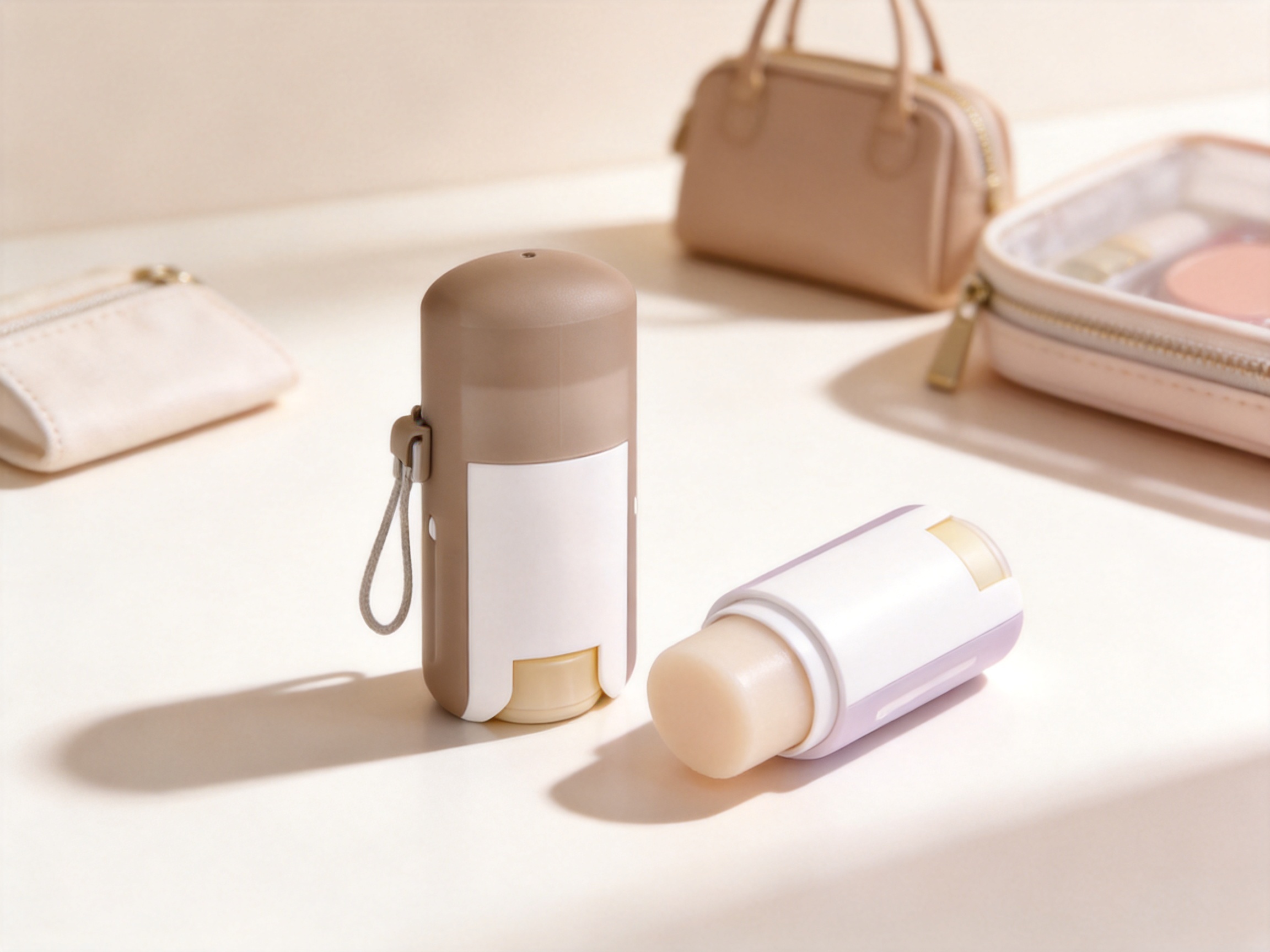
Small-format cosmetic packaging plays an important role in the personal care market. Lip balms, solid treatment products, tinted moisturizers, sun-care sticks, and other direct-application formulas all require containers that are easy to use, convenient to carry, and reliable throughout the product’s service life. The GY-DS21 Pull Clip Cap 6Gram Stick Container is designed to meet these requirements with a compact structure, a practical pull clip cap, and a format suitable for lip balm and similar solid formulations.
With a nominal capacity of 6 grams, this stick container offers an efficient balance between portability and usable product volume. It is small enough for handbags, cosmetic pouches, pockets, and travel kits, while still providing sufficient capacity for regular daily application. The direct-use format eliminates the need for fingers, spatulas, or other application tools, helping create a cleaner and more convenient consumer experience.
The container belongs to the deodorant stick bottle category, but its application range extends beyond deodorant products. Its strongest indicated use is lip balm packaging, where the stick format allows users to apply the product directly to the lips. Depending on formula compatibility, filling method, and brand positioning, the package may also be considered for selected solid cosmetic and personal care products.
This article examines the product structure, user benefits, application possibilities, manufacturing considerations, quality strengths, and competitive advantages of the GY-DS21. It also explains how GreenYard Tools Co., Ltd. supports packaging production through mold design, injection molding, automated assembly, and quality inspection capabilities.
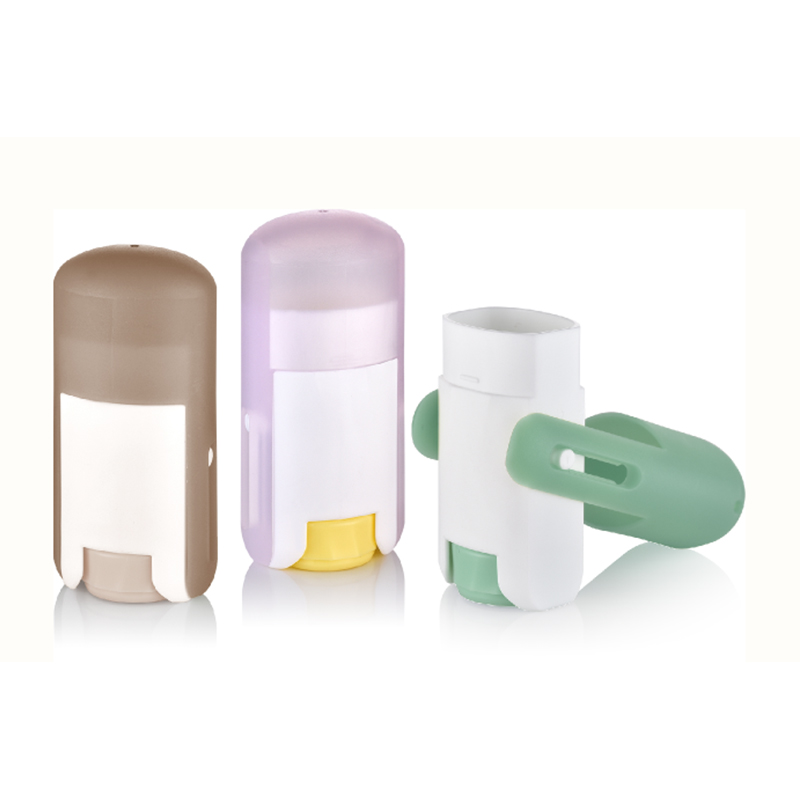
GY-DS21 Pull Clip Cap 6Gram Stick Container
Product Overview
The GY-DS21 is a 6-gram pull clip cap stick container developed for compact personal care packaging. Its design focuses on three key requirements: a convenient direct-application format, a secure and easy-to-operate closure, and a small physical profile suitable for portable products.
Product Item |
GY-DS21 Pull Clip Cap 6Gram Stick Container |
Product Category |
Deodorant Stick Bottle |
Available Volume |
6 grams |
Primary Usage |
Lip balm |
Container Format |
Compact direct-application stick |
Cap Style |
Pull clip cap |
Suitable Market Segment |
Personal care and cosmetic packaging |
Manufacturer |
GreenYard Tools Co., Ltd. |
The 6-gram capacity is particularly suitable for products that are used in small quantities and reapplied during the day. Lip balm is a typical example. Consumers often carry lip care products with them and expect packaging to be lightweight without sacrificing usability. A compact stick container supports this behavior by providing a dedicated package for repeated application.
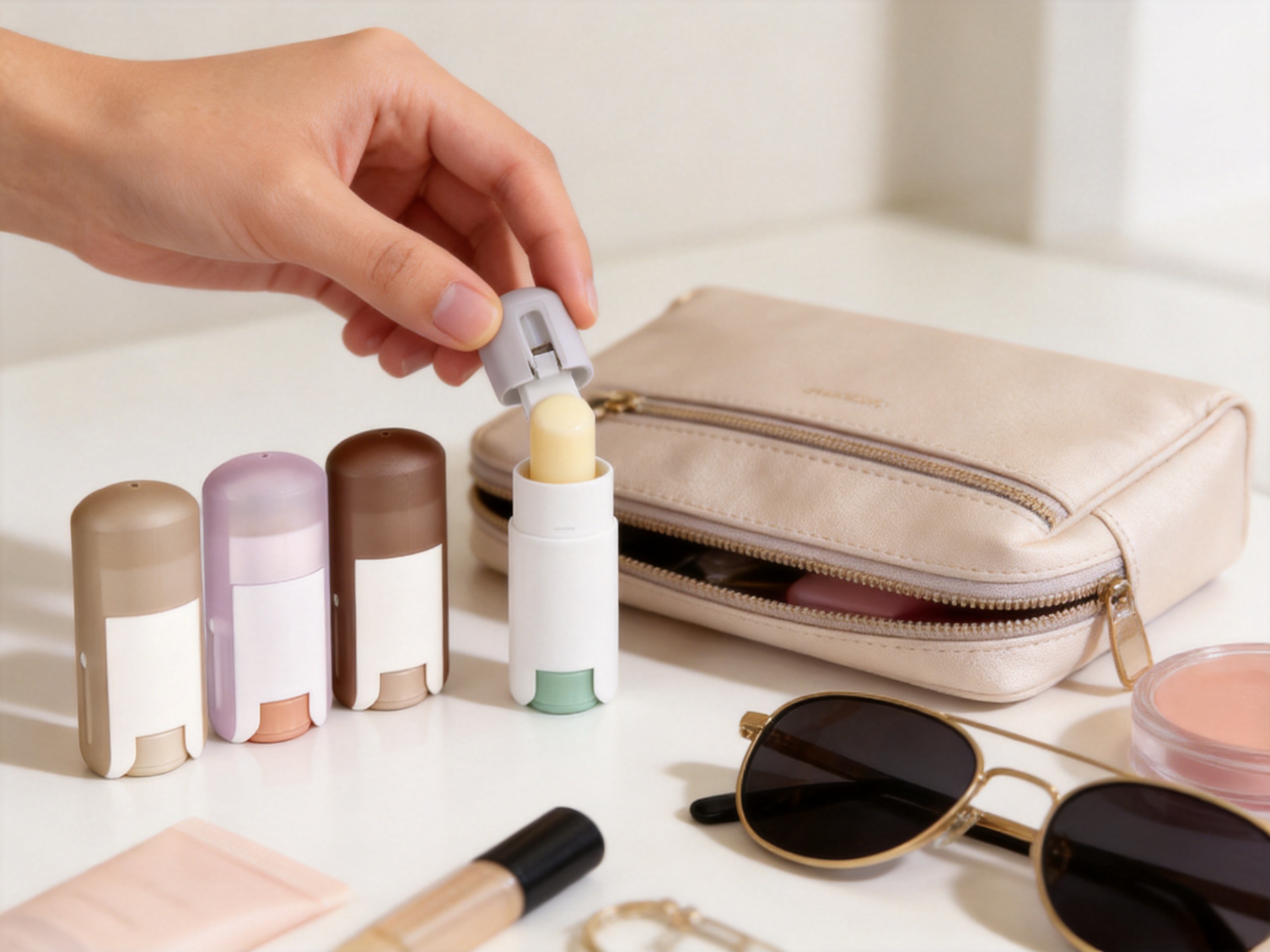
The pull clip cap contributes to the product’s practical character. Instead of requiring a threaded cap to be rotated repeatedly, the user can pull the cap away from the body to expose the application surface. The cap can then be replaced after use to help protect the product during storage and transport. This operation is simple, intuitive, and well suited to products intended for frequent use.
For brands, the GY-DS21 offers a packaging base that can support a clean, recognizable product presentation. The simple stick silhouette gives designers a clear surface area for labels, printing, color matching, or other visual treatments, subject to the final manufacturing and decoration specification.
Why a 6-Gram Stick Format Is Valuable
Product size strongly influences consumer perception and daily usability. A large container may provide more capacity, but it can become inconvenient when carried in a pocket or small cosmetic bag. A very small container may be highly portable but may require frequent replacement. The 6-gram format provides a useful middle point for lip balm and other compact personal care applications.
Portability for Daily Carry
The small format is designed for mobile lifestyles. Consumers may carry lip balm to work, school, outdoor activities, social events, or travel destinations. The compact body can fit comfortably into a handbag, cosmetic pouch, toiletry case, or travel kit. Its relatively low volume also supports product concepts positioned as lightweight, convenient, or suitable for everyday use.
Portability is especially important for products that are applied several times per day. A container that is difficult to carry may be left at home, while a small stick package is more likely to remain available when needed. This practical benefit can improve the perceived value of the finished product because the package becomes part of the user’s routine.
Appropriate Capacity for Lip Balm
Lip balm is generally used in small amounts during each application. A 6-gram container can provide a practical quantity for personal use while preserving a compact profile. The capacity is also suitable for product lines that offer multiple shades, scents, flavors, or treatment variations, because consumers may be willing to carry more than one small item.
For manufacturers and brand owners, a compact capacity can support product segmentation. The same general packaging format may be used for a standard balm, a tinted balm, a seasonal edition, a promotional product, or a trial-size concept, provided the formulation and filling process are compatible with the package.
Efficient Use of Packaging Space
The stick format organizes the product inside a dedicated cylindrical or similarly compact body. This can be more efficient than a wide jar for products intended for direct application. The package is designed around the way the product is used rather than simply around storage volume. As a result, the container and the formula can work together as a complete application system.
The compact structure may also help brands create coordinated product families. A lip balm, treatment stick, and other portable solid products can share a similar visual language while using different colors, labels, or surface finishes. Consistent packaging architecture can help consumers identify a product range quickly on retail shelves or in online product images.
Pull Clip Cap Design and User Experience
The pull clip cap is one of the defining features of the GY-DS21. A cap must perform more than a decorative function. It should protect the product, provide convenient access, remain easy to operate, and contribute to a satisfactory overall experience. The pull clip structure addresses these requirements through a straightforward opening and closing motion.
Simple Opening and Closing
The user can access the product by pulling the cap away from the stick body. This operation is fast and does not require the user to align or rotate a threaded closure. After application, the cap can be placed back over the product to help keep the exposed surface covered. The simple movement is suitable for users who apply lip balm frequently throughout the day.
A pull cap can also be helpful when the user has limited time or is operating the product with one hand. The package is intended to support quick access without adding unnecessary steps. This is particularly relevant for products used while commuting, traveling, working outdoors, or moving between daily activities.
Protection During Storage
Once the product is applied, the container may be placed in a pocket, handbag, or cosmetic pouch. The cap helps create a physical barrier between the product surface and the surrounding environment. This can reduce direct contact with dust, fibers, and other contaminants that may be present in a carrying bag.
The closure also helps prevent the product from rubbing directly against other personal items. For lip balm and similar solid products, maintaining a covered application surface is an important part of basic package functionality. Final protective performance depends on the completed assembly, dimensional control, product formula, and appropriate use conditions.
Clean and Functional Appearance
The pull clip structure supports a neat, uncomplicated appearance. Consumers often associate simple packaging operation with ease of use, while brand owners may appreciate the clean visual profile provided by a compact stick package. The design can be developed as a practical mass-market package or adapted to a more specialized cosmetic presentation through color, decoration, and branding treatments.
Because the package is small, the relationship between the cap and the body is visually important. Proper fit, consistent molding, and smooth assembly help the container look complete and professional. GreenYard’s manufacturing capabilities in injection molding and automated assembly are relevant to maintaining these details across production runs.
Advantages Over Conventional Lip Balm Packaging
The GY-DS21 offers several advantages when compared with common jar-style or less portable lip care packaging. The most important difference is the direct-application format. A jar typically requires the user to touch the product with a finger or use an additional applicator. The stick container allows the product to be applied directly from the package, creating a more convenient and potentially cleaner routine.
Comparison Factor |
GY-DS21 Stick Container |
Typical Jar Packaging |
Application Method |
Direct application from the stick |
Finger or separate applicator may be required |
Portability |
Compact and suitable for handbags, pockets, and travel kits |
Often wider and less convenient for small carrying spaces |
Product Exposure |
Product remains housed in a dedicated stick body |
Product surface may be exposed when the jar is open |
Daily Operation |
Quick access through a pull clip cap |
Cap removal and manual product collection may take more steps |
Brand Positioning |
Supports portable, modern, and convenient product concepts |
May emphasize traditional or treatment-oriented presentation |
Compared with some larger deodorant or treatment stick packages, the 6-gram format is more specialized for small personal care products. It avoids unnecessarily large dimensions for a lip balm while retaining the convenience of a stick mechanism. This makes it a focused solution rather than a one-size-fits-all container.
Compared with a basic tube that may rely on a less refined closure, the pull clip cap offers a recognizable opening experience. The cap style can become part of the product identity, particularly when supported by appropriate color and surface design. A distinctive but practical closure may help a finished product stand out in a competitive personal care market.
The package also supports more hygienic handling than an open jar because the consumer does not need to repeatedly place a finger into the product. No packaging system can replace appropriate manufacturing hygiene or correct consumer handling, but a direct-use container can reduce the number of direct contacts required during normal use.
Applications for Lip Balm and Solid Personal Care Products
The primary application identified for the GY-DS21 is lip balm. This includes conventional moisturizing balms designed to help support comfortable lips, as well as selected tinted, flavored, or treatment-oriented products. The package may be suitable for formulas that maintain a stable solid or semi-solid stick structure under the intended storage and use conditions.
Standard Moisturizing Lip Balm
Standard lip balm is the most direct application for this package. The product can be filled into the stick body and applied directly to the lips. The 6-gram capacity supports a compact product concept that can be positioned for everyday use, seasonal dryness, or general personal care.
Tinted and Color-Enhancing Balm
Tinted lip balm combines care-oriented positioning with a subtle cosmetic effect. The stick format allows consumers to apply the product with controlled, even movement. Brands may use different container colors, labels, or visual finishes to distinguish shades and product variants, subject to the selected decoration process.
Treatment and Specialty Balms
Some products are positioned for specific lip care needs, such as intensive moisturization or protective daily use. A compact stick container can support these concepts by presenting the formula in a dedicated, easy-to-carry package. Compatibility testing remains important because treatment formulas may contain ingredients that interact differently with packaging materials.
Other Solid Cosmetic Concepts
Although the listed usage is lip balm, the container format may inspire additional applications for compatible solid formulations. Possibilities can include selected cuticle care products, small treatment sticks, solid fragrance concepts, or other personal care products that require direct application. These potential applications must be evaluated individually according to fill temperature, formula hardness, shrinkage, chemical compatibility, and consumer safety requirements.
The product should not be assumed to suit every cosmetic formula simply because it has a stick structure. A responsible packaging development program should include laboratory evaluation, filling trials, storage testing, and transportation testing before commercial launch.
Manufacturing Strengths of GreenYard Tools Co., Ltd.
The performance of a small cosmetic package depends on more than its visible design. Dimensional accuracy, component consistency, material control, assembly reliability, and quality inspection all affect the final product. GreenYard Tools Co., Ltd. is described as a China-based high-end packaging material manufacturer with 16 years of experience in spray product manufacturing and related packaging solutions.
The company produces perfume sprayers, pump heads, caps, bottles, and daily chemical packaging products. Its wider product range is relevant to the GY-DS21 because it demonstrates experience with multiple packaging components, closure systems, plastic parts, and assembled products. This background can support customers that need more than one type of packaging for a complete personal care product line.
Mold Design Capability
Mold design is a foundational part of plastic packaging production. The mold determines the shape, dimensions, surface detail, and repeatability of molded components. For a compact stick container, careful mold development is important because small dimensional variations can influence cap fit, body appearance, assembly performance, and the overall user experience.
GreenYard’s mold design capability allows the company to develop tooling around specific product structures and production requirements. Attention to parting lines, draft angles, gates, cooling, ejection, and dimensional control can help produce components that are suitable for efficient downstream assembly. Proper mold design may also reduce visible defects and support a more consistent appearance from one production batch to another.
Injection Molding
Injection molding is widely used for plastic packaging because it can produce repeatable components at commercial volume. Molten plastic is injected into a mold cavity, cooled, and ejected as a finished part or component. The process requires suitable material selection, temperature control, pressure management, cycle-time control, and equipment maintenance.
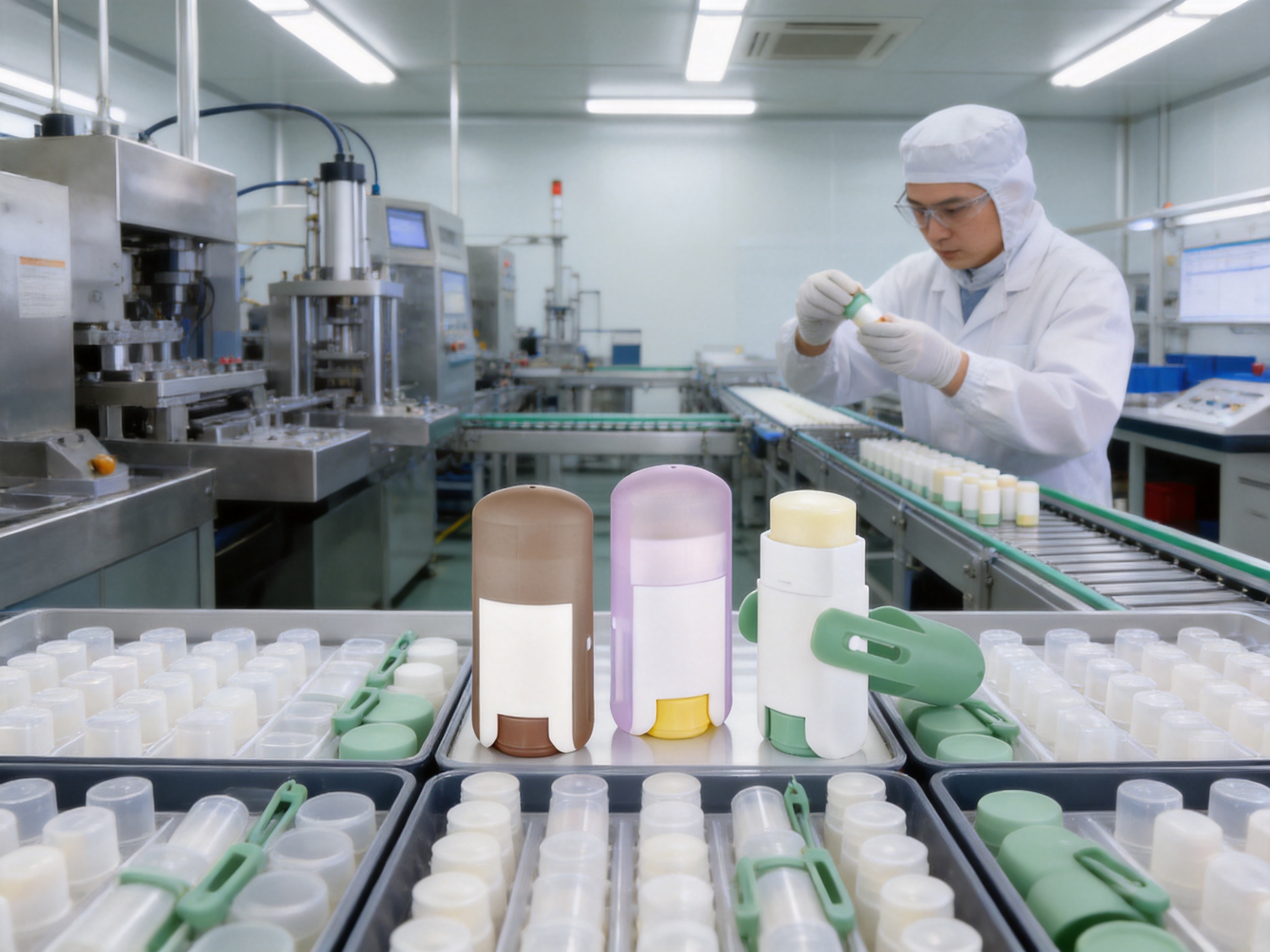
For the GY-DS21, injection molding can be used to produce the stick body, cap, and other plastic components required by the final package configuration. Consistent molding is especially important for a small package because the cap and body must work together accurately. The company’s experience with plastic packaging production supports the need for stable process control and repeatable output.
Automated Assembly
Automated assembly can improve production efficiency and consistency by reducing unnecessary manual handling. It may be used to combine molded components, install internal parts, check basic assembly conditions, and prepare products for packing. Automation is especially valuable when a product includes multiple small components that must be assembled in a repeatable sequence.
For a pull clip cap container, assembly quality can influence the way the cap engages with the body and how the completed unit feels in the user’s hand. Automated processes can help maintain consistent positioning and reduce variation. They may also support higher production capacity for brands requiring large quantities or regular replenishment.
Quality Inspection
Quality inspection is necessary to identify issues that may affect appearance, function, or customer acceptance. Inspections may include visual checks, dimensional verification, component matching, closure operation, assembly review, and packaging condition. The exact inspection plan should be determined according to the customer’s technical specification and intended application.
GreenYard is described as having quality inspection capabilities supporting reliable products. This is important for personal care packaging because even a small defect can affect the consumer’s perception of the finished product. Scratches, flash, color variation, poor cap fit, incomplete assembly, or inconsistent surface quality may create problems during filling, packing, retail display, or use.
Production Capacity and Supply Support
GreenYard reports a daily production capacity of one million units. A high production capacity can be valuable for established brands, contract manufacturers, distributors, and customers planning product launches across multiple markets. It can help support larger orders while also providing a foundation for ongoing supply programs.
Capacity alone does not guarantee product quality, so it must be supported by appropriate planning, process control, inspection, and communication. A capable supplier should be able to discuss forecast quantities, production scheduling, packaging requirements, quality expectations, and shipment preparation before an order enters full production.
For the GY-DS21, production planning may include mold availability, material procurement, component molding, assembly, inspection, packing, and delivery coordination. Since the container is intended for products that may be filled by another facility, packaging cleanliness and protection during shipment are also important considerations.
The company’s experience in spray products and daily chemical packaging may help customers coordinate multiple package categories through one supplier. For example, a brand may need a lip balm stick for one product, a lotion pump for another, and a fine mist sprayer or perfume pump for a third. A supplier with a broad packaging portfolio can simplify communication and sourcing management.
Material and Formula Compatibility Considerations
Packaging selection should always be connected to the formula. A suitable container must retain its shape, protect the product, and remain stable in contact with the ingredients over the intended shelf life. Before commercial production, the filled product should be evaluated under relevant storage and transportation conditions.
Compatibility Testing
Compatibility testing may examine changes in color, odor, texture, hardness, surface condition, leakage, deformation, and closure performance. It may also consider whether ingredients migrate into or interact with the packaging material. The exact testing duration and conditions depend on the product type, market requirements, and brand quality system.
For lip balm, the formula’s oils, waxes, emollients, pigments, fragrances, and active ingredients should be reviewed. Filling temperature is another important factor. If the formula is filled while warm, the package must be suitable for the thermal conditions and cooling process. If the formula is filled as a softer or more fluid material, the package must be evaluated for movement, settling, and potential leakage.
Filling and Cooling Trials
A filling trial helps confirm whether the package works with the intended production equipment. The trial may evaluate filling speed, fill weight, product alignment, cooling time, surface finish, and ease of demolding or removal from production fixtures. It can also reveal whether the package requires special handling during filling and final assembly.
For a compact 6-gram stick, accurate filling is important because small differences in fill quantity may be more noticeable as a percentage of total volume. The customer should define acceptable tolerances and confirm the measurement method before mass production.
Closure and Transport Testing
The pull clip cap should be evaluated after filling and cooling, not only as an empty component. Product residue, temperature changes, and variations in component dimensions can affect the final closure experience. Transport testing may examine whether caps remain properly positioned and whether the completed units resist normal vibration, compression, and handling during shipment.
These tests help the customer understand how the package performs in real distribution conditions. They also help identify whether secondary packaging, protective separators, or special carton arrangements are necessary.
Design and Branding Opportunities
A compact stick container provides a practical canvas for product identity. Although the GY-DS21 has a functional purpose, it can also support visual differentiation between brands and product lines. The final design may incorporate selected color options, labels, printing, surface treatments, or other decoration methods available through the agreed manufacturing specification.
Color Coordination
Color is often the fastest visual signal in cosmetic packaging. A soft natural color may support a moisturizing or sensitive-care concept, while brighter colors may be suitable for flavored or tinted products. Multiple colors can also distinguish variants within the same product family.
Consistent color control is important when a brand orders several production batches. The customer should establish color references, approval samples, acceptable tolerances, and inspection procedures before production. These measures help reduce variation between the package shown in marketing materials and the package delivered to consumers.
Surface Communication
Because the stick container is compact, the available decoration area should be planned carefully. Product name, shade information, usage instructions, regulatory text, batch information, and brand elements may need to be distributed between the primary container and secondary packaging. A clear hierarchy helps consumers identify the product quickly without overcrowding the package.
The container’s simple shape can support a clean, modern presentation. It may also be suitable for minimalist packaging concepts in which the color and form carry much of the visual identity. Final printing and labeling choices should be validated for adhesion, rub resistance, and appearance under expected handling conditions.
Product Family Consistency
Brands often benefit from using related packaging structures across a product range. The GY-DS21 can serve as a compact format within a broader personal care portfolio. When coordinated with other bottles, pumps, caps, or sprayers, it may help create a consistent visual system while allowing each product to retain its functional identity.
Quality and Reliability Benefits
Reliability is especially important for portable cosmetic packaging. The product may be opened and closed many times, carried in different orientations, exposed to temperature changes, and handled together with other items. A reliable package should maintain its intended appearance and function throughout normal use.
The GY-DS21’s value comes from the integration of its parts. The cap, body, product holder, and any internal mechanism must work as a coordinated system. A well-designed package should provide stable closure, convenient access, appropriate product support, and a comfortable hand feel.
GreenYard’s combination of mold design, injection molding, automated assembly, and quality inspection provides a manufacturing foundation for this type of integrated packaging. These capabilities can help reduce variation, improve repeatability, and support consistent delivery for customers that require dependable commercial packaging.
It is also important to define quality requirements in measurable terms. Customers may specify dimensions, appearance standards, color references, cap operation, assembly force, leakage expectations, packaging cleanliness, and acceptable defect levels. Clear technical communication between the customer and manufacturer helps convert a general product concept into a controlled production standard.
Why Choose This Stick Container for a Competitive Product Line
The personal care market contains many packaging options, but not every option provides the same balance of portability, operation, appearance, and manufacturing practicality. The GY-DS21 is differentiated by its focused 6-gram capacity and pull clip cap structure.
Its first advantage is application convenience. Consumers can use the product directly from the stick without opening a jar or touching the formula with a finger. Its second advantage is portability. The compact size is suitable for daily carry and travel. Its third advantage is closure simplicity. The pull clip cap gives the product a straightforward opening and closing method.
Its fourth advantage is product-line flexibility. Although lip balm is the specified use, the format can be evaluated for other compatible solid personal care concepts. Its fifth advantage is supplier support. GreenYard combines packaging experience with mold development, injection molding, automated assembly, and inspection capabilities.
Compared with competitors that may offer only a standard catalog package, a supplier with in-house or closely coordinated tooling and production capabilities can provide more structured technical support. Customers can discuss component design, production feasibility, decoration requirements, quality standards, and supply planning within a unified manufacturing relationship.
Compared with larger stick packages, the GY-DS21 is more appropriate for small-volume applications where a lightweight and compact package is a priority. Compared with jars, it offers direct application and improved carrying convenience. Compared with more complicated closures, its pull clip cap is intended to keep operation simple and accessible.
Customer Development Process
A successful packaging project normally progresses through several stages. The first stage is application confirmation. The customer should identify the formula type, target fill quantity, intended market, usage frequency, and required shelf life. This information helps determine whether the 6-gram stick format is appropriate.
The second stage is technical evaluation. The customer and manufacturer can review drawings, component structure, material options, decoration methods, filling conditions, and quality requirements. At this stage, it is useful to identify any restrictions related to formula compatibility, filling temperature, closure operation, or transportation.
The third stage is sampling. Empty samples allow the customer to review the appearance, dimensions, cap fit, hand feel, and direct-application experience. Filled samples provide additional information about formula behavior, fill quantity, product stability, and consumer usability.
The fourth stage is testing and approval. Compatibility testing, filling trials, closure testing, drop or transport evaluation, and visual approval may be conducted according to the product’s requirements. The customer should approve a reference sample or standard before mass production begins.
The fifth stage is production and inspection. Once the specifications are confirmed, the manufacturer schedules molding, assembly, inspection, packing, and shipment. Batch records and inspection results may be maintained according to the supplier’s quality procedures and the customer’s requirements.
The final stage is continuous supply management. For repeat orders, both parties can review forecasts, lead times, inventory, quality feedback, and possible improvements. This approach supports stable long-term cooperation rather than treating each order as an isolated transaction.
Packaging Sustainability and Responsible Product Planning
Modern personal care brands increasingly evaluate packaging efficiency, material usage, transport volume, and end-of-life considerations. A compact container can contribute to efficient product design by limiting unnecessary external volume. Its smaller size may also support efficient packing and storage, although the overall environmental impact depends on the material, manufacturing process, transportation, secondary packaging, and disposal system.
Responsible packaging development should begin with avoiding unnecessary material and selecting a format that matches the product quantity. The 6-gram structure is suitable for brands that do not need a large container for a small amount of product. Efficient sizing can help reduce excess packaging space and may improve logistics efficiency.
Customers should also evaluate the complete package rather than focusing on one component. The body, cap, internal parts, labels, cartons, protective packaging, and shipping materials all contribute to the final environmental profile. Where appropriate, brands may investigate material options, reduced decoration, simplified secondary packaging, or design choices that support improved sorting and recycling practices in their target markets.
Any sustainability claim should be supported by accurate material information and relevant evidence. The manufacturer and customer should communicate clearly about material composition, available options, production limitations, and local disposal requirements.
Recommended Quality Checklist
Before approving the GY-DS21 for commercial use, customers may consider the following checklist:
Evaluation Area |
Key Questions |
Capacity |
Does the container provide the required 6-gram fill quantity within the agreed tolerance? |
Formula Compatibility |
Does the formula remain stable in contact with the selected packaging materials? |
Filling Process |
Can the container be filled efficiently using the customer’s equipment and process? |
Cap Operation |
Can users open and close the pull clip cap easily and consistently? |
Product Protection |
Does the cap adequately cover the product during normal storage and transport? |
Appearance |
Are color, surface finish, printing, labels, and assembly quality acceptable? |
Durability |
Does the completed package withstand normal handling, shipment, and repeated use? |
Regulatory Information |
Are labeling, material, product safety, and market-specific requirements satisfied? |
Supply Planning |
Can the supplier support the required quantity, schedule, inspection, and packing conditions? |
Frequently Asked Questions
What is the capacity of the GY-DS21 stick container?
The indicated available capacity is 6 grams. This volume is intended for compact cosmetic and personal care products, with lip balm identified as the primary application.
What is the main use of this container?
The main use is lip balm packaging. It may also be evaluated for other compatible solid or semi-solid personal care products, provided that formula compatibility, filling conditions, and product safety requirements are confirmed.
How does the pull clip cap work?
The pull clip cap is designed to be removed by pulling it away from the container body. After use, the cap can be placed back over the product to help keep the application surface covered during storage and transport.
Is the container suitable for tinted lip balm?
It can be considered for tinted lip balm if the formula is compatible with the container and the filling process. Brands should conduct filled-sample testing to evaluate colorants, oils, waxes, fragrance components, and other ingredients before mass production.
Can the container be used for products other than lip balm?
The listed application is lip balm, but the compact stick format may be suitable for selected solid cosmetic or personal care formulas. Each alternative application requires individual testing because product hardness, melting behavior, chemical composition, and filling temperature can vary.
What makes the 6-gram format convenient?
The 6-gram format provides a compact quantity that is easy to carry in handbags, pockets, cosmetic pouches, and travel kits. It is designed for products used in small amounts and reapplied during the day.
How does this package compare with a lip balm jar?
The stick format allows direct product application and does not normally require the user to touch the product with a finger. It is also narrower and more portable than many jar formats, while the cap helps cover the application surface after use.
What manufacturing capabilities does GreenYard provide?
GreenYard Tools Co., Ltd. provides mold design, injection molding, automated assembly, and quality inspection capabilities. The company also manufactures perfume sprayers, pump heads, caps, bottles, and other daily chemical packaging products.
Can the product be customized?
Customization should be discussed with the manufacturer according to the required color, decoration, material, assembly, packaging, and quantity specifications. Customers should confirm available options, tooling requirements, minimum order conditions, and technical limitations before placing an order.
What testing should be completed before launch?
Recommended evaluations may include formula compatibility, fill-weight verification, filling trials, cap operation, product protection, transport resistance, appearance inspection, and storage testing. The exact program should reflect the product formula, market, packaging specification, and quality standards.
What information should a customer provide when requesting a quotation?
Useful information includes the intended application, formula type, required capacity, estimated order quantity, preferred color, decoration requirements, filling method, target delivery schedule, destination market, and any specific quality or regulatory requirements.
Where is GreenYard Tools Co., Ltd. located?
The company address is No. 97-1 Fengyi Road, Lanjiang Street, Yuyao City, Zhejiang Province, China. Customers may contact the company through its sales channels for product samples, technical discussions, quotations, and order support.
Conclusion
The GY-DS21 Pull Clip Cap 6Gram Stick Container is a focused packaging solution for lip balm and compatible compact personal care products. Its 6-gram capacity supports portability, while the direct-application stick format provides a convenient alternative to jar packaging. The pull clip cap adds a simple access and closure experience, helping protect the product between uses.
For brands, the package offers a useful combination of practical operation, compact dimensions, product-line flexibility, and visual presentation potential. It can support everyday lip balm, tinted balm, treatment-oriented products, and selected solid formulations after appropriate compatibility and filling evaluation.
The product is further supported by GreenYard Tools Co., Ltd.’s manufacturing background in packaging production. Mold design, injection molding, automated assembly, and quality inspection provide an integrated foundation for producing consistent packaging components and assembled units. The company’s broader experience with sprayers, pump heads, caps, bottles, and daily chemical packaging may also benefit customers managing multiple personal care packaging requirements.
When selecting a package for a new product, customers should evaluate the complete system: formula, filling process, closure, transportation, decoration, quality standards, and supply plan. With proper testing and technical coordination, the GY-DS21 can provide a compact, functional, and commercially attractive package for modern lip care and personal care product lines.
References
1. GreenYard Tools Co., Ltd. Product information for GY-DS21 Pull Clip Cap 6Gram Stick Container.
2. GreenYard Tools Co., Ltd. Company information regarding mold design, injection molding, automated assembly, and quality inspection.
3. General principles of cosmetic packaging development, including formula compatibility, filling trials, closure evaluation, and transport testing.
4. General practices for plastic packaging quality control, dimensional inspection, appearance inspection, and production process management.
5. General considerations for personal care packaging design, direct application, portability, product protection, and consumer usability.
Product: GY-DS21 Pull Clip Cap 6Gram Stick Container

-
What Makes a Good Deodorant Stick Bottle for Brands?
A deodorant stick bottle is a twist-up or push-up dispensing container designed to hold and advance...
-
Crimp Pumps Demystified: Choosing the Right Type and Material for Every Cosmetic Formula
Walk into any cosmetic filling facility and you will find crimp pumps on everything from a delicate ...
-
Airless Bottles Uncovered: How to Protect Your Skincare and Perfect Every Pump
If you have ever opened a pump bottle of serum and found the last quarter of the product impossible ...
-
What's Inside a Lotion Pump and How Does It Work ?
A lotion pump is a precision dispensing closure that draws liquid product from a bottle and delivers...
Copyright © GreenYard Tools Co.,ltd. All Rights Reserved.
Personal Care Packaging Manufacturer Custom Perfume Sprayers Factory