
-
About Us
Why Choose Us?The company possesses advanced capabilities in mold design, injection molding, and automated assembly, supported by a professional quality inspection team to ensure product reliability. A dedicated design team continuously drives product innovation, providing customers with high-quality spray solutions.
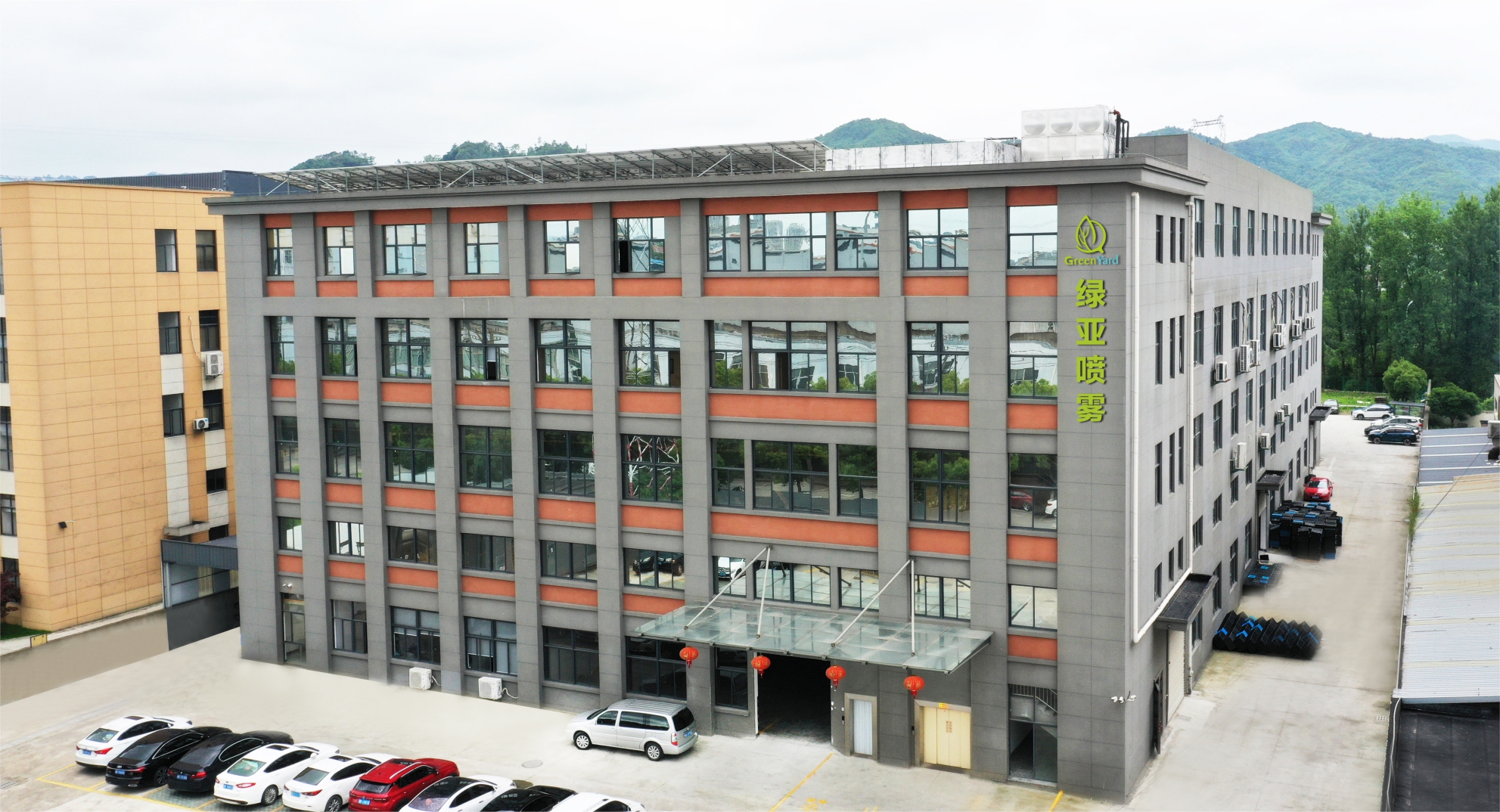 Coming From China, Marketing To The World.
 -
Products
-
News
 English
 Français
 русский
 Español
GY-DS18 7-Gram PP Cosmetic Jar: Compact, Distinctive, and Manufacturing-Ready Packaging for Color Cosmetics
Content
- 1 Product Overview
- 2 Design Advantages for Color Cosmetics
- 3 Material Benefits of Polypropylene
- 4 Applications and Product Development Possibilities
- 5 Advantages Compared with More Conventional Packaging
- 6 Advanced Manufacturing Capabilities
- 7 Manufacturing Strengths of the Supplier
- 8 Development Process for the GY-DS18
- 9 Branding and Customization Opportunities
- 10 Quality, Safety, and Compliance Considerations
- 11 Sustainability and Operational Efficiency
- 12 Why the GY-DS18 Is a Strong Choice for Emerging Brands
- 13 Why the GY-DS18 Is Suitable for Established Cosmetic Programs
- 14 Purchasing and Supplier Communication Checklist
- 15 Frequently Asked Questions
- 15.1 What is the capacity of the GY-DS18?
- 15.2 What material is used for the package?
- 15.3 What products can be filled into the GY-DS18?
- 15.4 Is the product intended only for deodorant?
- 15.5 What makes this package different from a conventional cosmetic jar?
- 15.6 Is the GY-DS18 suitable for travel products?
- 15.7 Can the package be customized?
- 15.8 How is the package manufactured?
- 15.9 Can the supplier support large orders?
- 15.10 What should a customer test before mass production?
- 15.11 Is the package environmentally friendly?
- 15.12 Where is the manufacturer located?
- 16 Conclusion
- 17 References
- 18 Product: GY-DS18 Plastic 7Gram PP Jar
Packaging plays a decisive role in how a cosmetic product is perceived, handled, protected, and ultimately selected by consumers. For compact color cosmetics such as blush, highlighter, and similar face makeup products, the package must do more than hold the formula. It must support convenient use, communicate product value, withstand routine handling, and create a visual impression that separates the product from conventional alternatives.
The GY-DS18 Plastic 7Gram PP Jar is designed for brands seeking a small-format packaging solution with a more distinctive appearance. With a nominal capacity of 7 grams, this compact polypropylene package is suitable for selected color cosmetics and other small personal care formulations. Its design-oriented structure offers an alternative to ordinary cosmetic containers, while its material and manufacturing profile support practical production requirements.
This product is supplied by GreenYard Tools Co., Ltd., a China-based personal care packaging manufacturer with extensive experience in spray products, pump heads, caps, bottles, and daily chemical packaging solutions. The company combines mold design, injection molding, automated assembly, and quality inspection to produce packaging for customers in global markets.
This article examines the GY-DS18’s product characteristics, potential applications, advantages over more conventional packaging, manufacturing strengths, quality considerations, customization opportunities, and selection guidelines for cosmetic brands.
Product Overview
The GY-DS18 is a plastic 7-gram PP jar intended for compact cosmetic applications. The available volume is listed as 7 grams, making the package appropriate for products that require a relatively small fill size and portable format. Its current recommended usage includes blush, highlighter, and similar face makeup products.
Although the product is categorized within a deodorant stick bottle range, its stated usage is broader than deodorant packaging alone. The compact format can be considered for selected makeup, solid cosmetic, balm, cream, or treatment applications, subject to formula compatibility and filling requirements. Brands should verify the precise internal structure, closure arrangement, and filling process before approving the package for a particular formulation.
The package is constructed from PP, or polypropylene. PP is widely used in cosmetic packaging because it can provide a balance of light weight, durability, chemical resistance, and processing flexibility. Its suitability for a specific formulation depends on the formula’s ingredients, storage conditions, temperature exposure, and contact duration. A compatibility test remains important before commercial production.
Product name |
GY-DS18 Plastic 7Gram PP Jar |
Nominal capacity |
7 grams |
Primary material |
Polypropylene plastic |
Suggested applications |
Blush, highlighter, and similar cosmetic products |
Format |
Compact cosmetic jar or small-format packaging component |
Design positioning |
Distinctive alternative to conventional cosmetic packaging |
Manufacturer capabilities |
Mold design, injection molding, automated assembly, and quality inspection |
The compact size is particularly relevant for modern cosmetic lines that include travel formats, trial products, limited-edition colors, professional kits, or products intended for use away from home. A small package can also help brands create a focused product experience when the formula itself is used in small quantities.
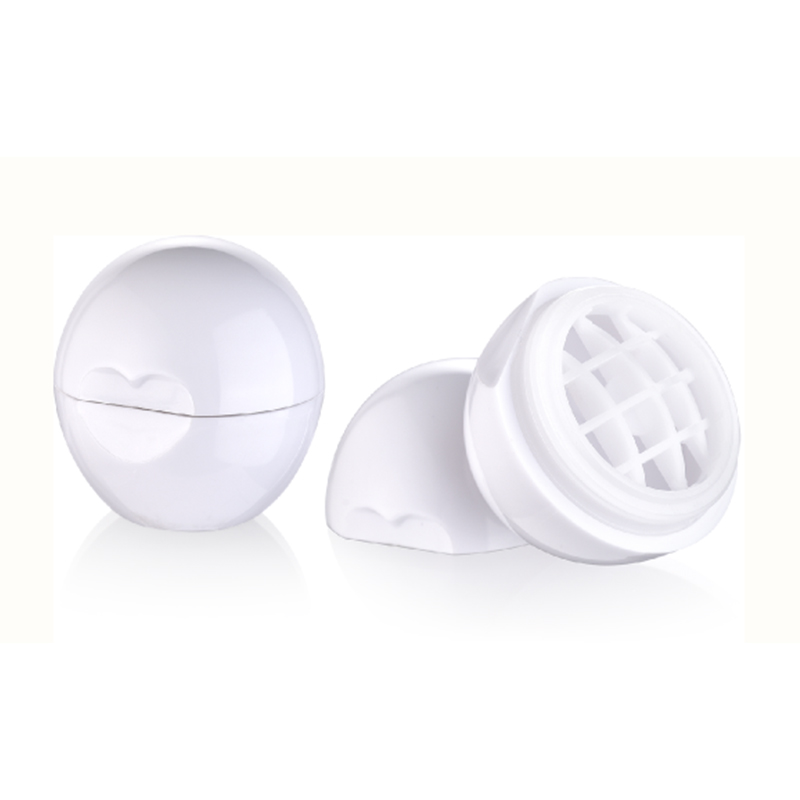
GY-DS18 Plastic 7Gram PP Jar
Design Advantages for Color Cosmetics
One of the most important advantages of the GY-DS18 is its design-oriented appearance. Many small cosmetic packages rely on familiar round jars, simple pans, or standardized containers. While conventional formats can be efficient, they may not provide enough visual distinction in a crowded retail environment. A more carefully considered package shape can help a product appear more contemporary and memorable.
The GY-DS18 is positioned as an alternative for brands that find ordinary packaging styles too conventional. This distinction can be especially valuable for independent cosmetic companies, emerging makeup brands, and product lines targeting consumers who appreciate unusual forms and strong visual identity.
Packaging shape contributes to several aspects of consumer perception. A distinctive container may suggest that the product has been designed with greater attention to detail. It can make the product easier to recognize in a makeup bag, on a vanity, or in a retail display. It may also support a stronger relationship between the physical package and the brand’s broader visual language.
For blush and highlighter products, the package must communicate a sense of beauty, precision, and usability. A design-forward structure can reinforce these qualities without requiring excessive decoration. In some cases, the package itself becomes a central part of the product’s identity, reducing the need for complex external packaging.
Compact Presentation
The 7-gram format allows a brand to present a focused quantity of product in a compact container. This can be useful for color cosmetics with high pigmentation, concentrated formulas, or products designed for targeted application. A smaller package may also be suitable for seasonal shades, sampler collections, travel editions, or promotional sets.
Compact presentation can help brands develop more flexible product portfolios. Instead of using one large package for every shade or formula, a company may use smaller formats to introduce new colors and gather consumer feedback. This approach can reduce the perceived commitment required from customers who want to try a new shade or product type.
Portable Use
Small personal care packaging is often selected for portability. Consumers may carry makeup between home, work, social activities, and travel. A compact package can fit more easily into handbags, cosmetic pouches, and professional makeup cases than a larger container.
The supplied product information describes the packaging as suitable for travel-sized products. The listed capacity is 7 grams; any marketing statement that refers to a different capacity should be corrected before publication and confirmed against the final specification. Accurate capacity communication is important for both consumer trust and regulatory labeling.
Visual Differentiation from Conventional Containers
Competition in cosmetics is not limited to formula performance. Products also compete through color, typography, closure design, tactile quality, shelf presence, and portability. A distinctive jar can provide a point of difference even when several brands offer similar types of blush or highlighter.
Compared with a basic, generic jar, a design-oriented package may offer several commercial benefits:
1. It can create a stronger first impression.
2. It can improve recognition across a product range.
3. It can support premium or contemporary positioning.
4. It can make a limited-edition product feel more special.
5. It can give smaller brands a more individual appearance.
These benefits depend on the complete package system, including decoration, labeling, color selection, closure performance, and formula presentation. The GY-DS18 provides the structural starting point; the brand’s design team can determine how that structure is integrated into the final product identity.
Material Benefits of Polypropylene
Polypropylene is a commonly processed plastic for personal care and cosmetic packaging. Its popularity is linked to a combination of functional and manufacturing characteristics. For a compact jar, these characteristics may include low weight, useful toughness, and the ability to be shaped through injection molding.
Lower packaging weight can be beneficial during handling, storage, and transportation. A lighter container may reduce the overall weight of finished goods, particularly when products are shipped in large quantities. This does not eliminate the need for appropriate protective packaging, but it can contribute to an efficient logistics profile.
PP can also provide a practical balance between rigidity and impact resistance. Cosmetic packaging may experience repeated opening, closing, carrying, and display handling. A properly designed PP component can support these conditions while maintaining a clean appearance.
The material also offers processing flexibility. Injection molding enables manufacturers to produce detailed shapes and repeatable components at commercial scale. This is important for a product such as the GY-DS18, where the design itself is a central selling point.
Formula Compatibility Considerations
Material selection should always be evaluated together with the formula. Blush, highlighter, balm, and other cosmetics can contain oils, waxes, pigments, fragrances, solvents, or active ingredients that interact differently with packaging materials. A package that performs well with one formula may require testing before use with another.
Brands should conduct compatibility testing that reflects the intended product and market. Testing may include long-term storage, elevated-temperature exposure, low-temperature exposure, repeated opening and closing, leakage observation, color change, odor transfer, deformation, and component stress.
Where the product will be used for a cream, balm, or semi-solid formulation, additional attention should be given to filling temperature and cooling behavior. The filling process must not deform the package or create excessive stress in the container. Formula and package testing should be completed using production-representative components rather than only laboratory samples.
Applications and Product Development Possibilities
The stated application of the GY-DS18 includes blush and highlighter. These products are often used in relatively small quantities and can benefit from a compact, attractive package. The package may be suitable for powder, cream, balm, or other formats only after the interior and closure configuration have been verified.
Blush Packaging
Blush products require packaging that supports shade presentation and convenient access. The 7-gram size can be appropriate for a compact blush concept, especially where the formula is highly pigmented or where several shades are offered in a coordinated collection.
A design-oriented container can also help distinguish different blush families. Brands may use coordinated colors, labels, surface finishes, or decorative treatments to separate shades while maintaining a unified visual system. The small footprint is useful for multi-shade launches and travel collections.
Highlighter Packaging
Highlighter products are strongly associated with visual appeal. Consumers often expect the packaging to reflect the illuminating, premium, or expressive character of the product. The GY-DS18’s distinctive form may complement a highlighter line that aims to appear modern and different from standard compacts.
For highlighter products, brands should carefully evaluate how the package presents the shade, finish, and texture. External labeling, color matching, and transparent or decorative elements may influence how the final product appears at the point of sale.
Other Face Makeup Products
The product information identifies “blush, highlighter, etc.” as the intended usage, leaving room for related cosmetic concepts. Potential applications may include selected face balms, color correctors, cream illuminators, contour products, sample formats, and small treatment cosmetics.
These applications should not be treated as automatic approvals. Each formula must be checked for compatibility, filling requirements, dosage, closure security, and user experience. The manufacturer can help determine whether the existing component configuration is suitable or whether customization is required.
Travel and Trial Formats
The compact size is well matched to travel and trial concepts. Travel packaging allows consumers to carry a smaller amount of product, while trial packaging can encourage first-time purchase and sampling. A 7-gram format may also fit gift sets, beauty boxes, promotional kits, and professional makeup collections.
For trial products, the visual quality of the package remains important. A sample container that looks carefully designed can communicate the value of the full-size product more effectively than a generic component. The GY-DS18 offers a way to maintain a distinctive appearance even at a smaller scale.
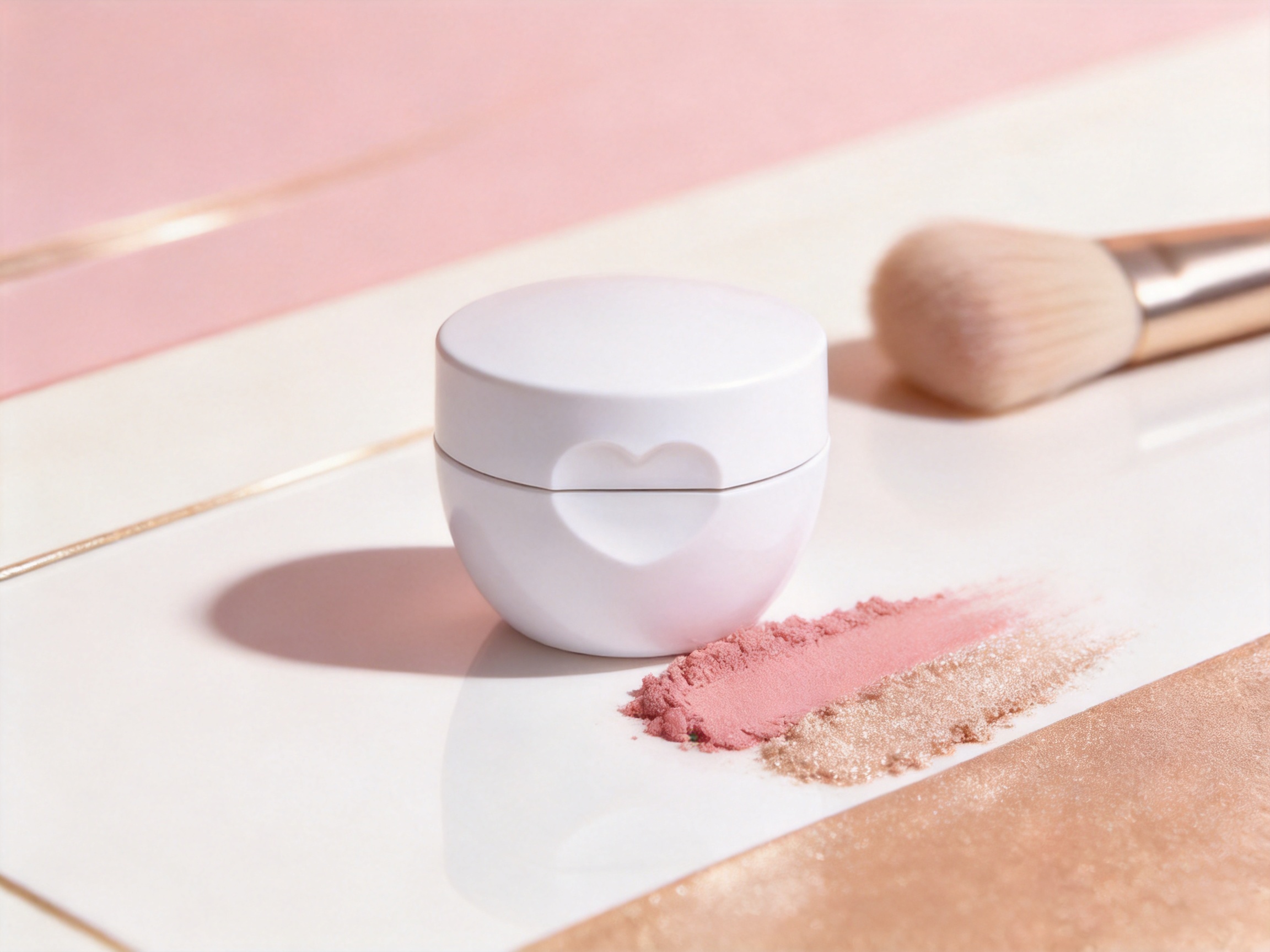
Advantages Compared with More Conventional Packaging
When evaluating cosmetic packaging, competitors may include ordinary jars, standard pans, simple plastic pots, and other compact containers. The GY-DS18 does not compete only on capacity. Its main point of difference is the combination of compact size, PP construction, and a more design-focused appearance.
Distinctive Form Factor
A standard container may be easy to source, but it can also look similar to many products already on the market. The GY-DS18 is intended for brands that want a less conventional presentation. This can be particularly useful when product differentiation is a priority.
A distinctive form factor may strengthen shelf visibility and online product photography. Cosmetic packaging is frequently displayed in digital environments where the silhouette, proportion, and surface finish are visible before the consumer reads the product details. A recognizable package can therefore contribute to product identification across marketing channels.
Small-Format Efficiency
A 7-gram package gives brands an option between very small sample packaging and larger full-size containers. This middle position can be useful for products that need enough content for repeated use but do not require a large package.
Compared with an oversized container, a compact package can reduce unused space and support a more proportionate presentation. Compared with an extremely small sample, it may provide a more practical quantity for consumers who want regular use in a portable format.
Branding Flexibility
Small packaging can be customized through color, decoration, labeling, printing, surface treatment, and component combinations. The specific options depend on the mold, material, order quantity, and production process, but the PP injection-molded structure provides a useful foundation for design development.
Brands can use the package to create a visual relationship among different product categories. For example, the same design language may be carried across blush, highlighter, and treatment products, while colors and labels distinguish each formula. This can create a more coherent collection than using unrelated stock containers.
Practical Production Potential
A product supplied by an established packaging manufacturer can offer advantages beyond the physical component. Production experience, mold capability, assembly systems, and quality inspection can help reduce avoidable problems during development.
The manufacturer’s stated daily production capacity of one million units indicates substantial production infrastructure. Capacity alone does not guarantee that every order will achieve the same schedule or quality level, but it suggests that the company is equipped to support volume-oriented packaging programs when specifications, tooling, and quality standards are clearly defined.
Advanced Manufacturing Capabilities
The performance of a cosmetic package depends heavily on how it is designed and manufactured. A good concept must be converted into a moldable, repeatable, and inspectable component. GreenYard Tools Co., Ltd. reports capabilities in mold design, injection molding, automated assembly, and quality inspection, providing an integrated manufacturing foundation for personal care packaging.
Mold Design
Mold design is the first major step in converting a packaging concept into a production component. For a compact package with a distinctive appearance, the mold must reproduce the intended geometry accurately while supporting efficient production and reliable demolding.
Important design considerations include wall thickness, draft angles, gate location, cooling layout, parting lines, shrinkage, tolerance control, and the relationship between individual components. These factors influence appearance, dimensional stability, assembly performance, and production yield.
A manufacturer with in-house or closely managed mold design capability can identify potential production issues earlier. For example, an attractive shape may require adjustment if a particular area is too thin, difficult to fill, vulnerable to warpage, or likely to show visible flow marks. Early engineering review helps balance design ambition with manufacturing practicality.
Injection Molding
Injection molding allows molten PP to be formed into repeatable packaging components. The process requires controlled material preparation, mold temperature, injection pressure, holding pressure, cooling time, and cycle management. Stable processing conditions help produce consistent dimensions and surface appearance.
For cosmetic packaging, visual quality is especially important. Small defects such as sink marks, short shots, flash, weld lines, scratches, or color variation can affect the consumer’s impression. Process control and regular inspection are therefore essential.
Injection molding also supports efficient production of complex or design-oriented shapes. Compared with manually fabricated packaging, molded components can provide greater consistency across large quantities. This repeatability is valuable for brands that need the same package across multiple production batches.
Automated Assembly
Automated assembly can improve consistency in the joining of packaging components. It may help control assembly force, alignment, speed, and repeatability. Automation is especially useful when a product contains multiple pieces that must fit together accurately.
For a compact jar or small-format cosmetic package, correct assembly is important because small dimensional variations can affect closure fit, appearance, and user experience. Automated processes can reduce dependence on manual handling and support a more stable production rhythm.
Automation may also improve production efficiency for large orders. When combined with suitable inspection points, it can help identify missing, misaligned, or incorrectly assembled components before products leave the manufacturing line.
Quality Inspection
Quality inspection is necessary to verify that manufactured packaging meets the agreed specifications. Inspection may cover visual appearance, dimensions, component fit, closure performance, material condition, color consistency, and functional behavior.
For customers developing the GY-DS18, a quality agreement should define acceptable standards before mass production. This may include approved samples, color references, dimensional drawings, defect classifications, sampling plans, and packaging requirements for shipment.
Inspection should occur at several stages rather than only at the end. Incoming material checks, first-piece approval, in-process inspection, assembly inspection, and final inspection can work together to prevent defects from moving through the production system.
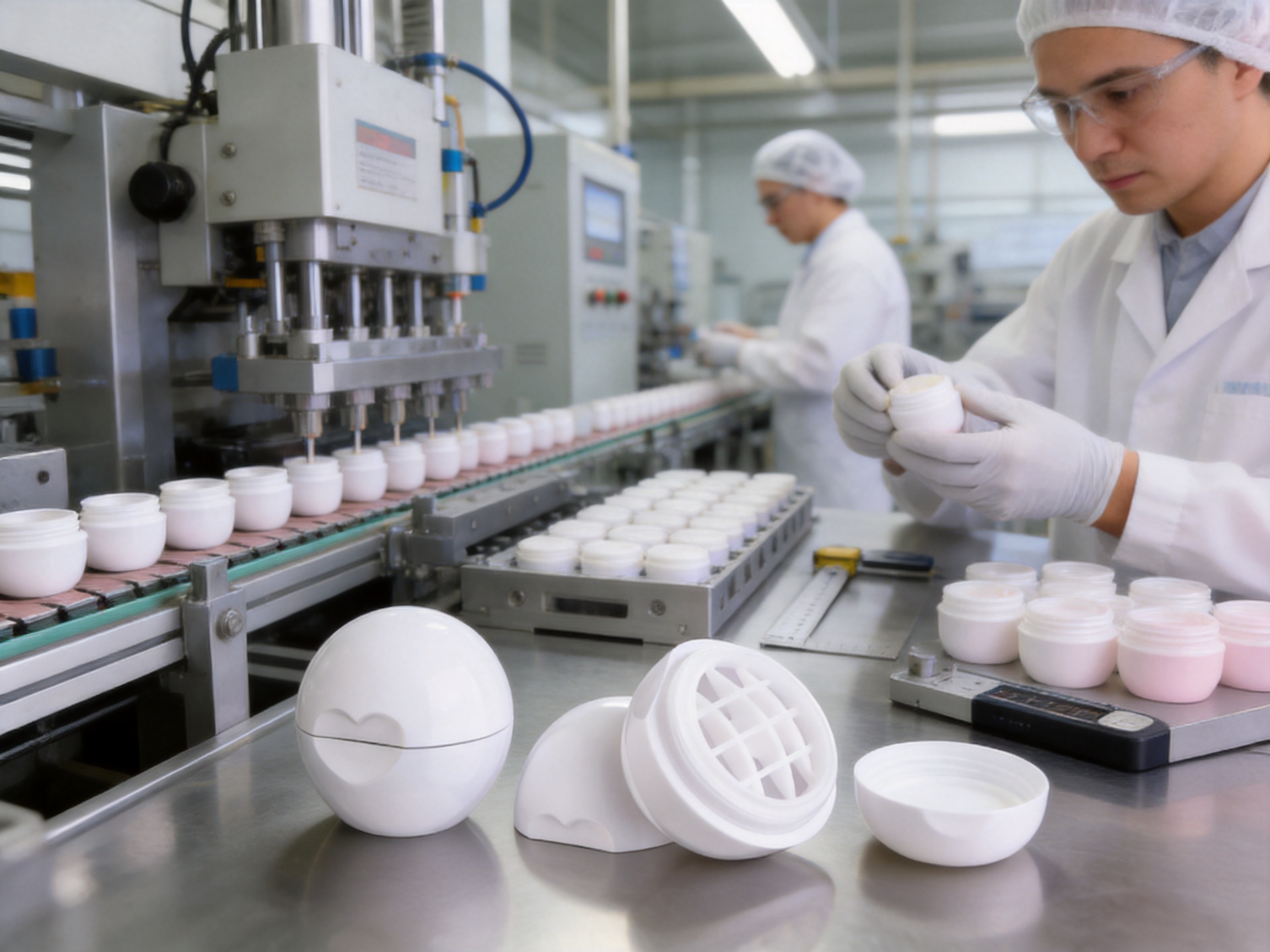
Manufacturing Strengths of the Supplier
GreenYard Tools Co., Ltd. describes itself as a high-end packaging material manufacturer from China with 16 years of experience in spray product manufacturing. Its product range includes perfume sprayers, pump heads, caps, bottles, and daily chemical packaging solutions.
This background is relevant to buyers of the GY-DS18 because cosmetic packaging programs frequently involve more than one component type. A brand may require a jar for one product, a pump for another, and a cap or bottle for a third. A supplier with experience across multiple personal care packaging categories may be able to provide broader technical coordination.
Integrated Product Development
The combination of design, molding, assembly, and inspection capabilities can simplify communication during development. Instead of separating every stage among unrelated suppliers, a customer may be able to discuss the product concept, tooling, component production, and assembly requirements within one manufacturing system.
This integrated approach can help reduce misunderstandings concerning dimensions, material, color, tolerances, and assembly sequence. It can also make it easier to investigate problems because the supplier has visibility into more stages of the production process.
High Production Capacity
The company reports a daily production capacity of one million units. This capacity is significant for brands that need repeat orders, regional launches, promotional campaigns, or multi-market distribution. A capable production base can support larger programs while maintaining standardized processes.
Customers should still confirm actual capacity allocation, lead time, minimum order quantity, tooling status, raw material availability, and inspection arrangements for each project. Production capacity is most valuable when it is matched with clear scheduling and reliable order management.
Design and Innovation Support
The company also reports a dedicated design team and a focus on product innovation. This may benefit brands that have a general packaging direction but need assistance converting that direction into a manufacturable component.
Design support can include reviewing the package silhouette, suggesting practical material choices, identifying assembly risks, and adapting a concept to injection molding. The goal should be to preserve the brand’s intended appearance while ensuring the package can be produced consistently and economically.
Global Market Orientation
The supplier provides packaging solutions for global markets. International customers commonly require careful documentation, consistent specifications, export packaging, communication across time zones, and awareness of different market expectations.
Brands should discuss labeling, material declarations, testing documents, shipping arrangements, and applicable regulatory obligations at the beginning of the project. A global supplier can support these discussions, but the product owner remains responsible for ensuring that the finished cosmetic and packaging meet the requirements of each intended market.
Development Process for the GY-DS18
A successful packaging project should follow a structured development process. Even when the package is an existing model, the customer should evaluate the component against the intended formula, filling method, branding requirements, and distribution conditions.
Step One: Define the Product Brief
The brand should begin by defining the cosmetic product, target fill quantity, formula type, expected shelf life, sales channels, and intended consumer. The stated capacity for the GY-DS18 is 7 grams, but the actual fill weight may vary depending on formula density and filling method.
The brief should also identify whether the product is a powder, cream, balm, pressed product, or another format. It should describe the desired closure behavior, decoration, color, finish, and level of customization.
Step Two: Review Technical Drawings and Samples
Before placing a production order, customers should request available technical information and physical samples. Important items include external dimensions, internal dimensions, component weight, material specification, closure details, usable fill volume, and tolerance information.
Samples should be examined for appearance, handling, opening and closing, portability, stability, and compatibility with the intended filling equipment. If the product is to be filled by a contract manufacturer, the sample should be tested on the actual or representative production line.
Step Three: Conduct Formula Compatibility Testing
Compatibility testing should be conducted with the final or production-equivalent formula. The package should be exposed to realistic storage conditions and evaluated for leakage, deformation, discoloration, odor, surface change, and formula alteration.
Testing should consider both the package and the closure. A container can appear suitable during a short evaluation but perform differently after repeated opening, temperature cycling, or prolonged contact with an oily or solvent-containing formula.
Step Four: Confirm Decoration and Branding
Once the package is technically approved, the brand can finalize decoration. Options may include molded color, printing, labeling, hot stamping, coating, or other surface treatments. The selected method should be evaluated for adhesion, abrasion resistance, color consistency, and compatibility with the package’s shape.
Small containers require careful artwork preparation because limited surface area can make text difficult to read. Regulatory information, shade names, batch identification, and other required markings should be planned before the decoration process is approved.
Step Five: Approve Pre-Production Samples
Pre-production samples should represent the final material, color, mold, decoration, and assembly process. Approval of a sample made through a different method may not provide sufficient assurance for mass production.
The approved sample should be retained as a reference. Any later changes to material, colorant, mold, decoration, or assembly should be reviewed and approved through a controlled process.
Step Six: Establish Mass Production Controls
Mass production should follow documented specifications and inspection procedures. The customer and supplier should agree on the acceptable quality level, sampling frequency, defect categories, shipment quantities, and packaging configuration.
Clear communication at this stage helps avoid disagreements after production. It also supports repeatability when the brand places additional orders or expands the product into new shades and markets.
Branding and Customization Opportunities
The GY-DS18 can serve as a foundation for different brand styles. A minimalist brand may choose a clean monochrome finish, while a colorful makeup line may use contrasting component colors to emphasize shade identity. A premium collection may combine carefully selected colors with restrained decoration and high-quality surface treatment.
Customization can extend beyond appearance. Depending on technical feasibility, customers may discuss material color, surface finish, logo placement, decorative details, component combinations, and packaging accessories. The exact range of options should be confirmed with the manufacturer because every customization can influence tooling, cost, minimum order quantity, and lead time.
Designers should consider the package in the hand as well as on the shelf. The user should be able to identify the opening area, hold the package securely, and access the product without unnecessary difficulty. A distinctive design is most successful when visual appeal and usability work together.
For a product range, the GY-DS18 can help establish a recognizable family appearance. Different shades may be identified through labels or color accents, while the main container remains consistent. This approach can make a collection appear organized and professional.
Quality, Safety, and Compliance Considerations
Cosmetic packaging must be evaluated as part of the finished product system. The package should be clean, stable, and suitable for its intended use. The brand should maintain documentation for material specifications, test results, approved samples, and production inspections.
PP selection should be verified against the supplier’s material documentation and the customer’s market requirements. Where applicable, brands may require information regarding restricted substances, recycled content, recyclability, heavy metals, or other environmental and regulatory topics.
Packaging should also be assessed for transportation. Finished goods may experience vibration, compression, impact, temperature variation, and humidity during shipping. Secondary packaging should protect the individual units and prevent scratches, deformation, or component separation.
Where the product is intended for children or vulnerable users, additional safety considerations may apply. The suitability of the closure and the overall product presentation should be reviewed according to the relevant market requirements.
It is also important to distinguish packaging capacity from product fill weight. A nominal 7-gram package does not necessarily mean that every formula can be filled to exactly 7 grams. Density, product behavior, headspace, filling equipment, and legal labeling requirements must all be considered.
Sustainability and Operational Efficiency
Modern cosmetic brands increasingly evaluate packaging through both performance and environmental considerations. The GY-DS18’s compact form may help reduce the amount of material and transport space required compared with a larger package, although the actual environmental impact depends on total component weight, decoration, secondary packaging, shipping distance, production energy, and end-of-life conditions.
PP is widely recognized as a recyclable plastic in many collection systems, but recyclability depends on local infrastructure and the complete package design. Mixed materials, coatings, labels, adhesives, and embedded components can affect recycling outcomes. Brands should obtain accurate material information and avoid making broad environmental claims without appropriate evidence.
Efficient manufacturing can also contribute to responsible resource use. Stable injection molding processes, controlled cycle times, reduced defects, and effective material management can help minimize waste. Automated assembly may support consistent production and reduce rework when properly monitored.
Customers interested in sustainability should discuss resin options, post-consumer recycled content, decoration methods, component separation, and shipping efficiency with the supplier. These decisions should be balanced against formula protection, durability, appearance, and regulatory requirements.
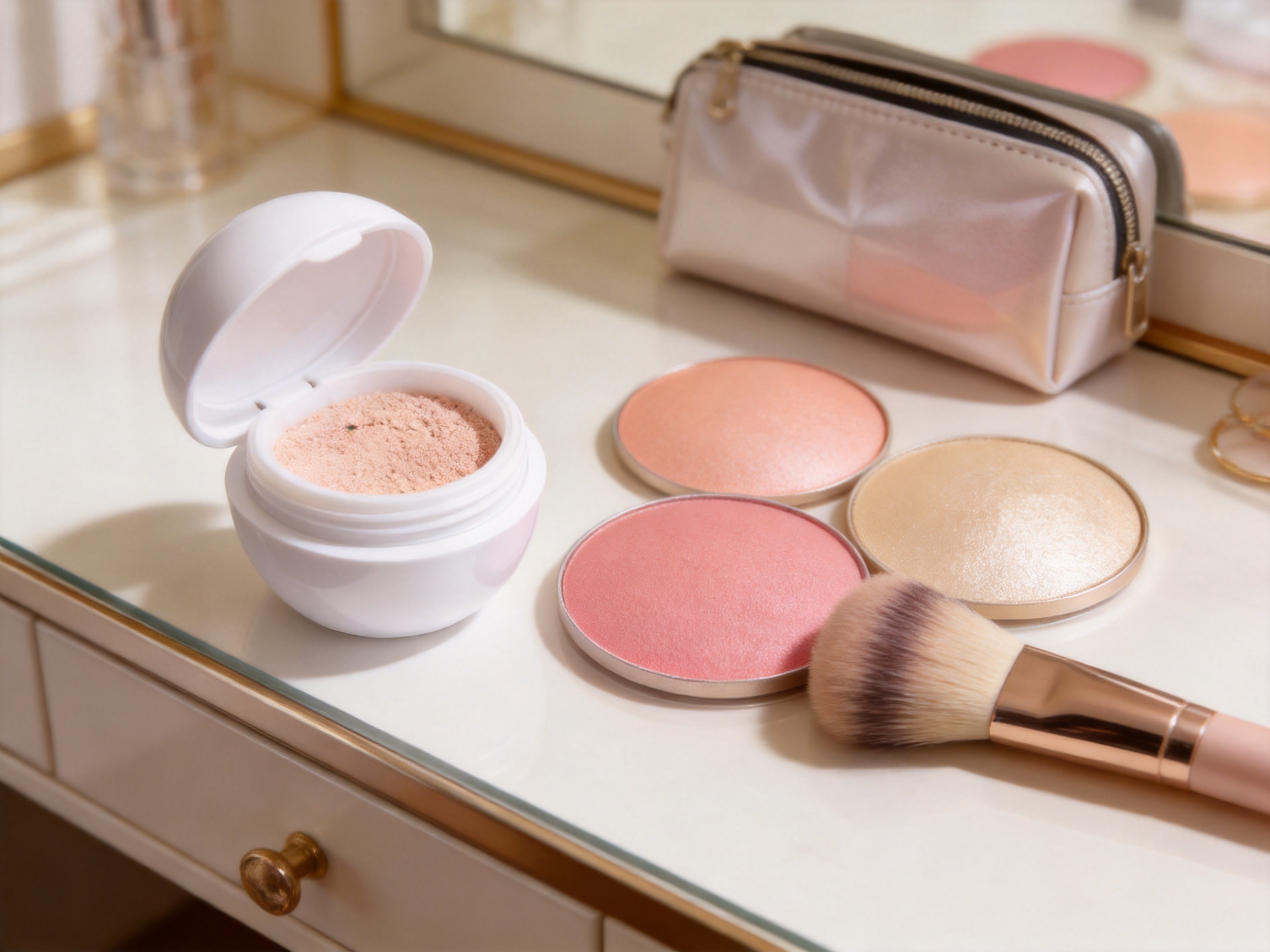
Why the GY-DS18 Is a Strong Choice for Emerging Brands
Emerging brands often need packaging that looks distinctive without requiring a completely new concept for every product. The GY-DS18 offers a compact and design-oriented structure that can help a smaller brand create a recognizable product identity.
The 7-gram format may be practical for launching a focused range. A brand can introduce a limited number of blush or highlighter shades, test consumer response, and expand the collection according to demand. The package can also support smaller production runs when available stock options are selected, although order quantities and customization requirements must be confirmed.
Emerging companies may also benefit from a supplier with broad personal care packaging experience. A business that begins with a compact makeup jar may later require perfume sprayers, caps, bottles, lotion pumps, or other packaging components. Working with a supplier experienced in multiple categories can help create more consistent sourcing and technical communication.
Why the GY-DS18 Is Suitable for Established Cosmetic Programs
Established brands may use the GY-DS18 for limited editions, regional collections, professional kits, travel sizes, promotional campaigns, or special collaborations. A distinctive package can introduce variety without requiring the brand to redesign its entire packaging system.
High production capacity can be relevant when a successful product moves quickly from a pilot launch to larger-scale distribution. The supplier’s reported daily capacity of one million units provides a production foundation for higher-volume programs, subject to scheduling and product-specific requirements.
Established brands may also value process documentation and repeatability. For long-term programs, the supplier should preserve approved specifications, color standards, mold records, inspection criteria, and assembly parameters. These controls help maintain consistency across repeat orders.
Purchasing and Supplier Communication Checklist
Before requesting a quotation, customers should prepare a clear list of technical and commercial questions. This enables the supplier to provide a more accurate evaluation and reduces delays during product development.
Recommended questions include:
1. Is the listed capacity confirmed as 7 grams for the customer’s intended formula?
2. What are the external and internal dimensions?
3. What is the component weight?
4. Which PP grade is used, and is material documentation available?
5. Is the current product suitable for powder, cream, balm, or other formulations?
6. What closure or assembly options are available?
7. What decoration and color customization methods can be provided?
8. What is the minimum order quantity for stock and customized versions?
9. What are the tooling charges if modifications are required?
10. What are the sample and mass-production lead times?
11. What quality inspection procedures are used?
12. How are finished units packed for export shipment?
13. Can the package be tested with the customer’s formula and filling method?
14. What documentation is available for international markets?
These questions help transform a general packaging inquiry into a practical product-development plan.
Frequently Asked Questions
What is the capacity of the GY-DS18?
The listed capacity is 7 grams. The actual usable fill weight should be confirmed with the intended formula because density, texture, headspace, and filling conditions can affect the final quantity.
What material is used for the package?
The product is described as a PP jar, meaning the primary plastic material is polypropylene. Customers should request the detailed material specification and confirm compatibility with the final cosmetic formula.
What products can be filled into the GY-DS18?
The stated applications include blush, highlighter, and similar face makeup products. Other formulas may be possible, but they should be evaluated through compatibility, filling, closure, and stability testing.
Is the product intended only for deodorant?
The product is listed within a deodorant stick bottle category, but the supplied usage information specifically identifies blush and highlighter applications. Customers should confirm the intended configuration and use with the manufacturer before ordering.
What makes this package different from a conventional cosmetic jar?
Its primary difference is its design-oriented appearance. It is positioned as a stylish alternative to more ordinary packaging formats, giving brands an opportunity to create a more distinctive visual presentation.
Is the GY-DS18 suitable for travel products?
Its compact 7-gram format may be suitable for travel-sized, trial, gift-set, or portable cosmetic products. The final suitability depends on closure security, formula stability, and the requirements of the intended distribution environment.
Can the package be customized?
Customization options may include color, decoration, surface treatment, labeling, and other component details. The available options, minimum order quantity, tooling requirements, and lead time should be confirmed with the manufacturer.
How is the package manufactured?
The supplier reports capabilities in mold design, injection molding, automated assembly, and quality inspection. These processes support the production of repeatable plastic packaging components and help manage design, assembly, and quality requirements.
Can the supplier support large orders?
The company reports a daily production capacity of one million units. Actual order capacity and lead time depend on the product configuration, current production schedule, customization level, raw material availability, and approved quality requirements.
What should a customer test before mass production?
Customers should test formula compatibility, fill weight, filling performance, closure fit, leakage resistance, temperature stability, repeated opening and closing, decoration durability, transportation performance, and overall appearance.
Is the package environmentally friendly?
The package uses PP, which may be recyclable in locations with suitable collection and processing systems. Environmental performance depends on the full package design, decoration, material weight, shipping, and local recycling infrastructure. Sustainability claims should be supported by accurate technical information.
Where is the manufacturer located?
The manufacturer is located in Yuyao City, Zhejiang Province, China. Its listed address is No. 97-1 Fengyi Road, Lanjiang Street, Yuyao City, Zhejiang Province, China.
Conclusion
The GY-DS18 Plastic 7Gram PP Jar offers a compact packaging option for blush, highlighter, and related cosmetic products. Its 7-gram format supports portability, trial concepts, travel collections, shade launches, gift sets, and small-format product strategies. More importantly, its design-oriented appearance provides an alternative to conventional cosmetic containers that may appear generic or visually interchangeable.
The use of PP supports a practical balance of weight, durability, and injection-molding flexibility, while the supplier’s reported capabilities in mold design, injection molding, automated assembly, and quality inspection provide a manufacturing foundation for consistent production.
GreenYard Tools Co., Ltd. brings 16 years of spray product manufacturing experience, a broad personal care packaging portfolio, a dedicated design team, and a reported daily production capacity of one million units. These strengths can be valuable for both emerging brands seeking distinctive packaging and established companies developing special editions, travel products, or coordinated cosmetic collections.
As with any cosmetic package, final approval should be based on technical drawings, samples, formula compatibility testing, filling trials, decoration evaluation, quality standards, and market-specific compliance review. When these steps are completed carefully, the GY-DS18 can combine practical compactness with a recognizable appearance and scalable manufacturing support.
References
GreenYard Tools Co., Ltd. Product Information Sheet: GY-DS18 Plastic 7Gram PP Jar.
GreenYard Tools Co., Ltd. Corporate Manufacturing Profile: Personal Care Packaging and Spray Product Manufacturing Capabilities.
GreenYard Tools Co., Ltd. Technical Product Categories: Crimp Pumps, Fine Mist Sprayers, Lotion Pumps, Treatment Pumps, Foam Pumps, Droppers, Caps, Airless Bottles, Deodorant Stick Bottles, Cream Jars, Trigger Sprayers, Plastic Bottles, and Roll-On Bottles.
Polypropylene Packaging Materials: General Properties, Injection Molding Considerations, and Cosmetic Compatibility Evaluation Principles.
Cosmetic Packaging Development Guidelines: Formula Compatibility, Stability Testing, Quality Inspection, Decoration Durability, and Transportation Evaluation.
Personal Care Packaging Manufacturing Practices: Mold Design, Injection Molding, Automated Assembly, Process Control, and Finished-Component Inspection.
Product: GY-DS18 Plastic 7Gram PP Jar

-
Amber Plastic Bottles: Lightweight, Protective, Customizable Packaging for Cosmetics
You have spent months stabilizing a vitamin C serum, only to watch a pallet of amber glass bottles ...
-
Crimp Pumps Demystified: Choosing the Right Type and Material for Every Cosmetic Formula
Walk into any cosmetic filling facility and you will find crimp pumps on everything from a delicate ...
-
How Glass Airless Bottle Packaging Prevents Contamination and Boosts Shelf Life?
Glass airless bottle packaging prevents contamination and extends shelf life by completely eliminat...
-
What Makes a Good Deodorant Stick Bottle for Brands?
A deodorant stick bottle is a twist-up or push-up dispensing container designed to hold and advance...
Copyright © GreenYard Tools Co.,ltd. All Rights Reserved.
Personal Care Packaging Manufacturer Custom Perfume Sprayers Factory