
-
About Us
Why Choose Us?The company possesses advanced capabilities in mold design, injection molding, and automated assembly, supported by a professional quality inspection team to ensure product reliability. A dedicated design team continuously drives product innovation, providing customers with high-quality spray solutions.
 Coming From China, Marketing To The World.
 -
Products
-
News
 English
 Français
 русский
 Español
Custom Aluminium Thread Perfume Mist Sprayer for Modern Personal Care Packaging
Content
- 1 Understanding the Aluminium Customized Thread Perfume Mist Sprayer
- 2 Why Fine-Mist Performance Matters
- 3 Advantages of the Screw-Thread Design
- 4 Customized Tube Length for Different Bottle Designs
- 5 Durable Aluminium Construction and Premium Appearance
- 6 Product Advantages Compared with Less Flexible Alternatives
- 7 Manufacturing Capabilities Behind Reliable Spray Packaging
- 8 Quality Control for the GY-401C1 Sprayer
- 9 Applications Across Personal Care and Home Fragrance
- 10 Packaging Development from Concept to Mass Production
- 11 Supply Strength and Customer Support
- 12 How the Sprayer Supports Brand Positioning
- 13 Environmental and Efficiency Considerations
- 14 Important Selection Questions for Buyers
- 15 Frequently Asked Questions
- 15.1 What is the GY-401C1 sprayer used for?
- 15.2 What thread sizes are available?
- 15.3 Is the tube length fixed?
- 15.4 Does the sprayer use a screw thread?
- 15.5 Why is aluminium used for the sprayer exterior?
- 15.6 Is the product a traditional crimp pump?
- 15.7 Can the sprayer be used for thick formulas?
- 15.8 How can dosage consistency be evaluated?
- 15.9 How should leakage be tested?
- 15.10 Can the sprayer support custom packaging projects?
- 15.11 What manufacturing capabilities support this product?
- 15.12 Is the product suitable for international supply?
- 16 Conclusion
- 17 References
- 18 Product: Aluminium Customized Thread Perfume Mist Sprayer
Packaging plays a central role in how consumers experience perfumes, pillow mists, facial mists, and other personal care products. A well-designed package must protect the formula, support convenient use, provide a controlled dosage, and communicate quality from the first touch. The aluminium customized thread perfume mist sprayer, model GY-401C1, is designed to meet these requirements through a combination of fine-mist performance, screw-thread flexibility, lightweight construction, and tube-length customization.
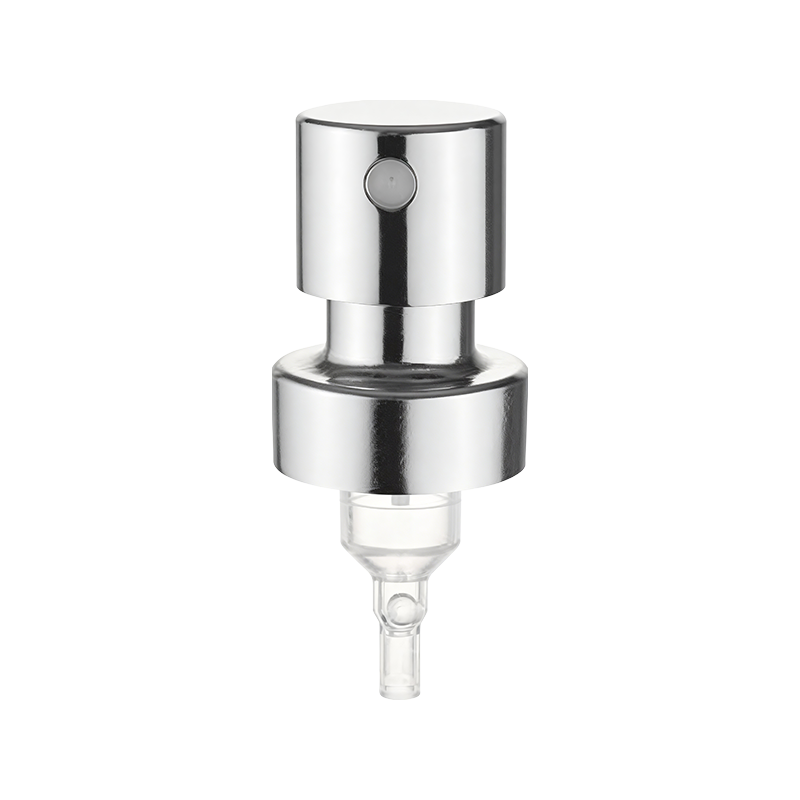
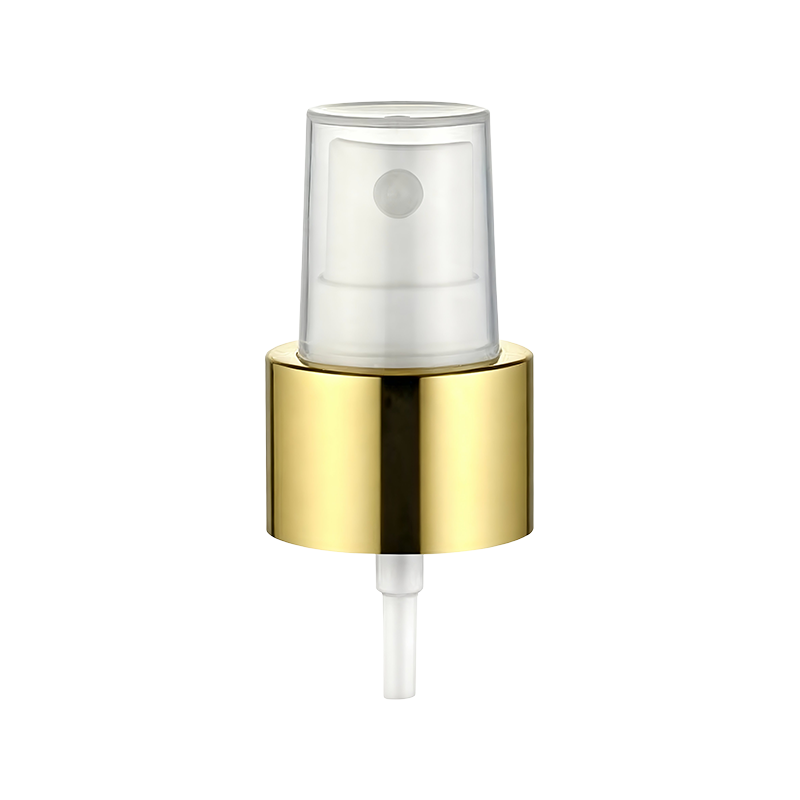
With a nominal dosage of 0.06 milliliters per spray, this crimp pump is suitable for applications that require a controlled and consistent mist. Its available thread options include 20-410, 24-410, and 28-410, while the tube length can be customized according to the bottle design. The screw-thread structure allows the sprayer to be used with a variety of glass and aluminium containers, offering packaging developers greater flexibility than a single fixed-neck solution.
This article explains the product’s construction, performance characteristics, packaging advantages, application possibilities, customization options, quality considerations, and manufacturing strengths. It also describes how an experienced packaging manufacturer can support customers from product concept and mold development through automated assembly, inspection, and large-volume supply.
Understanding the Aluminium Customized Thread Perfume Mist Sprayer
The GY-401C1 is a fine-mist perfume sprayer in the crimp pump category. It is intended for packaging products that are applied in a light, even spray rather than through a stream, lotion, foam, or broad trigger action. Typical applications include perfume, pillow mist, facial mist, and similar personal care or home-fragrance products.
The sprayer combines an aluminium exterior with an internal pump mechanism and a screw-thread connection. The aluminium construction gives the component a refined appearance and supports a premium packaging concept, while the threaded connection provides a practical alternative to permanently crimped closures. Instead of relying on only one fixed neck finish, the screw-thread design can be adapted to different bottle-neck requirements within the available size range.
The product is designed around a 0.06-milliliter dosage. In practical terms, every actuation is intended to release a small, controlled amount of product in a fine mist. This dosage is appropriate for products such as perfume and facial mist, where users generally prefer light application and an even distribution across the skin, clothing, hair, linens, or surrounding space.
Product characteristic | Specification or benefit |
Product type | Aluminium customized thread perfume mist sprayer |
Product category | Crimp pump |
Model | GY-401C1 |
Dosage | 0.06 milliliters per spray |
Thread size options | 20-410, 24-410, and 28-410 |
Tube length | Customized according to bottle requirements |
Recommended applications | Perfume, pillow mist, facial mist, and related spray products |
Container compatibility | Suitable for compatible glass and aluminium bottles |
Connection design | Screw-thread design for secure fitting and flexible packaging development |
Why Fine-Mist Performance Matters
A fine-mist pump does more than simply move liquid from a bottle into the air. The quality of the spray directly influences the user’s perception of the product. A spray that is too wet, uneven, or concentrated can feel uncomfortable and may cause unnecessary product waste. A spray that is too weak or inconsistent can reduce user satisfaction and make it difficult to apply the formula evenly.
The 0.06-milliliter dosage of this sprayer is intended to support controlled application. For perfume, this helps users build fragrance intensity gradually. A consumer may use one or two sprays for a subtle effect or several sprays for a stronger presence. For facial mist, the dosage helps deliver a light layer across the face without creating an excessive stream of liquid. For pillow mist, it supports a delicate distribution over fabric and bedding.
Consistent dosage is also important for product planning. Brand owners can estimate the approximate number of sprays available from a bottle based on its fill volume and intended use. Although actual spray count depends on formula properties, pump tolerance, priming, and user behavior, a defined nominal dosage provides a useful reference for packaging design, product testing, and consumer instructions.
Fine-mist delivery can also contribute to a more premium product experience. Consumers often associate a smooth, evenly distributed mist with careful engineering and higher product quality. When the pump action feels stable and the mist pattern is comfortable, the package becomes part of the overall sensory identity of the product.
Controlled Application for Perfume
Perfume formulas are commonly used in small quantities, and precise application is a major part of the consumer experience. The GY-401C1 is designed to provide a measured mist rather than a large liquid discharge. This supports application to pulse points, clothing, or the surrounding air while helping users avoid excessive wetness.
The sprayer is suitable for a wide range of fragrance packaging concepts, including compact personal fragrance bottles, travel-size formats, gift sets, and larger decorative bottles. The exterior can complement glass or aluminium containers and can be incorporated into packaging systems that emphasize elegance, portability, and ease of use.
Light Coverage for Facial Mist
Facial mist products require a spray that feels comfortable on the skin. A fine and controlled dosage can help distribute the formula across the face without concentrating too much liquid in one area. This is especially useful for hydrating mists, refreshing sprays, makeup-setting products, and other lightweight facial applications.
Formula compatibility remains important. Before mass production, the pump and formula should be tested together to confirm spray quality, priming performance, leakage resistance, chemical compatibility, and long-term storage behavior. The sprayer provides a strong packaging platform, but final performance depends on the relationship between the pump, the liquid, the bottle, and the closure interface.
Gentle Distribution for Pillow Mist
Pillow mist is generally applied to bedding, pillows, curtains, or other fabric surfaces. A fine spray can help distribute fragrance without saturating the material. The 0.06-milliliter nominal dosage is well suited to applications where a light and controlled release is preferred.
The screw-thread connection can also support different bottle designs, including small bedroom-friendly formats and decorative bottles intended for hospitality, wellness, or home-fragrance collections. A customized dip tube helps the pump reach the liquid efficiently in containers with different heights and shapes.
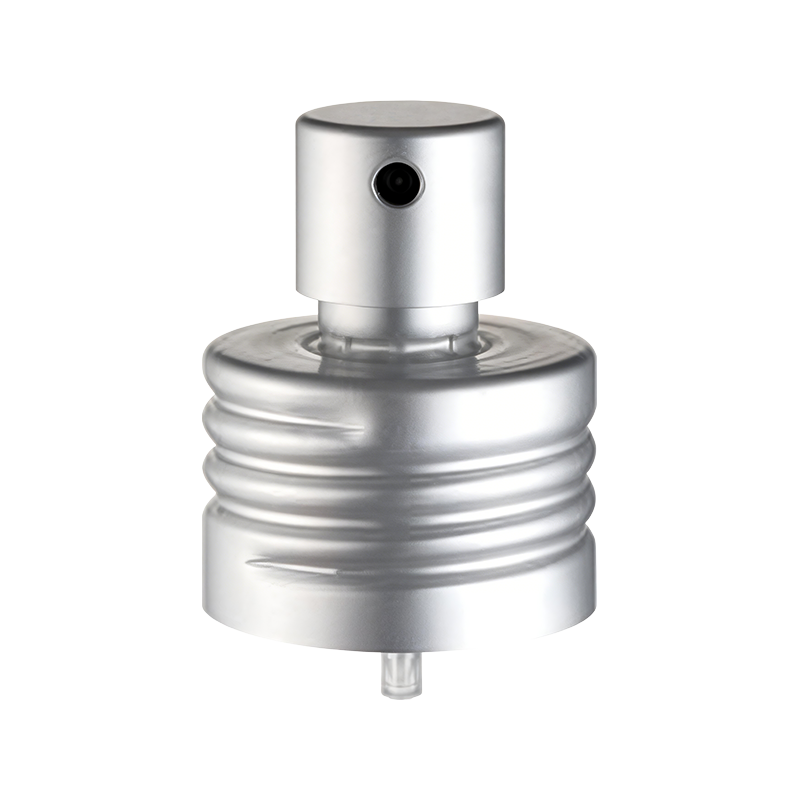
Aluminium Customized Thread Perfume Mist Sprayer
Advantages of the Screw-Thread Design
One of the most important features of the product is its screw-thread connection. Traditional crimp-style perfume pumps are often installed permanently onto a specific bottle neck using specialized crimping equipment. While that format can provide a clean and secure result, it may limit flexibility during product development, filling, sampling, and packaging changes.
The screw-thread structure of the GY-401C1 provides an alternative approach. The sprayer can be designed to match compatible bottle-neck sizes, allowing the packaging team to select from different glass and aluminium containers. This flexibility can simplify packaging development and support a broader range of bottle concepts.
Flexible Bottle Selection
The availability of 20-410, 24-410, and 28-410 thread options gives packaging developers several standard size directions. These options can be used for different bottle diameters, shoulder designs, capacities, and visual proportions. A smaller thread may suit a compact bottle, while a larger thread can support a wider container with a more substantial appearance.
Thread selection should be confirmed against the bottle neck finish, thread profile, sealing surface, closure height, and internal dip-tube position. A correct match is necessary to achieve a secure connection and reliable sealing performance. Packaging engineers can use the available options as a starting point and then confirm the complete bottle-and-pump assembly through samples and testing.
Convenient Assembly and Replacement
A threaded sprayer can be easier to install, remove, and replace than a permanently crimped component. This may be useful for certain packaging operations, refill concepts, testing programs, and small-batch product launches. The exact filling and assembly process should be defined according to the customer’s equipment and production requirements, but the threaded format provides practical flexibility during handling.
For product developers who frequently adjust bottle shapes, labels, or decorative components, a customizable threaded pump can reduce dependence on one fixed packaging configuration. It may also make it easier to compare different bottles during the sample stage without redesigning the entire pump system.
Secure Connection and Leak Protection
A screw thread creates a mechanical connection between the sprayer and bottle. When the neck finish, thread dimensions, gasket or sealing element, and tightening conditions are properly matched, the assembly can provide a secure and leak-resistant seal. The threaded cap also helps the component remain aligned with the bottle during use.
Leak resistance should always be verified through the appropriate testing process. Testing may include upright storage, inverted storage, side storage, vibration, transportation simulation, temperature cycling, and repeated actuation. The result depends on the complete package rather than the pump alone, so the sprayer should be evaluated with the final bottle and formula.
Customized Tube Length for Different Bottle Designs
The dip tube is a small but essential part of a spray pump. It reaches from the pump mechanism into the product and allows the liquid to be drawn upward during actuation. If the tube is too short, the pump may not efficiently access the remaining formula near the bottom of the bottle. If it is too long, it may bend excessively, interfere with the bottle base, or affect the appearance and function of the package.
The GY-401C1 supports customized tube length. This feature allows the pump to be adapted for bottles with different heights, capacities, bases, and internal profiles. It is particularly useful when a customer uses a non-standard bottle shape or develops a collection of bottles with different dimensions.
Tube customization can support short travel bottles, medium-sized perfume containers, tall facial-mist bottles, and larger home-fragrance formats. During development, the tube length should be selected by considering the bottle’s internal height, bottom geometry, liquid fill level, expected residual volume, and pump position.
Benefits for Packaging Engineers
Customized tube length reduces the need to compromise on bottle design. Without this option, a packaging engineer may need to select a bottle based on the available standard tube rather than choosing the best bottle for the product concept. Custom tube production allows the bottle and sprayer to be developed as a coordinated system.
This is valuable for brands that want distinctive silhouettes. A tall, narrow bottle may require a different tube length from a short, wide bottle even if both contain the same formula volume. By adapting the tube, the pump can remain functional while the bottle design supports the desired visual identity.
Considerations for Tube Development
Tube length is only one aspect of dip-tube performance. The tube diameter, cut angle, flexibility, material, insertion position, and relationship with the pump inlet can also affect liquid pickup. Formula viscosity, surface tension, suspended ingredients, and storage temperature may influence the overall result.
For this reason, customers should provide accurate bottle drawings or physical samples when requesting a customized tube. A manufacturer can then evaluate the dimensions and prepare samples for functional testing. Confirming the full assembly before mass production helps reduce the risk of poor priming, excess residual product, or interference with the bottle base.

Durable Aluminium Construction and Premium Appearance
Aluminium is widely used in premium personal care packaging because it offers a combination of light weight, durability, and a refined metallic appearance. On a perfume sprayer, the aluminium exterior can create a clean and sophisticated visual effect that complements transparent, colored, frosted, or opaque bottles.
The material can help the package communicate quality before the consumer even uses the product. This is important in fragrance and personal care categories, where packaging design contributes strongly to product positioning. A metallic finish may support luxury, modern, minimalist, professional, or technical brand concepts depending on the surrounding bottle and decoration.
Aluminium is also practical for distribution. A lightweight closure can help reduce the total package weight compared with some heavier alternatives. Lower component weight may support easier handling, more efficient carton packing, and reduced transportation burden, although the complete package should be evaluated to determine the final logistics impact.
Strength During Everyday Use
Perfume and facial-mist bottles are often carried in handbags, stored in bathrooms, placed on dressing tables, or transported during travel. The pump exterior must withstand routine handling and repeated actuation. Aluminium provides a durable outer structure that can help the sprayer retain its appearance during normal use.
Durability also includes dimensional stability and consistent assembly. The external material must work together with the internal pump components and threaded interface. Manufacturing control is therefore essential. Proper forming, component fitting, surface treatment, and inspection help ensure that the finished sprayer meets the intended design requirements.
Design Compatibility
The aluminium sprayer can be paired with a wide variety of bottle materials and decorations. It may complement clear glass for a classic perfume appearance, colored glass for a more expressive design, or aluminium bottles for a coordinated metallic package. It can also be integrated into packaging systems using labels, screen printing, coatings, caps, collars, and other decorative elements.
Because the pump is a visible component, its dimensions and finish should be considered early in the design process. The shoulder diameter, bottle neck, actuator shape, cap height, and overall proportion should create a balanced appearance. A packaging manufacturer with mold design and assembly experience can help translate these visual goals into practical component dimensions.
Product Advantages Compared with Less Flexible Alternatives
Packaging buyers often compare sprayers according to price, dosage, appearance, compatibility, installation method, and supply capability. The GY-401C1 offers several advantages for customers who need customization and broad packaging compatibility rather than a single standardized component.
More Adaptable Than a Single Fixed-Size Pump
A pump available in only one neck size may restrict bottle selection. If the bottle design changes, the brand may need to source a new pump or redesign the package around the existing component. The GY-401C1 is available in three thread-size options, creating more room for packaging development.
This does not mean every size fits every bottle. The neck finish must still be verified technically. However, the range of 20-410, 24-410, and 28-410 provides a useful foundation for different bottle formats and product capacities.
More Customizable Than a Fixed Tube
A standard tube length may work for one bottle but perform poorly in another. Customizable tube length is an important advantage for brands that use unique bottle profiles or operate several package sizes. It enables the pump to be adapted to the container rather than forcing the container to adapt to the pump.
More Premium Than Basic Plastic-Only Components
Plastic components can be effective and economical, but an aluminium exterior may create a more premium visual and tactile impression. This is especially relevant for perfume, facial mist, and gift-oriented personal care products, where consumers often evaluate the package as part of the product experience.
More Suitable for Multiple Mist Applications
The product is not limited to a single use case. Its fine-mist dosage and customizable format can support perfume, pillow mist, facial mist, and related applications. This versatility can help packaging companies and brand owners use one product family across multiple product lines while adjusting the bottle and tube configuration as needed.
Better Supported by Integrated Manufacturing
A component’s performance depends not only on its design but also on the manufacturer’s ability to control molds, materials, assembly, inspection, and delivery. An experienced supplier can offer greater consistency than a trading channel that lacks direct control over production. Integrated manufacturing is particularly important when customers require customized thread details, tube lengths, finishes, or packaging combinations.

Manufacturing Capabilities Behind Reliable Spray Packaging
GreenYard Tools Co., Ltd. is a China-based personal care packaging manufacturer specializing in spray products and related packaging components. The company has 16 years of experience in spray-product manufacturing and produces perfume sprayers, pump heads, caps, bottles, and daily chemical packaging solutions.
The company’s production system includes mold design, injection molding, automated assembly, and quality inspection. These capabilities support a more controlled manufacturing process from the initial component concept to the final assembled product. The reported daily production capacity of one million units provides a foundation for large-volume supply and ongoing customer programs.
Mold Design and Product Development
Mold design is a critical stage in pump manufacturing. The mold determines the dimensions, surface details, fit, and repeatability of many molded components. For a customized threaded sprayer, mold development must account for the thread structure, sealing surfaces, connection dimensions, actuator interface, and relationship between internal and external components.
An experienced design team can evaluate customer requirements and convert them into manufacturable component drawings. This may include reviewing bottle-neck dimensions, tube length, package proportions, actuator requirements, and production volumes. Early engineering review can identify possible problems before tooling is completed.
Effective mold design also supports production efficiency. A well-designed mold can improve cycle stability, reduce variation, simplify maintenance, and support consistent output. It can also help achieve the surface quality required for visible aluminium and plastic components used in premium packaging.
Injection Molding
Injection molding is used to produce many precision plastic parts in a spray pump. These may include internal pump components, collars, closures, actuators, and other structural elements. Consistent molding is important because small dimensional changes can influence sealing, actuation force, dosage, and assembly quality.
Production control during injection molding may involve material management, mold temperature control, injection pressure, cooling time, cycle monitoring, and visual inspection. Stable conditions help reduce defects such as short shots, flash, sink marks, warpage, color inconsistency, and dimensional variation.
When a pump includes an aluminium exterior and molded internal parts, the two material systems must be assembled accurately. The manufacturer’s ability to manage both component production and assembly can improve coordination and reduce supply complexity.
Automated Assembly
Automated assembly helps maintain repeatability across large production runs. Spray pumps contain multiple components that must be installed in the correct order and orientation. Automation can support accurate feeding, fitting, pressing, and functional checking while reducing dependence on manual handling for repetitive operations.
For high-volume orders, automated assembly can provide stable output and more predictable production scheduling. It may also reduce the risk of assembly omissions or inconsistent component placement. Automation does not eliminate the need for human oversight; rather, it works together with process engineering, equipment maintenance, sampling, and quality management.
Quality Inspection
Quality inspection is essential for spray packaging because appearance and function are both important. A component may look attractive but fail to deliver a consistent mist, or it may operate correctly but have unacceptable surface defects. A balanced inspection system evaluates both dimensions.
Typical inspection considerations may include thread fit, component appearance, pump actuation, spray pattern, dosage consistency, tube attachment, leakage, cap fit, and packaging cleanliness. The exact inspection plan should be established according to the product design, customer specifications, and intended application.
Quality systems are especially important when supplying international customers. Consistent inspection records, clear specifications, sample approval, and production communication help align expectations across different markets and production locations.
Quality Control for the GY-401C1 Sprayer
Before selecting a mist sprayer for commercial use, customers should evaluate the complete package through structured testing. The following areas are particularly relevant to the aluminium customized thread perfume mist sprayer.
Dosage Testing
Dosage testing evaluates how much liquid is discharged with each actuation. The nominal target for this product is 0.06 milliliters. Testing should be performed over multiple pumps and, where appropriate, across multiple samples and production batches. Results can be reviewed for average output, variation, first-pump behavior, and output after extended storage.
Formula properties can affect dosage. A water-like facial mist may behave differently from an alcohol-based perfume or a more complex fragrance formula. Customers should therefore test the actual commercial formula rather than relying only on water testing.
Spray Pattern Testing
The mist pattern should be evaluated for coverage, fineness, uniformity, and direction. A good spray should be comfortable for the intended use and should not produce excessive dripping or a narrow, forceful jet unless that is specifically required by the formula.
Testing may be performed at different distances and angles. Some products are sprayed directly onto skin, while others are sprayed onto fabric or into the surrounding air. The desired pattern should reflect the intended consumer instructions.
Priming and Repeated Actuation
Priming refers to the first actions required before the pump begins to deliver a normal spray. A pump may require a small number of initial actuations after filling or after prolonged storage. This behavior should be measured and documented.
Repeated actuation testing evaluates whether the sprayer continues to operate consistently after many uses. The actuator should return properly, the dosage should remain within the expected range, and the spray should not degrade significantly during normal use.
Leakage and Seal Testing
Leakage testing is necessary for perfume and mist products because bottles may be stored in different positions during transportation and use. The threaded connection, sealing components, pump body, and bottle neck should be evaluated as one assembly.
Testing can include upright, inverted, and horizontal storage, as well as vibration and temperature conditions. If the product is intended for travel or export, transportation simulation should also be considered.
Formula Compatibility
Fragrances and personal care formulas may contain alcohol, essential oils, solvents, preservatives, colorants, or other ingredients that can interact with packaging materials. Compatibility testing should examine changes in color, odor, surface condition, leakage, actuation force, dosage, and spray quality over time.
Compatibility testing should be performed using the final formula at the intended concentration and stored under realistic conditions. Accelerated testing may help identify potential concerns earlier, but real-time observation remains valuable for confirming long-term performance.
Applications Across Personal Care and Home Fragrance
The GY-401C1 can support several product categories that rely on controlled mist delivery. Its primary applications include perfume, pillow mist, and facial mist, but the same design principles may be relevant to other compatible liquid products.
Fine Fragrance
Perfume is one of the most natural applications for this sprayer. The aluminium exterior supports a premium appearance, while the fine mist helps consumers apply fragrance with control. The threaded format can be used with a variety of compatible decorative bottles, making it suitable for boutique fragrance collections, private-label products, and established brand ranges.
Body and Hair Fragrance
Body mists and hair fragrances often require lighter application than concentrated perfume. A controlled 0.06-milliliter dosage may help users refresh fragrance without applying an excessive amount of liquid. Bottle shape and tube length can be customized for different capacities and usage occasions.
Facial and Skin Refreshing Mists
Facial mists are commonly designed for convenient use throughout the day. The sprayer should provide a gentle and even distribution that supports comfortable application. The bottle may be carried in a handbag, kept at a desk, or used at home, so the package should balance portability, sealing, and visual appeal.
Pillow and Linen Mists
Pillow and linen mists are typically applied to fabrics in small amounts. A fine spray helps distribute the fragrance across the intended area. The package can be designed for bedroom use, hospitality applications, wellness collections, and home-fragrance gift sets.
Other Compatible Liquid Sprays
Depending on formula compatibility and performance testing, the sprayer may be considered for other low-viscosity personal care or lifestyle products. Each new application requires separate testing because viscosity, surface tension, volatile ingredients, and solids content can change the spray behavior.
Packaging Development from Concept to Mass Production
A successful spray package is developed through coordinated steps rather than by selecting a pump in isolation. The following process can help customers organize a project around the GY-401C1.
Step One: Define the Product Requirements
The customer should first identify the formula type, bottle material, fill volume, intended use, target market, product positioning, and expected annual demand. It is also helpful to define the preferred spray feel, dosage range, finish, decoration, and cap requirements.
Step Two: Select the Thread Size
The available thread options are 20-410, 24-410, and 28-410. The correct choice depends on the bottle neck finish and overall package design. Customers should provide bottle drawings or samples so that the thread and sealing interface can be checked accurately.
Step Three: Confirm the Tube Length
The tube should be customized to the bottle’s internal dimensions. The manufacturer may need information about bottle height, bottom shape, liquid fill level, and expected residual volume. A physical bottle sample is often useful during this stage.
Step Four: Evaluate Samples
Samples should be tested with the actual bottle and formula. Evaluation should cover appearance, assembly, actuation, dosage, spray pattern, leakage, priming, and compatibility. Any changes should be agreed upon before tooling or mass production is finalized.
Step Five: Approve the Production Specification
The approved specification should identify the thread size, tube length, materials, finish, decoration, color, dosage target, inspection requirements, packing method, and acceptable tolerances. Clear documentation helps ensure that the approved sample and mass-produced product remain aligned.
Step Six: Begin Controlled Production
Production can proceed through mold preparation, component manufacturing, assembly, inspection, and packing. For large orders, production planning should account for component lead times, tooling capacity, inspection schedules, and shipping requirements.
Step Seven: Conduct Pre-Shipment Review
Before shipment, finished products should be checked according to the agreed quality plan. Customers may request inspection samples, packing photos, quantity confirmation, or other documentation. This final review supports smoother receiving and filling operations.
Supply Strength and Customer Support
GreenYard Tools Co., Ltd. has a reported daily production capacity of one million units. This capacity is relevant for customers who need reliable volume supply, repeat orders, or coordinated packaging components. High output capacity can help reduce the risk of supply interruptions when production is supported by appropriate planning and quality controls.
The company’s product range includes perfume sprayers, pump heads, caps, bottles, and daily chemical packaging solutions. This broader portfolio may allow customers to source multiple packaging components from one experienced manufacturer. Coordinated sourcing can simplify communication, reduce the number of supplier interfaces, and support a more consistent package appearance.
The company also maintains a dedicated design team focused on packaging innovation. Design support can be valuable when a customer needs to adapt a standard pump to a unique bottle, develop a new decorative direction, or balance appearance with manufacturability. A practical design process should consider both visual goals and production realities.
For global customers, clear technical communication is essential. Product drawings, sample approval records, specifications, packing instructions, inspection standards, and delivery schedules should be maintained throughout the project. An experienced export-oriented manufacturer can help coordinate these details for customers serving different markets.

How the Sprayer Supports Brand Positioning
Although the pump is a functional component, it also contributes to brand identity. Consumers notice the weight, finish, actuator feel, spray quality, and relationship between the sprayer and bottle. These details influence whether the product feels economical, professional, luxurious, modern, natural, or specialized.
The aluminium construction can support premium positioning without requiring an overly complicated closure design. A clean metallic component may work with minimalist perfume packaging, contemporary facial-care designs, or refined home-fragrance collections. The final impression depends on the combination of finish, bottle shape, label, color, and decoration.
A consistent pump platform can also help create a unified product family. Different products may use different bottle sizes while maintaining a related sprayer appearance. The available thread sizes and customized tube lengths make it possible to adapt the packaging while preserving a recognizable visual language.
In addition, a reliable spray experience can reinforce customer trust. When the pump produces a comfortable and predictable mist each time, users are more likely to regard the product as carefully made. This is particularly important for products purchased as gifts or used as part of daily personal-care routines.
Environmental and Efficiency Considerations
Packaging sustainability involves material selection, weight, durability, product protection, manufacturing efficiency, and end-of-life considerations. Aluminium is valued in many packaging systems because it is lightweight relative to its strength and can support durable designs. However, environmental performance should be evaluated across the complete package and supply chain.
A durable sprayer may help reduce premature package failure and product loss. Preventing leakage, breakage, or pump malfunction is important because wasted formula also represents wasted ingredients, processing energy, and transportation resources.
Manufacturing efficiency can contribute to responsible resource use. Stable injection molding, automated assembly, controlled production cycles, and reduced defect rates can help limit material waste and rework. High-volume production may also improve process utilization when managed effectively.
Customers should review the recyclability and separation requirements of the complete bottle-and-pump system in their target markets. The aluminium exterior, plastic components, dip tube, gasket, and bottle may require different handling. Local recycling infrastructure and applicable packaging regulations should be considered during product development.
Important Selection Questions for Buyers
Before placing an order, buyers should confirm whether the sprayer is appropriate for the formula, bottle, filling equipment, distribution conditions, and consumer usage pattern. The following questions can guide the evaluation.
Is the 0.06-Milliliter Dosage Suitable?
The nominal 0.06-milliliter dosage is appropriate for many perfume, pillow-mist, and facial-mist applications. However, the ideal dosage depends on the formula concentration, desired coverage, bottle size, and instructions for use. Customers should conduct application testing with the final formula.
Which Thread Size Should Be Selected?
The correct thread size is determined by the bottle neck. The available choices are 20-410, 24-410, and 28-410. The pump and bottle must be checked together to confirm the fit, sealing performance, appearance, and assembly process.
How Is Tube Length Determined?
Tube length is customized according to the bottle’s internal height and geometry. The tube should reach the liquid effectively without pressing unnecessarily against the base or interfering with the bottle structure. Sample testing is recommended before final approval.
Can the Sprayer Be Used with Glass and Aluminium Bottles?
The screw-thread design can be customized for compatible glass and aluminium bottles. The actual bottle neck finish and sealing interface must be verified because material alone does not determine compatibility.
What Testing Is Recommended?
Customers should test dosage, spray pattern, priming, actuation force, leakage, formula compatibility, storage stability, transportation resistance, and visual appearance. The testing plan should reflect the product’s intended use and distribution environment.
Frequently Asked Questions
What is the GY-401C1 sprayer used for?
The GY-401C1 is designed for perfume, pillow mist, facial mist, and other compatible fine-mist applications. It delivers a nominal 0.06-milliliter dosage per spray.
What thread sizes are available?
The available thread sizes are 20-410, 24-410, and 28-410. The correct option should match the bottle neck finish and should be confirmed through technical drawings or physical samples.
Is the tube length fixed?
No. The tube length can be customized according to the bottle’s dimensions, internal shape, fill level, and packaging requirements.
Does the sprayer use a screw thread?
Yes. The product uses a screw-thread design. This structure can be customized to fit different compatible bottle-neck sizes and can support use with glass or aluminium bottles.
Why is aluminium used for the sprayer exterior?
Aluminium provides a lightweight, durable, and premium-looking exterior. It can complement a wide range of perfume, facial-care, and home-fragrance packaging designs.
Is the product a traditional crimp pump?
The product belongs to the crimp pump category, but this model uses a screw-thread connection. Customers should confirm the exact installation method and bottle compatibility according to the approved specification.
Can the sprayer be used for thick formulas?
The product is intended primarily for low-viscosity mist applications. Thicker formulas may require a different pump design. Formula testing is necessary before confirming suitability.
How can dosage consistency be evaluated?
Dosage can be measured over multiple actuations and samples using the final formula. Testing should review average output, variation, first-pump behavior, and performance after storage.
How should leakage be tested?
The assembled bottle and sprayer should be tested in upright, inverted, and horizontal positions. Additional testing may include vibration, temperature cycling, transportation simulation, and long-term storage.
Can the sprayer support custom packaging projects?
Yes. The available thread options, customized tube length, aluminium construction, and manufacturer’s mold-design capabilities make it suitable for customized packaging development.
What manufacturing capabilities support this product?
The manufacturer has experience in mold design, injection molding, automated assembly, and quality inspection. It also produces perfume sprayers, pump heads, caps, bottles, and other daily chemical packaging products.
Is the product suitable for international supply?
The manufacturer serves global markets and has a reported daily production capacity of one million units. Customers should confirm order quantity, quality requirements, packaging specifications, and delivery schedules for each project.
Conclusion
The aluminium customized thread perfume mist sprayer provides a practical and premium solution for perfume, pillow mist, facial mist, and related personal care packaging. Its 0.06-milliliter dosage supports controlled fine-mist application, while the 20-410, 24-410, and 28-410 thread options provide flexibility for different bottle designs.
The customizable tube length is especially valuable for packaging developers working with bottles of different heights and shapes. The screw-thread design can be adapted to compatible glass and aluminium containers, supporting a secure connection and a wider range of packaging concepts. Compared with less flexible fixed-size or fixed-tube alternatives, this design gives customers more room to develop distinctive and practical packaging systems.
Its aluminium exterior contributes durability, low weight, and a refined visual effect. At the same time, reliable results depend on complete package testing, including dosage, spray pattern, leakage, priming, formula compatibility, and transportation performance.
GreenYard Tools Co., Ltd. strengthens the product offering through 16 years of spray-product manufacturing experience, mold-design capability, injection molding, automated assembly, quality inspection, a dedicated design team, and a reported daily production capacity of one million units. These capabilities support customers seeking customized, scalable, and dependable personal care packaging solutions.
References
1. GreenYard Tools Co., Ltd. Product specification for the GY-401C1 aluminium customized thread perfume mist sprayer.
2. GreenYard Tools Co., Ltd. Company information concerning spray-product manufacturing, packaging components, mold design, injection molding, automated assembly, and quality inspection.
3. General packaging engineering principles for threaded closures, dip tubes, fine-mist pumps, and bottle-neck compatibility.
4. General quality-control practices for dosage measurement, spray-pattern evaluation, leakage testing, formula compatibility, and transportation simulation.
5. General personal-care packaging development practices for perfume, facial mist, pillow mist, and home-fragrance products.
Product: Aluminium Customized Thread Perfume Mist Sprayer

-
Amber Plastic Bottles: Lightweight, Protective, Customizable Packaging for Cosmetics
You have spent months stabilizing a vitamin C serum, only to watch a pallet of amber glass bottles ...
-
What Is Perfume Spray? How Atomizers Work, Mist Types and Packaging Basics
Press the actuator on a fragrance bottle once and a metered dose of liquid, usually between 0.05 an...
-
Misting Spray Bottle Guide: How a Fine Mist Sprayer Works
Quick Answer: What Makes a Misting Spray Bottle Work Well A misting spray bottle performs well when...
-
What Is a Fine Mist Sprayer?
A fine mist sprayer is a cosmetic packaging component designed to atomize liquid formulas into ultr...
Copyright © GreenYard Tools Co.,ltd. All Rights Reserved.
Personal Care Packaging Manufacturer Custom Perfume Sprayers Factory