
-
About Us
Why Choose Us?The company possesses advanced capabilities in mold design, injection molding, and automated assembly, supported by a professional quality inspection team to ensure product reliability. A dedicated design team continuously drives product innovation, providing customers with high-quality spray solutions.
 Coming From China, Marketing To The World.
 -
Products
-
News
 English
 Français
 русский
 Español
12-410 0.06CC Mini Plastic Fine Mist Sprayer for Travel and Personal Care Packaging
Content
- 1 Product Overview
- 2 Why a 0.06 ml Dosage Matters
- 3 Compact 12-410 Compatibility
- 4 Smooth and Ribbed Closure Options
- 5 Applications for Perfume Packaging
- 6 Applications for Pillow Mist and Facial Mist
- 7 Advantages Over Conventional or Poorly Matched Alternatives
- 8 Manufacturing Capabilities
- 9 Material and Product Development Considerations
- 10 Designing a Complete Miniature Package
- 11 Quality, Testing, and Approval
- 12 Supply and Production Strengths
- 13 Why This Sprayer Is Suitable for Travel Packaging
- 14 Use in Samples and Single-Use Concepts
- 15 Ordering and Customization Considerations
- 16 Environmental and Efficiency Considerations
- 17 Q&A
- 17.1 What is the dosage of the 12-410 mini fine mist sprayer?
- 17.2 What does 12-410 mean?
- 17.3 Which products can use this sprayer?
- 17.4 Can the dip tube be customized?
- 17.5 Are different closure finishes available?
- 17.6 Is the sprayer suitable for travel-size perfume?
- 17.7 How should compatibility with a formula be evaluated?
- 17.8 What manufacturing capabilities support this product?
- 17.9 What is the manufacturer’s production experience?
- 17.10 Can the company support large orders?
- 17.11 Should customers request samples before ordering?
- 17.12 Is a larger sprayer better for a small bottle?
- 18 Conclusion
- 19 References
- 20 Product: 12-410 0.06CC Mini Plastic Fine Mist Sprayer
Small-format cosmetic packaging requires more than simply reducing the size of a conventional pump. A miniature package must deliver dependable dispensing, comfortable operation, visual consistency, and reliable compatibility with the bottle or container. These requirements are especially important for travel fragrances, pillow mists, facial mists, samples, and other personal care products that are used in small quantities or sold in compact formats.
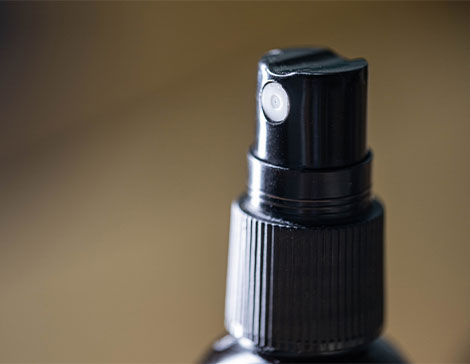
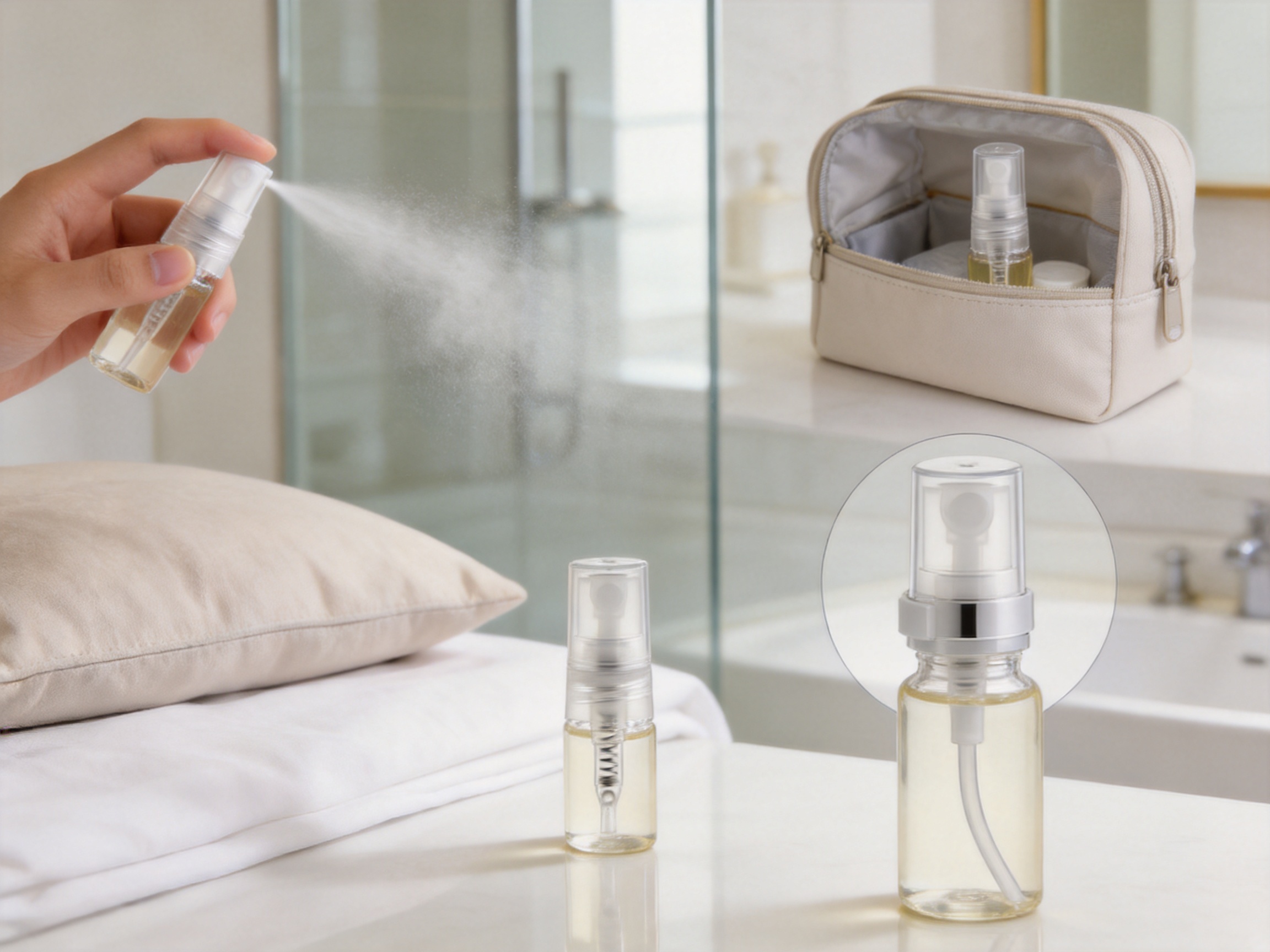
The 12-410 0.06CC Mini Plastic Fine Mist Sprayer is designed specifically for these applications. With a compact 12-410 neck size and a controlled dosage of 0.06 ml per actuation, the sprayer offers a practical solution for small-capacity cosmetic and personal care packaging. Its compact structure helps preserve the proportions of mini bottles, while its fine mist output supports light and even application.
Manufactured by GreenYard Tools Co., Ltd., the sprayer benefits from a production system that includes mold design, injection molding, automated assembly, and quality inspection. The manufacturer has specialized in spray products for 16 years and maintains a reported daily production capacity of one million units. This combination of product specialization, manufacturing scale, and customization capability supports both small-format packaging projects and larger commercial programs.
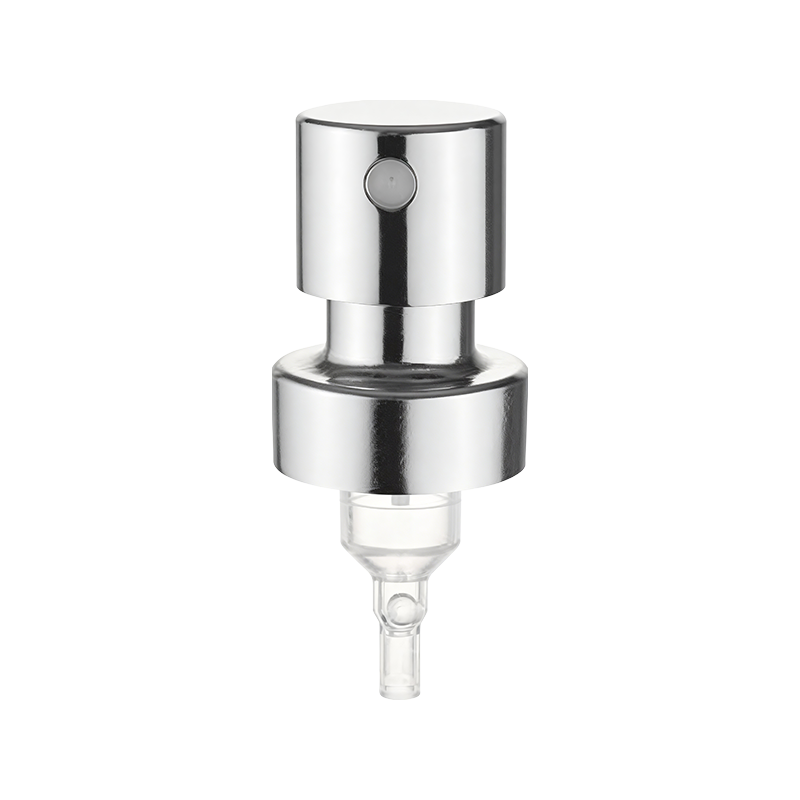
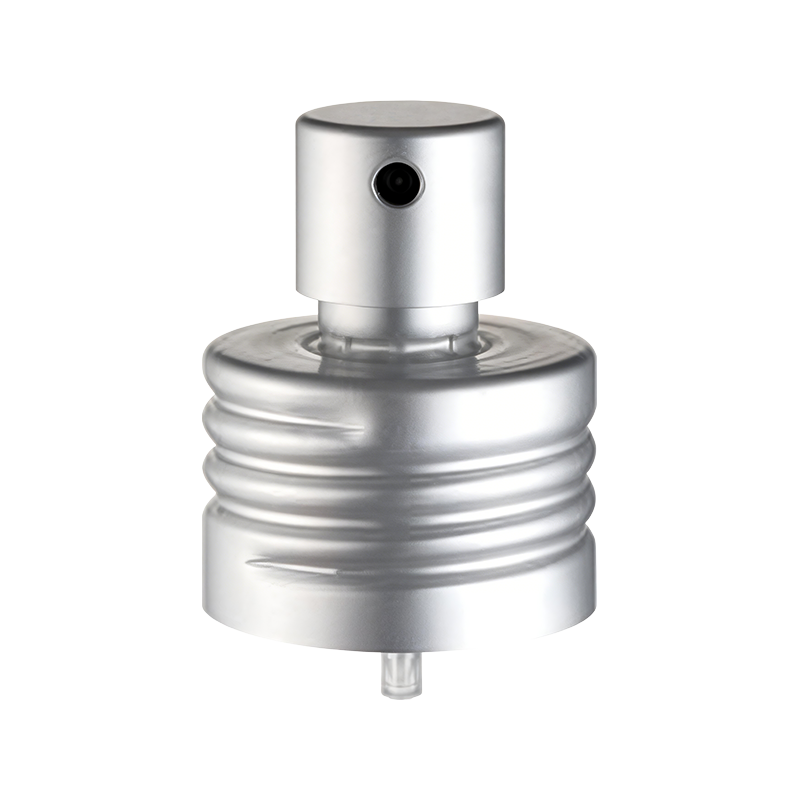
The sprayer is available with smooth or ribbed closure finishes, and its dip tube length can be customized according to the bottle height and application requirements. These options allow packaging developers to coordinate the pump with a bottle’s appearance and internal dimensions while maintaining efficient liquid uptake.
For brands seeking a compact pump for fragrance, facial mist, pillow mist, or other low-dose liquid products, this 12-410 fine mist sprayer provides a balance of controlled dispensing, design flexibility, and manufacturing support.
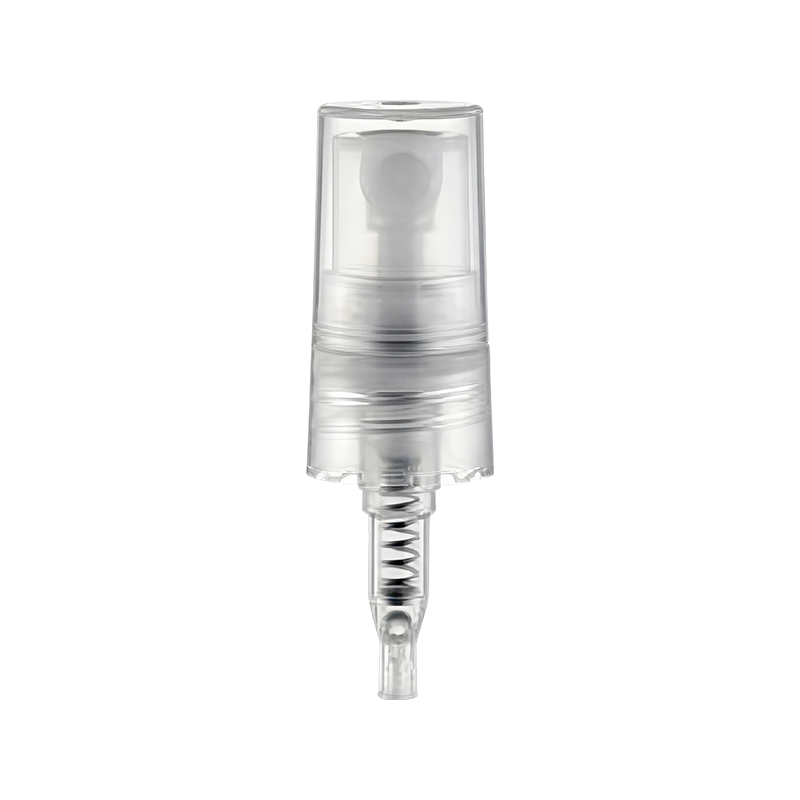
12-410 0.06CC Mini Plastic Fine Mist Sprayer
Product Overview
The 12-410 0.06CC Mini Plastic Fine Mist Sprayer, identified as model GY-604A, is a small plastic sprayer intended for narrow-neck bottles and compact packaging formats. The product uses a 12-410 size specification, which refers to the neck finish and thread dimensions used for matching the sprayer with a compatible container.
The 0.06 ml dosage is one of the product’s most important functional characteristics. Each actuation is designed to dispense a small amount of liquid in a fine mist. This makes the sprayer appropriate for products where a light application is preferred, including perfume, pillow mist, and facial mist. A smaller output can also be valuable for samples, travel-size packages, and single-use or limited-use formats.
Product model |
GY-604A |
Product type |
Mini plastic fine mist sprayer |
Neck size |
12-410 |
Nominal dosage |
0.06 ml per spray |
Closure finishes |
Smooth or ribbed |
Dip tube |
Length can be customized |
Typical applications |
Perfume, pillow mist, facial mist, samples, and travel-size personal care products |
Material category |
Plastic sprayer construction |
The compact construction is particularly useful when the container is small and the packaging design does not allow space for a larger pump. Rather than using a standard-size sprayer that may appear disproportionate on a miniature bottle, the 12-410 format helps maintain a coordinated appearance between the closure and the container.
The product is also suited to packaging programs that require a balance between portability and functionality. A small bottle equipped with a fine mist sprayer can be carried in a handbag, toiletry case, cosmetic pouch, or travel kit. The format is suitable for products that need to be applied directly to the skin, hair, clothing, bedding, or surrounding air, depending on the formulation and the manufacturer’s intended use.
Why a 0.06 ml Dosage Matters
Dispensing dosage affects both product performance and the user’s perception of quality. A sprayer that releases too much liquid may create wetness, waste, or an uncomfortable application. A sprayer that releases too little may require repeated actuations and may not provide sufficient coverage. The 0.06 ml dosage of this mini sprayer is intended for applications that benefit from a light and controlled mist.
For fragrance products, a small dosage allows the user to apply the product gradually. The fragrance can be refreshed without dispensing a large amount at one time. This characteristic is useful for travel perfumes, sample bottles, discovery sets, and compact fragrance products where the package is designed for repeated but measured use.
For pillow mist, a fine low-volume spray can support gentle application to bedding or nearby surroundings. For facial mist, the controlled output can help create a light layer rather than a heavy stream. The final user experience will still depend on the formula, spray pattern, actuation force, bottle design, and storage conditions, but the low nominal dosage provides an appropriate starting point for these product categories.
A controlled dosage can also help packaging developers estimate product usage. When the approximate output per actuation is understood, brands can make more informed decisions about filling volume, expected number of sprays, sample size, and consumer instructions. Actual results should be confirmed through product testing because formulation viscosity, surface tension, filling level, and assembly conditions may influence performance.
Compared with larger-output sprayers, the 0.06 ml configuration is more focused on precision and light application than on rapid coverage. This makes it especially suitable for small containers and products intended to be used sparingly. The dosage also supports packaging concepts that emphasize portability, convenience, and controlled consumption.
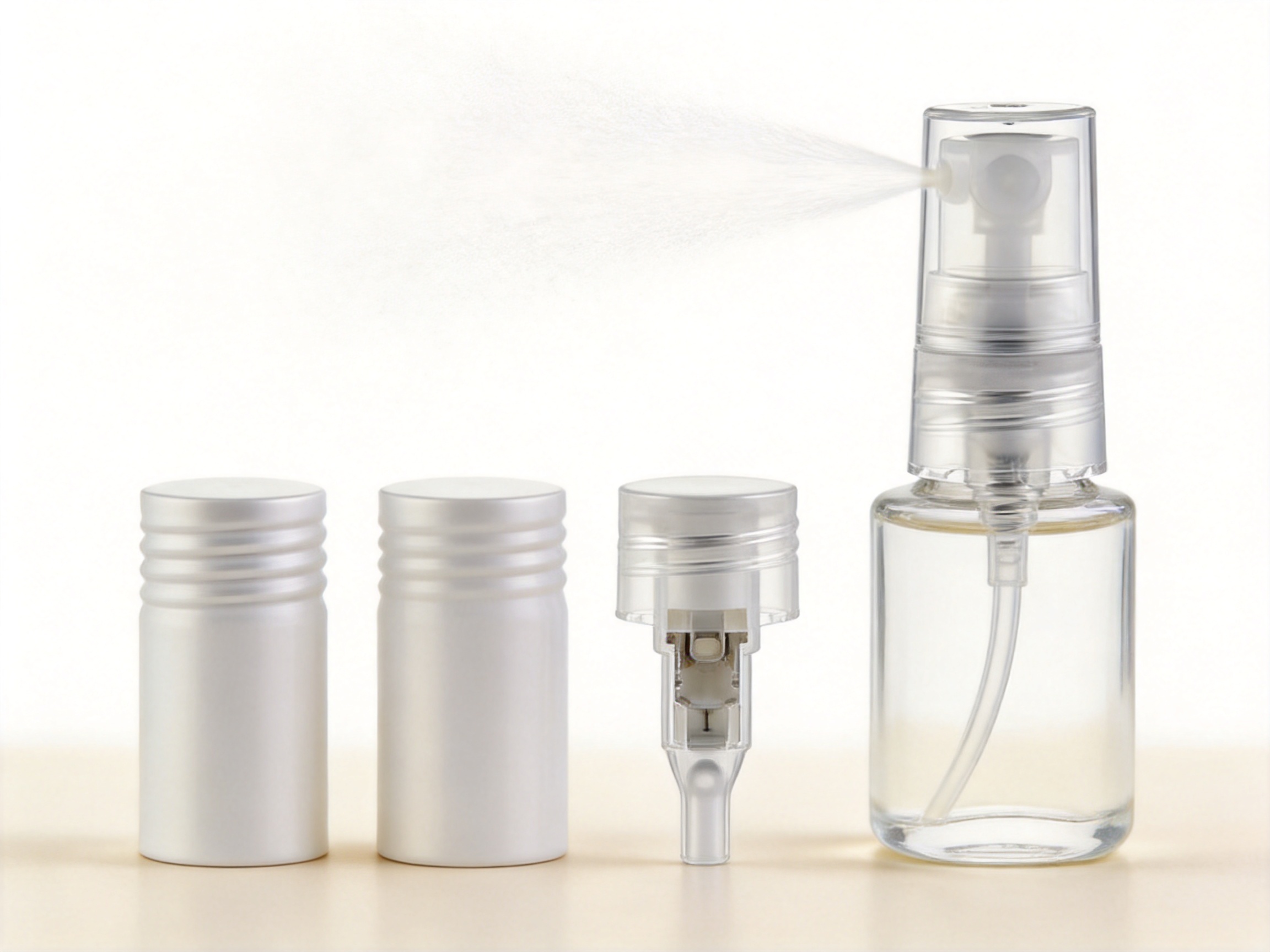
Compact 12-410 Compatibility
The 12-410 neck size is an important advantage for miniature bottles. Packaging components must be matched carefully, and the thread, sealing area, dip tube, and shoulder design all influence the finished package. A sprayer cannot be evaluated independently from the bottle; the complete closure-and-container combination must provide a secure fit and an effective liquid pathway.
The 12-410 configuration is suitable for small bottle designs where a larger neck finish would be visually or structurally unnecessary. It can help packaging designers create narrow, lightweight, and compact packages for fragrances, facial mists, and samples. The smaller profile may also support a more refined appearance in products positioned as portable or minimalist.
Before mass production, compatibility testing should be performed with the selected bottle. Testing should include thread engagement, closure fit, leakage resistance, spray performance, dip tube positioning, and the interaction between the pump and the product formula. Container tolerances can vary between suppliers, so approval samples are important even when the nominal neck size is the same.
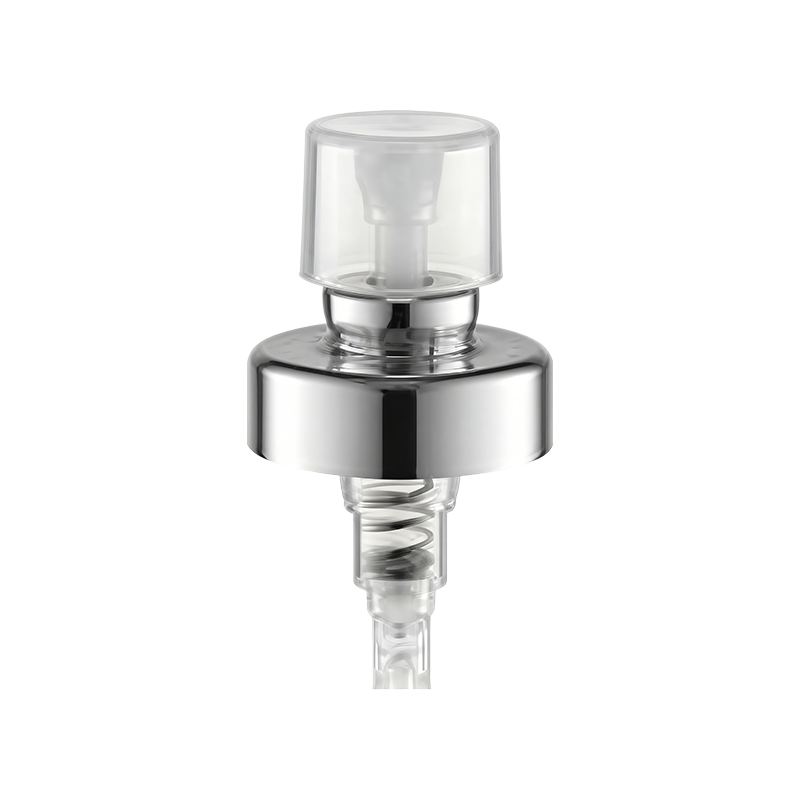
The sprayer’s customized dip tube option adds further flexibility. Bottle heights and internal shapes differ, particularly in custom packaging. A dip tube that is too short may leave usable liquid at the bottom of the container, while a tube that is too long may bend, interfere with the base, or affect liquid uptake. Custom tube length helps the sprayer adapt to the selected bottle rather than forcing the bottle design to fit a fixed tube.
This feature can reduce the need for compromises during packaging development. Designers can select a bottle based on appearance, capacity, and ergonomics, then request a tube length appropriate to the final internal dimensions. The result is a more coordinated package and a better opportunity to maintain consistent dispensing throughout the product’s usable volume.
Smooth and Ribbed Closure Options
Closure appearance contributes to the overall identity of cosmetic packaging. The GY-604A sprayer is available with smooth or ribbed closure options, allowing customers to choose a finish that aligns with the bottle and the desired market positioning.
A smooth closure provides a clean and understated appearance. It may be suitable for minimalist fragrance packaging, sample products, or designs where the bottle decoration and label are intended to receive the most visual attention. The smooth surface can also coordinate with simple, modern packaging concepts.
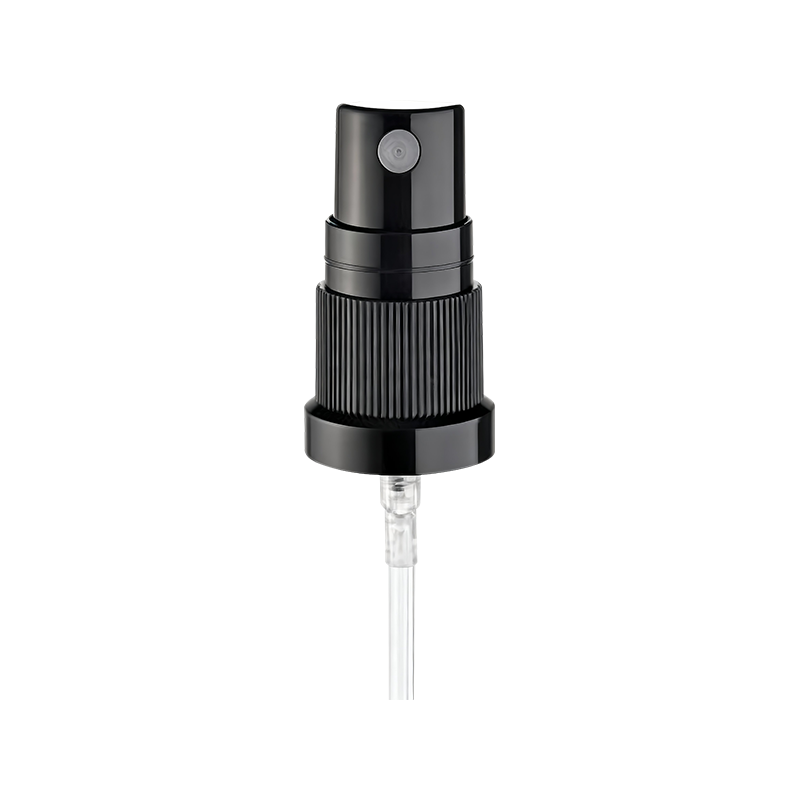
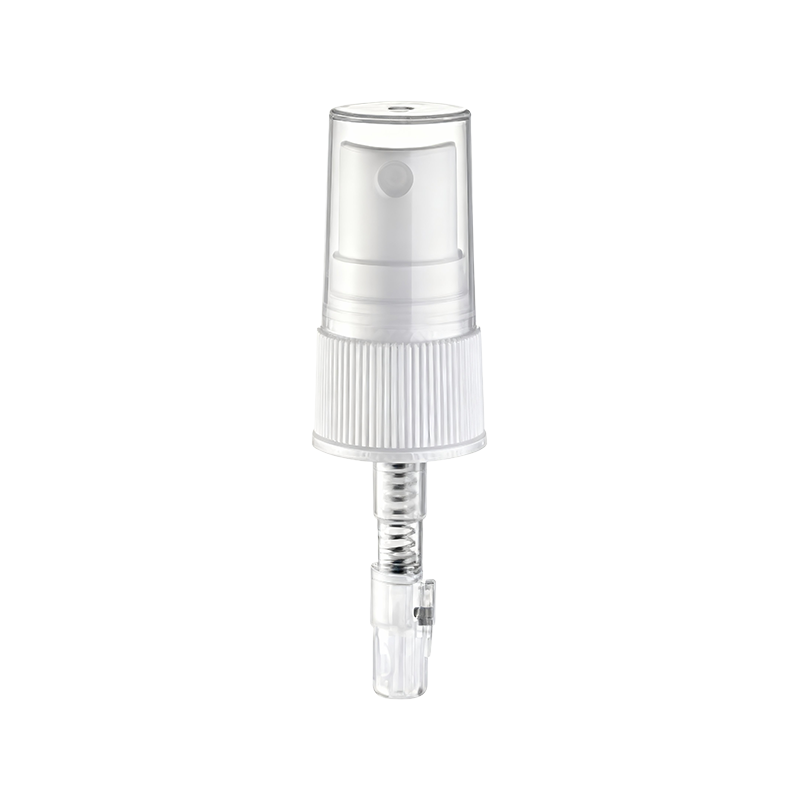
A ribbed closure provides a different tactile and visual effect. The grooves can make the closure easier to identify by touch and may support a more technical, functional, or traditional appearance. Depending on the full package design, a ribbed finish may also help create contrast between the pump and the bottle.
Offering both finishes gives packaging developers more choice without requiring a completely different product category. Brands can select the closure style according to the bottle shape, label design, cap concept, target customer, and retail environment. For contract manufacturers and packaging distributors, this flexibility can make the sprayer suitable for a wider range of customer projects.
Closure finish is not only an aesthetic decision. It should also be considered in relation to handling, assembly, labeling, decoration, and secondary packaging. Sample evaluation can help determine whether the chosen finish provides the desired appearance and grip when combined with the selected bottle.
Applications for Perfume Packaging
Perfume is one of the most natural applications for a 0.06 ml fine mist sprayer. Fragrance products are frequently sold in multiple formats, including full-size bottles, travel versions, samples, discovery kits, and promotional packages. Each format requires a dispensing solution that matches its size and intended use.
A miniature perfume package needs to remain visually attractive while being easy to carry and operate. The small sprayer helps maintain the compact proportions of the bottle. Its fine mist output is appropriate for users who want to apply a fragrance in a controlled manner without dispensing an unnecessarily large amount of liquid.
Travel fragrances can benefit from the sprayer’s small format and customized tube option. A bottle designed for a travel kit may have a short body and limited internal space. By adjusting the tube length to the container, the manufacturer can support more effective liquid uptake while keeping the exterior package compact.
The sprayer can also be considered for perfume samples. Sampling programs often require small-capacity packages that are economical, portable, and simple to use. A fine mist sprayer can provide a more representative fragrance experience than a package that relies only on a dropper or open applicator. The 0.06 ml output is aligned with the need for light application during product discovery.
As with any fragrance packaging component, compatibility testing is essential. Alcohol-based formulas, oils, botanical ingredients, and other fragrance components can interact differently with plastic materials and internal pump parts. Brands should conduct formula compatibility, leakage, storage, and spray testing before approving the final package.
Applications for Pillow Mist and Facial Mist
Pillow mist products are typically designed for a light and pleasant application around bedding or personal spaces. The 12-410 fine mist sprayer is suitable for compact pillow mist bottles and trial-size formats. Its controlled output can help users apply the product gradually and avoid saturating the target area.
Facial mist products also benefit from a fine spray pattern. A smooth, light mist is generally more comfortable for facial application than a concentrated stream. The sprayer’s 0.06 ml nominal dosage supports packaging concepts focused on refreshing, hydrating, or lightly applying a liquid product, subject to the requirements of the specific formulation.
Portable facial mists are often used during travel, at work, after exercise, or in dry environments. A mini bottle equipped with a reliable sprayer can make the product convenient to carry and use. The narrow 12-410 format allows the packaging to remain compact while still providing a dedicated dispensing mechanism.
Performance should be verified using the actual liquid. Viscosity, surface tension, alcohol content, fragrance oils, botanical extracts, preservatives, and other ingredients can influence the spray pattern and priming behavior. Testing should cover the first spray, repeated sprays, storage after filling, and performance when the bottle is nearly empty.
Advantages Over Conventional or Poorly Matched Alternatives
The competitive value of a sprayer is determined by how well it meets the complete packaging requirement, not simply by its nominal size. The 12-410 0.06CC model offers several advantages over larger general-purpose sprayers, fixed-length tube versions, and closures with limited finish options.
More Suitable for Small Packages
A full-size sprayer installed on a small bottle can appear oversized and may make the package less comfortable to carry. The compact 12-410 format is designed for small-capacity packaging, helping the closure remain visually proportionate. This is particularly useful for travel fragrances, samples, and miniature personal care products.
Controlled Low-Dose Output
The 0.06 ml dosage provides a lower-volume spray option for products that require light application. Compared with a higher-output pump, it can help reduce excessive dispensing and support more measured use. This may improve the user experience for fragrances, facial mists, and pillow mists where a gentle mist is preferred.
Customizable Dip Tube Length
Many standard sprayers are supplied with a fixed tube length that may not match every bottle. The customized tube option allows the component to be adapted to different bottle heights. This can support better liquid uptake, reduce unused product at the bottom of the container, and simplify the integration of the pump with custom bottle designs.
Two Closure Finishes
The availability of smooth and ribbed finishes gives customers more design flexibility than a single fixed closure appearance. Brands can select the finish that best suits their visual identity and package ergonomics while using the same basic sprayer platform.
Focused Product Specialization
The manufacturer specializes in spray products and related packaging, including perfume sprayers, pump heads, caps, bottles, and daily chemical packaging solutions. This specialization can provide a more focused development and production resource than sourcing a sprayer from a supplier with no dedicated experience in spray packaging.
Manufacturing Scale
The reported daily production capacity of one million units supports high-volume packaging programs. A supplier with substantial production capability may be better positioned to manage recurring orders, production scheduling, component supply, and delivery planning. Capacity alone does not replace quality validation, but it is an important consideration for brands that require stable supply.
These advantages should be confirmed against the specific requirements of each project. No sprayer is universally suitable for every formulation, bottle, or dispensing application. The strongest packaging decisions are based on comparative samples, technical testing, and a clear understanding of the intended product environment.
Manufacturing Capabilities
The company’s manufacturing strengths cover several stages of plastic packaging production. These include mold design, injection molding, automated assembly, and quality inspection. Combining these processes within an experienced packaging manufacturer can help improve communication between design, production, and quality teams.
Mold Design
Mold design is the foundation of consistent plastic component production. The geometry of a mini sprayer must be developed carefully because small dimensional changes can influence fit, appearance, actuation, and assembly. Mold engineers must consider material flow, cooling, ejection, parting lines, shrinkage, and the tolerances required for the final component.
For a 12-410 sprayer, mold design also needs to support accurate closure dimensions. The thread profile and sealing interfaces must be produced consistently so the sprayer can mate with the intended bottle. The visible finish, whether smooth or ribbed, must also be formed clearly and repeatedly across production cycles.
A dedicated design team can help customers evaluate customization requirements before tooling begins. These discussions may include tube length, closure finish, package proportions, color requirements, and compatibility with the customer’s bottle. Proper design review at this stage can reduce avoidable changes later in the project.
Injection Molding
Injection molding enables plastic components to be produced in large quantities with repeatable shapes and dimensions. Resin is heated, injected into a mold, cooled, and ejected as a formed part. For fine mist sprayers, the molding process must deliver clean surfaces, accurate interfaces, and stable dimensions suitable for assembly.
Process control is important because the sprayer contains small components that must work together. Inconsistent molding may affect closure fit, surface appearance, actuator movement, or the alignment of internal parts. Appropriate control of injection pressure, temperature, cooling time, and cycle conditions can support consistent production.
Injection molding also makes it practical to produce smooth and ribbed closure versions. The selected surface design can be incorporated into the mold so that the finish is formed during molding rather than added as a separate operation.
Automated Assembly
After molding, sprayer components must be assembled into a functioning pump. Automated assembly can improve production efficiency and repeatability, particularly for products manufactured in large quantities. It can also reduce variation associated with manual handling and help maintain a stable assembly sequence.
A typical assembly operation may involve positioning the housing, actuator, dip tube, and other internal components in the correct order. The exact construction depends on the product design. Each component must be correctly seated so the finished sprayer can prime, draw liquid, and deliver a consistent mist.
Automation is especially valuable for a compact product because small parts can be difficult to handle consistently by hand. Automated systems can support controlled feeding, alignment, insertion, and inspection. The result is a production approach suited to the volume and precision requirements of personal care packaging.
Quality Inspection
Quality inspection provides a verification stage between production and shipment. Inspection may include visual checks, dimensional checks, closure-fit evaluation, actuation checks, and spray testing. The exact inspection plan should be established according to the customer’s technical requirements and the intended application.
For this mini fine mist sprayer, important quality points include the 12-410 closure dimensions, the condition of the smooth or ribbed finish, the dip tube installation, the actuator function, and the spray output. Packaging customers may also request leakage testing, appearance standards, color matching, sampling plans, and documentation for batch approval.
A reliable quality system should identify problems as early as possible. Inspection of molded components can detect surface defects or dimensional variation before assembly. Functional testing after assembly can help verify that the completed sprayer performs as intended.
Material and Product Development Considerations
The product is described as a plastic fine mist sprayer. Plastic packaging components are widely used because they can be molded into complex shapes, produced efficiently, and supplied in different colors and finishes. They are also suitable for lightweight packaging designs where portability is important.
Material selection should be considered together with the formula and container. Fragrance products, facial mists, and pillow mists may contain different combinations of water, alcohol, oils, solvents, extracts, and additives. These ingredients can affect the compatibility and long-term performance of the closure and internal pump components.
Recommended evaluation may include short-term and extended contact testing, elevated-temperature storage, low-temperature storage where relevant, repeated actuation, leakage inspection, and package appearance review. Testing should use the actual formula at the intended fill volume and should be performed with the final bottle and closure combination.
Color and finish requirements should also be discussed early. A product may require a natural plastic appearance, a customized color, or a closure that coordinates with the bottle and label. The smooth and ribbed options provide a starting point for visual customization, while additional color or decoration possibilities should be confirmed with the manufacturer.
Packaging development should also consider filling and capping operations. The sprayer must be compatible with the customer’s filling line or contract packer. Closure application torque, line speed, bottle handling, and inspection procedures can all influence the final package. Production samples should be tested on the intended filling equipment whenever possible.
Designing a Complete Miniature Package
A sprayer performs best when it is treated as part of a complete packaging system. The bottle, neck finish, pump, dip tube, label, secondary cap if used, and shipping carton must work together. A good package should be attractive, functional, stable, and appropriate for the product’s intended market.
When designing a package around the 12-410 sprayer, the first consideration is the bottle neck. The bottle should be manufactured with a compatible 12-410 finish and suitable dimensional tolerances. The shoulder area should provide enough clearance for the sprayer, and the bottle should be strong enough to withstand handling, filling, transport, and normal consumer use.
The second consideration is bottle height. The dip tube should reach the liquid effectively without being forced against the bottom. Customized tube length can help accommodate short travel bottles, narrow sample containers, and other special shapes.
The third consideration is the user’s hand position. A mini sprayer should be easy to hold and actuate. The actuator should be accessible, and the closure should not make the package difficult to grip. Smooth and ribbed finishes can be compared during sample review to determine which one better supports the intended handling experience.
The fourth consideration is visual balance. Miniature packaging often depends on small details because the bottle has limited surface area. A compact closure can help the package maintain a refined profile. The chosen finish, color, bottle material, label, and cap should be evaluated together rather than separately.
The fifth consideration is transport. Travel products may be carried in bags, cosmetic cases, or toiletry kits. The complete package should be evaluated for leakage resistance, accidental actuation, impact, temperature changes, and general handling. Secondary packaging may be required depending on the product and distribution channel.

Quality, Testing, and Approval
Before placing a production order, customers should request samples and conduct a structured approval process. The purpose of sampling is to confirm that the sprayer meets both technical and commercial expectations.
Dimensional inspection should confirm the 12-410 neck interface, closure dimensions, and tube length. If the dip tube is customized, the customer should compare it with the bottle’s internal height and base geometry. The tube should remain properly positioned after the sprayer is installed.
Functional testing should evaluate priming, actuation, spray pattern, dosage, and repeated use. The first spray may behave differently from later sprays, particularly if the pump has not been primed. Testing should therefore include multiple actuations and, where appropriate, different storage periods before use.
Leakage testing should be performed with the actual bottle and product formula. The package may be tested in upright, inverted, and horizontal positions, depending on the expected transport and storage conditions. Vibration, compression, and temperature testing may also be relevant for products shipped through distribution networks.
Appearance inspection should cover color, gloss, surface finish, molding marks, flash, scratches, deformation, and assembly alignment. For ribbed closures, the grooves should be clear and consistently formed. For smooth closures, the surface should meet the agreed appearance standard.
Dosage testing should be interpreted as a controlled evaluation rather than a single isolated measurement. The nominal 0.06 ml output should be assessed over a defined number of sprays and under consistent conditions. Formula characteristics, filling level, pump orientation, and testing equipment can affect results.
Once samples have been approved, the customer and manufacturer should document the agreed specifications. This may include drawings, color standards, acceptable appearance limits, tube length, closure finish, packaging method, inspection requirements, and sampling procedures. Clear documentation helps maintain consistency during repeat orders.
Supply and Production Strengths
GreenYard Tools Co., Ltd. has focused on spray product manufacturing for 16 years. Long-term experience in a specialized product category can support practical knowledge of pump construction, packaging integration, production troubleshooting, and customer requirements.
The company produces perfume sprayers, pump heads, caps, bottles, and daily chemical packaging solutions. This product range gives customers access to a broader packaging resource when they need more than one component. A supplier that understands multiple packaging parts may be able to coordinate the sprayer with the bottle and closure system more efficiently.
The reported daily production capacity of one million units is relevant for customers planning large programs, promotional campaigns, seasonal launches, or regular replenishment. High capacity can support volume requirements, although customers should still confirm lead times, tooling schedules, production allocation, and quality controls for each project.
The company’s capabilities in mold design and injection molding can support customized component development. Its automated assembly capability is suited to efficient production of small plastic sprayers, while quality inspection helps verify the finished products before shipment.
A dedicated design team can also contribute to product innovation. For customers developing a new travel fragrance or personal care format, design support may be useful when evaluating bottle proportions, tube length, closure appearance, and production feasibility.
For international customers, communication and documentation are important parts of the sourcing process. Product specifications, sample approvals, packaging instructions, inspection standards, and shipping plans should be confirmed in writing. Direct technical communication can reduce misunderstandings and improve project efficiency.
Why This Sprayer Is Suitable for Travel Packaging
Travel packaging places special demands on size, portability, durability, and ease of use. A large bottle may be inconvenient to carry, while a package without a reliable dispensing mechanism may be messy or difficult to use. The 12-410 mini sprayer addresses the size requirement while retaining a pump-based dispensing format.
The compact form is appropriate for small bottles that fit into travel bags and personal care kits. The 0.06 ml dosage supports gradual use and can help the product last through multiple applications, depending on the filling volume and formula.
The fine mist format is also more versatile than a simple open bottle. It can distribute a product over a target area without requiring direct contact between the bottle opening and the skin or surrounding surface. This can support a cleaner and more convenient user experience.
Travel packages are often used in changing environments. They may be exposed to movement, pressure changes, temperature variation, and repeated handling. For this reason, the finished bottle and sprayer should undergo appropriate leakage and durability testing. The sprayer’s compact design is a useful foundation, but complete package validation remains essential.
Travel-size products may also be used as promotional items, hotel amenities, gift-set components, or trial products. The flexible closure finishes and customizable tube length allow the same basic sprayer platform to be adapted to different package styles and bottle capacities.
Use in Samples and Single-Use Concepts
The product information identifies the sprayer as suitable for single-use small packages such as travel fragrances. In this context, single-use can refer to a small-capacity or trial format intended for limited applications rather than a full-size retail product.
Sample packaging must balance cost, appearance, and functionality. A sprayer that is too complex or too large may increase package cost or make the sample inconvenient. A compact fine mist sprayer can provide a more complete product experience while preserving the small format.
For fragrance samples, a fine mist can help users experience the product in a familiar way. For facial mist samples, it can demonstrate the intended application method. For pillow mist samples, it can make the trial package easier to use and distribute.
Brands should define the purpose of the sample before selecting the bottle and fill volume. A one- or two-use package may require different closure and filling specifications from a travel product intended to remain in use for several weeks. The 12-410 sprayer can be evaluated for both concepts, provided the bottle and formula are compatible.
Ordering and Customization Considerations
Customers interested in the 12-410 0.06CC Mini Plastic Fine Mist Sprayer should prepare several technical details before requesting a quotation or sample. These details help the manufacturer evaluate feasibility and provide accurate recommendations.
The first detail is the bottle neck specification. Customers should confirm that the bottle uses a compatible 12-410 finish and provide a drawing or sample bottle when possible.
The second detail is the bottle height and internal shape. This information is necessary for selecting or customizing the dip tube length.
The third detail is the formula. A basic description of the product, such as perfume, pillow mist, or facial mist, is useful, but formula samples or technical information may be required for compatibility testing.
The fourth detail is the desired closure appearance. Customers should select a smooth or ribbed finish and discuss color, surface appearance, and any decoration requirements.
The fifth detail is the expected order quantity and production schedule. Volume requirements can influence tooling, assembly planning, packaging method, and delivery arrangements.
The sixth detail is the intended market and regulatory environment. Packaging requirements may vary depending on the destination market, product category, labeling rules, and customer quality standards. The manufacturer and customer should identify any required documentation before production begins.
Providing complete information at the beginning can reduce development time and help avoid sample revisions. It also allows the manufacturer to recommend the most suitable bottle, tube length, and assembly approach.
Environmental and Efficiency Considerations
Lightweight packaging can help reduce the amount of material used in transportation and may improve portability for consumers. The mini format of the 12-410 sprayer is naturally suited to compact products, although the complete environmental impact depends on the resin, bottle, formula, filling process, distribution distance, and end-of-life system.
Controlled dispensing can also support product-use efficiency. When a user can apply a small amount of liquid consistently, the package may help reduce accidental over-dispensing. This is particularly relevant for fragrance and facial mist products where a light application is often preferred.
Packaging developers should consider the entire package rather than focusing on the sprayer alone. Bottle material, secondary packaging, decorative components, and shipping cartons all contribute to the final resource profile. Where appropriate, customers can discuss lightweighting, material selection, color choices, and packaging reduction with the manufacturer.
Any environmental claim should be supported by appropriate technical evidence. The sprayer’s compact size and controlled dosage are functional characteristics; they should not automatically be presented as proof of a specific environmental benefit without a complete assessment.
Q&A
What is the dosage of the 12-410 mini fine mist sprayer?
The nominal dosage is 0.06 ml per spray. This low output is intended for light and controlled application in products such as perfume, pillow mist, and facial mist. Actual output should be confirmed through testing with the final formula and bottle.
What does 12-410 mean?
12-410 is the neck-size and thread specification used to match the sprayer with a compatible bottle. The bottle must be designed or selected with the corresponding neck finish to ensure proper installation and sealing.
Which products can use this sprayer?
Typical applications include perfume, travel fragrance, pillow mist, facial mist, sample packaging, and other small-capacity cosmetic or personal care products. Suitability depends on the formula, bottle, and required spray performance.
Can the dip tube be customized?
Yes. The dip tube length can be customized to fit different bottle heights and internal shapes. Customers should provide bottle dimensions or a sample container so the appropriate length can be evaluated.
Are different closure finishes available?
Yes. The sprayer is available with smooth or ribbed closure finishes. The choice can be based on visual design, tactile preference, bottle style, and brand packaging requirements.
Is the sprayer suitable for travel-size perfume?
Yes. Its compact 12-410 format and low 0.06 ml dosage make it suitable for travel-size fragrances, perfume samples, and other portable packages. The complete package should be tested for leakage and durability before commercial use.
How should compatibility with a formula be evaluated?
The sprayer should be tested with the actual formula and final bottle. Testing may include storage, repeated spraying, leakage, odor or appearance changes, spray pattern, and dosage measurement. Alcohols, oils, solvents, and botanical ingredients may require particular attention.
What manufacturing capabilities support this product?
The manufacturer has capabilities in mold design, injection molding, automated assembly, and quality inspection. These processes support the production of plastic sprayers and related packaging components at commercial scale.
What is the manufacturer’s production experience?
GreenYard Tools Co., Ltd. has specialized in spray product manufacturing for 16 years. Its product range includes perfume sprayers, pump heads, caps, bottles, and daily chemical packaging solutions.
Can the company support large orders?
The company reports a daily production capacity of one million units. Customers should confirm the specific quantity, lead time, production schedule, packaging method, and inspection requirements for each order.
Should customers request samples before ordering?
Yes. Samples should be evaluated with the selected bottle and formula. Approval should cover fit, appearance, actuation, spray pattern, dosage, leakage resistance, tube length, and compatibility with filling equipment where applicable.
Is a larger sprayer better for a small bottle?
Not necessarily. A larger sprayer may look disproportionate and may dispense more liquid than required. The compact 12-410 sprayer is designed specifically for small packages and low-dose applications, making it a more suitable option for many travel and sample formats.
Conclusion
The 12-410 0.06CC Mini Plastic Fine Mist Sprayer is a specialized solution for compact perfume, facial mist, pillow mist, and personal care packaging. Its 0.06 ml dosage supports controlled, light application, while the 12-410 neck size helps maintain a compact and balanced package design.
The availability of smooth and ribbed closure finishes gives brands flexibility in visual and tactile presentation. Customized dip tube length allows the sprayer to adapt to different bottle heights and supports more effective liquid uptake. Together, these features make the product suitable for travel-size fragrances, sample packages, and other small-capacity formats.
Compared with oversized or poorly matched alternatives, this sprayer offers a more focused combination of compact dimensions, low-dose dispensing, design flexibility, and bottle integration. Its value is further supported by the manufacturer’s experience in spray product production, mold design, injection molding, automated assembly, and quality inspection.
For the best results, customers should evaluate the sprayer as part of a complete packaging system. Bottle compatibility, formula testing, dip tube length, leakage resistance, spray performance, and filling-line integration should all be confirmed before mass production. With appropriate development and quality approval, the GY-604A sprayer can provide a practical and professional dispensing solution for portable personal care packaging.
References
1. Product specification provided for the GY-604A 12-410 0.06CC Mini Plastic Fine Mist Sprayer.
2. Manufacturer information concerning mold design, injection molding, automated assembly, quality inspection, and spray packaging production.
3. Packaging development principles for cosmetic and personal care dispensing systems.
4. General quality-control practices for plastic closures, fine mist sprayers, and bottle compatibility testing.
5. General packaging engineering guidance concerning dosage evaluation, dip tube sizing, leakage testing, and formula compatibility.
Product: 12-410 0.06CC Mini Plastic Fine Mist Sprayer

-
What Is Perfume Spray? How Atomizers Work, Mist Types and Packaging Basics
Press the actuator on a fragrance bottle once and a metered dose of liquid, usually between 0.05 an...
-
Amber Plastic Bottles: Lightweight, Protective, Customizable Packaging for Cosmetics
You have spent months stabilizing a vitamin C serum, only to watch a pallet of amber glass bottles ...
-
Spray Bottles Explained: Choosing the Right Fine Mist Sprayer
What Makes a Good Spray Bottle A good spray bottle depends almost entirely on the quality of its pu...
-
What Is a Fine Mist Sprayer?
A fine mist sprayer is a cosmetic packaging component designed to atomize liquid formulas into ultr...
Copyright © GreenYard Tools Co.,ltd. All Rights Reserved.
Personal Care Packaging Manufacturer Custom Perfume Sprayers Factory