
-
About Us
Why Choose Us?The company possesses advanced capabilities in mold design, injection molding, and automated assembly, supported by a professional quality inspection team to ensure product reliability. A dedicated design team continuously drives product innovation, providing customers with high-quality spray solutions.
 Coming From China, Marketing To The World.
-
Products
-
News
 English
 Français
 русский
 Español
Aluminium Glass Bottle Dropper for Precise and Flexible Liquid Packaging
Content
- 1 Product Overview
- 2 Why Dropper Packaging Is Important for Liquid Products
- 3 Material and Appearance Advantages
- 4 Precision Dispensing for Serums and Oils
- 5 Advantages Over Basic Caps and Uncontrolled Closures
- 6 Flexible Size Options for Different Product Programs
- 7 Closure Finish Options and Design Customization
- 8 Manufacturing Capabilities Supporting Product Quality
- 9 Integrated Manufacturing Strengths
- 10 Application Areas
- 11 Packaging Development and Compatibility Considerations
- 12 Quality and Consumer Experience
- 13 Why Choose an Experienced Packaging Manufacturer
- 14 Advantages for Brand Owners and Packaging Buyers
- 15 Recommended Evaluation Process
- 16 Frequently Asked Questions
- 16.1 What is the GY-901A1-AL product?
- 16.2 What products are suitable for this dropper?
- 16.3 Can the dropper be used with mini bottles?
- 16.4 What closure finishes are available?
- 16.5 Why use a dropper instead of a basic cap?
- 16.6 Why is aluminium suitable for premium packaging?
- 16.7 Can the dropper be customized for different packaging programs?
- 16.8 What manufacturing capabilities does GreenYard provide?
- 16.9 How long has the company been involved in spray product manufacturing?
- 16.10 What should be tested before placing a large order?
- 16.11 Is the dropper suitable for high-volume production?
- 16.12 What information should buyers provide when requesting a quotation?
- 17 Conclusion
- 18 References
- 19 Product: Aluminium Glass Bottle Dropper

The aluminium glass bottle dropper is a versatile packaging component designed for products that require controlled, hygienic, and accurate liquid dispensing. Identified as model GY-901A1-AL, this dropper is suitable for serums, facial oils, essential oils, treatment concentrates, and other liquid formulations that benefit from precise application. With a broad range of size options and multiple closure finishes, it can be adapted to both mini bottles and full-size packaging formats.
For brands developing personal care, skincare, wellness, and cosmetic products, the closure is more than a simple functional accessory. It influences how consumers interact with the product, how effectively the formula is protected, and how the package communicates quality. A well-designed dropper can reduce unnecessary product waste, improve dosing control, and support a premium user experience. The aluminium and glass construction of this product also creates a refined appearance that can complement high-end packaging concepts.
GreenYard Tools Co., Ltd. manufactures this dropper as part of a wider personal care packaging portfolio that includes perfume sprayers, pump heads, lotion pumps, caps, bottles, and daily chemical packaging solutions. The company combines mold design, injection molding, automated assembly, and quality inspection to produce packaging components for global markets. Its stated daily production capacity of one million units supports both regular supply programs and larger commercial packaging requirements.
Product Overview
The GY-901A1-AL aluminium glass bottle dropper is designed for liquid products that need measured dispensing rather than unrestricted pouring. Its operating concept is simple: the dropper assembly is fitted to a compatible bottle, and the consumer uses the actuator to draw and release a controlled amount of product. This makes it particularly appropriate for concentrated formulas and products used in small quantities.
The product is available in all sizes according to the provided specification. This broad size range allows packaging developers to select a suitable dropper for small sample bottles, travel-size products, standard retail containers, and larger professional or commercial formats. The availability of different sizes is also useful for product lines that share a common visual identity while using different bottle capacities.
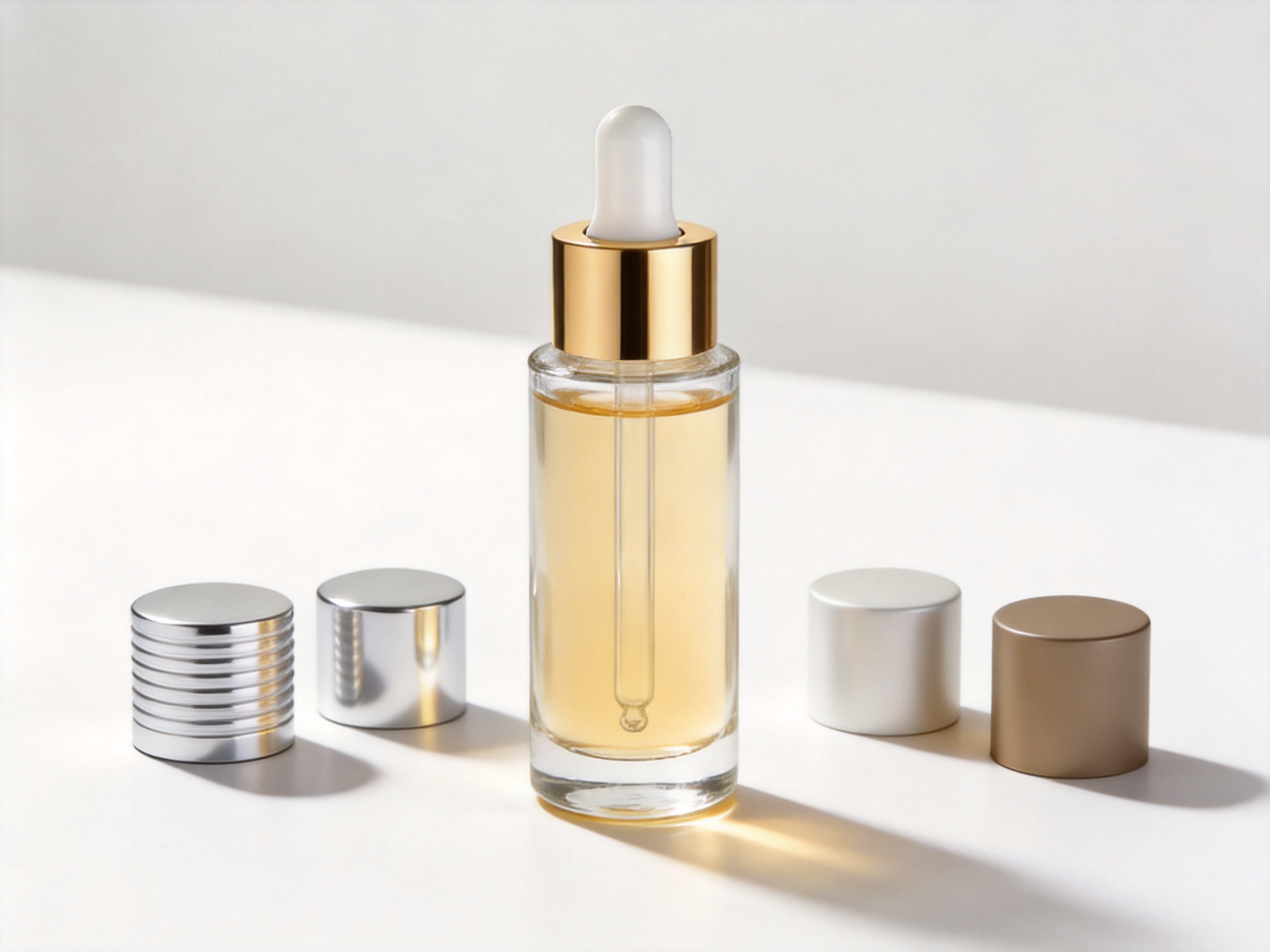
Closure options include ribbed, smooth, and matte finishes. These options allow the closure surface to be matched with a product’s visual positioning, bottle design, and handling requirements. A ribbed finish can provide a more tactile grip, while a smooth finish may support a clean and minimalist appearance. A matte finish can offer a softer visual impression and may be selected for packaging concepts centered on understated luxury or natural product presentation.
Product feature |
Specification or benefit |
Product model |
GY-901A1-AL |
Product type |
Aluminium glass bottle dropper |
Size options |
All sizes |
Closure finishes |
Ribbed, smooth, and matte |
Recommended applications |
Serum, oil, treatment liquid, and similar concentrated products |
Packaging compatibility |
Mini bottles and full-size bottles, subject to matching specifications |
Primary functional benefit |
Controlled and accurate liquid dispensing |
The combination of flexible sizing, finish choices, and controlled dispensing makes this dropper suitable for brands that require more than a standard one-size closure. It can be integrated into different packaging programs while maintaining a consistent dispensing concept.

Aluminium Glass Bottle Dropper
Why Dropper Packaging Is Important for Liquid Products
Many personal care and cosmetic formulas are concentrated and intended to be applied in small amounts. A serum, facial oil, treatment concentrate, or essential oil may require only a few drops per use. If the packaging releases too much product at once, consumers may experience unnecessary waste, inconsistent application, or difficulty controlling the treatment routine.
A dropper addresses this challenge by giving the user a more deliberate dispensing method. Instead of pouring directly from the bottle, the consumer can draw product into the dropper and release it in a controlled manner. This can be helpful when the formula is expensive, highly concentrated, or designed for targeted use.
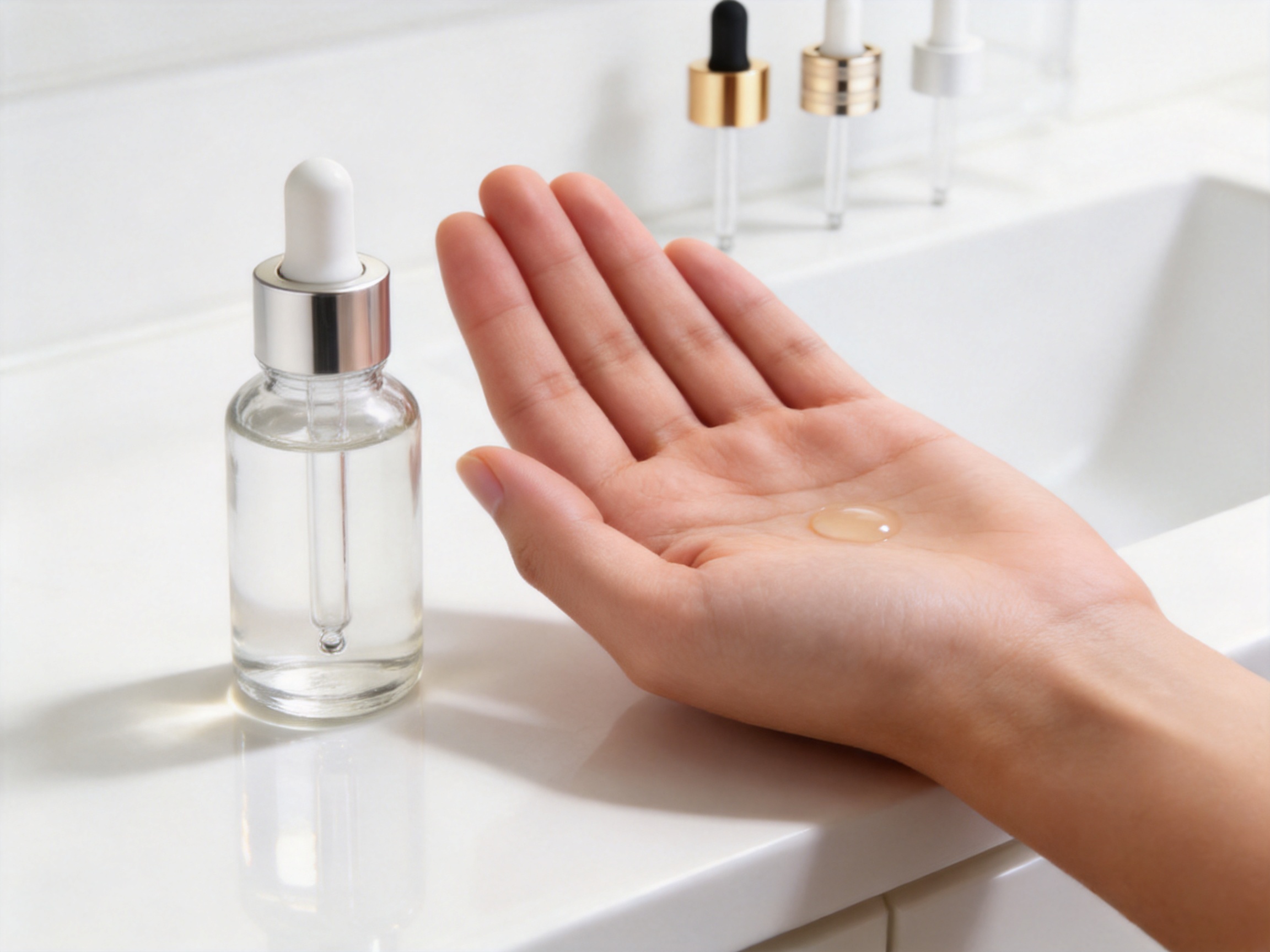
Controlled dispensing also supports a more hygienic product experience. The consumer can dispense the product onto the hand, a mixing surface, or another application area without repeatedly tipping the entire bottle. When the packaging is correctly matched to the formula and assembled with appropriate quality controls, the dropper can help protect the overall usability of the product throughout its intended service life.
For cosmetic brands, the dropper also contributes to product recognition. A bottle with a distinctive dropper assembly immediately communicates that the product is concentrated, treatment-oriented, or premium. This visual and functional signal can help separate a serum or oil from conventional lotions and creams on a retail shelf or e-commerce product page.
Material and Appearance Advantages
Aluminium as a Premium Closure Material
Aluminium is frequently selected for premium packaging because it offers a refined metallic appearance and a solid tactile impression. When used in a dropper closure, it can make the package feel more substantial than a basic plastic cap. This can be valuable for skincare, professional beauty, aromatherapy, and other categories in which consumers associate physical quality with product value.
The aluminium appearance can also be coordinated with a wide range of bottle colors and label designs. It may complement clear glass, amber glass, frosted glass, colored glass, or other bottle styles. Depending on the final finish, the closure may support a modern, clinical, minimalist, natural, or luxury visual identity.
Another benefit is design flexibility. The provided ribbed, smooth, and matte options make it possible to create different surface experiences without changing the fundamental dispensing concept. This gives product developers more freedom when creating multiple collections, seasonal editions, or differentiated product lines.
Glass Bottle Compatibility
Glass is widely used for serums, oils, and concentrated liquids because it offers a premium appearance and can be suitable for many formulation categories. A glass bottle paired with an aluminium dropper creates a coordinated package with a clear distinction from ordinary plastic containers.
Glass also presents the product visibly when the formula has an attractive color or texture. Clear glass can emphasize transparency and purity, while colored or tinted glass can support a more specialized appearance. The dropper closure completes this presentation by adding a practical dispensing mechanism without compromising the premium character of the bottle.
Compatibility must always be confirmed according to bottle neck dimensions, thread specifications, component tolerances, and the requirements of the formulation. The statement that the dropper is available in all sizes supports broad adaptation, but final production should still include dimensional matching and sample testing.
Balance of Function and Visual Quality
Some packaging components prioritize appearance while others focus mainly on utility. The aluminium glass bottle dropper is intended to combine both. Its visual material combination can support an elevated brand image, while its dropper mechanism provides a practical way to dispense concentrated liquids.
This balance is particularly important in the skincare sector. Consumers often expect a serum or facial oil to look precise, clean, and carefully formulated. A suitable dropper reinforces those expectations by making the application process feel measured and intentional.
Precision Dispensing for Serums and Oils
Serums and facial oils are among the most suitable applications for this type of packaging. These products are commonly applied in small quantities, and consumers may need to adjust the amount according to skin type, time of day, season, or the use of other products in a routine.
A dropper gives the consumer a practical means of controlling the amount removed from the bottle. This is especially useful for concentrated serums containing active ingredients, botanical extracts, vitamins, or specialty oils. The consumer can release a small quantity, evaluate coverage, and dispense more if required.
For oil-based products, the dropper can be more convenient than a wide bottle opening. Direct pouring may release a larger volume than intended and can make the outside of the bottle oily. A controlled dropper approach can help maintain a cleaner package and a more consistent routine.
Treatment products can also benefit from this format. A targeted scalp treatment, nail treatment oil, spot-care liquid, or concentrated cosmetic preparation may require application to a specific area. A dropper can support careful placement and help users avoid applying the formula too broadly.
The product is also suitable for other liquid applications described generally as “serum, oil, etc.” This broad description leaves room for packaging developers to evaluate the closure for different formulations, provided that the formula, materials, seal, and dispensing performance are tested together.
Advantages Over Basic Caps and Uncontrolled Closures
Compared with a simple screw cap or open-mouth bottle, a dropper provides greater control over dispensing. A standard cap may protect the bottle, but it does not necessarily help the user measure or release a small amount of product. For concentrated liquids, this difference can directly affect convenience and perceived product quality.
An open-mouth closure may be appropriate for products intended to be poured, but it can be less suitable for thin oils and high-value treatment liquids. The opening may release too much product, create drips around the neck, or make application more difficult. A dropper provides a more deliberate alternative.
Compared with a conventional pump, a dropper offers a different type of user control. Pumps are efficient for lotions, creams, and larger-volume liquid products, but they may not provide the same visual association with concentrated serums or treatment oils. The dropper format allows users to see and manage a small amount of product in a way that suits precise, targeted application.
Compared with low-cost plastic closures, an aluminium finish may provide stronger premium positioning. The choice is not only about the dispensing mechanism; it also concerns the emotional and visual experience of opening and using the product. A well-presented closure can contribute to customer confidence and help justify a higher-value product presentation.
Packaging option |
Typical strength |
Potential limitation for concentrated liquids |
Role of a dropper alternative |
Basic screw cap |
Simple closure and broad familiarity |
Limited control over small-volume dispensing |
Provides a more measured application method |
Open-mouth bottle |
Fast product release |
Possible over-dispensing and dripping |
Supports more deliberate release of liquid |
Lotion pump |
Convenient repeated dosing |
May not suit premium serum positioning or very small doses |
Offers a specialized format for concentrated products |
Plastic dropper |
Lightweight and economical |
May provide a less premium tactile experience |
Aluminium options add visual and tactile value |
Aluminium glass bottle dropper |
Controlled dispensing, flexible sizing, and premium appearance |
Requires compatibility testing and suitable assembly |
Combines functional precision with elevated presentation |
The comparison demonstrates that no closure is universally best for every product. The advantage of the GY-901A1-AL is its suitability for a specific packaging need: concentrated liquid products that require controlled use and a premium bottle presentation.
Flexible Size Options for Different Product Programs
The availability of all size options is an important benefit for packaging developers. Product portfolios rarely contain only one bottle format. A brand may sell a discovery size, a travel size, a standard retail bottle, and a professional or value size. If each package requires a completely different closure concept, the resulting product family may look inconsistent and create additional sourcing complexity.
A dropper that can be adapted across a broad range of bottle sizes provides more room for portfolio planning. Small bottles can be used for trial sets, promotional kits, travel products, and limited-use treatments. Full-size bottles can serve regular retail programs and long-term skincare routines. The same general dropper concept can support both ends of the product range.
Size flexibility also helps manufacturers coordinate bottle volume with product concentration. A highly concentrated treatment may be offered in a small bottle, while a daily facial oil may be packaged in a larger container. The closure can be selected according to the bottle and dispensing requirements while maintaining a similar overall identity.
When selecting the final size, brands should review the bottle neck, closure dimensions, internal dip tube or pipette requirements, fill volume, expected viscosity, and desired dose. Samples should be evaluated under realistic use conditions rather than relying only on visual matching.
Closure Finish Options and Design Customization
Ribbed Finish
A ribbed closure creates a tactile surface that can help users grip and manipulate the dropper. This may be useful when the package is handled with moisturized hands or when the product is used in a bathroom environment. The ribbed pattern can also add a functional design detail that makes the closure visually distinctive.
From a branding perspective, ribbing can communicate practicality and professional performance. It may suit treatment products, active skincare, essential oil packaging, and product lines that want a more technical appearance.
Smooth Finish
A smooth closure offers a clean and uncomplicated appearance. It can work well with minimalist labels, simple typography, clear bottles, and modern skincare concepts. Because the surface is visually restrained, it allows the bottle, label, or liquid color to become the main design feature.
Smooth finishes may also support a broad range of market positions. They can appear elegant in premium packaging, neutral in clinical packaging, or contemporary in gender-neutral personal care lines.
Matte Finish
A matte finish produces a softer visual effect and can reduce the reflective quality associated with polished surfaces. This may be appropriate for brands that want an understated, natural, or sophisticated presentation. Matte elements can coordinate with frosted glass, muted labels, and subdued color palettes.
Choosing between ribbed, smooth, and matte finishes allows packaging teams to adapt the same dispensing concept to different products and target audiences. It also creates opportunities for visual differentiation within a larger product portfolio.
Manufacturing Capabilities Supporting Product Quality
GreenYard Tools Co., Ltd. describes itself as a high-end packaging material manufacturer from China with 16 years of experience in spray product manufacturing. Although its portfolio extends beyond droppers, the capabilities used for spray packaging are also relevant to the production of precision closures and related packaging components.
Mold Design
Mold design is a fundamental part of reliable packaging production. A well-designed mold supports dimensional consistency, efficient material flow, stable cycle performance, and repeatable component quality. For a dropper closure, attention to mold details can influence the appearance of the surface, the consistency of threads or connection points, and the fit between components.
In-house or closely managed mold design capabilities can also improve the development process. Packaging manufacturers can evaluate a customer’s requirements, convert them into component specifications, and refine the design before mass production. This may reduce unnecessary communication delays and help resolve technical issues earlier in the project.
Injection Molding
Injection molding allows packaging manufacturers to produce a large number of consistent components with controlled geometry. It is especially valuable when the product requires repeated production of small parts, internal interfaces, or components that must fit together accurately.
For a dropper system, consistency is important because the closure, pipette, bulb, and bottle must function as a coordinated assembly. Variations in dimensions can affect fit, appearance, or dispensing behavior. Controlled injection molding helps establish a stable basis for downstream assembly and inspection.
Automated Assembly
Automated assembly can improve production efficiency and repeatability. A packaging component may contain several parts that must be positioned correctly. Automation helps reduce variation caused by manual handling and can support high-volume production requirements.
GreenYard reports a daily production capacity of one million units. Such capacity indicates that the company is structured to support substantial packaging programs. For customers, production scale can be important when launching a product nationally or internationally, replenishing a successful item, or coordinating packaging delivery with a filling schedule.
Quality Inspection
Quality inspection is essential for packaging components because visual defects and functional problems can affect both the consumer experience and the performance of the finished product. Inspection may include checks related to appearance, dimensions, assembly, closure fit, and general dispensing function.
For the aluminium glass bottle dropper, quality evaluation should pay attention to the consistency of the finish, the condition of the aluminium surface, the compatibility of the dropper with the selected bottle, and the smooth operation of the dispensing assembly. The exact inspection plan should be defined according to the customer’s technical requirements and the final application.
Integrated Manufacturing Strengths
The company’s combination of mold design, injection molding, automated assembly, and quality inspection provides an integrated manufacturing foundation. This is significant because packaging supply involves more than producing an attractive individual component. The supplier must also maintain repeatability, coordinate multiple processes, and support stable delivery over the life of a product.
A dedicated design team is another stated strength. Product innovation in packaging often depends on the ability to refine existing components and develop new solutions for changing market needs. A design team can contribute to structural development, appearance decisions, component coordination, and practical improvements in use.
GreenYard’s broader portfolio includes perfume sprayers, perfume pump heads, lotion pumps, caps, bottles, and daily chemical packaging solutions. This breadth can be useful for brands that prefer to consolidate packaging development with one supplier. A company able to provide multiple packaging formats may help customers coordinate the appearance and technical direction of a complete product range.
The company’s experience in spray product manufacturing is also relevant to the broader personal care packaging sector. Spray systems and droppers are different mechanisms, but both require attention to component fit, fluid handling, assembly consistency, and user experience. Manufacturing experience across multiple dispensing categories can support a more comprehensive understanding of packaging requirements.
Application Areas
Facial Serums
Facial serums are a primary application for the aluminium glass bottle dropper. Serums are often concentrated, used in small amounts, and presented as specialized treatments. A dropper matches these characteristics by allowing a controlled amount to be applied to the face, neck, or hand before use.
The premium appearance of aluminium and glass can also reinforce the perceived sophistication of a serum. Clear, tinted, or frosted glass may be paired with ribbed, smooth, or matte closure finishes to create a product identity suited to different skincare segments.
Facial and Body Oils
Facial oils, body oils, and botanical oils can benefit from a dropper because the format helps reduce uncontrolled pouring. Users can dispense a small amount and add more as needed. This is especially useful when a product is intended to be mixed with cream, applied to selected areas, or used as part of a layered skincare routine.
Oil products can also leave residue around a bottle opening if the packaging is not designed for controlled use. A suitable dropper can support a cleaner interaction, although the final package should always be evaluated with the actual formula.
Essential Oil and Aromatherapy Products
Essential oil products are commonly used in small quantities. A dropper presentation can make it easier to dispense measured amounts for topical use, blending, or other intended applications. The aluminium and glass combination can provide an appropriate premium appearance for aromatherapy collections and wellness products.
Because essential oils and concentrated botanical products may have specific material compatibility requirements, manufacturers should conduct appropriate testing before approving the final package. Formula behavior, seal integrity, and long-term contact should be considered during development.
Treatment Products
Hair treatments, scalp oils, nail treatments, spot-care liquids, and other specialized products may benefit from targeted dispensing. A dropper allows the user to handle small amounts and direct the product to a specific area. It can also make the treatment process appear more professional and systematic.
Sample and Travel Packaging
Mini bottles with droppers are useful for sample programs, discovery kits, travel collections, and trial-size treatments. A small format can introduce a product to new consumers while maintaining the same dispensing behavior as the full-size package. This consistency can be valuable when a customer moves from a sample to a standard retail product.
Packaging Development and Compatibility Considerations
Although the dropper is available in all sizes, successful packaging development requires careful matching between the closure and the bottle. The neck finish must correspond to the closure specification. The thread or connection must be suitable for repeated opening and closing. The dropper length should reach the desired level of product without creating unnecessary contact with the bottom or side of the bottle.
Formula viscosity is another important factor. Thin oils, water-like serums, and more viscous treatment liquids may behave differently inside the same dispensing system. The bulb, pipette, and internal passage should be evaluated to ensure that the product can be drawn and released in a practical manner.
Compatibility testing should include repeated use, storage at relevant temperatures, transport simulation when required, and observation of the package after contact with the formula. The test program should be based on the product type, expected shelf life, distribution conditions, and intended market.
Appearance should also be evaluated under realistic production conditions. Aluminium surfaces, glass colors, labels, and closures can look different under various lighting environments. A production sample is more informative than a digital rendering when making final decisions about finish and visual coordination.
Brands should also confirm filling-line requirements. If the package will be filled automatically, the closure dimensions and handling characteristics should be compatible with the filling and capping equipment. A supplier with experience in automated assembly can help customers identify practical production considerations during the development stage.
Quality and Consumer Experience
Packaging quality is experienced by the consumer at every stage of use. The bottle should be easy to hold, the closure should feel secure, and the dropper should operate without unnecessary difficulty. The package should also support a clean and predictable routine from the first opening through repeated use.
Consistent dispensing is especially important for products positioned around active ingredients or treatment benefits. If the amount released varies significantly, consumers may find it difficult to follow instructions or establish a consistent application habit. A properly evaluated dropper can help create a more controlled experience.
The closure finish affects handling as well. Ribbed surfaces may offer additional grip, while smooth and matte surfaces may be selected for their visual qualities. The best option depends on the bottle shape, user expectations, product category, and overall packaging design.
Quality also includes the relationship between the package and the formula. A visually attractive closure cannot compensate for poor compatibility or unreliable operation. For this reason, product development should combine design review, technical testing, pilot production, and quality inspection.
Why Choose an Experienced Packaging Manufacturer
Working with an experienced manufacturer can simplify the transition from packaging concept to finished product. A supplier with established capabilities can help evaluate the design, identify suitable production processes, prepare samples, and organize mass manufacturing.
GreenYard Tools Co., Ltd. reports 16 years of experience in spray product manufacturing. It also states that it has advanced capabilities in mold design, injection molding, automated assembly, and quality inspection. These capabilities are relevant to customers seeking a supplier that can manage multiple stages of packaging production rather than relying entirely on disconnected subcontractors.
Manufacturing experience can also support better problem solving. Packaging projects may involve changes in bottle size, closure finish, formula behavior, filling equipment, or delivery schedule. A supplier familiar with different personal care packaging categories may be able to propose practical adjustments based on previous production knowledge.
The company’s daily production capacity of one million units is another important strength for customers with high-volume requirements. Capacity does not replace quality control, but it can provide a foundation for supporting large orders and repeat replenishment programs. Brands should still confirm the exact production schedule, inspection standards, packaging method, and delivery terms for each project.
Advantages for Brand Owners and Packaging Buyers
For brand owners, the GY-901A1-AL dropper offers a combination of premium appearance and practical function. It can help position a product as specialized, concentrated, and carefully designed. It also provides room for visual customization through ribbed, smooth, and matte closure options.
For packaging buyers, the all-size availability can simplify product-line planning. Instead of selecting an entirely unrelated closure for every bottle volume, buyers can investigate a coordinated dropper program for mini and full-size products. This may support a consistent appearance across a collection.
For filling and production teams, the manufacturer’s experience with automated assembly and quality inspection can be valuable. A packaging component must be considered as part of a complete manufacturing system. Proper fit, stable supply, and repeatable assembly are important to keeping production efficient.
For consumers, the main benefits are controlled application, convenient handling, and a premium package experience. These benefits can contribute to positive product perception and encourage continued use.
Recommended Evaluation Process
The first step is to define the formula and intended application. The brand should identify whether the product is a serum, oil, treatment liquid, essential oil product, or another concentrated formulation. Viscosity, sensitivity, expected dose, and frequency of use should be documented.
The second step is to select the bottle size and neck specification. Mini and full-size bottles may require different dropper dimensions. The bottle, dropper, and closure should be evaluated as a complete set rather than as separate components.
The third step is to select the closure finish. Ribbed, smooth, and matte options can be compared for handling, visual coordination, and target-market suitability. Sample packages should be reviewed in the intended bottle material and color.
The fourth step is functional testing. The dropper should be filled with the actual product or a suitable representative formula. Testers should review the ease of opening, liquid pickup, dispensing control, closure reattachment, and overall cleanliness during repeated use.
The fifth step is production validation. The selected package should be tested on the intended filling and capping equipment where possible. This can help identify issues related to component feeding, alignment, closure torque, or packaging speed.
The final step is quality approval and supply planning. Specifications, inspection criteria, approved samples, order quantities, lead times, and packaging methods should be documented before mass production begins.
Frequently Asked Questions
What is the GY-901A1-AL product?
The GY-901A1-AL is an aluminium glass bottle dropper designed for controlled dispensing of serums, oils, treatment liquids, and similar products. It is available in a broad range of sizes and can be supplied with ribbed, smooth, or matte closure finishes.
What products are suitable for this dropper?
The stated applications include serum and oil products. It may also be evaluated for essential oils, concentrated skincare liquids, cosmetic treatments, and other liquid formulations that require precise dispensing. Compatibility testing should be completed with the actual formula before final approval.
Can the dropper be used with mini bottles?
Yes. The product description states that the dropper comes in a full range of sizes and can fit both mini bottles and full-size bottles. The exact size must be selected according to the bottle neck, capacity, and dispensing requirements.
What closure finishes are available?
The available closure options are ribbed, smooth, and matte. Each finish provides a different combination of appearance and tactile experience, allowing packaging teams to coordinate the dropper with the product’s brand identity.
Why use a dropper instead of a basic cap?
A dropper provides more controlled dispensing than a basic cap. This is useful for concentrated liquids that are normally applied in small amounts. It can help users release product more carefully and reduce the risk of dispensing more than needed.
Aluminium offers a refined metallic appearance and a solid tactile impression. When paired with a glass bottle, it can create a premium package suitable for skincare, cosmetic, wellness, and treatment products.
Can the dropper be customized for different packaging programs?
The range of size options and closure finishes provides flexibility for different packaging programs. Customers should discuss their bottle specifications, product formula, finish preferences, and volume requirements with the manufacturer to determine the appropriate configuration.
What manufacturing capabilities does GreenYard provide?
GreenYard Tools Co., Ltd. states that it provides mold design, injection molding, automated assembly, and quality inspection. The company also has a dedicated design team and reports a daily production capacity of one million units.
How long has the company been involved in spray product manufacturing?
The company describes itself as having 16 years of experience in spray product manufacturing. Its portfolio includes perfume sprayers, perfume pump heads, lotion pumps, caps, bottles, and other daily chemical packaging solutions.
What should be tested before placing a large order?
Before mass production, buyers should test bottle and closure compatibility, dispensing performance, formula contact, repeated opening and closing, appearance, filling-line suitability, and transport or storage conditions relevant to the product.
Is the dropper suitable for high-volume production?
The manufacturer reports a daily production capacity of one million units and provides automated assembly and quality inspection capabilities. Buyers should confirm the specific order quantity, production schedule, quality requirements, and delivery plan for their project.
What information should buyers provide when requesting a quotation?
Useful information includes the bottle size, neck finish, desired closure finish, formula type, expected order quantity, packaging requirements, target application, decoration needs, and delivery destination. Providing complete information helps the manufacturer evaluate the project more accurately.
Conclusion
The aluminium glass bottle dropper is a practical and visually refined solution for serums, oils, treatment liquids, and other concentrated personal care products. Its main advantages are controlled dispensing, broad size availability, compatibility with mini and full-size bottle programs, and a choice of ribbed, smooth, and matte closure finishes.
Compared with basic caps, open-mouth closures, and less distinctive dispensing formats, this dropper can provide a more deliberate application experience and stronger premium positioning. The aluminium and glass combination supports a quality-focused presentation, while the dropper mechanism is aligned with products that consumers use in small, controlled amounts.
GreenYard Tools Co., Ltd. supports this product with experience in personal care packaging, mold design, injection molding, automated assembly, and quality inspection. Its reported 16 years of spray product manufacturing experience, broad packaging portfolio, dedicated design team, and stated daily capacity of one million units provide a manufacturing foundation for both developing brands and established packaging buyers.
For the best results, the dropper should be assessed as part of a complete packaging system. Bottle dimensions, formula compatibility, dispensing performance, closure finish, filling equipment, and quality standards all deserve attention before approval. When these factors are coordinated properly, the GY-901A1-AL aluminium glass bottle dropper can help create a reliable, attractive, and user-friendly package for modern personal care products.
References
GreenYard Tools Co., Ltd. Product specification for GY-901A1-AL Aluminium Glass Bottle Dropper.
GreenYard Tools Co., Ltd. Corporate information regarding mold design, injection molding, automated assembly, quality inspection, and packaging production capacity.
Packaging development principles for cosmetic and personal care containers, including closure selection, dispensing control, dimensional compatibility, and formula-package evaluation.
General industry practices for evaluating droppers used with serums, oils, essential oils, and concentrated treatment liquids.
Product: Aluminium Glass Bottle Dropper

-
Roll On Bottles: Types, Refill Guide, and Packaging Buying Tips for Your Brand
The first sample rolled smoothly, the second clicked, and the third leaked after ten presses. Three...
-
How Glass Airless Bottle Packaging Prevents Contamination and Boosts Shelf Life?
Glass airless bottle packaging prevents contamination and extends shelf life by completely eliminat...
-
What Makes a Good Deodorant Stick Bottle for Brands?
A deodorant stick bottle is a twist-up or push-up dispensing container designed to hold and advance...
-
Amber Plastic Bottles: Lightweight, Protective, Customizable Packaging for Cosmetics
You have spent months stabilizing a vitamin C serum, only to watch a pallet of amber glass bottles ...
Copyright © GreenYard Tools Co.,ltd. All Rights Reserved.
Personal Care Packaging Manufacturer Custom Perfume Sprayers Factory