
-
About Us
Why Choose Us?The company possesses advanced capabilities in mold design, injection molding, and automated assembly, supported by a professional quality inspection team to ensure product reliability. A dedicated design team continuously drives product innovation, providing customers with high-quality spray solutions.
 Coming From China, Marketing To The World.
-
Products
-
News
 English
 Français
 русский
 Español
Plastic House Cleaning Stream Spray Trigger Sprayer: Efficient Dispensing for Modern Formulations
Content
- 1 Product Overview
- 2 Why Trigger Dispensing Matters in House Cleaning
- 3 Key Product Advantages
- 4 Advantages Over Inconsistent Low-Cost Alternatives
- 5 Manufacturing Capabilities Behind the Product
- 6 Design and Engineering Considerations
- 7 Applications Across Multiple Industries
- 8 Production and Procurement Benefits
- 9 Recommended Quality Validation Program
- 10 Responsible Use and Consumer Communication
- 11 Sustainability Considerations
- 12 Customization and Product Development Support
- 13 Why Manufacturing Experience Matters
- 14 How to Select the Right Trigger Sprayer Supplier
- 15 Practical Selection Checklist
- 16 Q&A
- 16.1 What is the GY-101B1?
- 16.2 What size is available?
- 16.3 What is the dosage per spray?
- 16.4 Is this sprayer intended for fine mist applications?
- 16.5 What products can use this trigger sprayer?
- 16.6 Can it be used with any cleaning formula?
- 16.7 What bottles can be used with the sprayer?
- 16.8 Why is dosage consistency important?
- 16.9 What manufacturing capabilities support this product?
- 16.10 What is the stated production capacity?
- 16.11 Can the trigger sprayer be customized?
- 16.12 What testing should buyers complete?
- 16.13 Is this sprayer suitable for professional use?
- 16.14 What should buyers provide when requesting a quotation?
- 17 Conclusion
- 18 References
- 19 Product: Plastic House Cleaning Stream Spray Trigger Sprayer
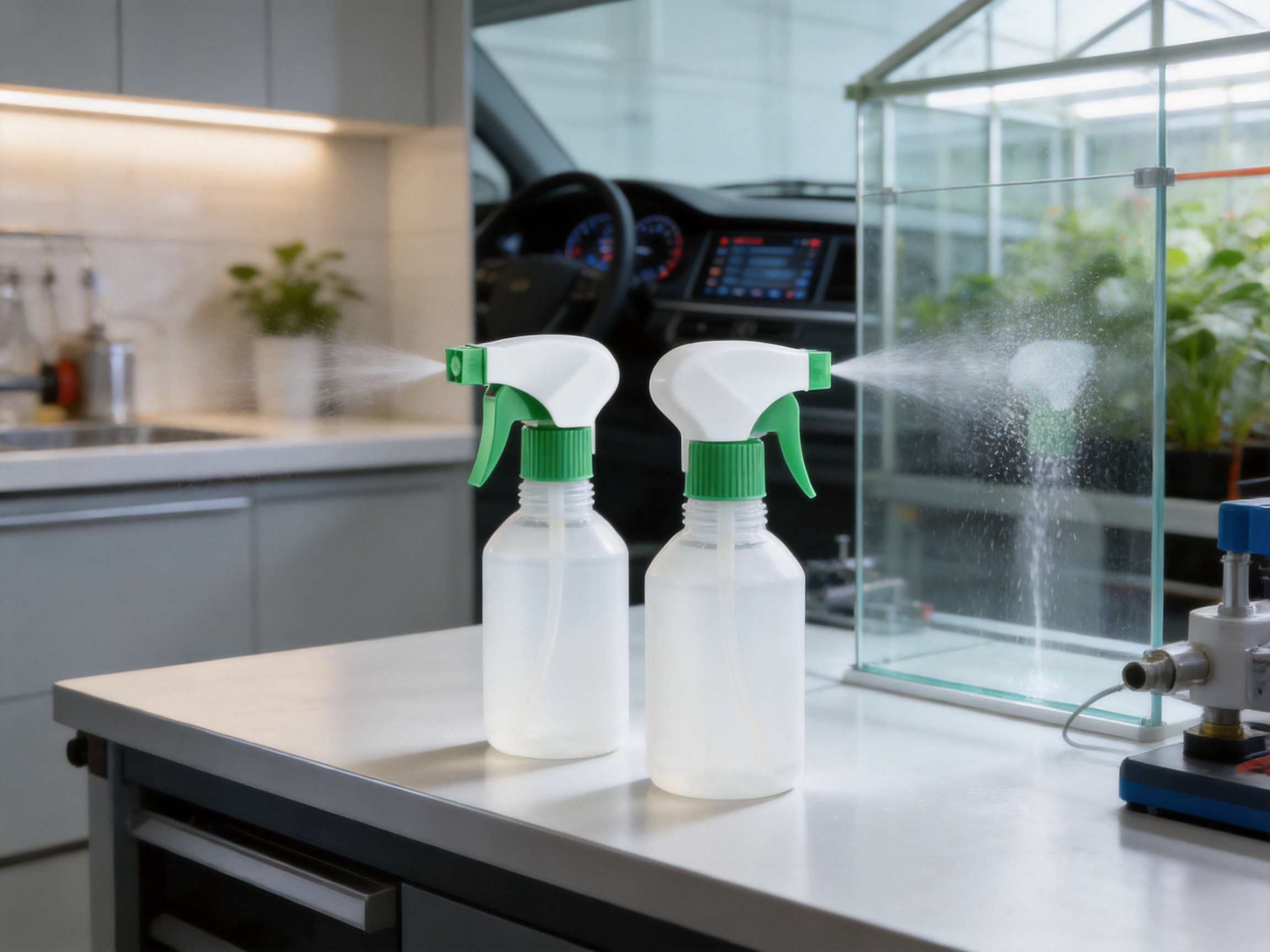
Packaging is a functional part of every household cleaning product. It protects the formula, supports safe storage, communicates product value, and determines how easily the consumer can apply the contents. For liquid cleaners, maintenance products, gardening solutions, automotive fluids, and selected personal care formulas, the trigger sprayer is especially important because it converts a stored liquid into a controlled spray.
The Plastic House Cleaning Stream Spray Trigger Sprayer, model GY-101B1, is designed as a practical dispensing component for products that require efficient, directed application. With a 28mm available size and a dosage of approximately 0.75ml per spray, it provides a balance between output control, convenience, and broad compatibility with common packaging systems.
Unlike a basic closure that only seals a bottle, a trigger sprayer becomes part of the user experience. Its actuation, spray delivery, handling, and overall reliability influence how customers judge the product inside. A well-designed trigger can help reduce unnecessary waste, make cleaning tasks more comfortable, and deliver the right amount of liquid to a surface or treatment area.
This article examines the structure, application value, manufacturing strengths, quality considerations, and customization potential of the GY-101B1 plastic stream spray trigger sprayer. It also explains why a professionally manufactured trigger can offer important advantages over low-cost, inconsistent alternatives.
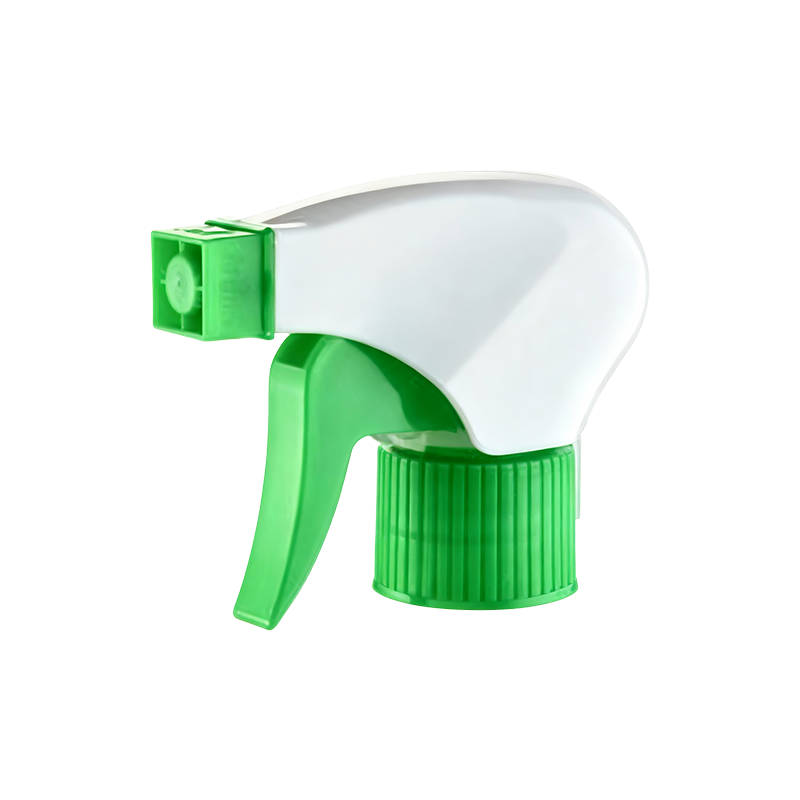
Plastic House Cleaning Stream Spray Trigger Sprayer
Product Overview
The GY-101B1 is a plastic house cleaning stream spray trigger sprayer developed for controlled liquid dispensing. Its principal specifications are a 28mm available size and a 0.75ml dosage per spray. The product is categorized as a trigger sprayer and mini trigger solution, making it suitable for packaging formats that require hand-operated spraying rather than pouring, dripping, or continuous pumping.
The sprayer is intended for house cleaning applications, but its design supports a broader range of uses. These include household hygiene, automotive care, gardening and horticulture, industrial and commercial maintenance, and selected personal and beauty care products. This versatility allows manufacturers to use one reliable dispensing platform across multiple product lines.
Product Model | GY-101B1 |
Product Type | Plastic stream spray trigger sprayer |
Available Size | 28mm |
Approximate Dosage | 0.75ml per spray |
Primary Usage | House cleaning |
Additional Applications | Automotive care, gardening, industrial use, commercial maintenance, personal care, and beauty care |
Operation | Manual trigger actuation |
Packaging Role | Controlled dispensing and directed liquid application |
The 28mm size provides a standard format for suitable bottle necks and packaging designs. Before mass production, buyers should confirm the bottle neck finish, thread specifications, dip-tube requirements, and closure fit with their packaging supplier. Compatibility testing is essential because a sprayer must not only fit the bottle mechanically but also maintain a secure seal during transport and use.
The 0.75ml dosage is appropriate for applications where the user needs a practical amount of liquid in each actuation. A controlled output can help the consumer cover a surface without immediately saturating it. It can also support more predictable product usage, which is valuable for manufacturers seeking to improve consumer satisfaction and manage product consumption.
Why Trigger Dispensing Matters in House Cleaning
Household cleaning products are used on many different surfaces, including glass, ceramic, stainless steel, plastic, painted materials, countertops, appliances, bathroom fixtures, and vehicle interiors. These surfaces often require different application methods. A trigger sprayer gives the user greater control over where the product goes and how much is applied.
For a ready-to-use cleaner, the trigger format is often more convenient than a screw cap. The consumer can hold the bottle in one hand and activate the sprayer with the fingers, allowing the product to be directed toward a specific area. This is useful for spot cleaning, treatment of stains, wiping, sanitizing routines, and general maintenance.
A stream spray pattern is particularly useful when the liquid needs to travel toward a defined target. Instead of producing only a broad cloud, a stream-oriented sprayer can help place the liquid on a narrow area or reach a location that is not directly beside the user. The appropriate spray mode depends on the formula, the bottle geometry, the nozzle design, and the intended application.
Controlled dispensing also supports better product management. When the delivery amount is reasonably consistent, users can develop a repeatable cleaning routine. Manufacturers may benefit from more predictable usage rates, clearer dosage guidance, and improved alignment between product claims and practical performance.
The trigger format can further reduce the need for direct contact with the liquid. This is important for household cleaners that may contain active ingredients, fragrances, solvents, degreasers, or other substances that should be handled carefully. Although packaging does not replace proper safety labeling or protective equipment, a well-designed dispenser can make normal application more convenient and controlled.
Key Product Advantages
Controlled 0.75ml Output
The approximate 0.75ml dosage is one of the main functional advantages of the GY-101B1. A consistent output helps the user apply the product in a measured way rather than pouring an uncontrolled quantity. This can be valuable for cleaners that work effectively in small amounts or for products where excessive application creates additional wiping work.
Controlled dosage is also relevant to commercial product planning. A brand can estimate the approximate number of actuations available from a bottle, compare package sizes, and design usage instructions around a practical dispensing rate. Actual output may vary according to formula viscosity, temperature, bottle orientation, actuation speed, and production tolerances, so performance testing should be completed with the final liquid formulation.
28mm Packaging Compatibility
The 28mm available size gives packaging designers a familiar starting point for bottle development. It can be used with suitable PE or PET bottles and other compatible containers designed for trigger closures. A standard size may simplify component sourcing, packaging design, and production planning, provided that the selected bottle and sprayer are tested together.
For a complete package, compatibility involves more than the outer diameter. Thread engagement, sealing surfaces, dip-tube length, cap fit, torque requirements, and internal clearance all influence performance. A professionally manufactured sprayer can provide a strong foundation, but the complete bottle-and-trigger assembly still requires validation.
Versatile Application Range
The sprayer is primarily intended for house cleaning, yet its functional range extends to several related categories. In automotive care, it can be used for interior cleaners, detailing products, glass treatments, and maintenance solutions. In gardening, it may support the application of suitable plant-care products, surface treatments, or general horticultural solutions.
Industrial and commercial users can consider the sprayer for maintenance liquids, workshop cleaners, janitorial products, and other compatible formulations. Personal and beauty care applications may include selected body, hair, or surface products, provided that the chemical compatibility and output pattern meet the requirements of the final formula.
This cross-category usability is an advantage for companies that manage multiple product families. Instead of developing a completely different dispenser for every application, a versatile trigger platform may reduce design complexity and support a more consistent visual identity across product lines.
Practical Manual Operation
A trigger sprayer is naturally suited to repeated application because the hand motion is simple and familiar. The user squeezes the trigger to activate the internal pump mechanism, and the formula is delivered through the nozzle. The design can be especially useful for products that are applied intermittently rather than dispensed continuously.
Ergonomic performance depends on the trigger shape, actuation force, return action, bottle size, and the relationship between the sprayer and the user’s hand. These elements should be evaluated during sampling. A trigger that is easy to operate helps reduce fatigue and contributes to a more positive experience during cleaning tasks.
Directed Application
The stream spray configuration supports targeted dispensing. A directed spray can be useful for narrow stains, grout lines, corners, equipment components, and other areas where broad dispersion is unnecessary. It may also help reduce overspray on nearby surfaces when the user applies the product carefully.
Directed application is not identical to atomization. A stream sprayer generally produces a more concentrated liquid path than a fine mist sprayer. This distinction makes the GY-101B1 better suited to products and tasks requiring a focused application rather than a soft, airborne mist.
Plastic Construction for Scalable Packaging
Plastic is widely used for trigger sprayers because it supports complex molded geometries, efficient production, manageable weight, and broad packaging compatibility. Plastic components can be engineered to form the housing, trigger, nozzle, internal pathways, and closure features required by the dispensing system.
Lightweight plastic packaging can also contribute to more efficient logistics compared with heavier alternatives. Reduced package weight may support easier handling in warehouses, retail environments, and household settings. The final sustainability profile depends on the resin selection, component design, recycled content, recyclability, and local waste-management infrastructure.
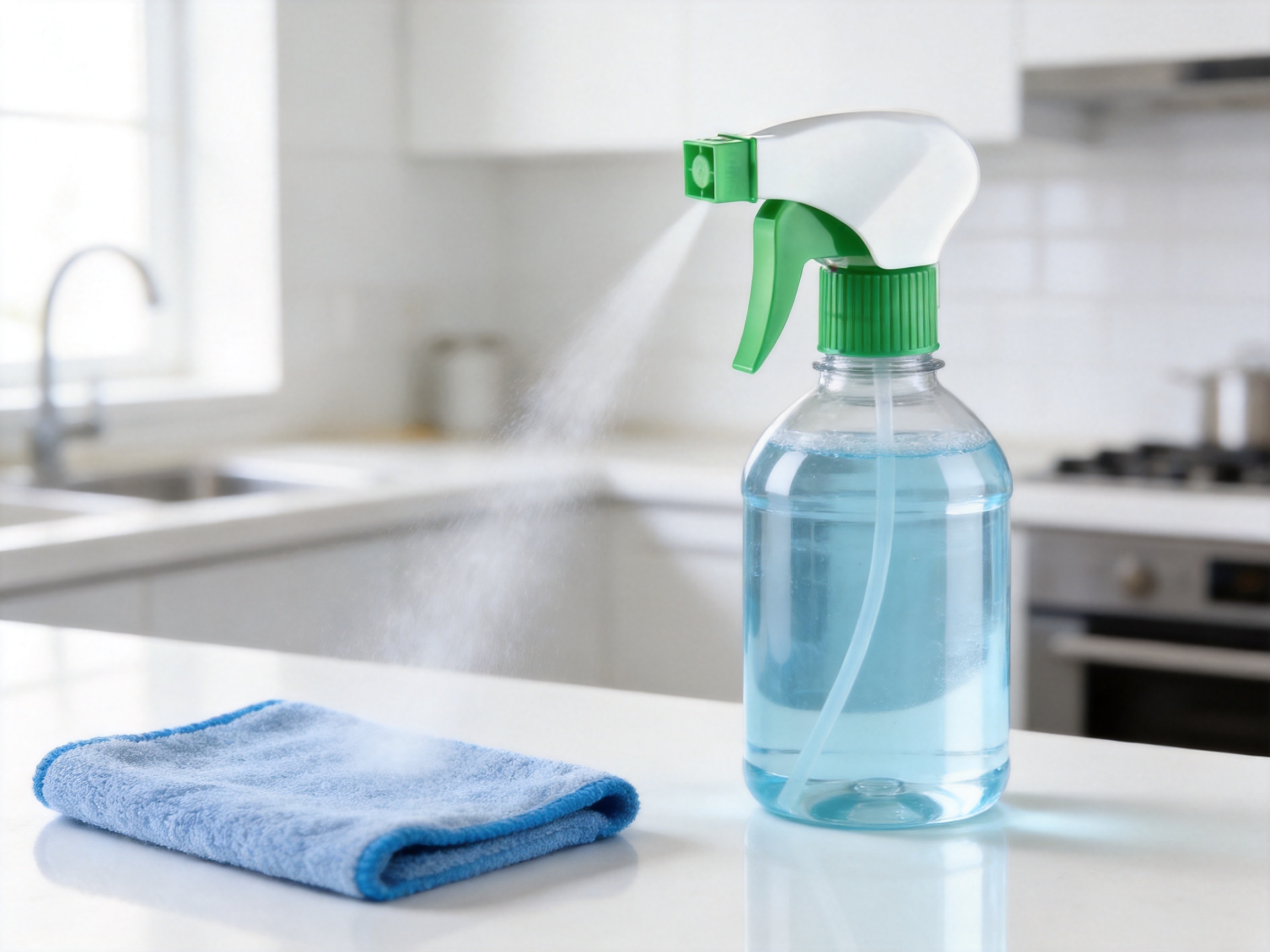
Advantages Over Inconsistent Low-Cost Alternatives
Price is an important factor in packaging procurement, but the lowest initial purchase price does not always represent the lowest total cost. An unreliable trigger can lead to leakage, poor spray performance, high rejection rates, customer complaints, and additional inspection or replacement expenses. For household cleaning products sold at scale, small component problems can become significant operational issues.
More Consistent Dispensing
Professionally controlled molding and assembly can help maintain more consistent dosage and spray behavior. When a trigger varies significantly from one unit to another, some users may receive too much liquid while others receive too little. A more stable production process helps the finished product deliver a predictable experience.
Consistency is particularly important when a product is marketed with specific usage instructions. Although no dispenser can eliminate all variation under different conditions, strong process controls can reduce avoidable differences related to component dimensions, internal fit, and nozzle formation.
Improved Seal and Leakage Control
A trigger sprayer must remain sealed during filling, storage, shipping, and consumer use. Poorly matched components or inconsistent assembly can create leakage around the bottle neck, closure, dip tube, or internal pump system. Leakage damages labels, cartons, and nearby products while also creating safety and customer-service concerns.
Proper tooling, controlled assembly, and inspection procedures help reduce these risks. The final package should still undergo upright storage tests, inverted tests, transport simulation, pressure evaluation where appropriate, and compatibility testing with the actual formula.
Better User Confidence
Consumers quickly notice whether a trigger works smoothly. A product that sprays on the first pull, returns correctly, and maintains its function over repeated use appears more dependable than one that requires excessive force or becomes inconsistent. Reliable dispensing can therefore strengthen the perceived quality of the entire product.
This is an important competitive advantage because the trigger is one of the few parts of a cleaning package that the consumer physically operates every time the product is used. A strong formula may not receive full credit if the dispenser is frustrating, difficult to use, or prone to failure.
Suitable for Professional and Household Channels
The GY-101B1 is designed for both household and professional applications. Household users may value convenience and clean handling, while janitorial, automotive, hospitality, and maintenance users may require repeated operation and dependable output. A versatile sprayer can support both channels when the formulation and package are properly matched.
Compared with a generic closure intended only for basic storage, a dedicated trigger sprayer adds application functionality. It can help a manufacturer position the product as ready to use, easy to apply, and suitable for regular maintenance routines.
Manufacturing Capabilities Behind the Product
The performance of a plastic trigger sprayer depends heavily on the manufacturing system used to produce it. GreenYard Tools Co., Ltd. is a China-based packaging material manufacturer with 16 years of experience in spray product manufacturing. Its product range includes perfume sprayers, pump heads, caps, bottles, and daily chemical packaging solutions.
The company reports a daily production capacity of one million units. This capacity is important for customers that require stable supply, repeat orders, and coordinated packaging programs. High capacity alone does not guarantee quality, but it provides a foundation for serving both large-volume projects and developing product lines when supported by effective production management.
Mold Design
Mold design is a fundamental step in trigger sprayer manufacturing. The mold determines the geometry, dimensional accuracy, surface finish, and repeatability of molded components. For a product containing multiple small parts, precise mold engineering is especially important because each part must fit into the complete pump system.
A capable mold design team can consider draft angles, wall thickness, gate locations, cooling behavior, ejection, shrinkage, and assembly requirements before production begins. These details influence not only the appearance of the sprayer but also its functional reliability and production efficiency.
For customized projects, mold design expertise allows the manufacturer to adapt external shapes, colors, branding areas, closure dimensions, and other features while preserving the internal performance requirements of the sprayer. This can give brands greater freedom to create packaging that is recognizable without sacrificing practicality.
Injection Molding
Injection molding enables the production of detailed plastic components at high volume. Plastic material is heated, injected into a mold, cooled, and ejected as a formed part. The process must be controlled carefully to manage dimensional stability, surface quality, flash, warpage, short shots, and other potential defects.
For trigger sprayer components, injection molding may be used to create the outer housing, trigger lever, nozzle elements, closure parts, and other structural pieces. Consistent molding supports reliable assembly and helps reduce variation between production batches.
Material selection should be based on the intended liquid, temperature range, mechanical requirements, appearance, and regulatory expectations of the target market. Compatibility testing with the actual formula remains essential because different chemicals can interact differently with plastics, seals, and internal components.
Automated Assembly
Trigger sprayers include multiple components that must be assembled in the correct sequence and orientation. Automated assembly can improve speed and repeatability while reducing dependence on manual handling. It may also help standardize the installation of internal parts, dip tubes, springs, valves, and actuating components.
Automation is particularly valuable at high production volumes. It can support stable cycle times, consistent component placement, and more efficient production scheduling. Automated processes may also be combined with sensors or visual checks to identify missing, misplaced, or incorrectly assembled parts before products move to the next stage.
Quality Inspection
Quality inspection is necessary to confirm that finished sprayers meet defined requirements. Inspection may include visual examination, dimensional checks, closure fit testing, spray testing, output measurement, actuation evaluation, leakage testing, and packaging integrity checks.
A strong inspection system should address both appearance and performance. A component may look acceptable but fail to spray correctly, while a functional unit may still have a cosmetic defect that affects brand presentation. The appropriate inspection standards depend on the customer’s specifications, product category, market requirements, and agreed quality limits.
Quality data can also support continuous improvement. When defects are categorized and analyzed, the manufacturer can identify patterns associated with molds, materials, assembly stations, or operating conditions. Corrective actions may then improve future batches and reduce recurring problems.

Design and Engineering Considerations
Formula Compatibility
The first engineering question is whether the sprayer is compatible with the liquid it will dispense. Cleaning products can vary widely in pH, surfactant content, solvent concentration, fragrance composition, viscosity, and active ingredients. Some formulas may affect plastics, gaskets, springs, valves, or other internal materials over time.
Compatibility testing should evaluate both immediate and long-term effects. Samples can be filled with the intended formula and stored under controlled conditions. The package should then be checked for swelling, cracking, discoloration, leakage, loss of spray performance, changes in dosage, and difficulty in actuation.
Testing should include realistic orientations and temperatures whenever possible. A package stored on its side or upside down may expose internal parts to the formula differently from an upright package. Distribution conditions can also introduce heat, vibration, pressure changes, and repeated movement.
Bottle Matching
The trigger and bottle must function as one system. The 28mm available size provides a reference for bottle selection, but the precise neck finish must be confirmed. The bottle should have suitable strength, thread geometry, sealing surfaces, and dimensional consistency.
PE and PET bottles are common options for household and personal care packaging. PE can provide useful flexibility and chemical resistance for many applications, while PET can offer clarity, stiffness, and a premium appearance. The correct choice depends on the formula, filling process, required transparency, drop resistance, and intended market.
The dip tube should reach an appropriate position inside the bottle without being compressed, sharply bent, or blocked by the container base. If the tube is too short, residual product may remain in the bottle. If it is too long or incorrectly cut, it may interfere with the base or reduce consistent pumping.
Output and Spray Pattern
The approximate dosage of 0.75ml per actuation provides a useful performance reference, but the final spray pattern should be evaluated with the actual formula. Viscosity, surface tension, temperature, and user actuation speed can influence the output. A product that performs well with water may behave differently with a thicker or more complex cleaner.
Testing should examine the first spray, repeated sprays, spray direction, output uniformity, nozzle clarity, and performance after storage. If the formula contains particles, suspended materials, or crystallizing ingredients, additional evaluation may be necessary to determine whether the nozzle remains open during repeated use.
Ergonomics
The trigger should be comfortable for the intended user group. Important factors include the size of the finger contact area, the distance from the trigger to the bottle, the required actuation force, the return speed, and the overall balance of the filled package.
Household consumers may use the sprayer for short cleaning tasks, while professional users may activate it hundreds of times during a work shift. For professional applications, actuation comfort and durability become especially important. User trials can reveal issues that are not obvious during bench testing.
Appearance and Brand Presentation
Although performance is the primary requirement, appearance influences shelf appeal and brand recognition. Trigger sprayers may be produced in different colors or coordinated with bottle and label designs. A clean surface finish, accurate color matching, and consistent assembly can help a product appear more premium.
Customization may include color selection, decorative elements, labeling compatibility, and packaging configuration. The exact options depend on tooling, material, order quantity, and production requirements. Buyers should clarify color standards, acceptable variation, sample approval procedures, and inspection criteria before mass production.
Applications Across Multiple Industries
Household Cleaning and Hygiene
The primary application for the GY-101B1 is household cleaning. It can support ready-to-use products for kitchens, bathrooms, living spaces, glass surfaces, general dust removal, spot treatment, and maintenance routines. The directed spray helps the consumer apply liquid where it is needed before wiping or rinsing.
For hygiene products, controlled dispensing may help limit unnecessary contact with the formula. However, manufacturers must ensure that all claims, instructions, and safety information accurately reflect the product formulation and local regulations.
Automotive Care
Automotive products often require targeted application to dashboards, door panels, windows, wheels, upholstery, and other surfaces. A trigger sprayer can provide a convenient format for interior cleaners, detailing products, glass treatments, and selected maintenance liquids.
The vehicle environment may expose packaging to temperature fluctuations and sunlight. Therefore, automotive applications should include appropriate storage and aging tests. The package should remain functional after exposure to the conditions reasonably expected during distribution and use.
Gardening and Horticulture
Gardening products may require directed application to leaves, tools, pots, surfaces, or other defined areas. A trigger sprayer can support practical handling in home gardens, greenhouses, and maintenance settings when the formulation is suitable for the pump system.
Because horticultural products may contain active ingredients, manufacturers should complete careful compatibility, labeling, and regulatory evaluations. The sprayer should be selected according to the product’s chemical characteristics and required application method.
Industrial and Commercial Use
Commercial cleaning teams, workshops, hospitality operations, offices, and maintenance departments often need dispensing components that are easy to operate repeatedly. A durable trigger format can help workers apply cleaning and maintenance liquids without carrying large open containers or using separate pouring tools.
Industrial users may also prioritize supply stability, batch consistency, packaging customization, and delivery scheduling. A manufacturer with integrated mold design, injection molding, automated assembly, and inspection capabilities can provide a more coordinated supply solution than a distributor that sources each component independently.
Personal and Beauty Care
Some personal care and beauty products may benefit from a directed spray format. Examples can include selected hair treatments, body products, grooming solutions, and care products that require controlled application. The final choice should depend on the formula, skin-contact requirements, aesthetic expectations, and applicable regulations.
Personal care packaging often places additional emphasis on appearance and tactile quality. Smooth actuation, attractive color, clean molding, and reliable closure performance can all contribute to the perception of product quality.
Production and Procurement Benefits
For packaging buyers, a capable manufacturing partner can simplify the path from concept to finished component. Instead of coordinating mold development, component production, assembly, and inspection across several unrelated suppliers, customers may work with an integrated source for multiple packaging needs.
The company’s product portfolio includes crimp pumps, fine mist sprayers, lotion pumps, treatment pumps, foam pumps, droppers, cosmetic plastic packaging caps, airless bottles, deodorant stick bottles, cream jars, nail polish pumps, trigger sprayers, PE and PET bottles, and roll-on bottles. This range can be valuable for customers developing several product categories at the same time.
Integrated capabilities may support better communication between design, engineering, production, and quality teams. Packaging decisions made during early development can be evaluated against actual molding and assembly requirements. This can reduce avoidable redesigns and help the buyer understand the practical effects of customization.
Supply continuity is another consideration. A manufacturer with substantial daily capacity may be better positioned to support repeat orders and expanding demand. Buyers should still confirm lead times, minimum order quantities, tooling ownership, packaging methods, export documentation, and contingency planning before placing a commercial order.
Production scale can also contribute to cost efficiency. When molds, equipment, and assembly processes are optimized for volume, the unit cost may become more competitive without requiring reductions in essential quality controls. The best commercial decision balances purchase price, performance, reliability, delivery, and total ownership cost.
Recommended Quality Validation Program
Before approving the GY-101B1 for a finished product, buyers should create a validation plan that reflects the actual application. The following evaluations can provide useful information.
Evaluation Area | Purpose |
Dimensional inspection | Confirm the 28mm size and related closure dimensions meet the approved specification. |
Bottle fit testing | Verify thread engagement, sealing, torque, and overall package compatibility. |
Dosage testing | Measure approximate output per actuation using the intended formula. |
Spray pattern testing | Confirm that the liquid is delivered in the desired stream or directed pattern. |
Actuation testing | Evaluate trigger force, return action, and repeated-use performance. |
Leakage testing | Check the closure and internal system under upright, inverted, and transport-related conditions. |
Formula compatibility testing | Identify material changes or performance loss after contact with the finished formula. |
Drop and handling testing | Assess package integrity after reasonable handling and accidental impact conditions. |
Storage testing | Evaluate performance after exposure to time, temperature, and orientation variations. |
Visual inspection | Confirm color, molding quality, assembly, cleanliness, and cosmetic consistency. |
Testing should be performed on representative samples from the intended production process. Laboratory samples made from temporary materials or nonproduction tooling may not fully represent mass-produced components. Production trials and pre-shipment inspections can provide additional confidence before a large commercial release.
Packaging validation should also consider the filled product as a complete system. The bottle, trigger, dip tube, formula, label, carton, and shipping configuration can interact in ways that are not visible when each component is tested separately.
Responsible Use and Consumer Communication
A trigger sprayer improves application convenience, but safe use still depends on accurate product instructions. The finished package should communicate where the product can be used, how much to apply, whether ventilation is needed, and what precautions are appropriate for the formula.
Consumers should be advised to keep cleaning products away from children and pets when relevant, avoid contact with eyes or skin when applicable, and follow the formulation supplier’s safety guidance. Packaging manufacturers support dispensing performance, but the chemical manufacturer remains responsible for formula-specific instructions, hazard communication, and regulatory compliance.
The sprayer should also be evaluated for accidental activation during transport and storage. Depending on the final design, a lock, clip, or other safety feature may be considered. The appropriate solution depends on the product category, distribution method, regulatory expectations, and consumer profile.
Sustainability Considerations
Plastic packaging decisions increasingly include sustainability objectives. A trigger sprayer can be assessed through several design and production factors, including material quantity, component count, durability, recyclability, recycled content, packaging efficiency, and expected product life.
A durable trigger may reduce the likelihood of premature failure and help consumers use more of the product inside the bottle. Lightweighting can reduce material use and transport weight when it does not compromise strength or function. At the same time, complex multi-material assemblies may create recycling challenges, so designers should consider end-of-life requirements in the target market.
Manufacturers can discuss material selection, component reduction, production efficiency, and packaging configuration during the development process. Sustainability claims should be supported by appropriate technical evidence and should accurately reflect the complete package rather than a single component.
For buyers, the most practical approach is to define clear environmental objectives at the beginning of the project. These may include lower package weight, improved durability, reduced secondary packaging, higher recycled content, or compatibility with a specific recycling stream. Early decisions are generally easier and less expensive to implement than late-stage changes after tooling and production have been finalized.
Customization and Product Development Support
Different brands may require different packaging appearances, closure colors, bottle combinations, and output expectations. A manufacturer with experience in mold design and packaging production can help translate these requirements into a manufacturable product.
Customization should begin with a technical brief. The brief may include the formula type, viscosity, pH range, chemical ingredients, target dosage, spray pattern, bottle size, neck finish, color, annual volume, market, labeling requirements, and expected storage conditions.
Prototype samples can then be used to assess fit, function, appearance, and user experience. It is useful to test samples with the actual formula rather than water alone because liquid properties affect pumping and spray behavior. Multiple rounds of evaluation may be necessary when a project involves a new bottle shape, unusual viscosity, or specialized application.
Color and appearance approval should be documented clearly. Buyers may specify a color reference, surface finish, transparency level, or decorative effect. Production tolerances should also be agreed in advance so that both parties have a common understanding of acceptable variation.
For larger programs, buyers may benefit from a formal quality agreement covering inspection standards, sampling plans, defect classification, packaging methods, lot identification, traceability, and corrective-action procedures. Clear documentation helps protect both the customer and the manufacturer throughout the supply relationship.
Why Manufacturing Experience Matters
Sixteen years of experience in spray product manufacturing gives a supplier valuable exposure to different formulas, package formats, production challenges, and customer requirements. Experience does not replace project-specific testing, but it can improve the speed and quality of technical communication.
A knowledgeable manufacturer can often identify potential issues early, such as an unsuitable bottle neck, excessive actuation force, inadequate dip-tube length, incompatible material, or an output target that does not match the formula. Early identification helps reduce unnecessary tooling changes and delays.
Experience is also valuable when customers require several related components. A supplier familiar with pumps, sprayers, caps, bottles, and jars can consider how individual parts work together within a broader packaging system. This systems-oriented approach may be more effective than evaluating the trigger as an isolated item.
GreenYard Tools Co., Ltd. combines mold design, injection molding, automated assembly, and quality inspection. These capabilities provide an integrated foundation for producing dispensing components at commercial scale. The company’s stated daily production capacity of one million units further supports customers seeking high-volume supply for domestic and global markets.
How to Select the Right Trigger Sprayer Supplier
Buyers comparing suppliers should look beyond catalog photographs and unit prices. Important questions include whether the supplier can provide technical drawings, samples, formula compatibility guidance, inspection data, production capacity information, and clear communication throughout development.
The supplier should be able to explain the available size, dosage range, material options, closure compatibility, minimum order quantity, tooling process, lead time, packaging method, and quality-control procedures. The ability to answer these questions clearly is an indicator of production readiness.
Buyers should also examine whether the supplier has experience with the intended product category. A trigger for a mild household cleaner may have different requirements from one used with a solvent-containing automotive product or a personal care formula. Category experience can help guide appropriate validation without replacing formal testing.
Samples should be evaluated by more than one department when possible. Packaging engineers can assess fit and performance, product developers can evaluate formula interaction, marketing teams can review appearance, and users can provide feedback on ergonomics. Cross-functional evaluation creates a more complete understanding of the product.
Finally, commercial reliability should be considered. Consistent production, realistic delivery commitments, export experience, responsive service, and corrective-action capability are all important when the trigger sprayer is part of a recurring packaging program.
Practical Selection Checklist
Before placing an order for the GY-101B1 or a customized version, buyers can use the following checklist:
1. Confirm that the 28mm available size matches the selected bottle neck and closure specification.
2. Test the approximate 0.75ml dosage with the finished formula rather than relying only on water testing.
3. Confirm that the stream spray pattern is appropriate for the intended cleaning or maintenance task.
4. Evaluate actuation force, trigger comfort, return action, and performance during repeated use.
5. Check leakage resistance under upright, inverted, storage, and transport conditions.
6. Review compatibility with the formula’s pH, solvents, surfactants, fragrances, preservatives, and active ingredients.
7. Confirm dip-tube length, cut, material, and position inside the selected bottle.
8. Approve color, surface finish, appearance, and any decoration before mass production.
9. Establish inspection standards for dimensions, output, cosmetic quality, assembly, and packaging.
10. Confirm production capacity, order quantity, lead time, shipping method, and after-sales communication procedures.
11. Determine whether a locking feature or transport safeguard is required for the finished package.
12. Review sustainability objectives and identify opportunities for material reduction or improved recyclability.
13. Retain approved samples and technical records for comparison during future production batches.
Q&A
What is the GY-101B1?
The GY-101B1 is a plastic stream spray trigger sprayer designed primarily for house cleaning products. It is also suitable for selected automotive, gardening, industrial, commercial, personal care, and beauty care applications.
What size is available?
The available size is 28mm. Buyers should confirm the exact neck finish and thread compatibility between the sprayer and the selected bottle before production.
What is the dosage per spray?
The stated dosage is approximately 0.75ml per spray. Actual output can vary according to the formula, temperature, bottle orientation, actuation speed, and production tolerances, so testing with the final liquid is recommended.
Is this sprayer intended for fine mist applications?
The product is described as a stream spray trigger sprayer. It is intended for directed liquid application rather than specifically for fine mist performance. Buyers requiring atomized or ultra-fine output should evaluate a dedicated fine mist sprayer.
What products can use this trigger sprayer?
Typical applications include household cleaners and hygiene products. Other possible uses include automotive care liquids, gardening and horticultural products, industrial and commercial maintenance solutions, and selected personal or beauty care formulas.
Can it be used with any cleaning formula?
No. Formula compatibility must be confirmed for each product. Ingredients, pH, solvents, surfactants, fragrances, viscosity, and active substances may affect the sprayer’s materials and performance.
What bottles can be used with the sprayer?
Suitable PE, PET, and other compatible bottles may be considered. The bottle must match the 28mm closure requirements and provide appropriate thread, sealing, strength, and dip-tube compatibility.
Why is dosage consistency important?
Consistent dosage helps users apply a predictable amount of product, supports clearer instructions, and may reduce unnecessary waste. It can also help manufacturers estimate product usage and improve quality control.
What manufacturing capabilities support this product?
The manufacturer has capabilities in mold design, injection molding, automated assembly, and quality inspection. These processes support scalable production and help maintain component consistency.
What is the stated production capacity?
The company reports a daily production capacity of one million units. Specific capacity allocation, lead time, and order scheduling should be confirmed for each project.
Can the trigger sprayer be customized?
Customization may be possible for colors, appearance, packaging configuration, and selected design requirements. Custom projects should begin with a technical brief and sample evaluation to confirm that the requested changes remain compatible with performance and production needs.
What testing should buyers complete?
Recommended testing includes bottle fit, dosage, spray pattern, actuation, leakage, formula compatibility, storage, transport, drop handling, and visual inspection. The exact program should reflect the final formula, bottle, market, and distribution conditions.
Is this sprayer suitable for professional use?
It is designed for both professional and household applications. Professional users should evaluate repeated actuation, ergonomics, durability, and compatibility with the working environment before approval.
What should buyers provide when requesting a quotation?
Useful information includes the intended formula, bottle size, neck finish, target dosage, spray pattern, color, annual quantity, delivery market, customization requirements, and desired testing standards. Detailed information helps the manufacturer recommend an appropriate configuration and provide a more accurate quotation.
Conclusion
The Plastic House Cleaning Stream Spray Trigger Sprayer is a practical dispensing solution for products that require controlled, directed liquid application. Its 28mm available size and approximately 0.75ml dosage make it a useful platform for household cleaning and related categories.
Its main advantages include controlled dispensing, convenient manual operation, targeted spray delivery, broad application potential, and suitability for both household and professional use. Compared with inconsistent low-cost alternatives, a professionally manufactured trigger can provide better reliability, more stable assembly, improved leakage control, and a stronger user experience.
The product’s value is supported by the manufacturer’s broader production capabilities, including mold design, injection molding, automated assembly, and quality inspection. With 16 years of spray product manufacturing experience and a reported daily capacity of one million units, the company is positioned to support packaging programs ranging from standard supply to customized development.
Successful implementation still requires complete package validation. The sprayer, bottle, formula, dip tube, closure, label, and shipping configuration should be tested together. When technical compatibility, quality control, user ergonomics, and supply planning are addressed from the beginning, the GY-101B1 can serve as a dependable component for modern cleaning, maintenance, and care products.
References
1. GreenYard Tools Co., Ltd. Product information for the GY-101B1 plastic house cleaning stream spray trigger sprayer.
2. GreenYard Tools Co., Ltd. Company information regarding mold design, injection molding, automated assembly, quality inspection, and production capacity.
3. Packaging engineering principles for trigger sprayers, closures, bottles, dip tubes, and dispensing systems.
4. General quality-control practices for molded plastic packaging components and assembled dispensing pumps.
5. General compatibility-testing practices for household cleaning, automotive care, gardening, industrial, commercial, and personal care formulations.
Product: Plastic House Cleaning Stream Spray Trigger Sprayer

-
Trigger Sprayer Guide: How It Works, Types & Buying Tips
What Is a Trigger Sprayer A trigger sprayer is a mechanical pump closure mounted on a bottle neck t...
-
Spray Bottles Explained: Choosing the Right Fine Mist Sprayer
What Makes a Good Spray Bottle A good spray bottle depends almost entirely on the quality of its pu...
-
What Is a Fine Mist Sprayer?
A fine mist sprayer is a cosmetic packaging component designed to atomize liquid formulas into ultr...
-
Misting Spray Bottle Guide: How a Fine Mist Sprayer Works
Quick Answer: What Makes a Misting Spray Bottle Work Well A misting spray bottle performs well when...
Copyright © GreenYard Tools Co.,ltd. All Rights Reserved.
Personal Care Packaging Manufacturer Custom Perfume Sprayers Factory