
-
About Us
Why Choose Us?The company possesses advanced capabilities in mold design, injection molding, and automated assembly, supported by a professional quality inspection team to ensure product reliability. A dedicated design team continuously drives product innovation, providing customers with high-quality spray solutions.
 Coming From China, Marketing To The World.
-
Products
-
News
 English
 Français
 русский
 Español
High-Output 0.7CC External Spring Plastic Mist Atomizer for Modern Product Packaging
Content
- 1 Product Overview
- 2 Why a 0.7CC Output Matters
- 3 External Spring Construction
- 4 Fine Mist Performance for Different Formulations
- 5 Advantages Compared with Conventional Low-Output Sprayers
- 6 24-410 Compatibility and Packaging Integration
- 7 Customization Options for Product Developers
- 8 Manufacturing Capabilities
- 9 Quality Control Considerations
- 10 Application Areas
- 11 Design and User Experience Benefits
- 12 Packaging Development and Testing Workflow
- 13 Sustainability and Material Efficiency Considerations
- 14 Supply Advantages of an Experienced Packaging Manufacturer
- 15 How to Select the Correct Sprayer for a Product
- 16 Frequently Asked Questions
- 16.1 What is the dosage of the GY-610P atomizer?
- 16.2 What bottle neck size does the sprayer use?
- 16.3 What does the external spring do?
- 16.4 Can the dip tube be customized?
- 16.5 Is the atomizer suitable for laundry products?
- 16.6 Can it be used for perfume or body mist?
- 16.7 How does it compare with a trigger sprayer?
- 16.8 What closure style does it have?
- 16.9 What types of bottles can be used?
- 16.10 What should be tested before placing a large order?
- 16.11 Does the manufacturer provide other packaging products?
- 16.12 Where is the manufacturer located?
- 17 Conclusion
- 18 References
- 19 Product: 0.7CC External Spring Plastic Mist Atomizer
Packaging is more than a container closure. It is the point where a product meets the user, and the performance of the dispensing component can influence convenience, product value, application efficiency, and overall brand perception. For perfumes, body mists, pharmacy products, laundry formulations, fabric refreshers, and other liquid products, a reliable fine mist sprayer is essential for delivering a controlled and consistent dose.
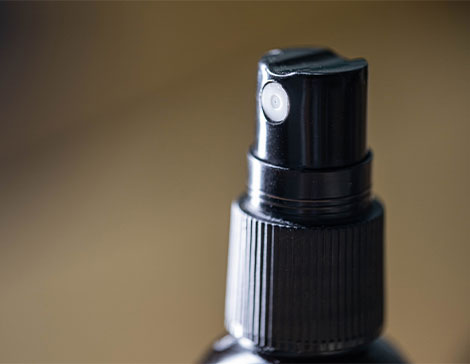
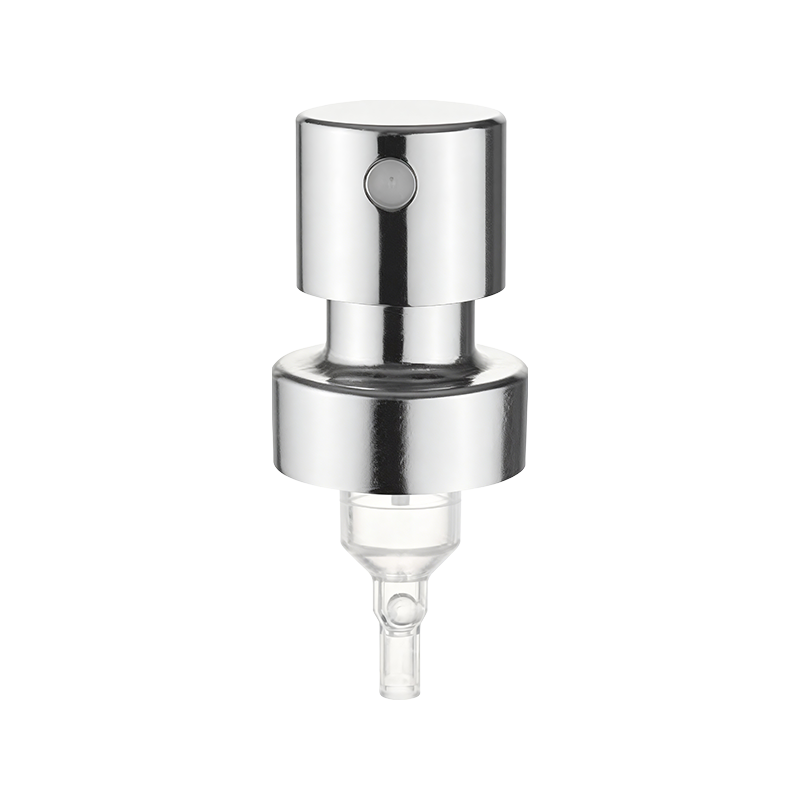
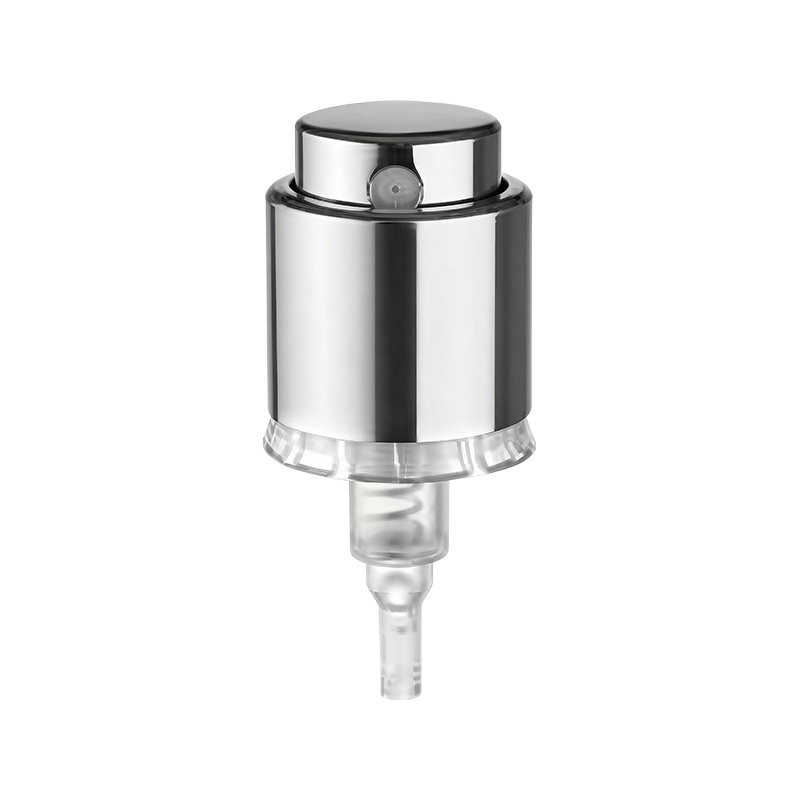
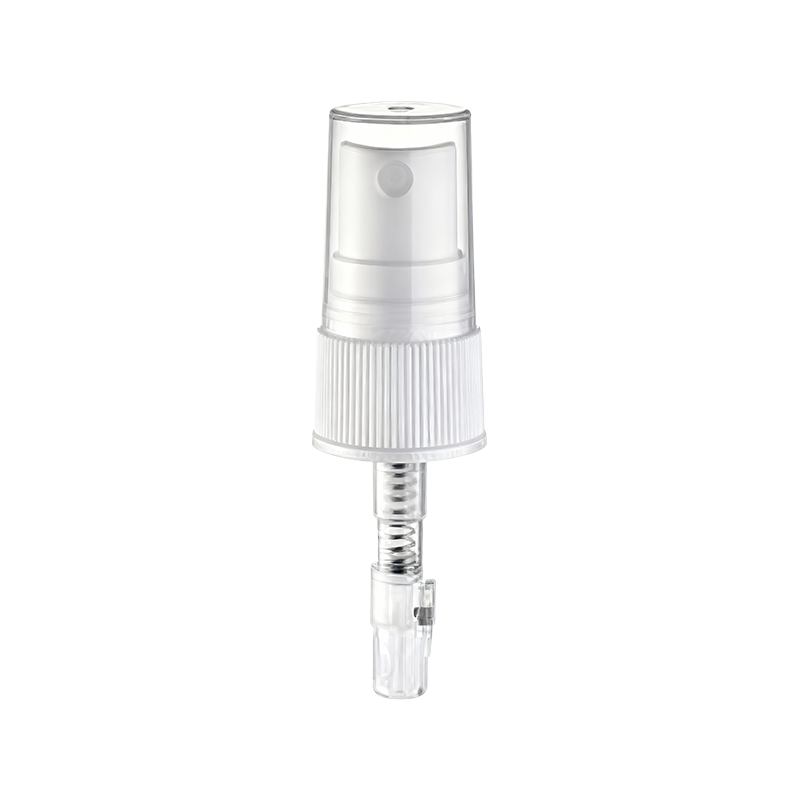
The GY-610P 0.7CC External Spring Plastic Mist Atomizer has been developed for applications that require a higher output than conventional fine mist sprayers. Delivering approximately 0.7 milliliters per stroke, this plastic atomizer is designed to provide fast coverage while maintaining the familiar operating convenience of a finger-operated spray pump. Its 24-410 neck size, ribbed closure, customizable tube length, and external spring construction make it suitable for a broad range of personal care, pharmaceutical, household, and fragrance packaging projects.
Manufactured by GreenYard Tools Co., Ltd., the sprayer is part of a wider packaging portfolio that includes perfume sprayers, lotion pumps, caps, bottles, trigger sprayers, airless packaging, roll-on bottles, and other daily chemical packaging components. With specialized capabilities in mold design, injection molding, automated assembly, and quality inspection, the manufacturer can support both standard orders and customized packaging programs.
This article examines the construction, dosage performance, compatibility, application advantages, customization options, and manufacturing strengths associated with the 0.7CC external spring plastic mist atomizer. It also explains why a high-output sprayer can be a practical alternative to ordinary mist pumps in applications where users need wider coverage or fewer strokes.

0.7CC External Spring Plastic Mist Atomizer
Product Overview
The GY-610P is a plastic fine mist sprayer designed around a 24-410 bottle finish. The designation “24-410” refers to the neck dimensions and thread configuration used to match compatible containers. This is a commonly selected packaging specification for personal care and household liquid products, allowing the sprayer to be paired with a variety of plastic and glass bottles when the bottle neck is manufactured to the same standard.
The product provides a nominal dosage of 0.7 milliliters per stroke. In practical use, this output is higher than many conventional fine mist sprayers, which are often selected for lower-dose fragrance or cosmetic applications. The increased dosage allows the user to distribute more liquid during each actuation, reducing the number of pumps required to cover a larger area.
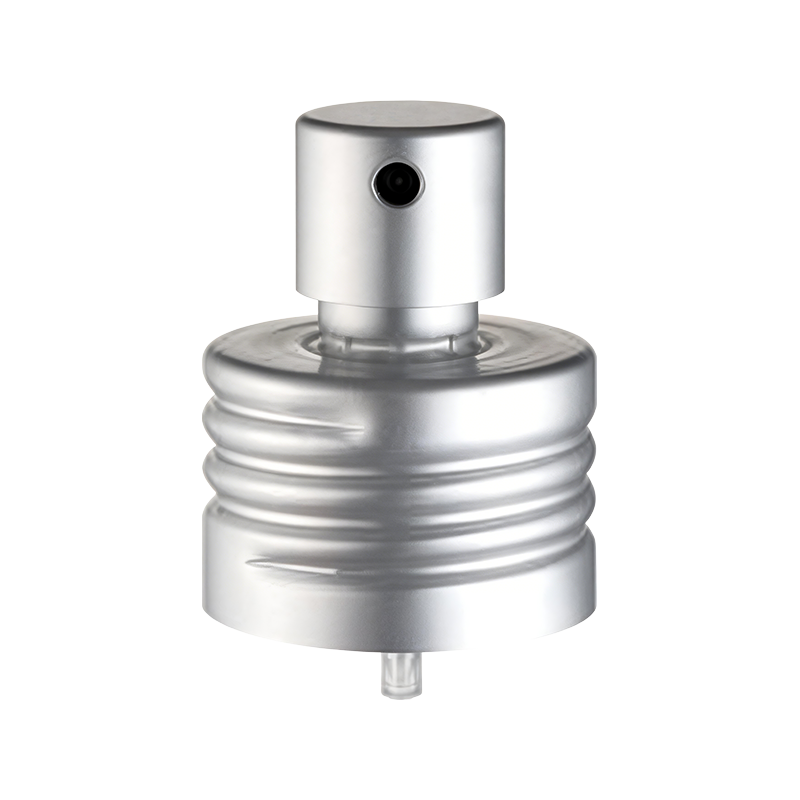
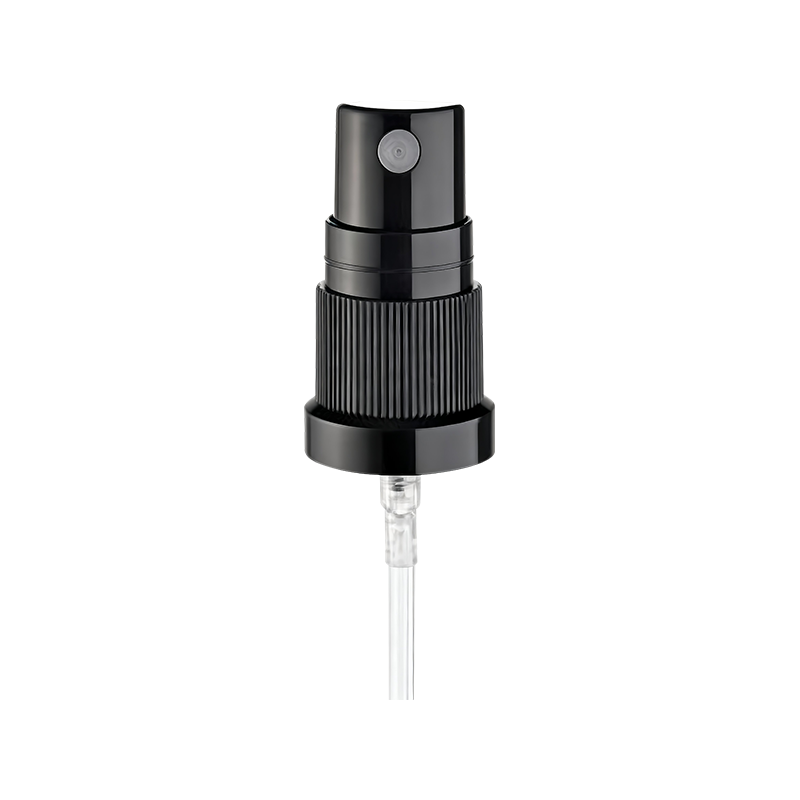
The atomizer uses a ribbed closure. Ribbing gives the user additional grip when installing, removing, or operating the closure. It also contributes to a practical visual appearance and can improve handling when the bottle or cap is exposed to moisture, lotion residue, household cleaning products, or other slippery substances.
The dip tube length can be customized according to the height and internal geometry of the selected bottle. This is important because a tube that is too short may leave product at the bottom of the container, while a tube that is too long may bend, interfere with the bottle base, or affect liquid intake. Custom tube sizing helps packaging developers optimize the sprayer for different bottle shapes and fill volumes.
Product attribute |
Specification or benefit |
Product type |
Fine mist sprayer and plastic mist atomizer |
Model |
GY-610P |
Neck size |
24-410 |
Nominal dosage |
0.7 milliliters per stroke |
Closure style |
Ribbed |
Tube length |
Customizable |
Primary applications |
Pharmacy products, perfume, body mist, laundry products, and household formulations |
Spring configuration |
External spring structure |
Why a 0.7CC Output Matters
Dosage is one of the most important performance characteristics of any dispensing package. A low-output pump may be suitable for a concentrated perfume, a facial product, or a product intended to be applied to a small area. However, other formulations require more liquid per actuation. Laundry sprays, fabric refreshers, surface-care products, body mists, and some pharmacy products may be applied across a larger area, making a higher-output sprayer more convenient.
At approximately 0.7 milliliters per stroke, the GY-610P is positioned between a traditional low-dose fine mist pump and a larger trigger sprayer. This provides a useful balance. Users can achieve faster application than with a small-output atomizer, while the packaging remains compact and familiar compared with a full-size trigger mechanism.
The higher output can contribute to improved application efficiency. If a user needs to distribute a fixed amount of product over fabric, clothing, a room surface, or the body, fewer actuations may be required. Fewer strokes can help reduce hand fatigue and make the product feel more responsive during everyday use.
For manufacturers, the 0.7CC dosage can also influence the design of the complete product system. A larger output may support a smaller number of consumer pumps per use, which can make the application process feel quicker. It may also help product developers position the package for use cases where speed and coverage are more important than ultra-fine micro-dosing.
Actual output can vary depending on formulation viscosity, liquid temperature, filling conditions, bottle orientation, component tolerances, and test methodology. Therefore, packaging developers should evaluate the sprayer with the final formula and bottle combination rather than relying solely on the nominal dosage. Proper compatibility testing helps confirm the desired spray pattern, priming behavior, leakage resistance, and long-term performance.
External Spring Construction
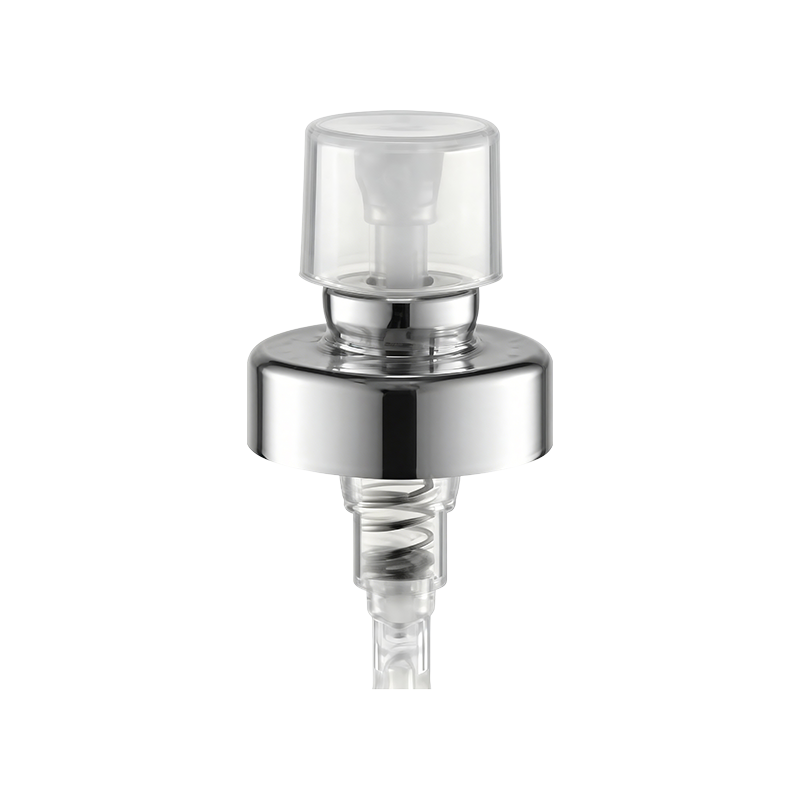
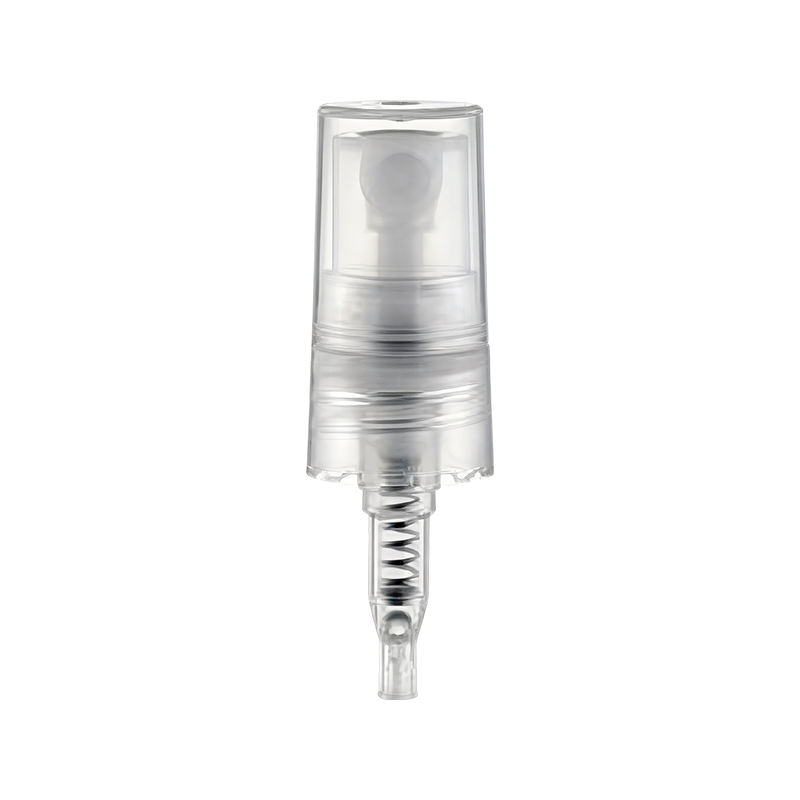
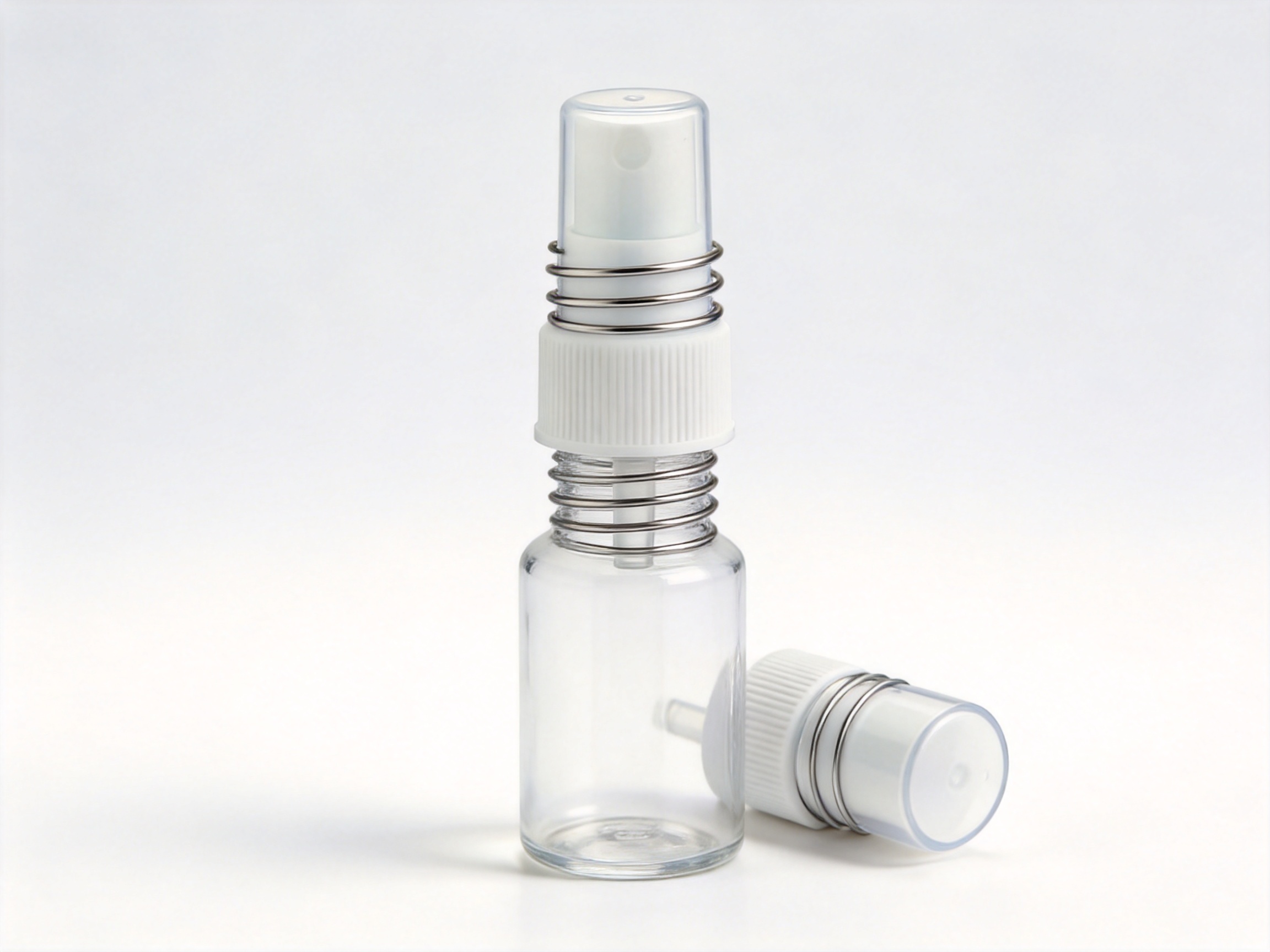
The external spring is a defining feature of this plastic mist atomizer. In a pump mechanism, the spring supports the return movement after the user presses the actuator. The spring must work repeatedly and consistently so that the pump can recover its operating position and prepare for the next actuation.
An external spring configuration can provide visible mechanical distinction from conventional internal-spring designs. It may also support a robust structural arrangement for high-output operation. Since the GY-610P is designed for a comparatively large dose, the external spring structure is an important part of its performance identity.
For packaging buyers, the external spring can offer several practical advantages. The structure is easy to recognize during product development and quality discussions. It also gives the component a distinctive technical appearance, which may be appropriate for laundry, household, industrial-adjacent, or performance-oriented product lines.
The spring and actuator system must work together with the pump chamber, valve components, dip tube, and closure. Reliable performance depends on the complete assembly rather than one isolated part. For this reason, a qualified manufacturer should control component dimensions, assembly conditions, material consistency, and functional testing throughout production.
Compared with an ordinary low-output sprayer intended for occasional fragrance use, a high-output external spring atomizer may be better suited to applications involving repeated actuation, larger coverage areas, or more frequent daily use. The design is not intended to replace every type of sprayer; instead, it fills a specific performance requirement for products that need a strong and efficient spray experience.
Fine Mist Performance for Different Formulations
A fine mist sprayer must convert liquid into a dispersed spray that is comfortable and useful for the intended application. The final spray quality depends on the pump mechanism, nozzle geometry, formulation properties, actuation speed, and bottle system. For this reason, the term “fine mist” should be understood as a packaging performance category rather than a guarantee that every formula will produce exactly the same spray pattern.
Perfume and body mist products usually require a pleasant, evenly distributed application. The GY-610P can be evaluated for fragrance products that require a higher dose per stroke than a traditional perfume pump. This may be useful for body sprays, refreshing fragrances, and larger-area personal care applications.
Pharmacy products may have different requirements depending on the formulation and intended use. The sprayer should be tested for priming time, dosage repeatability, chemical compatibility, and container closure performance. When the formula is sensitive to contamination or evaporation, the complete packaging system should also be assessed under storage and transport conditions.
Laundry products and fabric refreshers are especially suitable for high-output spray performance. These products are often applied across garments, bedding, upholstery, or other broad surfaces. A 0.7 milliliter output can help users cover the target area more quickly than a low-dose facial or perfume sprayer.
Household products may include cleaning sprays, deodorizing products, and surface-care formulations. For these applications, packaging developers should confirm that the plastic materials are compatible with the formula. Alcohols, surfactants, fragrances, solvents, acids, alkalis, and other ingredients may interact differently with plastic components, seals, and decorative finishes. Product-specific testing is therefore essential before commercial launch.
Advantages Compared with Conventional Low-Output Sprayers
The GY-610P offers several advantages when compared with ordinary low-output fine mist sprayers. The most direct advantage is its larger dosage. A pump delivering approximately 0.7 milliliters per stroke can reduce the number of actuations needed for a larger application area.
A second advantage is application speed. Consumers often prefer packaging that responds quickly and does not require many repeated presses. This is particularly relevant for laundry sprays, fabric refreshers, room products, and body mists, where the product may be used over a relatively wide area.
A third advantage is the combination of a compact pump format with high-output functionality. Trigger sprayers are commonly used for household and surface-care products, but they can be larger than a fine mist pump and may create a different visual identity. The GY-610P allows product developers to retain a more compact, refined, or personal-care-oriented appearance while gaining a higher dispensing volume.
A fourth advantage is the customizable dip tube. Standardized sprayers may be supplied with a fixed tube that is not optimal for every bottle. The ability to specify tube length helps reduce unused product and supports more flexible bottle selection.
A fifth advantage is the ribbed closure. While ribbing is a simple structural feature, it can have a meaningful effect on user handling. A secure grip supports easier installation and removal and can help consumers operate the package with more confidence.
Comparison factor |
Conventional low-output mist sprayer |
GY-610P high-output atomizer |
Output per stroke |
Typically lower and intended for light application |
Approximately 0.7 milliliters per stroke |
Coverage speed |
May require more actuations over a large area |
Designed for faster coverage with fewer strokes |
Typical positioning |
Perfume, facial mist, and low-dose cosmetic products |
Laundry, body mist, pharmacy, perfume, and household applications |
Closure handling |
May use smooth or lightly textured closures |
Ribbed closure for additional grip |
Tube selection |
May be supplied in limited standard lengths |
Customizable to the bottle design |
Mechanical identity |
Often based on a conventional internal spring arrangement |
External spring structure for a distinctive high-output design |
These differences do not mean that a high-output pump is universally better than a low-output pump. The correct selection depends on the formula, intended dosage, user expectations, bottle size, and product category. However, for broad-area application and higher dispensing efficiency, the GY-610P offers a clear functional advantage.
24-410 Compatibility and Packaging Integration
The 24-410 neck finish is an important part of the product specification. It provides a standardized interface between the sprayer and the bottle, supporting efficient packaging development. When the bottle and sprayer share the same neck specification, the components can be evaluated as a coordinated system with attention to fit, sealing, appearance, and functional performance.
Packaging designers can pair the atomizer with appropriately sized PE, PET, or other compatible bottles, subject to material and formula testing. The final selection may depend on transparency requirements, product color, chemical resistance, impact resistance, weight, recyclability goals, and desired shelf appearance.
A 24-410 package can be used for both practical and premium presentations. The bottle may be transparent to display the product, opaque to protect light-sensitive contents, or colored to support a distinctive visual identity. The pump can be matched with different bottle forms, labels, sleeves, and decorative components according to the product strategy.
Correct torque and assembly control are important for any threaded closure. Excessive torque may damage components or make consumer removal difficult, while insufficient torque may create leakage or loosening during transportation. Commercial packaging programs should establish suitable assembly parameters and verify them through production trials.
The dip tube should also be cut or produced to match the bottle. Tube placement, bottom clearance, and bottle shape can affect product evacuation. A properly customized tube supports reliable liquid intake throughout the service life of the package.

Customization Options for Product Developers
Customization is an important advantage for packaging buyers serving different markets. Although the GY-610P is based on a defined 24-410 platform, the tube length can be adapted to the selected bottle. This enables the same sprayer concept to serve multiple bottle heights and capacities.
Customization may also involve color selection, surface appearance, actuator appearance, closure finish, and packaging configuration, depending on production feasibility and order requirements. A buyer may request a color that matches the bottle, label, or product identity. A neutral color can provide a clean pharmaceutical appearance, while a stronger color can make a household or personal care product more recognizable on a retail shelf.
Before approving customized components, product developers should provide technical information about the bottle, formula, intended filling volume, and expected use conditions. Important information may include the bottle neck drawing, thread details, bottle height, liquid viscosity, alcohol content, fragrance content, pH range, storage temperature, and expected number of actuations.
Sampling should be carried out using production-intent materials whenever possible. Laboratory samples can confirm basic fit, but pilot production is more effective for checking assembly speed, torque, leakage, spray consistency, and appearance at commercial scale.
Customized tube length is particularly useful for bottle portfolios that share the same closure but have different capacities. Instead of redesigning the entire pump for every bottle, the packaging program may retain a common atomizer platform while adjusting the dip tube for each container.
Manufacturing Capabilities
GreenYard Tools Co., Ltd. is a China-based packaging manufacturer specializing in spray products and daily chemical packaging solutions. The company has been engaged in spray product manufacturing for 16 years and produces perfume sprayers, pump heads, caps, bottles, and related packaging components.
The manufacturer reports a daily production capacity of one million units. Such capacity is relevant for customers who require dependable supply for large-scale product launches, recurring replenishment, seasonal campaigns, or multinational distribution. Capacity alone does not guarantee suitability for every order, but it indicates that the company has organized production resources for volume manufacturing.
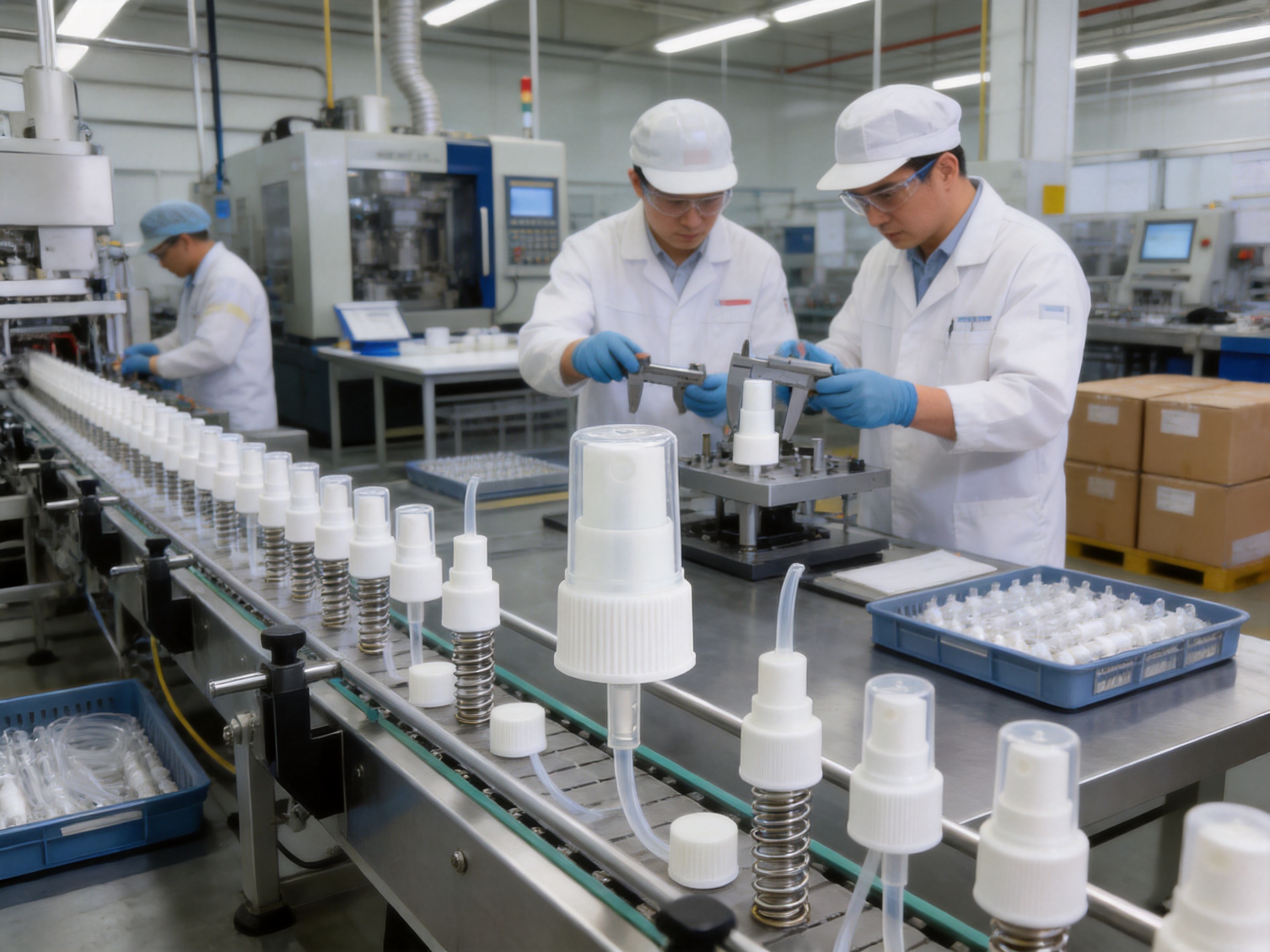
One of the company’s strengths is its ability to integrate multiple stages of the packaging process. Mold design, injection molding, automated assembly, and quality inspection can be coordinated within a structured manufacturing system. Integrated control helps reduce communication gaps between design and production and can support more consistent component quality.
Mold design is particularly important for plastic sprayer production. Small dimensional differences in the actuator, closure, housing, and other components can influence fit and function. Experienced mold engineering can help optimize part geometry, reduce defects, and support repeatable production.
Injection molding is used to produce many of the plastic components in the packaging assembly. Stable molding conditions are necessary to maintain dimensions, surface appearance, and mechanical strength. Process control may include monitoring material preparation, mold temperature, injection parameters, cooling conditions, and part inspection.
Automated assembly can improve production efficiency and help standardize the installation of small components. A mist sprayer contains multiple parts that must be assembled in the correct sequence and orientation. Automation can support consistent processing while reducing dependence on manual handling for repetitive operations.
Quality inspection is another essential manufacturing stage. Sprayers should be evaluated for appearance, assembly integrity, dosage, actuation, leakage, closure fit, and other relevant criteria. Inspection plans should be matched to the product specification and customer requirements.
Quality Control Considerations
A quality mist atomizer must perform consistently from the first actuation through repeated use. Important evaluation areas include priming, spray output, actuator recovery, liquid intake, leakage resistance, closure fit, and compatibility with the selected formula.
Priming refers to the process of filling the pump pathway before the first effective spray. Excessive priming can create a poor user experience, particularly for products that consumers expect to work immediately. The number of priming strokes should be evaluated with the final formula and bottle configuration.
Dosage consistency is also important. The nominal 0.7 milliliter specification provides a target, but production testing should examine variation across samples and repeated strokes. Testing should consider both individual pump assemblies and batches produced under normal manufacturing conditions.
Leakage testing can be performed under different orientations and handling conditions. Bottles may be stored upright, on their side, or upside down during transportation and consumer use. Packaging developers may also evaluate vibration, temperature cycling, pressure changes, and drop events as appropriate for the product.
Formula compatibility testing should be performed over a suitable time period. Some incompatibility issues appear quickly, while others develop after prolonged contact. Possible observations include swelling, cracking, discoloration, loss of spring performance, odor transfer, actuator sticking, leakage, or changes in spray quality.
Visual quality also matters. Consumers may notice flash, sink marks, color variation, scratches, assembly gaps, or inconsistent surfaces. An organized inspection system helps identify defects before products are filled and distributed.
Application Areas
Perfume and Fragrance Products
Perfume packaging often emphasizes elegance, portability, and controlled application. The 0.7CC atomizer may be considered for body fragrance, refreshing fragrance, and larger-format perfume applications where a higher output is desirable. The final spray should be tested with the fragrance composition because alcohol, oils, and aromatic ingredients can influence material compatibility and spray behavior.
Body Mist and Personal Care
Body mist products are commonly applied over a broader area than concentrated perfume. A higher-output sprayer can reduce the number of strokes needed and support a quick, refreshing application. The ribbed closure and compact pump format can also support convenient daily handling.
Laundry and Fabric Refreshers
Laundry products are among the most suitable applications for a high-output mist sprayer. Users may spray clothing, linens, curtains, upholstery, or other fabric surfaces. The 0.7 milliliter dosage can help deliver product efficiently across these areas without requiring a large trigger-spray package.
Pharmacy and Healthcare-Related Products
Some pharmacy products require spray delivery for topical or external applications. In these cases, the package must be evaluated according to the specific product requirements, regulatory expectations, formula characteristics, and intended method of use. Dosage accuracy, cleanliness, compatibility, and tamper considerations may be especially important.
Household and Daily Chemical Products
Household products may benefit from a sprayer that combines compact packaging with higher output. Suitable examples may include deodorizing products, surface refreshers, cleaning formulations, and other daily chemical applications. The formula should be tested carefully because household chemicals can place higher demands on plastics, seals, and spring components.
Application |
Reason to consider the 0.7CC atomizer |
Key testing focus |
Perfume |
Higher output for refreshing or larger-format fragrance products |
Spray feel, fragrance compatibility, leakage, and appearance |
Body mist |
Fast application over a broad body area |
Comfort, spray distribution, dosage, and repeated actuation |
Laundry spray |
Efficient coverage of clothing and fabrics |
Formula compatibility, priming, tube length, and output consistency |
Pharmacy product |
Controlled spray delivery for selected formulations |
Regulatory, dosage, cleanliness, compatibility, and stability requirements |
Household product |
Compact alternative to a larger trigger sprayer |
Chemical resistance, leakage, durability, and user safety |
Design and User Experience Benefits
Packaging performance is closely connected to user perception. A sprayer that actuates smoothly, returns reliably, and delivers an appropriate amount of product can make the product feel more effective and convenient. The user may not identify the individual pump components, but the quality of the dispensing experience contributes to overall satisfaction.
The ribbed closure can improve tactile handling. This is useful when the user needs to tighten the sprayer onto the bottle, remove it for refilling or inspection, or hold the package during repeated use. Texture can also create a visual distinction between the closure and the bottle.
The external spring gives the product a recognizable technical character. For household and performance-oriented products, visible mechanical design can suggest durability and function. For personal care products, the structure can be integrated into the overall visual language through coordinated color and finish.
The 24-410 format also supports packaging flexibility. Product developers can select different bottles while retaining a familiar closure standard. This can simplify portfolio planning and make it easier to develop multiple formulas or sizes around a common component platform.
Packaging Development and Testing Workflow
A successful packaging project should begin with a clear product brief. The brief should define the formula, bottle material, bottle dimensions, fill volume, intended output, target market, decoration requirements, and expected production volume.
The next stage is component selection and sample evaluation. Samples of the 0.7CC atomizer should be installed on the intended bottle or a dimensionally equivalent test bottle. Initial checks should include thread engagement, closure fit, dip tube position, actuation force, spray appearance, and basic leakage resistance.
Formula compatibility testing should then be performed. The sprayer and bottle should be filled with the actual product or a representative formulation and stored under appropriate conditions. Samples should be monitored for changes in appearance, performance, odor, sealing, and material integrity.
After laboratory evaluation, a pilot filling trial can reveal practical issues that are not always visible during bench testing. These may include filling-line speed, cap application, pump alignment, label clearance, bottle stability, carton packing, and transport preparation.
Production approval should be based on agreed specifications and inspection standards. A written specification can identify the acceptable dosage range, appearance limits, closure torque, tube length, color tolerance, leakage criteria, and packaging method.
Ongoing quality monitoring is important after launch. Periodic testing of retained samples, incoming components, and finished goods can help verify that the sprayer continues to meet the agreed standard. Communication between the packaging manufacturer, filler, and product owner is essential when any formula, bottle, or production condition changes.
Sustainability and Material Efficiency Considerations
Plastic packaging components should be considered as part of the complete environmental profile of a product. Weight reduction, efficient material use, product evacuation, transportation efficiency, and end-of-life considerations may all influence packaging decisions.
A compact sprayer can help reduce package size compared with a larger trigger mechanism in applications that do not require a trigger format. The customizable tube length may also support more complete use of the product, reducing the amount of liquid left in the bottle at disposal.
Material selection should be reviewed in relation to local recycling systems and product safety requirements. Because a sprayer contains multiple materials and functional components, recyclability may depend on whether the package is separated, accepted, or processed by the relevant waste system. Packaging developers should communicate appropriate disposal guidance where required.
Manufacturing efficiency can also contribute to responsible packaging production. Stable injection molding, automated assembly, and effective quality inspection can help reduce defective parts and unnecessary material waste. Durable packaging may further reduce the likelihood of product loss caused by leakage or premature component failure.
Sustainability decisions must be balanced with functionality. A lighter component is not beneficial if it compromises sealing, dosage consistency, chemical resistance, or service life. The best packaging solution is one that meets the product’s performance requirements while using materials and processes responsibly.
Supply Advantages of an Experienced Packaging Manufacturer
Working with an experienced manufacturer can simplify the development of a spray package. A supplier with knowledge of pumps, bottles, caps, molds, and assembly can help customers consider the complete package rather than selecting isolated components without checking system compatibility.
GreenYard Tools Co., Ltd. offers a product range covering perfume sprayers, pump heads, caps, bottles, lotion pumps, trigger sprayers, airless bottles, roll-on bottles, cream jars, deodorant stick bottles, and other packaging categories. This broader portfolio can be useful for buyers managing multiple product lines or seeking coordinated packaging supply.
The company’s reported production capabilities include mold design, injection molding, automated assembly, and quality inspection. These capabilities can support projects that require new component development, customized appearance, repeated volume production, or coordinated packaging solutions.
A dedicated design team can assist with product improvement and adaptation. For the GY-610P, practical development discussions may include bottle matching, tube customization, color selection, output evaluation, and application-specific testing. Buyers should provide detailed technical requirements so that samples and production specifications can be prepared accurately.
Global customers may also benefit from the manufacturer’s experience in supplying packaging for international markets. Export-oriented projects often require careful attention to packing, documentation, product consistency, lead times, and communication. These factors should be confirmed during the quotation and sample approval stages.
How to Select the Correct Sprayer for a Product
The first selection question is dosage. If the product is highly concentrated or intended for a small area, a lower-output pump may be appropriate. If the product is applied over clothing, fabric, skin, or a broad surface, the 0.7CC output may provide greater convenience.
The second question is formula compatibility. The product owner should identify the major ingredients and request testing with the selected sprayer. Fragrance oils, solvents, surfactants, acids, alkalis, and alcohols can each affect packaging materials differently.
The third question is bottle compatibility. The bottle must have a suitable 24-410 neck finish and enough internal height for the selected dip tube. The bottle should also withstand the pressure and handling conditions associated with filling, transport, storage, and consumer use.
The fourth question is the desired user experience. Buyers should evaluate actuation force, spray distribution, sound, return speed, grip, and overall appearance. A technically functional pump may still be unsuitable if it does not match the intended market position.
The fifth question is production volume and customization. Buyers should confirm minimum order quantities, color options, tube specifications, sample timing, mold requirements, production lead times, and inspection standards before placing a commercial order.
Frequently Asked Questions
What is the dosage of the GY-610P atomizer?
The nominal dosage is approximately 0.7 milliliters per stroke. The actual result may vary according to the formula, test method, component tolerance, temperature, and bottle configuration, so final testing should be performed with the intended product.
What bottle neck size does the sprayer use?
The sprayer is designed for a 24-410 neck size. The bottle must be manufactured with a matching neck finish and thread specification to ensure proper fit and sealing.
What does the external spring do?
The external spring supports the actuator return function and gives the sprayer a distinctive mechanical structure. It is part of the pump system that helps the component recover after each stroke and support repeated operation.
Can the dip tube be customized?
Yes. The tube length can be customized according to the bottle height, internal shape, and fill volume. Correct tube sizing helps improve liquid intake and reduce product remaining in the container.
Is the atomizer suitable for laundry products?
Yes. The product is specifically suitable for laundry sprays, fabric refreshers, and other applications where a larger spray output can improve coverage speed. Formula compatibility and spray performance should be tested before mass production.
Can it be used for perfume or body mist?
It can be evaluated for perfume, body mist, and related fragrance products. Because fragrance formulas can contain alcohols, oils, and aromatic ingredients, compatibility testing should be completed with the final formula.
How does it compare with a trigger sprayer?
The GY-610P provides higher output than many conventional fine mist sprayers while maintaining a more compact pump format than a typical trigger sprayer. A trigger sprayer may still be preferable for very large surface areas or heavier household formulations.
What closure style does it have?
The atomizer uses a ribbed closure. The textured surface provides additional grip and supports convenient handling during installation, removal, and daily use.
What types of bottles can be used?
It can be paired with suitable bottles that use a compatible 24-410 neck finish. Bottle material, shape, capacity, and chemical resistance should be selected according to the formula and application requirements.
What should be tested before placing a large order?
Buyers should test bottle fit, dosage, spray pattern, priming, actuation force, tube length, leakage, formula compatibility, storage stability, transportation resistance, and appearance. A pilot production trial is recommended before full-scale manufacturing.
Does the manufacturer provide other packaging products?
GreenYard Tools Co., Ltd. produces a wider range of packaging products, including perfume sprayers, lotion pumps, treatment pumps, foam pumps, caps, bottles, airless packaging, deodorant stick bottles, cream jars, roll-on bottles, and trigger sprayers.
Where is the manufacturer located?
The company is located at No. 97-1 Fengyi Road, Lanjiang Street, Yuyao City, Zhejiang Province, China. Customers can contact the company directly for technical specifications, samples, customization, and commercial requirements.
Conclusion
The 0.7CC External Spring Plastic Mist Atomizer is designed for packaging applications that require more output than a standard fine mist sprayer. Its approximately 0.7 milliliter dosage supports faster coverage, while the compact pump format provides an alternative to larger trigger sprayers. The product is suitable for selected perfume, body mist, pharmacy, laundry, fabric-care, and household applications.
The 24-410 neck size supports integration with compatible bottles, and the ribbed closure improves handling. The external spring gives the sprayer a distinctive mechanical design and supports the requirements of a higher-output pump. Customizable tube length adds flexibility for different bottle heights and shapes.
Product performance depends on the complete packaging system, including the formula, bottle, tube, pump, closure, and assembly conditions. For this reason, buyers should complete compatibility, dosage, leakage, storage, and pilot production testing before commercial approval.
GreenYard Tools Co., Ltd. strengthens the product offering through its experience in spray packaging, reported daily production capacity of one million units, and integrated manufacturing capabilities in mold design, injection molding, automated assembly, and quality inspection. For companies seeking a high-output atomizer and a packaging partner capable of supporting customization and volume manufacturing, the GY-610P provides a practical platform for modern product development.
References
1. GreenYard Tools Co., Ltd. Product Specification Information for the GY-610P 0.7CC External Spring Plastic Mist Atomizer.
2. GreenYard Tools Co., Ltd. Company Information and Manufacturing Capability Summary.
3. General packaging development principles for pump, sprayer, bottle, closure, and dip tube compatibility testing.
4. General injection molding and automated assembly quality-control practices for plastic packaging components.
5. General product-package compatibility evaluation principles for fragrance, personal care, pharmaceutical, laundry, and household formulations.
Product: 0.7CC External Spring Plastic Mist Atomizer

-
What Is Perfume Spray? How Atomizers Work, Mist Types and Packaging Basics
Press the actuator on a fragrance bottle once and a metered dose of liquid, usually between 0.05 an...
-
Amber Plastic Bottles: Lightweight, Protective, Customizable Packaging for Cosmetics
You have spent months stabilizing a vitamin C serum, only to watch a pallet of amber glass bottles ...
-
Roll On Bottles: Types, Refill Guide, and Packaging Buying Tips for Your Brand
The first sample rolled smoothly, the second clicked, and the third leaked after ten presses. Three...
-
The Strategic Importance of Refillable Containers for Skincare Products
A 50ml cream in a single-use glass jar with a pump weighs roughly 118 grams before it ever reaches ...
Copyright © GreenYard Tools Co.,ltd. All Rights Reserved.
Personal Care Packaging Manufacturer Custom Perfume Sprayers Factory