
-
About Us
Why Choose Us?The company possesses advanced capabilities in mold design, injection molding, and automated assembly, supported by a professional quality inspection team to ensure product reliability. A dedicated design team continuously drives product innovation, providing customers with high-quality spray solutions.
 Coming From China, Marketing To The World.
-
Products
-
News
 English
 Français
 русский
 Español
0.12CC Snap-On Fine Mist Sprayer: Precision, Clean Design, and Flexible Packaging Performance
Content
- 1 Introduction
- 2 Product Overview
- 3 Clean Snap-On Design
- 4 Controlled 0.12 ml Dosage
- 5 Fine Mist Performance for Fragrance and Personal Care
- 6 Aluminium Closure and Premium Appearance
- 7 Customizable Dip Tube Length
- 8 Advantages Compared with Basic Spray Packaging
- 9 Manufacturing Capabilities
- 10 Quality Control Considerations
- 11 Material and Formula Compatibility
- 12 Packaging Development and Customization Process
- 13 Applications in Different Product Categories
- 14 Sustainability and Resource Efficiency Considerations
- 15 Why Select an Experienced Manufacturing Partner
- 16 Purchasing Checklist for Buyers
- 17 Q&A
- 17.1 What is the dosage of the GY-608F2 sprayer?
- 17.2 What does the 1-inch size refer to?
- 17.3 Is the closure threaded?
- 17.4 Can the dip tube be customized?
- 17.5 What products can use this sprayer?
- 17.6 Does the sprayer provide a fine mist?
- 17.7 What is the benefit of the aluminium closure?
- 17.8 Can the sprayer be used with different bottle materials?
- 17.9 How should buyers validate the product?
- 17.10 Does a nominal 0.12 ml dosage guarantee an exact output in every situation?
- 17.11 Can the sprayer support premium fragrance packaging?
- 17.12 What manufacturing capabilities support this product?
- 18 Conclusion
- 19 References
- 20 Product: 0.12CC Snap On 1' Mist Sprayer
Introduction
Fine mist sprayers play an important role in the performance, appearance, and usability of modern personal care, fragrance, pharmacy, and daily chemical packaging. Although a sprayer may be a relatively small component, its internal mechanism, closure structure, dosage accuracy, actuation feel, and compatibility with the bottle can strongly influence the user’s overall impression of a product. A well-designed sprayer should deliver a consistent mist, maintain reliable liquid intake, support efficient assembly, and contribute to an attractive finished package.
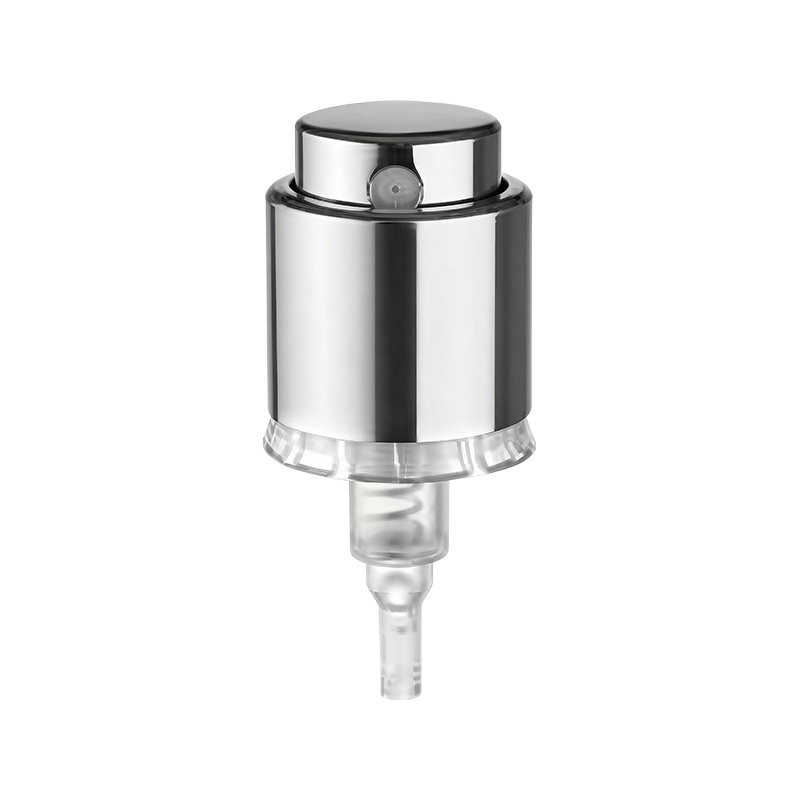
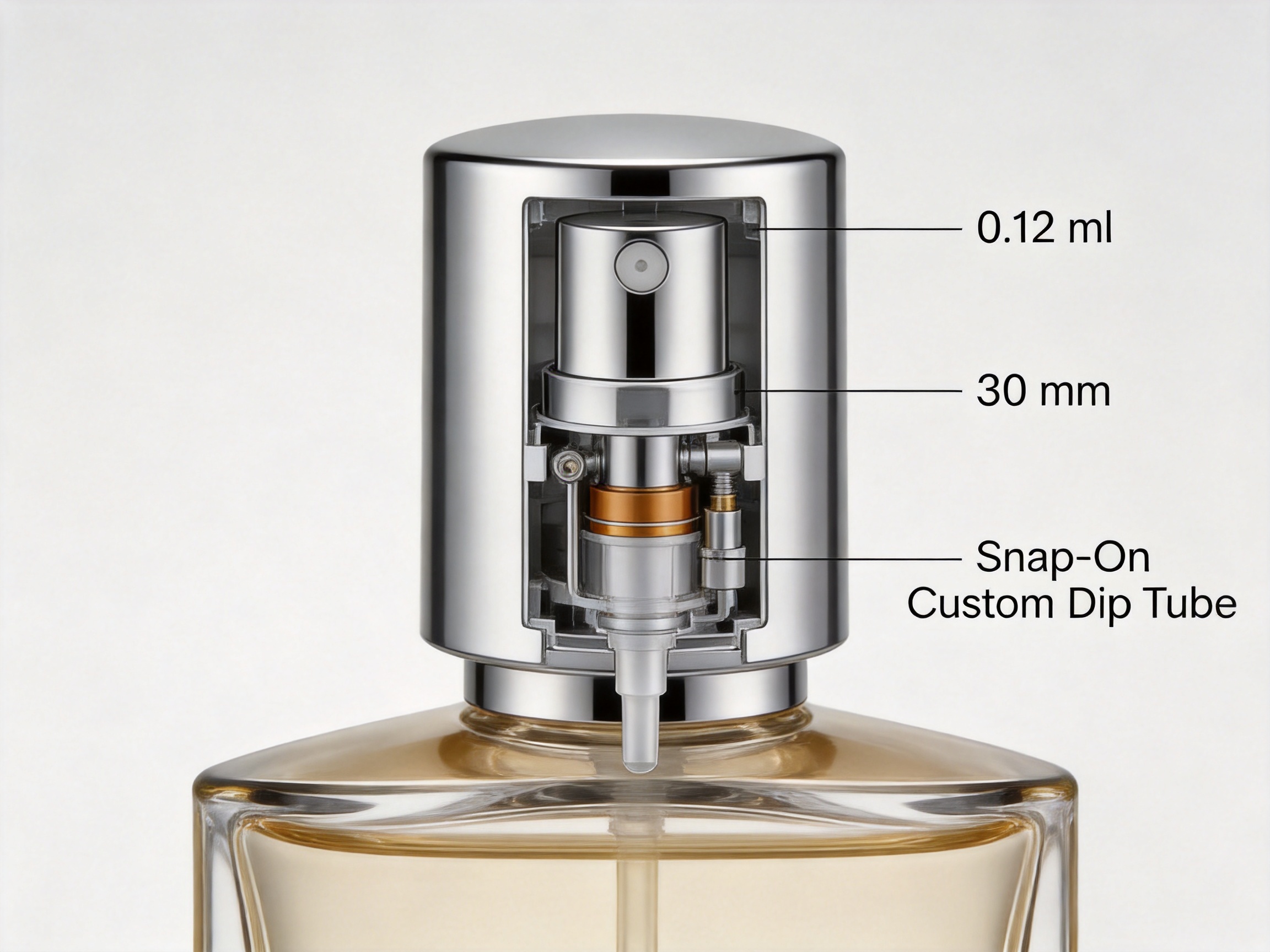
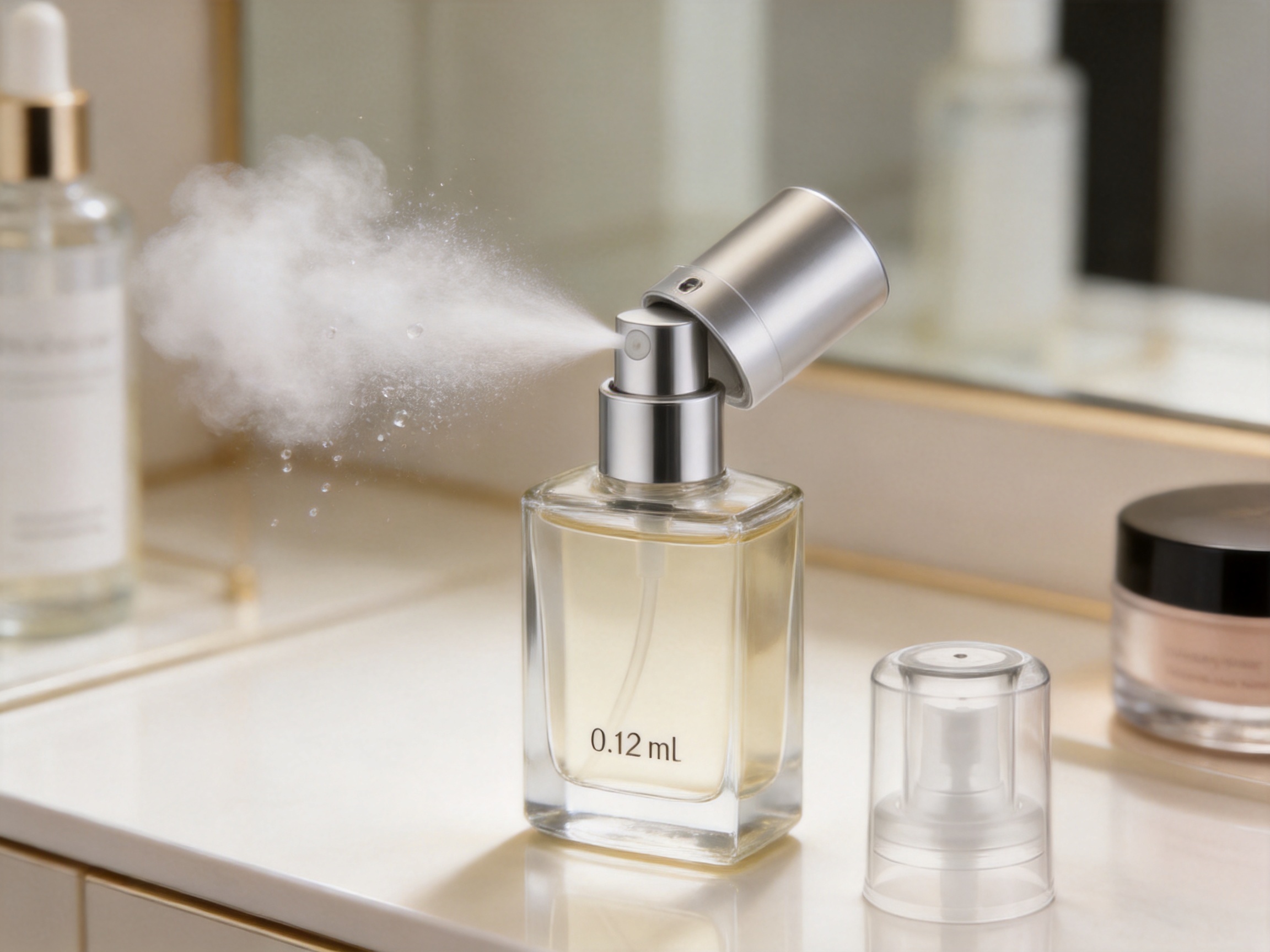
The GY-608F2 0.12CC Snap-On 1' Mist Sprayer is designed for applications that require controlled dispensing, fine atomization, and a clean snap-on appearance. With a nominal dosage of 0.12 ml per actuation and a 30 mm, or 1-inch, size option, this sprayer is suitable for perfume, body mist, pharmacy products, and other liquid formulations that benefit from a light and evenly distributed spray. Its dip tube length can be customized to match different bottle heights and shapes, providing packaging developers with greater flexibility during product design.
The sprayer combines a snap-on closure with an aluminium exterior closure, creating a refined appearance while supporting efficient bottle assembly. Compared with conventional packaging components that may require more complicated attachment methods, a snap-on structure can simplify installation when the bottle neck and sprayer are properly matched. The result is a packaging solution that balances attractive visual presentation, convenient production, consistent dispensing, and practical daily use.
This article examines the product’s structure, performance, applications, manufacturing advantages, quality considerations, customization possibilities, and value for packaging buyers. It also explains why a precision 0.12 ml mist system can be an effective choice for brands seeking a compact, clean, and dependable spray package.

0.12CC Snap On 1' Mist Sprayer
Product Overview
The GY-608F2 is a fine mist sprayer developed for bottles that use a snap-on closure system. It has a 30 mm size option and provides an approximate dosage of 0.12 ml per spray. The compact configuration is intended for products that require light, controlled dispensing rather than a large liquid output.
Product name |
0.12CC Snap-On 1' Mist Sprayer |
Model |
GY-608F2 |
Product category |
Fine Mist Sprayer |
Nominal dosage |
0.12 ml per actuation |
Size option |
30 mm, approximately 1 inch |
Closure type |
Snap-on |
Dip tube |
Customizable length |
Recommended applications |
Perfume, body mist, pharmacy, and selected personal care liquids |
Exterior feature |
Aluminium closure design |
The 0.12 ml dosage is especially relevant for fragrance and personal care applications. A smaller controlled output can help users apply a product gradually, reducing the risk of excessive dispensing. It can also support a soft, lightweight spray sensation that is desirable for perfume, body mist, facial mist, and similar formulations.
The product should be understood as a precision packaging component rather than simply a decorative cap. Its performance depends on the interaction of the actuator, pump chamber, valve system, nozzle, dip tube, bottle neck, and liquid formula. When these elements are correctly matched, the sprayer can provide repeatable actuation and a stable spray pattern throughout normal use.
Clean Snap-On Design
One of the main features of the GY-608F2 is its snap-on closure structure. Instead of relying on a threaded attachment, the sprayer is pressed onto a compatible bottle neck and held in position by the designed fit between the closure and bottle finish. This creates a streamlined appearance and can support efficient assembly during packaging production.
A clean external appearance is increasingly important in the personal care and fragrance markets. Consumers often evaluate a product before using it, and the visual relationship between the bottle, sprayer, and closure contributes to the perception of quality. A neat snap-on sprayer can reduce visible mechanical details and create a more integrated look, particularly when combined with a suitable bottle design and coordinated decoration.
The snap-on structure can also be beneficial for packaging lines that are configured for press-fit components. When the bottle neck dimensions, tolerances, and closure specifications are properly controlled, the sprayer can be positioned with a repeatable downward motion. This may help simplify assembly compared with packaging designs that require threading, rotational alignment, or additional closure operations.
The term “clean” also relates to the product’s overall packaging concept. A compact snap-on sprayer can reduce visual bulk at the top of the bottle. This is useful for minimalist fragrance packaging, compact body mist bottles, and pharmacy containers where a professional appearance is important. The closure can be designed to complement glass, PET, PE, or other compatible bottle materials, subject to testing and neck-finish requirements.
Packaging buyers should nevertheless confirm the exact bottle finish before mass production. Snap-on components require appropriate dimensional compatibility, including the neck outside diameter, bead profile, sealing area, insertion depth, and retention force. GreenYard can support this process through product consultation, sampling, and customization of the tube and related packaging specifications.
Controlled 0.12 ml Dosage
The nominal 0.12 ml dosage is a central performance characteristic of this fine mist sprayer. Each actuation is designed to release a small and controlled quantity of liquid. This makes the product suitable for applications where a fine layer of fragrance or mist is preferred over a heavy stream or large-volume spray.
Dosage control affects both product experience and consumption behavior. For perfume, a measured output helps the user apply a consistent amount to the skin, clothing, or surrounding area. For body mist, a fine spray can cover a broader area with a lighter sensation. In pharmacy and personal care packaging, controlled dispensing can help users follow intended application instructions more easily.
A 0.12 ml output also allows packaging designers to consider a balance between bottle capacity and the number of available applications. The actual number of sprays depends on the filling volume, formula properties, pump calibration, and user behavior. However, a smaller dosage can be useful for products intended to last through repeated daily use or for formulations where controlled application is important.
It is important to recognize that nominal dosage is influenced by several technical factors. Liquid viscosity, surface tension, temperature, filling level, actuator speed, and internal component tolerances can affect the observed output. For this reason, dosage validation should be performed using the intended formula and bottle combination rather than relying only on a general component specification.
The product’s fine mist mechanism is intended to break the liquid into small droplets and distribute it evenly. Compared with a simple open orifice, a fine mist sprayer can create a softer spray pattern and a more comfortable user experience. The quality of atomization is particularly important for perfume and body mist, where uneven discharge, spurting, or a wet stream may reduce perceived product quality.
Fine Mist Performance for Fragrance and Personal Care
Fragrance packaging demands a combination of appearance, precision, and sensory performance. A perfume bottle may be displayed on a dressing table, in a retail environment, or in a travel bag. The sprayer therefore needs to be visually compatible with the bottle while delivering a reliable mist during repeated use.
The GY-608F2 supports this requirement through its compact form and controlled output. When paired with a compatible perfume formulation, it is designed to deliver a fine spray that can be distributed over the intended application area. The 0.12 ml dosage is suitable for users who prefer to build fragrance intensity gradually instead of releasing a large volume in a single press.
For body mist products, spray quality can influence the product’s perceived freshness and comfort. A fine mist should feel light and spread naturally without producing an excessively concentrated wet spot. The sprayer can be used for selected body sprays, refreshing mists, and other personal care liquids, provided that the formulation is compatible with the pump materials and internal design.
The sprayer may also be considered for facial or cosmetic mist applications after suitable compatibility and performance testing. Such applications require particular attention to droplet distribution, formula preservation, cleanliness, and the intended distance between the nozzle and skin. The product should be evaluated according to the final application requirements rather than assumed suitable for every liquid product.
In pharmacy packaging, a controlled spray can be useful for certain topical or external-use liquids. The final suitability depends on the formulation, regulatory requirements, intended dosage, and packaging validation procedure. Buyers should provide complete product information, including viscosity, alcohol content, essential oil content, pH, and any known material compatibility concerns during development.
Aluminium Closure and Premium Appearance
The aluminium closure is another important design feature. Aluminium can provide a distinctive metallic appearance and a solid hand feel that is often associated with premium fragrance and personal care packaging. It can help create a more refined appearance than a basic uncoated plastic closure, especially when the visual design requires a clean, modern, or high-end finish.
A closure is experienced by the consumer through both sight and touch. When a user removes, presses, or handles the bottle, the perceived weight and surface quality of the top component can influence the impression of product value. The aluminium exterior of the GY-608F2 is intended to contribute to this tactile and visual experience while working with the underlying sprayer structure.
The metallic surface can also be adapted to different packaging styles through appropriate finishing processes. Depending on the production specification, buyers may request color matching, surface treatment, decoration, or other appearance requirements. These options should be confirmed during sampling because the available finish may depend on the component structure, order quantity, and required production process.
Beyond appearance, the closure must maintain dimensional stability and reliable retention during handling and transportation. A premium finish is valuable only when it is supported by consistent assembly, suitable bottle compatibility, and adequate protection against common distribution stresses. For this reason, GreenYard’s manufacturing capabilities include mold development, injection molding, automated assembly, and quality inspection to help control the complete component system.
Customizable Dip Tube Length
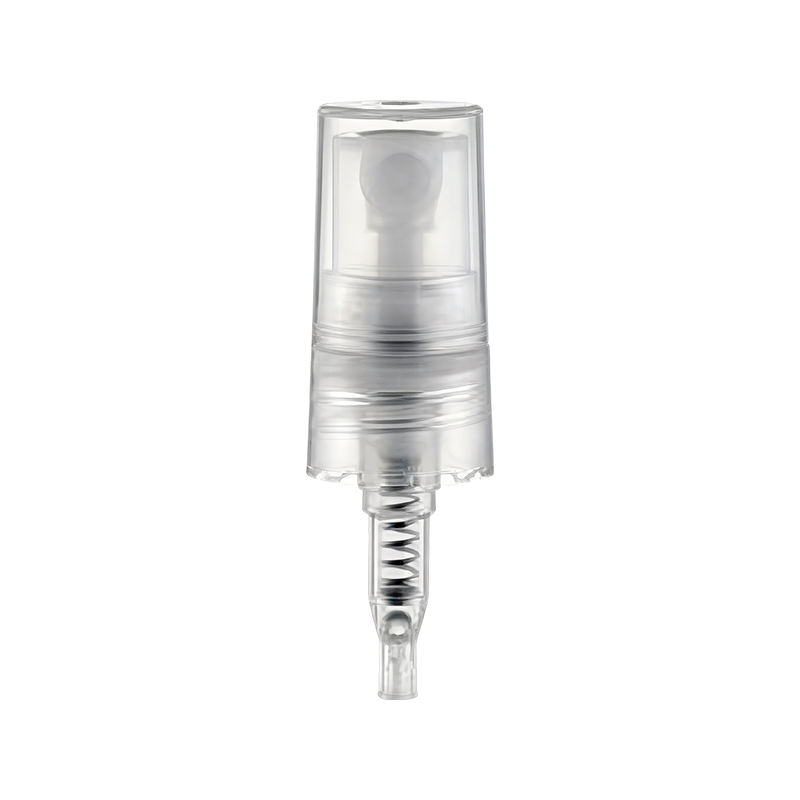
Different bottles have different heights, internal shapes, shoulders, and bottom profiles. A standard dip tube may be too short for one bottle and too long for another. The GY-608F2 addresses this issue by allowing the dip tube length to be customized according to the selected container.
Correct tube length is essential for stable liquid intake. The tube should extend sufficiently into the bottle to draw product during normal use, while avoiding excessive contact with the bottle bottom that could restrict flow or interfere with the internal geometry. The correct length can help maintain consistent performance as the liquid level decreases.
Customization is particularly useful when packaging developers want to use different bottle capacities with the same general sprayer style. A single sprayer platform may be adapted for several bottle heights by adjusting the dip tube specification. This can simplify product-family development and help maintain a consistent visual identity across multiple sizes.
Tube customization can also support special bottle shapes. Some perfume and cosmetic containers feature thick bases, curved shoulders, narrow internal openings, or unusual proportions. In such cases, the tube length should be selected after reviewing the bottle drawing or physical sample. The tube may also require appropriate cutting, orientation, or end treatment depending on the intended design.
Packaging buyers should provide accurate information about the bottle’s overall height, neck finish, internal depth, liquid fill level, and bottom structure. Sample testing should include upright storage, tilted use, repeated actuation, and low-fill conditions. These tests help verify that the tube continues to draw liquid and that the pump does not introduce unnecessary air during normal operation.
Advantages Compared with Basic Spray Packaging
Many spray components can release liquid, but not all provide the same balance of appearance, dosage control, assembly efficiency, and customization. The GY-608F2 offers several practical advantages when compared with basic or less specialized spray packaging.
More Refined Visual Presentation
The snap-on structure and aluminium closure can create a cleaner and more premium appearance than a simple exposed plastic pump. This is valuable for fragrance, personal care, and pharmacy products that rely on professional shelf presentation.
Controlled Small-Volume Dispensing
The 0.12 ml dosage is suited to applications that require a light and measured spray. It can offer more controlled application than a larger-output sprayer, particularly for perfume and body mist products.
Efficient Packaging Integration
A snap-on closure can support streamlined assembly when paired with the correct bottle finish. It may reduce the need for rotational tightening and help packaging lines achieve a clean, repeatable placement process.
Adaptable Tube Configuration
The customizable dip tube allows the sprayer to be matched to different bottles. This is an advantage over fixed-length components that may require additional modification or limit the available bottle design.
Suitable for Multiple Markets
The product can support several packaging categories, including perfume, body mist, pharmacy liquids, and selected personal care products. This versatility can help manufacturers develop related products without changing to an entirely different dispensing concept.
Combination of Function and Appearance
Some packaging components focus primarily on function, while others are selected for decoration. The GY-608F2 is designed to bring these priorities together by combining a fine mist mechanism with a clean snap-on structure and aluminium exterior.
Evaluation factor |
GY-608F2 design benefit |
Value for packaging developers |
Dispensing volume |
Nominal 0.12 ml per spray |
Controlled application and light mist performance |
Closure system |
Snap-on attachment |
Clean appearance and efficient compatible assembly |
Exterior material feature |
Aluminium closure design |
Premium appearance and solid hand feel |
Tube configuration |
Customizable length |
Adaptation to different bottle heights and shapes |
Application range |
Fragrance, body mist, pharmacy, and personal care |
Supports several product development programs |
Manufacturing Capabilities
Reliable spray packaging depends on more than the visible closure. The internal pump components must be manufactured and assembled with consistent dimensions so that the final product can deliver repeatable performance. GreenYard Tools Co., Ltd. has specialized in spray product manufacturing for 16 years and provides packaging components for international markets.
The company’s production scope includes perfume sprayers, pump heads, caps, bottles, and daily chemical packaging solutions. Its reported daily production capacity of one million units supports large-scale supply requirements while maintaining a focus on process control and product consistency.
Advanced mold design is an important part of this capability. A well-developed mold supports accurate component geometry, stable production cycles, and repeatable dimensions. For a fine mist sprayer, small changes in internal or external dimensions can influence assembly fit, actuation behavior, sealing, and spray quality. Mold development therefore forms the foundation of reliable mass production.
Injection molding is used to produce many of the plastic components within a sprayer system. This process must be controlled with attention to material selection, temperature, pressure, cooling, cycle time, and dimensional stability. Properly managed injection molding can help reduce variation between parts and support efficient high-volume manufacturing.
Automated assembly provides another important advantage. A fine mist sprayer contains multiple components that must be placed in the correct sequence and orientation. Automated or semi-automated assembly can improve production consistency, reduce manual handling, and support higher output. It can also help standardize the fitting of the actuator, pump mechanism, dip tube, and closure components.
Quality inspection is integrated into the manufacturing process to identify defects and confirm product specifications. Depending on the order and product requirements, inspection may include appearance checks, dimensional verification, closure retention testing, actuation testing, spray evaluation, leakage inspection, and packaging review.
GreenYard’s dedicated design team supports product innovation and packaging development. This is relevant for buyers who need a component adjusted for a particular bottle, appearance, application, or production line. A supplier with design and manufacturing capabilities under one organization can help reduce communication gaps between concept development, sampling, tooling, production, and delivery.
Quality Control Considerations
Quality control for a fine mist sprayer should address both the individual component and the complete packaging system. The most attractive closure cannot compensate for leakage, inconsistent dosage, poor atomization, or unreliable attachment. A comprehensive evaluation should therefore consider the complete user experience and the conditions the package will face during storage and transportation.
Dimensional Inspection
Dimensional inspection verifies that the sprayer conforms to the agreed specifications. Important dimensions may include the closure diameter, bottle-contact area, insertion depth, dip tube length, nozzle position, and relevant internal component measurements. These dimensions influence bottle compatibility and assembly repeatability.
Appearance Inspection
Appearance inspection checks the aluminium closure and visible plastic parts for scratches, dents, discoloration, contamination, uneven finishing, deformation, or other defects. For premium packaging, visual standards should be agreed before production, including acceptable limits for minor marks and color variation.
Leakage Testing
Leakage testing helps confirm that the sprayer and bottle combination can retain the liquid during storage and transportation. Tests may be performed in upright, inverted, horizontal, or tilted positions depending on the intended use. The bottle finish, sealing interface, pump assembly, and closure retention all contribute to leakage performance.
Actuation Testing
Actuation testing evaluates the force, smoothness, return action, and repeated-use behavior of the sprayer. A good actuator should move consistently and return to its original position without sticking or excessive looseness. The test should use the final bottle and formula whenever possible.
Spray Pattern Evaluation
Spray testing examines the distribution, fineness, direction, and consistency of the mist. The output should be evaluated after priming and during repeated use. Formula characteristics can affect spray quality, so the final liquid should be used during validation.
Transportation Simulation
Packaging may encounter vibration, impact, temperature variation, pressure changes, and compression during distribution. Transportation simulation can help identify whether the closure remains attached, whether the aluminium surface is damaged, and whether the pump continues to function after handling stress.
Material and Formula Compatibility
The suitability of a sprayer depends partly on the liquid it dispenses. Perfume, body mist, pharmacy products, and personal care formulas may contain alcohol, water, oils, solvents, fragrances, preservatives, active ingredients, or other substances that interact differently with packaging materials.
Compatibility testing should evaluate whether the liquid causes swelling, cracking, softening, discoloration, brittleness, odor transfer, or loss of sealing performance. It should also confirm that the liquid does not significantly alter the function of the pump mechanism or nozzle.
Formula compatibility testing normally involves filling the intended product into the selected bottle and sprayer, followed by storage under defined conditions. Samples may be observed at room temperature and under accelerated conditions. The evaluation period depends on the product category, formulation, shelf-life target, and applicable quality requirements.
Fragrance formulas deserve special attention because alcohol and aromatic ingredients can affect some plastics, elastomers, coatings, and decorative surfaces. A packaging supplier can recommend suitable component options, but the product owner remains responsible for confirming compatibility with the final formula.
For pharmacy and personal care products, the packaging evaluation may also need to consider hygiene, product protection, dispensing accuracy, and regulatory expectations. The correct test program should be established according to the product’s intended use and market requirements.
Packaging Development and Customization Process
A successful packaging project usually begins with a clear technical brief. The brief should identify the bottle material, neck finish, fill volume, liquid properties, target dosage, closure appearance, tube length, color, decoration, expected annual quantity, and intended sales market.
The next step is compatibility review. The sprayer dimensions should be compared with the bottle drawing or physical sample. If the buyer already has a bottle, the neck finish should be measured or verified through technical documentation. If the bottle is still being developed, GreenYard can help evaluate the relationship between the bottle and sprayer.
Sampling allows the buyer to assess the appearance and function of the complete package. Samples should be filled with the actual or representative formula and evaluated through repeated actuation. The buyer should observe mist fineness, spray direction, dosage consistency, leakage, closure retention, and overall appearance.
Tube customization should be finalized before mass production. The selected length should allow the pump to draw liquid effectively without excessive interference with the bottle bottom. If the bottle design changes after the tube has been approved, the tube specification should be reviewed again.
Appearance requirements should also be confirmed during the sample stage. These may include the aluminium color, surface finish, visible seams, logo treatment, plastic color, actuator color, and acceptable cosmetic tolerances. Early agreement helps reduce misunderstandings during production inspection.
Once the technical and appearance specifications are approved, tooling and production arrangements can be confirmed. For existing components, the process may move directly to production planning. For customized components, mold development or modification may be required. Production capacity, inspection standards, packing method, and delivery schedule should be included in the commercial agreement.
Applications in Different Product Categories
Perfume and Fragrance
The sprayer is well suited to perfume packaging that requires a compact, elegant, and controlled dispensing system. The aluminium closure can enhance the premium appearance of fragrance bottles, while the 0.12 ml dosage supports gradual application and a light mist experience.
Body Mist
Body mist products often benefit from broad, soft, and lightweight spraying. The GY-608F2 can be considered for body mist formulas that are compatible with the pump and bottle system. The final spray pattern should be confirmed through formula-specific testing.
Pharmacy Packaging
Selected pharmacy liquids may require measured external application. The sprayer can support this type of package when the dosage, formula, materials, cleanliness, and regulatory requirements have been validated. Product developers should not rely on the nominal dosage alone when the application has medical or therapeutic significance.
Personal Care Mists
Personal care products such as refreshing sprays, cosmetic mists, and selected treatment liquids may use a fine mist format. The clean closure design can support a modern appearance, while the customizable tube makes it easier to match different bottle sizes.
Travel and Portable Products
Compact fragrance and personal care products often need a closure that looks refined while remaining practical for handling. A properly assembled snap-on sprayer can support portable packaging, although transportation and leakage testing should be completed before commercialization.
Sustainability and Resource Efficiency Considerations
Packaging sustainability depends on the entire package, including the bottle, sprayer, closure, decoration, filling process, transportation, and end-of-life pathway. A compact sprayer can contribute to efficient product use when its dosage is controlled and the package delivers the intended amount without unnecessary waste.
Accurate dosage may help users apply a suitable quantity instead of repeatedly over-dispensing. This can reduce avoidable product consumption and improve the relationship between the filled volume and actual use. The effect depends on consumer behavior and the formula’s application requirements, but controlled dispensing remains an important design consideration.
Material reduction should be approached carefully. A lighter component may reduce material usage, but it must still provide adequate strength, sealing, retention, and performance. The aluminium closure and plastic pump system should be evaluated as a complete package to ensure that appearance and reliability are not compromised.
Manufacturing efficiency also influences resource use. Automated assembly, stable injection molding, effective mold design, and quality inspection can reduce defective output and unnecessary rework. A supplier with high production capacity and established process control may help support more efficient large-volume manufacturing.
End-of-life considerations should be reviewed according to the markets where the product will be sold. The final package may combine different materials, and separation can affect recycling options. Buyers seeking specific sustainability claims should verify the composition, local requirements, and available recycling infrastructure rather than making assumptions based only on the appearance of the closure.
Why Select an Experienced Manufacturing Partner
Selecting a sprayer is not only a purchasing decision; it is also a manufacturing and quality decision. An experienced supplier can contribute to component selection, bottle matching, customization, tooling, assembly, inspection, and production planning.
GreenYard Tools Co., Ltd. has 16 years of experience in spray product manufacturing. Its product range includes perfume sprayers, pump heads, caps, bottles, and other daily chemical packaging products. This broad product knowledge can be useful when a customer needs several packaging components for one project or wants to create a consistent family of products.
The company’s daily production capacity of one million units indicates that it is equipped to support substantial volume requirements. Capacity alone does not guarantee quality, but when combined with mold design, injection molding, automated assembly, and inspection capabilities, it can provide a stronger foundation for stable supply.
An experienced factory can also identify practical issues earlier in the development process. Examples include a mismatch between the snap-on closure and bottle neck, an unsuitable tube length, an appearance requirement that is difficult to maintain at high volume, or a formula that requires additional compatibility testing.
Direct communication with a manufacturer can improve the transition from sample to mass production. Technical drawings, samples, test reports, packaging specifications, and quality standards can be coordinated within the same supply relationship. This may reduce delays and improve accountability during the project.

Purchasing Checklist for Buyers
Before placing a production order, buyers should confirm the following points:
First, verify the nominal dosage and define how it will be measured. The 0.12 ml specification should be evaluated using the intended formula, bottle, and testing method.
Second, confirm the bottle neck finish and snap-on compatibility. A successful fit depends on accurate dimensions and suitable tolerances.
Third, provide the required dip tube length or bottle drawing so that the tube can be customized correctly.
Fourth, approve the aluminium closure appearance, including color, finish, decoration, and acceptable cosmetic standards.
Fifth, test the sprayer with the final formula or a representative liquid. Viscosity, alcohol, oils, and other ingredients may affect spray performance and compatibility.
Sixth, define inspection requirements for appearance, leakage, actuation, spray pattern, dosage, and closure retention.
Seventh, discuss order quantity, production lead time, tooling requirements, packing method, and shipping conditions before approving mass production.
Eighth, review regulatory and market-specific requirements for perfume, pharmacy, cosmetic, or personal care products.
Ninth, conduct transportation and storage testing using the complete filled package.
Tenth, retain approved samples and technical specifications for future production comparison.
Q&A
What is the dosage of the GY-608F2 sprayer?
The nominal dosage is 0.12 ml per actuation. Actual performance should be verified using the intended liquid formula and complete bottle assembly.
What does the 1-inch size refer to?
The product is listed as a 1-inch snap-on mist sprayer and has a 30 mm size option. Buyers should confirm the exact bottle neck and closure dimensions before ordering.
Is the closure threaded?
No. The specified closure type is snap-on. It is designed to fit a compatible bottle neck through a press-fit attachment rather than a conventional threaded connection.
Can the dip tube be customized?
Yes. The dip tube length can be customized to suit different bottle heights, capacities, and internal shapes.
What products can use this sprayer?
Typical applications include perfume, body mist, selected pharmacy liquids, and personal care products. Compatibility must be confirmed according to the formula and intended use.
Does the sprayer provide a fine mist?
Yes. It is designed as a fine mist sprayer and is intended to release a soft, evenly distributed spray when correctly matched with the liquid and bottle system.
What is the benefit of the aluminium closure?
The aluminium closure contributes to a clean, modern, and premium appearance. It can also provide a more substantial hand feel than a basic lightweight plastic exterior.
Can the sprayer be used with different bottle materials?
It may be used with compatible PE, PET, glass, or other bottle systems, subject to neck-finish, dimensional, formula, and performance testing. The bottle material alone does not determine compatibility.
How should buyers validate the product?
Buyers should test dosage, spray pattern, actuation, leakage, closure retention, tube performance, formula compatibility, appearance, and transportation durability using the intended finished package.
Does a nominal 0.12 ml dosage guarantee an exact output in every situation?
No. The stated dosage is a nominal component specification. Formula viscosity, temperature, actuation speed, pump tolerances, and testing conditions can influence actual output.
Yes. The compact snap-on design and aluminium closure are suitable for fragrance packaging that requires a refined appearance and controlled fine mist performance.
What manufacturing capabilities support this product?
GreenYard provides mold design, injection molding, automated assembly, quality inspection, and packaging development support. The company has specialized in spray product manufacturing for 16 years.
Conclusion
The GY-608F2 0.12CC Snap-On 1' Mist Sprayer is a practical packaging solution for brands and manufacturers seeking controlled fine mist dispensing, a clean snap-on structure, and a premium aluminium closure. Its nominal 0.12 ml dosage is appropriate for applications such as perfume, body mist, selected pharmacy products, and personal care liquids that require light and measured spraying.
Its main advantages include a refined appearance, compact 30 mm configuration, snap-on assembly concept, customizable dip tube, and compatibility with several packaging development programs. These features allow the sprayer to support both functional requirements and visual presentation, which are increasingly important in fragrance and personal care markets.
The value of the product is strengthened by the manufacturing capabilities behind it. GreenYard Tools Co., Ltd. combines long-term spray packaging experience with mold design, injection molding, automated assembly, quality inspection, and large-scale production capacity. This combination can help customers move more efficiently from concept development to sampling and mass production.
As with every dispensing component, final performance depends on the complete package. Bottle dimensions, formula properties, tube length, closure fit, dosage testing, spray pattern, and transportation conditions should all be evaluated before commercial release. With proper technical matching and validation, the GY-608F2 can provide a clean, reliable, and visually appealing solution for modern fine mist packaging.
References
1. GreenYard Tools Co., Ltd., GY-608F2 0.12CC Snap-On 1' Mist Sprayer product information.
2. GreenYard Tools Co., Ltd., Fine Mist Sprayer and Personal Care Packaging Manufacturing Information.
3. Packaging development principles for pump, sprayer, bottle, and closure compatibility.
4. General quality control practices for cosmetic, fragrance, pharmacy, and daily chemical packaging.
5. General considerations for dosage verification, leakage testing, spray-pattern evaluation, and formula compatibility.
Product: 0.12CC Snap On 1' Mist Sprayer

-
Misting Spray Bottle Guide: How a Fine Mist Sprayer Works
Quick Answer: What Makes a Misting Spray Bottle Work Well A misting spray bottle performs well when...
-
Roll On Bottles: Types, Refill Guide, and Packaging Buying Tips for Your Brand
The first sample rolled smoothly, the second clicked, and the third leaked after ten presses. Three...
-
What Is a Fine Mist Sprayer?
A fine mist sprayer is a cosmetic packaging component designed to atomize liquid formulas into ultr...
-
What Is Perfume Spray? How Atomizers Work, Mist Types and Packaging Basics
Press the actuator on a fragrance bottle once and a metered dose of liquid, usually between 0.05 an...
Copyright © GreenYard Tools Co.,ltd. All Rights Reserved.
Personal Care Packaging Manufacturer Custom Perfume Sprayers Factory