
-
About Us
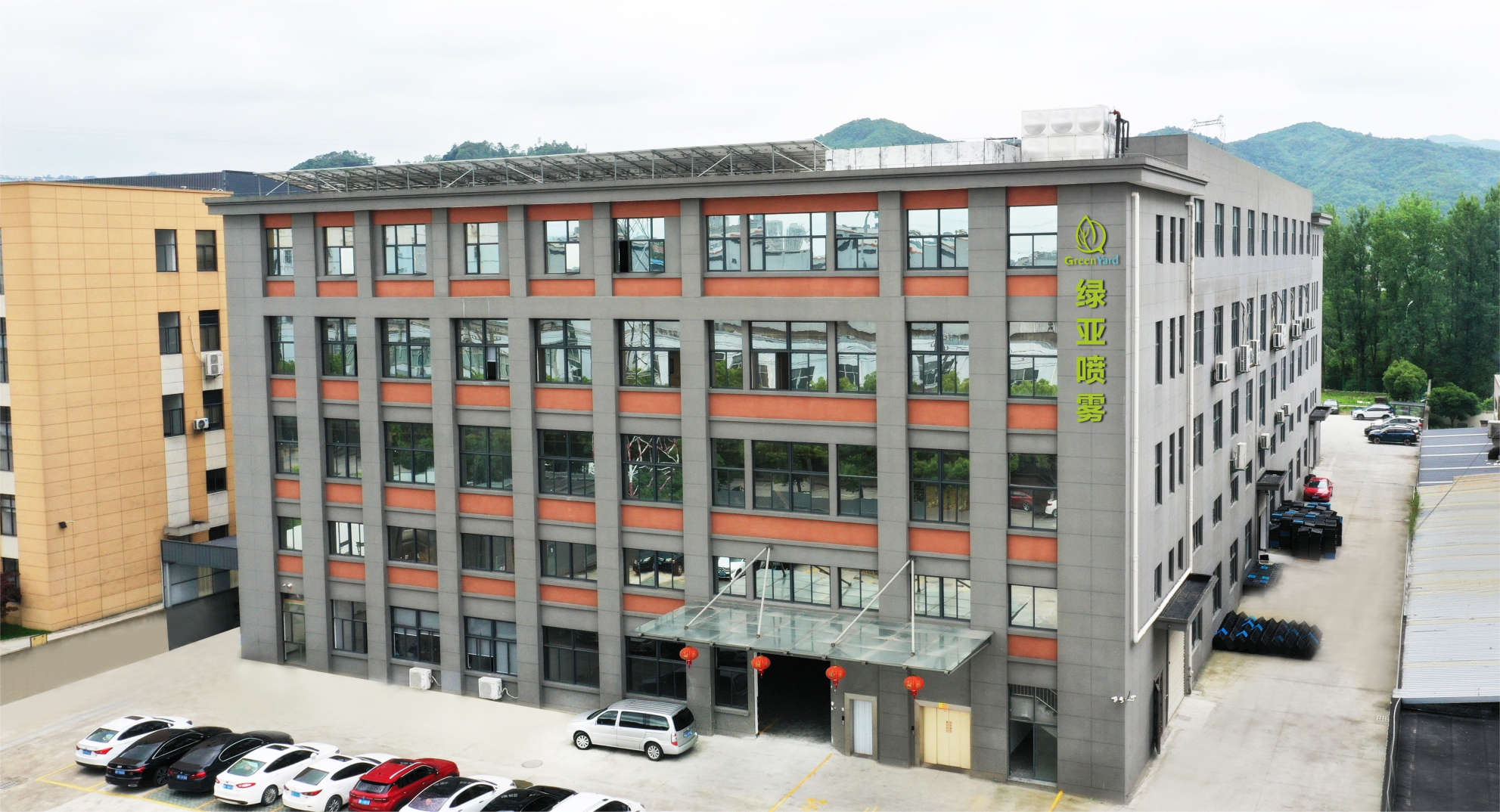
Why Choose Us?The company possesses advanced capabilities in mold design, injection molding, and automated assembly, supported by a professional quality inspection team to ensure product reliability. A dedicated design team continuously drives product innovation, providing customers with high-quality spray solutions.
 Coming From China, Marketing To The World.
-
Products
-
News
 English
 Français
 русский
 Español
Long-Nozzle 1.8ml Dispenser Pump for Hand Sanitizer and Cleaning Products
Content
- 1 Product Overview
- 2 Why a Long Nozzle Matters
- 3 Controlled 1.8ml Dosage
- 4 Compatibility with 24-410 and 28-410 Bottles
- 5 Customizable Dip Tube Length
- 6 Locking Structure for Storage and Transport
- 7 Closure Finish Options
- 8 Suitable Applications
- 9 Advantages Compared with Standard Dispenser Pumps
- 10 Manufacturing Strengths and Production Capability
- 11 Design and Development Support
- 12 Material and Formula Compatibility
- 13 Filling Line and Assembly Considerations
- 14 Packaging Presentation and User Experience
- 15 Quality, Reliability, and Supply Considerations
- 16 How to Select the Correct Configuration
- 17 Environmental and Efficiency Considerations
- 18 Customer Benefits of Working with an Experienced Manufacturer
- 19 Q&A
- 19.1 What is the dosage of the GY-302L pump?
- 19.2 Which bottle neck sizes are available?
- 19.3 Why is the nozzle longer than a standard dispenser pump?
- 19.4 Can the dip tube be customized?
- 19.5 What closure finishes are offered?
- 19.6 Does the pump have a locking function?
- 19.7 Is this pump suitable for hand sanitizer gel?
- 19.8 Can it be used for dishwashing liquid?
- 19.9 Can the pump be used for cleaning and disinfection products?
- 19.10 What should be checked before placing a large order?
- 19.11 Can the pump be used in commercial or shared locations?
- 19.12 What manufacturing capabilities support this product?
- 19.13 How does this pump compare with an open-pour bottle?
- 19.14 How does the pump compare with a short-nozzle pump?
- 20 Conclusion
- 21 References
- 22 Product: Long Nozzle Hand Sanitizer Dispenser Pump 1.8CC Dosage
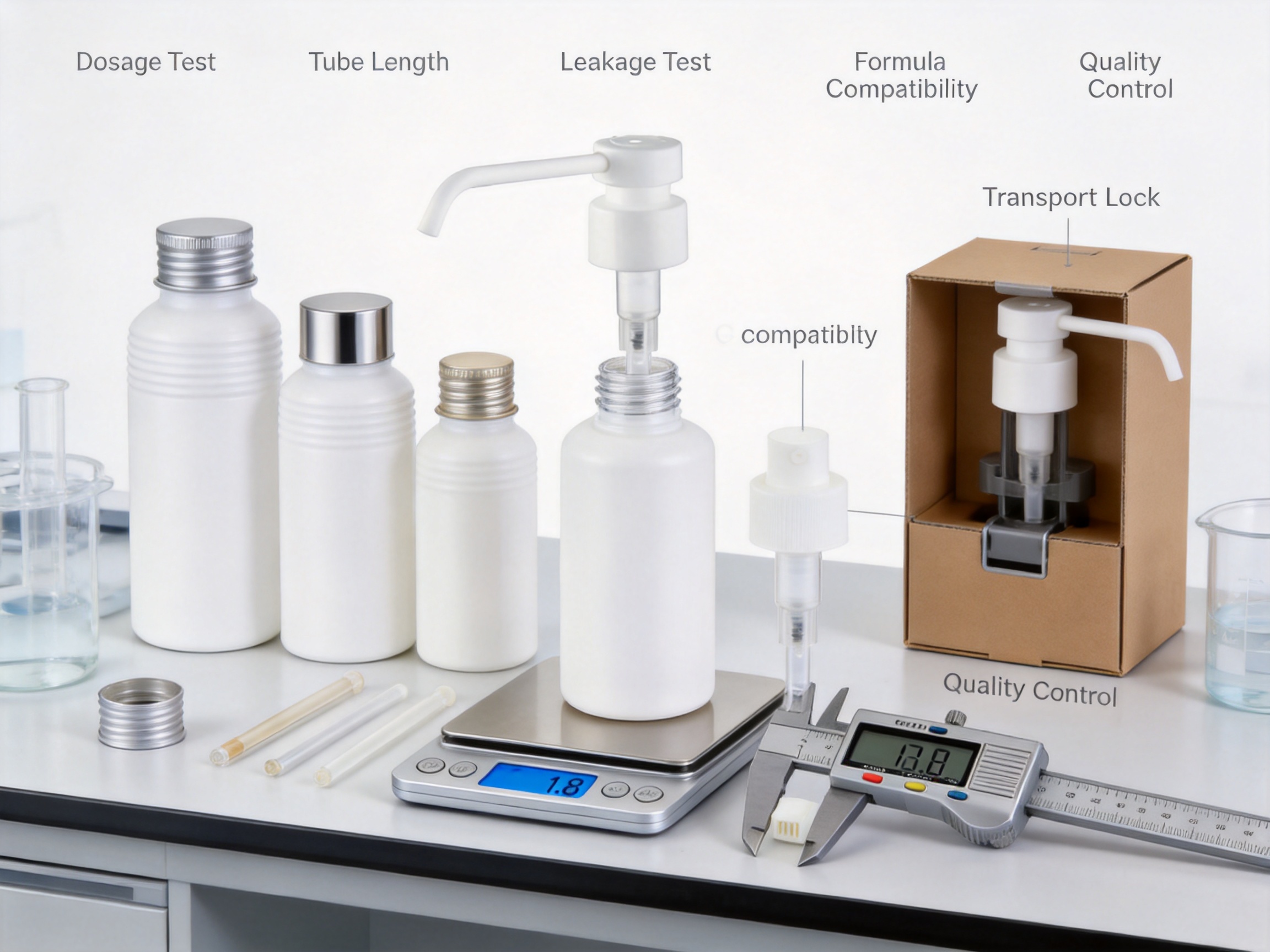
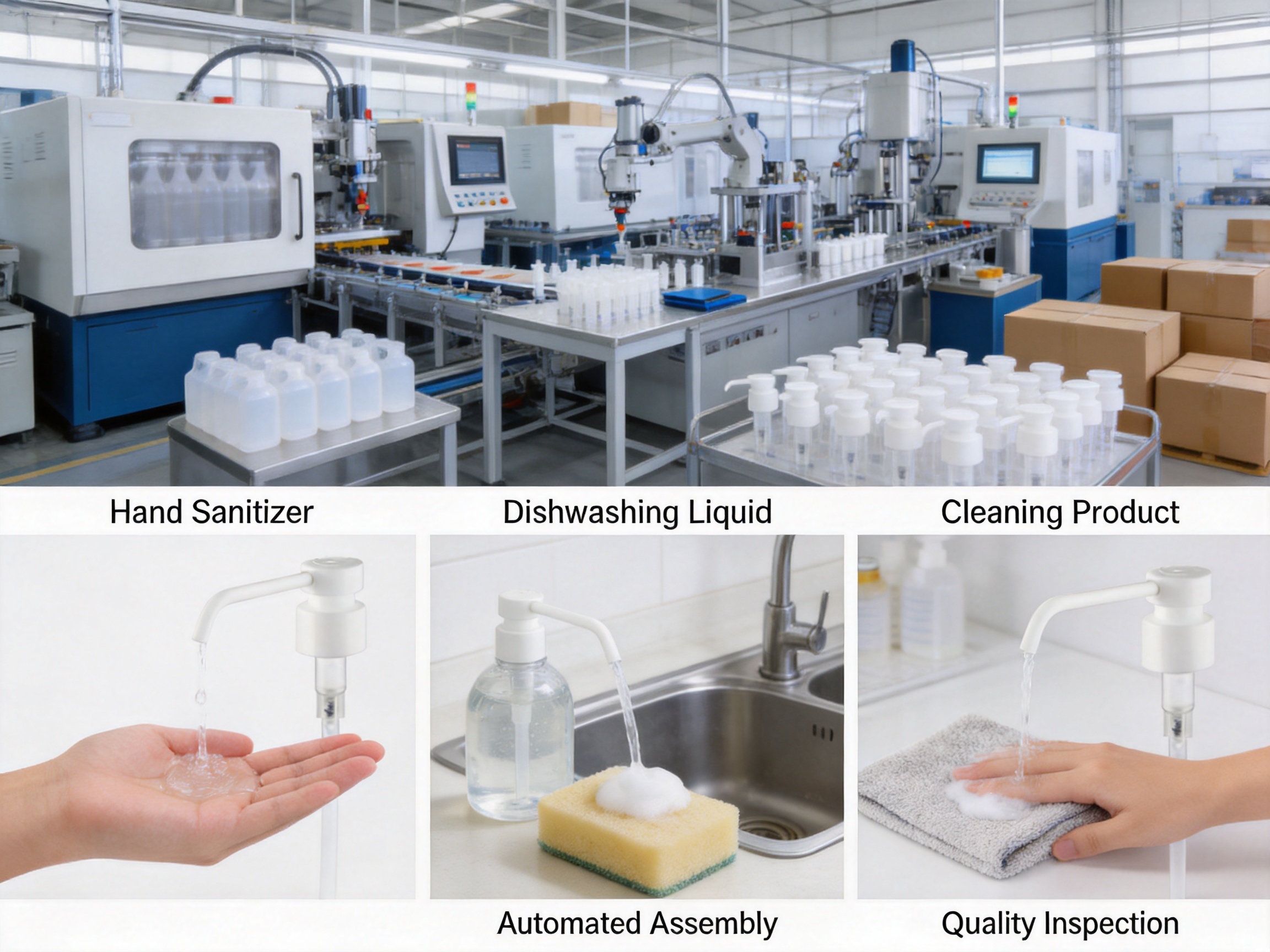
Packaging is an important part of product performance, customer experience, hygiene, and brand presentation. For liquid products such as hand sanitizer gel, dishwashing liquid, cleaning solutions, and disinfection products, the dispenser must do more than simply close the bottle. It must deliver a stable dose, provide smooth operation, prevent unnecessary contact with the container, remain secure during transportation, and adapt to different bottle designs.
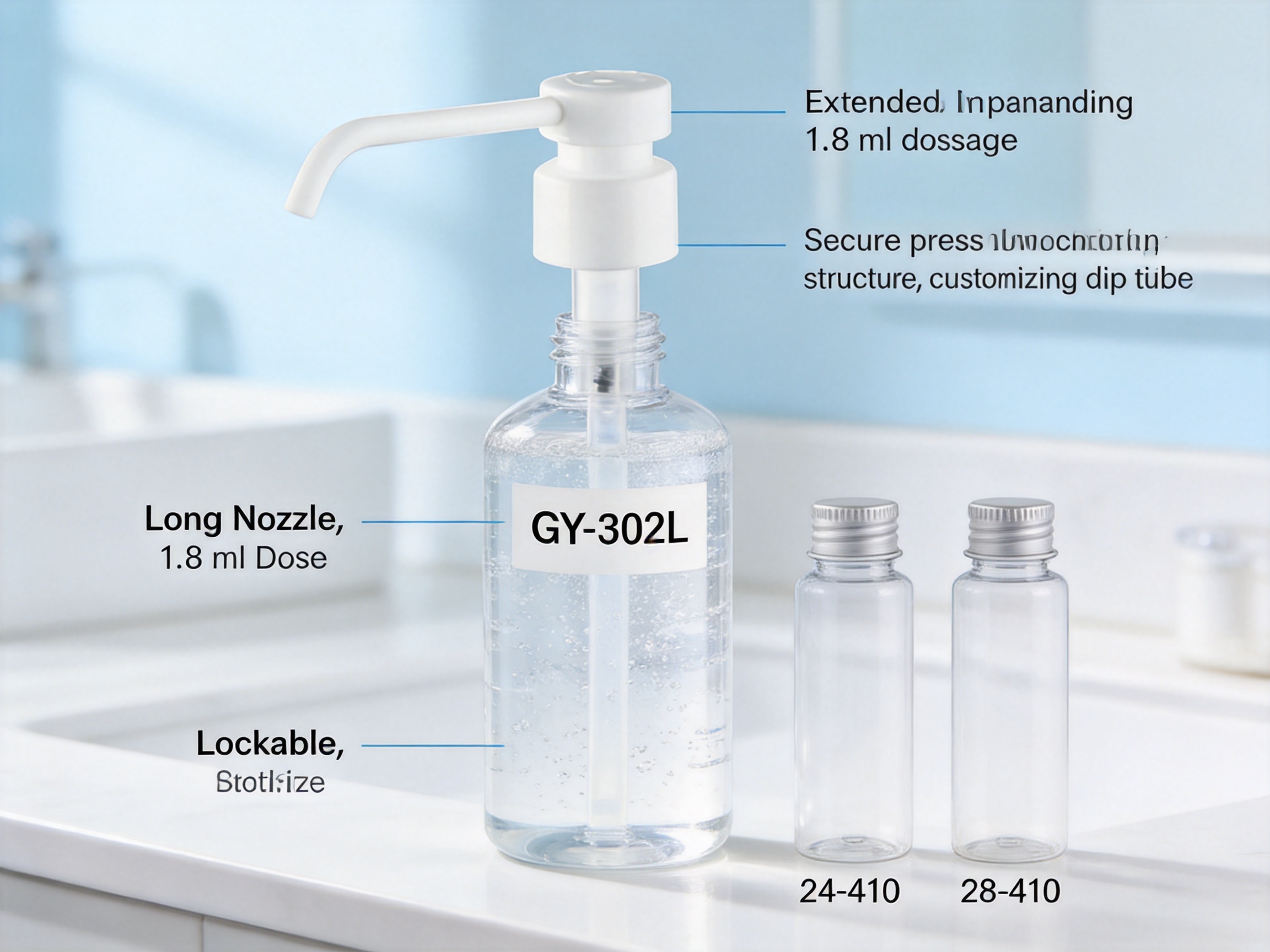
The GY-302L Long Nozzle Hand Sanitizer Dispenser Pump 1.8CC Dosage is designed to meet these requirements. It is a practical lotion-style dispenser pump with an extended nozzle, a controlled 1.8ml output, compatible 24-410 and 28-410 neck sizes, customizable tube length, and several closure finish options. Its design is particularly suitable for hygiene, household cleaning, dishwashing, and daily chemical packaging applications.
Unlike a standard short-nozzle pump, the GY-302L directs the liquid farther away from the bottle closure. This extended dispensing path can make product application more convenient and help reduce contact between the user’s hands and the bottle body. The result is a pump that combines controlled dosing, functional hygiene, adaptable packaging compatibility, and a professional appearance.
Product Overview
The GY-302L is a long-nozzle dispenser pump developed for liquid and gel products that require convenient, controlled, and directional dispensing. Its 1.8ml dosage is suitable for many everyday applications, including hand sanitizer gel, dishwashing liquid, surface cleaning products, and disinfection solutions.
The pump is available in two commonly used neck sizes: 24-410 and 28-410. These options allow packaging designers and purchasing teams to match the pump with a broad range of bottle openings. The product can be supplied with smooth, ribbed, or aluminum closure styles, giving manufacturers flexibility in appearance, grip, and packaging configuration.
The tube length can be customized according to the selected bottle. This feature is important because bottles vary considerably in height, shoulder shape, internal dimensions, and liquid capacity. A correctly sized dip tube can improve liquid uptake and help the pump continue working effectively as the product level falls.
The locking structure is designed to help secure the pump during storage, handling, and transport. The pump head can be pressed down and secured for a compact, protected position, while the dispensing head can be released for normal use. This type of locking arrangement is valuable for reducing accidental activation and supporting safer distribution.
| Product Item | Specification |
|---|---|
| Model | GY-302L |
| Product Type | Long-nozzle lotion-style dispenser pump |
| Nominal Dosage | 1.8ml per stroke |
| Available Neck Sizes | 24-410 and 28-410 |
| Locking Method | Screw-down locking structure with press-down transport position |
| Closure Options | Smooth, ribbed, and aluminum styles |
| Tube Length | Customized to the bottle design |
| Suitable Products | Hand sanitizer gel, dishwashing liquid, cleaning products, and disinfection solutions |
| Primary Advantage | Directional dispensing through an extended nozzle |
Why a Long Nozzle Matters
A traditional dispenser pump generally has a compact outlet located close to the closure. This configuration may be sufficient for many products, but it can be less convenient when the user needs to dispense liquid into a narrow opening, onto a sponge, or directly onto a specific area. A short outlet can also cause liquid to collect around the closure or flow over the bottle shoulder if the dispensing angle is not ideal.
The GY-302L addresses these issues with an extended nozzle. The longer outlet provides a more defined dispensing direction and gives the user additional clearance from the bottle. This is especially useful when the bottle is placed beside a sink, on a cleaning cart, in a public hygiene area, or in a commercial washroom.
For hand sanitizer products, the extended nozzle can help the user place the liquid directly into the palm without touching the bottle body. For dishwashing liquid, it can make it easier to dispense onto a sponge or brush. For cleaning products, the nozzle can help direct the liquid toward a cloth or cleaning tool. These small improvements can make the packaging feel more purposeful and easier to use.
The long-nozzle structure also provides a practical differentiation point for product manufacturers. Many general-purpose lotion pumps have similar basic forms. An extended nozzle gives the package a more application-focused design and may help a product stand out in a competitive household and personal-care market.
Controlled 1.8ml Dosage
Accurate dosage is one of the main performance factors in a dispenser pump. If the output is too small, the user may need to pump repeatedly. If the output is too large, the product may be wasted or become difficult to control. The GY-302L is designed to provide a nominal 1.8ml dose per stroke, offering a balance between convenience and product economy.
A 1.8ml output is suitable for many everyday dispensing situations. It provides a practical amount of hand sanitizer gel for routine use, while also offering enough liquid for a sponge, brush, or cloth when dispensing dishwashing and cleaning products. The actual user experience will also depend on product viscosity, formulation, temperature, bottle orientation, and pump assembly conditions.
Controlled dosage can support better consumer perception. When each pump stroke produces a consistent amount, users can develop a predictable dispensing habit. This improves ease of use and can make the product feel more reliable. For commercial users, consistent output may also assist with consumption planning and inventory management.
For manufacturers, a defined dosage helps with package development. The pump can be selected according to bottle volume, expected usage frequency, and product positioning. A 1.8ml pump may be suitable for compact household bottles, medium-size hygiene containers, and larger refill-oriented packages when the correct bottle and tube configuration are selected.
Benefits of a Consistent Dose
A stable pump output can reduce unnecessary product waste. Users do not have to estimate the quantity manually, and they are less likely to dispense an excessive amount. This can be particularly useful for liquid products that are used frequently throughout the day.
A consistent dose can also improve the relationship between the bottle and its contents. Packaging is not only a container; it is a delivery system. The pump helps determine how the product is introduced to the user, how quickly it is consumed, and how convenient the routine application becomes.
For institutional settings, controlled dosage can help reduce overuse. Offices, schools, hospitality facilities, restaurants, healthcare-related environments, and public washrooms may all benefit from a dispenser that delivers a repeatable amount. The GY-302L can be considered for these types of applications when the formulation and packaging system are properly validated.
Compatibility with 24-410 and 28-410 Bottles
The availability of 24-410 and 28-410 neck sizes gives the GY-302L broad packaging flexibility. Neck finishes are important because the pump must match the bottle opening precisely. A correct match supports secure installation, proper sealing, reliable appearance, and efficient production assembly.
The 24-410 size is commonly selected for bottles that require a relatively compact closure and pump profile. The 28-410 size provides a larger closure diameter and may be appropriate for bottles with a wider neck, higher liquid capacity, or a different visual proportion. Packaging engineers can choose between the two options according to the bottle design and product requirements.
Using an established neck-size system can simplify sourcing and package development. Rather than designing a completely unique bottle opening, manufacturers may select a compatible bottle and pump combination from an established range. This can reduce development complexity and make it easier to evaluate different bottle shapes while retaining the same dispensing technology.
Compatibility should always be checked through physical samples and production testing. The selected bottle must have the correct thread dimensions, sealing surface, neck height, and internal clearance. The pump dip tube must also be positioned correctly inside the container. The GY-302L supports this process by offering customized tube lengths for different bottle sizes and shapes.
Customizable Dip Tube Length
The dip tube is an essential part of a dispenser pump. It extends from the pump mechanism into the bottle and allows the liquid to reach the internal pumping system. If the tube is too short, a significant amount of product may remain at the bottom of the bottle. If it is too long or incorrectly positioned, it may bend, press against the bottom, or interfere with liquid uptake.
The GY-302L allows the tube length to be customized. This is a valuable feature for manufacturers that use bottles with different heights, shoulders, bases, or internal profiles. The tube can be adapted to the selected package so that the pump can draw product efficiently throughout normal use.
Customization is particularly useful when the same pump model is being considered for multiple bottle capacities. A short bottle may require a shorter tube, while a tall bottle may require an extended tube. A bottle with a curved or angled base may also require careful tube selection. The ability to adjust this component provides greater freedom during package design.
Tube customization can also support better end-of-use performance. When the tube reaches an appropriate position near the base without being obstructed, the consumer may be able to use more of the product before disposal or replacement. This can improve perceived value and reduce avoidable residual product.
Locking Structure for Storage and Transport
Dispenser pumps must function during use and remain secure when they are not being used. The GY-302L incorporates a locking structure that allows the pump head to remain in a lowered, protected position during storage and transport. When the pump is released, it can be raised or activated for dispensing.
A secure lock helps reduce accidental pressing inside cartons, shipping cases, retail displays, or travel bags. Accidental actuation can lead to product leakage, damaged packaging, contamination, and unnecessary loss. A locking mechanism therefore provides value not only to the end user but also to filling operations, logistics teams, retailers, and distributors.
The press-down and lock position also creates a more compact package profile. This may help with packing efficiency and can reduce the risk of the nozzle catching on adjacent products. The exact transport performance depends on the bottle, closure torque, formulation, filling level, packing method, and shipping conditions, so appropriate testing remains essential.
Compared with an unlocked pump, a lockable design can provide a stronger sense of security. Compared with a separate protective cap, an integrated locking arrangement may offer a simpler user experience and reduce the number of loose components. The GY-302L combines the practical benefits of a locking function with the convenience of a ready-to-use dispenser.
Closure Finish Options
The GY-302L can be supplied with smooth, ribbed, and aluminum closure options. These alternatives allow manufacturers to adjust the tactile experience and visual appearance of the finished package.
A smooth closure creates a clean and understated appearance. It can be suitable for simple household packaging, institutional products, and brands that prefer a minimal surface. Its uninterrupted exterior may also support straightforward decoration or labeling.
A ribbed closure provides additional visual texture and can improve finger grip when the user is installing, removing, or tightening the pump. Ribbing can be helpful for products that may be handled with wet hands or used near sinks and cleaning areas. It also gives the package a more technical or functional appearance.
An aluminum closure can create a more premium visual effect. It may be selected for products that require a refined finish or a stronger connection with personal-care and specialty packaging. The appearance of aluminum can help distinguish a product from basic plastic packaging, although final performance depends on the specific closure construction and compatibility requirements.
Offering several closure styles is an advantage during product development. A manufacturer can retain the same basic pump concept while testing different appearances for different markets, product lines, or price levels. This supports packaging diversification without requiring an entirely different dispensing platform.
Suitable Applications
Hand Sanitizer Gel
The product is well suited to hand sanitizer gel packaging. The 1.8ml dosage provides a practical quantity for routine hand application, while the long nozzle helps direct the gel into the user’s palm. The pump format is easy to understand and can be placed on countertops, reception desks, entrances, offices, classrooms, retail areas, and other locations where frequent dispensing is required.
The extended outlet may also help reduce direct contact with the bottle surface. This is useful in shared environments where multiple people use the same container. A lockable pump can further support safe storage and reduce accidental dispensing when the package is moved or transported.
Dishwashing Liquid
Dishwashing products are commonly used beside sinks, where the user may need to dispense liquid onto a sponge, brush, or directly into a washing container. The long nozzle can make this action more directional and help keep the liquid away from the closure and bottle shoulder.
The controlled dose can assist consumers in using an appropriate amount of detergent. The customizable dip tube allows the pump to be matched to different bottle volumes, from compact household packs to larger kitchen-use containers.
Household Cleaning Products
Cleaning solutions often need to be applied to cloths, sponges, brushes, or specific surfaces. A pump that provides directional output can improve convenience and help reduce unnecessary splashing. The GY-302L can be considered for liquid cleaning products when the formulation is compatible with the pump materials and mechanism.
Its available closure options also make it suitable for different cleaning product positions. A ribbed finish may communicate practical performance, while a smooth or aluminum finish may be used for a more refined household-care presentation.
Disinfection Products
Disinfection products require packaging that is easy to operate and capable of delivering a repeatable amount. The GY-302L can support applications where the user needs to dispense a liquid or gel onto a suitable application tool. As with all packaging for chemical products, compatibility testing should be completed for the specific formulation, concentration, storage temperature, and expected service life.
Institutional and Commercial Use
Commercial environments often need packaging that is practical, durable, and easy for staff or visitors to operate. The GY-302L may be suitable for offices, restaurants, schools, hotels, service counters, and cleaning stations. Its long nozzle and controlled output can contribute to a cleaner and more organized dispensing experience.
For institutional purchasing, the ability to select different neck sizes and tube lengths can help match the pump to existing bottles or new package designs. The lockable format may also simplify transport and storage before installation.

Long Nozzle Hand Sanitizer Dispenser Pump 1.8CC Dosage
Advantages Compared with Standard Dispenser Pumps
The GY-302L offers several functional advantages over basic short-nozzle dispenser pumps. These advantages do not mean that every application requires a long nozzle; rather, they make the model particularly valuable when directional dispensing, hygiene, and user clearance are important.
Improved Dispensing Direction
The extended nozzle gives the liquid a more defined path from the pump to the user’s hand, sponge, cloth, or brush. A standard short outlet may release the liquid close to the closure, requiring the user to position the bottle carefully. The long nozzle provides greater freedom in how the product is held and used.
Reduced Contact with the Bottle Body
Users can dispense the product without placing their hands directly around the area where liquid may accumulate. This can contribute to a cleaner experience, especially for shared hand sanitizer and cleaning products. The bottle may remain easier to handle between uses.
More Flexible Package Development
The combination of 24-410 and 28-410 neck options, customizable tubes, and multiple closure finishes gives manufacturers more room to create or adapt bottle designs. A standard fixed configuration may limit package choices, while the GY-302L can be adjusted to suit a wider range of containers.
Controlled Product Consumption
The nominal 1.8ml output allows the manufacturer to offer a clear dispensing specification. This supports consumer consistency and can help limit excessive use compared with open-pour packaging. It also creates a more predictable relationship between bottle capacity and the number of dispensing cycles.
Better Transport Protection
The lockable head can help prevent unintended actuation during handling and shipment. A pump without a reliable locking position may require additional protective packaging, such as a separate cap or special packing arrangement. An integrated locking function may simplify the finished package and reduce the risk of accidental discharge.
Manufacturing Strengths and Production Capability
The performance of a dispenser pump depends on more than its visible design. Internal components, dimensional accuracy, assembly quality, sealing performance, and inspection standards all influence the final result. GreenYard Tools Co., Ltd. has specialized in spray and packaging product manufacturing for 16 years, developing experience across perfume sprayers, pump heads, caps, bottles, and daily chemical packaging solutions.
The company operates with a reported daily production capacity of one million units. This capacity is important for customers that need stable supply, repeat orders, or support for large-scale product launches. Production volume alone is not sufficient to guarantee quality, but it provides a strong foundation when combined with appropriate process control and inspection procedures.
Mold Design
Mold design is a critical stage in plastic packaging production. The mold determines the dimensional consistency, surface appearance, part geometry, and production efficiency of components. A dispenser pump includes multiple parts that must work together, so small dimensional differences can affect assembly, actuation, sealing, and output.
GreenYard’s mold design capability supports the development of pump components and related packaging parts. Experienced mold development can help optimize part structure, reduce unnecessary material use, improve cycle efficiency, and create stable production conditions. It also supports the development of customized components when a standard configuration does not fully meet a customer’s requirements.
Injection Molding
Injection molding is used to produce many of the plastic components found in dispenser pumps, closures, and bottles. Consistent injection molding requires control over material preparation, mold temperature, injection pressure, cooling, cycle time, and part ejection.
Stable molding conditions help maintain the dimensions required for reliable assembly. They also contribute to consistent surface quality and reduce variation between production batches. For a pump such as the GY-302L, molding precision can affect the fit of the closure, movement of the pump head, connection of the nozzle, and relationship between the internal components.
Modern injection molding also supports efficient large-volume production. When molds, machines, and process settings are properly managed, manufacturers can produce significant quantities while maintaining repeatability. This is important for daily chemical packaging, where customers may require large volumes delivered according to scheduled filling and launch plans.
Automated Assembly
Dispenser pumps contain several components that must be assembled in the correct order and orientation. Automated assembly can improve production consistency by controlling component feeding, positioning, insertion, and inspection. It can also support higher output and reduce dependence on manual handling for repetitive operations.
Automation is particularly valuable when a pump has a locking function, internal spring mechanism, valve system, nozzle assembly, and dip tube connection. Each component must work together to produce a stable pumping action. Controlled assembly can help reduce assembly errors and create more uniform actuation performance across the production batch.
Automation may also help improve cleanliness by minimizing unnecessary handling. This is beneficial for packaging used with personal-care, hygiene, and household chemical products. The exact cleanliness requirements depend on the application and the customer’s filling and quality standards.
Quality Inspection
Quality inspection helps verify that finished pumps meet defined requirements before shipment. Typical evaluation areas may include visual appearance, closure fit, pump actuation, dosage, lock operation, tube connection, leakage resistance, and packaging condition.
For the GY-302L, inspection should pay particular attention to the long nozzle, because the extended outlet must remain properly connected and aligned. The locking position should also be checked to confirm that the pump can be secured and released as intended. The dosage should be evaluated using an appropriate test liquid and a defined number of strokes.
Inspection procedures can help identify variation before products reach the customer’s filling line. This supports smoother filling operations and reduces the risk of large-scale rework. A reliable inspection program is therefore an important part of the supplier relationship, especially for customers managing international distribution or high-volume product launches.
Design and Development Support
Packaging customers often need more than a catalog part. They may require advice on bottle compatibility, tube length, closure appearance, product positioning, or production scale. GreenYard’s dedicated design team supports product innovation and packaging solution development, helping customers evaluate different options for their market requirements.
The GY-302L provides a useful platform for customization without abandoning a practical standard structure. Customers can discuss the appropriate neck size, tube length, closure finish, and product application. This approach can help shorten the path from concept to production by starting with a proven pump format and adapting selected elements to the package.
Design support is especially useful when the final bottle has an unusual height, shoulder profile, or visual proportion. The dip tube and closure must be considered alongside the bottle, label, filling process, carton, and intended use environment. Coordinating these elements early can reduce later compatibility problems.
Material and Formula Compatibility
Before commercial production, the pump should be tested with the actual product formulation. Hand sanitizer gels, dishwashing liquids, cleaning solutions, and disinfectants can vary in viscosity, alcohol content, surfactant level, fragrance, solvent content, pH, and preservative system. These properties may influence pumping behavior and long-term component performance.
Compatibility testing should examine whether the liquid affects the pump housing, nozzle, tube, seals, valves, or other internal components. It should also evaluate changes in appearance, swelling, cracking, stiffness, odor, leakage, dosage, and actuation force over the expected storage period.
Viscosity is especially important. A thin liquid may flow quickly through the mechanism, while a thicker gel may require different pumping behavior. The nominal 1.8ml specification should be confirmed with the customer’s actual formulation. Temperature testing may also be appropriate because liquid viscosity can change during cold or hot storage.
Packaging evaluation should include both short-term and extended testing. Short-term testing can confirm basic function, while longer testing can provide information about storage stability and repeated use. Customers should define testing conditions according to their market, product claims, transport conditions, and regulatory responsibilities.
Filling Line and Assembly Considerations
The pump must be compatible not only with the bottle and product but also with the customer’s filling and capping process. The filling line may use manual installation, semi-automatic equipment, or fully automated cap placement and tightening. Neck size, thread design, closure torque, and pump orientation can affect line performance.
Before a production order, customers should confirm the required closure torque and installation method. Excessive torque may damage components or make the pump difficult to open. Insufficient torque may affect sealing and transport stability. A suitable torque range should be established through bottle and pump testing.
The pump should also be checked for height and clearance after installation. The long nozzle must fit within the intended secondary packaging and should not interfere with labels, cartons, dividers, or display boxes. If the pump is transported in the locked position, the packaging should protect the nozzle from impact and deformation.
Samples should be evaluated on the intended filling equipment before mass production. This allows the customer to confirm feeding, placement, tightening, actuation, leakage resistance, and final appearance. Sample approval is an important step in reducing production risk.
Packaging Presentation and User Experience
A dispenser pump is highly visible to the consumer. It communicates how the product should be used and contributes to the perceived quality of the package. The long nozzle gives the GY-302L a distinctive functional appearance that can support products positioned around cleanliness, convenience, and controlled application.
The choice of closure finish can further influence the product’s visual identity. Smooth closures may support a simple and modern design. Ribbed closures may suggest grip and practical performance. Aluminum options may contribute to a more premium presentation. These details can be coordinated with the bottle material, label, color, and product category.
Good user experience also depends on actuation force. The pump should be easy to press without feeling weak or unstable. The nozzle should direct the product cleanly, and the pump should return to its ready position after activation. These qualities should be evaluated with the actual product because formulation viscosity affects the user’s perception.
A well-designed pump can help consumers understand the correct use of the product without extensive instructions. The pump format communicates that the product should be dispensed in measured strokes rather than poured freely. The long nozzle further communicates that the liquid can be directed toward a hand, sponge, cloth, or brush.
Quality, Reliability, and Supply Considerations
For international customers, supplier reliability is as important as product design. Packaging components often need to arrive according to a filling schedule, and delays can affect production, promotion, and retail availability. A manufacturer with established production capability and experience in multiple packaging categories can provide a stronger base for long-term supply planning.
GreenYard Tools Co., Ltd. serves the global market with packaging products including perfume sprayers, pump heads, caps, bottles, and daily chemical packaging solutions. Its reported production capacity, manufacturing equipment, design resources, and inspection capabilities support customers seeking both standard products and customized packaging development.
Quality consistency should be managed across raw materials, molding, assembly, inspection, storage, and shipment. Customers may request product specifications, approved samples, inspection records, or batch-related information as part of their purchasing process. Clear communication between the supplier and customer helps define the standards that apply to the finished pump.
For repeat orders, retaining an approved reference sample and agreed specifications can help maintain consistency. Changes to materials, molds, closure finishes, tube dimensions, or internal components should be discussed before implementation. This is particularly important when the pump is used with a formulation that has already completed compatibility testing.
How to Select the Correct Configuration
Choose the Neck Size
Begin by confirming whether the bottle requires a 24-410 or 28-410 neck finish. The bottle drawing or physical sample should be reviewed to verify the thread and sealing dimensions. The pump should not be selected based only on the external bottle diameter.
Confirm the Bottle Height
Measure the internal distance from the underside of the closure to the bottom of the bottle. This information helps determine the appropriate dip tube length. The tube should reach near the bottom while remaining correctly positioned for efficient liquid uptake.
Evaluate the Product Formula
Provide the actual formulation or representative test liquid for evaluation. Viscosity, alcohol content, surfactants, fragrance oils, solvents, and pH may influence pump performance. The selected configuration should be tested under expected use and storage conditions.
Select the Closure Appearance
Choose between smooth, ribbed, and aluminum closure options according to brand presentation, grip requirements, target price, and packaging environment. The selected finish should be evaluated with the bottle, label, and secondary packaging as a complete package.
Define the Locking Requirement
Confirm whether the pump will be shipped and stored in the locked position. Test the locking and release operations with the completed package. The lock should remain secure during normal transport but should not be unnecessarily difficult for the intended user to release.
Test the Complete Package
Evaluate the pump with the finished bottle, formulation, label, carton, and filling process. Testing the pump alone cannot reveal all system-level issues. The complete package should be assessed for leakage, dosage, actuation, appearance, transport stability, and repeated use.
Environmental and Efficiency Considerations
Packaging efficiency can be improved by selecting a pump that provides controlled output and helps users dispense an appropriate amount. A repeatable dose may reduce unnecessary product consumption compared with uncontrolled pouring. The lockable design may also reduce leakage-related waste during transportation.
Material efficiency should be considered together with functional performance. A lighter component is not automatically better if it compromises sealing, durability, actuation, or product protection. The appropriate design is one that provides reliable service using a practical amount of material for the intended application.
Customers may also evaluate bottle size, refill options, transport density, and end-of-life considerations as part of their broader packaging strategy. The GY-302L can be integrated into different bottle concepts, allowing manufacturers to explore package formats that align with their product and market goals.
Environmental claims must be based on the complete package and applicable standards. Manufacturers should assess the materials used, local recycling infrastructure, product contamination, component separation, and disposal practices before making specific sustainability statements.
Customer Benefits of Working with an Experienced Manufacturer
Working with an experienced packaging manufacturer can simplify product development. Customers can receive support with pump selection, neck-size matching, tube customization, closure appearance, mold development, sample evaluation, and production planning. This reduces the need to coordinate every component with separate suppliers.
GreenYard’s experience in spray product manufacturing and daily chemical packaging provides a foundation for understanding both cosmetic and household product requirements. The company’s product range includes pumps, sprayers, caps, bottles, and related packaging components, enabling customers to discuss broader packaging solutions rather than a single isolated part.
The company’s mold design, injection molding, automated assembly, and quality inspection capabilities also support production continuity. These manufacturing stages are connected: accurate molds support stable molding, stable molding supports reliable assembly, and controlled assembly supports consistent inspection results.
For customers developing products for global markets, supplier communication and technical responsiveness can be valuable advantages. Packaging specifications may differ across markets, and product lines may require several bottle sizes or closure finishes. A flexible manufacturer can help manage these variations while maintaining a consistent product direction.
Q&A
What is the dosage of the GY-302L pump?
The nominal dosage is 1.8ml per stroke. The actual output should be confirmed with the customer’s formulation, bottle configuration, temperature conditions, and testing method.
Which bottle neck sizes are available?
The GY-302L is available for 24-410 and 28-410 neck sizes. The selected pump must be matched with a bottle that uses the corresponding neck finish and sealing dimensions.
Why is the nozzle longer than a standard dispenser pump?
The extended nozzle provides more directional dispensing and creates additional clearance between the outlet and the bottle body. This can be useful for hand sanitizer, dishwashing liquid, cleaning products, and disinfection solutions.
Can the dip tube be customized?
Yes. The tube length can be customized according to the bottle height, internal shape, and product requirements. Correct tube sizing supports more stable liquid uptake and can help reduce residual product in the bottle.
What closure finishes are offered?
The available options include smooth, ribbed, and aluminum closure styles. The final choice can be based on grip, visual appearance, product positioning, and compatibility with the bottle design.
Does the pump have a locking function?
Yes. The pump uses a screw-down locking structure with a press-down transport position. The pump head can be secured when the package is being stored or transported and released for normal dispensing.
Is this pump suitable for hand sanitizer gel?
It is designed for hand sanitizer gel applications, but the specific formulation must be tested for viscosity, chemical compatibility, dosage, leakage, and long-term performance before commercial production.
Can it be used for dishwashing liquid?
Yes. The long nozzle and 1.8ml output make it suitable for many dishwashing liquid packages. Testing should confirm performance with the actual detergent formulation and bottle design.
Can the pump be used for cleaning and disinfection products?
Yes. The pump is intended for cleaning and disinfection product applications. Compatibility testing is necessary because formulas can contain solvents, surfactants, acids, alkalines, alcohols, or other ingredients that may affect packaging components.
What should be checked before placing a large order?
Customers should confirm the neck size, bottle dimensions, tube length, closure finish, product compatibility, dosage, lock performance, filling-line suitability, leakage resistance, and transport packaging. Sample testing with the final formulation and bottle is recommended.
It may be suitable for offices, restaurants, schools, hotels, service counters, cleaning stations, and other shared environments. The long nozzle and controlled dosage can support convenient use, while the finished package should be evaluated for the specific environment.
What manufacturing capabilities support this product?
The manufacturer has capabilities in mold design, injection molding, automated assembly, and quality inspection. It also reports a daily production capacity of one million units and 16 years of experience in spray and packaging product manufacturing.
How does this pump compare with an open-pour bottle?
The pump provides a more controlled and repeatable dispensing method. It can help reduce over-pouring, direct the product more accurately, and keep the bottle easier to handle. The best choice depends on the formulation, package size, application, and target user.
How does the pump compare with a short-nozzle pump?
The primary difference is the extended outlet. The long nozzle offers greater dispensing clearance and directional control, which can be useful when dispensing onto a hand, sponge, cloth, or brush. A short-nozzle pump may remain suitable for applications where compactness is the priority.
Conclusion
The GY-302L Long Nozzle Hand Sanitizer Dispenser Pump 1.8CC Dosage is a versatile packaging solution for hygiene, household cleaning, dishwashing, and disinfection products. Its principal features include a 1.8ml controlled output, 24-410 and 28-410 neck-size options, customizable tube length, multiple closure finishes, and a secure locking structure.
The extended nozzle gives the pump a clear functional advantage when users need directional dispensing or additional clearance from the bottle. It can support a cleaner and more convenient experience for hand sanitizer, dishwashing liquid, cleaning solutions, and other daily-use products. The customizable tube and closure options also make the pump suitable for a broad range of bottle designs and market positions.
Behind the product is an experienced packaging manufacturer with capabilities in mold design, injection molding, automated assembly, quality inspection, and high-volume production. These strengths support customers that require dependable supply, stable component quality, and assistance with packaging development.
For best results, the pump should be evaluated as part of a complete packaging system. Bottle dimensions, formulation compatibility, dosage, tube length, locking performance, filling-line requirements, and transport conditions should all be confirmed before mass production. When properly matched and tested, the GY-302L can provide an effective combination of usability, hygiene, controlled consumption, and packaging flexibility.
References
1. Product specification information for the GY-302L Long Nozzle Hand Sanitizer Dispenser Pump 1.8CC Dosage.
2. Packaging development principles for lotion pumps, dispenser pumps, closures, and dip tubes.
3. General injection molding and automated assembly practices for plastic packaging components.
4. General compatibility testing considerations for personal-care, household-cleaning, and disinfection formulations.
5. General quality-control practices for pump dosage, leakage resistance, closure fit, locking performance, and transport stability.
6. Manufacturer-provided company information concerning mold design, injection molding, automated assembly, quality inspection, product development, and production capacity.
Product: Long Nozzle Hand Sanitizer Dispenser Pump 1.8CC Dosage

-
Crimp Pumps Demystified: Choosing the Right Type and Material for Every Cosmetic Formula
Walk into any cosmetic filling facility and you will find crimp pumps on everything from a delicate ...
-
Continuous Mist Bottle Buying Guide: Pre-Compression Pumps and Mist Specs
A buyer presses the trigger on a continuous mist bottle and holds it: the mist runs unbroken for se...
-
Airless Bottles Uncovered: How to Protect Your Skincare and Perfect Every Pump
If you have ever opened a pump bottle of serum and found the last quarter of the product impossible ...
-
What's Inside a Lotion Pump and How Does It Work ?
A lotion pump is a precision dispensing closure that draws liquid product from a bottle and delivers...
Copyright © GreenYard Tools Co.,ltd. All Rights Reserved.
Personal Care Packaging Manufacturer Custom Perfume Sprayers Factory