
-
About Us
Why Choose Us?The company possesses advanced capabilities in mold design, injection molding, and automated assembly, supported by a professional quality inspection team to ensure product reliability. A dedicated design team continuously drives product innovation, providing customers with high-quality spray solutions.
 Coming From China, Marketing To The World.
 -
Products
-
News
 English
 Français
 русский
 Español
15g Soft Balm Container with Twist-Open Convenience for Modern Cosmetic Packaging
Content
- 1 Product Overview
- 2 Understanding the Soft Balm Packaging Format
- 3 Key Product Advantages
- 4 Applications Across Personal Care and Cosmetics
- 5 Advantages Compared with Alternative Packaging Formats
- 6 Design Considerations for Brand Owners
- 7 Manufacturing Strengths and Production Capabilities
- 8 Quality and Reliability Considerations
- 9 Product Development Workflow
- 10 Commercial Benefits for Cosmetic Brands
- 11 Packaging for Different Market Segments
- 12 Practical Usage Guidance
- 13 Frequently Asked Questions
- 13.1 What is the capacity of the GY-DS29 container?
- 13.2 What type of product is the container designed for?
- 13.3 How does the container open?
- 13.4 Is the container suitable for liquid products?
- 13.5 Can the container be used for hair wax?
- 13.6 Is the container suitable for travel products?
- 13.7 Can the same container support several products?
- 13.8 Can the package be decorated with a brand design?
- 13.9 What manufacturing capabilities support this product?
- 13.10 Does the supplier produce other packaging products?
- 13.11 What should be tested before mass production?
- 13.12 Where is the manufacturer located?
- 14 Why Choose a Specialized Packaging Manufacturer?
- 15 Conclusion
- 16 References
- 17 Product: GY-DS29 15Gram Soft Balm Container Twist Open
Packaging plays a central role in the performance, usability, and market presentation of personal care products. For soft balm products such as hair wax, styling balm, solid fragrance balm, moisturizing balm, and other semi-solid cosmetic formulations, the package must provide more than simple storage. It must protect the formula, support convenient product access, fit comfortably in the hand, and create a dependable experience throughout daily use.
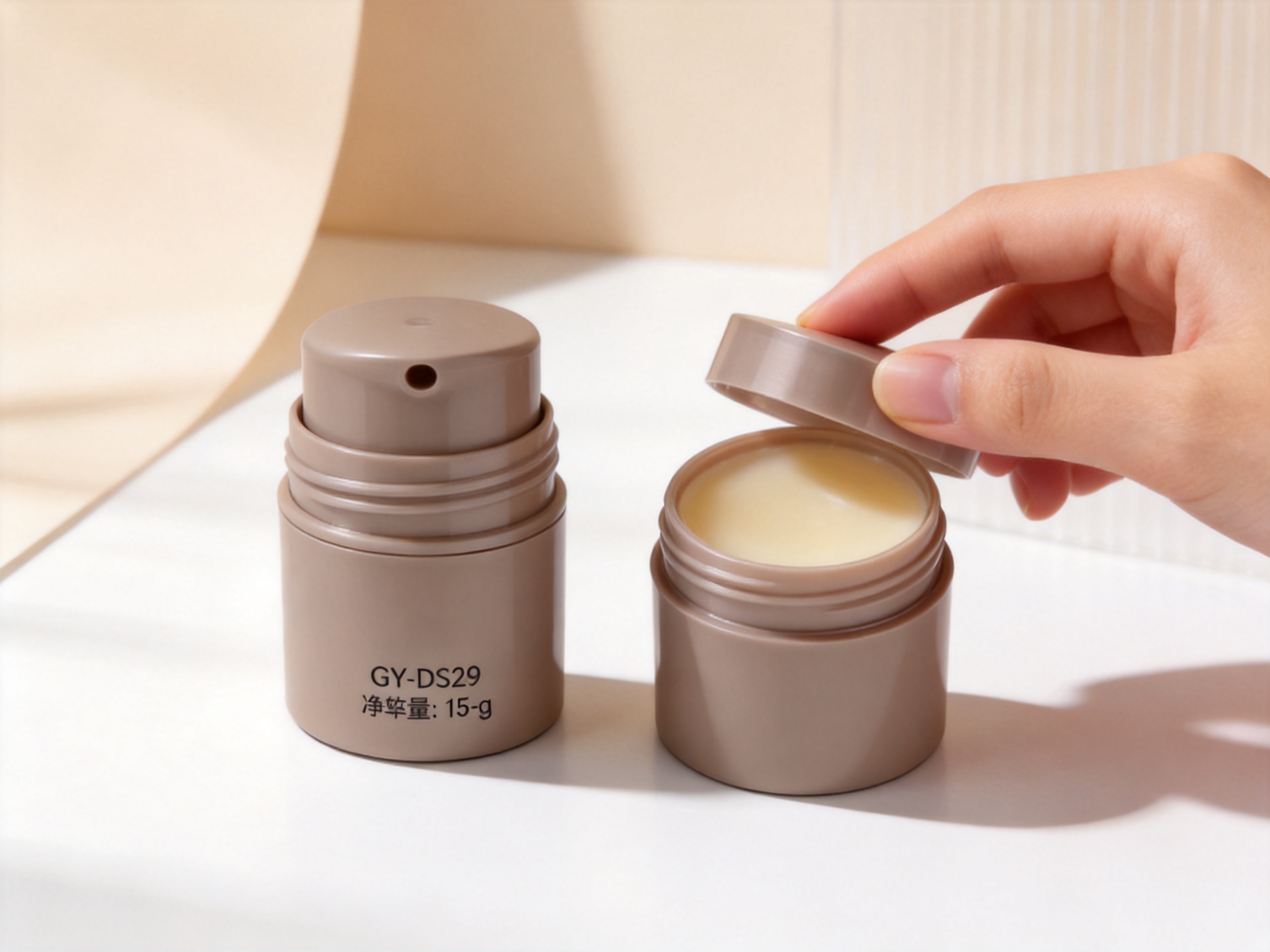
The GY-DS29 15Gram Soft Balm Container Twist Open is designed for brands seeking a compact and practical packaging solution for balm-based products. With an available capacity of 15 grams, the container provides a portable format that is suitable for personal care, grooming, skincare, and cosmetic applications. Its twist-open structure supports straightforward access while helping keep the product enclosed between uses.
As part of a broader portfolio that includes crimp pumps, fine mist sprayers, lotion pumps, treatment pumps, foam pumps, droppers, cosmetic plastic caps, airless bottles, deodorant stick bottles, cream jars, nail polish pumps, trigger sprayers, PE and PET bottles, and roll-on bottles, this soft balm container reflects an emphasis on functional packaging design. It is especially suitable for brands that need a small, easy-to-use container for soft formulations rather than a conventional liquid bottle or rigid stick package.
The following article examines the container’s design, applications, manufacturing considerations, competitive advantages, customization potential, and suitability for modern cosmetic packaging programs.
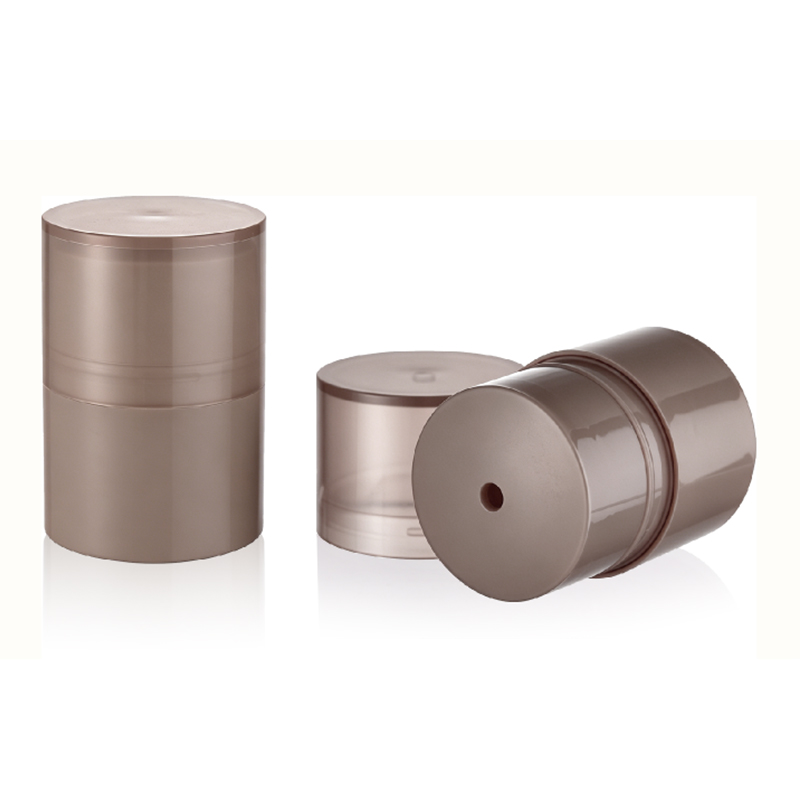
GY-DS29 15Gram Soft Balm Container Twist Open
Product Overview
The GY-DS29 is a 15-gram soft balm container intended for products with a creamy, semi-solid, or balm-like consistency. The stated application is balm, including soft products such as hair wax. Its compact form makes it suitable for products that benefit from portability and controlled storage in a small package.
Product Model |
GY-DS29 |
Product Type |
Soft balm container |
Available Capacity |
15 grams |
Primary Usage |
Balm and soft cosmetic formulations |
Example Application |
Hair wax and styling balm |
Opening Method |
Twist-open design |
Packaging Category |
Deodorant stick bottle and compact cosmetic packaging |
The container is intended for formulations that do not require a pump, spray mechanism, or narrow dispensing orifice. Instead, the user can open the package and access the balm directly. This approach is practical for products that are applied with the fingertips, a cosmetic tool, or another controlled application method.
Its 15-gram capacity provides a balance between product quantity and portability. Smaller packages are particularly valuable for trial products, travel sizes, professional grooming products, limited-edition launches, sample programs, and products designed for use outside the home. At the same time, the capacity is large enough to support regular use for many balm applications.
Understanding the Soft Balm Packaging Format
Soft balm formulations occupy a position between liquid and solid products. They may include hair wax, styling paste, body balm, cuticle balm, skin salve, solid perfume, lip care products, beard balm, or other semi-solid preparations. These products require packaging that can contain the formulation without making access difficult.
A bottle designed for a liquid product may not be suitable for a soft balm because the product may not flow through a pump or spray head. A conventional narrow stick may also be unsuitable when the formula is too soft to maintain a stable shape during application. A jar can provide easy access, but certain jar designs may be less convenient to carry or may not provide the desired opening and closing experience.
The GY-DS29 format addresses this need with a compact container intended for direct access to the balm. The twist-open structure provides a familiar method of operation. Users can rotate the closure to open the package, take the required amount of product, and close the container again after use.
This packaging format can be particularly useful when the product is designed to be applied in small quantities. Hair wax and styling balm, for example, are commonly applied gradually. The user may take a small amount, warm it between the fingers, and distribute it through the hair. A compact container supports this process by keeping the product within easy reach and allowing visual access to the contents.
Key Product Advantages
Compact 15-Gram Capacity
The 15-gram capacity is one of the most important features of the GY-DS29. It is large enough to serve as a functional retail or professional-use package while remaining small enough for travel, handbags, grooming kits, and personal care organizers.
For brands, a compact capacity can support several product strategies. It may be used for a standard small-format product, a trial-size version, a promotional item, a travel product, or a seasonal release. The same container can also be used in product bundles, gift sets, salon kits, and subscription boxes.
Compared with larger jars, a 15-gram package can make a product appear more portable and approachable. Compared with very small sample containers, it can provide a more practical amount for repeated use. This balance allows the package to serve both consumer and marketing objectives.
Twist-Open Operation
The twist-open design offers a straightforward opening and closing method. Unlike complicated dispensing systems, it does not require a pump to be primed, a spray actuator to be pressed, or a special tool to be used. This simple operation can help reduce user learning time and make the product easy to understand at first use.
A twist-open closure also supports repeated daily use. The user can open the container when application is needed and close it promptly afterward. This helps keep the product enclosed and reduces unnecessary exposure when the package is not in use.
For product developers, the twist-open structure can be advantageous because it aligns naturally with balm applications. The user generally needs direct access to the formulation, and the container allows that access without introducing a dispensing mechanism that may be incompatible with a thick or semi-solid formula.
Suitable for Soft and Semi-Solid Formulations
The container is designed for soft balm products, including hair wax. This makes it relevant to a wide range of personal care and cosmetic categories. Potential applications include styling wax, beard balm, moisturizing balm, body balm, hand balm, cuticle care, solid fragrance, aftercare products, and selected skincare formulations.
The broad suitability of the format gives brands more flexibility during product development. A single packaging platform may support multiple formulas within a product family. For example, a brand could use the same container for a hair styling balm, a beard grooming balm, and a travel-size moisturizing balm while changing the decoration, label, or color treatment.
Formula compatibility must always be verified through appropriate testing. Factors such as oils, waxes, fragrances, pigments, solvents, botanical extracts, and active ingredients can affect packaging materials and closure performance. The container should therefore be evaluated with the intended formulation before mass production.
Portable and User-Friendly Format
Portability is a strong advantage for grooming and personal care products. Consumers increasingly use products at work, while traveling, at the gym, in salons, and during outdoor activities. A compact container can be stored easily in a pocket, toiletry bag, cosmetic pouch, or professional kit.
The small format also supports products that are intended for on-the-go touch-ups. A user may carry hair wax or styling balm for use during the day, especially when maintaining a specific hairstyle requires occasional reapplication. The package can provide convenient access without the size and weight associated with larger containers.
Direct Product Visibility
Because the product is accessed directly from the container, users can see the remaining balm more easily than with some opaque dispensing systems. This can help them estimate how much product remains and determine when a replacement may be needed.
Visible product access may also support a more tactile brand experience. Balm products are often selected and applied based on texture, fragrance, color, and consistency. A suitable container can help present these qualities in a direct and familiar way while maintaining a compact appearance.
Applications Across Personal Care and Cosmetics
Hair Wax and Styling Balm
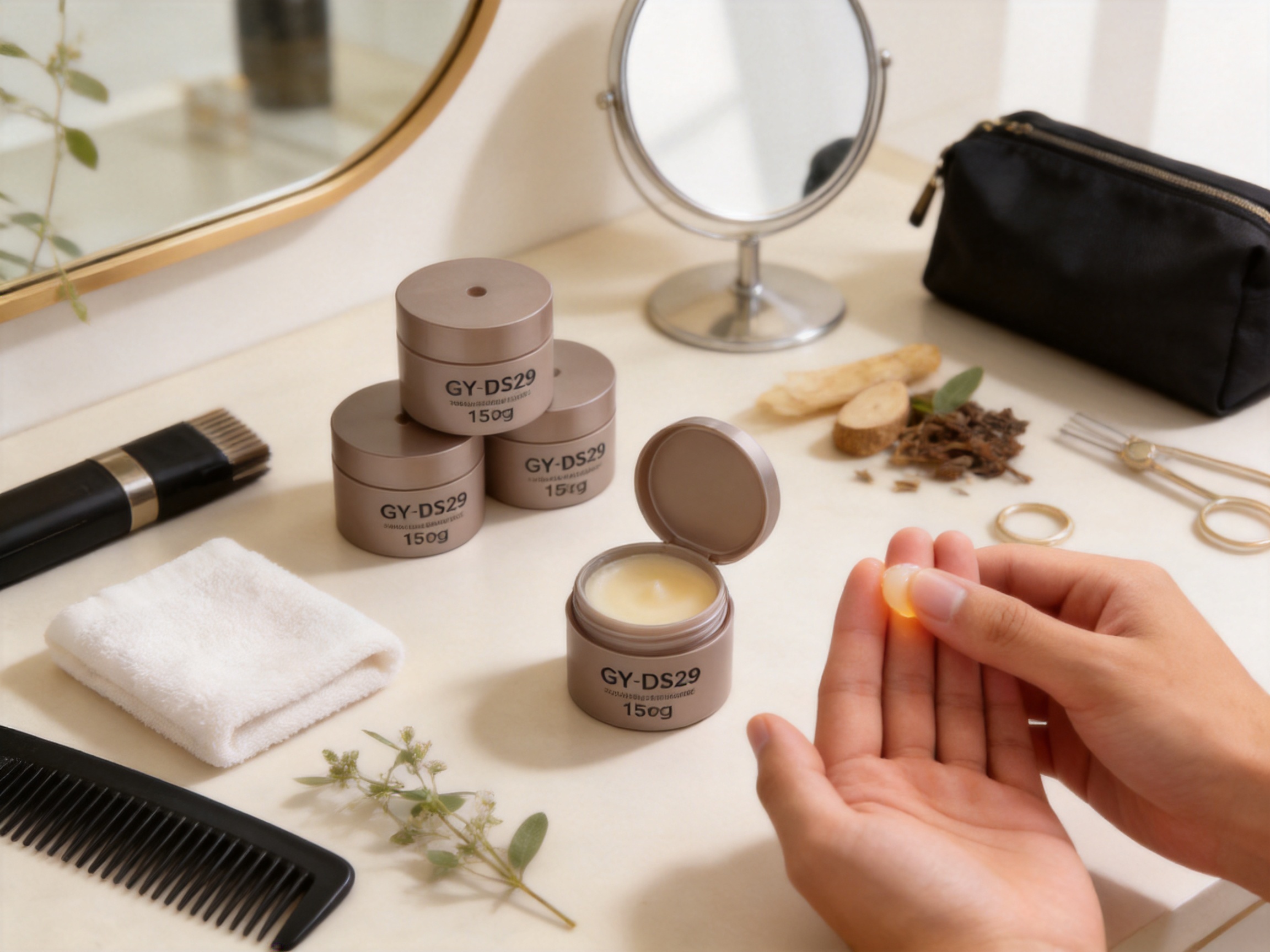
Hair wax is one of the clearest applications for the GY-DS29. Hair wax is typically applied in small quantities and may require the user to warm the product between the fingertips before distributing it through the hair. A wide-access balm container is suitable for this application because it allows the user to control the amount removed.
The 15-gram size can be used for travel styling products, salon retail items, men’s grooming products, unisex styling collections, and sample versions of larger professional products. The container can also support specialized formulations such as matte wax, flexible styling balm, texture paste, or light-hold grooming cream.
Beard Balm and Grooming Products
Beard balm products often contain waxes, oils, and conditioning ingredients that create a semi-solid texture. They are commonly applied with the fingers, making a direct-access container practical. A compact package can be positioned as a convenient grooming accessory for home or travel use.
The same package format may be suitable for mustache wax, sideburn styling balm, pre-shave balm, aftershave balm, or other grooming products. A consistent container platform can help a brand build a coordinated product line while maintaining a recognizable package shape.
Skin and Body Balms
Soft skincare balms may be used on dry areas, hands, elbows, knees, cuticles, or other areas that benefit from concentrated application. A 15-gram container can support a targeted-care product or a portable version of a larger skincare balm.
For these applications, the package should be evaluated for compatibility with oils, waxes, butters, botanical extracts, preservatives, and fragrances. Stability testing can help confirm that the formulation remains acceptable throughout the intended shelf life and that the package continues to function properly.
Solid Fragrance and Scented Balms
Solid fragrance products are often presented in small, portable packages because they are designed for personal application and convenient carrying. A twist-open balm container may provide the direct access needed for a scented semi-solid formula.
Fragrance oils and aromatic ingredients can be particularly important in compatibility testing. The package developer and brand should assess whether the formula affects the container, closure, decoration, or odor profile over time.
Promotional and Trial Products
The 15-gram format is well suited to trial campaigns and promotional programs. Brands can use the container for sampling a new formula, introducing a new fragrance, or creating a smaller product for online orders and retail events.
A compact sample can also reduce the barrier to first purchase. Consumers may be more willing to test a product when the package is small, practical, and easy to carry. If the product performs well, the sample can encourage a later purchase of a larger size or related product.
Advantages Compared with Alternative Packaging Formats
Packaging selection depends on the formula, dispensing method, user behavior, cost target, and brand positioning. The GY-DS29 offers several advantages when compared with alternative formats for soft balm products.
Compared with Conventional Liquid Bottles
Liquid bottles are generally optimized for formulas that flow. They may use pumps, sprays, droppers, or flip-top closures. Soft balms may not flow consistently through these mechanisms, particularly when they contain a high proportion of waxes, butters, or thickening agents.
The GY-DS29 avoids the need to force a soft formulation through a pump or spray actuator. Direct access is more appropriate for products that are intended to be scooped or touched. This can reduce the risk of poor dispensing performance caused by excessive viscosity or inconsistent flow.
Compared with Aerosol or Spray Packaging
Spray packaging is suitable for mists, liquids, and certain low-viscosity products, but it is not generally suited to a soft balm. A spray system may also introduce additional component requirements, such as an actuator, dip tube, valve, or specialized crimping process.
For balm products, the twist-open container provides a simpler package architecture. This can make the user experience more direct and reduce the need for a dispensing mechanism that does not match the formula’s physical properties.
Compared with Large Cream Jars
Large cream jars can provide broad access, but they may be less portable and may contain more product than needed for travel or trial applications. A 15-gram container offers a smaller alternative for brands that want a compact product format.
The smaller package may also be appropriate for concentrated products used in limited amounts. It can help brands create a more focused product proposition, particularly in grooming, specialty skincare, and promotional categories.
Compared with Traditional Solid Stick Packages
Traditional stick packaging is effective for formulas that hold a stable solid shape and can be pushed or twisted into an applicator position. However, some soft balm formulations are too creamy or flexible for a traditional stick format. They may be easier to use when accessed directly.
The GY-DS29 is designed for this type of soft product. Its format allows the user to take an amount based on personal preference, rather than depending on a fixed stick surface. This can be helpful for hair wax, beard balm, and styling products that are applied with the fingers.
Compared with Single-Use Sachets
Single-use sachets may be useful for one-time sampling, but they are not ideal for products intended for repeated use. Once opened, a sachet may be difficult to reseal and may not offer the same convenience as a reusable container.
The twist-open format is better aligned with repeated application. The user can open and close the container as needed, making it more suitable for a small retail product or travel package rather than a one-time sample alone.
Design Considerations for Brand Owners
Although the GY-DS29 provides a functional base, successful packaging development requires attention to the complete product system. The container, formulation, decoration, closure, filling process, logistics, and retail presentation should be considered together.
Formula and Package Compatibility
Compatibility testing is essential for any cosmetic package. The brand should evaluate the interaction between the formula and the container over time. Important factors may include color change, odor transfer, swelling, softening, cracking, leakage, closure fit, and changes in product texture.
Testing should be conducted under conditions that reflect the intended distribution and use environment. Temperature variation, humidity, transportation vibration, storage time, and repeated opening and closing may all influence package performance.
Filling Method
The filling process should match the viscosity and temperature behavior of the balm. Some soft balm formulations are filled while warm and allowed to cool inside the container, while others can be filled at ambient temperature. The correct method depends on the formula and manufacturing process.
Filling equipment should provide consistent dosing and minimize contamination. The production team should also confirm that the container remains stable during filling, cooling, closure application, labeling, packing, and transportation.
Closure Performance
A twist-open container must provide a dependable closing experience. The closure should be easy enough for normal users to operate while remaining secure during storage and transportation. The closing interface should be checked for alignment, fit, and repeatability.
For products containing volatile fragrance components or sensitive ingredients, closure performance may be especially important. The package should be assessed for its ability to help protect the product from unnecessary exposure between uses.
Decoration and Branding
Cosmetic packaging often serves as a major visual communication tool. A small container can display a label, printed information, color treatment, or other decoration that supports brand identity. Because the package is compact, artwork should be designed for readability at a small scale.
Important information may include the product name, net content, usage instructions, ingredients, batch information, responsible company details, warnings, and recycling or disposal guidance where applicable. The final labeling requirements depend on the target market and applicable regulations.
Color and Product Positioning
Color selection can help position the product. Neutral tones may communicate professional grooming or minimalist skincare, while brighter colors may support playful, youthful, or seasonal collections. Metallic effects, matte finishes, and contrasting closures may also be considered depending on the desired market position.
A coordinated color strategy can allow several balm products to share the same package structure while remaining easy to distinguish. This is useful for brands with multiple scents, hold levels, skin applications, or styling benefits.
Manufacturing Strengths and Production Capabilities
The supplier behind the GY-DS29 is GreenYard Tools Co., Ltd., a China-based packaging material manufacturer specializing in spray products and personal care packaging. The company has operated in the packaging field for 16 years and produces perfume sprayers, pump heads, caps, bottles, and daily chemical packaging solutions.
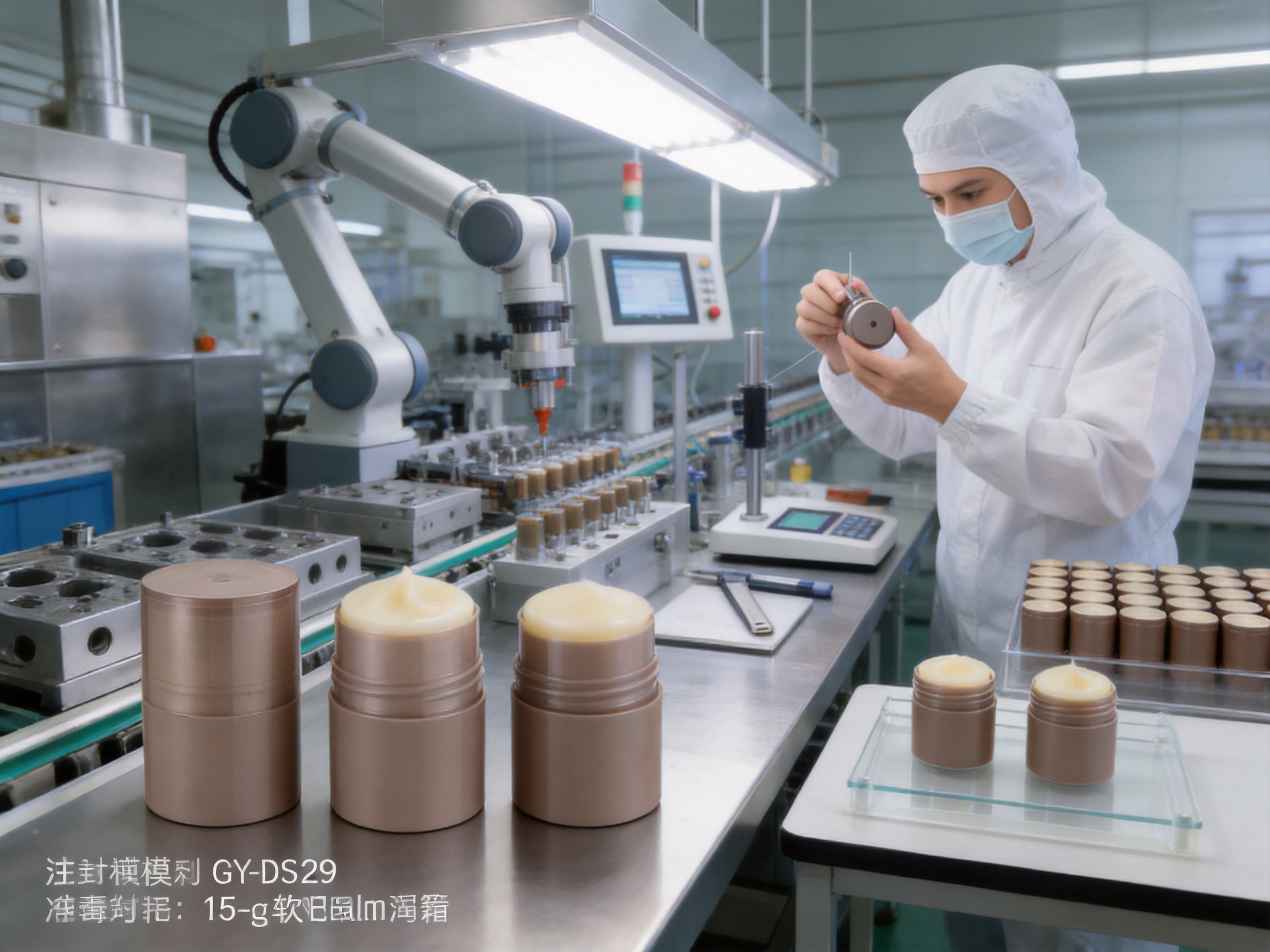
Although the GY-DS29 is a soft balm container rather than a spray component, the company’s broader experience in packaging engineering is relevant to the development of dependable cosmetic packaging. Packaging production requires careful coordination between product design, tooling, material processing, assembly, inspection, and customer requirements.
Mold Design
Mold design is an important foundation of plastic packaging production. A well-designed mold helps control the shape, wall structure, fit, appearance, and repeatability of the finished component. It also affects production efficiency and the ability to maintain consistent dimensions during high-volume manufacturing.
Experienced mold development can support the creation of practical details such as rounded edges, stable bases, controlled closure interfaces, and surfaces suitable for decoration. It can also help reduce defects associated with incomplete filling, uneven cooling, warping, or inconsistent appearance.
Injection Molding
Injection molding is widely used for producing plastic packaging components because it can create repeatable shapes at commercial production volumes. During the process, the selected material is heated, injected into a mold, cooled, and removed as a formed component.
Process control is important at every stage. Parameters such as temperature, injection pressure, holding pressure, cooling time, and cycle timing can influence the quality of the finished package. Consistent process management helps produce components that meet dimensional and appearance expectations.
Automated Assembly
Automated assembly can improve production consistency and throughput. It may help ensure that components are assembled in the correct orientation and that repeated operations are performed with stable timing and force.
For packaging products, assembly accuracy can influence the user’s opening and closing experience. It can also affect the package’s ability to remain properly closed during storage and transportation. Automation may therefore support both manufacturing efficiency and product reliability.
Quality Inspection
Quality inspection is used to identify defects and verify that products meet defined requirements. Inspection may include visual checks, dimensional measurement, closure testing, assembly verification, and sampling according to the product and customer specification.
Typical areas of attention for a small balm container may include surface appearance, molding marks, deformation, closure fit, component alignment, structural integrity, and packaging cleanliness. The specific inspection plan should be established according to the order requirements and intended application.
High Production Capacity
GreenYard reports a daily production capacity of one million units across its packaging operations. High capacity can be valuable for customers that require stable supply, repeated orders, or coordinated production of multiple packaging categories.
Production capacity alone does not determine product quality, but it can support supply planning when combined with effective process management, quality systems, raw material control, and production scheduling. For growing brands, a supplier with significant manufacturing resources may provide a stronger foundation for moving from small launches to larger commercial programs.
Design and Product Innovation
A dedicated design team can help packaging suppliers respond to changing market needs. Cosmetic brands increasingly seek packages that are compact, intuitive, visually distinctive, and compatible with specialized product textures.
Product innovation may involve the development of new shapes, closure structures, dispensing systems, material options, decoration methods, or size configurations. For a soft balm container, innovation should remain connected to practical user needs, including easy access, secure closure, portability, and compatibility with semi-solid formulas.
Quality and Reliability Considerations
Reliability is especially important for cosmetic packaging because the package may be opened and closed repeatedly, carried in different environments, and exposed to contact with oils or fragrance ingredients. A dependable container should maintain its intended function throughout the product’s expected life.
Quality assessment may include dimensional checks to confirm that the container and closure remain within the specified tolerances. It may also include repeated opening and closing tests to evaluate whether the twist mechanism remains functional after regular use.
Drop and transportation testing can help assess whether the package remains intact when subjected to handling. Temperature testing may provide additional information about the effects of heat and cold on the container, closure, and filled product.
It is important to distinguish between packaging quality and formula stability. The package may be well manufactured, but the final product still requires complete stability and compatibility testing. The brand owner remains responsible for confirming that the filled package meets the necessary performance, safety, and regulatory requirements in the intended market.
Product Development Workflow
Step One: Define the Formula
The development process begins with a clear understanding of the balm formulation. The brand should identify whether the product is wax-based, oil-based, butter-based, water-containing, fragrance-heavy, pigment-containing, or otherwise sensitive to packaging materials.
The formula’s viscosity, fill temperature, cooling behavior, application method, and expected shelf life should be documented. These details help determine whether the container is suitable and what testing may be necessary.
Step Two: Confirm the Capacity and User Positioning
The 15-gram capacity should be evaluated against the intended product concept. The brand should consider how much product is required per application, how frequently the product will be used, and whether the package is intended for retail, professional, travel, sampling, or promotional use.
The package size should also align with the desired price point and product positioning. A compact package may support premium portability, accessible trial, or specialized use, depending on the overall product design.
Step Three: Review Samples
Sample evaluation allows the brand to examine the physical package before committing to larger production. The review should include appearance, dimensions, hand feel, opening and closing operation, capacity expectations, filling behavior, and compatibility with the proposed decoration.
Samples should ideally be tested with the actual or a representative formula. An empty-package review is useful, but a filled-package evaluation provides more meaningful information about real-world performance.
Step Four: Conduct Compatibility and Stability Testing
Filled samples should be observed over time under suitable storage conditions. The evaluation may include changes in formula appearance, odor, texture, color, and weight, along with any changes to the container or closure.
Accelerated testing can provide an early indication of potential issues, but it does not replace the complete testing program required by the brand’s quality and regulatory procedures.
Step Five: Finalize Decoration and Specifications
Once the container and formula are confirmed as suitable, the brand can finalize artwork, color, labeling, packing configuration, and quality standards. Clear specifications help reduce misunderstandings during production.
Specifications may include component dimensions, material requirements, color references, decoration tolerances, inspection standards, carton quantities, and shipping instructions. A detailed approval process is useful for maintaining consistency in future orders.
Step Six: Scale Production
After approval, the supplier can schedule production according to the confirmed order quantity and delivery plan. Production control should include raw material preparation, molding, assembly, inspection, packing, and shipment coordination.
For repeat orders, retained samples, production records, and approved specifications can help support consistency from one production batch to the next.
Commercial Benefits for Cosmetic Brands
The GY-DS29 can provide commercial value by supporting several product formats within a single compact packaging concept. Brands may use it for an independent product, a related product family, a sample program, or a travel collection.
The package’s direct-access format may also help communicate the product’s texture. For balm products, consumers often expect a tactile experience. A container that supports controlled fingertip access can make the product’s use feel intuitive and familiar.
Another commercial advantage is the potential for product differentiation. Many personal care products are sold in conventional tubes, bottles, jars, or sticks. A compact twist-open balm container can give a new product a distinctive physical format while retaining practical everyday use.
For manufacturers and private-label brands, a ready packaging platform can simplify development. Instead of creating an entirely new package from the beginning, the brand can evaluate an existing container and concentrate resources on formula development, decoration, testing, and market positioning.
The supplier’s broader production portfolio may also simplify sourcing. A brand that needs balm containers together with pumps, sprayers, caps, bottles, or other daily chemical packaging components may be able to coordinate multiple packaging requirements through one manufacturing partner.
Packaging for Different Market Segments
Professional Haircare
Professional haircare brands may use the container for styling waxes and salon-oriented finishing products. The compact size can be suitable for retail shelves, stylist kits, or add-on products sold with professional services.
Men’s Grooming
Beard balm, mustache wax, hair wax, and grooming balm are all compatible with the package concept. The design can support a compact, practical image that aligns with daily grooming routines.
Natural and Botanical Skincare
Brands selling plant-based balms, botanical salves, and concentrated skin-care products may consider the container for travel-size or targeted-use products. The package design should be combined with suitable decoration and material information to communicate the desired natural or premium positioning.
Independent and Emerging Brands
Small and emerging brands often need flexible packaging that can support a product launch without excessive complexity. A 15-gram container can be suitable for limited production runs, product testing, market validation, and small collections, subject to the supplier’s order requirements.
Gift Sets and Seasonal Collections
The compact size makes the container suitable for gift boxes, holiday collections, event merchandise, and limited-edition releases. Multiple fragrances or formulas can be grouped together in a coordinated set while keeping the overall package size manageable.
Practical Usage Guidance
For a balm product, the user should open the container by twisting the closure and remove an appropriate amount of product. Hair wax and styling balm are often best applied gradually. A small amount can be warmed between the fingertips before being distributed through the hair.
After application, the container should be closed securely. Keeping the package closed when not in use helps limit unnecessary exposure to air, dust, moisture, and handling. Users should avoid introducing water or other substances into the balm because contamination may affect product quality.
Brands should provide product-specific instructions based on the formulation. Directions may explain how much product to use, where to apply it, whether to apply it to dry or damp hair or skin, and how to clean the hands or application area after use.
Frequently Asked Questions
What is the capacity of the GY-DS29 container?
The available capacity is 15 grams. The actual fill weight may depend on the density, filling temperature, and formulation characteristics of the specific balm.
What type of product is the container designed for?
The container is designed for soft balm products. Example applications include hair wax, styling balm, beard balm, skincare balm, solid fragrance, and other creamy or semi-solid cosmetic formulations.
How does the container open?
It uses a twist-open structure. The user rotates the closure to access the balm and twists it back into the closed position after use.
Is the container suitable for liquid products?
It is primarily intended for soft balm and semi-solid products rather than conventional liquids. Brands should select a pump, sprayer, dropper, or bottle format when the formulation requires liquid dispensing.
Can the container be used for hair wax?
Yes. Hair wax is specifically identified as an example of a soft balm application for this container. Compatibility testing with the final hair wax formula is still recommended before production.
Is the container suitable for travel products?
The compact 15-gram format is suitable for many travel and on-the-go applications. The brand should confirm that the filled package meets its own transportation, leakage, closure, and durability requirements.
Can the same container support several products?
Potentially, yes. A brand may use the format for different balm products, such as styling wax, beard balm, skin balm, or solid fragrance. Each formula should be evaluated separately because ingredients can interact differently with packaging materials.
Can the package be decorated with a brand design?
Packaging decoration options should be confirmed with the manufacturer according to the required surface, color, artwork, printing process, labeling method, and order quantity. The brand should approve production samples before a large order.
What manufacturing capabilities support this product?
The supplier reports capabilities in mold design, injection molding, automated assembly, and quality inspection. These capabilities support the production of plastic packaging components and help manage consistency across manufacturing stages.
Does the supplier produce other packaging products?
Yes. The company’s product portfolio includes perfume sprayers, pump heads, caps, bottles, lotion pumps, treatment pumps, foam pumps, droppers, airless bottles, deodorant stick bottles, cream jars, trigger sprayers, roll-on bottles, and other daily chemical packaging solutions.
What should be tested before mass production?
Brands should evaluate formula compatibility, closure performance, filling behavior, stability, appearance, transportation durability, labeling, and regulatory requirements. The exact test program should reflect the product formula and target market.
Where is the manufacturer located?
The manufacturer is located at No. 97-1 Fengyi Road, Lanjiang Street, Yuyao City, Zhejiang Province, China. Contact details provided for business inquiries include [email protected], +86-0574-62493001, and +86-13116696325.
Why Choose a Specialized Packaging Manufacturer?
A specialized packaging manufacturer can contribute more than component production. Experience across pumps, sprayers, bottles, caps, and cosmetic containers can help a supplier understand the practical requirements of personal care packaging, including appearance, functionality, assembly, and supply coordination.
GreenYard Tools Co., Ltd. describes itself as a high-end packaging material manufacturer with 16 years of experience in spray product manufacturing and daily chemical packaging. Its reported production capabilities include mold design, injection molding, automated assembly, and quality inspection.
These capabilities may be valuable to brands that need technical communication during package selection. A manufacturer familiar with packaging development can help identify the information required for sample review, specification approval, filling trials, and production planning.
A supplier with a broad portfolio may also help brands coordinate packaging across multiple product categories. For example, a company may need a 15-gram balm container for a styling product, a lotion pump for a body lotion, a fine mist sprayer for a facial mist, and a roll-on bottle for a treatment product. Coordinating these requirements with an experienced packaging partner may simplify purchasing and communication.
Conclusion
The GY-DS29 15Gram Soft Balm Container Twist Open is a compact packaging solution for soft balm, hair wax, and other semi-solid cosmetic formulations. Its 15-gram capacity supports portability, product trials, grooming kits, travel products, gift sets, and targeted personal care applications.
The twist-open structure offers a simple and familiar method of access. It is particularly suitable for products that are applied directly with the fingers or another tool rather than dispensed through a pump or spray. Compared with larger jars, liquid bottles, spray packages, and conventional solid sticks, the format provides a practical alternative for soft formulations that require direct and controlled access.
The container’s value is strengthened when combined with appropriate formula testing, filling validation, closure evaluation, decoration planning, and quality inspection. Brands should assess the finished package with the intended formulation and confirm that it meets the requirements of the target market.
Backed by manufacturing capabilities in mold design, injection molding, automated assembly, and quality inspection, GreenYard Tools Co., Ltd. offers a broader packaging development platform for personal care and daily chemical brands. The company’s experience with pumps, sprayers, caps, bottles, and related packaging can support customers seeking coordinated solutions across multiple product categories.
For brands developing hair wax, styling balm, beard balm, skincare balm, solid fragrance, or other semi-solid products, the GY-DS29 provides a focused combination of compact capacity, direct access, twist-open convenience, and flexible cosmetic application potential.
References
1. Product specification provided for GY-DS29 15Gram Soft Balm Container Twist Open.
2. GreenYard Tools Co., Ltd. company information and manufacturing capability summary.
3. Personal care packaging development principles covering formula compatibility, closure performance, filling, and stability evaluation.
4. Cosmetic packaging design considerations for semi-solid, balm, wax, and cream-based formulations.
5. General quality-control practices for injection-molded plastic packaging, automated assembly, and finished-component inspection.
Product: GY-DS29 15Gram Soft Balm Container Twist Open

-
Amber Plastic Bottles: Lightweight, Protective, Customizable Packaging for Cosmetics
You have spent months stabilizing a vitamin C serum, only to watch a pallet of amber glass bottles ...
-
Crimp Pumps Demystified: Choosing the Right Type and Material for Every Cosmetic Formula
Walk into any cosmetic filling facility and you will find crimp pumps on everything from a delicate ...
-
How Glass Airless Bottle Packaging Prevents Contamination and Boosts Shelf Life?
Glass airless bottle packaging prevents contamination and extends shelf life by completely eliminat...
-
What Is Perfume Spray? How Atomizers Work, Mist Types and Packaging Basics
Press the actuator on a fragrance bottle once and a metered dose of liquid, usually between 0.05 an...
Copyright © GreenYard Tools Co.,ltd. All Rights Reserved.
Personal Care Packaging Manufacturer Custom Perfume Sprayers Factory