
-
About Us
Why Choose Us?The company possesses advanced capabilities in mold design, injection molding, and automated assembly, supported by a professional quality inspection team to ensure product reliability. A dedicated design team continuously drives product innovation, providing customers with high-quality spray solutions.
 Coming From China, Marketing To The World.
 -
Products
-
News
 English
 Français
 русский
 Español
6-Gram Pull Clip Cap Stick Container for Lip Balm and Solid Personal Care Products
Content
- 1 Product Overview
- 2 Compact 6-Gram Capacity
- 3 Pull Clip Cap Design
- 4 Direct Application for Lip Balm
- 5 Advantages Compared with Conventional Packaging
- 6 Manufacturing Strengths
- 7 Production Capacity and Supply Support
- 8 Design and Branding Opportunities
- 9 Consumer Experience and Portability
- 10 Applications Beyond Lip Balm
- 11 Development and Filling Considerations
- 12 Why Choose a Specialized Packaging Manufacturer?
- 13 Ordering and Customization Considerations
- 14 Sustainability and Responsible Packaging Planning
- 15 Quality, Safety, and Compliance Planning
- 16 Frequently Asked Questions
- 16.1 What is the capacity of the GY-DS21 container?
- 16.2 What is the main recommended use?
- 16.3 Why is the package described as a deodorant stick bottle?
- 16.4 How does the pull clip cap work?
- 16.5 Is the package suitable for travel?
- 16.6 Can the container be used for products other than lip balm?
- 16.7 What manufacturing processes support this product?
- 16.8 What is the manufacturer’s production capacity?
- 16.9 Can brands request customization?
- 16.10 What should be tested before placing a large order?
- 16.11 How can the package support brand differentiation?
- 16.12 Where is the manufacturer located?
- 17 Conclusion
- 18 References
- 19 Product: GY-DS21 Pull Clip Cap 6Gram Stick Container
Small-format cosmetic packaging plays an important role in the personal care market. Consumers increasingly expect products to be portable, easy to use, clean, and attractive, while brands need packaging that protects the formula, supports efficient filling, and creates a recognizable product experience. The GY-DS21 Pull Clip Cap 6Gram Stick Container is designed to meet these requirements through a compact stick format, a practical pull clip cap, and a capacity suited to lip balm and other small-volume solid personal care products.
With a nominal capacity of 6 grams, this container offers a convenient balance between portability and usability. It is compact enough for handbags, pockets, cosmetic pouches, and travel kits, yet it provides sufficient space for everyday lip care applications. The package can be used for traditional lip balm, tinted balm, moisturizing stick products, solid treatment formulations, and other personal care products that benefit from direct application.
The container is supplied by GreenYard Tools Co., Ltd., a China-based personal care packaging manufacturer with experience in spray products, pump heads, caps, bottles, and daily chemical packaging solutions. The company supports product development through mold design, injection molding, automated assembly, and quality inspection. These capabilities allow the manufacturer to provide packaging products that combine functional design with stable production performance.
Unlike a conventional jar or open cosmetic pot, the GY-DS21 stick container is designed around direct, mess-free application. The product is raised and lowered within the package, allowing the user to apply the formulation directly to the lips or another suitable area without using fingers or additional tools. The pull clip cap helps keep the package closed between uses and contributes to a simple, familiar opening experience.
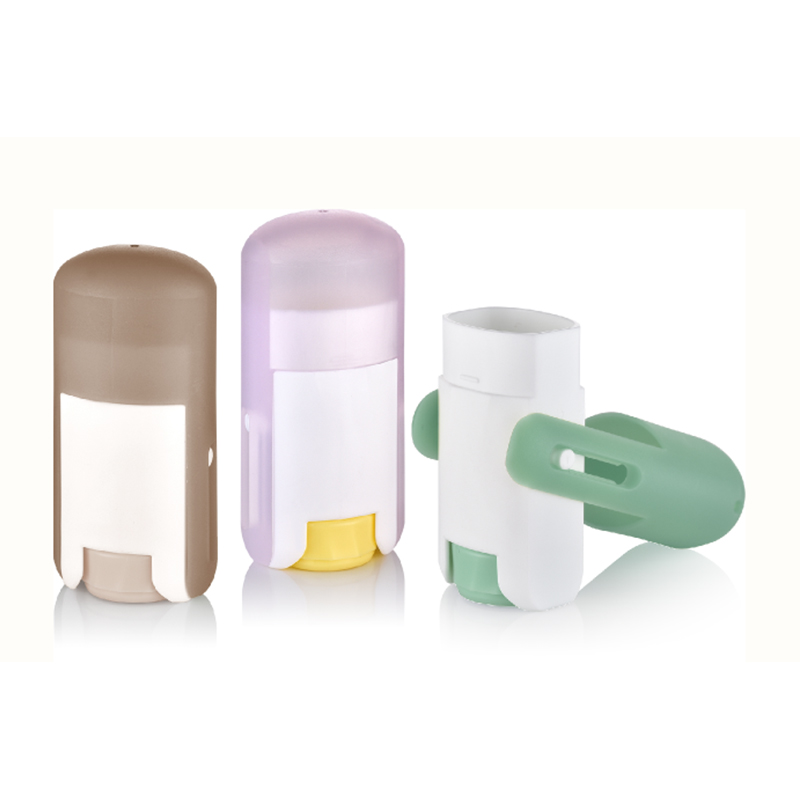
GY-DS21 Pull Clip Cap 6Gram Stick Container
Product Overview
The GY-DS21 is a 6-gram pull clip cap stick container classified within the deodorant stick bottle and solid personal care packaging category. Although the category includes deodorant packaging, this particular model is especially suitable for lip balm applications. Its compact capacity, narrow stick structure, and direct-use format make it appropriate for products intended for personal, portable, and repeated use.
The container is designed for brands that want a practical alternative to small jars, squeeze tubes, or larger twist-up packages. A stick package can help simplify application while reducing direct contact between the consumer’s hands and the formula. This is especially useful for lip care products, where consumers often apply the product several times throughout the day.
The 6-gram capacity is suitable for travel-size, trial-size, promotional, and standard everyday lip care products. It can also be used for limited-edition products, gift sets, seasonal collections, and compact products designed for on-the-go lifestyles. Its small volume allows brands to create a lightweight product format without sacrificing the basic functionality required for a retractable solid formulation.
The GY-DS21 combines a body, an internal product-holding structure, and a pull clip cap. The body provides the main external package form, while the internal mechanism supports product positioning and direct application. The cap protects the exposed product after use and helps maintain a clean appearance during storage and transport.
Product Model |
GY-DS21 |
Product Type |
Pull clip cap stick container |
Available Volume |
6 grams |
Primary Application |
Lip balm |
Product Category |
Deodorant stick bottle and solid cosmetic packaging |
Recommended Format |
Solid balm, treatment stick, and personal care formulation |
Cap Style |
Pull clip cap |
Typical Use Environment |
Daily carry, handbag, cosmetic pouch, and travel kit |
Compact 6-Gram Capacity
The 6-gram capacity is one of the main advantages of the GY-DS21 container. It provides enough product for repeated lip balm use while keeping the overall package small and lightweight. For consumers, this means the product can be carried comfortably without taking up unnecessary space. For brands, the compact size can support practical product positioning in travel, beauty, personal care, and promotional markets.
Small packaging is particularly valuable in modern retail environments. Consumers often compare products based not only on formula and price, but also on convenience. A compact container can be placed in a pocket, purse, makeup case, office drawer, vehicle compartment, or travel bag. The product can remain available throughout the day, supporting frequent reapplication when needed.
The 6-gram format also allows brands to create a product that feels purposeful rather than excessive. Larger containers may provide more formula, but they can also be less convenient for users who prefer lightweight products. The GY-DS21 is positioned for applications where portability, accessibility, and daily use are more important than high-volume capacity.
For new product development, a 6-gram container can serve several roles. It may be used as the primary package for a compact lip balm, as a sample-size package for a new formula, or as a complementary package in a gift set. It can also support multi-product collections in which different colors, scents, flavors, or treatment functions are offered in a consistent package size.
The compact volume is also suitable for brands that want to control the amount of formula offered per unit. Product developers can select a fill quantity that supports the intended usage cycle, retail price, and target customer. Before mass production, filling tests should be conducted to confirm the formula’s compatibility with the internal structure and to establish the correct filling process.
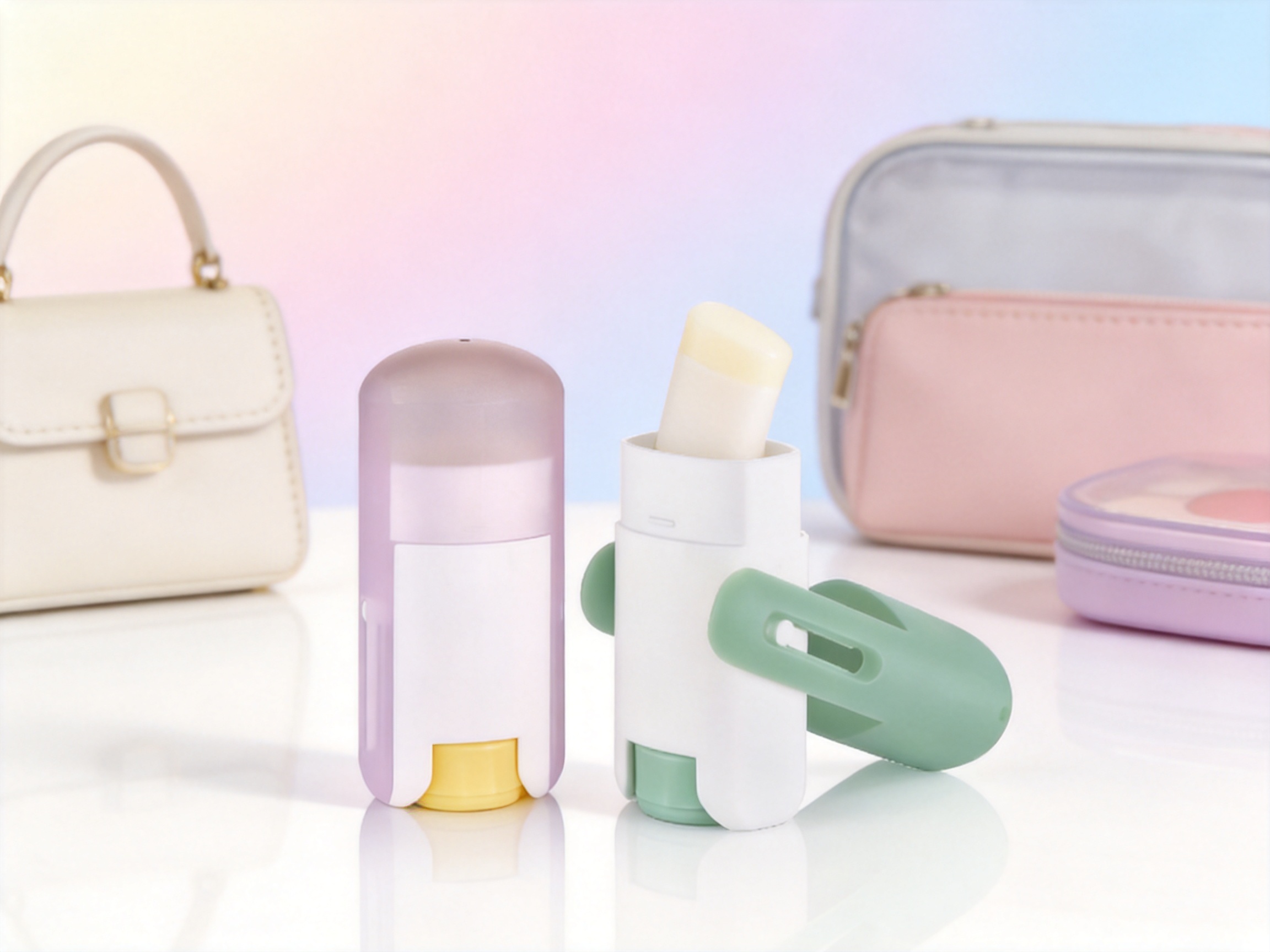
Pull Clip Cap Design
The pull clip cap provides the container with a simple and recognizable opening method. Instead of requiring a complex closure system, the user can remove the cap by pulling it away from the body. This creates a quick access experience and allows the package to be opened without tools or complicated instructions.
A cap must perform several functions in cosmetic packaging. It should protect the product from external contact, help reduce contamination during storage, prevent accidental exposure, and preserve the overall appearance of the package. The pull clip cap on the GY-DS21 is intended to provide a secure covering structure while maintaining a clean and practical appearance.
The cap design also supports convenient repeated use. Lip balm is typically applied several times during the day, so a package that opens and closes easily can improve the overall user experience. Consumers are less likely to avoid reapplication when the package is simple to operate and easy to carry.
The pull clip structure can also give the product a distinct visual identity. Compared with a common open jar or basic tube, a clip-style cap can make a small lip care package appear more specialized. The closure creates a clear separation between the protected product area and the external environment, while its shape can contribute to a neat and functional product design.
For product developers, the cap should be evaluated together with the container body. Proper dimensional coordination is important for a good fit, stable closure, and consistent assembly. GreenYard’s mold design, injection molding, automated assembly, and inspection capabilities support this type of coordinated packaging production.
Direct Application for Lip Balm
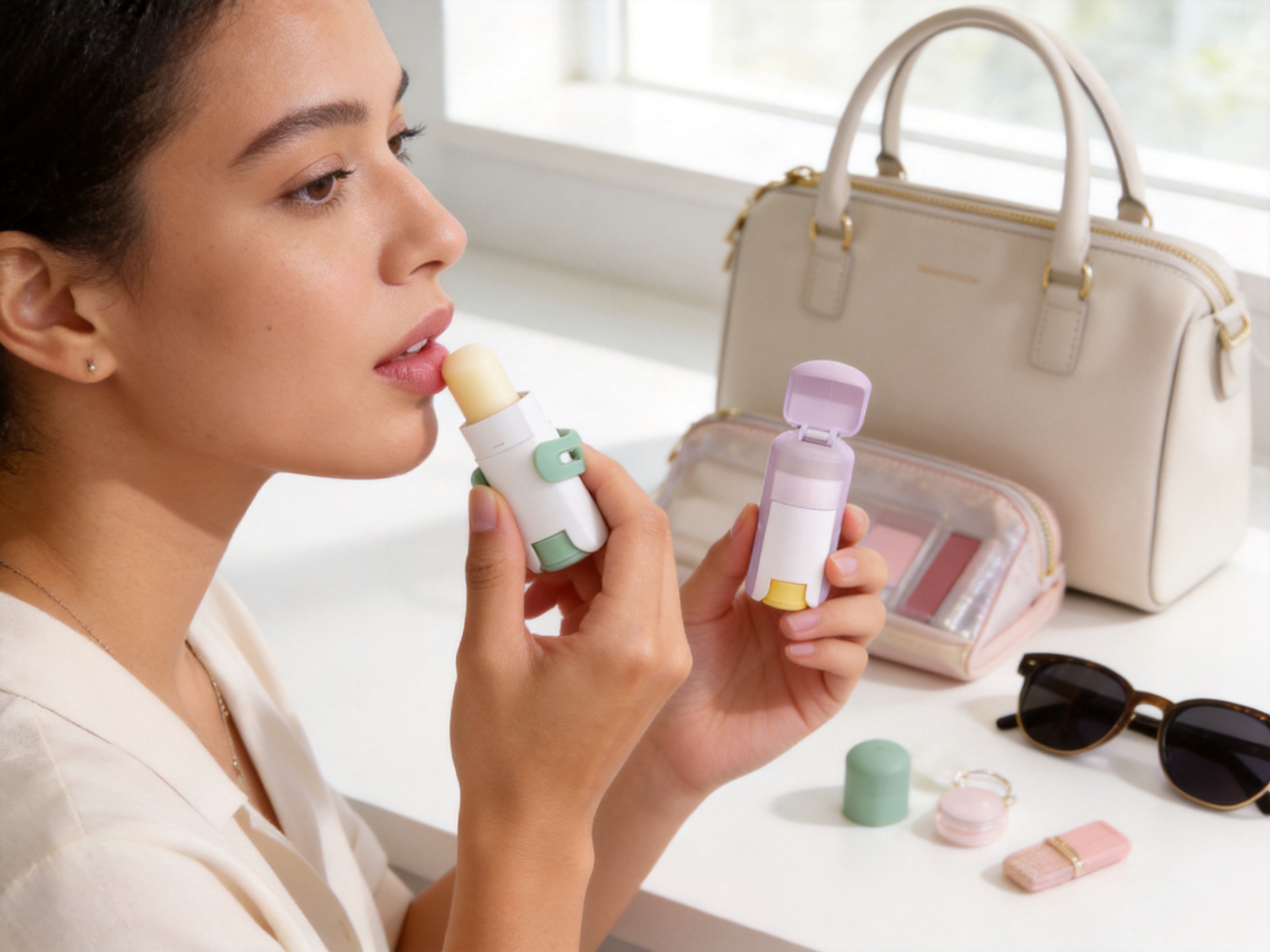
The GY-DS21 is especially suitable for lip balm because its stick structure enables direct application. The user can move the product into the appropriate position and apply the balm directly to the lips. This can be more convenient and hygienic than opening a jar and using a finger to collect the formula.
Direct application is valuable for both traditional and innovative lip care products. The container may be considered for moisturizing balms, protective lip treatments, tinted lip care, nourishing solid formulations, and other products with a stable stick form. Brands can develop different formula concepts while maintaining the same practical package format.
A stick container can also support a more controlled application process. The product is presented in a defined shape, which helps the user apply it to a focused area. Depending on the formula and product geometry, the package may help reduce unnecessary product handling and minimize the amount of formula exposed at one time.
For consumers, a direct-use stick can provide a cleaner experience during outdoor activities, commuting, office use, and travel. It eliminates the need to carry a separate applicator and reduces the likelihood of residue being transferred to the hands. This format is particularly appropriate for products marketed around convenience, personal care, and everyday protection.
Formula compatibility remains an important part of product development. Brands should assess the firmness, glide, melting behavior, adhesion, and filling characteristics of the lip balm before approving the final package. Compatibility testing can help verify that the product moves correctly within the container, remains stable during normal use, and does not cause undesirable interaction with the packaging material.
Advantages Compared with Conventional Packaging
Compared with Small Cosmetic Jars
Small cosmetic jars are familiar and versatile, but they require the user to open a wide container and touch the formula directly. This may be acceptable for some creams and balms, but it is not always ideal for lip care. The GY-DS21 provides a more focused application format that can reduce direct finger contact with the product.
A stick container can also be easier to carry. A jar may require more space around the opening and may be more vulnerable to product transfer around the lid. By contrast, the GY-DS21 has a compact vertical structure and a dedicated cap, making it suitable for bags, pockets, and small storage spaces.
Compared with Squeeze Tubes
Squeeze tubes offer flexible dispensing, but the amount released can vary according to the pressure applied by the user. Some consumers also need to use a finger or an applicator to spread the formula after dispensing. The GY-DS21 presents the product as a solid stick, providing a direct application method without a separate dispensing step.
The stick format can be especially useful for formulas designed to maintain their shape. It gives the product a finished, retail-ready appearance and may create a stronger connection between the package and the physical form of the formula.
Compared with Larger Twist-Up Sticks
Larger twist-up packages are useful for high-volume deodorants and some body care products, but they may be excessive for lip balm. The 6-gram GY-DS21 is designed for smaller personal care applications, allowing brands to offer a more compact and lightweight solution.
The smaller format can support travel products, trial products, gift collections, and portable daily-use products. It may also reduce the physical size of the finished retail unit, which can help brands create more compact displays and product assortments.
Compared with Basic Push-Fit Containers
Some small stick packages rely on a simple cap that may be difficult to remove or may not provide a distinctive user experience. The pull clip cap offers a clear opening method and can provide a more deliberate closure structure. Its functional appearance can help the product stand out in a competitive cosmetic packaging market.
Evaluation Factor |
GY-DS21 Pull Clip Cap Container |
Small Jar |
Squeeze Tube |
Application Method |
Direct stick application |
Finger or applicator application |
Dispense and spread |
Portability |
High due to compact stick structure |
Moderate |
High, depending on tube size |
Recommended Formula |
Solid balm and stick formulation |
Cream, balm, or gel |
Liquid, gel, or soft cream |
Hand Contact with Formula |
Generally minimized through direct use |
Commonly required |
May be required after dispensing |
Capacity Positioning |
Compact 6-gram format |
Flexible but often less targeted |
Flexible |
Closure Experience |
Pull clip cap |
Screw or snap lid |
Flip-top or screw cap |
Manufacturing Strengths
Packaging performance depends not only on product design but also on manufacturing accuracy. A well-designed container must be produced consistently so that the body, internal components, and cap work together as intended. GreenYard Tools Co., Ltd. supports this process through an integrated manufacturing structure covering mold design, injection molding, automated assembly, and quality inspection.
Mold Design and Development
Mold design is an essential stage in plastic packaging production. The mold determines the shape, dimensions, surface details, and repeatability of the finished component. For a compact stick container, the mold must account for the body structure, cap geometry, internal clearances, and assembly requirements.
GreenYard’s mold design capability allows the company to develop packaging components with attention to production practicality. A well-designed mold can support stable cycle times, reduce unnecessary material variation, and improve consistency between batches. It also creates a foundation for future packaging modifications, such as different surface treatments, decorative elements, or dimensional adjustments.
For customers developing private-label or custom packaging programs, mold engineering is particularly important. Packaging must be designed not only to look attractive but also to function reliably during filling, assembly, transportation, retail storage, and consumer use. A manufacturer with in-house or closely managed mold capabilities can communicate more efficiently between design and production teams.
Injection Molding
Injection molding is widely used for plastic cosmetic packaging because it can produce accurate, repeatable components at scale. The process involves melting suitable plastic material and injecting it into a mold cavity. After cooling, the formed component is removed and prepared for subsequent assembly or finishing.
For the GY-DS21, injection molding supports the production of the container body and cap with consistent dimensions. Dimensional stability is important because the cap must fit the body correctly, and the internal structure must provide the required product positioning. Consistent molding can also improve the visual quality of the finished package.
Manufacturing parameters such as temperature, pressure, cooling time, and cycle control influence the final result. Proper process management can help reduce common defects, including deformation, incomplete filling, surface marks, flash, and dimensional variation. Quality-focused production is therefore essential for achieving a reliable cosmetic packaging component.
Plastic packaging also requires careful consideration of material selection. The material should be evaluated for appearance, strength, processing behavior, and suitability for the intended product. Brands should conduct compatibility and regulatory assessments appropriate to their target markets and final formula before commercial launch.
Automated Assembly
Automated assembly can improve production efficiency and repeatability, especially when packaging contains multiple components. The GY-DS21 includes a cap and stick container structure that require proper alignment and assembly. Automated or semi-automated equipment can help maintain a consistent process across large production runs.
Automation may reduce variation caused by manual handling and support more stable output. It can also improve production planning by providing predictable assembly capacity. GreenYard reports a daily production capacity of one million units across its packaging operations, demonstrating its ability to support high-volume manufacturing requirements.
High production capacity is valuable for established brands that require regular replenishment, as well as for new brands preparing for a large product launch. It can help manufacturers coordinate bulk orders, scheduled deliveries, and repeat production while maintaining attention to quality control.
Quality Inspection
Quality inspection is necessary at several points in the packaging manufacturing process. Incoming materials may be checked before production, molded parts may be examined after forming, and assembled packages may be evaluated before shipment. Typical inspection considerations include appearance, dimensions, cap fit, assembly condition, and overall functionality.
For a small stick container, inspection accuracy is especially important because minor dimensional differences can affect the user experience. The cap should be easy to remove but sufficiently secure during storage. The body should maintain its shape, and the internal product-holding structure should be suitable for the intended formulation.
Quality inspection also supports brand consistency. Cosmetic packaging is highly visible to consumers, so surface defects or inconsistent assembly may influence perceptions of product value. A systematic inspection process can help reduce defective units and protect the appearance of the finished product at retail.
Production Capacity and Supply Support
GreenYard Tools Co., Ltd. has developed its manufacturing operations around spray products and broader personal care packaging. The company produces perfume sprayers, pump heads, caps, bottles, and daily chemical packaging solutions. Its reported daily production capacity of one million units provides a foundation for serving customers with different order volumes and product schedules.
Capacity is important when a brand moves from product development to commercial production. A package that works well in small quantities must also be capable of stable large-scale production. The manufacturer’s mold, molding, assembly, and inspection resources help connect the early development stage with ongoing supply.
For international customers, reliable communication and production coordination are also essential. GreenYard operates from Yuyao City, Zhejiang Province, an important manufacturing region for plastic packaging and related components. Its experience in packaging production can support customers seeking a single supplier for multiple packaging categories.
The company’s product range includes crimp pumps, fine mist sprayers, lotion pumps, treatment pumps, foam pumps, droppers, cosmetic plastic packaging bottle caps, airless bottles, deodorant stick bottles, cream jars, nail polish pumps, trigger sprayers, mini triggers, PE and PET bottles, and roll-on bottles. This broad range may help brands coordinate packaging requirements across different product lines.
A supplier with several packaging categories can offer practical advantages during product expansion. A brand may begin with a lip balm stick and later develop a treatment product, body spray, lotion, or cleansing product. Working with a manufacturer that understands multiple dispensing and packaging systems can simplify communication and support a more consistent sourcing strategy.
Design and Branding Opportunities
The GY-DS21 provides a practical base for cosmetic brands that want to develop a distinctive retail product. The small package format leaves room for brand graphics, product information, color coding, and collection-based design. Depending on the selected manufacturing and decoration process, the package may be evaluated for printing, labeling, surface finishing, or color customization.
Color can be used to distinguish flavors, shades, functions, or product ranges. For example, a brand may use different package colors for moisturizing, tinted, protective, or treatment lip balms. Consistent dimensions combined with coordinated colors can create a unified collection while allowing consumers to identify individual products quickly.
Shape and closure also contribute to brand perception. The pull clip cap gives the package a clear functional feature that can be incorporated into product communication. A brand may emphasize portability, quick access, direct application, or compact daily care as part of its packaging story.
Label space should be planned carefully because the package is compact. Product developers need to consider the product name, net content, usage information, ingredient declarations, warnings, batch information, and other market-specific requirements. The final artwork should be reviewed against the actual package dimensions before printing or production approval.
For promotional products, the 6-gram size offers opportunities for event distribution, seasonal campaigns, influencer kits, travel collections, and customer sampling. A smaller format can be easier to include in gift boxes or promotional packages while still providing a complete product experience.
Consumer Experience and Portability
Portability is a central benefit of the GY-DS21. The container is designed for users who want personal care products available throughout the day. Its compact shape can fit into common carry items, including handbags, cosmetic pouches, pockets, backpacks, and travel organizers.
The package is suitable for daily routines in which lip balm may be needed at different times. Consumers may use lip care products before leaving home, during commuting, at work, while traveling, or during outdoor activities. A package that is small and easy to open supports this repeated-use pattern.
Its compact format may also be helpful for minimalist consumers who prefer to carry only essential personal care products. Instead of a larger container that occupies unnecessary space, a 6-gram stick can provide a focused solution for one specific application.
The pull clip cap contributes to the product’s convenience by creating a clear opening and closing action. Consumers can understand how to access the product without needing complicated instructions. After application, the cap can be replaced to cover the product and maintain the package’s neat appearance.
As with all cosmetic packaging, users should follow the instructions supplied with the finished product. The brand should also determine appropriate storage conditions based on the formula, packaging material, and intended market. Heat, excessive pressure, and prolonged exposure to unsuitable conditions may affect solid formulations and should be considered during product development.
Applications Beyond Lip Balm
Lip balm is the primary recommended application for the GY-DS21, but the stick format may also be considered for other solid personal care products. Potential applications include moisturizing sticks, localized treatment balms, solid protective products, cuticle care, small-area skincare products, and other formulations that can maintain a stable shape.
Each alternative application requires separate technical evaluation. A formula intended for the container should have suitable hardness, glide, adhesion, melting behavior, and stability. The package should also be tested to confirm that the product can be filled, positioned, raised, lowered, and applied without malfunction.
The container may be especially attractive for products designed around targeted application. A solid treatment stick, for example, can be applied to a specific area without the need for a wide-mouth jar. This can support product concepts emphasizing convenience, controlled application, and reduced hand contact.
Brands should avoid assuming that a package suitable for lip balm will automatically be suitable for every solid formulation. Compatibility testing, stability testing, transport testing, and user evaluation should be conducted for each finished product. The manufacturer can assist with packaging selection and development, while the brand remains responsible for confirming the suitability of the complete product system.
Development and Filling Considerations
Before placing a commercial order, brands should evaluate the complete packaging and formula combination. Product development begins with selecting a suitable stick formulation and confirming the target fill weight. The 6-gram specification provides a clear starting point, but the actual fill level may depend on the formula’s density, cooling behavior, and final product dimensions.
Filling trials can help determine whether the formula flows correctly into the container and forms a stable stick after cooling. The process should be reviewed for air pockets, surface irregularities, shrinkage, incomplete filling, and product adhesion to the internal components.
Assembly trials should also be conducted. The cap should be checked for fit and removal force, while the internal stick mechanism should be evaluated for smooth operation. The finished package should remain stable during normal handling and should not open unintentionally under ordinary transport conditions.
Transport simulation may include vibration, compression, temperature variation, and repeated handling. These tests can help identify potential issues before mass production. Brands selling internationally should consider the transportation distance, climate conditions, warehousing environment, and retail display requirements relevant to their target markets.
Appearance approval is another important stage. Customers may review the package color, surface condition, printing or labeling, cap alignment, and overall presentation. Establishing approved samples and inspection standards can help maintain consistency during future production runs.
Why Choose a Specialized Packaging Manufacturer?
A specialized packaging manufacturer can provide more than individual plastic components. It can contribute knowledge about design feasibility, production processes, component coordination, assembly, and quality management. This integrated perspective can help reduce development delays and improve the transition from prototype to mass production.
GreenYard’s experience in spray product manufacturing and personal care packaging gives it a broad understanding of the requirements associated with cosmetic containers. The company’s product portfolio covers dispensing systems, bottles, caps, jars, sprayers, pumps, and stick packaging. This allows customers to discuss multiple packaging needs with one experienced supplier.
Manufacturing expertise is particularly valuable when a product requires custom dimensions, special closure behavior, coordinated components, or large-volume output. Design decisions that appear minor during the early concept stage can have a significant influence on tooling cost, cycle time, assembly efficiency, and product quality.
GreenYard’s capabilities in mold design and injection molding support the production of accurate plastic parts. Automated assembly helps improve repeatability, while quality inspection supports the identification of dimensional and appearance issues. Together, these processes create a more complete manufacturing solution for brands developing personal care packaging.
The company’s reported sixteen years of experience in spray product manufacturing also reflects long-term involvement in the packaging industry. Experience can help a supplier recognize common production risks, communicate practical recommendations, and coordinate the technical details required for a stable packaging program.

Ordering and Customization Considerations
When requesting the GY-DS21 for a new product, customers should provide information about the intended formula, target capacity, application method, market, decoration requirements, estimated order quantity, and expected delivery schedule. Clear technical information allows the manufacturer to recommend appropriate testing and production arrangements.
Customers should confirm whether the standard 6-gram configuration meets their product requirements. If a different fill quantity or dimensional variation is needed, the feasibility of modification should be discussed before tooling or production approval. Any changes to the body, cap, internal structure, or decorative treatment may affect the manufacturing process.
Sample evaluation is strongly recommended. Brands should test the actual package with the intended formula rather than relying only on drawings or general samples. A filled sample can reveal issues related to product movement, cap fit, application comfort, surface appearance, and storage stability.
Packaging decoration should be planned in coordination with the manufacturer. The available surface area is limited because the container is compact, so artwork should prioritize clear product identification and essential information. Brands may also wish to request color samples or decoration proofs before approving a larger production run.
Quality requirements should be documented in advance. These may include acceptable limits for scratches, color variation, flash, deformation, cap fit, assembly condition, and printing quality. A written quality standard helps both the customer and manufacturer evaluate production results consistently.
Sustainability and Responsible Packaging Planning
Responsible packaging development requires consideration of material use, product protection, durability, transport efficiency, and end-of-life conditions. The compact GY-DS21 format uses a relatively small package size for a personal care product, which may support efficient storage and transport compared with unnecessarily large packaging.
Brands should evaluate the complete packaging system, including the container, cap, labels, secondary carton, and shipping materials. Avoiding excessive secondary packaging can reduce the overall material footprint, while maintaining sufficient protection for product quality and retail presentation.
Material selection should be discussed with the manufacturer and evaluated according to the finished product’s requirements. The package must remain suitable for the formula, consumer use, manufacturing process, and target market. If recycled or alternative materials are considered, testing should confirm that the appearance, strength, dimensional stability, and formula compatibility remain acceptable.
Consumers increasingly pay attention to packaging responsibility, but sustainability claims should be accurate and supported by appropriate information. Brands should communicate material and disposal guidance clearly and should avoid making broad environmental claims without evidence.
Quality, Safety, and Compliance Planning
The GY-DS21 should be evaluated as part of a complete cosmetic product system. Packaging quality, formula safety, filling conditions, labeling, transportation, and storage all contribute to the final product’s performance. The container manufacturer can provide technical information about the packaging, while the brand is responsible for confirming that the finished product meets the requirements of its sales markets.
Compatibility testing should be performed with the actual formula. This may include checking for changes in color, odor, texture, weight, surface condition, and package integrity over time. The testing program should reflect the expected shelf life and storage conditions of the product.
Mechanical testing may include cap retention, repeated opening and closing, drop resistance, compression, and transport simulation. These tests can help verify that the package remains functional during normal use and distribution.
For lip balm, the brand should also evaluate application comfort. The stick should move correctly, present an appropriate amount of product, and provide a comfortable glide. Any sharp edges, excessive looseness, cap interference, or product breakage should be addressed before final approval.
Market-specific labeling and cosmetic regulations must be reviewed separately. Requirements can vary depending on the country or region where the product is sold. Brands should work with qualified regulatory professionals where necessary and should ensure that all package information is accurate and legible.
Frequently Asked Questions
What is the capacity of the GY-DS21 container?
The GY-DS21 has an available capacity of 6 grams. It is designed as a compact stick container for small-volume cosmetic and personal care products.
What is the main recommended use?
The main recommended use is lip balm. The package is suitable for moisturizing balms, tinted lip care, treatment lip products, and other stable solid lip formulations.
Why is the package described as a deodorant stick bottle?
The container belongs to the broader deodorant stick bottle and solid personal care packaging category because it uses a stick-style package structure. However, the GY-DS21 product information specifically identifies lip balm as its primary application.
How does the pull clip cap work?
The pull clip cap is opened by pulling it away from the container body. It is designed to provide quick access while covering the product between uses. The exact opening force and fit should be evaluated during sample testing.
Is the package suitable for travel?
Yes. Its compact 6-gram size is suitable for handbags, cosmetic pouches, pockets, and travel kits. Brands should still evaluate the finished product under the temperature and transportation conditions expected in the target market.
Can the container be used for products other than lip balm?
It may be considered for other solid balm, treatment, and personal care formulations. However, each formula must be tested for compatibility, filling performance, product movement, stability, and application behavior before commercial use.
What manufacturing processes support this product?
GreenYard supports packaging production through mold design, injection molding, automated assembly, and quality inspection. These processes help produce consistent components and coordinate the container body, internal structure, and cap.
What is the manufacturer’s production capacity?
The company reports a daily production capacity of one million units across its packaging operations. Actual capacity for a particular order depends on the product configuration, production schedule, tooling, decoration requirements, and order quantity.
Can brands request customization?
Customization should be discussed with the manufacturer based on the required color, decoration, dimensions, capacity, tooling, and order volume. Customers should request samples and confirm technical feasibility before approving mass production.
What should be tested before placing a large order?
Brands should test the actual formula in the package and evaluate filling, cooling, product movement, cap fit, application comfort, storage stability, transport resistance, and appearance. A complete packaging approval should be based on both technical and commercial requirements.
How can the package support brand differentiation?
The compact stick format and pull clip cap provide a distinctive functional presentation. Brands can use color, labeling, printing, product collections, and targeted positioning to distinguish different lip balm or personal care products.
Where is the manufacturer located?
GreenYard Tools Co., Ltd. is located at No. 97-1 Fengyi Road, Lanjiang Street, Yuyao City, Zhejiang Province, China. The company serves personal care packaging customers and produces a range of pumps, sprayers, bottles, caps, jars, and related products.
Conclusion
The GY-DS21 Pull Clip Cap 6Gram Stick Container is a practical packaging solution for lip balm and other compact solid personal care products. Its 6-gram capacity supports portability, daily use, travel convenience, and targeted product positioning. The pull clip cap provides a simple opening and closing experience, while the stick format enables direct application with reduced dependence on fingers or separate tools.
Compared with small jars, squeeze tubes, and larger stick packages, the GY-DS21 offers a focused combination of compact size, direct application, and functional closure design. It can support standard lip balm products as well as tinted, moisturizing, protective, and treatment-oriented formulations, provided that the finished formula is properly tested for compatibility.
The product is also supported by GreenYard Tools Co., Ltd.’s manufacturing capabilities. Mold design, injection molding, automated assembly, and quality inspection provide a structured foundation for producing consistent personal care packaging. With a reported daily capacity of one million units and a broad packaging portfolio, the company can support both individual product projects and wider packaging programs.
For brands seeking a compact and functional package for lip care, the GY-DS21 offers a useful balance between consumer convenience, product presentation, and manufacturing practicality. Proper sampling, formula testing, quality approval, and market-specific compliance review will help ensure that the final product performs effectively from production through everyday consumer use.
References
1. Product specification information for the GY-DS21 Pull Clip Cap 6Gram Stick Container, including capacity, application, and container design details.
2. GreenYard Tools Co., Ltd. company information concerning mold design, injection molding, automated assembly, quality inspection, product categories, and production capacity.
3. General principles of cosmetic packaging development, including package compatibility, filling trials, transport testing, closure evaluation, and consumer usability assessment.
4. General principles of plastic injection molding for cosmetic packaging, including mold accuracy, dimensional stability, process control, and appearance inspection.
5. General personal care product development practices for solid balm and stick formulations, including formula-package compatibility and stability evaluation.
Product: GY-DS21 Pull Clip Cap 6Gram Stick Container

-
What Makes a Good Deodorant Stick Bottle for Brands?
A deodorant stick bottle is a twist-up or push-up dispensing container designed to hold and advance...
-
Crimp Pumps Demystified: Choosing the Right Type and Material for Every Cosmetic Formula
Walk into any cosmetic filling facility and you will find crimp pumps on everything from a delicate ...
-
Airless Bottles Uncovered: How to Protect Your Skincare and Perfect Every Pump
If you have ever opened a pump bottle of serum and found the last quarter of the product impossible ...
-
What's Inside a Lotion Pump and How Does It Work ?
A lotion pump is a precision dispensing closure that draws liquid product from a bottle and delivers...
Copyright © GreenYard Tools Co.,ltd. All Rights Reserved.
Personal Care Packaging Manufacturer Custom Perfume Sprayers Factory